How we built this comparison
This page combines traveler discussion patterns, published price ranges, flight schedules, and seasonal data to help you decide between Argentina and Canada.
- Reviewed 50+ Reddit threads from r/travel, r/solotravel, r/Argentina, r/Canada, r/BuenosAires
- Verified costs and logistics against current booking platforms like Booking.com, Google Flights, and local tour operators
- Cross-referenced seasonal patterns and weather data from NOAA and local meteorological services
⚡ Quick Answers
⚡ The TL;DR Verdict
Choose Argentina if you crave an immersive cultural journey, epic landscapes, and a more budget-friendly adventure, averaging $50-100 per day. Canada suits those seeking pristine natural environments, modern city amenities, and a generally smoother travel experience, typically costing $100-200+ per day. For most travelers seeking a combination of value and impact, Argentina provides a more profound experience.
- Choose Argentina: Adventurous, budget-conscious travelers wanting deep cultural immersion, late-night dining, and dramatic mountain scenery like Patagonia.
- Choose Canada: Nature lovers prioritizing pristine wilderness, organized outdoor activities, safe cities, and a comfortable, predictable travel experience.
- Choose Both: If you have 4-6 weeks and want to experience contrasting hemispheres, climates, and cultures, combining both offers a full spectrum of experiences, perhaps doing one in your summer and the other in their summer.
Choose Argentina
Choose Argentina if you're a passionate traveler seeking deep cultural immersion and dramatic natural beauty on a more modest budget. Explore the vibrant tango halls of San Telmo, hike breathtaking trails around El Chalten, and savor incredible Malbec wines in Mendoza. Best for those who thrive on authentic experiences and late-night adventures.
Choose Canada
Opt for Canada if pristine wilderness, outdoor adventures, and modern city comforts are your top priorities. Best for nature enthusiasts and those valuing a smooth, predictable journey, imagine kayaking among whales off Vancouver Island or hiking the majestic Rockies around Banff. While a higher investment, you'll experience unparalleled natural beauty and organized, safe exploration.
📊 Visual Scorecard
🌤 When to Visit
Average high temperatures (°C). Green = best months, orange = avoid.
Quick Comparison
| Category | Argentina | Canada | Winner |
|---|---|---|---|
| Costs & Budget | Significantly more affordable, especially for food, transport, and hostels. Inflation helps foreign currency go far. | Higher costs across the board for accommodation, dining, and activities. Expect North American prices. | Argentina |
| Nature & Outdoors | Patagonia with its Andes peaks and glaciers, Iguazu Falls, diverse national parks from desert to wetlands. | Rocky Mountains, vast boreal forests, Great Lakes, Pacific coastline, diverse wildlife opportunities. | Tie |
| Food & Drink | World-renowned beef, Malbec wine, empanadas, dulce de leche, Italian influence. | Poutine, maple syrup, diverse ethnic cuisine in cities, craft beer, fresh seafood on coasts. | Argentina |
| Culture & History | European-influenced Latin American culture, Tango, colonial architecture, strong political history. | Indigenous heritage, French-Canadian distinctiveness, multicultural modern identity, British colonial past. | Argentina |
| Getting Around | Extensive, affordable long-distance bus network. Flights for long distances. Buenos Aires has subte. | Good road network, efficient domestic flights, limited intercity train options, car rental often necessary outside cities. | Canada |
| Accommodation | Good value for hostels, guesthouses, and boutique hotels. Airbnb widely available. | Higher prices for all types of lodging. Hotels can be expensive, hostels clean but not cheap. | Argentina |
| Safety & Security | Generally safe, but petty crime (pickpocketing, bag snatching) is a concern in large cities. Political protests can occur. | Overall very safe, with low crime rates. Major cities have typical urban issues, but serious crime is rare for tourists. | Canada |
| Nightlife | Legendary late-night culture in Buenos Aires, Tango shows, bars, clubs (boliches) often open until dawn. | Varying options in cities, from pubs and breweries to nightclubs. Montreal has a distinct nightlife scene. | Argentina |
| Flights & Accessibility | Long-haul flights from North America and Europe. Buenos Aires (EZE) is the main international hub. | Shorter flights from North America. Multiple international hubs (Toronto, Vancouver, Montreal). | Canada |
| Weather & Seasons | Southern Hemisphere seasons. Summer (Dec-Feb) is ideal for Patagonia, winter (Jun-Aug) for skiing. | Northern Hemisphere seasons. Summer (Jun-Aug) is prime for national parks, winter (Dec-Feb) for snow sports. | Tie |
💰 Costs & Budget
Argentina offers a substantial value advantage for travelers. A hearty steak dinner with wine at a decent restaurant in Buenos Aires like Don Julio might cost ARS 20,000-30,000…

Argentina

Canada
Argentina offers a substantial value advantage for travelers. A hearty steak dinner with wine at a decent restaurant in Buenos Aires like Don Julio might cost ARS 20,000-30,000 (roughly $20-30 USD, depending on exchange rate fluctuations, which are frequent). Hostel beds in cities like Cordoba or Mendoza average ARS 15,000-25,000 ($15-25 USD). Local bus fares are minimal, often less than $1 USD. Many activities, especially hiking in Patagonia or exploring city neighborhoods, are free or very low cost.
Canada presents a higher cost baseline. A mid-range dinner in Vancouver or Toronto could easily be CAD 40-70 ($30-50 USD) per person, excluding drinks. Hostel dorm beds in major cities or popular national parks like Banff average CAD 40-70 ($30-50 USD). Public transit in cities is around CAD 3-4 per ride. National park passes, like the Parks Canada Discovery Pass, cost CAD 75.25 for an adult for a year or CAD 151.25 for a family, adding to the expense. For travelers focused on stretching their budget, Argentina is the clear choice.
- Winner: Argentina
- Why: Argentina provides a much lower daily spend for nearly all aspects of travel, offering exceptional value.
- Who this matters for: Budget travelers, long-term backpackers, and anyone wanting their money to go further.
🏞️ Nature & Outdoors
Argentina showcases the dramatic, raw power of nature. Patagonia, with destinations like El Chalten for hiking Mount Fitz Roy and El Calafate for the Perito Moreno Glacier, offers…
Argentina
Canada
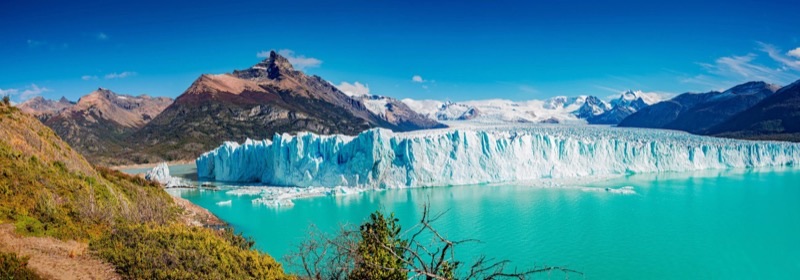
Argentina showcases the dramatic, raw power of nature. Patagonia, with destinations like El Chalten for hiking Mount Fitz Roy and El Calafate for the Perito Moreno Glacier, offers some of the planets most impressive landscapes. Iguazu Falls on the border with Brazil is a massive waterfall system that commands awe. The Esteros del Ibera provides wetland wildlife viewing, while the Andes around Mendoza provide access to high altitude adventures. The landscapes here feel epic and untamed, offering grand scale experiences.
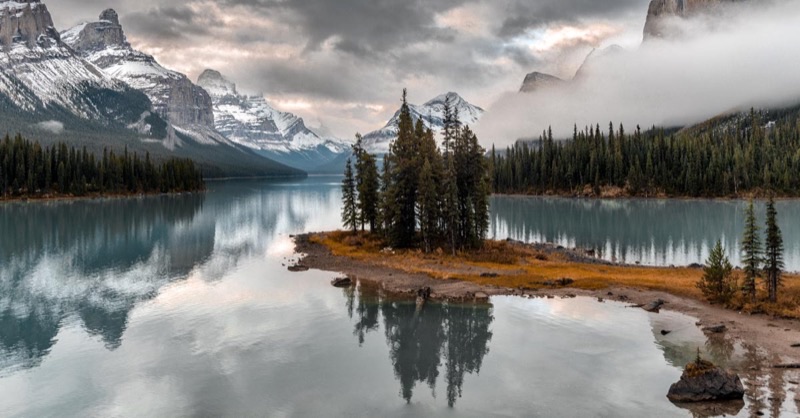
Canada counters with a different type of natural grandeur, often more accessible and highly organized. The Canadian Rockies around Banff and Jasper National Parks feature turquoise lakes like Lake Louise and Moraine Lake, extensive hiking trails, and abundant wildlife viewing (bears, elk, moose). The Pacific Rim National Park Reserve on Vancouver Island offers temperate rainforest and rugged coastlines. The vastness of the boreal forest and the pristine waters of the Great Lakes provide distinct environments. While both offer significant natural beauty, Canada often provides better infrastructure for accessing its wild spaces. This category is a tie, as the appeal comes down to personal taste for specific types of environments.
- Winner: Tie
- Why: Both countries offer incredible, distinct natural experiences, making it impossible to pick a single winner.
- Who this matters for: Outdoor enthusiasts, hikers, photographers, and wildlife observers.
🥩 Food & Drink
Argentina is a paradise for meat lovers and wine enthusiasts. Argentine beef is a standout, with parrilladas (steakhouses) serving various cuts like Bife de Lomo or Ojo de Bife,…

Argentina

Canada
Argentina is a paradise for meat lovers and wine enthusiasts. Argentine beef is a standout, with parrilladas (steakhouses) serving various cuts like Bife de Lomo or Ojo de Bife, often grilled to perfection. Paired with a robust Malbec from Mendoza, it is a culinary experience. Empanadas, choripan (sausage sandwich), and milanesas are popular staples. For dessert, dulce de leche is used in many pastries and ice creams. The coffee culture, especially in Buenos Aires cafes, is also a draw. A memorable meal at a local parrillada outside the tourist zone can be a true delight.
Canada offers a broader range of international cuisines, especially in its major cities like Toronto, Vancouver, and Montreal. While traditional Canadian fare includes poutine (fries with cheese curds and gravy), maple syrup products, and Nanaimo bars, the true culinary strength lies in the diversity of its immigrant communities. You can find excellent Vietnamese, Indian, Chinese, Italian, and Middle Eastern food. Craft breweries are common across the country. Seafood is a highlight on both coasts, particularly oysters in the Maritimes or salmon in British Columbia. However, for a truly distinct and consistently high quality national cuisine, Argentina wins on the strength of its beef and wine.
- Winner: Argentina
- Why: Argentina offers a more cohesive and iconic national cuisine centered around its exceptional beef and Malbec wine.
- Who this matters for: Foodies who appreciate specific national dishes, meat lovers, and wine connoisseurs.
🎭 Culture & History
Argentina presents a captivating blend of European heritage and South American identity. Buenos Aires, often called the 'Paris of South America', boasts grand architecture in…
Argentina
Canada
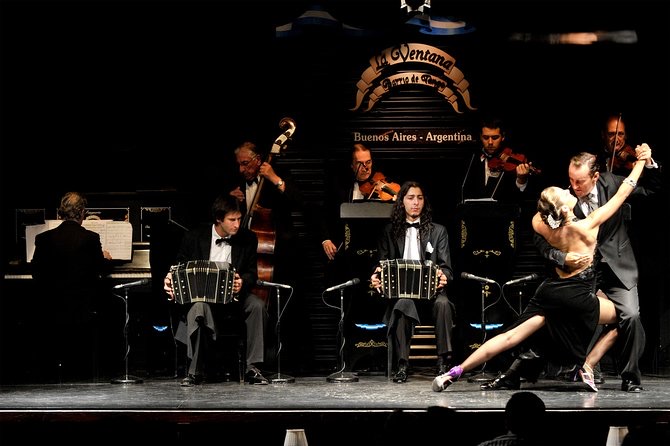
Argentina presents a captivating blend of European heritage and South American identity. Buenos Aires, often called the 'Paris of South America', boasts grand architecture in neighborhoods like Recoleta and San Telmo. Tango is central to its cultural fabric; attending a show or taking a lesson at a milonga is a quintessential experience. The country has a complex and often turbulent political history, evident in its monuments and museums. The impact of Italian and Spanish immigration is seen in everything from food to language nuances, creating a rich and layered cultural environment. Wandering through the San Telmo market on a Sunday offers a glimpse into this vibrant street culture.
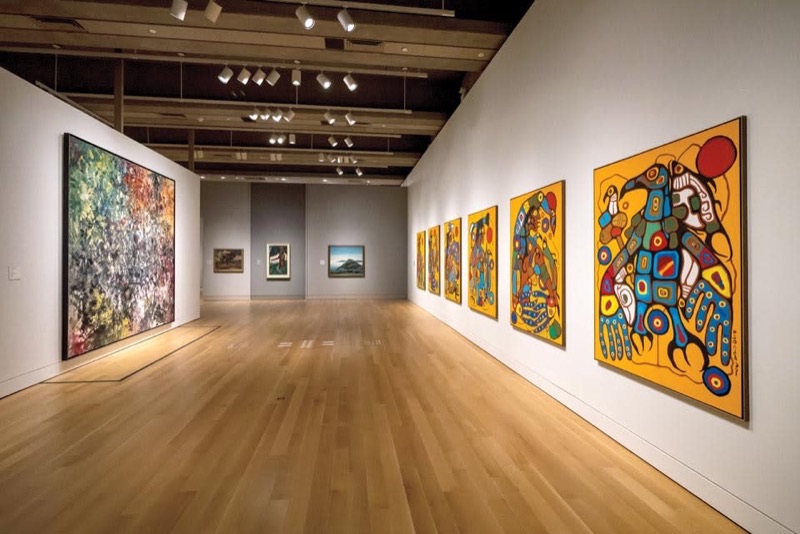
Canada possesses a diverse cultural landscape shaped by its Indigenous peoples, French colonizers, and British heritage, alongside waves of immigration. Quebec offers a distinctly French-speaking culture with its own traditions and history, particularly in Quebec City and Montreal. Indigenous cultures across the country are preserved and celebrated in museums and cultural centers, though often less integrated into daily tourist experiences than in Argentina. Canadian history includes exploration, fur trade, and nation-building, but it often feels more subdued in comparison to Argentinas passionate narratives. While Canada offers cultural diversity, Argentinas unique blend of European and Latin American influences, especially through Tango and its political history, offers a more immediately engaging cultural journey for a traveler.
- Winner: Argentina
- Why: Argentina offers a more palpable and deeply integrated cultural experience, particularly with Tango and its European-South American blend.
- Who this matters for: Travelers interested in arts, music, dance, history, and distinct national identities.
🚌 Getting Around
In Argentina, long-distance bus travel is king. The system is extensive, covers most of the country, and offers comfortable cama (bed) or semi-cama (reclining seat) classes that…
Argentina

Canada
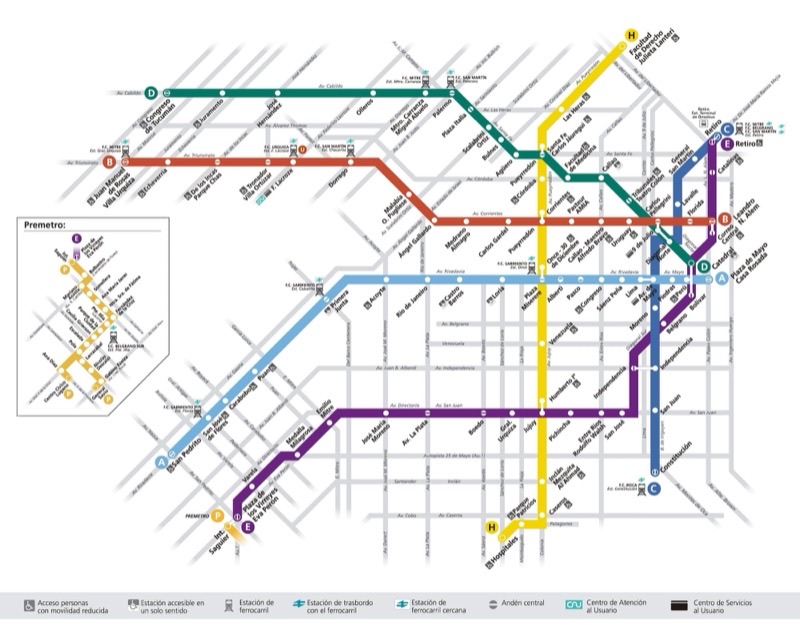
In Argentina, long-distance bus travel is king. The system is extensive, covers most of the country, and offers comfortable cama (bed) or semi-cama (reclining seat) classes that make overnight journeys tolerable. For example, a bus from Buenos Aires to Mendoza can take 12-14 hours but costs significantly less than a flight. Domestic flights are efficient for covering vast distances, such as Buenos Aires to Ushuaia, which is a 3.5-hour flight. Buenos Aires has a subway system (Subte) that is easy to navigate. However, bus schedules can sometimes be flexible, and English support is not always present at smaller terminals. Local taxis and ride-sharing apps are available in cities.
Canada provides a generally smoother and more predictable experience for getting around. Its road network is well-maintained, making car rental a common choice, especially for exploring national parks in places like Alberta or British Columbia. Domestic flights between major cities like Toronto, Vancouver, and Montreal are frequent and efficient, though often expensive. VIA Rail offers some intercity train routes, but they are not as comprehensive or cost-effective as European or Argentinian trains. Public transit in major cities is reliable and clean. For ease, comfort, and predictability of travel, especially if you plan to drive, Canada is the winner. While Argentina offers great value, Canada offers a more consistently straightforward experience.
- Winner: Canada
- Why: Canada offers a more reliable and generally comfortable transportation infrastructure, especially for self-driving and domestic flights.
- Who this matters for: Travelers who prioritize convenience, reliability, and ease of navigation.
🛌 Accommodation
Accommodation in Argentina offers better value for money. You can find well-regarded hostels in Buenos Aires, such as Milhouse Avenue, for around ARS 20,000-30,000 ($20-30 USD) a…
Accommodation in Argentina offers better value for money. You can find well-regarded hostels in Buenos Aires, such as Milhouse Avenue, for around ARS 20,000-30,000 ($20-30 USD) a night for a dorm bed. Mid-range boutique hotels or Airbnbs in pleasant neighborhoods like Palermo or Recoleta can be found for ARS 80,000-150,000 ($80-150 USD) per night, offering space and character. Even higher-end hotels generally cost less than their Canadian equivalents. The overall quality-to-price ratio is superior, allowing travelers to stay in more comfortable settings for less.
Canada's accommodation options are generally more expensive. A dorm bed in a reputable hostel in Vancouver or Toronto, such as Samesun Toronto, can cost CAD 40-70 ($30-50 USD). Mid-range hotels in major cities often start at CAD 150-250 ($110-180 USD) per night, with prices increasing significantly in popular areas or during peak seasons (e.g., Banff in summer). While the quality is typically high and consistent, the cost can quickly add up, consuming a significant portion of a travel budget. For budget-conscious travelers or those seeking to extend their trip, Argentina allows for more comfortable stays without breaking the bank.
- Winner: Argentina
- Why: Argentina provides a significantly better value for accommodation, allowing travelers to enjoy higher quality for a lower price.
- Who this matters for: Budget-conscious travelers, backpackers, and those seeking good value for their lodging.
🛡️ Safety & Security
Argentina is generally safe for tourists, but travelers need to be aware of their surroundings, particularly in larger cities like Buenos Aires. Petty crime such as pickpocketing…
Argentina is generally safe for tourists, but travelers need to be aware of their surroundings, particularly in larger cities like Buenos Aires. Petty crime such as pickpocketing and bag snatching is common, especially in crowded tourist areas like La Boca or during street protests. Scams, like the 'fake taxi' or 'mustard spray' trick, also occur. Exercising common sense precautions, like not displaying valuables and being aware of your phone, reduces risk. Nightlife areas in Buenos Aires can be busy and require attention, but serious violent crime against tourists is not prevalent. However, consistent vigilance is advised.
Canada is widely regarded as one of the safest countries for travelers. Crime rates are low, and serious incidents against tourists are uncommon. Major cities like Toronto, Montreal, and Vancouver are safe to explore, even at night, though standard urban precautions apply. Wilderness areas are generally safe, but hikers and campers should be prepared for wildlife encounters and changing weather conditions. The overall sense of security and peace of mind for travelers in Canada is considerably higher than in Argentina. For those prioritizing a worry-free experience, Canada stands out as the safer destination.
- Winner: Canada
- Why: Canada offers a consistently higher level of personal safety and security, with lower crime rates and fewer common scams.
- Who this matters for: Solo travelers, families with young children, and anyone prioritizing peace of mind.
🌙 Nightlife
Argentina, particularly Buenos Aires, is famous for its late-night culture. Dinner often starts around 9 or 10 PM, and nightlife activities dont truly begin until after midnight.…
Argentina, particularly Buenos Aires, is famous for its late-night culture. Dinner often starts around 9 or 10 PM, and nightlife activities dont truly begin until after midnight. Tango shows, both formal and informal milongas (tango dance halls), offer cultural immersion into the citys soul. Palermo is full of trendy bars and clubs (boliches) that stay open until 4 AM or later. San Telmo also has many bars with live music. The energy is infectious, and it is easy to find places with people socializing into the early morning hours, especially on weekends. Argentines know how to make the most of the night.
Canada offers nightlife primarily concentrated in its larger cities. Toronto and Vancouver have a variety of bars, pubs, and nightclubs, but they tend to close earlier than their Argentine counterparts, typically around 2 or 3 AM. Montreal stands out with its more European-influenced nightlife, boasting numerous bars, dance clubs, and a more vibrant after-hours scene, particularly along Rue Crescent and in the Plateau. Craft breweries are popular across the country, offering a more relaxed evening. However, the sheer dedication to late-night revelry and the unique cultural element of Tango give Argentina the edge. If you want to party until sunrise, Buenos Aires delivers.
- Winner: Argentina
- Why: Argentina, particularly Buenos Aires, offers a more dynamic, later-starting, and culturally immersive nightlife experience.
- Who this matters for: Party-goers, night owls, and those seeking unique cultural entertainment after dark.
✈️ Flights & Accessibility
Accessing Argentina from North America or Europe involves longer flights. A direct flight from New York (JFK) to Buenos Aires (EZE) typically takes 10-11 hours. From London (LHR)…
Accessing Argentina from North America or Europe involves longer flights. A direct flight from New York (JFK) to Buenos Aires (EZE) typically takes 10-11 hours. From London (LHR) to EZE, flights are around 14-15 hours, often with one stop. Prices can vary significantly but are generally higher due to the distance. Once in Buenos Aires, domestic flights connect to major regions like Patagonia (e.g., El Calafate, Ushuaia) or Mendoza, but these can add to the overall cost and travel time. The journey is a commitment, requiring a significant chunk of time for travel.
Canada is much more accessible, especially for travelers from North America. A flight from New York (JFK) to Toronto (YYZ) is a mere 1.5 hours, and to Vancouver (YVR) is about 5.5-6 hours. From London (LHR), a direct flight to Toronto is approximately 7 hours, and to Vancouver is around 9-10 hours. Canada has several major international airports (Toronto Pearson, Vancouver International, Montreal Trudeau), offering more entry points and often more competitive flight prices for shorter journeys. The travel time commitment is significantly less, making it easier to plan shorter trips or weekend getaways. For overall ease and speed of getting there, especially from common origin points, Canada is the winner.
- Winner: Canada
- Why: Canada is significantly more accessible with shorter flight times, especially from major North American and European hubs.
- Who this matters for: Travelers with limited vacation time, those sensitive to long-haul flights, and those from North America.
☀️ Weather & Seasons
Argentina, being in the Southern Hemisphere, experiences seasons opposite to North America and Europe. Its summer (December to February) is the prime time to visit Patagonia for…
Argentina, being in the Southern Hemisphere, experiences seasons opposite to North America and Europe. Its summer (December to February) is the prime time to visit Patagonia for hiking and exploring glaciers, with pleasant temperatures but also more tourists. Buenos Aires can be hot and humid in summer. The shoulder seasons (spring: Sept-Nov, autumn: Mar-May) offer milder weather across much of the country and fewer crowds. Winter (June-August) is cold in Patagonia and ideal for skiing in the Andes, such as Bariloche. Travelers need to plan carefully based on which region they prioritize, as conditions vary greatly across its large latitudinal span.
Canada, in the Northern Hemisphere, has its peak travel season during summer (June to August) when national parks like Banff and Jasper are accessible, and cities are at their most vibrant with pleasant, warm temperatures. Autumn (September to October) brings spectacular fall foliage, especially in Eastern Canada. Winter (December to February) is cold and snowy across most of the country, suitable for skiing, snowboarding, and ice skating, but challenging for general touring. Spring (April to May) is a transition period. Both countries offer distinct seasonal experiences that are best suited for different types of activities, making it difficult to declare an outright winner based on weather alone. It depends entirely on a travelers preference and what activities they seek.
- Winner: Tie
- Why: Both countries offer distinct and appealing seasonal experiences, making the 'best' time dependent on travel goals and preferences.
- Who this matters for: Travelers with specific activity interests (e.g., hiking, skiing) or those sensitive to heat or cold.
🎯 The Decision Framework
Choose Argentina If…
- You want an authentic South American experience with European flair.
- Your budget is $50-100 USD per day for quality experiences.
- You want to eat world-class steak and drink Malbec wine frequently.
- You are excited by the idea of exploring Patagonia's mountains and glaciers.
- You crave late-night dining and dancing, maybe even a Tango show.
- You appreciate significant cultural depth and a passionate history.
- You are comfortable with long-distance bus travel and occasional language barriers.
- You are happy to navigate a different currency system and exchange rates.
Choose Canada If…
- You prioritize safety and a generally smooth, predictable travel experience.
- You want to explore pristine national parks with well-maintained trails.
- You enjoy multicultural cities with diverse food options and craft breweries.
- You prefer shorter flight times, especially from North America or Europe.
- You are comfortable with North American price points ($100-200+ USD/day).
- You want easy access to wilderness areas, possibly renting a car.
- You are keen on observing wildlife in its natural habitat.
- You seek comfort and modern amenities in accommodation and transport.
📅 Sample Itineraries
Weekend in Argentina (3 Days)
💡 Purchase a SUBE card for Buenos Aires public transport upon arrival for seamless travel on buses and subways; a single ride typically costs less than $0.50.
Weekend in Canada (3 Days)
💡 Consider purchasing a PRESTO card for Toronto's TTC (subway, streetcar, bus) if staying for a few days; single fares are around $3.25.
One Week in Argentina (7 Days)
💡 Book domestic flights in Argentina well in advance, especially for Patagonia routes, to secure better prices, often around $50-100 for shorter hops if booked early.
One Week in Canada (7 Days)
💡 To save on inter-city travel, consider booking VIA Rail Canada in advance for routes like Toronto to Montreal, as early bookings can offer significant discounts, potentially saving $30-50 on a ticket.
❓ Frequently Asked Questions
What is the typical daily budget difference between Argentina and Canada?
For a mid-range traveler, Argentina typically costs $50-100 USD per day, covering decent meals, transport, and a hostel or budget hotel. Canada, in contrast, usually requires $100-200+ USD per day for similar comfort levels, with accommodation and food being the primary cost drivers.
Are visas required for US or EU citizens for Argentina or Canada?
US and most EU citizens generally do not require a visa for tourist stays up to 90 days in both Argentina and Canada. Always check the latest entry requirements with the respective embassy or consulate a few months before your planned trip, as regulations can change.
Which country is better for solo female travelers?
Canada is generally considered safer and more straightforward for solo female travelers due to its lower crime rates and robust infrastructure. Argentina is manageable, but solo female travelers should be more vigilant about personal belongings and late-night activities, especially in Buenos Aires.
What are the key language differences travelers should expect?
In Argentina, Spanish is the official language. While English is spoken in major tourist areas, knowing basic Spanish phrases helps significantly outside these zones. In Canada, English and French are the official languages. English is spoken across most of the country, with French being dominant in Quebec.
How long should I plan to stay in each country for a good experience?
For Argentina, a minimum of 2-3 weeks allows you to experience Buenos Aires, one major natural region like Patagonia or Mendoza, and another city. For Canada, 10-14 days can cover a region like the Rockies or a combination of 2-3 major cities, but a month provides a more comprehensive exploration.
What are the best times of year to visit each country?
The best time for Argentina depends on your focus: December to February for Patagonia, or shoulder seasons (Sept-Nov, Mar-May) for Buenos Aires and milder weather. For Canada, June to August is prime for outdoor activities and cities, while September-October is excellent for fall foliage in the east.
What are the currency and payment methods like in each country?
Argentina uses the Argentine Peso (ARS). Cash is often preferred due to fluctuating exchange rates and 'blue dollar' markets offering better rates. Major credit cards are accepted in tourist establishments. Canada uses the Canadian Dollar (CAD). Credit and debit cards are widely accepted everywhere, and cash is used less frequently.
Are national parks easily accessible in both countries?
In Argentina, national parks like Los Glaciares (Patagonia) require travel, often by bus or flight, and then local transfers. In Canada, national parks like Banff are often accessible by car, with well-developed road networks and shuttle services within the parks, making self-driving popular for exploration.
Ready to plan your Americas trip?
Get a free custom itinerary for Argentina, Canada, or both — built from real traveler insights.
👥 Travelers Also Compared
🎟️ Book Tours & Experiences
Hand-picked tours and activities for both destinations — book with free cancellation
Experiences via Viator — free cancellation on most tours