How we built this comparison
This page combines traveler discussion patterns, published price ranges, flight schedules, and seasonal data to help you decide between Argentina and Colombia.
- Reviewed 100+ Reddit threads from r/travel, r/solotravel, r/argentina, r/colombia, r/southamerica
- Verified costs and logistics against current booking platforms like Booking.com, Google Flights, and local bus sites
- Cross-referenced seasonal patterns and weather data from multiple meteorological sources

⚡ Quick Answers
⚡ The TL;DR Verdict
Argentina serves travelers seeking grand natural expanses, European-influenced cities, and a slower pace, with daily budgets often $50-90 USD. Colombia is for those who prefer tropical climates, a lively social scene, and quicker transitions between diverse locales, typically costing $40-70 USD daily. For most first-time South America travelers on a budget, Colombia offers more immediate gratification and ease.
- Choose Argentina: Travelers prioritizing Patagonian treks, wine country explorations, significant steaks, and a more European feel, who are comfortable with longer internal distances and potentially higher costs.
- Choose Colombia: Travelers seeking tropical beaches, coffee plantations, salsa dancing, and a generally lower-cost experience with shorter travel times between varied destinations.
- Choose Both: If you have at least 4-6 weeks and a healthy budget, combining both offers a complete South American experience, contrasting mountains and pampas with Caribbean coasts and Amazonian edges.
Choose Argentina
Choose Argentina if your ideal South American journey includes conquering epic Patagonian trails like those near El Chaltén, indulging in world-class Malbec in Mendoza, and experiencing Buenos Aires' vibrant tango halls and European charm. This destination is best for travelers seeking majestic landscapes, sophisticated city life, and a more immersive pace, who are comfortable with longer internal distances and a slightly higher daily spend.
Choose Colombia
Opt for Colombia if you crave an exhilarating mix of tropical beaches in Cartagena, vibrant salsa nights in Medellín, and aromatic coffee farm tours in the Zona Cafetera. It's best for social travelers seeking immediate gratification, diverse experiences packed into shorter travel times, and a lively atmosphere without breaking the bank. Embrace its dynamic culture and stunning natural beauty on a more modest budget.
📊 Visual Scorecard
🌤 When to Visit
Average high temperatures (°C). Green = best months, orange = avoid.
Quick Comparison
| Category | Argentina | Colombia | Winner |
|---|---|---|---|
| Costs | Generally more expensive, especially for dining out and specific activities like Patagonia tours. Inflation can also be a factor. | More budget-friendly across the board for food, transport, and lodging, offering good value. | Colombia |
| Getting There | Longer flights from North America and Europe, fewer direct options, often higher prices. | Shorter flight times from North America, more direct routes, generally better value. | Colombia |
| Getting Around | Vast distances necessitate internal flights, which can be expensive. Bus travel is extensive but slow. | Shorter distances between key destinations, good bus network, affordable regional flights. | Colombia |
| Food & Drink | Red meat, Malbec wine, and Italian influences define the food scene; excellent bakeries and coffee. | Diverse regional cuisines, tropical fruits, coffee, and fresh seafood along the coast; simple but flavorful. | Argentina |
| Nightlife & Parties | Late-night culture with tango, electronic music, and lively bars, especially in Buenos Aires. | Salsa clubs, reggaeton, and a generally energetic party scene that starts earlier and lasts long. | Colombia |
| Culture & History | Strong European influence, tango, Gaucho traditions, and complex political history. | Indigenous, African, and Spanish heritage, diverse regional traditions, coffee culture, and Gabriel García Márquez's legacy. | Argentina |
| Nature & Landscapes | Patagonia's glaciers and mountains, Iguazú Falls, Puna's deserts, and Mendoza's vineyards offer dramatic variety. | Andean mountains, Caribbean beaches, Amazon rainforest, and coffee zones provide diverse ecosystems. | Argentina |
| Safety | Generally safe with common urban precautions; petty theft is the main concern. | Significant improvements in recent years, but still requires awareness, especially in major cities. | Tie |
| Accommodation | Wide range from luxury hotels to hostels, good quality overall, but can be pricier in Patagonia. | Extensive options from boutique hotels to budget hostels, generally more affordable. | Colombia |
| Solo Travel | Generally safe and easy for solo travelers, particularly in hostels and major cities, but distances can be isolating. | Social, friendly, and easier to connect with others, especially with widespread hostels and a more compact layout. | Colombia |
💸 Costs
Argentina, particularly Buenos Aires and Patagonia, demands a higher daily spend. A mid-range traveler might spend 50,000-80,000 ARS ($50-80 USD) daily, excluding major tours. A…
Argentina
Colombia
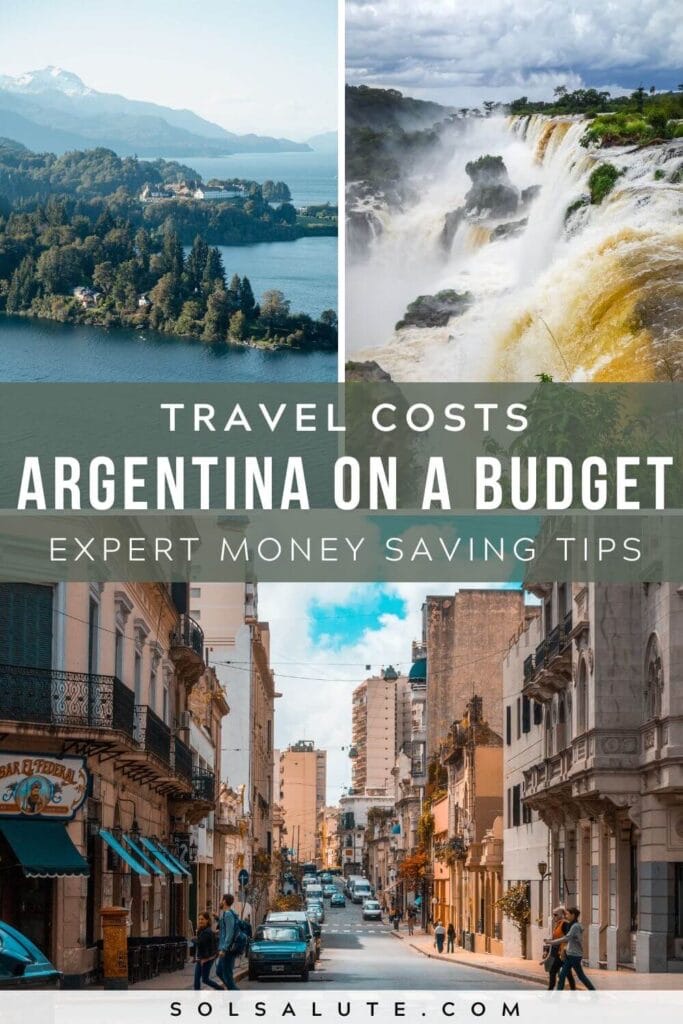
Argentina, particularly Buenos Aires and Patagonia, demands a higher daily spend. A mid-range traveler might spend 50,000-80,000 ARS ($50-80 USD) daily, excluding major tours. A decent restaurant meal in Palermo might cost 15,000-25,000 ARS ($15-25 USD), while a hostel bed can be 7,000-12,000 ARS ($7-12 USD). Internal flights are a significant cost, with a one-way from Buenos Aires to El Calafate often 40,000-70,000 ARS ($40-70 USD). Savvy travelers use the blue dollar rate to stretch their budget significantly, effectively lowering many cash-paid costs.
Colombia offers a more forgiving budget. A mid-range traveler often manages on 150,000-250,000 COP ($40-70 USD) per day. A typical local meal, like a 'menu del día', costs 15,000-25,000 COP ($4-7 USD). Hostel beds range from 30,000-60,000 COP ($8-15 USD). Long-distance buses are affordable, for example, Bogotá to Medellín might be 80,000-120,000 COP ($20-30 USD). Even international flights into Bogotá or Medellín are often more competitive than flights into Buenos Aires. Colombia is the better pick for budget-focused travelers who want their money to go further.
- Winner: Colombia
- Why: Colombia offers a lower cost of living and travel, making it more accessible for budget-conscious explorers.
- Who this matters for: Anyone on a tighter budget, or those planning extended stays.
✈️ Getting There
Flights to Buenos Aires (EZE) from major US hubs like Miami or New York can take 9-11 hours direct, often costing $700-1100 USD round trip. From Europe, flights are typically…
Argentina
Colombia
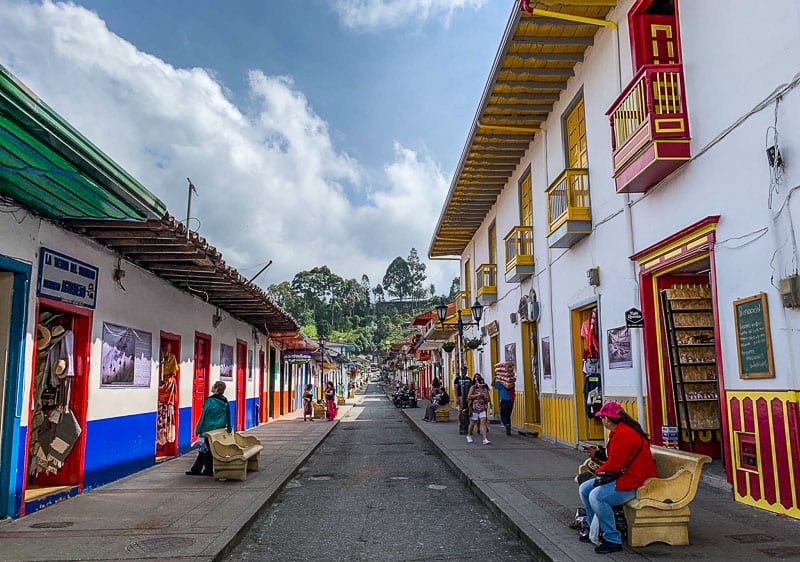
Flights to Buenos Aires (EZE) from major US hubs like Miami or New York can take 9-11 hours direct, often costing $700-1100 USD round trip. From Europe, flights are typically 12-15 hours. There are fewer direct flight options compared to Colombia, and ticket prices often reflect the greater distance. For instance, a flight from NYC to Buenos Aires might involve a layover even on a major carrier, increasing travel time. Travelers need to account for this significant travel day.
Flights to Bogotá (BOG) or Medellín (MDE) from US cities like Miami or Fort Lauderdale can be as short as 3-4 hours direct, with round trips often costing $400-700 USD. From New York, direct flights are around 5-6 hours. European connections are typically 9-11 hours. The higher frequency of flights and more competitive market, especially from North America, means better deals and more convenient schedules. This makes Colombia a much quicker and often cheaper arrival point. Colombia wins on ease and cost of international arrival.
- Winner: Colombia
- Why: Colombia has shorter, more frequent, and generally less expensive flights from major global hubs, especially North America.
- Who this matters for: Travelers with limited vacation time or those sensitive to flight costs and duration.
🚌 Getting Around
Argentina's immense size means getting around requires planning. To cover major regions like Patagonia, Salta, and Buenos Aires, internal flights are often necessary, costing…

Argentina
Colombia
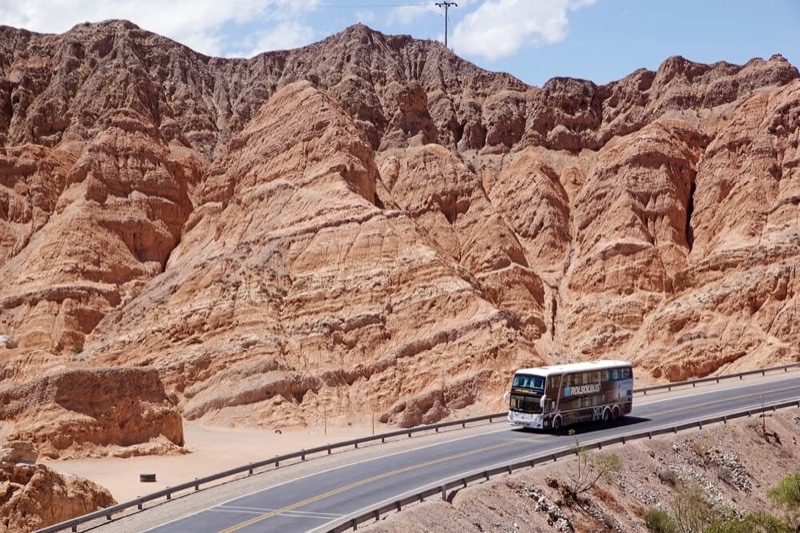
Argentina's immense size means getting around requires planning. To cover major regions like Patagonia, Salta, and Buenos Aires, internal flights are often necessary, costing 40,000-70,000 ARS ($40-70 USD) each way, for example, between Buenos Aires and Ushuaia or El Calafate. Bus travel is comprehensive and comfortable (cama or semi-cama seats are like business class on a plane) but covers enormous distances; a Buenos Aires to Mendoza bus can be 12-14 hours and cost 20,000-35,000 ARS ($20-35 USD). Within cities, subways and buses are efficient and inexpensive, such as Buenos Aires Subte fares at 80 ARS ($0.08 USD).
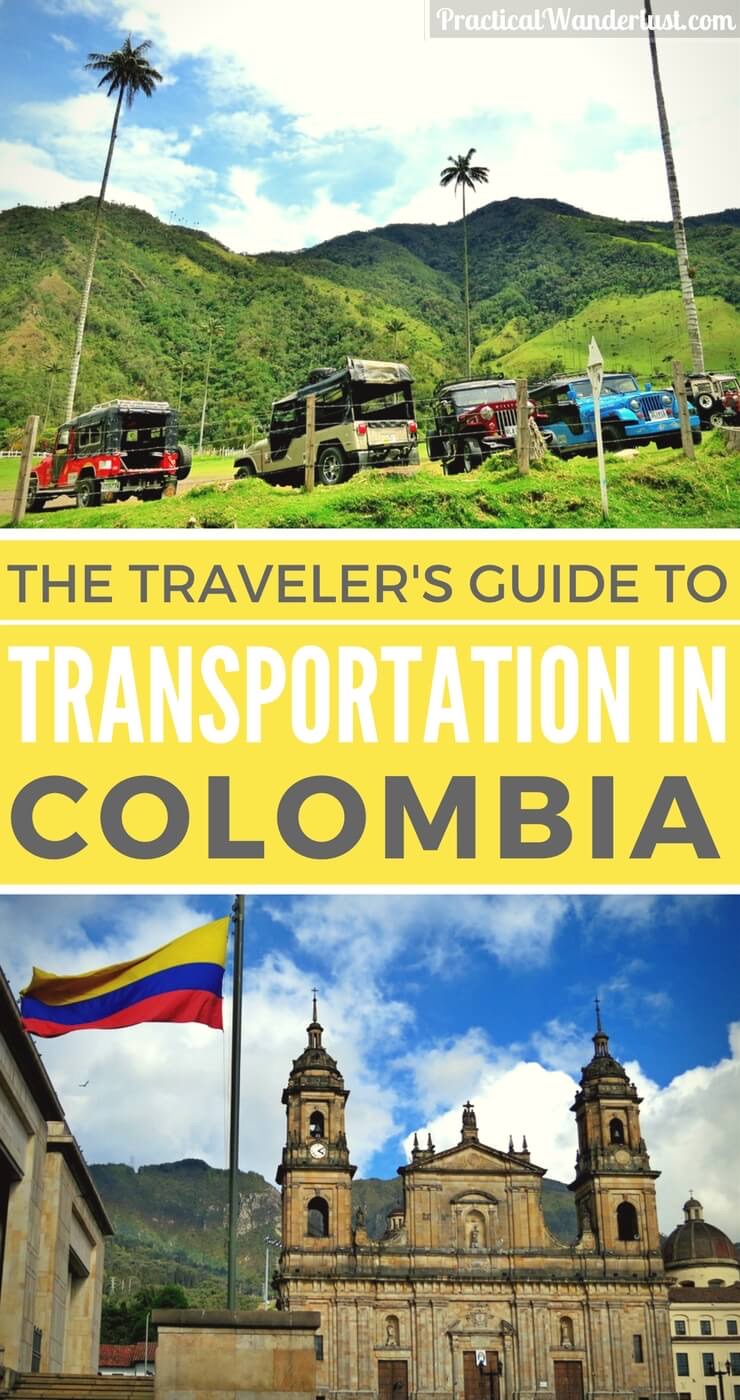
Colombia offers more manageable distances. Long-distance buses are the primary method, linking cities like Bogotá, Medellín, and Cartagena with relative efficiency. A bus from Bogotá to Salento is about 8 hours and costs 70,000-100,000 COP ($18-25 USD). Regional flights with carriers like Avianca or Viva Air are also quite affordable and can save significant time; a flight from Medellín to Cartagena might be 150,000-300,000 COP ($40-80 USD). City transport includes TransMilenio in Bogotá and Medellín's Metro, both efficient and affordable at around 2,950 COP ($0.75 USD) per ride. Colombia is simply easier to navigate without breaking the bank or sacrificing too much travel time.
- Winner: Colombia
- Why: Colombia's smaller geographic footprint and well-developed, affordable transport network make internal travel quicker and less costly.
- Who this matters for: Travelers with limited time or those who dislike long, arduous journeys.
🥩 Food & Drink
Argentina is a paradise for meat lovers and wine enthusiasts. Steaks, especially bife de chorizo or ojo de bife, are central, often served at parrillas like Don Julio in Buenos…

Argentina
Colombia
Argentina is a paradise for meat lovers and wine enthusiasts. Steaks, especially bife de chorizo or ojo de bife, are central, often served at parrillas like Don Julio in Buenos Aires, where a meal for two with wine can easily be 40,000-70,000 ARS ($40-70 USD). Empanadas, choripán, and dulce de leche are ubiquitous and delicious. Mendoza is a premier wine region, offering tours and tastings for 10,000-20,000 ARS ($10-20 USD) per winery. The coffee culture is strong, with many excellent cafes. While vegetarian options exist, they are not the focus. Argentina delivers an experience centered on indulgence.
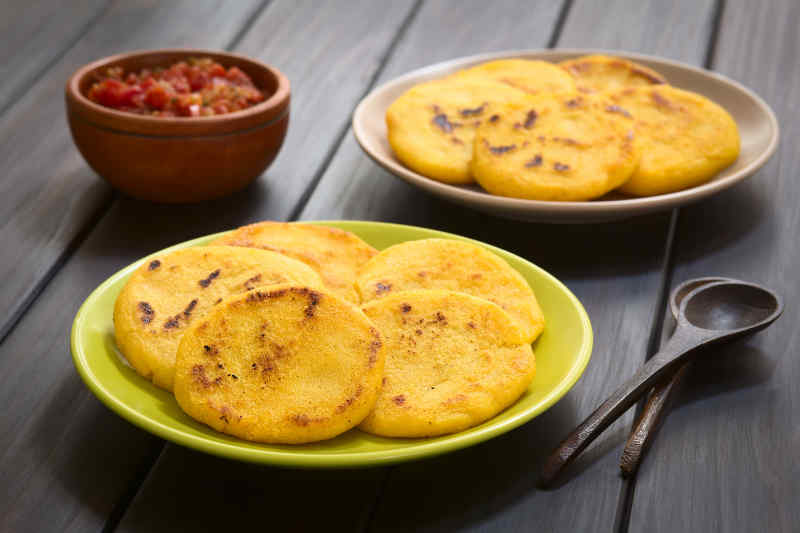
Colombia's cuisine is regional and generally less globally famous but still satisfying. Arepas, bandeja paisa (a hearty mix of meat, beans, rice, and egg), and sancocho (stew) are common. Coastal areas feature fresh seafood, like ceviche in Cartagena for 30,000-50,000 COP ($8-13 USD). Tropical fruits are abundant and inexpensive. Coffee is a key export, and tours in the Zona Cafetera (like Salento) are popular, costing 40,000-70,000 COP ($10-18 USD). While good, Colombian food does not reach the same culinary heights as Argentina's celebrated steak and wine culture. Argentina offers a more consistently high-quality and distinctive culinary experience.
- Winner: Argentina
- Why: Argentina's culinary scene, with its world-class steaks, Malbec wines, and strong Italian influence, offers a more distinct and globally recognized gastronomic experience.
- Who this matters for: Foodies, carnivores, wine lovers, and those prioritizing gourmet experiences.
💃 Nightlife & Parties
Buenos Aires comes alive very late. Dinner often starts at 9 PM, and clubs (boliches) dont fill up until 2-3 AM, going strong until sunrise. Areas like Palermo Soho and Recoleta…

Argentina
Colombia
Buenos Aires comes alive very late. Dinner often starts at 9 PM, and clubs (boliches) dont fill up until 2-3 AM, going strong until sunrise. Areas like Palermo Soho and Recoleta have numerous bars and pubs. Tango shows, both tourist-oriented (starting at 30,000 ARS / $30 USD) and more local milongas (5,000 ARS / $5 USD for entry), are iconic. Electronic music also has a strong following. While the nightlife is significant, it requires commitment to the late hours.
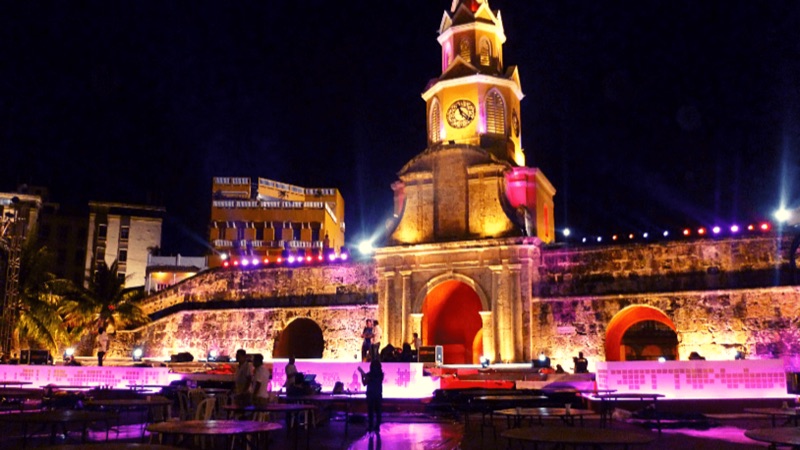
Colombia's nightlife is generally more immediate and social. Medellín, particularly El Poblado, and Bogotá have numerous bars and clubs playing salsa, reggaeton, and Cumbia. Cartagena offers an outdoor party atmosphere in Getsemaní. Entry to clubs is often free or a small cover (10,000-30,000 COP / $2.50-8 USD). Salsa lessons are popular in Cali and Medellín, often costing 30,000-50,000 COP ($8-13 USD) for a private class. The atmosphere is generally more outgoing and focused on dancing and direct social interaction. Colombia simply has more pervasive and accessible party energy. Colombia edges out Argentina for its immediate, dance-focused, and broadly appealing party scene.
- Winner: Colombia
- Why: Colombia offers a more widespread, accessible, and dance-centric party scene, with salsa and reggaeton dominating the social atmosphere.
- Who this matters for: Travelers who prioritize dancing, social interaction, and an energetic, tropical party environment.
🏛️ Culture & History
Argentine culture is heavily European, especially Spanish and Italian, evident in its architecture, cuisine, and social customs. Buenos Aires features grand boulevards, historic…
Argentine culture is heavily European, especially Spanish and Italian, evident in its architecture, cuisine, and social customs. Buenos Aires features grand boulevards, historic cafes like Café Tortoni, and significant cemeteries like La Recoleta. Tango, both a dance and a music genre, is central, with milongas and shows. The Gaucho culture of the Pampas offers a contrast, with estancias providing insights into rural life. The country also carries a complex modern history, including the Dirty War, explored in places like the ESMA Museum. Argentina offers a profound, layered cultural experience that feels distinctly Latin American with a European veneer.
Colombian culture is a mix of Indigenous, African, and Spanish traditions, leading to regional variations. Cartagena's walled city and San Basilio de Palenque (a UNESCO site) showcase African heritage. Bogotá has numerous museums, including the Gold Museum (Museo del Oro), displaying pre-Columbian artifacts (entry 5,000 COP / $1.25 USD). The coffee culture in the Zona Cafetera is a major draw. Gabriel García Márquez's literary legacy is felt, particularly in the Caribbean region. While diverse, Colombia's historical narrative is often more fragmented and less cohesively presented than Argentina's grand, unified cultural identity. Argentina offers a more globally significant and deeply embedded cultural narrative.
- Winner: Argentina
- Why: Argentina's culture, with its iconic tango, strong European legacy, and deep literary traditions, presents a more cohesive and impactful cultural narrative.
- Who this matters for: Travelers interested in European-influenced Latin American history, dance, and fine arts.
🏔️ Nature & Landscapes
Argentina boasts a landscape of extremes. Patagonia's Perito Moreno Glacier, near El Calafate, is a moving ice field you can trek on (tours 100,000-150,000 ARS / $100-150 USD). El…
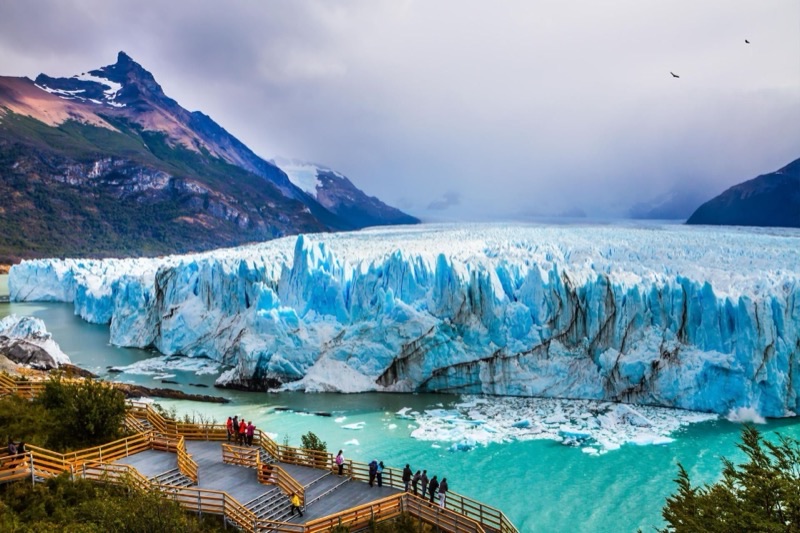
Argentina boasts a landscape of extremes. Patagonia's Perito Moreno Glacier, near El Calafate, is a moving ice field you can trek on (tours 100,000-150,000 ARS / $100-150 USD). El Chaltén offers trekking around Mount Fitz Roy. Iguazú Falls, on the border with Brazil, are among the world's most powerful waterfalls (entry 12,000 ARS / $12 USD). The northwest (Salta region) has desert landscapes and colored mountains. The Valdés Peninsula is home to marine wildlife. Argentina's scale and grandeur are immense, providing truly epic natural experiences that require significant travel but deliver awe.
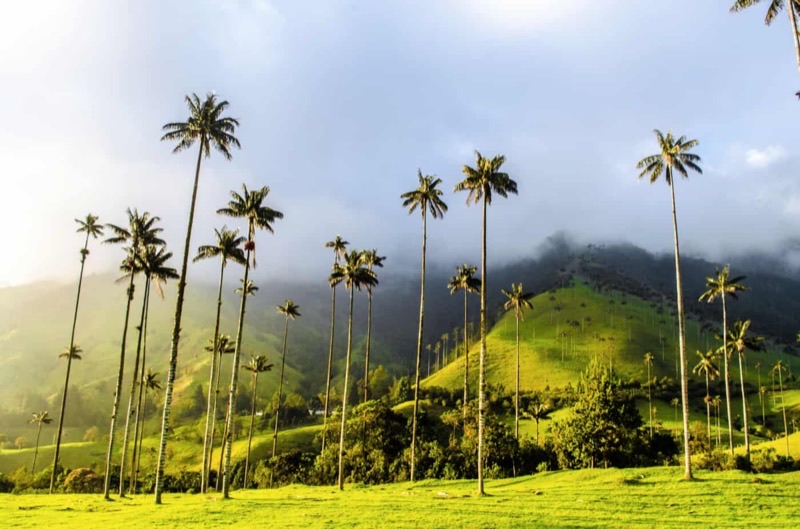
Colombia has its own natural wonders. The Caribbean coast includes Tayrona National Natural Park (entry 68,000 COP / $17 USD), with its tropical beaches and jungle. The Andes run through the country, creating coffee-growing regions like Salento and Cocora Valley (wax palm trees). The Amazon rainforest extends into Colombia, accessible from Leticia. Deserts (Tatacoa) and cloud forests also exist. While beautiful, Colombia's natural sites, with the exception of the Amazon, tend to be less unique on a global scale compared to Argentina's iconic Patagonia or Iguazú. For sheer scale and globally recognized natural spectacles, Argentina is peerless.
- Winner: Argentina
- Why: Argentina's vastness includes globally recognized natural spectacles like Patagonia's glaciers and Iguazú Falls, offering unparalleled grandeur and diversity.
- Who this matters for: Adventure seekers, photographers, and those who prioritize seeing iconic natural landmarks.
🚨 Safety
Argentina, particularly Buenos Aires, is generally safe, but like any large city, it has areas with higher crime rates. Petty theft, such as pickpocketing and bag snatching, is…
Argentina, particularly Buenos Aires, is generally safe, but like any large city, it has areas with higher crime rates. Petty theft, such as pickpocketing and bag snatching, is the most common issue, especially in crowded tourist areas like La Boca or San Telmo. Using common sense, avoiding displaying valuables, and being aware of surroundings largely mitigates risks. Taxis should be radio-dispatched or via apps. Outside of major cities, particularly in Patagonia, safety concerns are minimal. Travelers usually report feeling comfortable and secure.
Colombia has made significant strides in safety over the last two decades. Major cities like Medellín, Bogotá, and Cartagena are now generally safe for tourists, but caution is still important. Scams, pickpocketing, and express kidnappings (where victims are forced to withdraw money) can occur, especially if intoxicated or in isolated areas. Using ride-sharing apps like Uber (though technically illegal in some areas, it is widely used) or reputable taxis is advisable. Certain neighborhoods, even within cities, should be avoided. The perceived risk is higher, even if the reality has improved. Both countries require similar levels of urban awareness, leading to a tie in practical safety advice.
- Winner: Tie
- Why: Both countries require similar levels of urban awareness and precaution; neither presents an unequivocally safer environment for all travelers.
- Who this matters for: All travelers, as safety is a universal concern requiring individual vigilance in both locations.
🛌 Accommodation
Argentina offers varied accommodation. In Buenos Aires, you can find upscale boutique hotels in Palermo, mid-range options in Recoleta, and numerous hostels across the city. A…
Argentina offers varied accommodation. In Buenos Aires, you can find upscale boutique hotels in Palermo, mid-range options in Recoleta, and numerous hostels across the city. A decent hostel bed in Buenos Aires might cost 7,000-12,000 ARS ($7-12 USD), while a mid-range hotel room can be 25,000-50,000 ARS ($25-50 USD). In Patagonia, prices for all types of lodging tend to be higher due to demand and remote locations; a basic room in El Calafate might start at 35,000 ARS ($35 USD). Quality is generally high, though older buildings might lack modern amenities.
Colombia provides an excellent selection of accommodation at generally lower prices. From charming colonial-style boutique hotels in Cartagena's Old City (rooms often 200,000-400,000 COP / $50-100 USD) to lively hostels in Medellín's El Poblado (beds for 30,000-60,000 COP / $8-15 USD), there are choices for every budget. Even small towns like Salento have attractive guesthouses. The overall value for money is higher in Colombia, with well-maintained properties offering good service for less. For travelers seeking more comfort for their dollar, Colombia is the better option. Colombia simply offers better value and more consistent affordability in lodging.
- Winner: Colombia
- Why: Colombia provides a broader range of high-quality, comfortable accommodation options at significantly more affordable price points.
- Who this matters for: Budget travelers, those seeking good value, or anyone who appreciates quality lodging without a high cost.
🚶♀️ Solo Travel
Argentina is a good option for solo travelers, especially in Buenos Aires where hostels are plentiful and social. Meeting other travelers in places like Milhouse Hostel is…
Argentina is a good option for solo travelers, especially in Buenos Aires where hostels are plentiful and social. Meeting other travelers in places like Milhouse Hostel is straightforward. Public transport is good, and overall safety is reasonable. However, the vast distances in Argentina can make solo travel feel more isolating between destinations, requiring long bus rides or expensive flights, which might not be ideal for those seeking constant social interaction. Spanish proficiency helps, but many tourist-facing staff speak some English. The slower pace outside the capital can also be a factor.
Colombia is exceptionally solo-traveler friendly. The hostel network is extensive and very social, making it easy to meet people, especially in Medellín, Bogotá, and Cartagena. Colombians are generally open and welcoming. Language barriers are similar to Argentina, with English more common in tourist areas. The shorter distances between destinations mean less time spent alone in transit. The dance culture (salsa) also provides a natural avenue for social interaction. Medellín is often cited as a top city for solo travelers. Colombia simply offers a more immediate and consistent social experience for those traveling alone.
- Winner: Colombia
- Why: Colombia's social atmosphere, strong hostel network, and compact travel distances make it easier for solo travelers to connect and explore.
- Who this matters for: First-time solo travelers, those looking to meet other travelers, and individuals who prefer a social atmosphere.
🎯 The Decision Framework
Choose Argentina If…
- You want to trek among colossal glaciers and mountains in Patagonia.
- Your idea of a perfect meal involves significant steak and Malbec wine.
- You are drawn to European-influenced cities with grand architecture and late-night culture.
- You prioritize seeing the immense Iguazú Falls from both sides (if combining with Brazil).
- You appreciate a more relaxed pace and are content with longer travel times between regions.
- You are comfortable with using the 'blue dollar' exchange rate to maximize your budget.
- You want to experience authentic tango in its birthplace.
- You prefer cooler climates and distinct seasonal changes.
Choose Colombia If…
- You seek tropical beaches and Caribbean energy, like in Tayrona National Park.
- You want to explore coffee plantations and learn about coffee production.
- You love dancing salsa and reggaeton in lively clubs and bars.
- You are on a tighter budget and want your money to go further.
- You prefer shorter travel times between diverse regions and cities.
- You are looking for a highly social travel experience, especially as a solo traveler.
- You want to immerse yourself in a mix of Indigenous, African, and Spanish cultures.
- You enjoy exploring colonial cities and cloud forests.
📅 Sample Itineraries
Weekend in Argentina (3 Days)
💡 Purchase a SUBE card for Buenos Aires public transport (initial cost $2-3) and load it with funds to save on bus and subway fares, which are typically under $1 per ride.
Weekend in Colombia (3 Days)
💡 Use ride-sharing apps like Uber or InDriver in Colombian cities to get around safely and often at a better price than street taxis, especially late at night.
One Week in Argentina (7 Days)
💡 For inter-city travel, book domestic flights with local airlines like Aerolíneas Argentinas or Flybondi well in advance to secure better rates, often saving 20-30% on last-minute fares.
One Week in Colombia (7 Days)
💡 Use local sim cards (Claro or Tigo, about $10-15 for data) for navigation and communication, especially for calling ride-sharing services, which can save time and money compared to relying on Wi-Fi.
❓ Frequently Asked Questions
What is the typical daily budget difference between Argentina and Colombia?
Argentina generally requires a daily budget of $50-90 USD for a mid-range traveler, factoring in lodging, food, and local transport. Colombia is more budget-friendly, often costing $40-70 USD per day for a similar travel style. Activities and internal flights can significantly increase these figures in both countries.
Which country is better for nature and outdoor activities?
Argentina offers more globally significant natural spectacles, especially Patagonia's glaciers and the grandeur of Iguazú Falls, suitable for serious trekkers and landscape photographers. Colombia has diverse ecosystems including Caribbean beaches, Andean mountains, and parts of the Amazon, but its offerings are generally less monumental in scale compared to Argentina's iconic sites.
Is it easy to get around each country?
Colombia is generally easier to get around due to shorter distances between major attractions and a well-developed, affordable bus network. Argentina's immense size often necessitates expensive internal flights for efficient travel, though its bus system is comfortable for very long journeys. Within cities, both have good public transport.
Which destination is better for foodies?
Argentina is a clear winner for foodies who appreciate red meat, Malbec wines, and Italian-influenced cuisine. Its parrillas (steakhouses) and bakeries are significant. Colombia offers regional and diverse dishes, with a focus on tropical fruits and coffee, but its culinary scene is generally less renowned globally than Argentina's.
How do the flight times compare from North America?
Flights to Colombia (Bogotá/Medellín) from North America are significantly shorter, often 3-6 hours direct from major US hubs. Flights to Argentina (Buenos Aires) are much longer, typically 9-11 hours direct, and can be more expensive due to the greater distance.
Which country has better nightlife?
Colombia generally has a more widespread and accessible nightlife, centered on salsa, reggaeton, and a lively, social dance culture that starts earlier. Argentina's nightlife, especially in Buenos Aires, is famous for its late hours and tango, but it might require more commitment to its unique rhythms.
What about safety for solo female travelers?
Both countries require standard urban precautions. Argentina is perceived as slightly safer overall, particularly outside major cities. Colombia has improved significantly but still demands vigilance, especially in certain city areas. Solo female travelers report feeling comfortable in both but emphasize being aware of surroundings, especially at night, and using reputable transport.
When is the best time to visit each?
Argentina's vastness means different best times; spring (Sept-Nov) and autumn (Mar-May) are generally good for Buenos Aires, while summer (Dec-Feb) is ideal for Patagonia. Colombia, being closer to the equator, has less seasonal variation; generally, December-March and July-August are considered dry seasons and popular, but travel is possible year-round depending on the region.
Ready to plan your South America trip?
Get a free custom itinerary for Argentina, Colombia, or both — built from real traveler insights.
👥 Travelers Also Compared
🎟️ Book Tours & Experiences
Hand-picked tours and activities for both destinations — book with free cancellation
Experiences via Viator — free cancellation on most tours