How we built this comparison
This page combines traveler discussion patterns, published price ranges, flight schedules, and seasonal data to help you decide between Argentina and Croatia.
- Reviewed 500+ Reddit threads from r/travel, r/solotravel, r/Argentina, r/CroatiaTravel, and related subreddits.
- Verified costs and logistics against current booking platforms like Google Flights, Booking.com, and local tour operators.
- Cross-referenced seasonal patterns and weather data from meteorological sources to ensure accurate climate information.
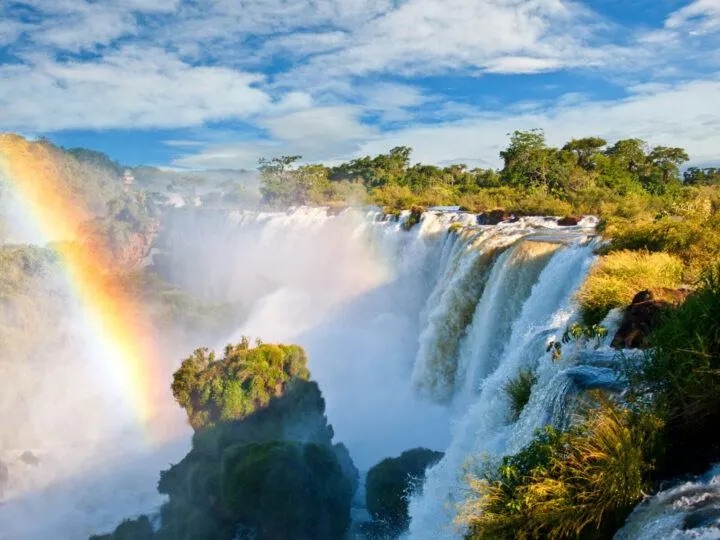
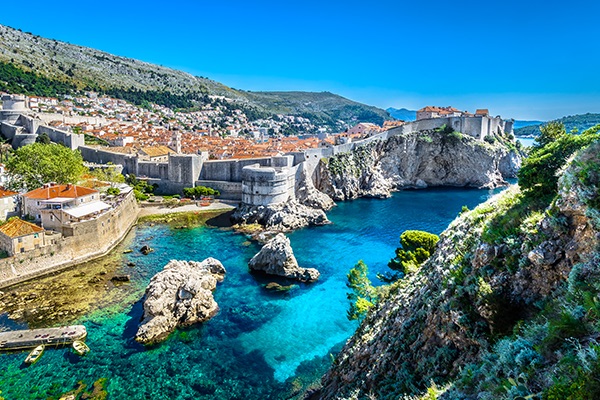
⚡ Quick Answers
⚡ The TL;DR Verdict
Argentina generally offers a grander adventure for a lower cost, ideal for those seeking expansive landscapes and a more raw travel experience. Croatia provides concentrated beauty, excellent infrastructure, and simpler logistics, though at a higher price point. For most travelers prioritizing ease and sunny beaches, Croatia wins. For those wanting big adventures and a deeper dive into culture, Argentina is the pick.
- Choose Argentina: You want expansive natural landscapes, steak and wine for cheap, a passionate city culture, and do not mind long travel distances. Great for budget-conscious adventurers and those seeking extensive hiking or cultural immersion.
- Choose Croatia: You prioritize clear waters, island hopping, Roman history, well-preserved old towns, and reliable infrastructure. Best for summer beach holidays, sailing, and travelers who prefer shorter travel times between diverse attractions.
- Choose Both: If you have a minimum of 4-5 weeks and a significant budget, combining them offers a comprehensive global perspective. Start with Argentina for the adventure and finish with Croatia for relaxation, or vice versa.
Choose Argentina
Opt for Argentina if you crave an epic journey through vast, diverse landscapes, from trekking glaciers in Patagonia to experiencing the passionate tango halls of Buenos Aires. It's best for intrepid travelers seeking deep cultural immersion, incredible steak and Malbec, and a significant adventure at a more accessible price point.
Choose Croatia
Choose Croatia for an effortlessly beautiful European getaway, perfect for sun-drenched days exploring ancient Roman ruins in Split, island-hopping the turquoise Adriatic, or wandering Dubrovnik's historic walls. This destination is ideal for those prioritizing charming coastal towns, superb infrastructure, and relaxing beach holidays with straightforward logistics.
📊 Visual Scorecard
🌤 When to Visit
Average high temperatures (°C). Green = best months, orange = avoid.
Quick Comparison
| Category | Argentina | Croatia | Winner |
|---|---|---|---|
| Costs & Budget | Significantly cheaper for foreigners due to inflation; good value for food, wine, and accommodation. | More expensive, especially in peak season and popular coastal areas; prices similar to Western Europe. | Argentina |
| Nature & Scenery | Expansive and varied: Patagonia glaciers and mountains, Iguazu Falls, Andes deserts, vast pampas. | Coastal and aquatic: Adriatic Sea, islands, limestone karsts, waterfalls at Plitvice and Krka. | Argentina |
| Food & Drink | Meat-centric (asado), Malbec wine, empanadas, dulce de leche, Italian influence. Rich and hearty. | Mediterranean cuisine, fresh seafood, olive oil, local wines, truffles (Istria). Lighter and fresh. | Argentina |
| Getting Around | Vast distances require internal flights or long-haul buses; good public transport in cities. | Compact; ferries, buses, and rental cars are efficient for island hopping and coastal travel. | Croatia |
| Culture & History | European-influenced South American culture: tango, gaucho traditions, political history, Italian and Spanish heritage. | Mediterranean and Central European influences: Roman ruins, Venetian architecture, Ottoman legacy, medieval towns. | Tie |
| Nightlife & Entertainment | Late-night culture in Buenos Aires with tango shows, bars, clubs; casual local gatherings elsewhere. | Seasonal beach clubs and bars on islands; more relaxed city nightlife with cafes and pubs. | Argentina |
| Beaches & Water Activities | Limited; mostly Atlantic coastal towns like Mar del Plata, not comparable to tropical beaches. | Exceptional; clear Adriatic waters, numerous islands, swimming, sailing, kayaking, snorkeling. | Croatia |
| Accommodation | Wide range from hostels to boutique hotels, generally good value; unique estancias in rural areas. | Hostels, apartments, guesthouses, hotels; often pricier in peak season, especially on islands. | Argentina |
| Safety | Generally safe but requires vigilance in cities for petty crime; some areas to avoid. | Very safe, especially in tourist areas; low crime rates make it a relaxed destination. | Croatia |
| Weather & Seasons | Southern Hemisphere, opposite seasons; varied climate from subtropical north to subpolar south. | Mediterranean climate on coast (hot, dry summers; mild, wet winters); continental inland. | Tie |
💰 Costs & Budget
Argentina, for travelers earning strong foreign currencies, feels very affordable. A good quality steak dinner with wine in Buenos Aires can cost around 15,000-25,000 ARS (15-25…
Argentina

Croatia
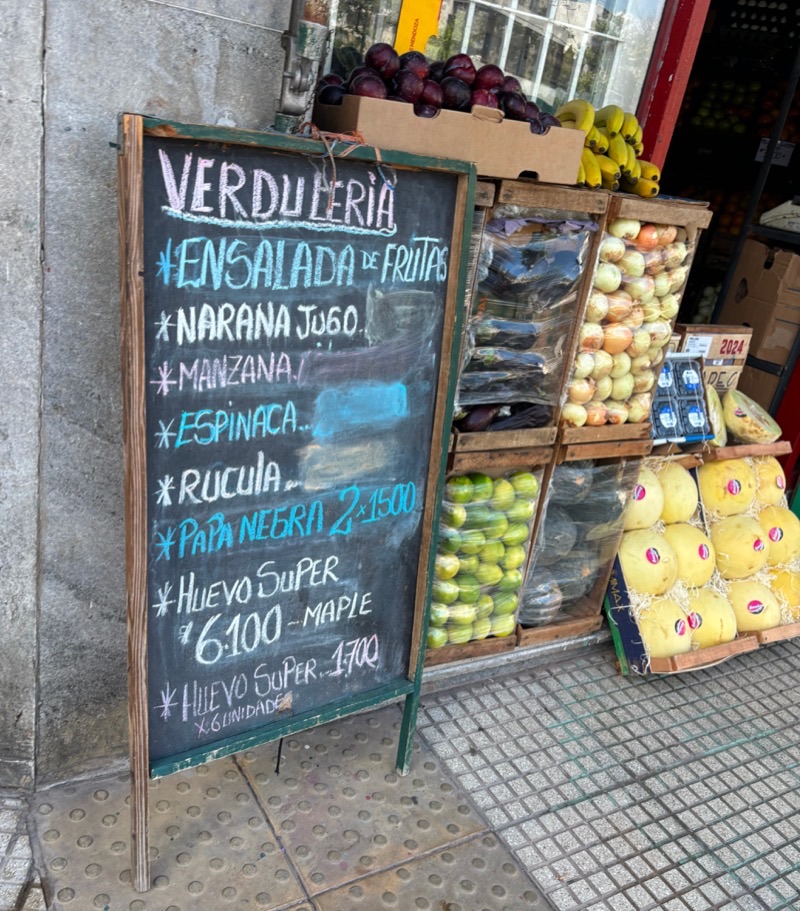
Argentina, for travelers earning strong foreign currencies, feels very affordable. A good quality steak dinner with wine in Buenos Aires can cost around 15,000-25,000 ARS (15-25 USD) in a decent parrilla like Don Julio or La Cabrera. Hostel dorms average 15-25 USD, while a comfortable mid-range hotel is 50-100 USD. Public transport is very cheap; a subway ride in Buenos Aires is under 1 USD. Activities like glacier trekking in El Calafate (Perito Moreno) or a tango show can be the larger expenses, around 80-150 USD, but daily living costs are low.
Croatia operates on the Euro and has prices comparable to Southern European countries, sometimes more in hotspots like Dubrovnik or Hvar. A meal at a casual konoba (tavern) might be 20-40 EUR (22-44 USD). Hostel dorms range from 25-45 EUR, and mid-range hotels are 80-150 EUR, often more on the islands or in summer. Activities like national park entry (Plitvice Lakes: 10-40 EUR depending on season) or boat trips add up. Groceries are reasonable, but eating out and popular attractions are costly.
Tabiji verdict: Argentina decisively wins on budget for most travelers due to the favorable exchange rate.
- Winner: Argentina
- Why: Argentina offers significantly better value for accommodation, food, and experiences for travelers with strong foreign currencies.
- Who this matters for: Budget travelers, long-term backpackers, and those wanting to stretch their money.
🏞️ Nature & Scenery
Argentina presents landscapes of immense scale and diversity. Patagonia offers the dramatic peaks of Fitz Roy and Cerro Torre near El Chalten, the immense Perito Moreno Glacier…
Argentina
Croatia
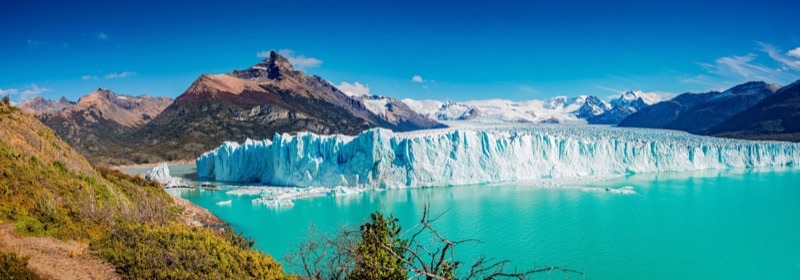
Argentina presents landscapes of immense scale and diversity. Patagonia offers the dramatic peaks of Fitz Roy and Cerro Torre near El Chalten, the immense Perito Moreno Glacier near El Calafate, and the southern edge of the world in Ushuaia. Iguazu Falls, on the border with Brazil, is a colossal waterfall system. The northwest provides desert landscapes, colorful rock formations, and high-altitude salt flats. Travelers can spend weeks exploring just one region and still not see it all. The distances are vast, requiring internal flights or long bus journeys, but the rewards are massive and varied natural sights.
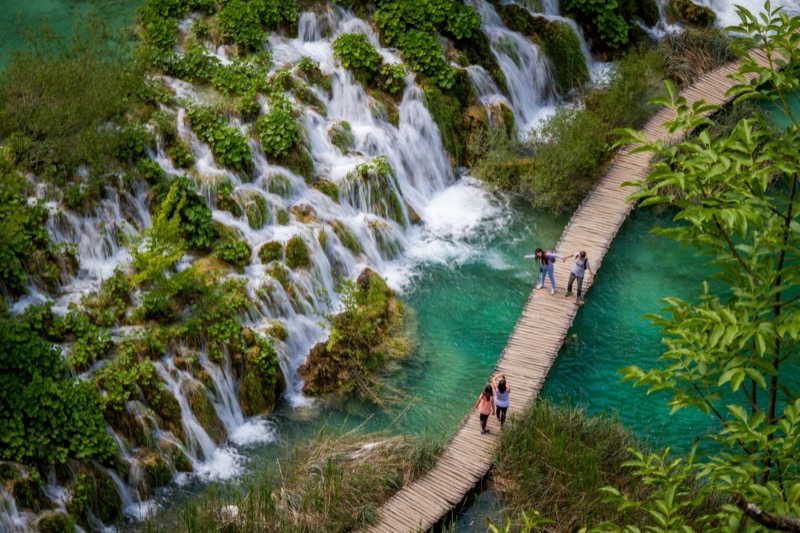
Croatia focuses on its stunning Adriatic coastline and inland national parks. The clear turquoise waters of the sea are its main draw, with countless islands like Hvar, Korcula, and Vis offering secluded coves and rocky beaches. Plitvice Lakes National Park and Krka National Park feature cascading waterfalls and emerald pools, different in scale but equally impressive. The Dinaric Alps provide a rugged backdrop, though not on the same grand scale as the Andes. Its nature is more concentrated and easily accessible, often within a few hours drive or ferry from major cities like Split or Zadar.
Tabiji verdict: Argentina delivers a more epic and diverse natural spectacle, from glacial fields to subtropical waterfalls, unmatched in its grand scale.
- Winner: Argentina
- Why: Argentina's natural attractions are larger, more diverse, and represent some of the planets most iconic and extreme landscapes.
- Who this matters for: Adventure seekers, hikers, nature photographers, and those who prioritize grand, expansive views.
🥩 Food & Drink
Argentine food is deeply satisfying and often inexpensive. The country is renowned for its beef, with 'asado' (barbecue) being a central cultural ritual. Cuts like bife de chorizo…

Argentina
Croatia
Argentine food is deeply satisfying and often inexpensive. The country is renowned for its beef, with 'asado' (barbecue) being a central cultural ritual. Cuts like bife de chorizo (sirloin) or ojo de bife (ribeye) are staples, often served with chimichurri. Empanadas, choripan (sausage sandwich), and milanesa are common street foods. Mendoza is a primary wine region, producing excellent Malbec and Torrontes at very reasonable prices; a good bottle can be 5-10 USD. Desserts heavily feature dulce de leche. The Italian immigrant influence means good pasta and pizza are also available. Vegetarians might find options limited outside of large cities, though awareness is growing.
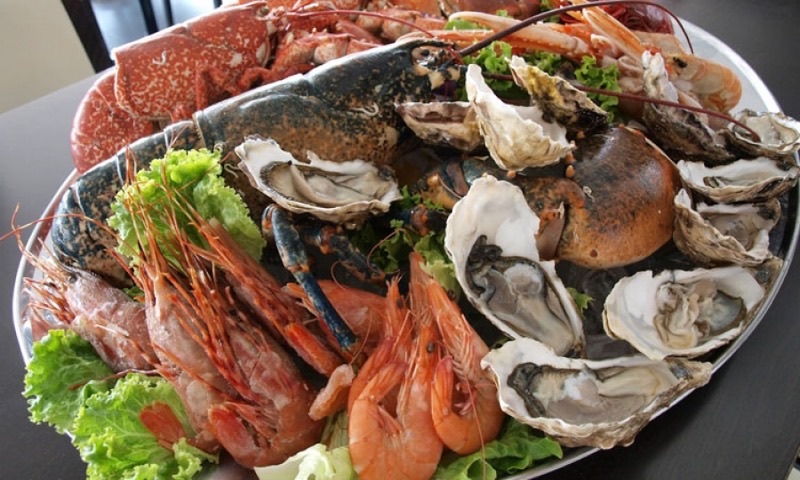
Croatia offers Mediterranean flavors with a focus on fresh, seasonal ingredients. Along the coast, seafood is king: grilled fish, octopus salad, black risotto (crni rižot). Inland, especially in Istria, you will find truffle dishes and hearty meat stews. Local olive oil is widely used. Croatian wines, such as Pošip and Malvazija, are gaining recognition and can be enjoyed for 20-30 EUR a bottle in restaurants. Peka (meat or octopus baked under a bell-like lid) is a traditional dish worth seeking out. While good, Croatian food is generally less dramatic and more expensive than Argentinas, leaning towards simple, quality ingredients rather than complex preparations.
Tabiji verdict: Argentina provides a more consistently exciting and value-driven culinary experience, especially for meat lovers and wine enthusiasts.
- Winner: Argentina
- Why: Argentina provides a more memorable and cost-effective food and wine experience, particularly for its famous beef and Malbec.
- Who this matters for: Carnivores, wine lovers, and travelers who appreciate large portions at low prices.
🚌 Getting Around
Traveling in Argentina involves significant distances. Flying is often necessary for covering ground between Buenos Aires and Patagonia (e.g., Buenos Aires to El Calafate is a…

Argentina
Croatia
Traveling in Argentina involves significant distances. Flying is often necessary for covering ground between Buenos Aires and Patagonia (e.g., Buenos Aires to El Calafate is a 3-hour flight) or Iguazu. Long-distance buses are comfortable and common, sometimes taking 12-24 hours for inter-regional travel. Within cities, public transport is inexpensive and efficient; Buenos Aires has a subway (Subte) and extensive bus network. Renting a car is possible but road conditions vary, especially in remote areas. Expect to dedicate full travel days when moving between major regions.
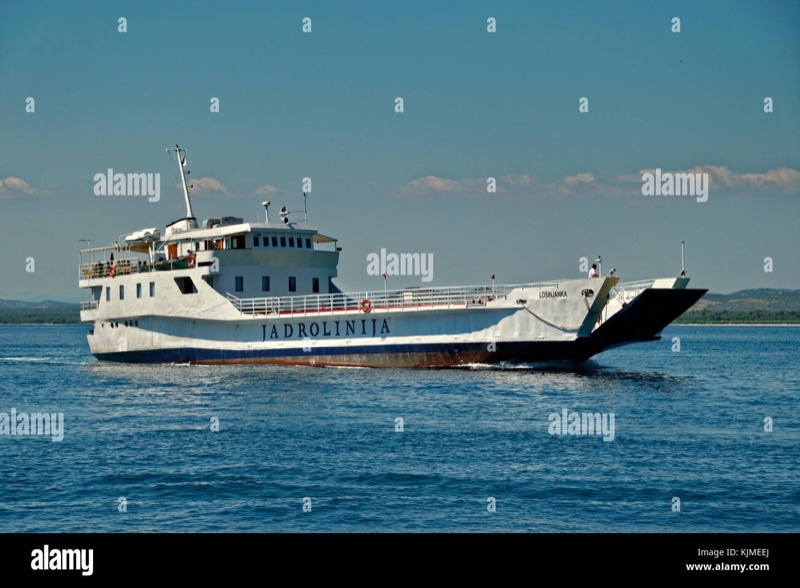
Croatia is much more compact. The primary modes of transport are buses for mainland travel, and ferries for island hopping. Buses are reliable and connect most towns and cities. Jadrolinija is the main ferry operator. Renting a car is a popular option for exploring the coast and national parks, offering flexibility. Roads are generally well-maintained. Travel between major hubs like Split and Dubrovnik is typically a 3-4 hour bus or drive. Island transfers are generally 1-2 hours by ferry. This makes multi-destination itineraries easier to manage without losing much time.
Tabiji verdict: Croatia wins for ease and efficiency of internal travel, making multi-stop itineraries simpler to execute.
- Winner: Croatia
- Why: Croatia's smaller size and reliable network of ferries and buses make internal travel much faster and less complex.
- Who this matters for: Travelers with limited time, those who dislike long journeys, and first-time international travelers.
🏛️ Culture & History
Argentina offers a complex cultural experience rooted in European immigration, particularly Spanish and Italian. Buenos Aires, with its grand architecture, tango halls, and cafe…

Argentina
Croatia
Argentina offers a complex cultural experience rooted in European immigration, particularly Spanish and Italian. Buenos Aires, with its grand architecture, tango halls, and cafe culture, is a major draw. The Recoleta Cemetery, Casa Rosada, and various museums provide historical context. Beyond the capital, traditional gaucho culture exists in the pampas, while indigenous influences are stronger in the northwest. Its recent economic and political history is evident and provides a backdrop for understanding the countrys resilience. The passion for football is a cultural force of its own.
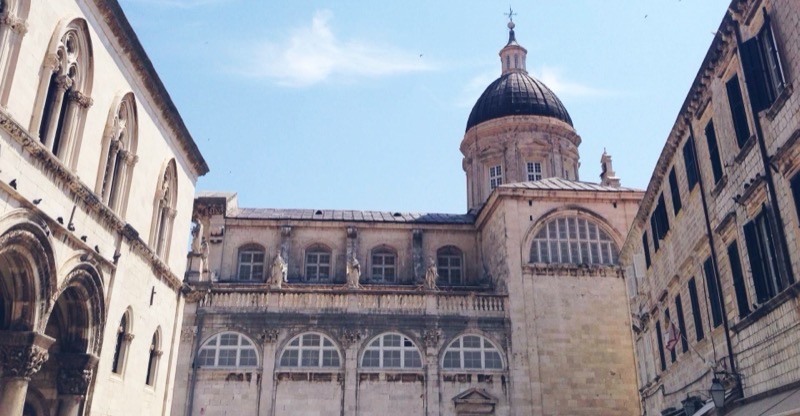
Croatia has a long and varied history, evident in its architecture and archaeological sites. Diocletians Palace in Split, the Roman amphitheater in Pula, and the medieval city walls of Dubrovnik are standout examples. Venetian influence is visible along the coast, while parts of the interior show Austro-Hungarian and Ottoman legacies. The countrys recent independence and war history are also significant. Traditional folk music, dances, and local festivals are common. Both countries have compelling stories, but they are dramatically different narratives.
Tabiji verdict: Both countries offer deep, engaging cultural and historical narratives; the choice depends purely on personal interest in the specifics of their pasts.
- Winner: Tie
- Why: Both countries provide equally compelling and distinct historical narratives and cultural experiences.
- Who this matters for: Travelers interested in either grand imperial history or passionate, modern South American identity.
🥂 Nightlife & Entertainment
Argentinas nightlife, especially in Buenos Aires, starts late and goes into the early hours. Palermo is filled with bars and 'boliches' (clubs) that dont get busy until well after…
Argentinas nightlife, especially in Buenos Aires, starts late and goes into the early hours. Palermo is filled with bars and 'boliches' (clubs) that dont get busy until well after midnight. Tango shows, both tourist-oriented and more authentic milongas (tango dance halls) where locals dance, are a major draw. San Telmo offers live music and street performances on weekends. Outside of the capital, Mendoza has a relaxed bar scene centered around wine, and smaller towns will have local pubs or social gatherings. The energy is high and enduring.
Croatia offers a more seasonal and island-focused nightlife. Hvar Town is known for its summer beach clubs like Carpe Diem and Pink Champagne, attracting a party crowd. Split and Dubrovnik have popular bars and clubs, often within or just outside the old city walls, but they are generally less intense than Buenos Aires. Zagreb has a more European pub and cafe scene. Outside of peak summer and major tourist hubs, nightlife is significantly more subdued, focusing on relaxed dinners and drinks by the sea.
Tabiji verdict: Argentina provides a more consistent, late-night, and culturally specific entertainment experience.
- Winner: Argentina
- Why: Buenos Aires offers a more intense, diverse, and culturally specific nightlife experience that lasts until dawn.
- Who this matters for: Party-goers, late-night revelers, and those seeking unique cultural entertainment like tango.
🏖️ Beaches & Water Activities
Argentina is not a beach destination in the traditional sense. Its Atlantic coast, particularly around Mar del Plata, offers wide sandy beaches that are popular with Argentine…
Argentina is not a beach destination in the traditional sense. Its Atlantic coast, particularly around Mar del Plata, offers wide sandy beaches that are popular with Argentine families during summer. However, the water is cold, and the scenery is more reminiscent of a North American East Coast beach town than a tropical paradise. There are no clear, turquoise waters or coral reefs for snorkeling. Water activities are limited to typical beach town offerings like surfing or swimming in cold ocean conditions. Travelers prioritize its mountains, glaciers, and cities, not its coastline.
Croatia is defined by its Adriatic Sea access. The water is incredibly clear, often a striking turquoise or emerald color, excellent for swimming, snorkeling, and diving. It has thousands of islands, many accessible by ferry, offering rocky and pebble beaches (sandy beaches are less common but exist, like Zlatni Rat on Brac). Sailing and kayaking are extremely popular ways to explore the coastline and islands. Boat tours to blue caves or secluded coves are readily available from coastal cities like Split, Dubrovnik, and Zadar. The entire coastline is a playground for water-based activities.
Tabiji verdict: Croatia is overwhelmingly superior for beaches and water activities, making it the clear choice for a coastal holiday.
- Winner: Croatia
- Why: Croatia's Adriatic coastline and islands offer consistently clear, warm waters and abundant opportunities for swimming, sailing, and water sports.
- Who this matters for: Beach lovers, sailors, snorkelers, and anyone prioritizing a sunny coastal vacation.
🏨 Accommodation
Accommodation in Argentina offers excellent value, particularly outside of peak Patagonia season. In Buenos Aires, you can find quality hostels for 15-25 USD, stylish boutique…
Accommodation in Argentina offers excellent value, particularly outside of peak Patagonia season. In Buenos Aires, you can find quality hostels for 15-25 USD, stylish boutique hotels in Palermo for 60-120 USD, and even luxury options for under 200 USD. Airbnb is also a popular and affordable option. In rural areas, staying at an 'estancia' (ranch) provides a unique cultural experience, often including meals and activities, at varying price points. Standards are generally good, and service is attentive. Due to inflation, prices can shift, but for foreign currency holders, it remains favorable.
Croatia has a robust tourism infrastructure with a wide array of accommodation options. Hostels are common, typically costing 25-45 EUR (28-50 USD) per night in dorms. Private apartments and guesthouses (sobe) are very popular and offer good local immersion, with prices ranging from 50-100 EUR. Hotels, particularly in popular areas like Dubrovnik or Hvar, can be expensive, often starting from 100 EUR and going much higher in summer. Booking in advance for peak season is essential to secure reasonable prices and availability.
Tabiji verdict: Argentina provides better value and often higher quality accommodation for the price point, particularly for mid-range and budget travelers.
- Winner: Argentina
- Why: Argentina offers more affordable and often higher-quality accommodation options across all budget levels.
- Who this matters for: Budget-conscious travelers, those seeking good value, and travelers looking for unique stays like estancias.
🚨 Safety
Argentina is generally safe for tourists, but like any large country, it has areas that require common sense and vigilance. Petty crime, such as pickpocketing and bag snatching,…
Argentina is generally safe for tourists, but like any large country, it has areas that require common sense and vigilance. Petty crime, such as pickpocketing and bag snatching, is a concern in busy areas of Buenos Aires (e.g., San Telmo, La Boca, Retiro) and other large cities like Mendoza or Cordoba. Taxi scams are not uncommon; use reputable ride-sharing apps or radio taxis. Demonstrations and protests occur occasionally in Buenos Aires and should be avoided. Rural areas and Patagonia are very safe. Avoiding displaying wealth and being aware of surroundings greatly mitigates risks.
Croatia is considered a very safe country for tourists. Violent crime is rare, and petty theft is low, though it can occur in crowded tourist spots like Dubrovnik or Split during peak season. Tourists can generally walk around cities at night without significant worry. The biggest concerns are often related to over-partying on islands or minor traffic incidents. Exercise typical precautions, but overall, travelers report feeling very comfortable and secure throughout the country.
Tabiji verdict: Croatia offers a significantly more relaxed and worry-free travel experience regarding personal safety.
- Winner: Croatia
- Why: Croatia has a lower crime rate and generally provides a more secure and relaxed environment for travelers.
- Who this matters for: Solo travelers, families, and those who prioritize feeling safe and secure throughout their trip.
☀️ Weather & Seasons
Argentina's vast size means its weather varies dramatically by region and is in the Southern Hemisphere. Patagonia (south) is best visited in its summer (December-February) for…
Argentina's vast size means its weather varies dramatically by region and is in the Southern Hemisphere. Patagonia (south) is best visited in its summer (December-February) for hiking and milder temperatures, though wind is constant. Buenos Aires experiences hot, humid summers and mild winters. The Iguazu region (north) is subtropical, hot and humid year-round, with heavy rainfall possible in summer. Mendoza (west) has hot, dry summers and mild winters. Planning requires considering specific regions and their optimal seasons. It is difficult to see all of Argentina in one optimal weather window without significant compromise.
Croatia has a distinct Mediterranean climate along its coast, characterized by hot, dry, and sunny summers (June-August) with temperatures often above 30C, and mild, wet winters. Spring and autumn offer pleasant temperatures, fewer crowds, and are ideal for sightseeing. Inland, the climate is more continental, with colder winters and warmer summers. The peak summer months can be very crowded and expensive along the coast, but the weather is generally reliable for beach and island activities. Rain is rare in summer.
Tabiji verdict: Both countries have distinct seasonal considerations; the better option depends entirely on what kind of weather and activities a traveler prioritizes.
- Winner: Tie
- Why: Both countries offer great travel experiences during their respective peak seasons, catering to different weather preferences and activities.
- Who this matters for: Travelers who have specific weather preferences for activities like hiking or beach relaxation, and can align their trip accordingly.
🎯 The Decision Framework
Choose Argentina If…
- You want to see enormous glaciers and towering mountains.
- You crave high-quality steak and Malbec wine without spending much.
- You enjoy late-night social scenes and dancing tango.
- You are comfortable with long travel days between destinations.
- You prefer a more adventurous, less polished travel experience.
- You want your US dollars to stretch significantly further.
- You are fascinated by complex political histories and passionate local cultures.
- You are traveling during the Northern Hemisphere winter and want summer weather.
Choose Croatia If…
- You want to swim in incredibly clear, warm Adriatic waters.
- You dream of island hopping and sailing adventures.
- You appreciate well-preserved Roman and medieval architecture.
- You prefer a trip with shorter travel distances between attractions.
- You value feeling very safe and secure throughout your journey.
- You enjoy fresh seafood and Mediterranean flavors.
- You are planning a summer beach holiday in Europe.
- You appreciate clean, efficient public transport and infrastructure.
📅 Sample Itineraries
Weekend in Buenos Aires (3 Days)
Weekend in Dubrovnik (3 Days)
💡 Purchase the Dubrovnik Pass for cost savings on city walls, public transport, and various museums if you plan to visit multiple attractions.
One Week in Argentina (7 Days)
💡 Book internal flights, especially to Iguazu Falls, several weeks in advance to secure better prices and availability.
One Week in Croatia (7 Days)
💡 Consider renting a scooter on islands like Hvar for approximately $40-60 per day to discover secluded beaches and viewpoints not easily reached by public transport.
❓ Frequently Asked Questions
Which destination is better for solo travelers?
Croatia is generally more straightforward and safer for solo travelers, especially women, with an established hostel network and easy public transport. Argentina is also good, but requires more vigilance in cities regarding petty crime and longer internal travel can be isolating. Croatia offers more ease.
What are the typical flight times and costs from the USA?
Flights from major US cities to Buenos Aires (EZE) are around 10-12 hours direct from the East Coast, costing 800-1500 USD round trip. To Croatia (ZAG, SPU, DBV), expect 10-15 hours with at least one layover, costing 700-1200 USD round trip. Flight times are comparable, but Croatia often requires fewer layovers for European connections.
Which country is better for families with children?
Croatia is often easier for families due to its smaller size, safety, and numerous child-friendly activities like beaches, national parks, and historical sites that are easy to navigate. Argentina can be great for older, more adventurous families, but long travel times and city vigilance might be challenging for younger children.
Is a visa required for US citizens for either country?
No, US citizens do not require a visa for tourist stays up to 90 days in both Argentina and Croatia. Ensure your passport is valid for at least six months beyond your intended departure date.
What currency should I use in each country?
Argentina uses the Argentine Peso (ARS). It is often beneficial to bring USD cash and exchange it at a 'blue market' rate for better value, or use a debit card for favorable exchange rates. Croatia uses the Euro (EUR) since January 2023. Credit cards are widely accepted, but having some cash for smaller vendors is advisable.
Which destination offers better hiking opportunities?
Argentina, particularly Patagonia, offers world-class hiking with options like the Fitz Roy and Cerro Torre trails near El Chalten, and glacier treks in El Calafate. Croatia has good hiking in national parks like Plitvice and along the coast, but on a smaller scale compared to Argentina's expansive mountain ranges. Argentina is the clear winner for serious hikers.
What is the language situation for English speakers?
In both Argentina and Croatia, English is widely spoken in tourist areas, major cities, and by younger generations. However, learning a few basic phrases in Spanish for Argentina and Croatian for Croatia will greatly enhance your experience, especially outside of major tourist hubs.
Which destination is more suitable for a two-week trip?
For a two-week trip, Croatia is generally more suitable. Its compact size allows you to experience multiple regions (e.g., Dubrovnik, Split, an island, Plitvice) without excessive travel time. A two-week trip to Argentina would likely mean focusing on just one or two major regions, like Buenos Aires and Patagonia, due to the vast distances.
Ready to plan your next adventure?
Get a free custom itinerary for Argentina, Croatia, or both — built from real traveler insights.
👥 Travelers Also Compared
🎟️ Book Tours & Experiences
Hand-picked tours and activities for both destinations — book with free cancellation
Experiences via Viator — free cancellation on most tours