How we built this comparison
This page combines traveler discussion patterns, published price ranges, flight schedules, and seasonal data to help you decide between Argentina and France.
- Reviewed 50+ Reddit threads from r/travel, r/solotravel, r/Argentina, r/France, and r/BuenosAires for real traveler perspectives.
- Verified costs for flights, accommodation, and daily expenses against current booking platforms and reported street prices.
- Cross-referenced seasonal patterns and weather data with recommended activities for optimal travel times.
⚡ Quick Answers
⚡ The TL;DR Verdict
Argentina offers remarkable value for money with a lively culture and expansive landscapes, ideal for travelers stretching their budget and seeking diverse outdoor experiences. France provides a refined, efficient journey through historic cities and culinary excellence, suited for those prioritizing convenience and well-established tourist infrastructure. Most travelers seeking value and adventure will find Argentina a more compelling choice for their dollar.
- Choose Argentina: You prioritize extreme value, expansive natural areas like Patagonia, and a passionate culture with late-night energy. You are comfortable with long-haul flights and some logistical flexibility.
- Choose France: You prefer efficient public transport, diverse regional foods, well-preserved historical sites, and a generally predictable travel experience. You are prepared for higher daily expenses.
- Choose Both: If you have at least 4-6 weeks and a substantial budget, you could experience both. Start with Argentina for adventure and value, then transition to France for a contrasting dose of European sophistication.
Choose Argentina
Choose Argentina if you're an adventurous traveler on a budget, eager to explore vast natural wonders like Patagonia's glaciers and the dramatic Andes. Experience the passionate culture firsthand with a tango show in San Telmo, Buenos Aires, before indulging in delicious, affordable steak and wine. This destination is best for those seeking thrilling outdoor activities and a lively, value-packed cultural immersion.
Choose France
Opt for France if you seek a refined journey through art, history, and unparalleled culinary delights, prioritizing efficiency and comfort. Wander through the Louvre in Paris, sample exquisite wines in Burgundy, or explore the charming villages of Provence with seamless high-speed train travel. This destination is ideal for travelers who appreciate well-preserved heritage, gourmet experiences, and a smooth, sophisticated adventure.
📊 Visual Scorecard
🌤 When to Visit
Average high temperatures (°C). Green = best months, orange = avoid.
Quick Comparison
| Category | Argentina | France | Winner |
|---|---|---|---|
| Costs & Value | Significantly more affordable, especially with the 'Dólar Blue' exchange rate. Budget travelers can thrive. | Generally high travel costs, particularly in major cities like Paris and the French Riviera. | Argentina |
| Food & Drink | Meat-centric cuisine with world-class beef and Malbec wine. Empanadas, choripán, and dulce de leche. | Diverse regional cuisines, cheeses, pastries, and wines. Michelin-starred dining to street crepes. | France |
| Culture & History | European-influenced South American culture, tango, passionate football, and a complex political history. | Thousands of years of history, iconic art, architecture, and philosophical movements. Deeply rooted traditions. | France |
| Nature & Scenery | Expansive and diverse, from Andean peaks and glaciers to vast plains, waterfalls, and desert landscapes. | Varied but generally smaller-scale, including alpine regions, Mediterranean coastlines, and rural countryside. | Argentina |
| Getting There & Around | Long-haul flights, vast internal distances often require domestic flights. Local buses are extensive and affordable. | Shorter international flights from North America, excellent train network, efficient public transport. | France |
| Safety & Practicalities | Generally safe for tourists but requires awareness of petty crime, especially in Buenos Aires. Cash is king. | Very safe, with well-established tourist infrastructure. Standard precautions for pickpocketing in major cities. | France |
| Accommodation | Affordable hostels and mid-range hotels, particularly good value with blue market exchange. Estancias for rural stays. | Wide range from hostels to luxury hotels, generally higher prices. Gîtes for rural stays. | Argentina |
| City Life & Nightlife | Late-night culture, tango, lively bars (bares), and clubs (boliches). Buenos Aires is a major hub. | Diverse options from chic Parisian bars to regional festivals. Cafés, brasseries, and late-night clubs. | Argentina |
| Pacing & Travel Style | Requires more time due to vast distances; encourages slow travel. Adaptability to local customs is key. | Easily explored with shorter trips due to compact size and efficient transport. Structured itineraries work well. | Tie |
| Seasons & Weather | Southern Hemisphere seasons. Best to visit Patagonia in their summer (Nov-Mar), Buenos Aires in spring/fall. | Northern Hemisphere seasons. Spring/fall offer mild weather; summers are warm, winters can be cold. | Tie |
💰 Costs & Value
Argentina, particularly for travelers bringing USD cash, presents an exceptional value proposition. With the unofficial 'Dólar Blue' exchange rate, your money extends much further…
Argentina
France
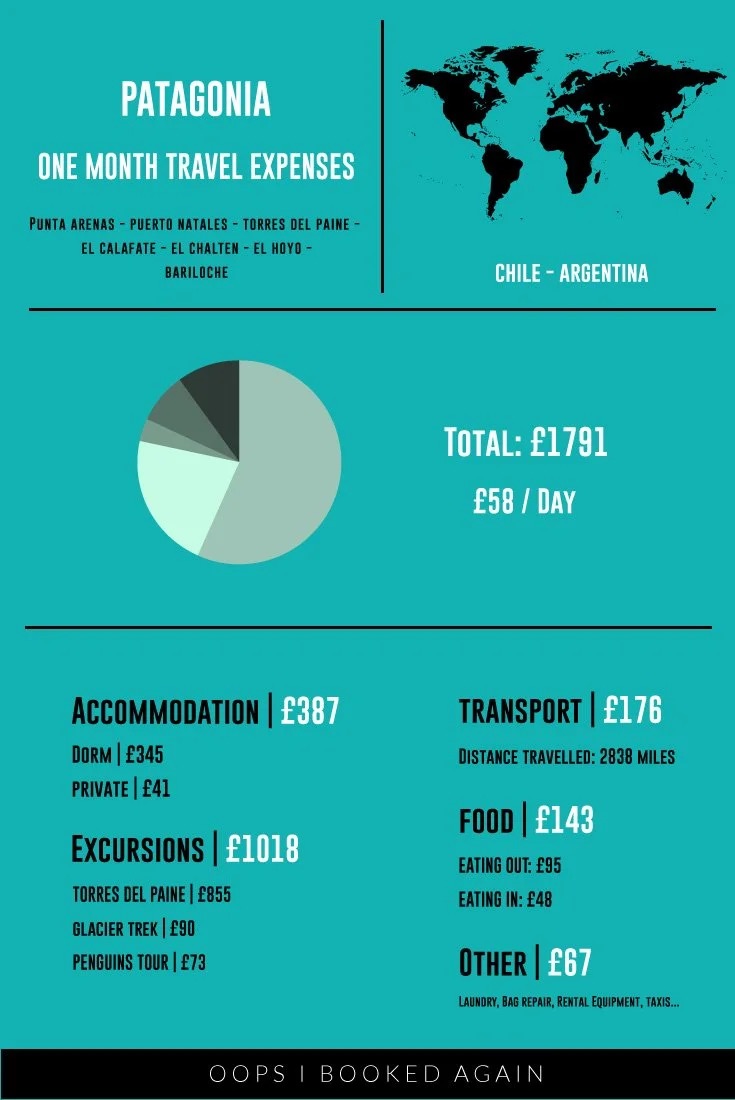
Argentina, particularly for travelers bringing USD cash, presents an exceptional value proposition. With the unofficial 'Dólar Blue' exchange rate, your money extends much further than the official rate. A comfortable mid-range daily budget for accommodation, food, and local transport might be $70-120 USD. A quality steak dinner (asado) with wine in Buenos Aires can cost $15-25 USD (approx. 15,000-25,000 ARS blue rate), an Empanada costs $1-2 USD (approx. 1,000-2,000 ARS), and a Mendoza Malbec bottle from a supermarket is around $5-10 USD (approx. 5,000-10,000 ARS).
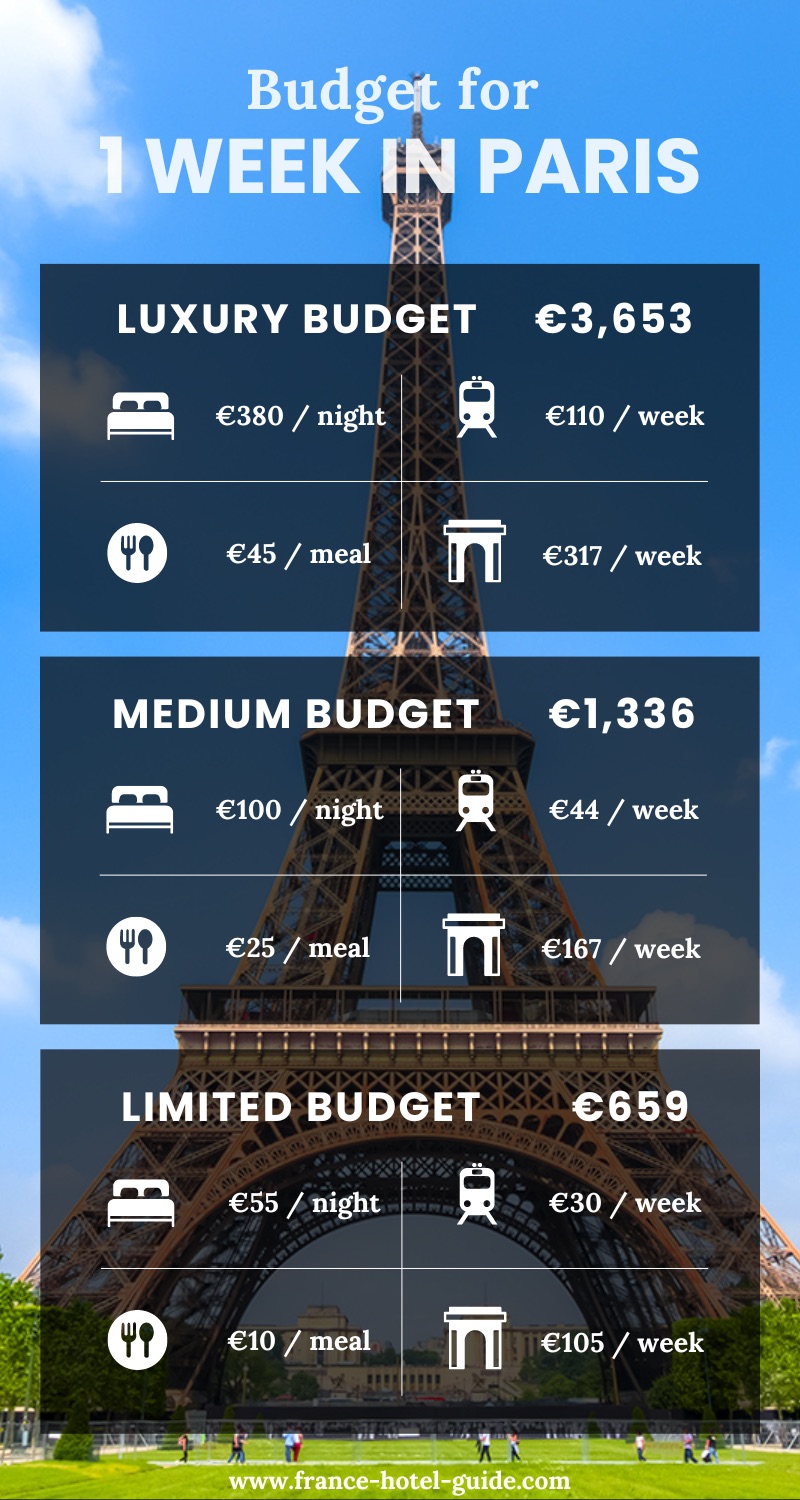
France operates on a much higher cost structure. A comfortable mid-range daily budget for accommodation, food, and local transport typically sits around $150-250 USD, higher in Paris. A simple sit-down meal in a Parisian bistro can be €20-35 ($22-38 USD), a baguette sandwich €5-8 ($5.50-8.80 USD), and a glass of house wine €4-7 ($4.40-7.70 USD). Intercity train tickets (e.g., Paris to Nice) can range from €50-120 ($55-130 USD) if booked in advance. For budget-conscious travelers, France requires careful planning and a willingness to self-cater and use public transport. Argentina wins decisively on raw affordability.
- Winner: Argentina
- Why: Argentina offers significantly better purchasing power for travelers, making a longer or more luxurious trip accessible.
- Who this matters for: Budget-conscious travelers, long-term travelers, and anyone seeking maximum value for their dollar.
🍽️ Food & Drink
Argentine food culture is deeply rooted in its cattle farming heritage, focusing on grilled meats (asado) and robust Malbec wines, especially from Mendoza. Beyond the steak, you…
Argentina
France
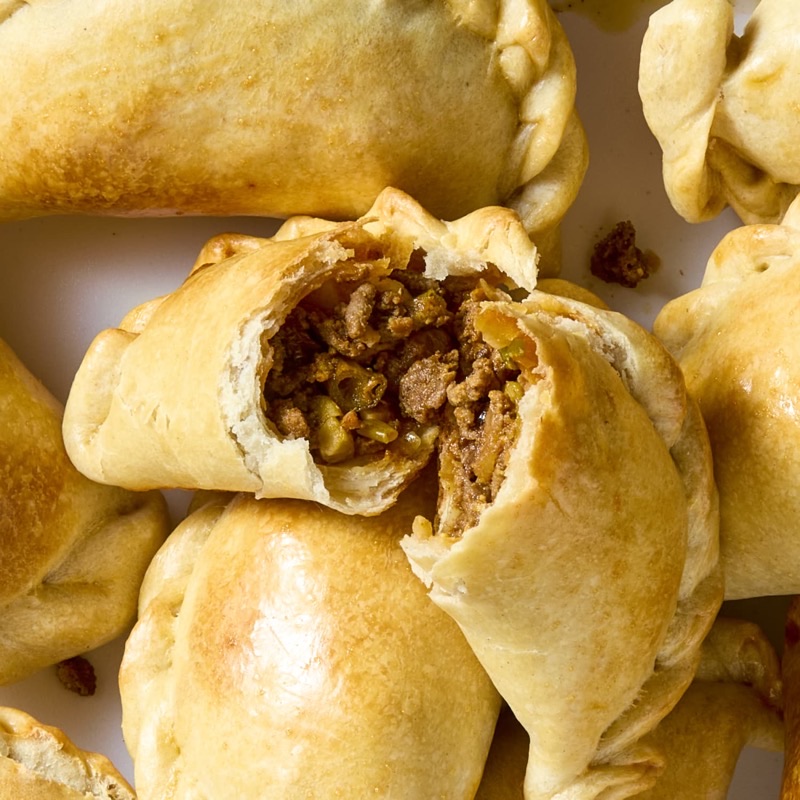
Argentine food culture is deeply rooted in its cattle farming heritage, focusing on grilled meats (asado) and robust Malbec wines, especially from Mendoza. Beyond the steak, you will find excellent empanadas with various fillings, choripán (grilled sausage in a bun), milanesas (breaded cutlets), and Italian influences like pasta and pizza. Desserts often feature dulce de leche prominently. While the options are flavorful and satisfying, the overall range of distinct dishes across regions is less varied than in France. Specific recommendations include a Parrilla Don Julio in Buenos Aires for an authentic asado or a casual stop at a roadside stand for a fresh choripán for a few dollars.
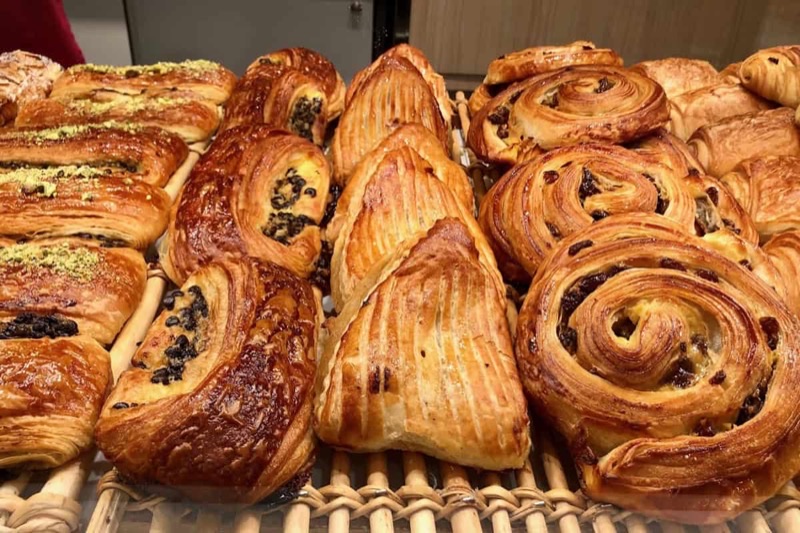
France presents an unmatched culinary landscape, known for its precision, regional diversity, and dedication to quality ingredients. From the rich cassoulet of the Southwest to the fresh seafood of Brittany, the refined pastries of Paris (like a croissant for €1.50 or a pain au chocolat for €1.80), and the extensive cheese selection (over 1,000 types), the gastronomic experience is broad. French wines, from Bordeaux to Champagne, are globally recognized. Even simple market visits or bakery stops offer exceptional quality. Visiting a local boulangerie for fresh bread and a Fromagerie for cheese provides a truly authentic experience. France simply offers a deeper, more varied, and globally renowned food and drink experience.
- Winner: France
- Why: France's culinary breadth, regional diversity, and established gastronomic traditions offer a wider and more refined food experience.
- Who this matters for: Foodies, gourmands, wine enthusiasts, and those who prioritize diverse and high-quality dining experiences.
🏛️ Culture & History
Argentina's culture, particularly in Buenos Aires, is often described as European with a Latin American twist. Tango is central, seen in milongas (tango dance halls) and street…
Argentina
France
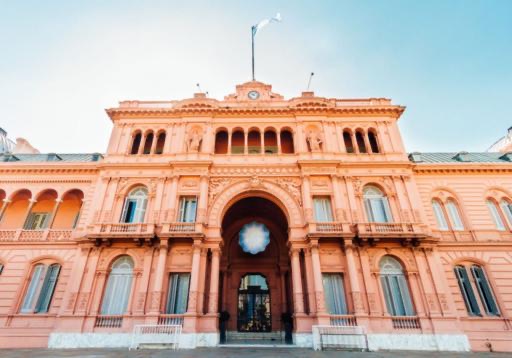
Argentina's culture, particularly in Buenos Aires, is often described as European with a Latin American twist. Tango is central, seen in milongas (tango dance halls) and street performances, especially in San Telmo. Its history includes indigenous roots, Spanish colonization, and waves of European immigration (Italian, Spanish, German). The recent history is marked by periods of political turmoil, which adds a layer of depth when exploring sites like the Casa Rosada or the Recoleta Cemetery. Football is a national obsession, and attending a Boca Juniors or River Plate match is an intense cultural immersion. Argentina offers a passionate, contemporary culture with a strong European heritage, but its historical narrative is less ancient and geographically widespread compared to France.
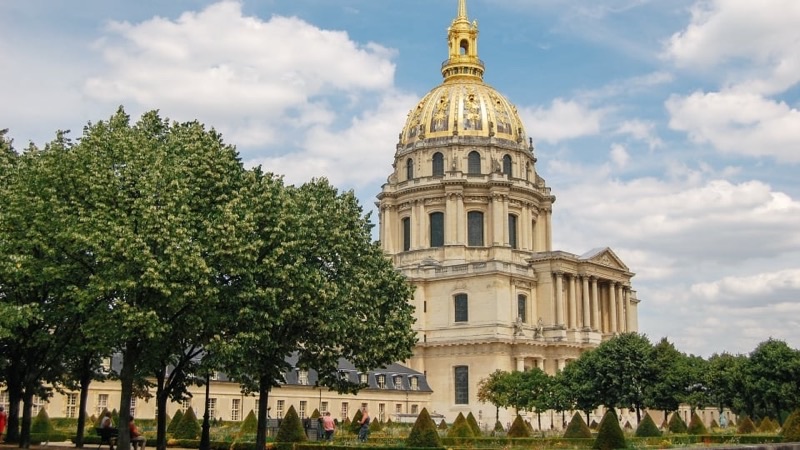
France has a vast and continuous history stretching back millennia, evident in its Roman ruins, medieval castles, Renaissance châteaux, and Baroque palaces. Paris alone houses institutions like the Louvre (entry €17), Musée d'Orsay, and Notre Dame Cathedral, alongside historical districts like Le Marais. Beyond Paris, the Loire Valley boasts châteaux like Chambord and Chenonceau, Normandy has D-Day landing beaches, and Provence retains Roman amphitheatres. French philosophy, art (Impressionism), and political thought have shaped global culture. Its historical sites are impeccably preserved and accessible, providing a tangible connection to pivotal moments in Western civilization. France's depth and breadth of historical and cultural impact are simply more substantial and universally recognized.
- Winner: France
- Why: France offers a more extensive and globally influential historical narrative, with more tangible historical sites and cultural institutions.
- Who this matters for: History buffs, art enthusiasts, architecture admirers, and those interested in European intellectual and artistic movements.
🏞️ Nature & Scenery
Argentina's natural environments span an incredible range, offering landscapes that truly feel wild and immense. Patagonia in the south features the dramatic peaks of Fitz Roy in…
Argentina
France
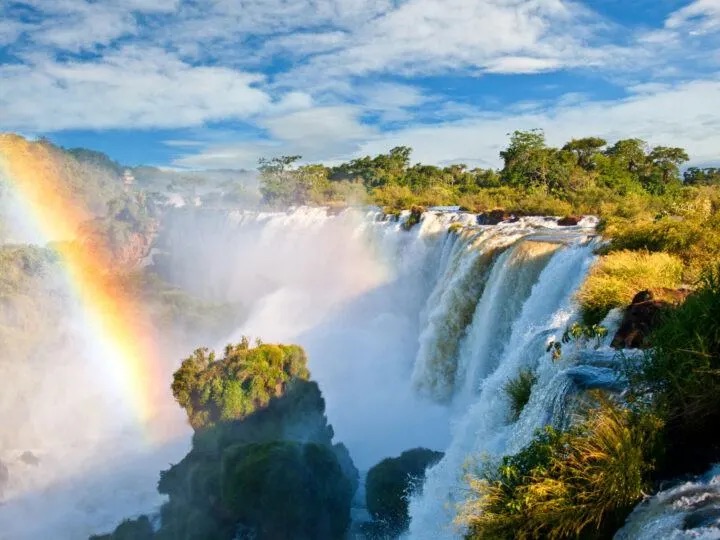
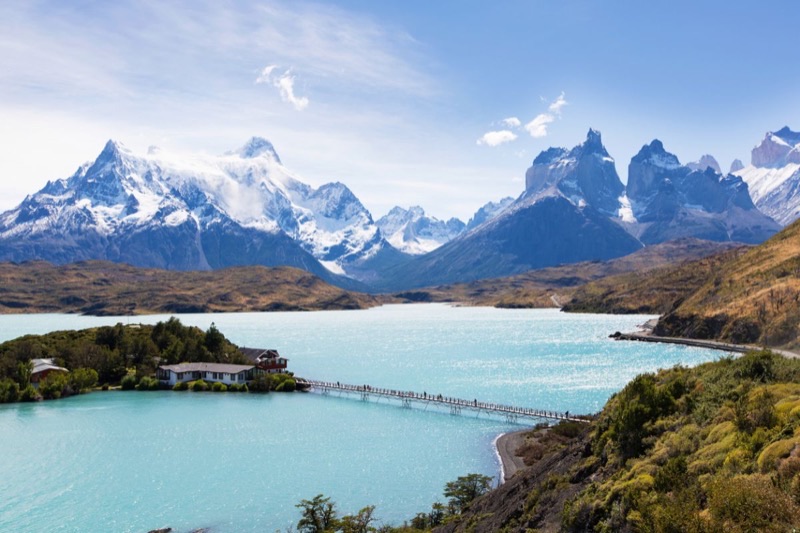
Argentina's natural environments span an incredible range, offering landscapes that truly feel wild and immense. Patagonia in the south features the dramatic peaks of Fitz Roy in El Chaltén and the Perito Moreno Glacier near El Calafate, offering trekking and ice hiking opportunities. Iguazú Falls, on the border with Brazil, is one of the world's largest waterfall systems, a truly powerful natural spectacle (entry approx. 12,000 ARS for foreigners, around $12 USD blue rate). The Mendoza region has the high Andes and desert landscapes suitable for wine tours and rafting. The Esteros del Iberá wetlands provide opportunities for wildlife viewing, including capybaras and caimans. The scale and raw power of Argentina's natural sites are unmatched, providing a sense of exploration and adventure.
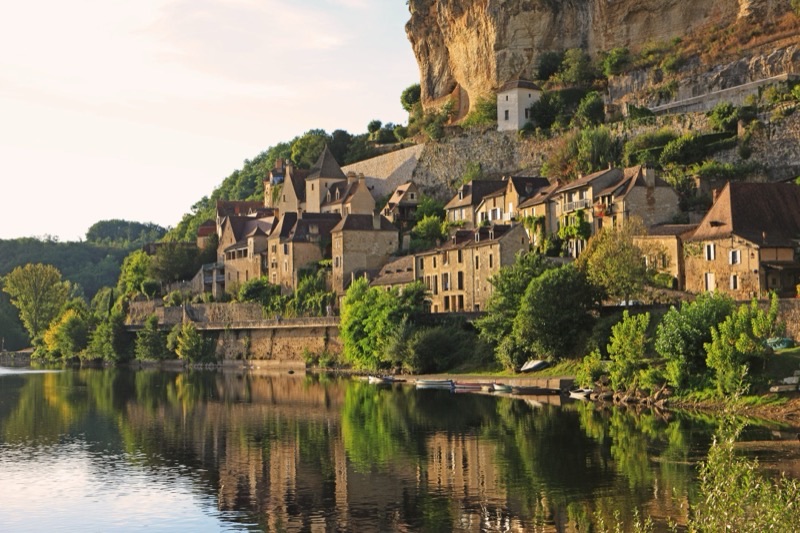
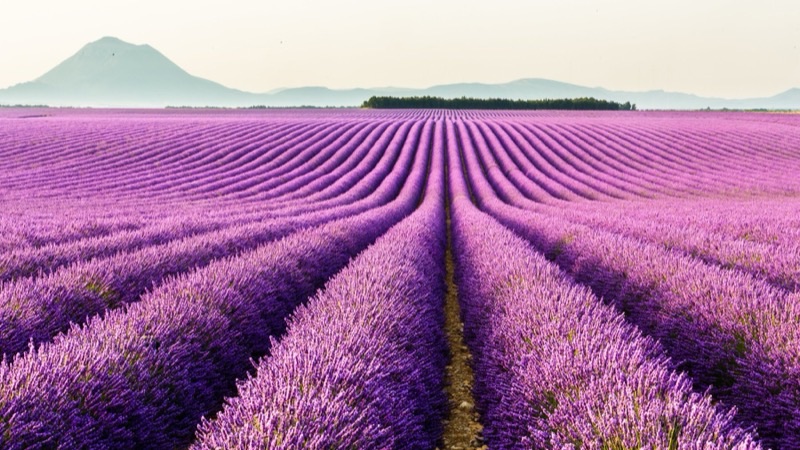
France also offers diverse natural scenery, but on a more contained scale. The French Alps provide skiing and hiking opportunities, while the Mediterranean coast (French Riviera) offers beaches and coastal towns. The Loire Valley presents gentle river landscapes and vineyards, and the rugged coastline of Brittany is distinct. The Gorges du Verdon in Provence offers a dramatic canyon experience. While all are beautiful, they often feel more manicured or developed compared to Argentina's vast, untamed wilderness areas. For raw, grand-scale natural wonder and active outdoor pursuits like trekking and glacier walks, Argentina is the clear winner.
- Winner: Argentina
- Why: Argentina's landscapes offer greater diversity, scale, and a sense of raw, untamed wilderness, especially in Patagonia and Iguazú.
- Who this matters for: Outdoor adventurers, hikers, nature photographers, and those seeking awe-inspiring, large-scale natural phenomena.
✈️ Getting There & Around
Getting to Argentina from North America involves significant travel time. A direct flight from New York (JFK) to Buenos Aires (EZE) averages 10.5-11 hours, while from Los Angeles…
Argentina
France
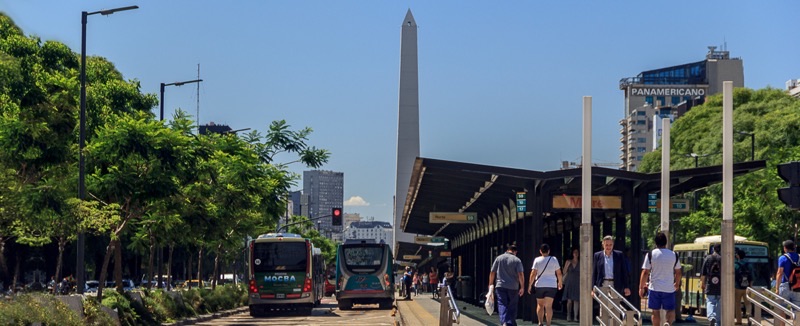
Getting to Argentina from North America involves significant travel time. A direct flight from New York (JFK) to Buenos Aires (EZE) averages 10.5-11 hours, while from Los Angeles (LAX) it's around 11.5-12 hours with a stop, or longer if indirect. Flight costs typically range from $800-1500 USD round trip. Once there, Argentina's sheer size means that internal travel between key regions like Buenos Aires, Patagonia, and Iguazú Falls often necessitates domestic flights, which can add to the budget (e.g., EZE to El Calafate is a 3-hour flight, costing $100-250 USD). Long-distance buses are a comfortable and affordable alternative for shorter routes or for those with more time. Urban transport in Buenos Aires (Subte, colectivos) is very cheap and efficient (SUBE card required).
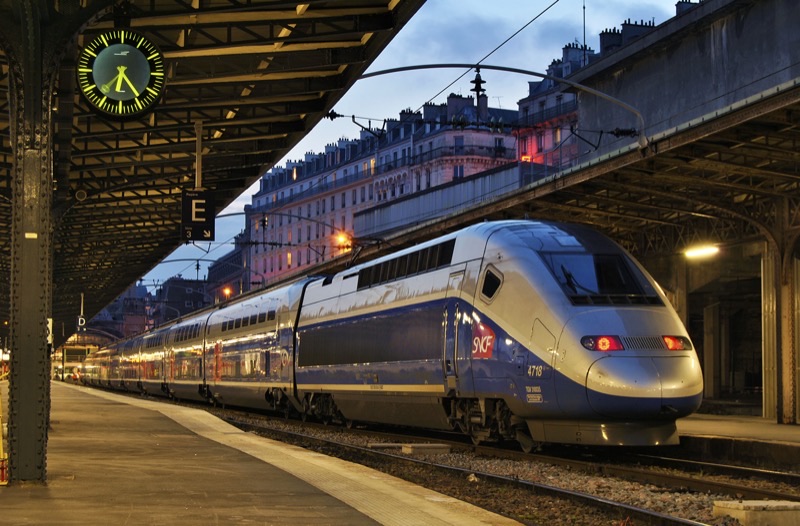
France is generally easier and quicker to access for North American travelers. Direct flights from New York (JFK) to Paris (CDG) average 7.5-8 hours, and from Los Angeles (LAX) around 10-11 hours. Flight costs often range from $600-1100 USD round trip. Within France, the TGV high-speed train network is a major advantage, connecting cities like Paris, Lyon, and Nice rapidly and comfortably (e.g., Paris to Nice is about 5.5 hours by TGV, tickets from €50-120). Regional trains and extensive bus networks fill the gaps. Major cities have efficient metro and bus systems (e.g., Paris Metro single ticket €2.15). The ease and speed of internal travel in France make it a clear winner for logistics.
- Winner: France
- Why: France offers shorter international flight times from North America and an exceptionally efficient, well-connected domestic transport system.
- Who this matters for: Travelers with limited vacation time, those who dislike long journeys, and those prioritizing convenience and efficient logistics.
🚨 Safety & Practicalities
Argentina is generally safe for tourists, but vigilance regarding petty crime, such as pickpocketing and bag snatching, is essential in Buenos Aires, particularly in tourist-heavy…
Argentina is generally safe for tourists, but vigilance regarding petty crime, such as pickpocketing and bag snatching, is essential in Buenos Aires, particularly in tourist-heavy areas like La Boca or San Telmo, especially after dark. Always keep an eye on belongings and be discreet with valuables. Walking alone at night in less-trafficked areas is not recommended. The 'Dólar Blue' exchange means carrying significant amounts of cash (USD) is often necessary for the best rates, which requires careful management. ATMs can have low withdrawal limits and high fees. Public health facilities are available, but private clinics are recommended for serious issues. Navigating the Dólar Blue system can be a slight practical hurdle, though many businesses now offer blue-rate equivalent card payments.
France has a robust tourist infrastructure and is generally very safe for travelers. The primary concern in Paris and other major cities is pickpocketing, especially around popular attractions like the Eiffel Tower or on crowded metros. Violent crime against tourists is rare. The healthcare system is excellent, and emergency services are reliable. Paying with credit cards is standard and widely accepted. English is spoken in most tourist areas, but knowing a few basic French phrases is always appreciated. While both destinations require common sense, France's established safety protocols and straightforward payment systems make it a less stressful practical experience.
- Winner: France
- Why: France offers a higher general level of personal safety, simpler payment methods, and highly reliable public services.
- Who this matters for: Solo travelers, first-time international travelers, and those who prefer a highly predictable and secure travel environment.
🛌 Accommodation
Accommodation in Argentina offers excellent value, especially when exchanging money at the 'Dólar Blue' rate. Hostels in Buenos Aires or Mendoza can be found for $15-30 USD per…
Accommodation in Argentina offers excellent value, especially when exchanging money at the 'Dólar Blue' rate. Hostels in Buenos Aires or Mendoza can be found for $15-30 USD per night (15,000-30,000 ARS), offering good amenities. Mid-range hotels, such as a boutique hotel in Palermo, might cost $50-100 USD (50,000-100,000 ARS). Options like Airbnb are plentiful and can provide apartments for good prices. In rural areas, particularly around Mendoza or in Patagonia, you can find charming estancias (ranches) or guesthouses for a unique experience that still often falls within a reasonable budget. The quality-to-price ratio is a significant draw, allowing travelers to stay in nicer places for less money than elsewhere.
France provides a comprehensive range of accommodation options, from budget hostels to luxury hotels, but at a higher price point. A hostel bed in Paris can easily be €30-60 ($33-66 USD) per night. Mid-range hotels in cities like Paris or Nice typically start at €90-150 ($99-165 USD) and often offer smaller rooms. Rural stays, such as a gîte (holiday rental) in the countryside or a chambre d'hôtes (B&B), provide authentic experiences but can also be expensive, especially during peak season. While the quality is generally high, finding truly affordable yet comfortable accommodation in France often requires booking well in advance or compromising on location. Argentina's value proposition for accommodation is a clear advantage.
- Winner: Argentina
- Why: Argentina offers significantly more affordable and higher-quality accommodation options across all categories, especially with favorable exchange rates.
- Who this matters for: Budget travelers, those seeking longer stays, and anyone who wants to maximize comfort without overspending on lodging.
🌃 City Life & Nightlife
Buenos Aires is renowned for its late-night culture, where dinner starts around 9-10 PM, and nightlife often doesn't kick off until well after midnight, continuing until dawn. You…
Buenos Aires is renowned for its late-night culture, where dinner starts around 9-10 PM, and nightlife often doesn't kick off until well after midnight, continuing until dawn. You can find milongas (tango halls) where locals dance until 3-4 AM, lively bars (bares) in Palermo Soho, and massive clubs (boliches) that get going around 2 AM. The energy is palpable, and there is always something happening. Other cities like Córdoba also have active student-driven nightlife. The atmosphere is social and passionate, with people openly engaging in conversation and dancing. A typical night out involves dinner, a few drinks at a bar, and then heading to a club, all at a very reasonable cost.
France, especially Paris, offers a sophisticated city life centered around cafes, brasseries, and cocktail bars. While Parisians enjoy late dinners, the club scene typically starts earlier and often closes around 2-3 AM. Major cities have diverse options, from jazz clubs in Saint-Germain-des-Prés to electro clubs in Bastille. Regional cities offer local bars and seasonal festivals. However, the general pace is less intense and later than in Argentina. While France offers refinement, Argentina's late-night energy and the sheer enthusiasm for staying out make for a more dynamic and extended experience. For true late-night revelry, Argentina has the edge.
- Winner: Argentina
- Why: Argentina, particularly Buenos Aires, offers a more dynamic, later-starting, and longer-lasting nightlife scene with incredible energy.
- Who this matters for: Party-goers, night owls, and those seeking a vibrant, extended evening entertainment scene.
🐢 Pacing & Travel Style
Traveling through Argentina demands a more relaxed pace due to its immense geographical scale. To experience Buenos Aires, Patagonia, and Iguazú Falls adequately, you would need…
Traveling through Argentina demands a more relaxed pace due to its immense geographical scale. To experience Buenos Aires, Patagonia, and Iguazú Falls adequately, you would need at least 2-3 weeks, often involving multiple domestic flights. This lends itself well to slow travel, allowing deeper immersion in regions like Mendoza's wine country or the laid-back trekking towns of El Chaltén. Embracing local customs, like late dinners and afternoon siestas in smaller towns, contributes to the experience. It suits travelers who enjoy extended stays, are comfortable with longer transit times, and appreciate flexibility in their plans.
France, with its efficient TGV network, allows for quicker travel between diverse regions. You can visit Paris, the Loire Valley, and a coastal town within a week, though it would be a fast-paced trip. A 10-day to 2-week trip allows for a good balance, experiencing multiple regions without feeling rushed. It caters to travelers who prefer structured itineraries, efficient logistics, and wish to see a variety of iconic landmarks in a shorter timeframe. Both styles are valid and depend entirely on traveler preference. Argentina encourages a leisurely, expansive journey, while France facilitates a more concise, multi-destination itinerary. Neither is inherently better, just different, hence the tie.
- Winner: Tie
- Why: Both countries excel at supporting different travel paces, catering to distinct traveler preferences for exploration duration and style.
- Who this matters for: This category's winner depends entirely on individual travel preference for speed vs. depth.
☀️ Seasons & Weather
Argentina, being in the Southern Hemisphere, has seasons opposite to Europe and North America. This means if you want to hike in Patagonia (e.g., El Calafate, El Chaltén), their…
Argentina, being in the Southern Hemisphere, has seasons opposite to Europe and North America. This means if you want to hike in Patagonia (e.g., El Calafate, El Chaltén), their summer (November to March) is ideal, offering longer daylight hours and milder temperatures (10-20°C / 50-68°F), though winds can be strong. Buenos Aires is pleasant in spring (September-November) and fall (March-May) with temperatures around 18-25°C (65-77°F). Their winter (June-August) is suitable for skiing in the Andes but can be cold and rainy in other regions. Planning requires choosing a primary region and aligning with its optimal season.
France experiences Northern Hemisphere seasons. Spring (April-May) and Fall (September-October) are generally considered the best times to visit, with mild temperatures (15-22°C / 59-72°F) and fewer crowds in popular areas like Paris or the Loire Valley. Summers (June-August) can be warm to hot (25-35°C / 77-95°F), especially in the south, and tourist spots are crowded. Winters (November-March) are cold, especially in the north, with temperatures often around 0-8°C (32-46°F) and potential for snow. Both destinations offer distinct seasonal experiences that are equally appealing depending on personal preferences and planned activities. Therefore, it is a tie.
- Winner: Tie
- Why: Both countries offer equally appealing seasonal variations, making the 'best' time to visit dependent entirely on desired activities and personal weather preferences.
- Who this matters for: Travelers with specific seasonal preferences for activities (e.g., skiing, hiking, beach trips) or those sensitive to extreme temperatures.
🎯 The Decision Framework
Choose Argentina If…
- You crave epic natural landscapes like glaciers and waterfalls.
- Your budget is strict, and you want your money to go further.
- You appreciate a passionate, late-night social culture.
- You enjoy hearty, meat-focused cuisine and world-class Malbec.
- You are comfortable with long travel days and internal flights.
- You seek adventure and a sense of vast, open spaces.
- You find appeal in the tango culture and European-influenced South American cities.
- You want excellent value on accommodation, even for longer stays.
Choose France If…
- You prioritize efficient, reliable public transportation.
- You are a food enthusiast seeking diverse regional cuisines and pastries.
- You have a deep interest in ancient and medieval history, art, and architecture.
- You prefer a highly structured and predictable travel experience.
- You desire shorter flight times from North America.
- You value high levels of safety and straightforward logistics.
- You appreciate sophisticated city life with cafes and museums.
- You want to explore diverse regions easily by high-speed train.
📅 Sample Itineraries
Weekend in Buenos Aires (3 Days)
💡 For local transport savings, purchase a SUBE card at any subway station or 'kiosco' for a few dollars and load it with pesos for cheap bus and subway rides.
Weekend in Paris (3 Days)
💡 Purchase a 'carnet' of 10 metro tickets for €16.90 to save money on individual fares and make navigating the city efficient.
One Week in Argentina (7 Days)
💡 Domestic flights in Argentina can be expensive; book well in advance for better prices, often saving $50-100 on a round trip to Patagonia.
One Week in France (7 Days)
💡 For TGV train travel, book tickets several weeks in advance through SNCF Connect to secure 'Prems' fares, which can save you 30-50% on standard prices.
❓ Frequently Asked Questions
What is the typical daily budget difference between Argentina and France?
For a mid-range traveler, Argentina typically costs $70-120 USD per day, especially when utilizing the 'Dólar Blue' exchange rate for cash. France, by contrast, usually requires $150-250 USD per day for a similar experience, with Paris often pushing towards the higher end of that range.
How long should I plan to visit each country for a good experience?
For Argentina, plan at least 2-3 weeks to cover Buenos Aires, Iguazú Falls, and one major Patagonia region like El Calafate or El Chaltén. For France, 10-14 days allows for a good exploration of Paris and 1-2 additional regions, such as the Loire Valley or the South of France, efficiently using the train network.
Which country is better for outdoor activities and nature?
Argentina is superior for grand-scale outdoor activities. Patagonia offers world-class trekking to peaks like Fitz Roy and glacier experiences at Perito Moreno. Iguazú Falls provides immense natural power. France has beautiful mountains and coastlines, but on a more contained scale.
Are international flights significantly different in duration and cost?
Yes. Flights from major North American hubs to Buenos Aires typically take 10.5-12 hours direct and cost $800-1500 USD roundtrip. Flights to Paris are shorter, around 7.5-11 hours direct, and generally cheaper, ranging from $600-1100 USD roundtrip.
What are the key food differences I should expect?
Argentina's cuisine is heavily focused on grilled meats (asado), empanadas, and Malbec wine, with Italian influences. France offers a much broader, regionally diverse gastronomic experience, including varied cheeses, pastries, and fine dining, with a focus on fresh, seasonal ingredients and specific regional dishes.
Is solo travel easy in both countries?
Both countries are suitable for solo travel. France offers well-established tourist infrastructure and high safety, making it very straightforward. Argentina requires a bit more awareness of surroundings in cities and navigating the cash exchange system, but its friendly locals and hostel culture make it welcoming for solo adventurers.
What is the best time of year to visit each country?
For Argentina, visit their spring (Sept-Nov) or fall (March-May) for Buenos Aires and central regions, or their summer (Nov-Mar) for Patagonia. For France, spring (April-May) and fall (Sept-Oct) offer pleasant weather and fewer crowds across most regions. Summer can be hot and busy.
How important is speaking the local language in each destination?
In France, basic French phrases are helpful and appreciated, though English is common in tourist areas. In Argentina, Spanish is more essential outside of major tourist hubs, as English proficiency is less widespread. Learning some basic Spanish will greatly enhance your experience.
Ready to plan your next adventure?
Get a free custom itinerary for Argentina, France, or both — built from real traveler insights.
👥 Travelers Also Compared
🎟️ Book Tours & Experiences
Hand-picked tours and activities for both destinations — book with free cancellation
Experiences via Viator — free cancellation on most tours