How we built this comparison
This page combines traveler discussion patterns, published price ranges, flight schedules, and seasonal data to help you decide between Argentina and Germany.
- Reviewed 50+ Reddit threads from r/travel, r/solotravel, r/argentina, etc.
- Verified costs and logistics against current booking platforms (e.g., Google Flights, Booking.com, Hostelworld)
- Cross-referenced seasonal patterns and weather data for optimal travel timing
⚡ Quick Answers
⚡ The TL;DR Verdict
For most travelers seeking adventure, cultural immersion, and incredible value, Argentina is the pick. Its unique economic situation makes it exceptionally budget-friendly, often $35-70/day for comfortable travel. Germany offers impeccable efficiency and history, but at a Western European price point of $70-150/day. If budget is a key factor, Argentina delivers more bang for your buck.
- Choose Argentina: You prioritize budget, adventurous landscapes, late-night culture, and don't mind longer travel times and less predictable infrastructure. Ideal for backpackers, foodies, and those seeking raw exploration.
- Choose Germany: You value efficiency, historical depth, safety, reliable public transport, and a higher standard of comfort. Perfect for history buffs, city explorers, and those with a moderate budget who want a smooth, well-organized trip.
- Choose Both: If you have 4-6 weeks and a significant budget, a multi-continent trip allows you to experience both. Start in Germany for history and efficiency, then embark on a longer South American journey through Argentina for adventure and value.
Choose Argentina
Choose Argentina if your heart yearns for epic landscapes, vibrant culture, and incredible value. Trek through Patagonia's dramatic peaks, savor world-class Malbec in Mendoza, and dance tango until dawn in Buenos Aires, all while enjoying a budget-friendly trip around $35-70/day. It's best for adventurous backpackers, foodies, and those seeking raw, immersive experiences without breaking the bank.
Choose Germany
Opt for Germany if you prioritize seamless travel, profound history, and a high level of comfort. Explore magnificent Bavarian castles, delve into Berlin's complex past, and enjoy efficient rail connections across charming cities and picturesque Christmas markets. Best for history enthusiasts, city explorers, and travelers who appreciate a well-organized trip with predictable standards, even at a higher cost of $70-150/day.
📊 Visual Scorecard
🌤 When to Visit
Average high temperatures (°C). Green = best months, orange = avoid.
Quick Comparison
| Category | Argentina | Germany | Winner |
|---|---|---|---|
| Costs & Budget | Significantly cheaper, especially with parallel exchange rates. Food, transport, and accommodation are excellent value. | Standard Western European prices. Efficient but not cheap. Daily costs are 2-3x higher than Argentina. | Argentina |
| Food & Drink | Renowned for beef, Malbec wine, empanadas, and late-night dining. Italian influences are strong. | Known for sausages, beer, pretzels, and hearty meals. Regional specialties are diverse. | Argentina |
| Nightlife | Late-night culture in Buenos Aires, with dinners starting at 9 PM and clubs open until dawn. Tango shows are a highlight. | Berlin is a global clubbing capital, especially for electronic music. Munich and Hamburg also have active bar scenes. | Argentina |
| Culture & History | Blend of European influence and Latin American passion. Tango, gaucho traditions, and indigenous heritage. Complex recent history. | Deep, layered history spanning medieval castles, the Holy Roman Empire, and 20th-century events (WWII, Cold War). | Germany |
| Nature & Outdoors | Incredible diversity from Patagonian glaciers and mountains to Iguazu Falls, Andes, and vast plains. | Diverse landscapes including the Bavarian Alps, Black Forest, Rhine Valley, and North/Baltic Sea coasts. | Argentina |
| Getting There & Flights | Long-haul flights from North America and Europe (10-15+ hours). EZE is the main international airport. | Shorter, more frequent flights from North America and Europe (6-10 hours). Major hubs like FRA, MUC, TXL. | Germany |
| Getting Around | Extensive long-distance bus network, domestic flights for large distances, good city public transport in Buenos Aires. | World-class train system (Deutsche Bahn), efficient public transport in all major cities, excellent road network. | Germany |
| Accommodation | Wide range of options from budget hostels to boutique hotels, all offering excellent value for money. | Reliable quality across hostels, guesthouses, and hotels, but at higher European price points. | Argentina |
| Safety | Generally safe for tourists, but petty crime (pickpocketing, bag snatching) is a concern in major cities. Awareness is key. | Very safe overall, with low crime rates. Major cities are well-policed, and public transport is secure. | Germany |
| Solo Travel | Easily make friends in hostels, social culture, but language barrier can be a factor. Requires more vigilance. | Extremely safe, efficient for navigation, easy to be independent. Less spontaneous social scene. | Germany |
💸 Costs & Budget
Argentina, particularly when utilizing the 'blue dollar' exchange rate (unofficial but widely used), offers exceptional value. A good steak dinner in Buenos Aires at a parrilla…
Argentina
Germany
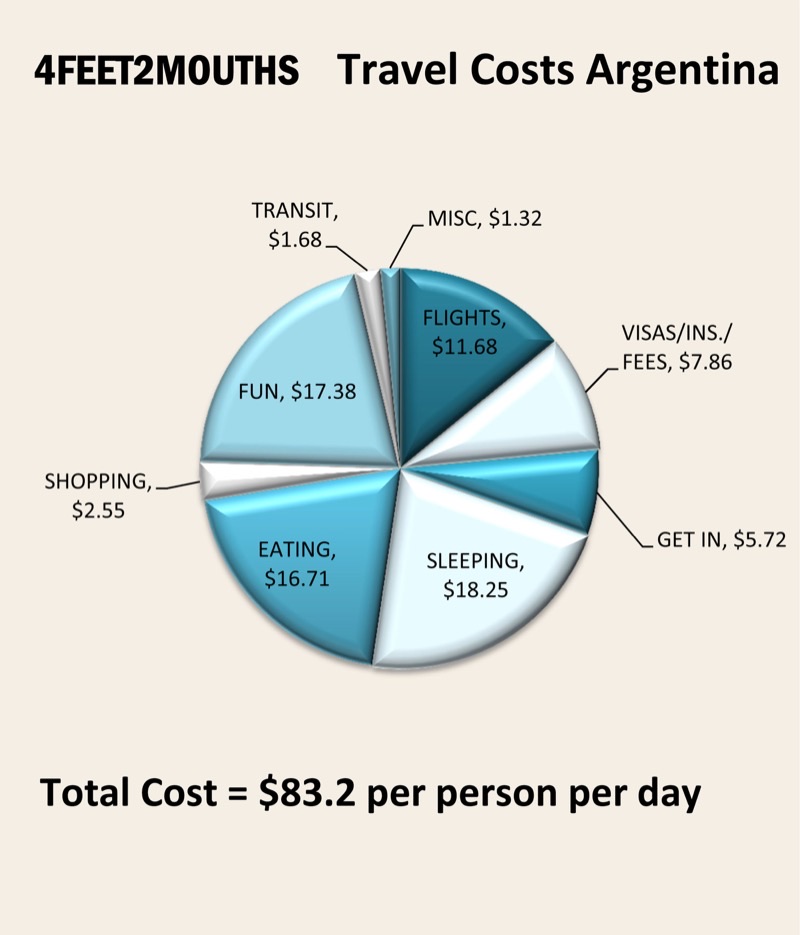
Argentina, particularly when utilizing the 'blue dollar' exchange rate (unofficial but widely used), offers exceptional value. A good steak dinner in Buenos Aires at a parrilla like Don Julio or La Cabrera might cost 15,000-25,000 ARS (approx. $15-25 USD), while a hostel bed is around 5,000-8,000 ARS ($5-8 USD). Local buses are just 100-200 ARS ($0.10-$0.20 USD). A reasonable daily budget for comfortable travel, including meals, activities, and a private room, can be $50-70 USD.
Germany operates on a different budget scale. A simple dinner in Berlin or Munich can cost €15-€25 ($16-27 USD) at a casual restaurant. Hostel beds typically range €25-€40 ($27-43 USD), and a short train ride might be €3-€5 ($3.25-5.50 USD). Expect to spend at least €70-€100 ($75-108 USD) per day for basic travel, easily reaching €150-€200 ($160-215 USD) for more comfort. Tabiji verdict: Argentina provides unparalleled travel value for your money.
- Winner: Argentina
- Why: Argentina's current economic situation allows travelers to experience high quality food, accommodation, and activities at a fraction of the cost found in Germany.
- Who this matters for: Budget-conscious travelers, backpackers, and those wanting to extend their trip duration.
🥩 Food & Drink
Argentina's culinary scene revolves around its cattle and Malbec wine. An 'asado' (barbecue) is a cultural cornerstone, with cuts like bife de chorizo (sirloin) or ojo de bife…

Argentina

Germany
Argentina's culinary scene revolves around its cattle and Malbec wine. An 'asado' (barbecue) is a cultural cornerstone, with cuts like bife de chorizo (sirloin) or ojo de bife (ribeye) at parrillas like El Preferido de Palermo typically costing 18,000-28,000 ARS ($18-28 USD). Empanadas are ubiquitous street food at 1,000-1,500 ARS ($1-1.50 USD), and a bottle of good Malbec from Mendoza can be 7,000-12,000 ARS ($7-12 USD) at a restaurant. Dulce de leche is everywhere. Eating out is a central social activity, often starting late.
Germany offers a different set of pleasures. Sausages are king, from Currywurst in Berlin (around €4-€6 / $4.30-6.50 USD) to Bratwurst in Nuremberg. Bavarian pretzels are a staple snack (€1.50-€3 / $1.60-3.25 USD). Beer is a cultural institution, especially in Bavaria, with a liter often costing €5-€8 ($5.50-8.50 USD) at a beer garden like Hofbräuhaus. Hearty dishes like Schnitzel or Schweinshaxe (pork hock) are common. Tabiji verdict: Argentina wins for its accessible, high-quality, and globally celebrated food and wine experience.
- Winner: Argentina
- Why: Argentina's combination of exceptional quality beef, world-class Malbec wine, and delicious street food at incredible prices offers a more compelling culinary journey for most.
- Who this matters for: Foodies, wine enthusiasts, and travelers who enjoy social dining experiences.
💃 Nightlife
Buenos Aires is a city that truly comes alive after dark. Dinners rarely start before 9 PM, with many restaurants like Sottovoce (Italian) or El Ateneo Grand Splendid…
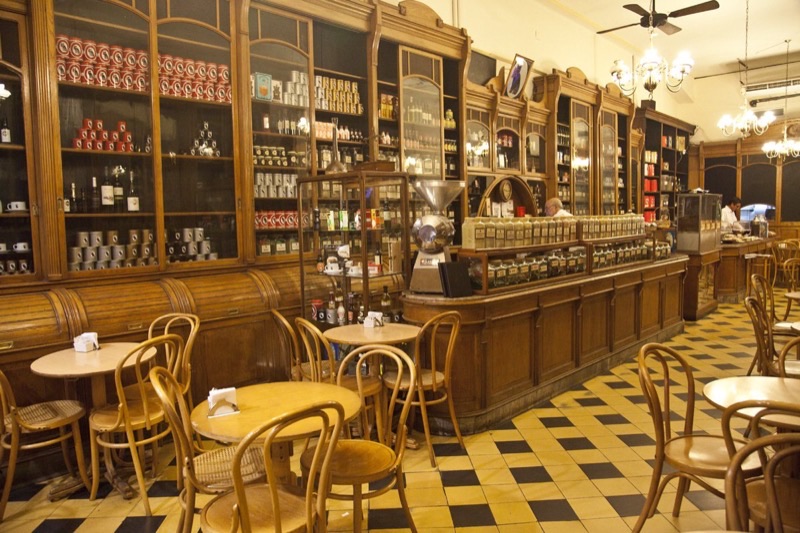
Argentina
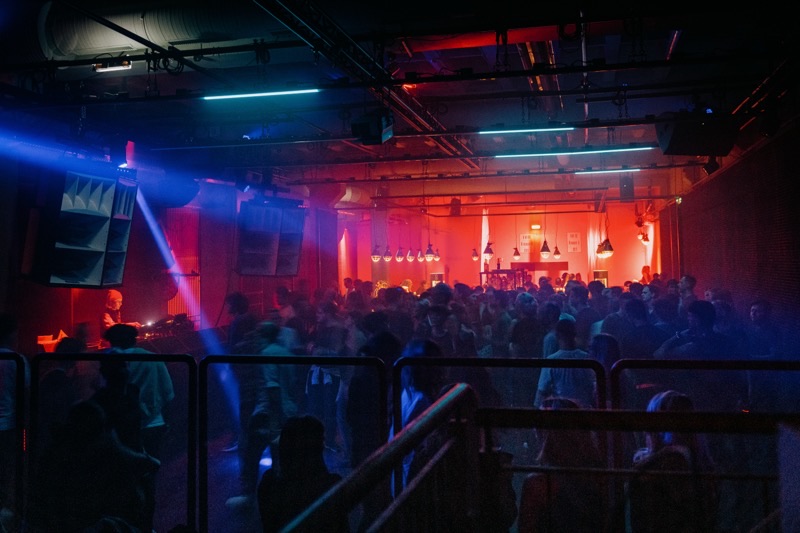
Germany
Buenos Aires is a city that truly comes alive after dark. Dinners rarely start before 9 PM, with many restaurants like Sottovoce (Italian) or El Ateneo Grand Splendid (bookstore/cafe) serving until late. Bars, called 'bares,' fill up around midnight, and 'boliches' (clubs) like Niceto Club or Crobar often don't get going until 2 AM and stay open until 6 AM or later. A beer at a bar might cost 2,000-3,500 ARS ($2-3.50 USD). Tango shows, from casual milongas to elaborate dinner shows like Esquina Carlos Gardel, offer a cultural night out, with tickets from 15,000-50,000 ARS ($15-50 USD).
Germany's nightlife is diverse but often more structured. Berlin is famous for its techno clubs like Berghain/Panorama Bar or Sisyphos, which can have strict door policies and operate for days. Entry fees can be €15-€30 ($16-32 USD), and drinks around €5-€10 ($5.50-11 USD). Munich offers traditional beer halls and more conventional bars. Hamburg's Reeperbahn district has a red-light district with many bars and clubs. Tabiji verdict: Argentina's social, late-night, and diverse nightlife, blending tango with modern clubs, edges out Germany's more niche electronic scene.
- Winner: Argentina
- Why: Argentina offers a broader, more universally appealing social nightlife experience that integrates dining, dancing, and unique cultural performances like tango.
- Who this matters for: Social travelers, those who enjoy late nights, and anyone interested in cultural performance.
🏛️ Culture & History
Argentina's culture is a compelling mix. Buenos Aires feels distinctly European with its architecture, café culture, and opera house (Teatro Colón). Tango, born in the…
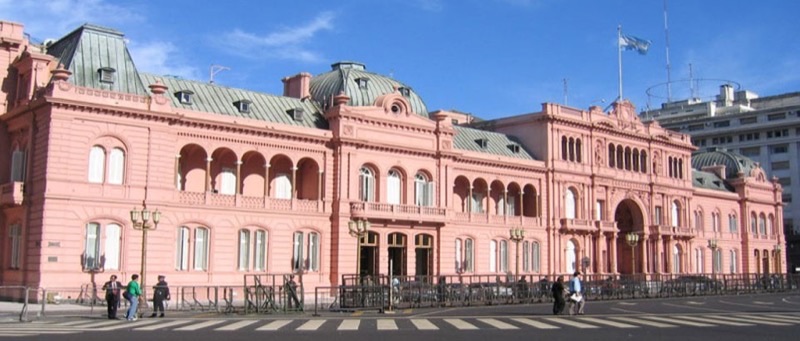
Argentina
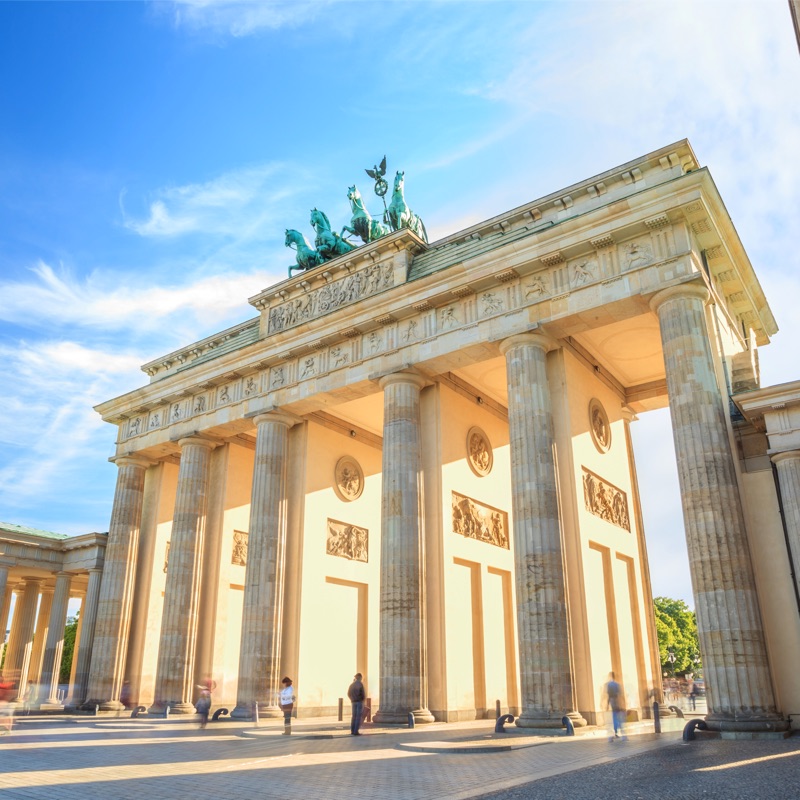
Germany
Argentina's culture is a compelling mix. Buenos Aires feels distinctly European with its architecture, café culture, and opera house (Teatro Colón). Tango, born in the working-class neighborhoods, is a central art form. Outside the capital, gaucho traditions persist in the Pampas, and indigenous cultures are present in the north (e.g., Quebrada de Humahuaca). Its 20th-century history, including military dictatorships and economic upheavals, is visible in places like the Casa Rosada and various memorial sites. The Recoleta Cemetery is a historical art piece itself.
Germany offers a historical journey through millennia. From Roman ruins in Trier to medieval castles like Neuschwanstein (entry €17.50 / $19 USD) and Heidelberg, its past is tangible. Berlin's history is particularly profound, with sites like the Brandenburg Gate, the Reichstag Building, the East Side Gallery (remains of the Berlin Wall), and sobering memorials like the Memorial to the Murdered Jews of Europe. Dresden's Frauenkirche rebuilt after WWII, and countless museums across cities document its complex narrative. Tabiji verdict: Germany's accessible, extensive, and deeply impactful historical sites provide a more profound journey for history enthusiasts.
- Winner: Germany
- Why: Germany's extensive, well-preserved, and easily accessible historical sites, particularly related to its 20th-century narrative, offer a more impactful and educational experience.
- Who this matters for: History buffs, those interested in European conflicts, and travelers who appreciate organized historical sites.
🏞️ Nature & Outdoors
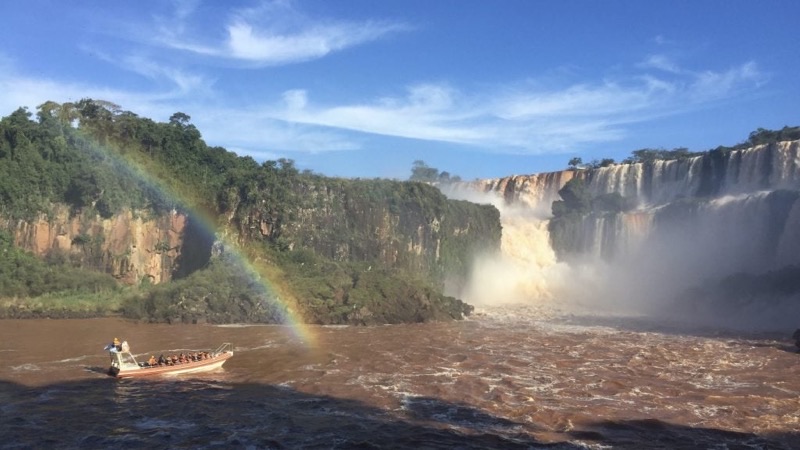
Argentina boasts some of the planet's most dramatic natural scenery. Patagonia offers the Perito Moreno Glacier (entry ~10,000 ARS / $10 USD) near El Calafate, and world-class…
Argentina
Germany
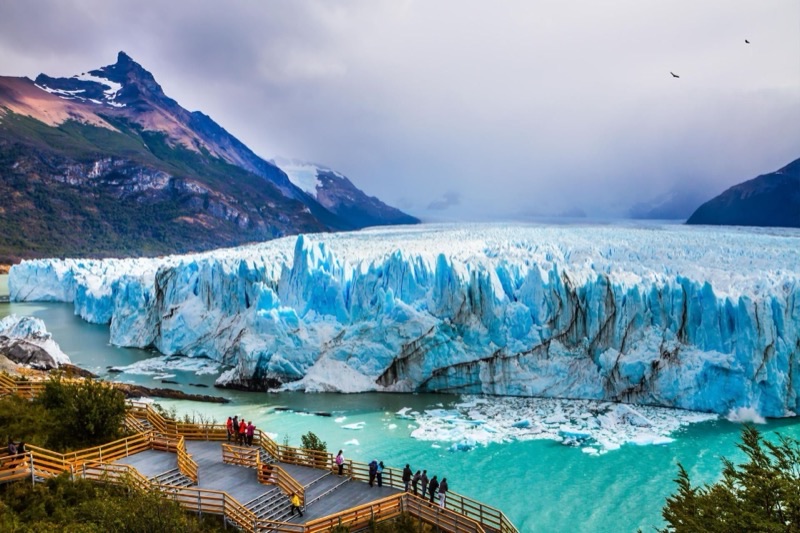
Argentina boasts some of the planet's most dramatic natural scenery. Patagonia offers the Perito Moreno Glacier (entry ~10,000 ARS / $10 USD) near El Calafate, and world-class trekking around Fitz Roy and Cerro Torre in El Chaltén. The Iguazu Falls (entry ~12,000 ARS / $12 USD) on the border with Brazil are immense. The Andes provide high-altitude landscapes and vineyards in Mendoza. The Esteros del Iberá offer vast wetlands and wildlife viewing. The sheer scale and variety of landscapes are unmatched.
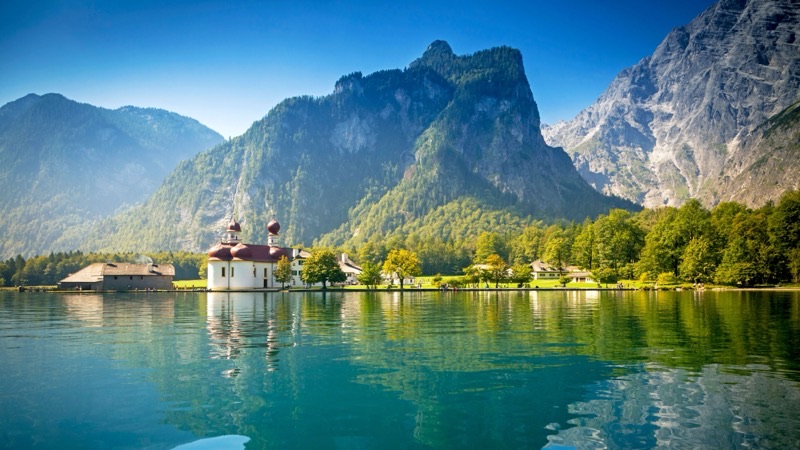
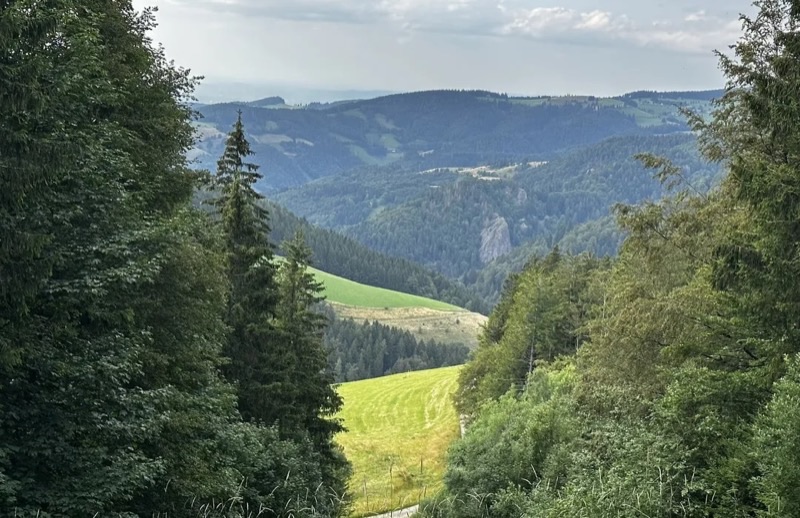
Germany's natural environments are appealing but on a smaller scale. The Bavarian Alps offer hiking and skiing, with Zugspitze (Germany's highest peak, cable car ~€60 / $65 USD). The Black Forest (Schwarzwald) in the southwest is known for its dense woods and picturesque villages. The Rhine Valley is home to vineyards and castles. The North and Baltic Sea coasts offer sandy beaches and islands. Tabiji verdict: Argentina's vast and dramatic natural landscapes, from glaciers to waterfalls, offer a more epic outdoor experience.
- Winner: Argentina
- Why: Argentina's immense scale and dramatic geographical diversity, including glaciers, towering mountains, and colossal waterfalls, simply offer more 'wow' factor.
- Who this matters for: Adventure seekers, photographers, hikers, and those looking for truly epic natural wonders.
✈️ Getting There & Flights
Reaching Argentina generally involves a long-haul flight. From New York (JFK) to Buenos Aires (EZE), direct flights are around 10-11 hours, costing $800-1300 USD return. From…
Reaching Argentina generally involves a long-haul flight. From New York (JFK) to Buenos Aires (EZE), direct flights are around 10-11 hours, costing $800-1300 USD return. From London (LHR), it's closer to 13-14 hours, often with a stop, costing $900-1500 USD. Flight frequency is good but less than to major European hubs. Travel time is a significant commitment, and jet lag can be considerable due to the time zone difference.
Germany is much more accessible for many international travelers. From New York (JFK) to Frankfurt (FRA) or Munich (MUC), direct flights are typically 7-8 hours, costing $600-1000 USD return. From London (LHR) to Berlin (BER) or Frankfurt, flights are 1-2 hours, often under $100-200 USD. Germany's position in Central Europe makes it a convenient gateway, with numerous direct connections from around the world. Tabiji verdict: Germany offers significantly shorter, more frequent, and often cheaper flights for most international travelers.
- Winner: Germany
- Why: Germany's central location in Europe makes it far more accessible with shorter flight times and more affordable options from major global hubs.
- Who this matters for: Travelers with limited vacation time, those sensitive to long flights, and budget-conscious travelers seeking lower flight costs.
🚆 Getting Around
Getting around Argentina depends on the distance. For inter-city travel, long-distance buses (colectivos) are common, offering varying classes from semi-cama to cama ejecutivo…
Getting around Argentina depends on the distance. For inter-city travel, long-distance buses (colectivos) are common, offering varying classes from semi-cama to cama ejecutivo with reclining seats, costing 15,000-40,000 ARS ($15-40 USD) for a 6-10 hour journey. Domestic flights, via Aerolíneas Argentinas or low-cost carriers, are necessary for covering vast distances like Buenos Aires to Patagonia (e.g., ~$100-200 USD one-way for a 3-hour flight). Buenos Aires has an efficient Subte (metro) and bus system (SUBE card required). Outside the capital, public transport can be less frequent.
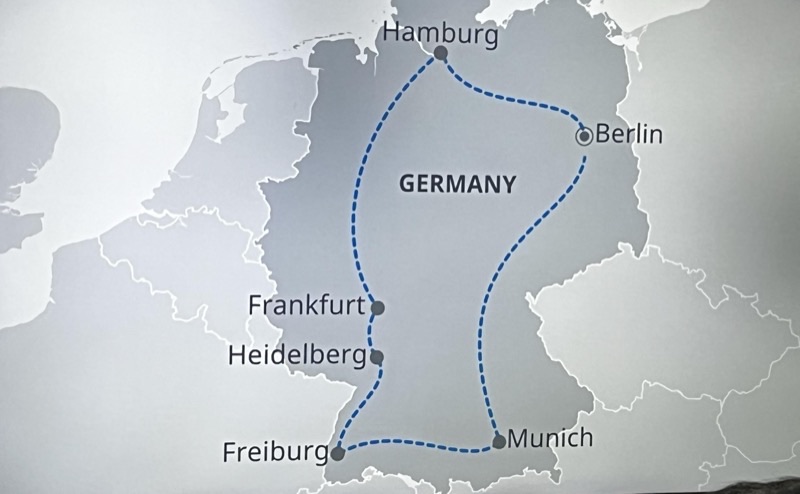
Germany's public transport is a benchmark for efficiency. Deutsche Bahn (DB) trains connect virtually every town and city, offering fast and reliable services. A high-speed ICE train from Berlin to Munich might cost €50-€100 ($55-110 USD) if booked in advance. City public transport (U-Bahn, S-Bahn, trams, buses) in cities like Berlin, Munich, and Hamburg is excellent, with daily passes around €8-€10 ($8.50-11 USD). The Autobahn network is well-maintained for those preferring to drive. Tabiji verdict: Germany's seamless, reliable, and punctual transportation network is superior for effortless travel.
- Winner: Germany
- Why: Germany's highly efficient, extensive, and punctual train and public transport systems make traveling within the country incredibly smooth and stress-free.
- Who this matters for: Travelers who prioritize efficiency, rely on public transport, and dislike planning complex logistics.
🏨 Accommodation
Argentina offers fantastic value for accommodation. In Buenos Aires, a clean, well-located hostel dorm bed can be found for 5,000-8,000 ARS ($5-8 USD) per night, like Milhouse…
Argentina offers fantastic value for accommodation. In Buenos Aires, a clean, well-located hostel dorm bed can be found for 5,000-8,000 ARS ($5-8 USD) per night, like Milhouse Avenue. A comfortable private room in a guesthouse or a mid-range hotel often costs 15,000-30,000 ARS ($15-30 USD). Boutique hotels in Palermo or Recoleta are available for 40,000-80,000 ARS ($40-80 USD). In tourist spots like El Chaltén, even basic lodges provide good amenities for a low cost. Airbnb is also popular and offers good deals.
Germany offers consistent quality but at a higher price. Hostel dorms in major cities like Berlin or Munich typically cost €25-€40 ($27-43 USD) per night, for example, at Generator Hostel. A basic private room in a budget hotel or guesthouse usually starts around €70-€100 ($75-108 USD). Mid-range hotels are often €120-€180 ($130-195 USD). While quality is predictable and standards are high, the cost difference is substantial. Tabiji verdict: Argentina provides superior value and more budget-friendly choices for accommodation.
- Winner: Argentina
- Why: Argentina's accommodation sector provides significantly better value for money, allowing travelers to stay in more comfortable or longer durations for the same budget.
- Who this matters for: Budget travelers, long-term travelers, and those who want to maximize their comfort without breaking the bank.
🚨 Safety
Argentina, particularly in cities like Buenos Aires and Rosario, requires a good level of awareness. Pickpocketing and bag snatching are common in crowded tourist areas like La…
Argentina, particularly in cities like Buenos Aires and Rosario, requires a good level of awareness. Pickpocketing and bag snatching are common in crowded tourist areas like La Boca or San Telmo market. Express kidnappings, while rare for tourists, can occur. Walking alone at night in less-trafficked areas is discouraged. It is advisable to use registered taxis or ride-sharing apps (like Uber/Cabify) rather than hailing unmarked cabs. Keeping valuables out of sight and being aware of surroundings mitigates most risks.
Germany is one of the safest countries in the world. Crime rates are low, and serious violent crime against tourists is rare. Major cities like Berlin, Munich, and Hamburg are well-policed. Public transport is safe even at night. Standard precautions apply, such as being aware of pickpockets in crowded tourist spots (e.g., Brandenburg Gate, Oktoberfest) or on public transport, but these incidents are infrequent. Walking alone at night in most urban and rural areas is generally not a concern. Tabiji verdict: Germany offers a significantly higher level of personal safety and peace of mind for travelers.
- Winner: Germany
- Why: Germany's consistently low crime rates and highly organized public safety infrastructure ensure a worry-free travel experience.
- Who this matters for: Solo female travelers, families, first-time international travelers, and anyone prioritizing personal security.
🚶♀️ Solo Travel
Solo travel in Argentina is rewarding but comes with specific considerations. Hostels are plentiful and excellent for meeting other travelers, especially in Buenos Aires, Salta,…
Solo travel in Argentina is rewarding but comes with specific considerations. Hostels are plentiful and excellent for meeting other travelers, especially in Buenos Aires, Salta, and Patagonia. Argentines are generally friendly and social, making interactions easy if you speak some Spanish. However, the language barrier can be a challenge outside major tourist zones. Navigating public transport and dealing with currency requires some effort. Safety requires constant vigilance, especially when carrying visible valuables or walking alone at night, but many solo travelers have great experiences.
Germany is an ideal destination for solo travelers due to its high safety, efficient transport, and clear infrastructure. You can navigate cities and the country independently with ease using the train system and city public transport. English is widely spoken in tourist areas and by younger generations. While Germans can seem reserved initially, they are helpful if approached. Meeting people might be more challenging outside of specific events or hostels, as the culture is less spontaneously social than in Argentina. Tabiji verdict: Germany's combination of safety, ease of navigation, and clear communication makes it a more accessible and low-stress choice for solo travelers.
- Winner: Germany
- Why: Germany's superior safety, efficient infrastructure, and widespread English proficiency make independent solo travel simpler and less stressful.
- Who this matters for: First-time solo travelers, those who prefer independence and efficiency over constant social interaction, and safety-conscious individuals.
🎯 The Decision Framework
Choose Argentina If…
- You want to stretch your budget further than almost anywhere else in the world.
- You crave world-class steak, Malbec wine, and late-night empanadas.
- You dream of hiking among glaciers and mountains in Patagonia.
- You're eager to learn tango and immerse yourself in a passionate, social culture.
- You are comfortable with longer travel times and a more spontaneous itinerary.
- You want to witness the immense power of Iguazu Falls.
- You appreciate vibrant street art and café culture.
- You seek adventure in diverse landscapes from deserts to wetlands.
Choose Germany If…
- You prioritize efficiency, punctuality, and a smooth travel experience.
- You want to delve deep into centuries of history, from medieval castles to 20th-century events.
- You appreciate a reliable and extensive public transportation network (trains, U-Bahn).
- You enjoy hearty food like sausages, pretzels, and world-renowned beer.
- You value high levels of personal safety and low crime rates.
- You prefer shorter flight times from North America or Europe.
- You are drawn to electronic music and the legendary club scene of Berlin.
- You want to explore picturesque towns, dense forests, and the Bavarian Alps.
📅 Sample Itineraries
Weekend in Buenos Aires (3 Days)
💡 To save on transport, purchase a SUBE card for public transport (subte and bus) upon arrival, as individual paper tickets are not common. Initial card cost is about $2-3, then load with funds.
Weekend in Berlin (3 Days)
💡 Purchase a Berlin WelcomeCard for unlimited public transport and discounts on attractions. A 72-hour AB zone card costs around $36, saving money compared to individual tickets and entry fees.
One Week in Argentina (7 Days)
💡 Booking internal flights within Argentina in advance, especially to popular destinations like Iguazu, can save a significant amount. Look for deals directly on airline websites like Aerolineas Argentinas.
One Week in Germany (7 Days)
💡 Purchase a 'BahnCard 25' if you plan multiple long-distance train journeys, as it offers a 25% discount on all flexible and saver fares for a year. It costs around $55-60 for the basic version.
❓ Frequently Asked Questions
What's the typical daily budget difference between Argentina and Germany?
For a comfortable mid-range trip, Argentina typically costs $35-70 USD per day, especially when using the 'blue dollar' exchange rate. Germany, on the other hand, usually requires $70-150 USD per day for similar comfort, with meals and transport being significantly more expensive.
How long are flights from the US to Argentina versus Germany?
Flights from major US cities to Argentina (Buenos Aires) are generally 10-11 hours direct. Flights to Germany (Frankfurt, Munich, Berlin) are typically shorter, around 7-8 hours direct from the East Coast, making Germany a quicker destination to reach.
Is it easy to get around Argentina without speaking Spanish?
In major tourist areas and Buenos Aires, many people in hotels and restaurants speak English. However, outside these areas, basic Spanish phrases are incredibly helpful and often necessary. Public transport might also require some Spanish understanding.
Which country is better for outdoor activities like hiking?
Argentina generally offers more epic and diverse outdoor experiences, particularly in Patagonia (El Chaltén, El Calafate) with its glaciers and mountain trekking. Germany has good hiking in the Black Forest and Bavarian Alps, but on a smaller, less dramatic scale.
What's the best way to handle money in Argentina currently?
For the best exchange rate, bring crisp USD cash and exchange it for Argentinian Pesos (ARS) at a 'cueva' or reputable 'arbolito' (unofficial money exchangers) for the 'blue dollar' rate. Using a debit/credit card for some purchases is also possible, but the official rate is less favorable.
Is Germany's public transport really as good as people say?
Yes, Germany's public transport, primarily Deutsche Bahn trains, is highly efficient, punctual, and extensive. It connects virtually every town and city, making travel seamless and reliable. City transport systems are equally excellent and user-friendly.
Can I drink the tap water in both countries?
Yes, tap water is safe to drink in almost all parts of Germany. In Argentina, tap water is generally safe to drink in major cities like Buenos Aires, but it's advisable to check local conditions or stick to bottled water in more remote areas or if you have a sensitive stomach.
Which country has better internet and mobile connectivity?
Germany generally has faster and more reliable internet and mobile connectivity, especially in urban areas and along train routes. Argentina's connectivity is decent in major cities, but can be spotty or slower in remote regions like parts of Patagonia or the far north.
Ready to plan your South American or European trip?
Get a free custom itinerary for Argentina, Germany, or both — built from real traveler insights.
👥 Travelers Also Compared
🎟️ Book Tours & Experiences
Hand-picked tours and activities for both destinations — book with free cancellation
Experiences via Viator — free cancellation on most tours