How we built this comparison
This page combines traveler discussion patterns, published price ranges, flight schedules, and seasonal data to help you decide between Argentina and Guatemala.
- Reviewed 50+ Reddit threads from r/travel, r/solotravel, r/Argentina, r/Guatemala, etc.
- Verified costs and logistics against current booking platforms and recent traveler reports
- Cross-referenced seasonal patterns and weather data for optimal travel periods
⚡ Quick Answers
⚡ The TL;DR Verdict
For most travelers seeking a broader adventure with diverse experiences, Argentina provides more variety for a moderate budget. If your focus is on deep cultural immersion, adventure sports, and a tighter itinerary, Guatemala delivers. Argentina generally offers a higher comfort level for a similar spend.
- Choose Argentina: You want varied landscapes from glaciers to waterfalls, a cosmopolitan city experience, steak and wine, and a feeling of grand travel without breaking the bank.
- Choose Guatemala: You prioritize ancient Mayan sites, volcanos, lake activities, Spanish language immersion, and a smaller, more concentrated travel circuit with a strong local feel.
- Choose Both: If you have 4-6 weeks and want to experience both South and Central American travel styles, combining them offers a full Latin American perspective. Start with Guatemala for its compact nature, then fly south.
Choose Argentina
Choose Argentina if you dream of vast, dramatic landscapes like Patagonia's glaciers and the thunder of Iguazu Falls, paired with the vibrant cultural pulse of Buenos Aires. This destination is best for travelers seeking a sophisticated, comfortable adventure, indulging in world-class Malbec and steaks, all within a moderate budget.
Choose Guatemala
Opt for Guatemala if you crave deep cultural immersion, ancient Mayan history at Tikal, and stunning natural beauty around Lake Atitlán. This compact nation is best for adventurous travelers eager to explore colonial Antigua, hike volcanos, and connect intimately with local traditions on a more concentrated, budget-conscious itinerary.
📊 Visual Scorecard
🌤 When to Visit
Average high temperatures (°C). Green = best months, orange = avoid.
Quick Comparison
| Category | Argentina | Guatemala | Winner |
|---|---|---|---|
| Costs & Budget | Argentina's parallel exchange rate (blue dollar) makes it exceptionally affordable for cash users, offering great value for accommodation and food. | Guatemala is generally budget-friendly, especially for local transport and food, but tours and some tourist-focused accommodations add up faster than expected. | Argentina |
| Culture & Heritage | Argentina features European-influenced culture with tango, gaucho traditions, and a strong literary and artistic scene, particularly in Buenos Aires. | Guatemala offers a deep dive into Mayan heritage, indigenous traditions, colorful markets, and Spanish colonial architecture, with many Mayan languages still spoken. | Guatemala |
| Food & Drink | Argentina excels with world-renowned beef, Malbec wine, empanadas, and dulce de leche, offering a meat-centric, rich culinary experience. | Guatemala's cuisine features corn-based staples, stews like Pepián, fresh tropical fruits, and strong coffee, leaning towards hearty, flavorful dishes. | Argentina |
| Nature & Landscapes | Argentina presents a huge range of landscapes: Patagonian glaciers, Andes mountains, arid plains, lush wetlands, and subtropical waterfalls. | Guatemala offers volcanic peaks, serene lakes, dense jungles with Mayan ruins, and cloud forests, all within a compact area. | Argentina |
| Safety & Stability | Argentina is generally safe for tourists, especially outside major city centers, though petty crime can occur in Buenos Aires. | Guatemala has a higher crime rate, especially in non-tourist areas, requiring more vigilance, though tourist zones are generally secure. | Argentina |
| Getting There & Around | Argentina requires long-haul flights from most regions; internal travel relies on extensive, comfortable long-distance buses and domestic flights. | Guatemala is shorter to reach from North America; internal travel is dominated by chicken buses, shuttles, and boats on Lake Atitlán. | Tie |
| Nightlife & Entertainment | Buenos Aires offers a European-style nightlife with late dinners, tango shows, world-class clubs, and a vibrant bar scene lasting until dawn. | Guatemala's nightlife is more localized, centered around bars in tourist towns like Antigua and party hostels around Lake Atitlán. | Argentina |
| Accommodation | Argentina offers a wide range of accommodation, from budget hostels to luxury hotels, with excellent value, especially for private rooms. | Guatemala provides good value hostels and guesthouses, particularly in tourist areas, but luxury options are fewer outside top resorts. | Argentina |
| Adventure & Activities | Argentina offers trekking in Patagonia, glacier walks, horseback riding, wine tours, and diving in marine parks. | Guatemala features volcano hikes, kayaking on Lake Atitlán, jungle treks to Mayan ruins, and cave exploration. | Tie |
| Solo Travel & Social Scene | Argentina, particularly Buenos Aires, is easy for solo travelers with many hostels and a social atmosphere, though language can be a barrier outside tourist areas. | Guatemala is a popular backpacking route, making it easy to meet others in hostels and shuttles, with a strong focus on language schools. | Guatemala |
💸 Costs & Budget
Argentina, when leveraging the 'blue dollar' (informal exchange rate), becomes remarkably cheap. For example, a quality hostel bed in Buenos Aires costs around 8,000-15,000 ARS…
Argentina

Guatemala
Argentina, when leveraging the 'blue dollar' (informal exchange rate), becomes remarkably cheap. For example, a quality hostel bed in Buenos Aires costs around 8,000-15,000 ARS (~$8-15 USD) cash, while a full dinner with wine at a decent restaurant might be 15,000-30,000 ARS (~$15-30 USD) cash. Long-distance buses are a primary expense but still reasonable; a 10-hour trip from Mendoza to Bariloche can be 30,000-50,000 ARS (~$30-50 USD) cash for a cama (sleeper) seat. Expect a daily budget of $30-70 USD for a comfortable backpacker or budget traveler, assuming cash use.
Guatemala offers good value, but less dramatic savings. A private room in a guesthouse in Antigua might cost 200-400 GTQ (~$25-50 USD), while a hostel bed is 80-150 GTQ (~$10-20 USD). Local meals (comida corrida) cost 25-50 GTQ (~$3-7 USD), but tourist restaurants are 70-150 GTQ (~$9-19 USD). Transport is cheap; a chicken bus ride costs 5-30 GTQ (~$0.60-4 USD), but shuttles between tourist hubs are 75-150 GTQ (~$10-20 USD). A daily budget of $50-100 USD is realistic for a comfortable experience, especially if you include tours like Tikal (150 GTQ entrance, plus 150-300 GTQ for transport/guide). For pure affordability and the feeling of getting more for your money, Argentina is the clear winner when you manage cash exchanges effectively.
- Winner: Argentina
- Why: The 'blue dollar' exchange rate in Argentina provides an unmatched price-to-quality ratio for travelers paying in cash.
- Who this matters for: Travelers prioritizing maximum value for their money and a higher comfort level on a budget.
🎭 Culture & Heritage
Argentina's culture is a blend of European immigration, creating a distinctive Latin American identity. Buenos Aires is the epicenter, offering tango shows (e.g., Esquina Carlos…
Argentina
Guatemala
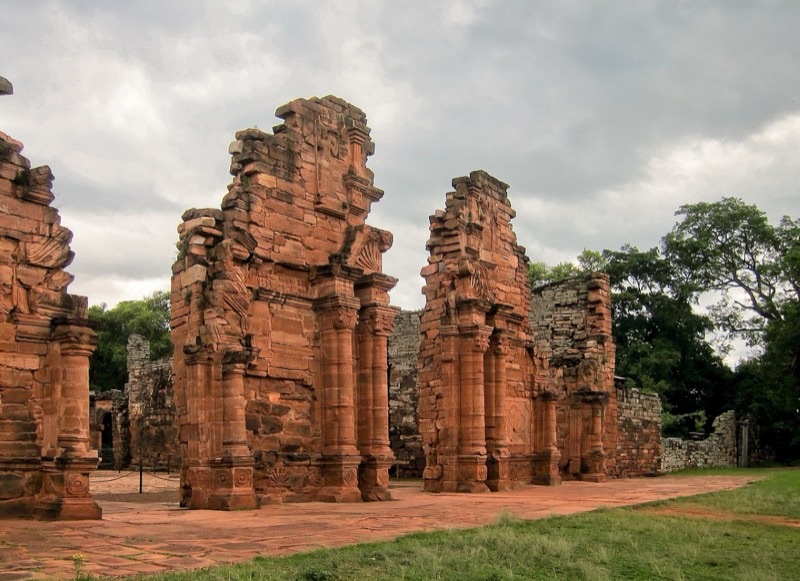
Argentina's culture is a blend of European immigration, creating a distinctive Latin American identity. Buenos Aires is the epicenter, offering tango shows (e.g., Esquina Carlos Gardel, starting at 40,000 ARS or ~$40 USD), grand opera houses like Teatro Colón, and numerous art galleries. The tradition of mate sharing is central to social life, and the 'asado' (barbecue) is a weekend ritual. Outside the capital, the Pampas showcase gaucho culture, and Mendoza offers wine-making traditions. The culture feels grand and sophisticated, with a modern edge that still respects tradition.
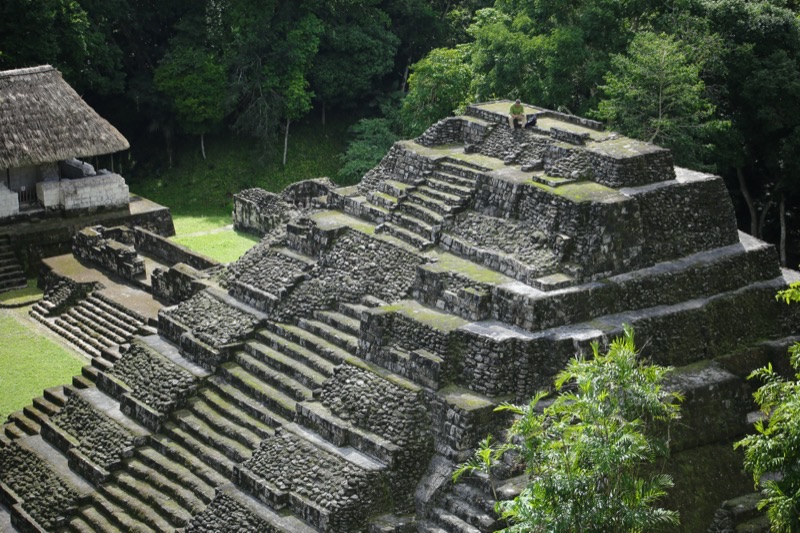
Guatemala's culture is heavily rooted in its Mayan past, with a significant portion of the population identifying as indigenous and speaking one of 20+ Mayan languages. Antigua, a UNESCO site, exemplifies Spanish colonial influence with its cobblestone streets and Baroque architecture. Markets like Chichicastenango (Thursdays and Sundays) are central to cultural life, selling traditional textiles, crafts, and food. You can attend a weaving workshop around Lake Atitlán (e.g., San Juan La Laguna) or participate in a traditional Mayan ceremony near a volcano. The country offers a more direct, immersive experience into pre-Columbian and living indigenous cultures. Guatemala offers a more direct and ancient cultural encounter.
- Winner: Guatemala
- Why: Guatemala provides a more profound, accessible connection to ancient indigenous heritage and living traditions.
- Who this matters for: Travelers seeking immersive encounters with ancient civilizations, traditional crafts, and indigenous communities.
🥩 Food & Drink
Argentina's food scene is dominated by its incredible beef. An 'asado' (barbecue) is a cornerstone, with cuts like bife de chorizo (sirloin) or ojo de bife (ribeye) costing around…
Argentina

Guatemala
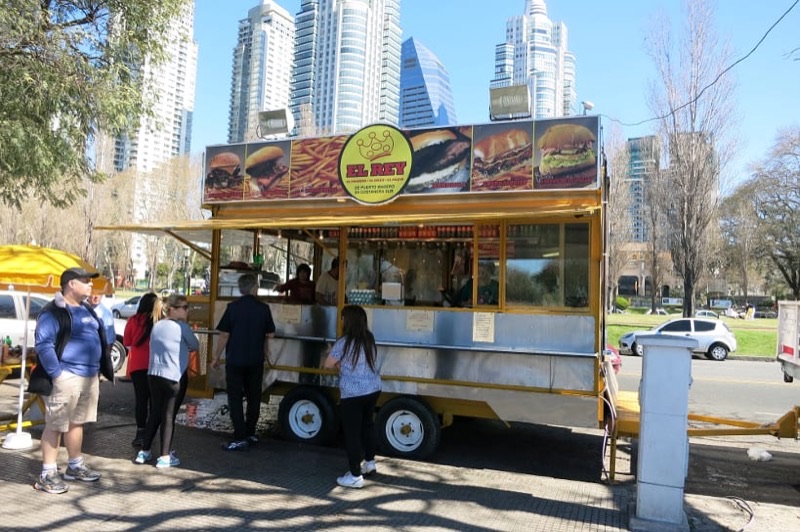
Argentina's food scene is dominated by its incredible beef. An 'asado' (barbecue) is a cornerstone, with cuts like bife de chorizo (sirloin) or ojo de bife (ribeye) costing around 10,000-20,000 ARS (~$10-20 USD) at a parrilla like Don Julio in Palermo (though Don Julio is pricier, a local parrilla offers similar quality for less). Empanadas (baked turnovers, ~1,500-2,500 ARS or ~$1.50-2.50 USD) are ubiquitous, and medialunas (croissants) with coffee are a staple breakfast. Argentina is also a major wine producer, particularly Malbec from Mendoza, with bottles starting at 3,000 ARS (~$3 USD) in supermarkets. Desserts like alfajores and dulce de leche ice cream are also highly regarded.
Guatemala's food is comforting and uses local ingredients. Staples include tortillas, black beans, and rice. Pepián (a hearty chicken and vegetable stew) and Kak'ik (turkey soup) are popular traditional dishes, found in local 'comedores' for 30-60 GTQ (~$4-8 USD). Tamales, chuchitos (smaller tamales), and pupusas (Salvadoran thick corn tortillas) are common street foods, costing 5-15 GTQ (~$0.60-2 USD) each. Fresh tropical fruits like mangoes, papayas, and passion fruit are widely available and inexpensive. Guatemala is also recognized for its high-quality coffee, especially from regions like Antigua. While wholesome, Guatemalan food is less varied than Argentina's and can become repetitive for some. Argentina's consistently high quality of meat and wine makes it a culinary destination.
- Winner: Argentina
- Why: Argentina's beef, wine, and European-influenced pastries offer a broader, higher-quality culinary experience for many travelers.
- Who this matters for: Travelers who prioritize high-quality meat, wine, and a diverse range of European-influenced flavors.
🏞️ Nature & Landscapes
Argentina's natural environments are vast and diverse. In Patagonia, you can see the Perito Moreno Glacier in El Calafate (entrance 12,000 ARS or ~$12 USD), trek in El Chaltén…
Argentina
Guatemala
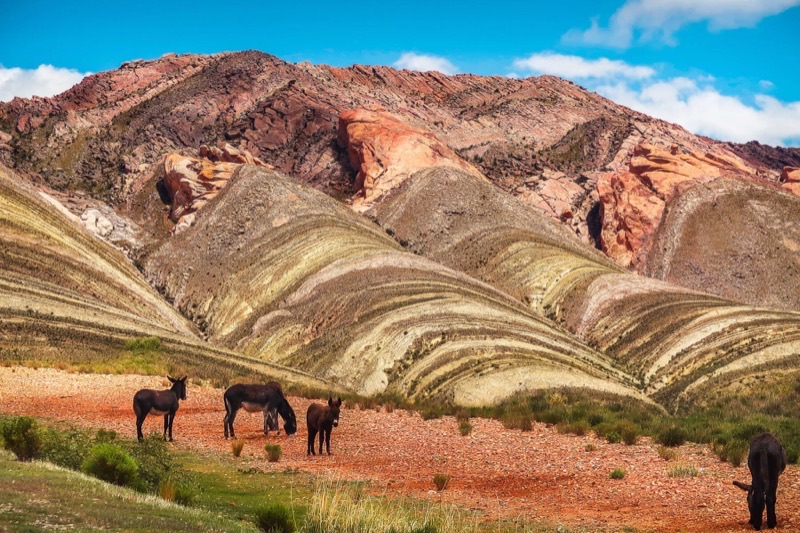
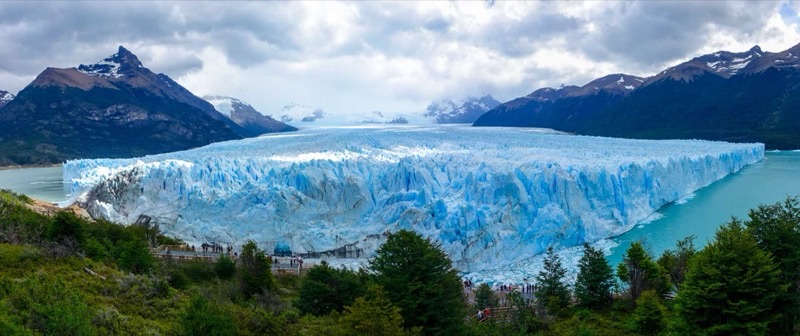
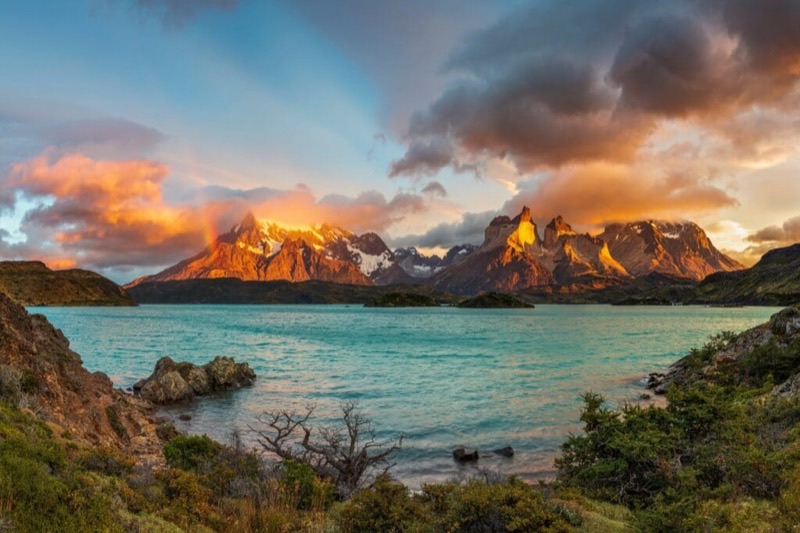
Argentina's natural environments are vast and diverse. In Patagonia, you can see the Perito Moreno Glacier in El Calafate (entrance 12,000 ARS or ~$12 USD), trek in El Chaltén with views of Fitz Roy, or explore Tierra del Fuego's End of the World scenery. The Iguazu Falls on the border with Brazil are a natural spectacle, requiring a full day (entrance 8,000 ARS or ~$8 USD). The Northwest features colorful canyons and deserts, while the Iberá Wetlands offer wildlife observation (e.g., capybaras, caimans). The scale and variety are immense, requiring significant travel time between regions.
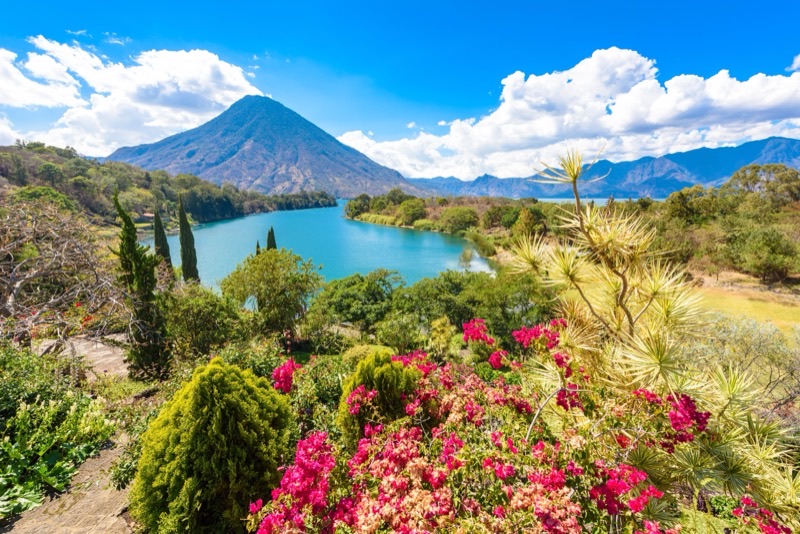
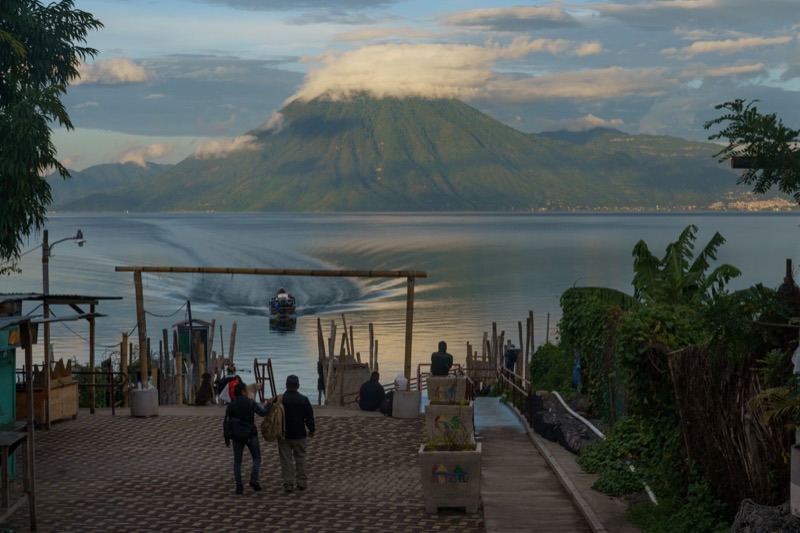
Guatemala's nature is more concentrated. Lake Atitlán, surrounded by volcanoes and indigenous villages, offers kayaking, hiking, and boat trips. The Pacaya or Acatenango volcano hikes provide active adventure and views (Acatenango overnight trek costs around 500-800 GTQ or ~$65-100 USD, including guides/gear). Tikal National Park combines ancient ruins with dense jungle, where you can spot monkeys and toucans (entrance 150 GTQ or ~$19 USD). Semuc Champey offers natural turquoise pools and caves (entrance 50 GTQ or ~$6 USD). While Guatemala's nature is immersive and accessible, Argentina's sheer scale and variety of ecosystems provide a more complete natural world experience, from ice to tropics.
- Winner: Argentina
- Why: Argentina's geographical size results in an unmatched diversity of natural wonders, from glaciers to waterfalls.
- Who this matters for: Travelers seeking a wide spectrum of natural environments and grand, iconic landscapes.
🚨 Safety & Stability
Argentina is generally considered safe for tourists. In Buenos Aires, common sense precautions are sufficient; keep an eye on belongings in crowded areas like San Telmo market or…
Argentina
Guatemala
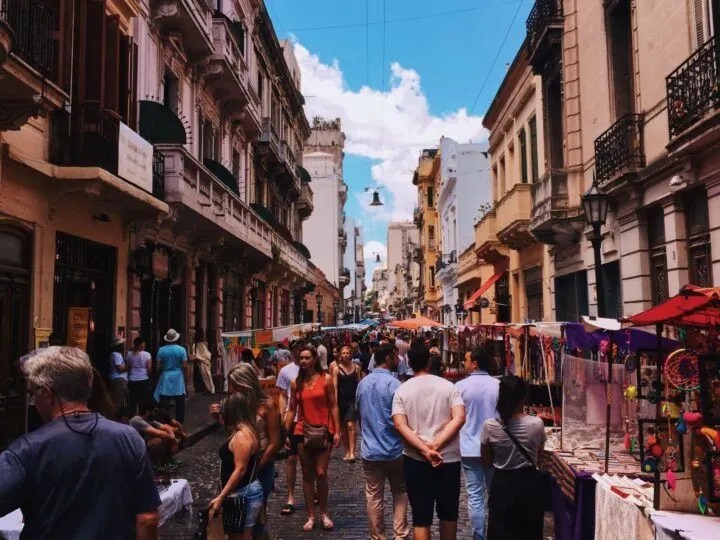
Argentina is generally considered safe for tourists. In Buenos Aires, common sense precautions are sufficient; keep an eye on belongings in crowded areas like San Telmo market or on public transport. Pickpocketing and bag snatching are the most frequent issues, particularly in tourist-heavy spots. Outside the capital, in places like Mendoza, Bariloche, or El Calafate, the risk of serious crime is low, and travelers often feel very secure. Nightlife areas in Palermo can be busy, but violent crime is rare for tourists.
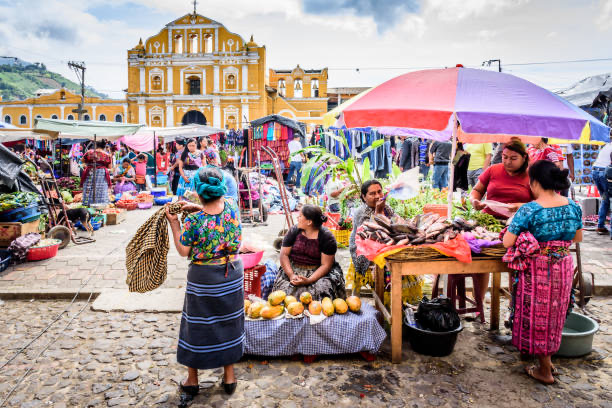
Guatemala presents a higher safety challenge. While major tourist destinations like Antigua, Lake Atitlán, and Flores (for Tikal) are generally protected and have a visible tourist police presence, crime rates are higher in other areas, including Guatemala City. Armed robberies and express kidnappings (where victims are taken to ATMs) have occurred, though less frequently in the main tourist circuit. It is advisable to use reputable shuttle services or taxis arranged by hotels, avoid walking alone at night, and be aware of surroundings, especially when carrying valuables. Due to the need for constant vigilance and a higher background risk, Argentina offers a more relaxed travel environment.
- Winner: Argentina
- Why: Argentina offers a more relaxed and lower-risk environment for travelers, with less concern for serious crime.
- Who this matters for: Travelers who prioritize a sense of security and a generally low-stress travel experience.
✈️ Getting There & Around
Getting to Argentina typically involves long flights. From North America (e.g., NYC, Miami, Houston), expect 9-11 hours direct to Buenos Aires (EZE), with prices ranging from…
Getting to Argentina typically involves long flights. From North America (e.g., NYC, Miami, Houston), expect 9-11 hours direct to Buenos Aires (EZE), with prices ranging from $700-1200 USD depending on season. From Europe (e.g., Madrid, London), flights are 12-14 hours, costing $800-1500 USD. Once there, internal travel is comfortable but time-consuming. Long-distance buses are a popular choice, offering 'cama' (sleeper) seats that are spacious. A trip from Buenos Aires to Iguazu is 17-20 hours, costing 20,000-40,000 ARS (~$20-40 USD). Domestic flights (e.g., Aerolineas Argentinas) are faster but pricier, a flight from Buenos Aires to El Calafate could be 60,000-120,000 ARS (~$60-120 USD).
Guatemala is more accessible from North America, with direct flights from major hubs like Miami or Houston taking 2.5-4 hours to Guatemala City (GUA), often costing $300-600 USD. From Europe, flights are typically 10-14 hours with a connection, costing $600-1000 USD. Internal travel is compact and efficient. 'Chicken buses' (converted school buses) are cheap and frequent, costing 5-30 GTQ (~$0.60-4 USD) for most routes. Tourist shuttles connect major destinations like Antigua, Lake Atitlán, and Flores, costing 75-150 GTQ (~$10-20 USD). Boats are essential for navigating Lake Atitlán (25 GTQ or ~$3 for a single hop). While Argentina offers more comfortable long-haul internal travel, Guatemala’s compact size makes for quicker and cheaper short-distance transit. Each offers different advantages depending on the traveler’s preference for speed vs. comfort and flight duration. Both countries offer distinct but functional travel networks for their respective scales.
- Winner: Tie
- Why: Both countries offer effective but different transport systems, with Argentina excelling in long-distance comfort and Guatemala in compact, short-distance efficiency.
- Who this matters for: Travelers weighing long-distance flight tolerance vs. internal travel efficiency and cost.
💃 Nightlife & Entertainment
Argentina's nightlife, especially in Buenos Aires, is legendary for its late hours and energy. Dinners often start at 9 PM or 10 PM. 'Previa' (pre-drinks) at a bar kicks off…
Argentina's nightlife, especially in Buenos Aires, is legendary for its late hours and energy. Dinners often start at 9 PM or 10 PM. 'Previa' (pre-drinks) at a bar kicks off around midnight, and clubs ('boliches') typically don't get going until 2 AM, often staying open until 6 AM or later. Palermo Soho and Palermo Hollywood are districts packed with bars and clubs. Live music venues are plentiful, and tango shows range from tourist-focused spectacles to local milongas (dance halls) where you can observe or participate. A beer at a bar costs 3,000-5,000 ARS (~$3-5 USD), and club entry can be 5,000-10,000 ARS (~$5-10 USD).
Guatemala's nightlife is more relaxed and concentrated in specific areas. Antigua has a collection of bars and pubs that cater to tourists and expats, with places like Café No Sé (known for mezcal) or La Azotea offering drinks and music until late. Around Lake Atitlán, towns like San Pedro La Laguna have a backpacker party scene centered around hostels and lakeside bars, often closing by midnight or 1 AM. Guatemala City also has some club districts, but most tourists avoid them for safety reasons. A beer typically costs 20-35 GTQ (~$2.50-4.50 USD). While it offers social opportunities, Guatemala's nightlife doesn't compare to the scale and sophistication of Buenos Aires' scene. For diverse, late-night entertainment options, Argentina is a standout.
- Winner: Argentina
- Why: Argentina's capital, Buenos Aires, offers a more extensive, later, and sophisticated nightlife scene with diverse entertainment.
- Who this matters for: Travelers who prioritize vibrant, late-night entertainment, from tango to electronic music clubs.
🛌 Accommodation
Argentina provides exceptional value in accommodation, particularly if you can pay in cash using the blue dollar rate. In Buenos Aires, a well-regarded hostel dorm bed can be…
Argentina provides exceptional value in accommodation, particularly if you can pay in cash using the blue dollar rate. In Buenos Aires, a well-regarded hostel dorm bed can be 8,000-15,000 ARS (~$8-15 USD) cash, while a comfortable private room in a mid-range hotel or apartment via Airbnb might be 25,000-50,000 ARS (~$25-50 USD) cash. In regions like Patagonia, prices are slightly higher but still offer good value; a private room in El Chaltén could be 40,000-70,000 ARS (~$40-70 USD). The quality of accommodation across the spectrum often feels higher than its price point suggests.
Guatemala offers solid budget and mid-range options. Hostel dorms in Antigua or San Pedro La Laguna are typically 80-150 GTQ (~$10-20 USD). Private rooms in guesthouses or small hotels range from 200-400 GTQ (~$25-50 USD). For example, a stay at Yellow House Hostel in Antigua offers good value. Higher-end options exist in Antigua and around Lake Atitlán (e.g., Casa Palopó), but they are fewer and command prices more in line with international standards (1000+ GTQ or ~$130+ USD). While Guatemala has decent options, Argentina’s combination of quality and value, especially for private rooms and apartments, makes it the stronger contender for accommodation.
- Winner: Argentina
- Why: Argentina generally offers higher quality and better value accommodation, particularly for private rooms and mid-range options.
- Who this matters for: Travelers seeking comfortable private rooms, good amenities, and overall better value for their lodging budget.
⛰️ Adventure & Activities
Argentina provides a variety of adventure activities, particularly in its natural regions. Patagonia is a trekking paradise, with multi-day hikes in El Chaltén (e.g., Laguna de…
Argentina provides a variety of adventure activities, particularly in its natural regions. Patagonia is a trekking paradise, with multi-day hikes in El Chaltén (e.g., Laguna de los Tres, free) or ice trekking on Perito Moreno Glacier (around 80,000 ARS or ~$80 USD). Mendoza is known for whitewater rafting, horseback riding in the Andes, and extensive wine-tasting tours (a full day tour around 20,000-40,000 ARS or ~$20-40 USD). You can also explore the Iberá Wetlands for wildlife safaris or dive with sea lions in Puerto Madryn. The activities are spread out across a large country, requiring significant travel.
Guatemala is a compact adventure hub. The Acatenango volcano overnight hike offers views of Fuego erupting (500-800 GTQ or ~$65-100 USD for guide/gear). Lake Atitlán provides kayaking, paddleboarding, and swimming between villages. Tikal offers jungle exploration and climbing ancient Mayan temples (entrance 150 GTQ or ~$19 USD). Semuc Champey involves natural pools, cliff jumping, and tubing through caves (tour including transport and guide for 250-400 GTQ or ~$30-50 USD). The proximity of diverse activities means less travel time between adventures. Both countries excel in different types of adventure. Argentina offers grand, expansive adventures in vast natural settings, while Guatemala provides intense, concentrated activities often linked to its volcanoes and ancient sites. The choice depends on the type of adventure sought.
- Winner: Tie
- Why: Both countries offer compelling and distinct adventure opportunities, with Argentina providing grand scale and Guatemala offering concentrated, accessible experiences.
- Who this matters for: Travelers whose primary motivation is outdoor activities and physical challenges, varying by preference for scale vs. intensity.
🙋♀️ Solo Travel & Social Scene
Argentina is welcoming for solo travelers, especially in Buenos Aires. Hostels like Milhouse Avenue or Ostinatto Hostel are social hubs where it's easy to meet other travelers.…
Argentina is welcoming for solo travelers, especially in Buenos Aires. Hostels like Milhouse Avenue or Ostinatto Hostel are social hubs where it's easy to meet other travelers. The nightlife and numerous free walking tours facilitate making connections. Outside Buenos Aires, in places like Mendoza or El Chaltén, the hostel scene remains strong. While many Argentinians speak some English, learning basic Spanish improves interactions significantly. The public transport system (bus/subway with SUBE card) is efficient and safe for solo navigation.
Guatemala is a well-established solo travel and backpacker destination, particularly along the 'Gringo Trail' (Antigua, Lake Atitlán, Semuc Champey, Flores). Hostels are abundant and social, with many offering tours and communal activities. Language schools in Antigua and Lake Atitlán towns (e.g., San Pedro La Laguna, San Juan La Laguna) create a built-in community for solo travelers, making it very easy to meet people and practice Spanish. Shuttles between tourist spots are often filled with other solo travelers, fostering connections. While safety requires more awareness, the infrastructure for meeting people and traveling independently is highly developed. Guatemala's robust backpacker circuit and language school scene make it exceptionally easy for solo travelers to connect with others.
- Winner: Guatemala
- Why: Guatemala's well-trodden backpacker route and abundance of language schools create an inherently strong and easy social scene for solo travelers.
- Who this matters for: Solo travelers looking to easily meet other travelers, join group activities, and potentially learn Spanish.
🎯 The Decision Framework
Choose Argentina If…
- You crave world-class steak and Malbec wine daily.
- You want to experience European-influenced city culture and tango.
- You dream of seeing massive glaciers and trekking in Patagonia.
- Your budget stretches furthest with cash transactions (blue dollar).
- You appreciate vast, diverse landscapes from mountains to waterfalls.
- You prefer comfortable long-distance bus travel with sleeper seats.
- You want a generally low-stress travel experience with lower crime perception.
- You enjoy late-night dining and nightlife that starts after midnight.
Choose Guatemala If…
- You are fascinated by ancient Mayan ruins and living indigenous cultures.
- You want to hike active volcanoes and kayak on stunning lakes.
- You plan to attend a Spanish language school for immersion.
- You prefer short, cheap internal travel distances via shuttles and chicken buses.
- You're looking for a strong backpacker social scene.
- You enjoy hearty, corn-based local cuisine and fresh tropical fruits.
- You prefer a compact travel circuit with less time spent in transit.
- You're ready for an adventure that feels more 'raw' and less polished.
📅 Sample Itineraries
Weekend in Argentina (3 Days)
💡 Purchase a SUBE card upon arrival in Buenos Aires for public transport; it costs about $2 and saves time and money on bus and subte fares.
Weekend in Guatemala (3 Days)
💡 When taking shuttles or chicken buses between towns, negotiate the fare beforehand, especially for longer distances, to ensure fair pricing.
One Week in Argentina (7 Days)
💡 Domestic flights in Argentina can be reasonably priced if booked in advance, often around $50-100 for shorter routes like Buenos Aires to Mendoza or Iguazú.
One Week in Guatemala (7 Days)
💡 When exploring Lake Atitlán, consider staying in one village and taking public lanchas (boats) between them; fares are typically Q10-25 ($1.30-3.20) per trip.
❓ Frequently Asked Questions
Which country is cheaper for a month-long trip?
Argentina, when leveraging the 'blue dollar' exchange rate for cash, can be significantly cheaper. A budget traveler might spend $900-2100 USD per month in Argentina, whereas Guatemala could range from $1500-3000 USD due to fewer dramatic cash discounts and higher costs for some tourist activities.
What are typical flight times from the US to each country?
Flights from major US cities to Guatemala City (GUA) typically take 2.5-5 hours direct. To Buenos Aires (EZE), flights are much longer, usually 9-11 hours direct from places like Miami, Houston, or New York.
Is it easy to get around without knowing Spanish in either place?
In major tourist hubs and hotels in both countries, English speakers are common. However, knowing basic Spanish greatly enhances the experience in both, especially in Guatemala where many local interactions are in Spanish or indigenous languages. Argentina generally has more English speakers in large cities.
Which destination is better for outdoor enthusiasts?
Both offer excellent outdoor activities. Argentina provides grander, more expansive trekking in Patagonia and glacier explorations. Guatemala focuses on volcano hikes (like Acatenango), lake activities (Lake Atitlán), and jungle treks to ancient ruins. It depends on whether you prefer cold climate trekking or tropical adventures.
How much time is needed to see the highlights of each country?
For Guatemala, 2-3 weeks allows for a good circuit including Antigua, Lake Atitlán, Semuc Champey, and Tikal. Argentina's size means you'd need at least 3-4 weeks to cover Buenos Aires, Iguazu Falls, and one Patagonian region, or 5-6 weeks for a more comprehensive overview.
What's the best time of year to visit each?
For Argentina, Spring (Sept-Nov) and Autumn (March-May) are ideal for temperate weather across most regions. Summer (Dec-Feb) is hot in the north but good for Patagonia. For Guatemala, the dry season (Nov-May) is best for comfortable weather and volcano hikes, avoiding heavy rain.
Which country has better local transportation?
Argentina has an extensive network of comfortable, long-distance buses. Guatemala offers frequent, very affordable 'chicken buses' and efficient tourist shuttles for shorter distances between popular spots. Guatemala's internal travel is faster due to its smaller size, but Argentina's comfort for long hauls is higher.
Can I easily find vegetarian or vegan food options?
In Argentina, while meat-focused, vegetarian options are available in larger cities, especially with European influence. Vegan can be challenging. Guatemala, with its corn and bean-based staples, is easier for vegetarians, but specific vegan options might require more searching outside of specialized cafes in Antigua or Lake Atitlán.
Ready to plan your Latin America trip?
Get a free custom itinerary for Argentina, Guatemala, or both — built from real traveler insights.
👥 Travelers Also Compared
🎟️ Book Tours & Experiences
Hand-picked tours and activities for both destinations — book with free cancellation
Experiences via Viator — free cancellation on most tours