How we built this comparison
This page combines traveler discussion patterns, published price ranges, flight schedules, and seasonal data to help you decide between Argentina and Mexico.
- Reviewed 70+ Reddit threads from r/travel, r/solotravel, r/Argentina, r/Mexico, r/digitalnomad
- Verified costs and logistics against current booking platforms like Google Flights, Booking.com, and local bus sites
- Cross-referenced seasonal patterns and weather data from NOAA and local meteorological services
⚡ Quick Answers
⚡ The TL;DR Verdict
For travelers prioritizing deep natural immersion, steak, and tango in a less tourist-saturated environment, Argentina wins with a daily budget around $40-80. Mexico offers easier access, established tourism infrastructure, and diverse experiences from ancient ruins to Caribbean beaches for $50-100 a day. Mexico is generally the easier entry point for first-time solo Latin America travelers.
- Choose Argentina: Pick Argentina if you want dramatic landscapes, excellent red wine, a sophisticated city culture (Buenos Aires), and an adventure where your money stretches further for high-quality experiences, particularly for long-term stays or specific interests like hiking Patagonia.
- Choose Mexico: Choose Mexico for quick access to warm beaches, a deep dive into ancient civilizations, consistently good and accessible street food, and a straightforward travel experience with extensive flight connections. It is a good option for shorter trips or travelers seeking variety without extensive internal travel.
- Choose Both: To experience both, plan at least 3-4 weeks to allow for significant exploration in each country, focusing on specific regions like Patagonia and Buenos Aires in Argentina, and Mexico City with Oaxaca or the Yucatán in Mexico. This reduces travel fatigue and offers a fuller impression.
Choose Argentina
Choose Argentina if you dream of rugged Patagonian adventures, savoring world-class Malbec alongside succulent steaks, and immersing yourself in Buenos Aires' sophisticated tango culture. It's ideal for nature lovers and cultural explorers seeking deeper immersion and a longer journey where their budget goes further for premium experiences.
Choose Mexico
Opt for Mexico for an unparalleled blend of ancient Mayan and Aztec ruins, vibrant street food adventures in Oaxaca or Mexico City, and relaxing on stunning Caribbean beaches. This destination is perfect for first-time Latin America travelers or those seeking diverse, easily accessible experiences and culinary delights on a shorter, well-connected trip.
📊 Visual Scorecard
🌤 When to Visit
Average high temperatures (°C). Green = best months, orange = avoid.
Quick Comparison
| Category | Argentina | Mexico | Winner |
|---|---|---|---|
| Costs | Significantly more affordable for long-term stays due to recent currency depreciation. Food, wine, and transport are good value. | Generally budget-friendly, but popular tourist areas can be expensive. Street food is cheap, but tours and resorts add up. | Argentina |
| Food | Known for incredible beef (asado), Malbec wine, empanadas, and dulce de leche. Emphasis on quality ingredients. | Globally recognized for diverse, flavorful cuisine: tacos, mole, ceviche, tamales. Street food is a highlight. | Mexico |
| Nature & Outdoors | Patagonia's glaciers and mountains, Iguazu Falls, Mendoza's vineyards, and the vast Pampas. | Cenotes, volcanoes, pristine Caribbean beaches, Copper Canyon, and diverse ecosystems from deserts to jungles. | Argentina |
| Culture & History | European-influenced culture in Buenos Aires (tango, art, architecture), gaucho traditions, and indigenous heritage. | Millennia of indigenous history (Maya, Aztec), Spanish colonial influence, modern Mexican identity, and Dia de los Muertos. | Mexico |
| Nightlife | Buenos Aires is known for late-night dining, tango shows, bars, and a thriving club scene (boliches). | Diverse options from high-energy clubs in tourist zones to relaxed cantinas and live music in major cities. | Argentina |
| Beaches | Limited options; Atlantic coast beaches like Mar del Plata are popular with Argentinians but lack Caribbean appeal. | Extensive coastlines on the Caribbean, Pacific, and Gulf of Mexico with varied beach types. | Mexico |
| Getting Around | Extensive, comfortable long-distance buses. Internal flights are efficient but can be pricey. Subways in Buenos Aires. | Good network of ADO buses, colectivos for short distances, domestic flights, and urban subways/metrobus. | Tie |
| Safety | Generally safe with common urban precautions. Pickpocketing and petty theft are main concerns in cities. | Safety varies by region. Tourist areas are generally secure, but cartel activity and petty crime are present. | Argentina |
| Accommodation | Range from budget hostels to boutique hotels, with excellent value in mid-range options due to currency rates. | Extensive choices from hostels to luxury resorts, with options for every budget, though popular spots can inflate prices. | Argentina |
| Digital Nomad Suitability | Buenos Aires is a prime digital nomad hub with a low cost of living, good WiFi, and European feel. | Mexico City, Oaxaca, and coastal towns offer strong communities, good internet, and a range of living costs. | Tie |
💸 Costs
Argentina, particularly outside of Patagonia and Buenos Aires, presents substantial value. A budget traveler can manage on $40-60 USD per day for hostels, local transport, street…
Argentina
Mexico
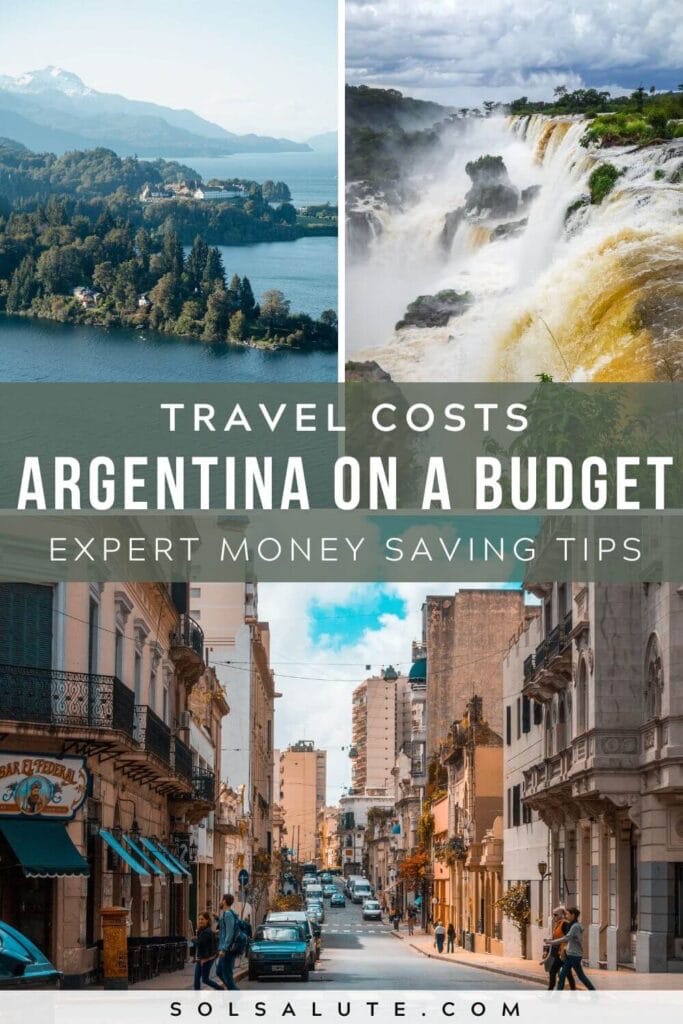
Argentina, particularly outside of Patagonia and Buenos Aires, presents substantial value. A budget traveler can manage on $40-60 USD per day for hostels, local transport, street food, and some activities. A comfortable mid-range traveler might spend $70-100 USD daily for private rooms, nicer meals, and more tours. For example, a quality steak dinner with wine in Buenos Aires can be found for 8,000-15,000 ARS ($8-15 USD), and a long-distance bus ticket from Buenos Aires to Mendoza costs approximately 30,000-50,000 ARS ($30-50 USD). Internal flights are relatively more expensive but manageable if booked in advance.
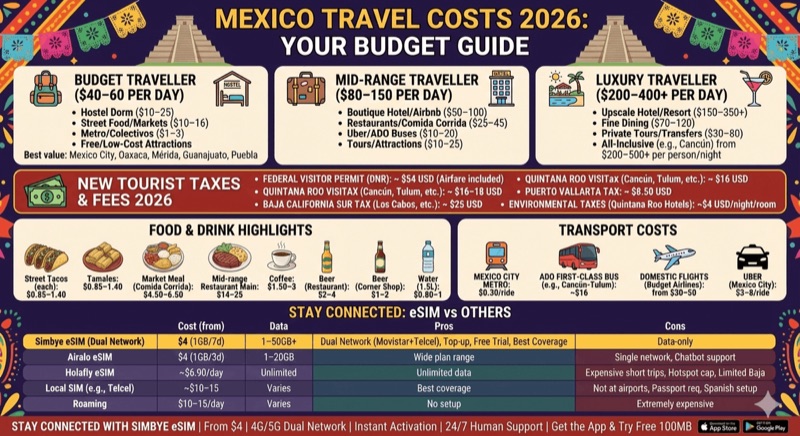
Mexico offers good value, especially when sticking to local eateries and public transport. A budget traveler can expect to spend $50-75 USD per day for hostels, colectivos, and street tacos. Mid-range travelers will likely spend $80-120 USD daily for private accommodation, sit-down meals, and some paid attractions. A plate of tacos al pastor in Mexico City is 60-100 MXN ($3-6 USD), and a ADO bus from Cancun to Tulum is around 200-300 MXN ($12-18 USD). Flights between major cities like Mexico City and Cancun are often $50-150 USD. The Yucatán Peninsula, especially areas like Tulum, can push daily costs significantly higher.
Tabiji verdict: Argentina provides better overall value for money, especially for travelers looking to extend their trip or experience higher quality food and lodging for less.
- Winner: Argentina
- Why: Argentina generally offers better value for accommodation, food, and long-term travel, stretching your budget further.
- Who this matters for: Budget-conscious travelers, long-term backpackers, and those seeking good value for high-quality experiences.
🍽️ Food
Argentine cuisine is heavily meat-centric, with asado (BBQ) being the star. Steak cuts like ojo de bife (ribeye) and bife de chorizo (sirloin) are common. A parrillada (mixed…

Argentina
Mexico
Argentine cuisine is heavily meat-centric, with asado (BBQ) being the star. Steak cuts like ojo de bife (ribeye) and bife de chorizo (sirloin) are common. A parrillada (mixed grill) at a restaurant like Don Julio in Buenos Aires is a top experience, though you can find excellent, more affordable options at neighborhood parrillas. Empanadas, choripán (grilled sausage sandwich), and medialunas (croissants) are staples. Malbec wine from Mendoza is an absolute must-try. The food focuses on simple preparation of high-quality ingredients, often paired with robust red wines.
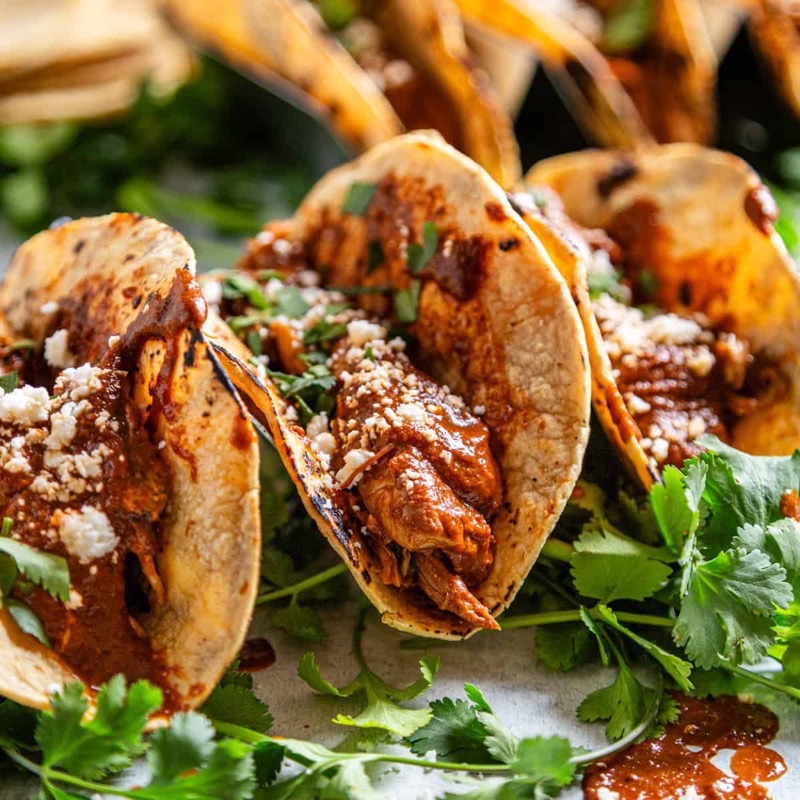
Mexican food is a constant exploration of flavors and textures. From the street tacos of Mexico City (try Tacos Orinoco for pastor or suadero) to the complex moles of Oaxaca, the regional diversity is immense. Ceviche and fresh seafood dominate coastal areas, while cochinita pibil is a Yucatán specialty. Mexico's street food scene is extensive and accessible, with options like esquites, elotes, and churros available everywhere. The use of chiles, herbs, and fresh ingredients creates a palate of intense and varied tastes.
Tabiji verdict: Mexico wins for sheer culinary variety, accessibility, and the constant discovery of new flavors, making every meal an adventure.
- Winner: Mexico
- Why: Mexico presents a more diverse, accessible, and globally influential food culture with an endless array of street food and regional specialties.
- Who this matters for: Foodies, adventurous eaters, and travelers who want every meal to be a new culinary discovery.
⛰️ Nature & Outdoors
Argentina is home to some of the planets most dramatic natural settings. Patagonia features the Perito Moreno Glacier, a massive, advancing ice field near El Calafate, and the…
Argentina
Mexico
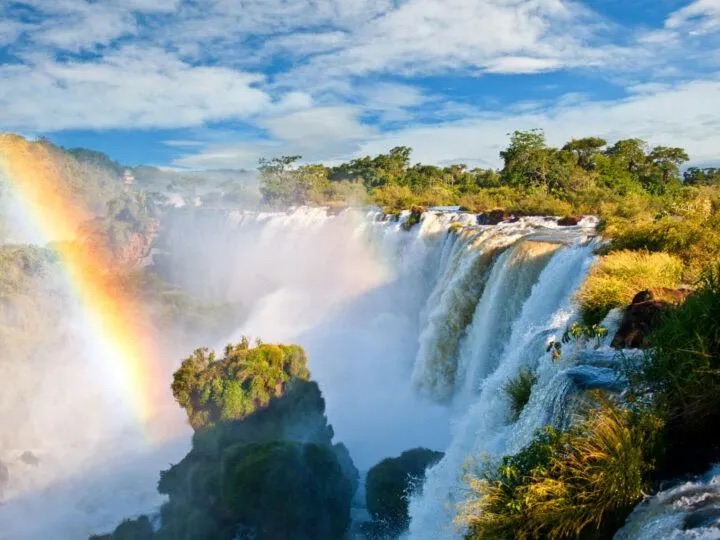
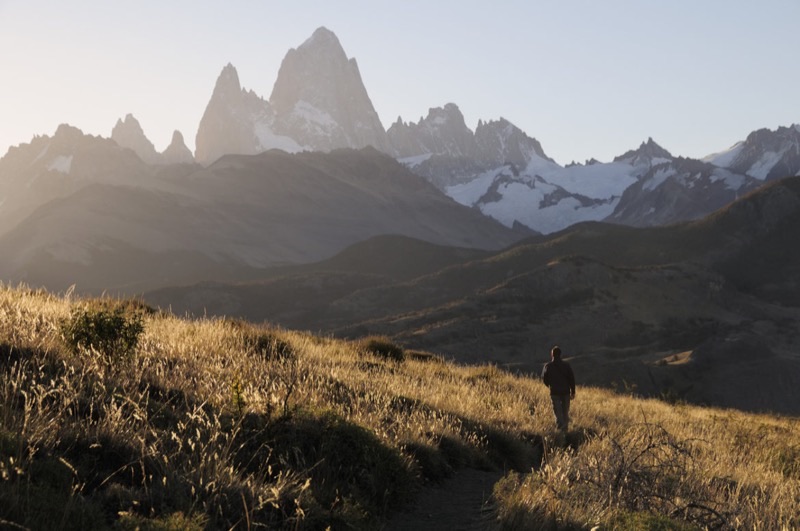
Argentina is home to some of the planets most dramatic natural settings. Patagonia features the Perito Moreno Glacier, a massive, advancing ice field near El Calafate, and the jagged peaks of Fitz Roy and Cerro Torre accessible from El Chalten, offering world-class trekking. Iguazu Falls, on the border with Brazil, is a colossal waterfall system. Mendoza provides access to the Andes Mountains and its renowned wine regions. The vastness of the Pampas offers a unique cowboy (gaucho) experience. Hiking, trekking, mountaineering, and glacier tours are primary activities.
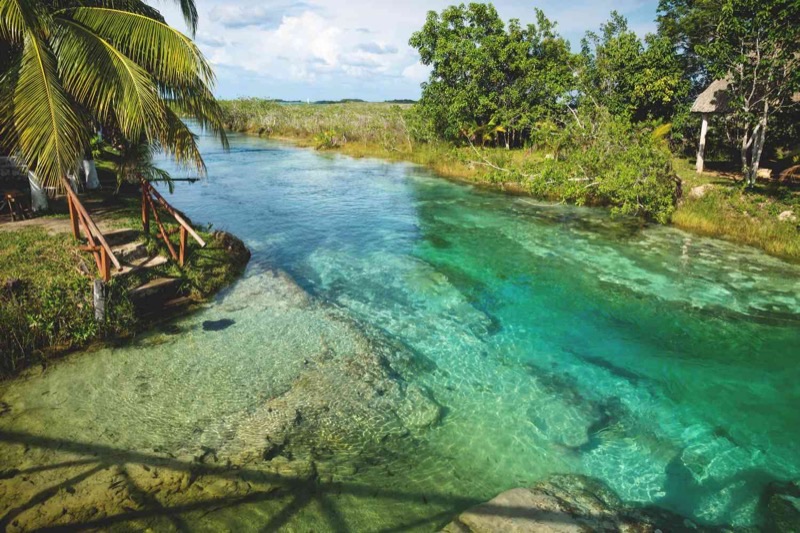
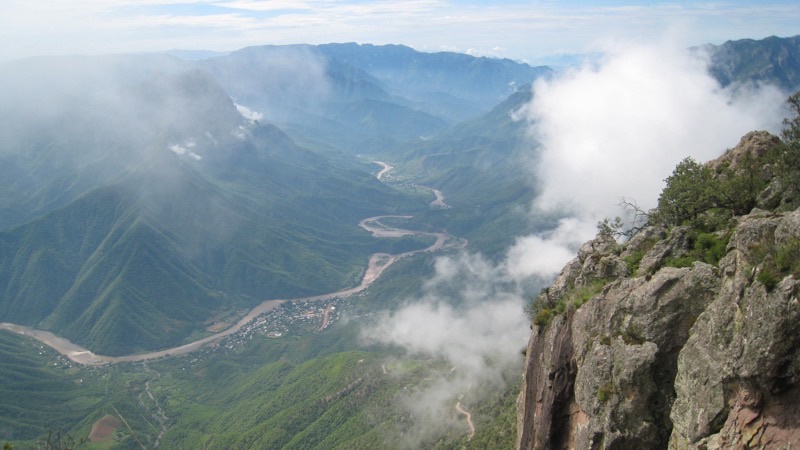
Mexico counters with incredible natural diversity. The Yucatán Peninsula boasts thousands of cenotes (natural sinkholes), such as Gran Cenote near Tulum, perfect for swimming and snorkeling. The country has impressive volcanoes like Popocatépetl and Iztaccíhuatl near Mexico City, though many are inaccessible for climbing. The Caribbean coast provides white sand beaches and coral reefs for snorkeling and diving, particularly around Cozumel and Isla Holbox. Copper Canyon in Chihuahua is larger and deeper than the Grand Canyon, offering train journeys and hiking. Deserts in the north, lush jungles in the south, and diverse marine life make Mexico a nature enthusiasts draw.
Tabiji verdict: Argentina takes this for its sheer scale, grandeur, and prevalence of unique, awe-inspiring landscapes, particularly the Patagonian wilderness.
- Winner: Argentina
- Why: Argentina offers more truly unique and expansive natural wonders, from glaciers and immense mountains to one of the worlds largest waterfalls.
- Who this matters for: Adventure seekers, serious hikers, landscape photographers, and those seeking dramatic, vast wilderness experiences.
🎭 Culture & History
Argentina's culture is heavily influenced by European immigration, particularly Italian and Spanish. Buenos Aires often feels like a European capital with its grand architecture,…
Argentina
Mexico
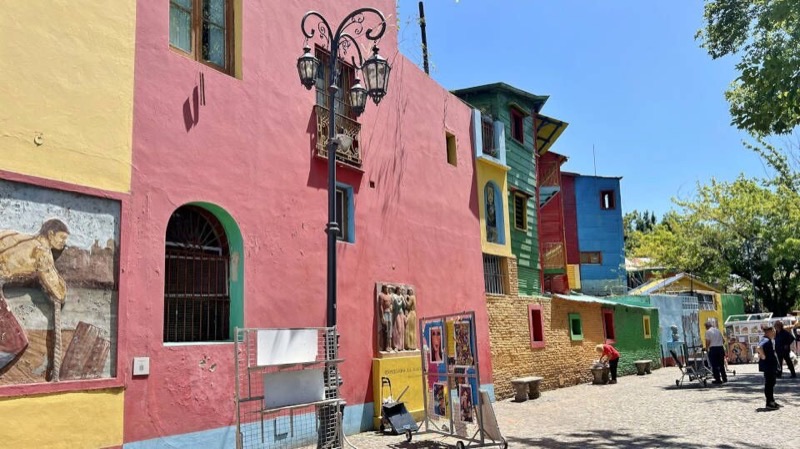
Argentina's culture is heavily influenced by European immigration, particularly Italian and Spanish. Buenos Aires often feels like a European capital with its grand architecture, opera houses (Teatro Colón), and cafes. Tango is central to its identity, with shows (like Esquina Carlos Gardel) and milongas (social dance halls) found throughout the city. The gaucho culture of the Pampas offers a distinct rural experience. Indigenous cultures, while present, are less prominently featured in the national tourism narrative compared to Mexico. The history of military dictatorships and political upheaval is a significant, somber aspect of its recent past.
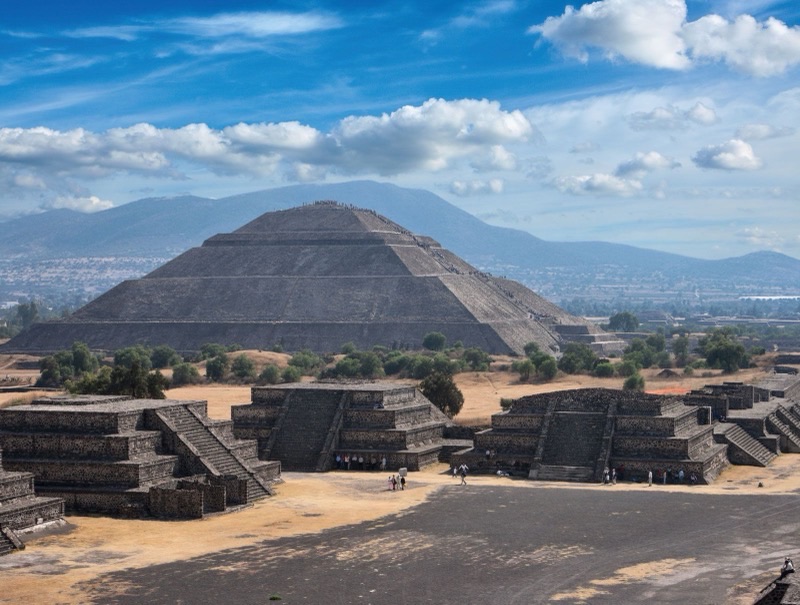
Mexico's cultural and historical depth is immense, stemming from powerful pre-Columbian civilizations. Sites like Teotihuacan (near Mexico City), Chichen Itza, Uxmal, and Palenque (Maya ruins) are iconic. The Spanish colonial period left an indelible mark, seen in historic city centers like Oaxaca, San Miguel de Allende, and Puebla, with their cathedrals and plazas. Modern Mexican culture is a synthesis of these influences, expressed through art (Frida Kahlo, Diego Rivera), music, and festivals like the revered Dia de los Muertos. The anthropology museums in Mexico City are among the best globally for understanding this heritage.
Tabiji verdict: Mexico provides a richer, more accessible, and profoundly unique historical and cultural experience, particularly its pre-Columbian and colonial heritage.
- Winner: Mexico
- Why: Mexico boasts a deeper, more accessible ancient history and more distinct cultural expressions rooted in indigenous traditions.
- Who this matters for: History buffs, archaeology enthusiasts, cultural explorers, and those interested in pre-Columbian civilizations and vibrant traditions.
🌃 Nightlife
Buenos Aires is famous for its very late-night culture. Dinner often starts at 9 PM or 10 PM, and clubs (boliches) dont fill up until 2 AM, staying open until dawn. Palermo and…

Argentina
Mexico
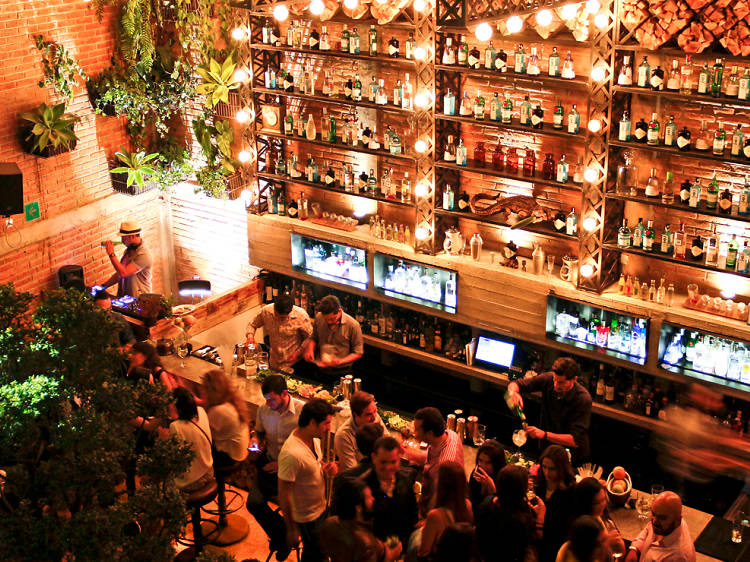
Buenos Aires is famous for its very late-night culture. Dinner often starts at 9 PM or 10 PM, and clubs (boliches) dont fill up until 2 AM, staying open until dawn. Palermo and Recoleta are popular areas for bars and lounges, while San Telmo offers live music and tango performances. A tango show with dinner typically costs 30,000-60,000 ARS ($30-60 USD). The energy is high, and the social scene is a significant part of the experience. Outside of Buenos Aires, cities like Cordoba and Mendoza also have good nightlife, though on a smaller scale.
Mexico offers varied nightlife. Cancun and Playa del Carmen are home to large, tourist-oriented nightclubs like Coco Bongo, attracting a party crowd. Mexico City has a sophisticated bar scene in neighborhoods like Roma Norte and Condesa, along with live music venues and smaller, local cantinas. Oaxaca is known for its mezcal bars. Prices for drinks can range from 80-150 MXN ($5-9 USD) in local spots to significantly higher in upscale clubs. The atmosphere can be anything from high-energy EDM to laid-back mariachi.
Tabiji verdict: Argentina, specifically Buenos Aires, provides a more unique, truly late-night experience centered around its distinctive tango and boliche culture, making it a standout for nightlife enthusiasts.
- Winner: Argentina
- Why: Argentina, particularly Buenos Aires, delivers a more distinctive and truly late-night nightlife experience, especially with its tango culture.
- Who this matters for: Party-goers who enjoy a late start to the night, tango enthusiasts, and those looking for a sophisticated urban bar scene.
🏖️ Beaches
Argentina's coastline is primarily on the Atlantic Ocean, which means cooler waters and different types of beaches compared to the tropics. Mar del Plata is the most famous beach…
Argentina's coastline is primarily on the Atlantic Ocean, which means cooler waters and different types of beaches compared to the tropics. Mar del Plata is the most famous beach resort, drawing large crowds of Argentinians during summer (December-February). Other options include Pinamar and Cariló, which are more upscale. The Patagonian coast, particularly around Península Valdés, is known for wildlife viewing (whales, penguins) rather than swimming or sunbathing. If a Caribbean-style beach experience is high on your list, Argentina will not meet expectations.
Mexico excels in beaches. The Caribbean coast (Riviera Maya) features white sand, clear turquoise waters, and resorts from Cancun to Tulum. Playa del Carmen and Tulum offer popular beach club scenes. On the Pacific side, Puerto Vallarta, Sayulita, and Oaxaca's coast (Puerto Escondido, Mazunte) provide different vibes, from surf towns to laid-back coves. The Gulf of Mexico also has beaches, though less famous. Snorkeling and diving are readily available on both coasts, particularly around Cozumel.
Tabiji verdict: Mexico is the undeniable winner for beach quality, variety, and tropical appeal, offering options for every type of beachgoer.
- Winner: Mexico
- Why: Mexico provides superior, more numerous, and diverse beach experiences, especially its Caribbean coast with warm, clear waters.
- Who this matters for: Beach lovers, snorkelers, divers, and those seeking a relaxing tropical getaway with sun and sand.
🚌 Getting Around
Argentina's public transport network relies heavily on long-distance buses, which are known for their comfort, often offering 'cama' (bed) or 'semi-cama' (reclining seat) options.…
Argentina's public transport network relies heavily on long-distance buses, which are known for their comfort, often offering 'cama' (bed) or 'semi-cama' (reclining seat) options. A 10-hour bus ride can be quite pleasant, costing around $30-50 USD depending on the class. Buenos Aires has an efficient subway (Subte) and extensive bus system (colectivos). Internal flights are offered by Aerolineas Argentinas and budget carriers like Flybondi, connecting major cities, but can be expensive for foreigners. Car rental is possible but generally not recommended for long distances due to costs and road conditions outside major routes.
Mexico also boasts an excellent bus system, with ADO being a prominent and reliable company connecting most cities. Colectivos (shared vans) are common for shorter regional trips and are very affordable (e.g., a ride in Tulum for 30-50 MXN/$2-3 USD). Mexico City has a vast and inexpensive subway system. Domestic flights are plentiful and often affordable if booked in advance, with airlines like Volaris and VivaAerobus. Uber is available in many major cities.
Tabiji verdict: Both countries provide efficient and affordable ways to travel internally, with slight advantages depending on specific needs; Argentina for luxury buses, Mexico for short-haul colectivos.
- Winner: Tie
- Why: Both countries offer robust and affordable public transport networks, with good long-distance bus options and reliable domestic flights.
- Who this matters for: All travelers, as efficient transportation is key for exploring either country effectively.
🚨 Safety
Argentina is considered a relatively safe country for tourists, with Buenos Aires being the main area where travelers need to be alert. Common crimes include pickpocketing, bag…
Argentina is considered a relatively safe country for tourists, with Buenos Aires being the main area where travelers need to be alert. Common crimes include pickpocketing, bag snatching, and express kidnappings (rare but possible). Using Uber or radio taxis, keeping valuables out of sight, and avoiding walking alone at night in less-trafficked areas reduces risks. Outside of Buenos Aires, other cities and natural areas like Patagonia are very safe. Political protests can occur in Buenos Aires, but these are generally peaceful.
Mexico's safety situation is more complex and varies greatly by region. Popular tourist destinations like Cancun, Playa del Carmen, Tulum, and San Miguel de Allende are generally considered safe for visitors, with visible security presence. However, petty crime, bag snatching, and ATM scams are common in crowded areas. Certain border regions and states with high levels of cartel activity are best avoided by tourists. Using common sense, not displaying wealth, avoiding isolated areas, and researching specific destinations thoroughly are crucial.
Tabiji verdict: Argentina generally offers a more straightforward and consistently secure travel experience across its tourist-friendly regions.
- Winner: Argentina
- Why: Argentina generally presents a more consistent level of safety across its main tourist routes, with fewer widespread concerns.
- Who this matters for: Solo travelers, first-time international travelers, and those with higher safety concerns.
🏨 Accommodation
Argentina offers varied accommodation, from basic hostels to luxurious boutique hotels. In Buenos Aires, hostels can be found for 8,000-15,000 ARS ($8-15 USD) per night, while a…
Argentina offers varied accommodation, from basic hostels to luxurious boutique hotels. In Buenos Aires, hostels can be found for 8,000-15,000 ARS ($8-15 USD) per night, while a comfortable private room in a mid-range hotel might cost 25,000-50,000 ARS ($25-50 USD). Due to the favorable exchange rate, you can often get excellent value for higher-end apartments or hotel stays. For example, a stylish apartment in Palermo can be rented for $40-70 USD per night. Options like Milhouse Hostel in Buenos Aires are popular for social travelers, while hotels like Hotel Madero provide a more upscale experience.
Mexico's accommodation landscape is equally diverse. Hostels in major cities or tourist towns can range from 200-400 MXN ($12-24 USD) per night. Mid-range hotels in places like Oaxaca or Mexico City might cost 800-1,500 MXN ($47-88 USD). Resort areas like Cancun and Tulum have numerous high-end options, but also budget-friendly guesthouses a bit further from the beach. Airbnb is widely available in both countries. Some popular boutique hotels include Hotel Azul Oaxaca or The Local Way in Mexico City.
Tabiji verdict: Argentina provides superior value for accommodation, particularly in the mid-range and boutique categories, allowing travelers to upgrade their stay without significantly increasing their budget.
- Winner: Argentina
- Why: Argentina provides better value for money in accommodation, making higher quality stays more accessible for various budgets.
- Who this matters for: Travelers seeking good value, those who appreciate comfortable stays without breaking the bank, and digital nomads.
💻 Digital Nomad Suitability
Buenos Aires is a recognized hotspot for digital nomads. The cost of living is very appealing for those earning in strong foreign currencies. Rent for a furnished apartment in…
Buenos Aires is a recognized hotspot for digital nomads. The cost of living is very appealing for those earning in strong foreign currencies. Rent for a furnished apartment in Palermo or Recoleta can be found for $400-800 USD per month. WiFi is generally reliable and fast, with many cafes offering strong connections. Co-working spaces like La Maquinita are available. The citys European atmosphere, vibrant culture, and excellent food and wine scene make it an attractive long-term base. The time zone can be a challenge for those working with North American or Asian clients.
Mexico also has a robust digital nomad infrastructure. Mexico City (Roma Norte, Condesa) is a major hub, offering a huge array of co-working spaces (e.g., WeWork), fast internet, and an endless social calendar. Oaxaca and various coastal towns (like Sayulita or Puerto Escondido) also have established nomad communities. Rent for a decent apartment in Mexico City can be $600-1200 USD per month. Internet speeds are generally good in major cities and tourist zones. The close proximity to the US and Canada is a major advantage for time zones.
Tabiji verdict: Both countries excel for digital nomads, offering excellent value, infrastructure, and community, with the choice depending more on personal preference for culture and climate.
- Winner: Tie
- Why: Both countries offer strong infrastructure, welcoming communities, and affordable living costs for digital nomads, making them equally appealing.
- Who this matters for: Remote workers, freelancers, and long-term travelers seeking a base with good internet and community.
🎯 The Decision Framework
Choose Argentina If…
- You crave truly high-quality steak and excellent Malbec wine daily.
- You want to explore vast, dramatic natural landscapes like glaciers and Andean peaks.
- You are a budget traveler looking to maximize value on a longer trip (3+ weeks).
- You enjoy sophisticated urban culture with late-night tango and European architecture.
- You prioritize a consistently low-risk travel environment outside of major urban precautions.
- You want to escape the more heavily touristed routes of the Caribbean and Central America.
- You are comfortable with long-distance bus travel as a primary mode of transport.
- You are a digital nomad seeking a very low cost of living in a major city.
Choose Mexico If…
- You want direct, relatively short flights from North America for easier access.
- You are primarily seeking warm, tropical beaches for relaxation, snorkeling, or diving.
- You are fascinated by ancient Mayan and Aztec civilizations and their archaeological sites.
- You want to explore an endless variety of street food and diverse regional cuisines.
- You enjoy a more established and varied tourism infrastructure with many tour options.
- You prefer a destination with a consistently warm climate, especially in winter months.
- You are open to a range of travel experiences, from resorts to backpacker towns.
- You are looking for a vibrant social scene with diverse nightlife options, from clubs to cantinas.
📅 Sample Itineraries
Weekend in Argentina (3 Days)
💡 Purchase a SUBE card for Buenos Aires public transport upon arrival for approximately $2-3, then load it with $10-15 for easy and cheaper bus/Subte rides.
Weekend in Mexico (3 Days)
💡 Use Mexico City's Metro system, which costs only 5 pesos (about $0.25) per ride, to navigate the city efficiently and save on taxi fares.
One Week in Argentina (7 Days)
💡 Book internal flights within Argentina in advance, especially for Patagonia routes, to secure better prices, potentially saving $50-100 per flight.
One Week in Mexico (7 Days)
💡 When in Oaxaca, seek out local co-ops for mezcal tastings directly from producers, often offering better prices and a more authentic experience than tourist-focused bars, saving $10-20 per tasting.
❓ Frequently Asked Questions
Which country is more affordable for a two-week trip?
Argentina generally offers better value for a two-week trip, especially for mid-range travelers. While flights to Argentina from North America can be more expensive (often $800-1200 USD round trip), daily costs for accommodation, food, and activities are significantly lower. A comfortable two-week trip in Argentina might cost $1000-1500 USD on the ground, whereas Mexico could be $1200-2000 USD, especially if visiting popular Caribbean areas.
What is the best time of year to visit each country?
For Argentina, the shoulder seasons (spring: September-November; autumn: March-May) are ideal for Patagonia (less crowded, good weather) and pleasant for Buenos Aires. Summer (December-February) is hot in the north but peak season for Patagonia. Mexico is best visited from November to May when the weather is dry and temperatures are comfortable, avoiding hurricane season (June-October) on the Caribbean coast.
Are solo female travelers safe in Argentina vs Mexico?
Both countries require vigilance for solo female travelers, but Argentina is often perceived as marginally safer, particularly outside major cities. In Argentina, general precautions against petty theft are key in Buenos Aires. In Mexico, stick to well-trafficked tourist areas, use reputable transport, and avoid isolated spots. Many solo female travelers successfully navigate both, but Mexico requires more active research into region-specific safety.
How long should I plan to spend in each country?
For a good introduction, plan at least two weeks for either country. In Argentina, two weeks allows for Buenos Aires and one major region like Patagonia or Mendoza. In Mexico, two weeks could cover Mexico City and Oaxaca, or the Yucatán Peninsula. To truly experience the depth of either country, three to four weeks is recommended.
Which country has better internet for remote work?
Both Argentina (Buenos Aires) and Mexico (Mexico City, Oaxaca, Medellín) offer excellent internet infrastructure in major urban centers and popular digital nomad hubs. You can expect reliable speeds of 50-100 Mbps in most co-working spaces and good hotels. Remote workers will find suitable connectivity in either country, with Mexico City perhaps having a slight edge in sheer number of co-working options.
What are typical flight times from the US to each country?
Direct flights from major US cities to Mexico City (MEX) or Cancun (CUN) typically range from 2.5 to 5 hours. Flights to Buenos Aires (EZE) are significantly longer, usually 9-11 hours direct from cities like Miami or Houston, and often involve layovers from other US hubs, extending total travel time to 12-15 hours.
Can I drink tap water in Argentina or Mexico?
In Argentina, tap water is generally safe to drink in Buenos Aires and most major cities. However, for sensitive stomachs, bottled water is always a safer bet. In Mexico, it is generally not recommended to drink tap water anywhere in the country. Stick to bottled water, purified water (agua purificada) provided by accommodations, or use a water filter bottle. Many restaurants serve purified water or ice made from purified water.
Which country is better for adventure sports like hiking or surfing?
Argentina takes the lead for serious hiking and mountaineering, especially in Patagonia with its world-class trails around El Chalten and El Calafate. Mexico offers good hiking around its volcanoes and canyons. For surfing, Mexico is a clear winner with its Pacific coast beaches like Puerto Escondido and Sayulita, which are globally known for their waves. Argentina has some surfing on its Atlantic coast, but it is less prominent.
Ready to plan your Latin America trip?
Get a free custom itinerary for Argentina, Mexico, or both — built from real traveler insights.
👥 Travelers Also Compared
🎟️ Book Tours & Experiences
Hand-picked tours and activities for both destinations — book with free cancellation
Experiences via Viator — free cancellation on most tours