How we built this comparison
This page combines traveler discussion patterns, published price ranges, flight schedules, and seasonal data to help you decide between Argentina and Netherlands.
- Reviewed 100+ Reddit threads from r/travel, r/solotravel, r/Argentina, r/Netherlands, r/Amsterdam, r/BuenosAires
- Verified costs and logistics against current booking platforms like Booking.com, Kayak, and local transport sites
- Cross-referenced seasonal patterns and weather data from meteorological sources
⚡ Quick Answers
⚡ The TL;DR Verdict
Argentina is generally the pick for travelers seeking extensive natural areas, a more relaxed pace outside major cities, and significantly lower costs, with a daily budget around $50-100 USD. The Netherlands suits those prioritizing efficient travel, well-preserved historical cities, and a comfortable experience, expecting $100-200 USD per day.
- Choose Argentina: Pick Argentina if you crave dramatic landscapes, deep cultural immersion, late-night social scenes, and want your money to go further on food and experiences. Ideal for backpackers, adventurous couples, and those with more time to explore vast distances.
- Choose Netherlands: Select the Netherlands if you value convenience, short travel times between distinct cities, art and history at every turn, and a highly organized public transport system. Perfect for short city breaks, families, and travelers who appreciate modern comforts and efficiency.
- Choose Both: Considering the long flight times and distinct experiences, visiting both in a single trip is not practical for most travelers. Focus on one region to properly appreciate its offerings, dedicating at least 10-14 days to either country.
Choose Argentina
Opt for Argentina if you dream of trekking dramatic Patagonian landscapes, mastering the tango in Buenos Aires' La Boca, or savoring Malbec in Mendoza without breaking the bank. It's best for adventurous backpackers and couples seeking profound cultural immersion and incredible value, especially with a daily budget around $50-100 USD.
Choose Netherlands
Pick the Netherlands for an effortlessly chic escape, where you can cycle along charming Amsterdam canals, delve into masterpieces at the Rijksmuseum, or explore the picturesque streets of Delft. This destination is perfect for culture enthusiasts, families, and travelers valuing efficient transport and a comfortable, high-quality experience, expecting $100-200 USD per day.
📊 Visual Scorecard
🌤 When to Visit
Average high temperatures (°C). Green = best months, orange = avoid.
Quick Comparison
| Category | Argentina | Netherlands | Winner |
|---|---|---|---|
| Cost of Travel | Significantly lower costs for food, accommodation, and activities; local currency (ARS) inflation demands constant awareness but benefits foreign visitors. | Higher costs across all categories, reflecting Western European standards; public transport and dining are major budget considerations. | Argentina |
| Nature and Landscapes | Vast, diverse landscapes from Patagonian glaciers and mountains to Iguazu Falls and desert plateaus; extensive national park system. | Flat, ordered landscapes dominated by canals, polders, and coastal dunes; smaller scale nature experiences focused on parks and reserves. | Argentina |
| Food and Drink | Beef-centric cuisine, world-renowned Malbec wines, empanadas, and dulce de leche; late-night dining culture. | Hearty Dutch comfort food, diverse international cuisine, cheese, stroopwafels, and craft beers; more conservative dining hours. | Argentina |
| Culture and History | Strong European influence mixed with indigenous roots, tango music and dance, gaucho traditions, and passionate politics. | Centuries of maritime history, Golden Age art, liberal social policies, and a culture of tolerance and innovation. | Netherlands |
| Nightlife | Late-starting, high-energy nightlife, particularly in Buenos Aires, with bars, clubs (boliches), and tango shows often going until dawn. | Varied nightlife options from traditional pubs (brown cafes) to electronic music clubs, mostly concentrated in Amsterdam and Rotterdam; ends earlier than in Argentina. | Argentina |
| Getting There (Flights) | Long-haul flights, typically 10-15 hours from major North American/European hubs to Buenos Aires (EZE); prices vary seasonally. | Well-connected international hub (AMS), 7-9 hours from North America, shorter flights from Europe; generally more frequent direct options. | Netherlands |
| Getting Around (Local Transport) | Extensive bus network for long distances, domestic flights for speed, subways in Buenos Aires; ride-sharing common in cities. | Highly efficient train network connecting all major cities, extensive cycling infrastructure, reliable public transport in urban areas. | Netherlands |
| Safety and Security | Generally safe with caution needed in big cities for petty crime; political demonstrations can occur. | Very safe overall, low crime rates, peaceful environment; major cities have typical urban precautions. | Netherlands |
| Accommodation | Wide range of options from hostels to luxury hotels, estancias, and boutique guesthouses; excellent value for money. | Modern, well-maintained hotels and guesthouses, unique canal house stays; generally higher prices and smaller room sizes. | Argentina |
| Weather and Seasons | Southern Hemisphere seasons (opposite of Northern Hemisphere); wide climatic diversity from subtropical north to subpolar south; best for Patagonia in summer (Dec-Feb). | Temperate maritime climate; mild summers (June-Aug) with average highs of 20-22°C (68-72°F); cool, damp winters (Dec-Feb) with average highs of 5°C (41°F). | Argentina |
💸 Cost of Travel
Argentina offers a budget-friendly adventure, especially for those leveraging the blue dollar exchange rate, which significantly amplifies foreign currency purchasing power. A…
Argentina
Netherlands
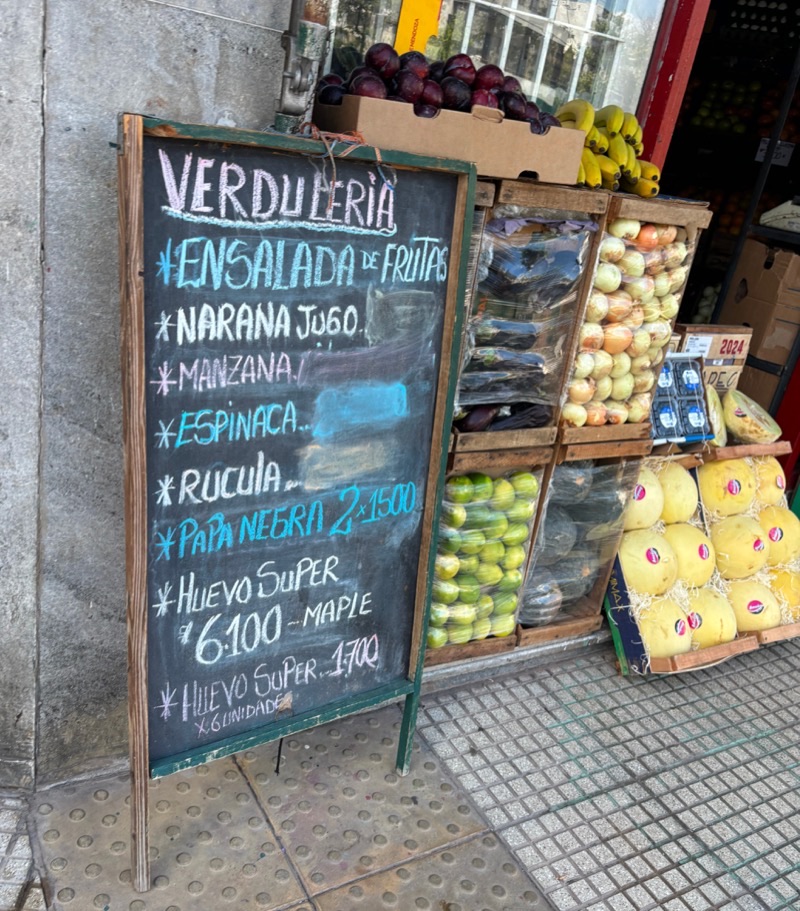
Argentina offers a budget-friendly adventure, especially for those leveraging the blue dollar exchange rate, which significantly amplifies foreign currency purchasing power. A good steak dinner with wine in Buenos Aires can cost 15,000-25,000 ARS ($15-25 USD), while a basic hostel bed is around 5,000-10,000 ARS ($5-10 USD). Domestic flights, while not cheap, are manageable, and long-distance buses offer economical travel. Groceries are cheap, allowing travelers to self-cater for less than 3,000 ARS ($3 USD) per meal. Expect a comfortable daily budget of $50-100 USD.
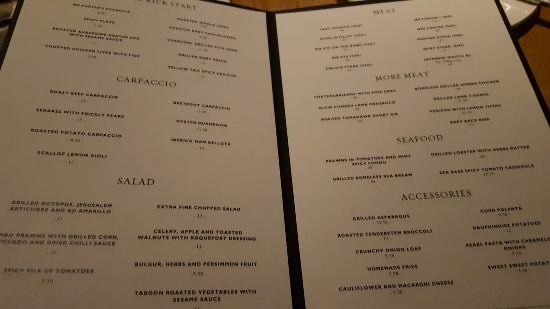
The Netherlands is a more expensive destination. A basic meal at a casual restaurant in Amsterdam or Utrecht will easily run 15-25 EUR ($16-27 USD), and a mid-range hotel room averages 100-180 EUR ($108-195 USD) per night. Public transport is efficient but adds up: a single tram ticket in Amsterdam is 3.20 EUR ($3.50 USD). Museum entry fees, like the Rijksmuseum at 22.50 EUR ($24 USD), are also substantial. A reasonable daily budget for comfortable travel is $100-200 USD. Argentina is a clear winner for budget-conscious explorers.
- Winner: Argentina
- Why: Argentina offers substantially lower costs for accommodation, food, and activities, making it accessible to a wider range of budgets.
- Who this matters for: Budget travelers, long-term backpackers, and those wanting to maximize their travel experiences without breaking the bank.
⛰️ Nature and Landscapes
Argentina presents a grand canvas of natural features. Patagonia alone offers the towering peaks of Fitz Roy and Cerro Torre near El Chalten, the Perito Moreno Glacier in El…
Argentina
Netherlands
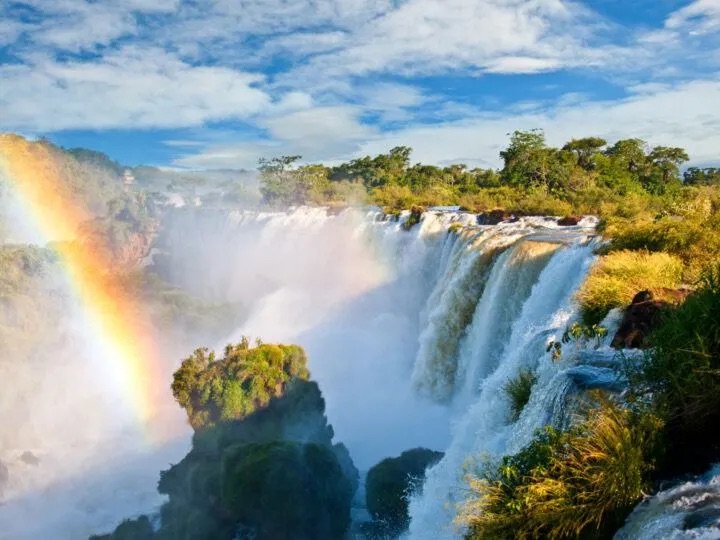
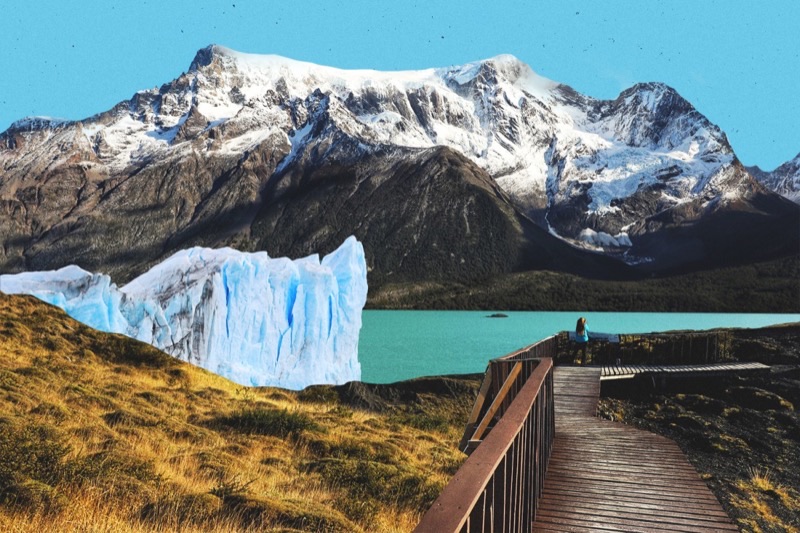
Argentina presents a grand canvas of natural features. Patagonia alone offers the towering peaks of Fitz Roy and Cerro Torre near El Chalten, the Perito Moreno Glacier in El Calafate, and the dramatic scenery of Tierra del Fuego. The Iguazu Falls, on the border with Brazil, are immense, a truly humbling display of water power. In the north, Salta and Jujuy provinces feature colorful desert landscapes and canyons. You can go trekking, rafting, horseback riding, or simply absorb the immensity. Entry to national parks like Los Glaciares is around 12,000-15,000 ARS ($12-15 USD).
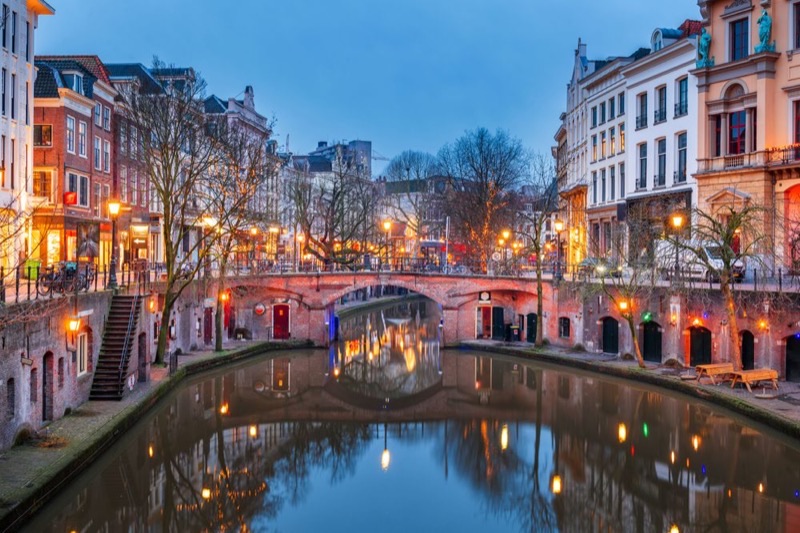
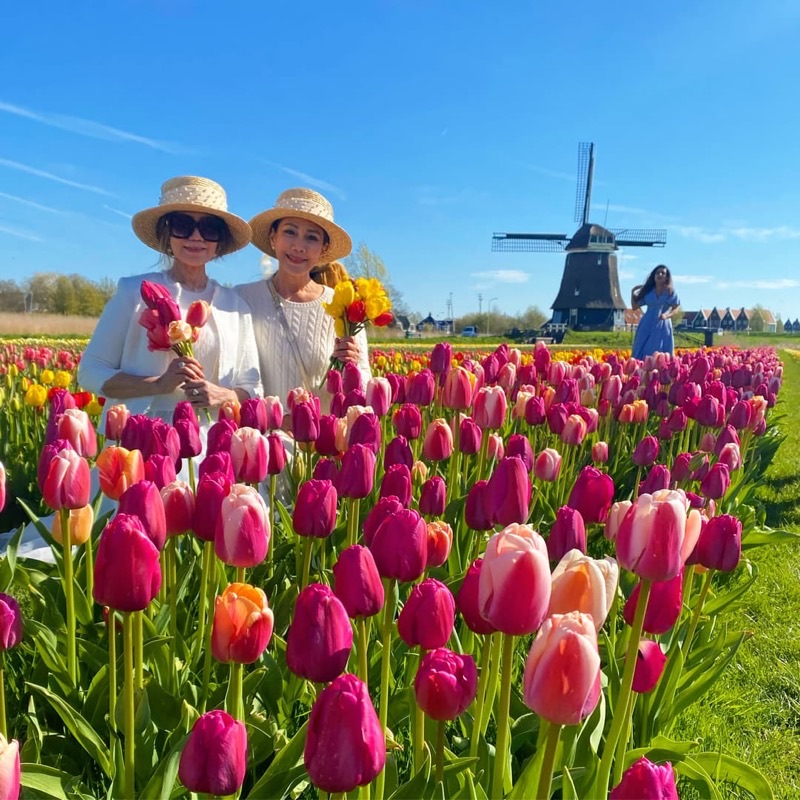
Netherlands landscapes are shaped by human ingenuity and water. You find extensive polder systems, fields of tulips in spring (Keukenhof Gardens, 19 EUR/$20.50 USD), and a long coastline with sandy beaches and dunes. Veluwezoom National Park offers heathlands and forests, while the Biesbosch provides freshwater tidal wetlands. While pleasant and accessible, the scale of nature is much smaller and more cultivated compared to Argentina. Cycling through the countryside is a popular way to experience it. For sheer scale and variety of natural wonders, Argentina is unmatched.
- Winner: Argentina
- Why: Argentina offers a vastly more diverse and dramatic range of natural environments, from towering mountains and glaciers to immense waterfalls and deserts.
- Who this matters for: Adventure seekers, photographers, hikers, and anyone prioritizing grand, expansive natural scenery.
🥩 Food and Drink
Argentine food culture revolves around meat and wine. An asado (barbecue) is a social event, and a bife de chorizo (sirloin steak) at a parrilla like Don Julio in Buenos Aires is…

Argentina

Netherlands
Argentine food culture revolves around meat and wine. An asado (barbecue) is a social event, and a bife de chorizo (sirloin steak) at a parrilla like Don Julio in Buenos Aires is a highlight, costing around 30,000-45,000 ARS ($30-45 USD) with sides and wine. Empanadas, choripanes (sausage sandwiches), and pasta dishes are common. Mendoza is a primary destination for wine tourism, offering tastings for 5,000-10,000 ARS ($5-10 USD). The quality for price is exceptional, and late dinners (after 9 PM) are the norm.
The Netherlands offers a simpler, more hearty cuisine. Popular items include stroopwafels, herring (haring), bitterballen (fried meatballs), and a wide variety of excellent cheeses. Amsterdam, Rotterdam, and The Hague offer extensive international cuisine, with Indonesian rijsttafel being a particular legacy. Craft beer scenes are growing, with breweries like Brouwerij 't IJ in Amsterdam. While satisfying, Dutch traditional fare might not excite as much as Argentine cuts of meat and Malbecs. Expect to pay 2-5 EUR ($2-5 USD) for a stroopwafel and 8-12 EUR ($9-13 USD) for bitterballen. Argentina wins for its distinctive, passionate culinary identity and value.
- Winner: Argentina
- Why: Argentina provides a more unique and acclaimed culinary experience, especially for meat and wine lovers, at a significantly better value.
- Who this matters for: Foodies, carnivores, wine enthusiasts, and travelers who enjoy social, late-night dining.
🏛️ Culture and History
Argentine culture is a blend, heavily shaped by European immigration. Buenos Aires, with its grand architecture, feels distinctly European, earning it the nickname "Paris of South…
Argentina
Netherlands
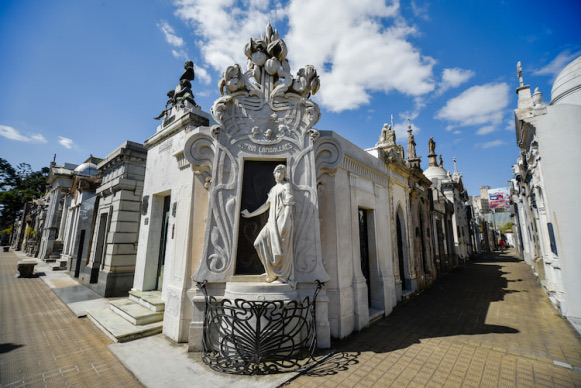
Argentine culture is a blend, heavily shaped by European immigration. Buenos Aires, with its grand architecture, feels distinctly European, earning it the nickname "Paris of South America." Tango is central, with shows (e.g., El Ateneo Grand Splendid bookstore hosts free performances sometimes) and milongas (social dance events) offering glimpses into its soul. The gaucho culture of the Pampas is another key element. History includes periods of colonization, independence struggles, and complex political eras, reflected in sites like Casa Rosada. There is a deeply felt national identity.
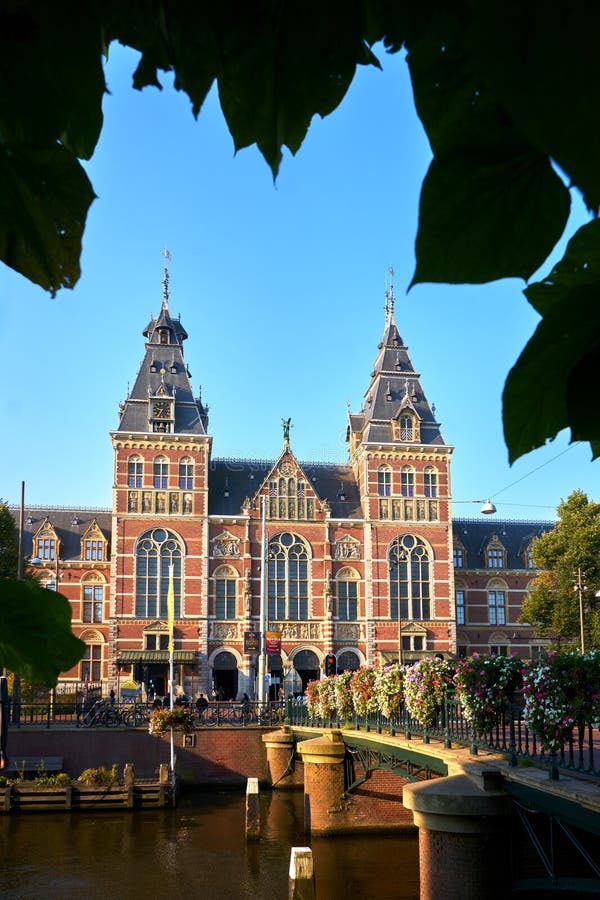
Dutch culture is defined by its Golden Age, which produced masters like Rembrandt and Vermeer, whose works are central to the Rijksmuseum and Mauritshuis. Amsterdam's canal houses reflect centuries of merchant wealth. The country has a long history of seafaring, trade, and engineering, particularly in water management. Its liberal social policies, including the legal status of cannabis coffee shops and prostitution (Red Light District), are well-known, though these are just one facet of a polite, organized society. The Anne Frank House is a poignant historical site (16 EUR/$17 USD entry). For concentrated, accessible historical depth and artistic heritage, the Netherlands has a slight edge.
- Winner: Netherlands
- Why: The Netherlands offers a more concentrated and easily accessible array of historical sites, world-renowned art museums, and deeply established societal norms.
- Who this matters for: Art historians, museum enthusiasts, those interested in European history, and visitors who appreciate a well-preserved urban heritage.
🌃 Nightlife
Buenos Aires is famous for its late-night activities. Dinner starts at 9 PM, bars fill up around midnight, and clubs (boliches) often do not get busy until 2 AM, staying open…
Argentina

Netherlands
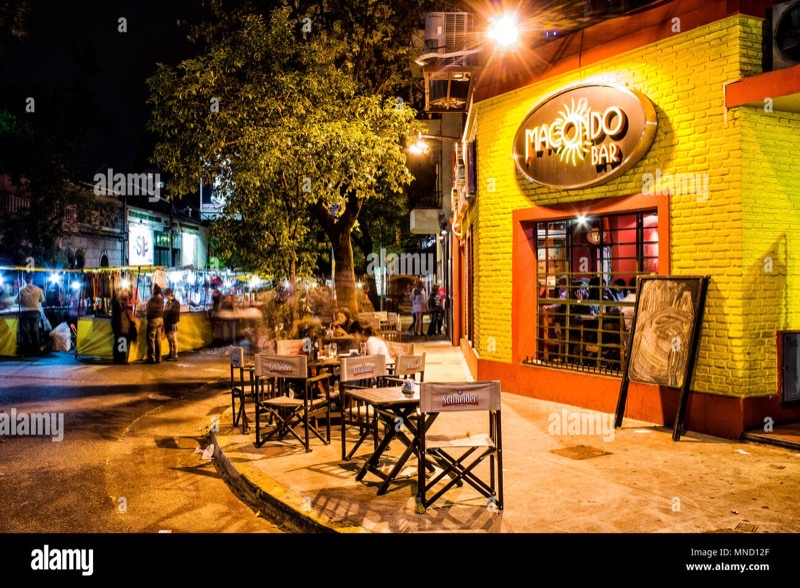
Buenos Aires is famous for its late-night activities. Dinner starts at 9 PM, bars fill up around midnight, and clubs (boliches) often do not get busy until 2 AM, staying open until 6 AM or later. Palermo and Recoleta are areas for stylish bars and dance clubs like Niceto Club, with cover charges typically 5,000-10,000 ARS ($5-10 USD). Tango shows, some with dinner, offer a distinct cultural experience and can last well into the night. It is a social scene, with people lingering over drinks and conversation. Even small towns have a vibrant evening energy.
The Netherlands offers a range of nightlife, primarily centered in Amsterdam, Rotterdam, and Utrecht. Amsterdam is known for its 'brown cafes' (traditional pubs), techno clubs (e.g., De School or Shelter), and live music venues. While there are plenty of options, including various bars in areas like Leidseplein, the closing times are typically earlier than in Argentina, with clubs often shutting down around 3-4 AM on weekends. Drink prices are higher, with a beer costing 5-7 EUR ($5-8 USD). For sheer intensity, late hours, and value, Argentina takes this category.
- Winner: Argentina
- Why: Argentina, particularly Buenos Aires, offers a later-starting, more passionate, and significantly more affordable nightlife scene that often continues until dawn.
- Who this matters for: Party-goers, night owls, those seeking social interaction, and travelers who enjoy dancing and late-night entertainment.
✈️ Getting There (Flights)
Flying to Argentina involves a significant time commitment. Direct flights from major North American cities like New York (JFK) or Miami (MIA) to Buenos Aires (EZE) typically take…
Flying to Argentina involves a significant time commitment. Direct flights from major North American cities like New York (JFK) or Miami (MIA) to Buenos Aires (EZE) typically take 10-11 hours. From European hubs like Madrid or Rome, flights can be 12-14 hours. Prices vary wildly but expect to pay $800-1500+ USD round trip from North America or Europe, especially during peak season (December-February). There are fewer direct options compared to flights to Europe, often requiring layovers in other South American cities or major US hubs.
The Netherlands, with Amsterdam Schiphol (AMS) as a major European hub, is exceptionally well-connected. Direct flights from North American cities like New York (JFK) are usually 7-8 hours. From London or Paris, flights are often under 1.5 hours. Round-trip flights from North America typically range from $600-1000 USD, and much less from within Europe (often under $200 USD). The frequency of flights and ease of connections make it a more convenient destination to reach globally. The Netherlands is the easier and often cheaper destination to fly into.
- Winner: Netherlands
- Why: The Netherlands is significantly easier and often cheaper to reach from major global hubs, with shorter flight times and more direct options.
- Who this matters for: Travelers with limited vacation time, those on tighter flight budgets, and anyone preferring shorter, more convenient air travel.
🚆 Getting Around (Local Transport)
In Argentina, getting around depends on the distance. Buenos Aires has a good subte (subway) system (around 130 ARS/$0.13 USD per ride with a SUBE card) and an extensive bus…
In Argentina, getting around depends on the distance. Buenos Aires has a good subte (subway) system (around 130 ARS/$0.13 USD per ride with a SUBE card) and an extensive bus network. Ride-sharing apps like Uber and Cabify operate, although they are technically in a grey area. For intercity travel, long-distance buses are comfortable and common, but journeys can be very long (e.g., Buenos Aires to Bariloche is 20+ hours). Domestic flights are a faster option for covering vast distances, but can be pricey (e.g., Buenos Aires to El Calafate can be $100-250 USD one-way).
The Netherlands excels in public transportation. The national train network (NS) is efficient, fast, and connects every major city, making day trips incredibly easy. A train from Amsterdam to Utrecht is about 30 minutes and 8 EUR ($9 USD). Cycling is a primary mode of transport in cities and across the countryside, with dedicated paths everywhere. Public transport within cities (trams, buses, metros) is reliable and widespread. You can rent a bike for 10-15 EUR ($11-16 USD) per day. The ease, speed, and environmental friendliness of Dutch transport are a distinct advantage. The Netherlands clearly wins for local mobility.
- Winner: Netherlands
- Why: The Netherlands offers a superior, highly efficient, and integrated public transport system, complemented by extensive cycling infrastructure.
- Who this matters for: Independent travelers, those without rental cars, families, and anyone prioritizing speed, convenience, and eco-friendly transport.
🚨 Safety and Security
Argentina is generally safe for tourists, but vigilance is required in larger cities like Buenos Aires, Rosario, and Mendoza, where petty crime (pickpocketing, bag snatching) is a…
Argentina is generally safe for tourists, but vigilance is required in larger cities like Buenos Aires, Rosario, and Mendoza, where petty crime (pickpocketing, bag snatching) is a concern, especially in crowded areas or late at night. Palermo and Recoleta are safer neighborhoods in Buenos Aires. Avoid walking alone at night in poorly lit areas and be aware of your surroundings. Taxi scams and 'motochorros' (thieves on motorcycles) are reported. Rural areas and Patagonia are very safe. Political demonstrations are common, especially in Buenos Aires, and travelers should avoid these.
Netherlands is one of the safest countries globally. Crime rates are low, and violent crime against tourists is rare. Major cities like Amsterdam have typical urban issues like pickpocketing in tourist-heavy areas, but common sense precautions usually suffice. Walking alone at night is generally safe. The biggest 'danger' might be navigating busy bike paths as a pedestrian. The relaxed atmosphere and organized society contribute to a high sense of security. Compared to the need for greater awareness in Argentine cities, the Netherlands provides a more worry-free travel experience. The Netherlands is the safer choice.
- Winner: Netherlands
- Why: The Netherlands maintains a significantly lower crime rate and offers a generally more secure and peaceful environment for travelers.
- Who this matters for: Solo travelers, families with young children, and anyone prioritizing a worry-free and safe travel experience.
🏨 Accommodation
Argentina offers diverse accommodation at compelling price points. In Buenos Aires, you can find a comfortable hostel bed for 5,000-10,000 ARS ($5-10 USD), a good mid-range hotel…
Argentina offers diverse accommodation at compelling price points. In Buenos Aires, you can find a comfortable hostel bed for 5,000-10,000 ARS ($5-10 USD), a good mid-range hotel for 20,000-40,000 ARS ($20-40 USD), and luxurious options for 60,000 ARS ($60 USD) or more. Beyond cities, estancias (traditional ranches) offer a unique experience, with stays often including meals and activities for 40,000-80,000 ARS ($40-80 USD) per night. Quality is generally good, and service is often personal and friendly. Airbnbs are also readily available and offer great value.
Netherlands accommodation is typically modern and well-maintained, but comes at a higher price. A hostel bed in Amsterdam can be 30-50 EUR ($32-54 USD), while a mid-range hotel room often costs 100-180 EUR ($108-195 USD) per night. Boutique hotels in historic canal houses offer a distinct charm but are often compact. Prices in cities like Amsterdam can soar during peak season or major events. While quality is consistent, the sheer value proposition in Argentina makes it the preferred choice for accommodation. Argentina provides more space and luxury for less money.
- Winner: Argentina
- Why: Argentina offers significantly better value for accommodation across all segments, from budget hostels to luxury hotels and unique estancias.
- Who this matters for: Budget-conscious travelers, those seeking unique lodging experiences like estancias, and anyone wanting more comfort for their money.
☀️ Weather and Seasons
Argentina, being a large country, offers vast climatic diversity. Its seasons are opposite to the Northern Hemisphere. Summer (December to February) is ideal for exploring…
Argentina, being a large country, offers vast climatic diversity. Its seasons are opposite to the Northern Hemisphere. Summer (December to February) is ideal for exploring Patagonia's glaciers and mountains (expect 10-20°C / 50-68°F), though it can be hot and humid in the north (30-35°C / 86-95°F). Autumn (March to May) and Spring (September to November) are excellent for Buenos Aires (15-25°C / 59-77°F) and wine regions. Winter (June to August) is cold in the south, suitable for skiing, but mild enough for city exploration in the north. This variety allows for year-round travel depending on the region you target.
Netherlands has a temperate maritime climate, meaning mild summers and cool, damp winters. Summers (June-August) see average highs around 20-22°C (68-72°F), with longer daylight hours, making it the most popular time to visit. Spring (April-May) is famous for tulips and pleasant temperatures. Winters (December-February) are cold, often hovering around 5°C (41°F), with frequent rain or drizzle, and occasional snow. The weather can be changeable throughout the year, with sunny days quickly turning cloudy. While predictable, the Netherlands lacks the dramatic climatic range and specific seasonal highlights (like Patagonian summer) found in Argentina. Argentina wins for its sheer climatic diversity and options for different seasonal activities.
- Winner: Argentina
- Why: Argentina offers a greater range of climatic zones and seasonal experiences, allowing for diverse travel options throughout the year depending on regional focus.
- Who this matters for: Travelers with specific seasonal preferences for activities like hiking or skiing, or those seeking diverse weather experiences within one country.
🎯 The Decision Framework
Choose Argentina If…
- You want to see some of the worlds largest glaciers and mountain ranges.
- You dream of authentic steak dinners with local Malbec wine for under $30.
- You have an extended travel period (2+ weeks) to cover large distances.
- You seek late-night social scenes and passionate tango culture.
- Your budget is $50-100 USD per day for comfortable travel.
- You desire a raw, expansive natural landscape for hiking and exploration.
- You are comfortable with long-distance bus travel and domestic flights.
- You enjoy practicing your Spanish and engaging with a passionate local culture.
Choose Netherlands If…
- You want short, efficient travel between numerous historic cities.
- You appreciate world-class art museums like the Rijksmuseum and Van Gogh Museum.
- Your daily budget allows for $100-200 USD for comfortable travel.
- You enjoy cycling as a primary mode of exploring cities and countryside.
- You prefer a highly organized, predictable, and safe travel environment.
- You are fascinated by liberal social policies and a progressive culture.
- You want to experience charming canal cities and traditional Dutch architecture.
- You have a shorter travel window (1 week) and want to maximize city visits.
📅 Sample Itineraries
Weekend in Buenos Aires (3 Days)
💡 Purchase a SUBE card for local transport upon arrival to save money and time on buses and subways; top it up with about $5 for a few days of travel.
Weekend in Amsterdam (3 Days)
💡 Rent a bicycle for about $15 per day to experience Amsterdam like a local and navigate the city efficiently; remember to lock it securely.
One Week in Argentina (7 Days)
💡 For Patagonia, bring cash (Argentine Pesos) as many smaller shops and tour operators in El Chaltén may not accept cards, or offer better rates for cash payments.
One Week in Netherlands (7 Days)
💡 Purchase an Amsterdam & Region Travel Ticket (ARTT) for 1, 2, or 3 days to cover all public transport in Amsterdam and surrounding areas like Zaanse Schans, saving on individual tickets.
❓ Frequently Asked Questions
What is the typical flight time from North America to each country?
A direct flight from major North American hubs (e.g., New York, Toronto) to Amsterdam (AMS) takes approximately 7-8 hours. Flights to Buenos Aires (EZE) are significantly longer, typically 10-11 hours direct, often requiring layovers which extend travel time to 13-15+ hours.
How much does a basic meal cost in each destination?
In Argentina, a substantial meal at a casual restaurant, like a good milanesa or empanadas, can cost 5,000-10,000 ARS ($5-10 USD). In the Netherlands, a similar casual meal will typically be 15-25 EUR ($16-27 USD), reflecting the higher cost of living.
Which country is better for outdoor activities?
Argentina is superior for outdoor activities, offering dramatic options like multi-day trekking in Patagonia (El Chalten, El Calafate), kayaking past glaciers, hiking in the Andes, or exploring the vast Iguazu Falls. The Netherlands offers pleasant cycling and walking paths but on a much smaller scale.
Is it safe to drink tap water in Argentina or the Netherlands?
Yes, tap water is generally safe to drink throughout the Netherlands. In Argentina, tap water is safe to drink in most major cities like Buenos Aires, but it is always wise to confirm locally, especially in more rural or remote areas, where bottled water might be preferred by some travelers.
What is the best time of year to visit each country?
For the Netherlands, late spring (April-May) for tulips and mild weather, or summer (June-August) for warmer days and festivals. For Argentina, summer (December-February) is ideal for Patagonia. Spring (September-November) or Autumn (March-May) are optimal for Buenos Aires and wine regions like Mendoza, offering pleasant temperatures.
Which destination is more budget-friendly for a two-week trip?
Argentina is significantly more budget-friendly for a two-week trip. With a daily budget of $50-100 USD, you could spend $700-1400 USD. For the Netherlands, with a daily budget of $100-200 USD, a two-week trip would likely cost $1400-2800 USD, excluding flights.
Are credit cards widely accepted in both countries?
Credit cards are widely accepted in the Netherlands, even for small purchases. In Argentina, credit cards are accepted in most hotels and larger establishments, but smaller shops, markets, and many local eateries prefer cash, especially due to fluctuating exchange rates and 'blue dollar' advantages for foreign visitors.
What are the primary language spoken and how easy is English communication?
In Argentina, Spanish is the primary language. While English is spoken in tourist areas and by younger generations in Buenos Aires, knowing some basic Spanish phrases helps a lot. In the Netherlands, Dutch is the official language, but English proficiency is exceptionally high, with almost everyone in service industries and younger populations speaking fluent English.
Ready to plan your next trip?
Get a free custom itinerary for Argentina, Netherlands, or both — built from real traveler insights.
👥 Travelers Also Compared
🎟️ Book Tours & Experiences
Hand-picked tours and activities for both destinations — book with free cancellation
Experiences via Viator — free cancellation on most tours