How we built this comparison
This page combines traveler discussion patterns, published price ranges, flight schedules, and seasonal data to help you decide between Argentina and Puerto Rico.
- Reviewed 50+ Reddit threads from r/travel, r/solotravel, r/Argentina, r/PuertoRicoTravel, and r/BuenosAires for firsthand experiences and cost data.
- Verified costs and logistics against current booking platforms (e.g., Google Flights, Booking.com, Hostelworld, Uber estimates) for 2024 pricing.
- Cross-referenced seasonal patterns and weather data from NOAA and local tourism boards to advise on optimal travel times.
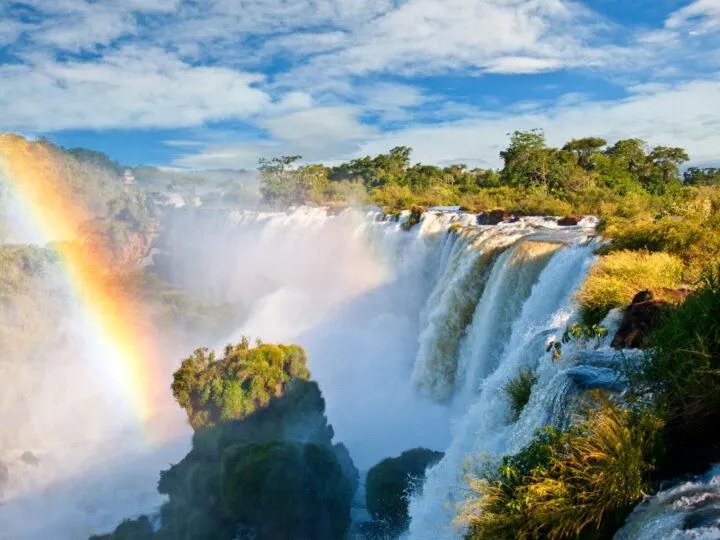
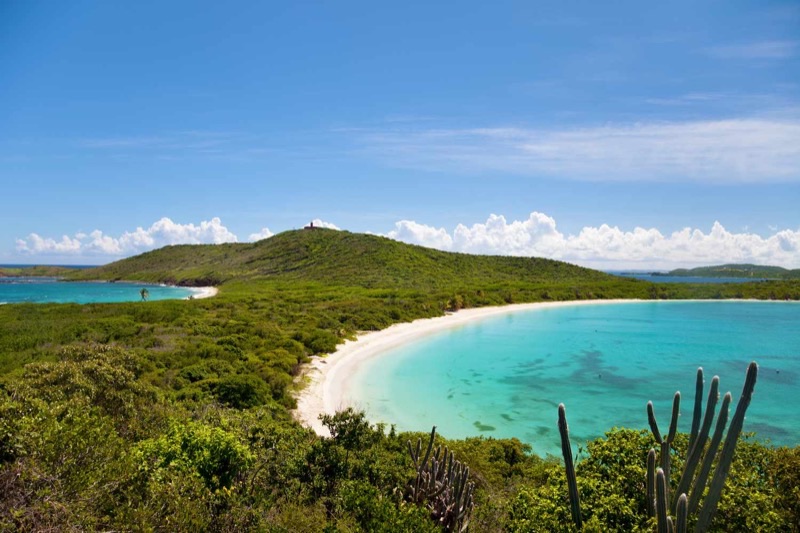
⚡ Quick Answers
⚡ The TL;DR Verdict
Argentina is for travelers seeking extensive natural areas, deep cultural experiences, and significantly lower daily costs, especially for longer trips. Puerto Rico suits those wanting shorter flights from the US, reliable beach access, and a comfortable, familiar Caribbean atmosphere. Most budget-conscious adventurers should lean towards Argentina, expecting roughly $40-70 USD/day, while Puerto Rico demands $80-150 USD/day.
- Choose Argentina: You have 2+ weeks, seek outdoor adventures like Patagonia hiking, enjoy steak and malbec on a budget, and are okay with long flights and Spanish immersion.
- Choose Puerto Rico: You have 1 week, prioritize beaches, tropical weather, direct flights from the US, and desire a mix of American convenience with Caribbean flair.
- Choose Both: If you have 4+ weeks and a flexible budget, combine a week in Puerto Rico for a beach reset, then fly to Argentina for deeper exploration. Travel time between them is substantial.
Choose Argentina
Choose Argentina if you're a cultural explorer or nature enthusiast with 2+ weeks, eager to immerse yourself in Buenos Aires' tango halls or trek Patagonia's dramatic landscapes. It's best for budget-savvy adventurers seeking rich experiences like Malbec tastings in Mendoza, without breaking the bank, expecting daily costs around $40-70 USD.
Choose Puerto Rico
Puerto Rico is perfect for those seeking a vibrant Caribbean escape within a week, prioritizing direct flights from the US and beautiful beaches. It’s ideal for travelers wanting to explore Old San Juan's colorful streets, experience a bioluminescent bay, or simply relax by turquoise waters, all with familiar comforts and a mid-range budget of $80-150 USD/day.
📊 Visual Scorecard
🌤 When to Visit
Average high temperatures (°C). Green = best months, orange = avoid.
Quick Comparison
| Category | Argentina | Puerto Rico | Winner |
|---|---|---|---|
| Costs & Budget | Significantly lower daily expenses for food, transport, and accommodation. Excellent value for money. | Higher daily expenses, particularly for accommodation and dining out. Comparable to US city costs. | Argentina |
| Getting There | Long-haul flights, typically 10-12+ hours from major US cities, often require layovers. | Direct flights readily available from many US cities, often 3-5 hours. | Puerto Rico |
| Nature & Landscapes | Vast, diverse landscapes including glaciers, mountains, arid plains, and waterfalls. Iconic national parks. | Tropical forests, bioluminescent bays, caves, and a prominent coastline. Smaller scale but concentrated. | Argentina |
| Culture & History | Strong European influence (Spanish, Italian), tango, gaucho traditions, and complex political history. Deep literary and artistic heritage. | Blend of Spanish, Taino, and African influences with a significant US cultural overlay. Forts, old towns, and vibrant music. | Argentina |
| Food & Drink | Emphasis on beef (parrilla), pasta, empanadas, and Malbec wine. Strong Italian influence. | Caribbean flavors with Spanish and African roots: mofongo, lechón, plantains, fresh seafood. Rum is a staple. | Argentina |
| Beaches | Limited, primarily coastal areas like Mar del Plata. Not a primary draw for beach holidays. | Extensive, varied coastline with white sand, clear waters, and palm trees. Many accessible options. | Puerto Rico |
| Safety | Generally safe in tourist areas, but petty theft and pickpocketing are concerns in big cities. Economic instability can lead to protests. | Generally safe, but petty crime is present in tourist areas and cities. Certain neighborhoods should be avoided, as in any destination. | Tie |
| Getting Around | Extensive long-distance bus network, domestic flights for distant regions. City transport is affordable. | Car rental is often essential for exploring outside San Juan. Public transport is limited, rideshares available in urban areas. | Argentina |
| Nightlife | Late-night culture, bars, clubs (boliches), tango shows, and vibrant social scene, particularly in Buenos Aires. | Casinos, salsa clubs, live music venues, and beach bars. San Juan has the most options. | Argentina |
| Accommodation | Wide range of budget-friendly hostels, guesthouses, and apartments. Good value in mid-range hotels. | Hotels and Airbnbs are more expensive, especially in popular areas. Budget options are fewer and may require advance booking. | Argentina |
💰 Costs & Budget
Argentina consistently offers lower daily travel costs, making it a strong choice for budget-conscious travelers. A hostel bed in Buenos Aires can be found for 8,000-15,000 ARS…
Argentina
Puerto Rico
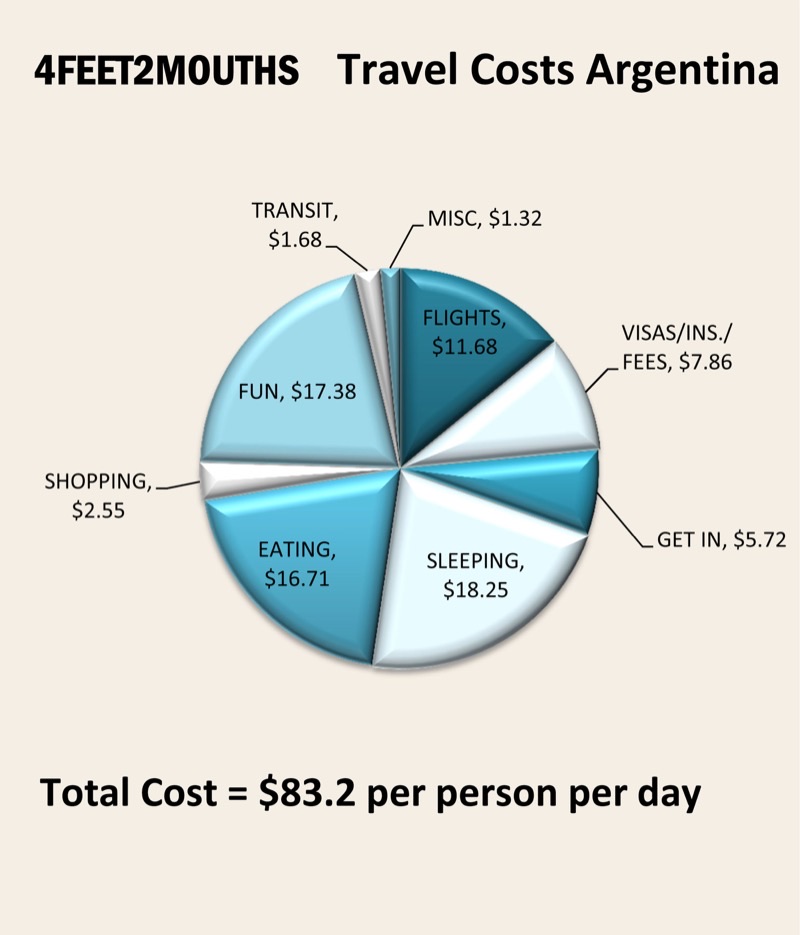
Argentina consistently offers lower daily travel costs, making it a strong choice for budget-conscious travelers. A hostel bed in Buenos Aires can be found for 8,000-15,000 ARS ($8-15 USD), and a decent meal at a local parilla like Don Julio or La Brigada might cost 15,000-30,000 ARS ($15-30 USD) including wine. Local transport (subte, colectivo) is incredibly cheap, often less than 100 ARS ($0.10 USD) per ride. Even multi-day excursions to Patagonia or Iguazu, while an initial outlay, provide substantial experiences at a lower per-day rate than comparable activities elsewhere. Expect a daily budget of $40-70 USD for comfortable travel, and even less if you cook some meals.
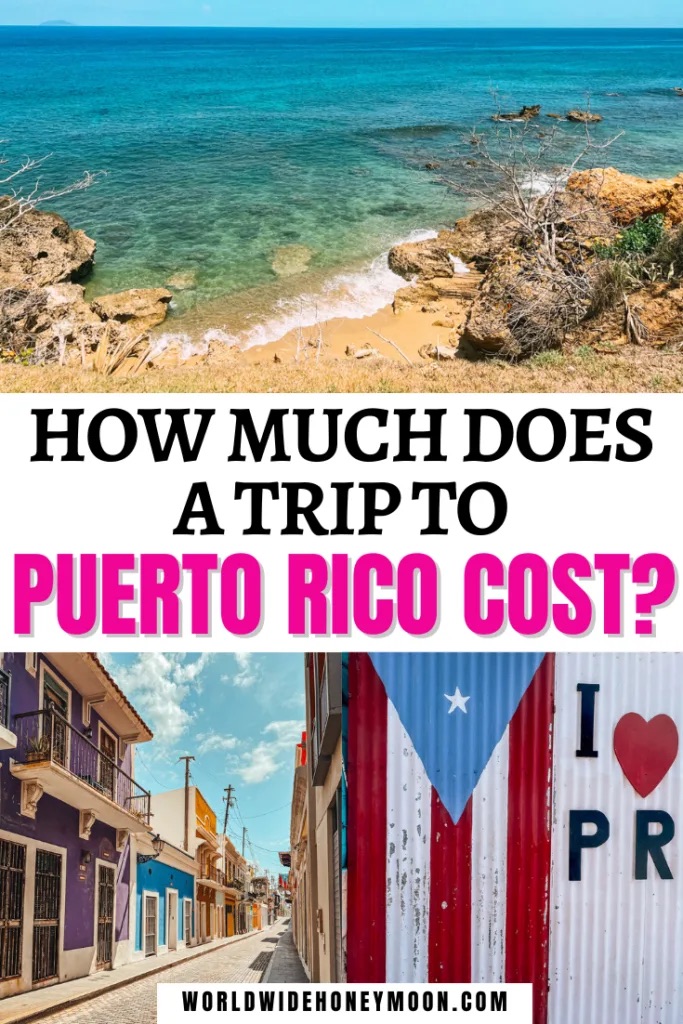
Puerto Rico’s costs are generally higher, more aligned with US prices. A basic hotel room outside San Juan starts at $100-150 USD, while an Airbnb in Old San Juan can be $180-250 USD per night. Dining at a casual spot might cost $15-25 USD for an entree, and a nice dinner can easily be $50+ USD per person. Car rentals, often necessary for exploration, run $40-70 USD per day. Public transport outside of San Juan is limited. A daily budget of $80-150 USD is realistic for a comfortable trip, and luxury options will push that higher. Tabiji verdict: Argentina provides far greater value for your travel dollar, allowing longer trips or more luxury within the same budget.
- Winner: Argentina
- Why: Argentina offers considerably lower prices for accommodation, food, and activities, making it a better option for extended trips or tighter budgets.
- Who this matters for: Budget travelers, long-term adventurers, those seeking high value experiences
✈️ Getting There
Traveling to Argentina from the United States involves a significant time commitment. Direct flights to Buenos Aires (EZE) from major hubs like Miami, New York, or Dallas…

Argentina
Puerto Rico
Traveling to Argentina from the United States involves a significant time commitment. Direct flights to Buenos Aires (EZE) from major hubs like Miami, New York, or Dallas generally take 9-11 hours. From the West Coast, expect 12-14+ hours, often with one layover. Round-trip economy tickets can range from $700-1200 USD depending on the season and booking time. This longer travel time means Argentina is better suited for trips of at least 10-14 days to make the journey worthwhile, giving you enough time to adjust to the time zone and explore.
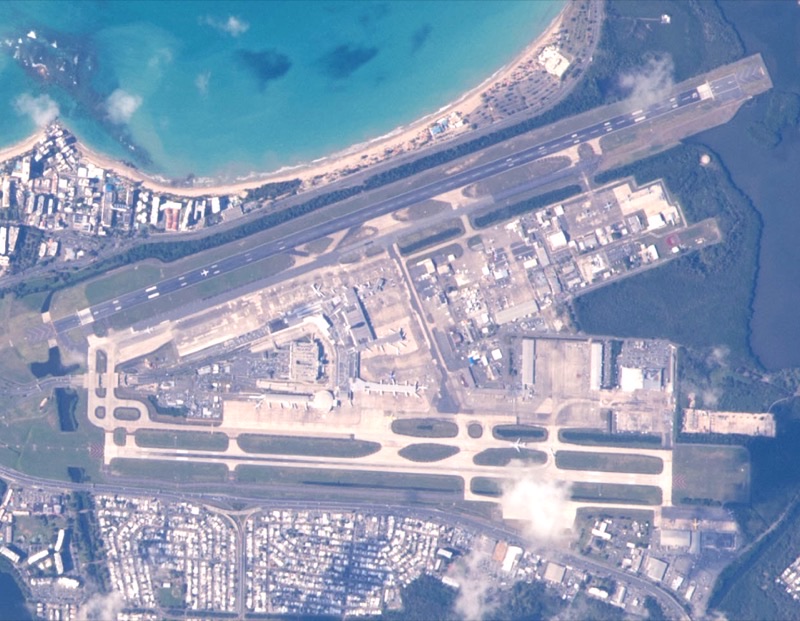
Puerto Rico, being a US territory, offers straightforward and quicker access for American travelers. Direct flights to San Juan (SJU) are available from numerous US cities, including New York, Atlanta, Miami, and Orlando, with flight times typically ranging from 3 to 5 hours. Round-trip economy tickets are often $250-600 USD. No passport is required for US citizens, simplifying the travel process. This ease of access makes Puerto Rico an ideal destination for shorter trips, even long weekends. Tabiji verdict: Puerto Rico wins for ease and speed of access from the US, particularly for shorter trips.
- Winner: Puerto Rico
- Why: Puerto Rico offers faster, more direct flights from the US, often without passport requirements for US citizens, simplifying travel logistics.
- Who this matters for: Travelers with limited vacation time, those who prefer short flights, US citizens without passports
🏞️ Nature & Landscapes
Argentina's natural environments are expansive and varied, offering large-scale geological formations. Patagonia, in the south, features glaciers like Perito Moreno near El…
Argentina
Puerto Rico
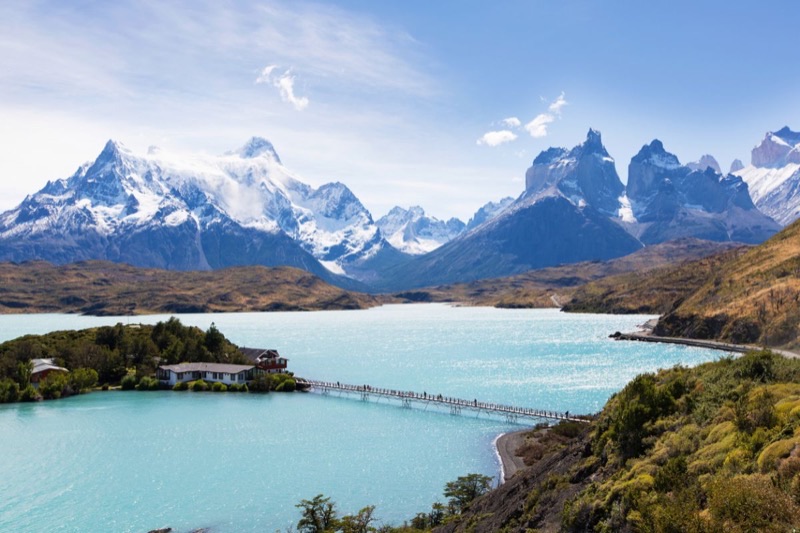
Argentina's natural environments are expansive and varied, offering large-scale geological formations. Patagonia, in the south, features glaciers like Perito Moreno near El Calafate and the Andes mountains for trekking around El Chalten. The Iguazu Falls in the northeast, shared with Brazil, are among the world's largest waterfall systems. In the northwest, arid landscapes with colored mountains (Cerro de los Siete Colores) in Jujuy provide different scenery. Exploring these areas often involves domestic flights or long bus rides, with national park fees around 5,500-10,000 ARS ($5.50-10 USD). Activities range from glacier treks to hiking, birdwatching, and rafting.
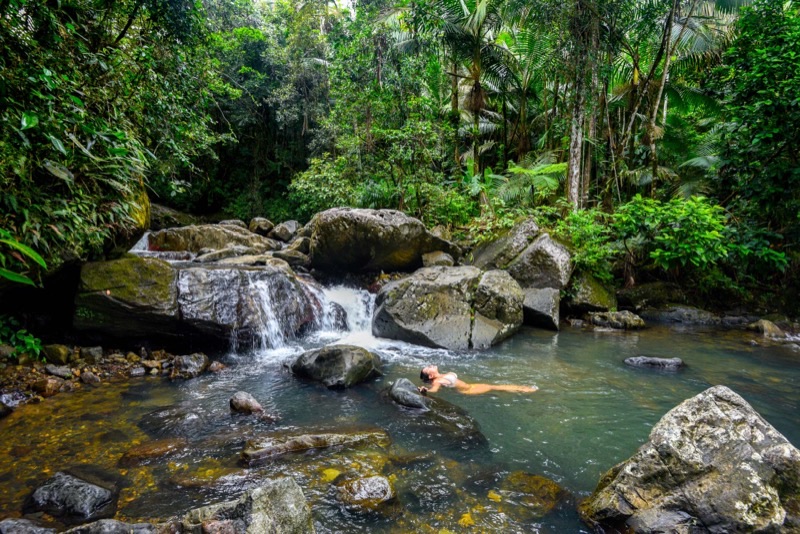
Puerto Rico offers a more concentrated range of tropical and coastal natural areas. El Yunque National Forest is the only tropical rainforest in the US National Forest System, with hiking trails leading to waterfalls and natural pools. The island also has several bioluminescent bays, notably Mosquito Bay in Vieques, which is a significant attraction. Caving systems like Rio Camuy Cave Park provide underground exploration. While smaller in scale, the access to these areas is generally easier and quicker, often within a short drive from San Juan. El Yunque entry can be by reservation, usually $2 USD per vehicle. Tabiji verdict: Argentina's sheer scale and diversity of natural environments provide a more profound, varied outdoor experience.
- Winner: Argentina
- Why: Argentina's geographic scale provides a wider range of distinct, dramatic natural environments, from glaciers to deserts to massive waterfalls.
- Who this matters for: Adventure travelers, hikers, landscape photographers, those seeking extreme natural diversity
🏛️ Culture & History
Argentina's culture reflects a mix of Indigenous roots and extensive European immigration, particularly from Spain and Italy. Buenos Aires embodies this with its architecture,…
Argentina
Puerto Rico
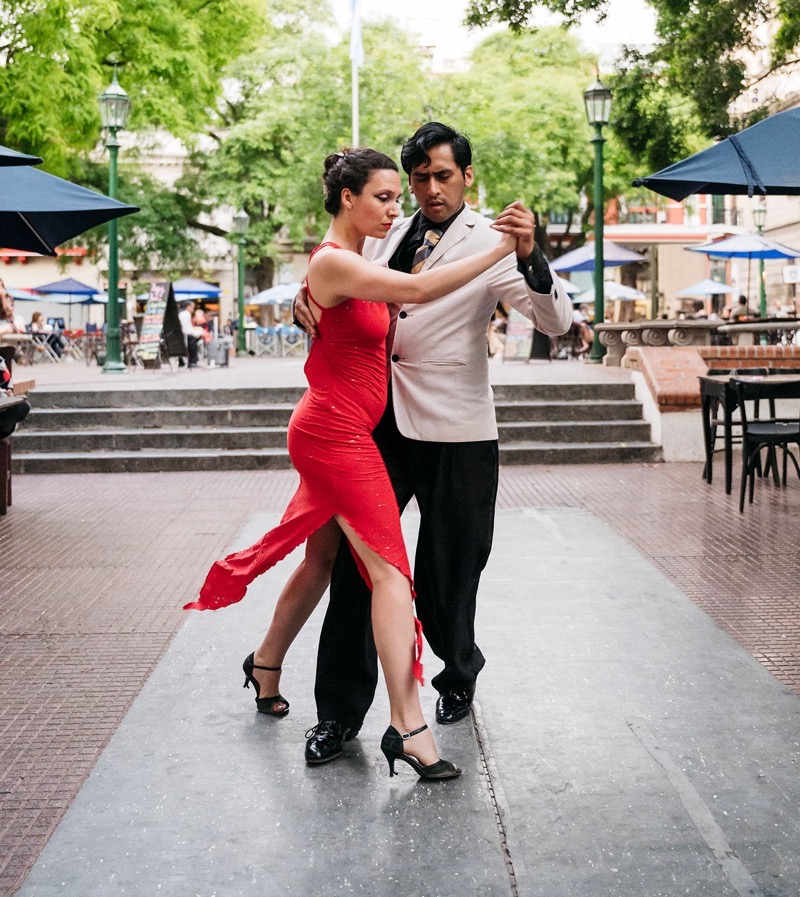
Argentina's culture reflects a mix of Indigenous roots and extensive European immigration, particularly from Spain and Italy. Buenos Aires embodies this with its architecture, café culture, and tango traditions. You can attend a tango show at places like Esquina Carlos Gardel for 40,000-80,000 ARS ($40-80 USD) or explore the Recoleta Cemetery, a historic burial ground. The gaucho culture of the pampas offers a rural contrast, with estancias near San Antonio de Areco hosting day trips that include horseback riding and traditional food for around 60,000-100,000 ARS ($60-100 USD). The country has a complex political history, visible in monuments and museums. Engaging with the Spanish language unlocks deeper interactions.
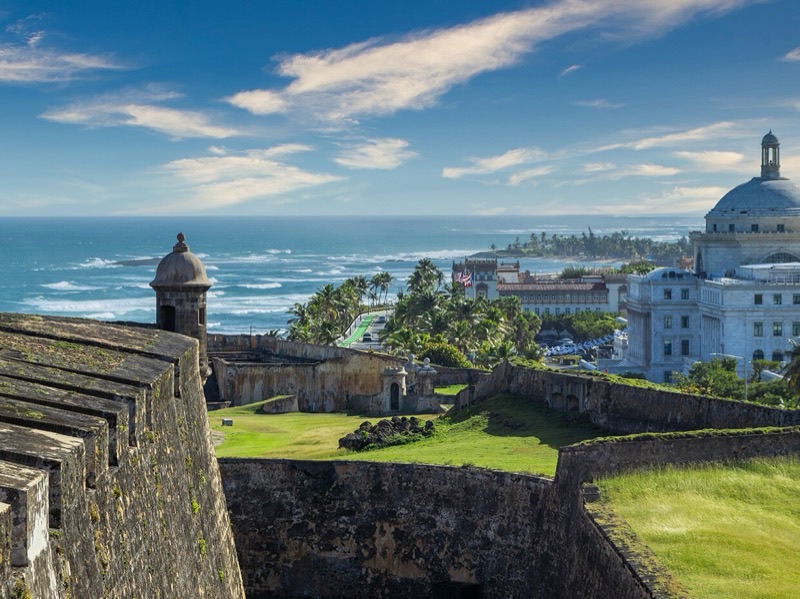
Puerto Rico's culture is a distinct blend of Taino Indigenous heritage, Spanish colonial history, African influences, and more recent American connections. Old San Juan is a UNESCO World Heritage site, home to historic forts like El Morro and San Cristobal, with entry fees around $10 USD for both. The colorful colonial architecture, salsa music heard on the streets, and local festivals like San Sebastian Street Festival (January) show a vibrant public life. The language is Spanish, but English is widely spoken due to its US territory status. The art scene in Santurce and the culinary traditions reflect this layered heritage. Tabiji verdict: Argentina offers a more distinct and extensive cultural landscape with a deeper sense of historical continuity and unique artistic expressions.
- Winner: Argentina
- Why: Argentina offers a more distinct cultural identity with deep European roots, iconic tango, and a rich history that feels less diluted by external influences.
- Who this matters for: History buffs, art and literature enthusiasts, dance lovers, those seeking profound cultural immersion
🥩 Food & Drink
Argentine cuisine is heavily meat-focused, particularly beef, cooked on a parrilla (grill). A bife de chorizo (sirloin steak) at a reputable restaurant in Buenos Aires is a core…
Argentina

Puerto Rico
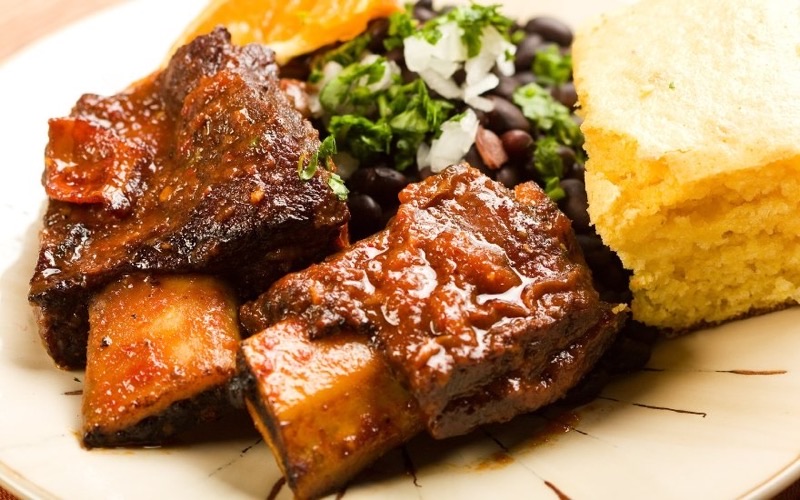
Argentine cuisine is heavily meat-focused, particularly beef, cooked on a parrilla (grill). A bife de chorizo (sirloin steak) at a reputable restaurant in Buenos Aires is a core experience. Empanadas, choripán (grilled sausage sandwich), and dulce de leche are everyday staples. Italian immigration has left a strong mark, so good pasta and ice cream (helado) are common. The Mendoza region produces excellent Malbec wine, with vineyard tours and tastings often costing 20,000-40,000 ARS ($20-40 USD). A casual lunch can be 8,000-15,000 ARS ($8-15 USD), while a dinner with wine might be 20,000-40,000 ARS ($20-40 USD). Vegetarians will find fewer options outside of major cities, but Buenos Aires has expanded its plant-based offerings.
Puerto Rican food blends indigenous Taino ingredients, Spanish cooking methods, and African flavors. Mofongo (fried plantain dish) is a signature item, often filled with meat or seafood. Lechón (roast pork) is a weekend favorite, especially from roadside lechoneras like Guavate. Fresh seafood, bacalaitos (cod fritters), and arroz con gandules (rice with pigeon peas) are common. The legal drinking age is 18, and rum is prominent, with distilleries like Casa Bacardi offering tours for $20-45 USD. Meals at local kiosks (chinchorros) can be $5-10 USD, while sit-down restaurants range from $15-30 USD per entree. Tabiji verdict: Argentina's parrilla culture and world-class Malbec offer a more distinct and satisfying culinary experience for many palates.
- Winner: Argentina
- Why: Argentina's dedication to expertly grilled meats and its renowned Malbec wine provide a distinct and high-quality culinary focus.
- Who this matters for: Meat lovers, wine enthusiasts, those who appreciate Italian-influenced comfort food
🏖️ Beaches
Argentina is not primarily known for its beaches. The Atlantic coast, particularly around Mar del Plata, offers popular local beaches during the summer (December-February), but…
Argentina is not primarily known for its beaches. The Atlantic coast, particularly around Mar del Plata, offers popular local beaches during the summer (December-February), but they are often crowded and the water is cooler and less clear than Caribbean alternatives. Other coastal towns like Pinamar or Cariló cater more to Argentinian families. While there are some quieter spots along the Patagonian coast, they are often remote and not designed for typical beach holidays, more for wildlife viewing or dramatic scenery. Expect no turquoise waters or soft, powdery sand that would compete with tropical destinations. Beach activities are largely sunbathing and simple swimming.
Puerto Rico is synonymous with beaches. From the calm, clear waters of Flamenco Beach on Culebra (often ranked among the best in the world) to the surf breaks on the west coast around Rincón, there is a beach for every preference. Luquillo Beach near El Yunque offers calm waters suitable for families, while Condado Beach in San Juan provides urban beach access. Many beaches are free to access, with some offering chair and umbrella rentals for $10-20 USD. Snorkeling, paddleboarding, and surfing are common activities. The warm, consistent Caribbean water temperatures make year-round swimming pleasant. Tabiji verdict: Puerto Rico's abundant, high-quality, and easily accessible beaches make it the unequivocal choice for a beach-focused trip.
- Winner: Puerto Rico
- Why: Puerto Rico boasts numerous stunning, warm-water beaches suitable for swimming, sunbathing, and watersports, making it a primary beach destination.
- Who this matters for: Beach lovers, families with children, watersports enthusiasts, those seeking tropical relaxation
🛡️ Safety
Argentina, particularly in major cities like Buenos Aires, requires awareness regarding petty crime such as pickpocketing and bag snatching, especially in crowded tourist zones…
Argentina, particularly in major cities like Buenos Aires, requires awareness regarding petty crime such as pickpocketing and bag snatching, especially in crowded tourist zones like La Boca or San Telmo. Taxis should be official (radio taxi) to avoid scams. While violent crime against tourists is less common, it does occur. Economic instability can lead to occasional public demonstrations, which are generally peaceful but can disrupt transport. Outside of major cities, especially in Patagonia, safety concerns are minimal, primarily related to outdoor conditions. Basic precautions like keeping valuables out of sight and being aware of surroundings are sufficient.
Puerto Rico, while generally safe for tourists, also has its share of petty crime in tourist areas like Old San Juan and Condado. Rental car break-ins are reported, so avoid leaving valuables visible. Violent crime rates are higher in certain local neighborhoods not frequented by tourists, similar to many US cities. Drug-related crime is present but rarely targets tourists. Hurricanes can pose a safety risk during the Atlantic hurricane season (June-November). Overall, exercising common sense and caution is advisable, similar to traveling in a US city. Tabiji verdict: Both destinations require similar levels of common sense and awareness regarding petty crime, with neither standing out as significantly safer than the other.
- Winner: Tie
- Why: Both destinations present similar low-level safety concerns for tourists, primarily petty theft, requiring standard travel precautions.
- Who this matters for: All travelers, but particularly solo travelers and families with young children
🚗 Getting Around
Argentina's vastness means getting around depends on your destination. For inter-city travel, the long-distance bus system is excellent, offering comfortable cama (bed) or…
Argentina's vastness means getting around depends on your destination. For inter-city travel, the long-distance bus system is excellent, offering comfortable cama (bed) or semi-cama seats for overnight journeys (e.g., Buenos Aires to Mendoza can be 12-14 hours, 30,000-60,000 ARS or $30-60 USD). Domestic flights (e.g., Aerolineas Argentinas) are essential for covering distances to Patagonia or Iguazu, with flights from Buenos Aires to El Calafate taking around 3 hours and costing $100-300 USD. Within cities like Buenos Aires, the subte (subway) and colectivo (bus) are efficient and very cheap. Taxis and ride-shares (Uber, Cabify) are also available and reasonably priced. Roads are generally good on main routes.
In Puerto Rico, a rental car is almost a necessity if you plan to explore beyond San Juan. Rental cars typically cost $40-70 USD per day. Roads are generally well-maintained, but traffic can be heavy, especially around San Juan. Public transportation outside of the capital (which has a limited train system, Tren Urbano, and bus network) is sparse and unreliable. Ride-sharing services like Uber are available in San Juan and some other larger towns but less common in rural areas. Taxis are available but can be expensive for longer distances. Tabiji verdict: Argentina offers more diverse and cost-effective transportation options for covering its large distances, making travel accessible without always needing a rental car.
- Winner: Argentina
- Why: Argentina's comprehensive and affordable long-distance bus network, combined with cheap city transport, offers more flexible and budget-friendly travel options.
- Who this matters for: Budget travelers, those who prefer not to drive, travelers covering large distances
🌃 Nightlife
Argentina's nightlife, especially in Buenos Aires, is legendary for its late hours and social energy. Porteños (Buenos Aires residents) typically dine around 9-10 PM, head to bars…
Argentina's nightlife, especially in Buenos Aires, is legendary for its late hours and social energy. Porteños (Buenos Aires residents) typically dine around 9-10 PM, head to bars (bares) around midnight, and then to clubs (boliches) which often don't get busy until 2-3 AM and stay open until sunrise. Palermo Hollywood and Palermo Soho are areas dense with stylish bars and clubs. Recoleta and San Telmo offer more traditional pubs and tango venues. A craft beer might cost 3,000-5,000 ARS ($3-5 USD), and club entry can be 5,000-10,000 ARS ($5-10 USD). Mendoza also has a lively bar scene. Tango shows, with or without dinner, provide a structured evening entertainment option.
Puerto Rico offers a varied nightlife, primarily centered in San Juan. Old San Juan has numerous bars, some with live salsa music, where you can find locals dancing late into the night. The Condado and Santurce districts have more upscale clubs and lounges, along with casinos for gaming. Expect a beer to cost $5-8 USD and a cocktail $10-15 USD. There are also beach bars, especially in areas like Rincón, offering more relaxed vibes. While there is plenty to do, the scene generally starts and ends earlier than in Buenos Aires. Tabiji verdict: Argentina, specifically Buenos Aires, provides a more extensive, later, and culturally ingrained nightlife experience.
- Winner: Argentina
- Why: Argentina's capital, Buenos Aires, boasts a renowned late-night culture with abundant options from tango shows to large clubs that stay open until dawn.
- Who this matters for: Party-goers, night owls, those seeking social interaction and dance
🛌 Accommodation
Accommodation in Argentina offers excellent value across all price points. Hostels in Buenos Aires or Mendoza can be found for 8,000-15,000 ARS ($8-15 USD) for a dorm bed.…
Accommodation in Argentina offers excellent value across all price points. Hostels in Buenos Aires or Mendoza can be found for 8,000-15,000 ARS ($8-15 USD) for a dorm bed. Mid-range hotels, offering private rooms and amenities, typically cost 30,000-60,000 ARS ($30-60 USD) per night in major cities. Even boutique hotels or Airbnbs for an entire apartment can be found for 60,000-120,000 ARS ($60-120 USD), providing significant comfort for the price. Outside of peak season in Patagonia, prices can be even lower. Advance booking is advisable for popular destinations and during peak season.
Puerto Rico's accommodation costs are considerably higher. A hostel dorm bed in San Juan might be $35-50 USD. Budget hotels are scarce, and many visitors opt for Airbnbs, which can start from $100-180 USD per night for a basic apartment outside prime areas. Mid-range hotels in San Juan or beach towns typically range from $180-300 USD per night. Resorts along the coast can easily exceed $300-500 USD per night. The demand for accommodation, especially during high season (winter) or around holidays, drives prices up. Tabiji verdict: Argentina provides far better value and more diverse budget-friendly options for accommodation, allowing travelers to stay longer or upgrade their lodging experience.
- Winner: Argentina
- Why: Argentina offers significantly more affordable and diverse accommodation options, from hostels to boutique hotels, providing greater value for money.
- Who this matters for: Budget travelers, digital nomads, those who appreciate comfortable lodging without excessive spending
🎯 The Decision Framework
Choose Argentina If…
- You want to spend less than $70/day on average.
- You dream of hiking in Patagonia or seeing massive glaciers.
- You enjoy late dinners, Malbec wine, and tango shows.
- You have at least 10-14 days to explore a large country.
- You want to immerse yourself in a distinct European-South American culture.
- You are comfortable speaking or learning some Spanish.
- You prefer expansive natural areas over tropical beaches.
- You appreciate world-class steak and robust red wines.
Choose Puerto Rico If…
- You need direct, short flights from the United States.
- You prioritize warm, clear water beaches and tropical relaxation.
- You prefer a destination where English is widely spoken alongside Spanish.
- You have a shorter trip, perhaps 5-7 days.
- You want a mix of Caribbean and US influences with a touch of historic charm.
- You are interested in bioluminescent bays and rainforest hiking.
- You are willing to spend $80-150+/day for comfort and convenience.
- You appreciate fresh seafood, plantain dishes, and rum cocktails.
📅 Sample Itineraries
Weekend in Argentina (3 Days)
💡 For local transport in Buenos Aires, purchase a SUBE card for about $3 and load it with funds; individual rides cost less than $1, saving money on taxis.
Weekend in Puerto Rico (3 Days)
💡 Rent a car for at least a day to explore beyond San Juan; rates can start from $40-60 per day, providing flexibility for El Yunque and other coastal towns.
One Week in Argentina (7 Days)
💡 Book internal flights well in advance, especially for popular routes like Iguazu Falls or Mendoza, to secure better prices, often saving $50-100 per leg.
One Week in Puerto Rico (7 Days)
💡 If visiting Vieques or Culebra, book ferry tickets or flights several weeks ahead, especially for weekends, as they sell out quickly and provide significant savings over last-minute options.
❓ Frequently Asked Questions
What is the typical flight time from the US to Argentina versus Puerto Rico?
Flights from major US cities to Buenos Aires, Argentina (EZE) typically range from 9-11 hours direct, or 12-14+ hours with a layover. To San Juan, Puerto Rico (SJU), direct flights are much shorter, usually 3-5 hours from the East Coast and Midwest, making it a quicker option for US travelers.
Which destination is better for a budget traveler?
Argentina is a significantly more budget-friendly destination. Daily expenses for food, accommodation, and transport can average $40-70 USD. Puerto Rico's costs are closer to US domestic travel, with daily budgets generally ranging from $80-150 USD.
Do I need to speak Spanish to travel in these countries?
In Argentina, while many people in major tourist areas speak some English, knowing basic Spanish is very helpful for deeper interactions and navigating outside main cities. In Puerto Rico, English is widely understood and spoken, especially in tourist zones, but Spanish is the primary language and useful for local immersion.
What kind of weather can I expect in each location?
Argentina, being in the Southern Hemisphere, has seasons opposite to the US; summer is December-February, winter is June-August. Its climate varies from subtropical in the north to arid and subpolar in Patagonia. Puerto Rico has a tropical climate year-round, with average temperatures around 80°F (27°C) and a wet season from June to November, which is also hurricane season.
Which destination offers better opportunities for outdoor adventure?
Argentina offers grander, more diverse outdoor adventures, including extensive hiking and glacier trekking in Patagonia, vast national parks, and Iguazu Falls. Puerto Rico provides tropical hiking in El Yunque rainforest, bioluminescent bay tours, and a range of watersports along its coastline.
Is a car rental necessary in either destination?
In Argentina, a car rental is not usually necessary as there's an excellent bus network for inter-city travel and cheap public transport in cities. In Puerto Rico, a car rental is highly recommended, if not essential, for exploring beyond San Juan's immediate vicinity and reaching natural attractions effectively.
What are the passport requirements for US citizens?
US citizens need a valid passport to enter Argentina. For Puerto Rico, which is a US territory, US citizens do not need a passport; a government-issued ID like a driver's license is sufficient for entry.
Which has better nightlife?
Argentina, particularly Buenos Aires, is renowned for its late-night culture. Bars and clubs (boliches) often open past midnight and stay lively until dawn, offering tango shows and a strong social scene. Puerto Rico's nightlife, mainly in San Juan, has lively salsa clubs and casinos but generally starts and ends earlier.
Ready to plan your South American or Caribbean trip?
Get a free custom itinerary for Argentina, Puerto Rico, or both — built from real traveler insights.
👥 Travelers Also Compared
🎟️ Book Tours & Experiences
Hand-picked tours and activities for both destinations — book with free cancellation
Experiences via Viator — free cancellation on most tours