How we built this comparison
This page combines traveler discussion patterns, published price ranges, flight schedules, and seasonal data to help you decide between Argentina and South Africa.
- Reviewed 50+ Reddit threads from r/travel, r/solotravel, r/Argentina, and r/SouthAfricaTravel for firsthand accounts.
- Verified costs and logistics against current booking platforms (e.g., Skyscanner, Booking.com, local tour operators).
- Cross-referenced seasonal patterns, weather data, and safety advisories from government and traveler resources.
⚡ Quick Answers
⚡ The TL;DR Verdict
Argentina generally offers a more budget-friendly South American adventure with a daily spend between $50-100, focusing on culture, food, and natural landscapes. South Africa provides exceptional wildlife viewing and coastal experiences, but at a higher cost, typically $70-150 per day without high-end safaris. For most travelers seeking value and diverse experiences, Argentina edges out South Africa, especially for those prioritizing urban exploration and extended road trips over solely wildlife encounters.
- Choose Argentina: You want an affordable, diverse trip mixing city culture, hiking in Patagonia, and wine regions, without focusing solely on safari animals.
- Choose South Africa: You prioritize encountering African wildlife on safari, enjoy coastal drives, and are comfortable with a higher budget for accommodations and activities.
- Choose Both: If you have a minimum of 4-6 weeks and a substantial budget, both countries offer distinct experiences that combine well for a grand Southern Hemisphere adventure.
Choose Argentina
Choose Argentina if you're seeking a vibrant, budget-friendly journey ($50-100 daily) through diverse landscapes and rich culture. It's perfect for travelers eager to explore the bustling barrios of Buenos Aires, trek the stunning peaks of Patagonia, or indulge in Malbec from Mendoza, all without breaking the bank. Best for adventurers prioritizing epic road trips, hiking, and culinary delights over high-cost safaris.
Choose South Africa
Opt for South Africa if your dream trip involves unparalleled wildlife encounters and breathtaking coastal scenery, even with a higher daily budget ($70-150). It's ideal for those yearning for a safari in Kruger National Park, driving the scenic Garden Route, or exploring the vibrant culture of Cape Town. Best for wildlife enthusiasts and luxury seekers who value iconic African experiences and diverse landscapes.
📊 Visual Scorecard
🌤 When to Visit
Average high temperatures (°C). Green = best months, orange = avoid.
Quick Comparison
| Category | Argentina | South Africa | Winner |
|---|---|---|---|
| Costs & Budget | Generally more budget-friendly due to inflation; good value on food and accommodation outside Buenos Aires. | Higher cost for safaris and Cape Town; car rental is common, but fuel costs add up. | Argentina |
| Nature & Wildlife | Patagonia's glaciers, Iguazu Falls, wetlands of Ibera, Andes mountains for hiking and scenery. | Kruger National Park for big game safari, Drakensberg mountains, coastal drives, Table Mountain. | South Africa |
| Food & Drink | World-famous beef, Malbec wine, empanadas, dulce de leche, Italian influences. | Braai (BBQ), bobotie, biltong, diverse seafood, excellent wines from Stellenbosch/Franschhoek. | Argentina |
| City Exploration | Buenos Aires offers European architecture, tango halls, museums, Palermo's parks and nightlife. | Cape Town's Table Mountain, V&A Waterfront, Bo-Kaap district; Johannesburg's Soweto history. | Argentina |
| Safety & Logistics | Generally safe for tourists with common precautions; petty theft in cities. Good bus network. | Higher crime rates require more vigilance, especially in cities. Car rental recommended for flexibility. | Argentina |
| Adventure & Activities | Patagonian trekking, glacier viewing, horseback riding, white-water rafting, tango dancing. | Safari game drives, shark cage diving, Table Mountain hiking, surfing, bungee jumping. | Tie |
| Getting There & Around | Long-haul flights to Buenos Aires (EZE). Excellent long-distance bus system. Domestic flights can be expensive. | Long-haul flights to Johannesburg (JNB) or Cape Town (CPT). Car rental is often necessary; less developed bus network. | Argentina |
| Culture & History | Tango, gaucho traditions, European architectural influences, Italian and Spanish heritage, Malbec wine culture. | Apartheid history, diverse ethnic groups (Zulu, Xhosa, Afrikaans), Cape Malay culture, Nelson Mandela's legacy. | South Africa |
| Nightlife & Entertainment | Buenos Aires: late-night dining, bars, tango shows, bolichas (clubs). Mendoza: wine bars. | Cape Town: lively bar and club scene. Johannesburg: Maboneng Precinct, live music. | Argentina |
| Best Travel Season | Southern Hemisphere seasons. Patagonia (Oct-Apr). Iguazu (year-round but hot in summer). Buenos Aires (Spring/Fall). | Southern Hemisphere seasons. Safari (May-Oct dry season). Cape Town/Garden Route (Sep-Apr dry summer). | Tie |
💸 Costs & Budget
Argentina, despite its economic volatility, generally offers better value for budget-conscious travelers. Accommodation in Buenos Aires can range from $30-70 USD for a clean…
Argentina
South Africa
Argentina, despite its economic volatility, generally offers better value for budget-conscious travelers. Accommodation in Buenos Aires can range from $30-70 USD for a clean hostel or a simple hotel room, with daily food expenses around $15-30 USD for meals at parrilladas like Don Julio or local empanada joints. Long-distance buses are economical, connecting major regions for under $50-80 USD for a comfortable overnight journey. Activities like tango shows might cost $40-80 USD with dinner, while national park entrances, such as Los Glaciares, are around 25,000 ARS ($25-30 USD), making a daily budget of $50-100 USD feasible for a comfortable mid-range trip.
South Africa presents a higher cost of travel, particularly if safari is a main focus. A mid-range safari in Kruger National Park can cost $200-500 USD per person per day, excluding park fees. Accommodation in Cape Town averages $60-120 USD for a decent hotel, and meals can range from $20-50 USD per day for casual dining. Car rental for a Garden Route trip might be $25-40 USD per day, plus fuel. Daily expenses, excluding major safaris, often fall between $70-150 USD, making it a pricier option for extended stays. For travelers counting their pennies, Argentina gives more room to stretch a budget.
- Winner: Argentina
- Why: Argentina offers lower overall travel costs for accommodation, food, and local transportation, providing better value.
- Who this matters for: Budget travelers, long-term backpackers, and those preferring to save money for experiences.
⛰️ Nature & Wildlife
Argentina's natural draw includes the vast Patagonian region, offering dramatic landscapes of glaciers like Perito Moreno near El Calafate, and mountain trekking around El…
Argentina
South Africa
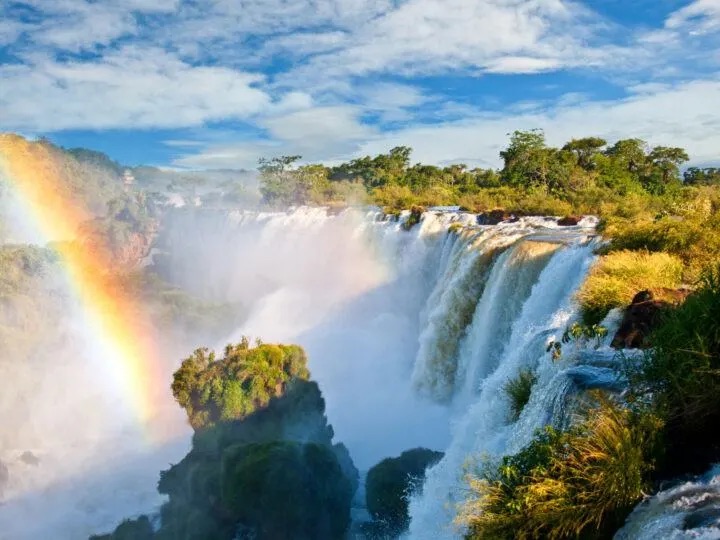
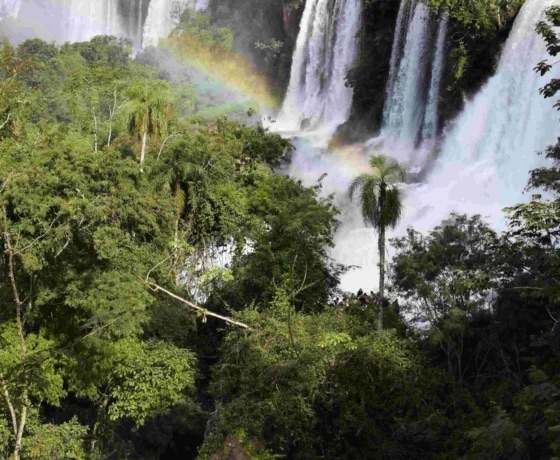
Argentina's natural draw includes the vast Patagonian region, offering dramatic landscapes of glaciers like Perito Moreno near El Calafate, and mountain trekking around El Chalten. Iguazu Falls, shared with Brazil, is a colossal waterfall system. The Esteros del Ibera wetlands in the northeast provide opportunities to see capybaras, caimans, and diverse bird species. While impressive, Argentinas wildlife viewing is often less concentrated and less 'big game' focused than what Africa offers, primarily consisting of marine mammals along the coast, guanacos, and Andean condors in the mountains.
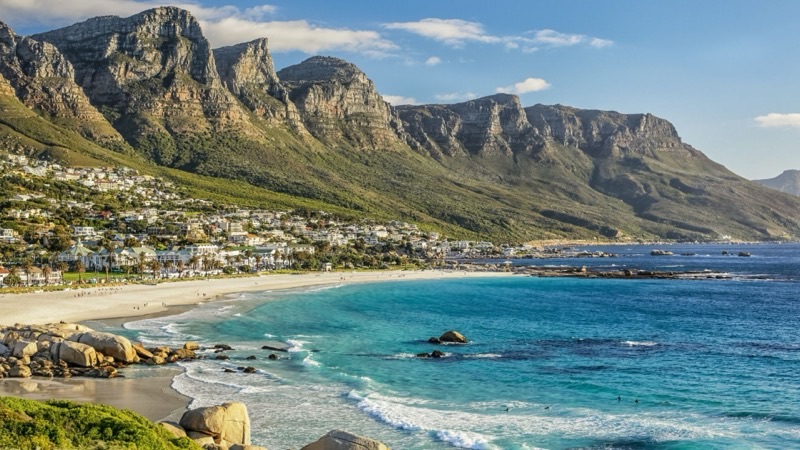
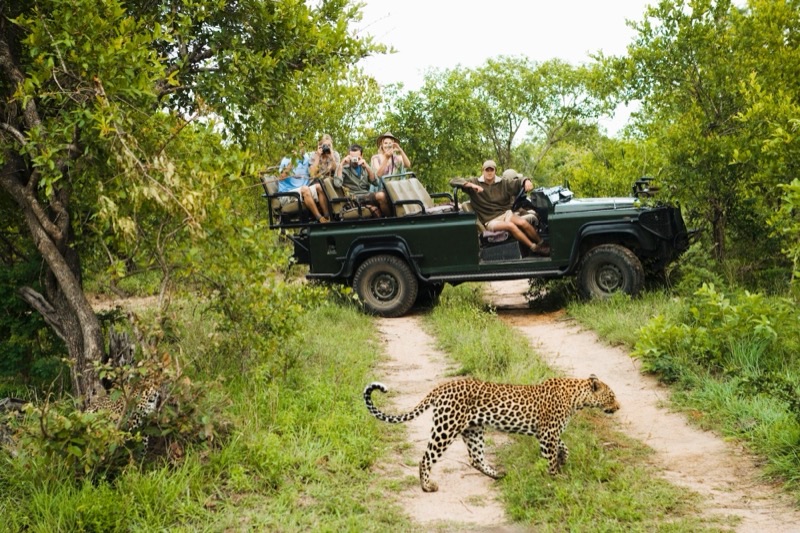
South Africa excels in large mammal encounters. Kruger National Park is a premier destination for spotting the 'Big Five' (lion, leopard, elephant, rhino, buffalo) along with giraffes, zebras, and many antelope species. The Drakensberg mountains offer impressive landscapes and hiking opportunities, while the Cape Peninsula provides dramatic coastal views and marine life like penguins at Boulders Beach or seals at Hout Bay. The Garden Route combines forest, coast, and adventure activities. The sheer density and variety of large African animals easily give South Africa the edge for wildlife enthusiasts. For those seeking iconic wildlife interactions, South Africa delivers a more direct and impactful experience.
- Winner: South Africa
- Why: South Africa provides more accessible and concentrated opportunities for viewing large, iconic African wildlife, particularly through its renowned safari parks.
- Who this matters for: Wildlife photographers, safari enthusiasts, and travelers prioritizing big game encounters.
🥩 Food & Drink
Argentina's food scene centers heavily on its beef. An 'asado' at a Buenos Aires parrillada like El Pobre Luis can be an experience, with cuts like bife de chorizo or ojo de bife…
Argentina
South Africa
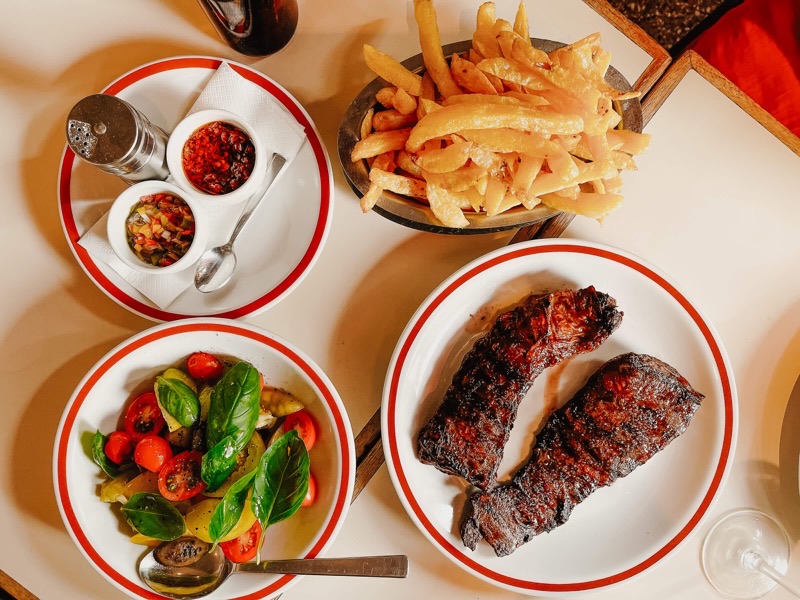
Argentina's food scene centers heavily on its beef. An 'asado' at a Buenos Aires parrillada like El Pobre Luis can be an experience, with cuts like bife de chorizo or ojo de bife costing 8,000-15,000 ARS ($8-15 USD) for a generous portion. Malbec wine from Mendoza is ubiquitous and affordable, with bottles under $10-15 USD common even at restaurants. Empanadas, choripan (sausage sandwich), and the sweet dulce de leche are daily staples. The Italian influence is strong, with excellent pizza and pasta widely available. Food is a central part of the culture, served late into the night.
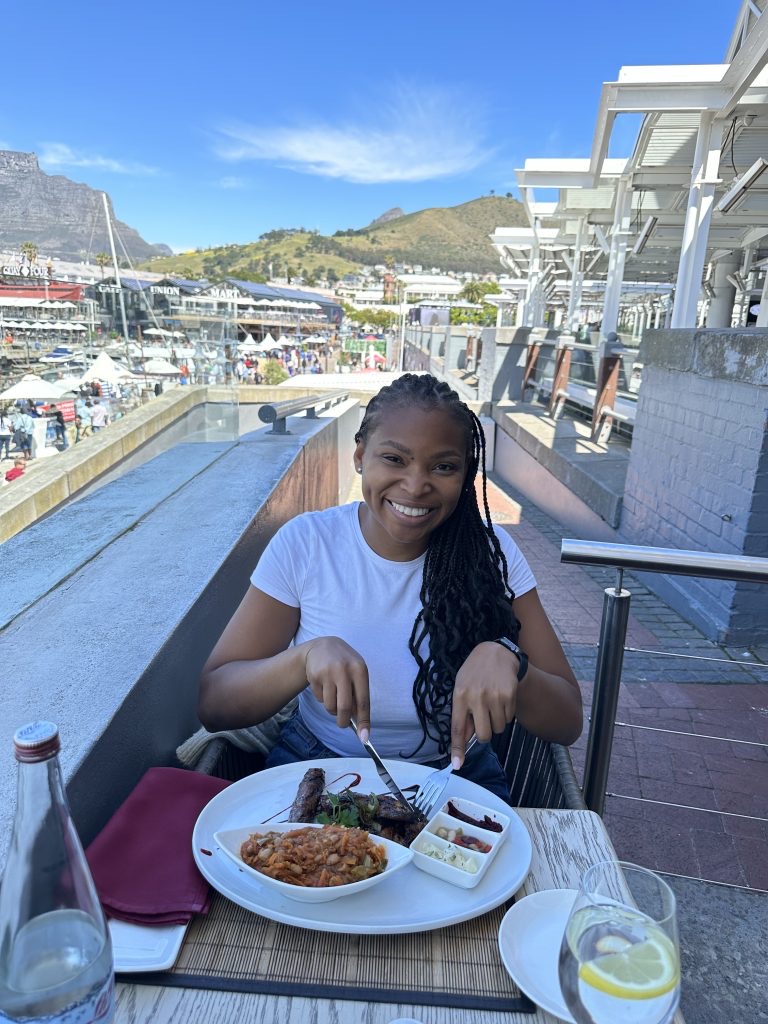
South Africa offers a diverse culinary landscape. The 'braai' (barbecue) is a national institution, featuring various meats and boerewors (sausage). Bobotie, a Cape Malay curried mince dish, is a comforting option. Biltong (dried meat) is a popular snack. Coastal regions provide fresh seafood, and the Western Cape's wine regions, like Stellenbosch, produce globally recognized wines. While the food is flavorful and varied, Argentina's dedication to high-quality, perfectly cooked beef, combined with its accessible and beloved Malbec, creates a more consistently rewarding dining experience for many. For carnivores and wine lovers, Argentina provides an unrivaled culinary focus.
- Winner: Argentina
- Why: Argentina's high-quality, affordable beef, excellent Malbec wine, and strong culinary traditions offer a more consistently satisfying food experience.
- Who this matters for: Meat lovers, wine enthusiasts, and those who enjoy a food-centric travel experience.
🏙️ City Exploration
Buenos Aires, Argentina's capital, provides a deep well of urban exploration. Neighborhoods like Recoleta showcase grand European architecture and the famous cemetery. San Telmo…
Argentina
South Africa
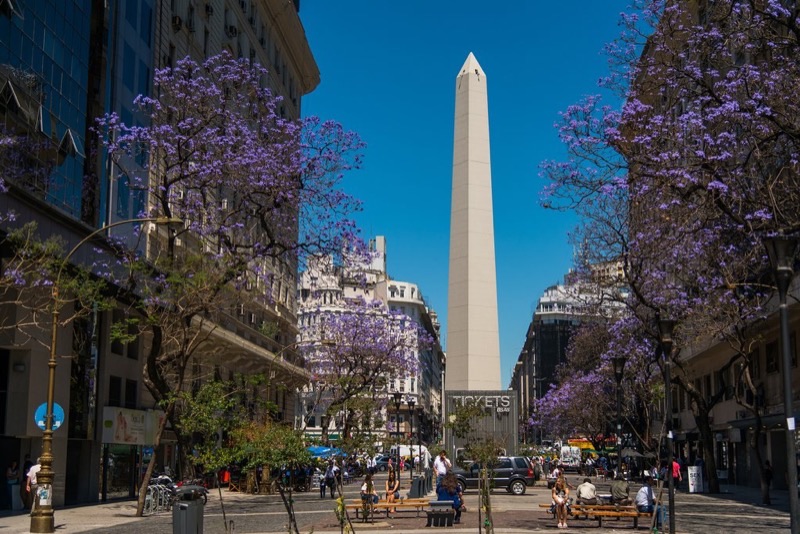
Buenos Aires, Argentina's capital, provides a deep well of urban exploration. Neighborhoods like Recoleta showcase grand European architecture and the famous cemetery. San Telmo holds its Sunday market with antiques and street performers. Palermo offers green spaces, stylish boutiques, and late-night dining. The city has a dense network of subways and buses, making navigation simple. Museums like MALBA (Latin American Art Museum of Buenos Aires) and the Colon Theatre offer cultural activities. The city feels walkable in many areas and has a palpable energy that extends late into the night. It is a city that rewards extended stays, with new discoveries around every corner.
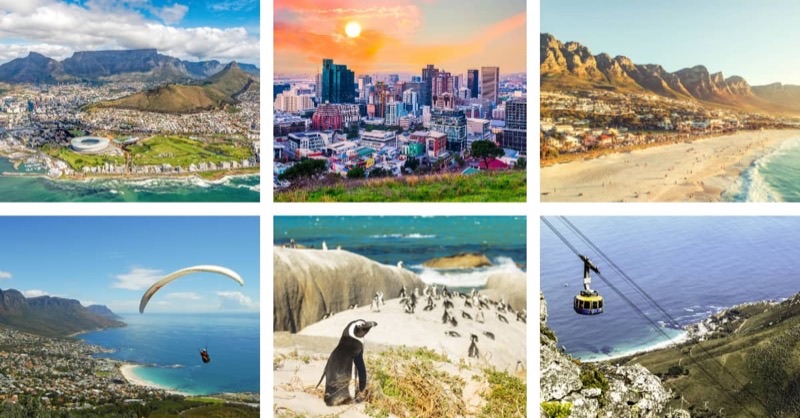
South Africa's major cities, Cape Town and Johannesburg, each offer distinct urban experiences. Cape Town is visually impressive, with Table Mountain dominating its skyline, a busy V&A Waterfront, and the colorful Bo-Kaap district. Robben Island provides historical insight. Johannesburg is a sprawling metropolis, with areas like Maboneng Precinct undergoing revitalization, but its historical tours often focus on the apartheid era in Soweto. While Cape Town is popular for its views and coastal setting, Buenos Aires offers a more classical, dense, and continually surprising urban experience, with a stronger emphasis on architecture, art, and a pervasive street culture that is easy to engage with. For deep urban immersion, Buenos Aires stands out.
- Winner: Argentina
- Why: Buenos Aires offers a more extensive and walkable urban environment with a deeper historical and cultural fabric for exploration.
- Who this matters for: City explorers, architecture enthusiasts, and those who enjoy cultural immersion within an urban setting.
⚠️ Safety & Logistics
Argentina generally presents a safer travel environment for tourists compared to South Africa. Petty crime like pickpocketing is a concern in crowded areas of Buenos Aires or…
Argentina

South Africa
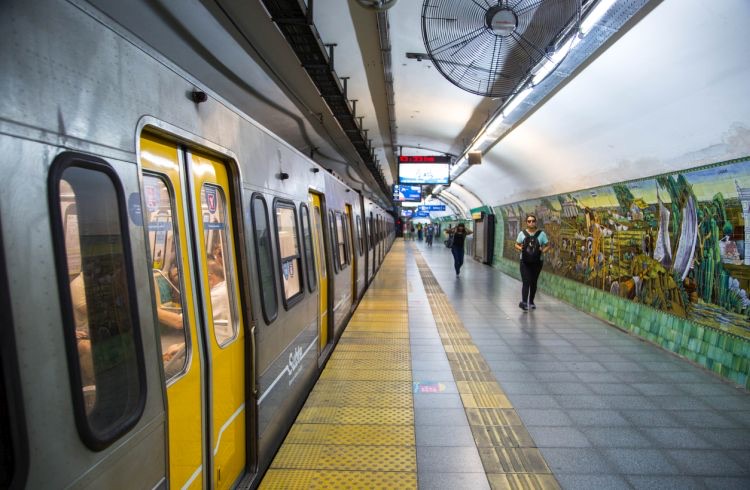
Argentina generally presents a safer travel environment for tourists compared to South Africa. Petty crime like pickpocketing is a concern in crowded areas of Buenos Aires or Mendoza, but violent crime against tourists is less common. Travelers should exercise standard caution, avoid walking alone at night in unfamiliar areas, and secure valuables. The country has an excellent long-distance bus system, making intercity travel comfortable and reliable. Internal flights are also available, though often pricier. Getting around major cities is straightforward with public transport and ride-sharing apps, contributing to overall logistical ease. Many travelers find Argentina easy to navigate independently.
South Africa requires a higher degree of vigilance regarding personal safety. While tourist areas in Cape Town or the Garden Route are generally secure, major cities like Johannesburg and even parts of Cape Town have higher rates of violent crime, including muggings and carjackings. Travelers are often advised against walking alone at night and to be aware of their surroundings at all times. Self-driving is a popular way to explore, especially for safaris and the Garden Route, but requires attention to road conditions and security practices. Public transport options between cities are less developed than Argentina's bus network, often necessitating car rental or domestic flights. For solo travelers or those less experienced with independent travel in regions with higher crime rates, Argentina offers a more relaxed experience. Argentina provides a less stressful travel environment from a safety perspective.
- Winner: Argentina
- Why: Argentina has lower overall crime rates and a more developed public transport network, making travel feel safer and easier.
- Who this matters for: Solo travelers, families with young children, and those prioritizing personal safety and ease of transit.
🧗 Adventure & Activities
Argentina offers a range of adventure activities, particularly concentrated in Patagonia. Trekking around Mount Fitz Roy in El Chalten or hiking on the Perito Moreno Glacier are…
Argentina offers a range of adventure activities, particularly concentrated in Patagonia. Trekking around Mount Fitz Roy in El Chalten or hiking on the Perito Moreno Glacier are top draws. Horseback riding with gauchos in the pampas, white-water rafting in Mendoza, and learning tango in Buenos Aires provide diverse experiences. Skiing in Bariloche during winter is also an option. The countrys size means these activities are spread out, requiring significant travel time between regions, but each region delivers specific, high-quality adventure opportunities for outdoor enthusiasts.
South Africa also delivers on adventure, with a focus on wildlife and marine experiences. Safari game drives in Kruger are a primary activity. For thrill-seekers, shark cage diving near Gansbaai, bungee jumping at Bloukrans Bridge, and surfing along the coast are popular. Hiking up Table Mountain in Cape Town offers impressive views. The Garden Route provides numerous options for zip-lining, kayaking, and forest walks. Both countries offer distinct adventure profiles. Argentina specializes in mountain and cultural adventures, while South Africa excels in wildlife-focused and extreme sports. Choosing between them depends entirely on your adventure preference, as both deliver equally compelling options.
- Winner: Tie
- Why: Both countries offer equally compelling and diverse adventure activities tailored to different interests, from trekking and tango in Argentina to safari and extreme sports in South Africa.
- Who this matters for: Travelers with specific adventure interests, as both countries excel in different types of activities.
✈️ Getting There & Around
Getting to Argentina typically involves long-haul flights into Ezeiza International Airport (EZE) in Buenos Aires. From North America or Europe, flights often take 10-14 hours…
Getting to Argentina typically involves long-haul flights into Ezeiza International Airport (EZE) in Buenos Aires. From North America or Europe, flights often take 10-14 hours direct or with one stop. Once in Argentina, the country boasts an extensive and comfortable long-distance bus system (omnibus) that serves as the backbone of intercity travel. Buses are reliable, offer varying classes of service (from semi-cama to full-cama with lie-flat seats), and are generally affordable, connecting major cities like Buenos Aires, Mendoza, Bariloche, and Salta for prices ranging from $30-80 USD. Domestic flights exist but can be significantly more expensive than buses, though they save time. Urban transport in Buenos Aires includes a metro system (Subte) and extensive bus lines.
South Africa also requires long-haul flights, primarily into O.R. Tambo International Airport (JNB) in Johannesburg or Cape Town International Airport (CPT). Flights from Europe are typically 10-12 hours, while from North America, they often involve a longer journey with connections, sometimes exceeding 20 hours. Once in the country, internal flights are a common way to cover long distances quickly. For exploring regions like the Garden Route or self-drive safaris, renting a car is almost essential for flexibility, costing around $25-40 USD per day plus significant fuel costs. Public intercity bus services exist (e.g., Intercape, Greyhound), but are less comprehensive and often less preferred by tourists due to safety concerns and comfort compared to Argentina's system. Argentina wins due to its more robust and traveler-friendly public transportation network that reduces the need for costly car rentals.
- Winner: Argentina
- Why: Argentina's comprehensive and comfortable long-distance bus network offers a more economical and accessible way to travel internally without needing a private vehicle.
- Who this matters for: Independent travelers, budget-conscious individuals, and those who prefer public transport over driving.
🎭 Culture & History
Argentina's culture reflects strong European influences, particularly from Spain and Italy, evident in its architecture, cuisine, and language. Buenos Aires itself often feels…
Argentina's culture reflects strong European influences, particularly from Spain and Italy, evident in its architecture, cuisine, and language. Buenos Aires itself often feels like a European capital. Tango, a dance and music form, is central to its identity, with shows and milongas (dance halls) found across the city. The gaucho culture, with its horsemanship and folk music, defines the countrys rural heritage. The history of colonialism and immigration shapes much of its identity. Museums and historical sites focus on political history and art, such as the Casa Rosada, Plaza de Mayo, and the National Museum of Fine Arts. The culture is rich and engaging, particularly for those interested in Latin American and European fusions.
South Africa offers a uniquely deep and complex cultural and historical experience, dominated by the legacy of apartheid. Sites like Robben Island (where Nelson Mandela was imprisoned), the District Six Museum in Cape Town, and the Apartheid Museum in Johannesburg provide moving and educational insights into its past. The country is a mosaic of different ethnic groups—Zulu, Xhosa, Ndebele, Afrikaans, Indian, and British—each contributing distinct languages, traditions, and art forms. Township tours offer a look into current community life and struggles, while the vibrant Cape Malay culture in Bo-Kaap adds another layer. The sheer weight and significance of South Africa's recent history, combined with its indigenous and colonial past, make it a more profound destination for cultural and historical exploration. South Africa's layered history provides a more impactful learning experience.
- Winner: South Africa
- Why: South Africa's recent apartheid history and its diverse ethnic cultural groups offer a more impactful and unique learning experience.
- Who this matters for: History buffs, those interested in social justice, and travelers seeking deep cultural insights into diverse societies.
🕺 Nightlife & Entertainment
Argentina, particularly Buenos Aires, is famous for its late-night culture. Dinner often starts around 9 or 10 PM, and bars fill up after midnight. 'Bolichas' (nightclubs) open…
Argentina, particularly Buenos Aires, is famous for its late-night culture. Dinner often starts around 9 or 10 PM, and bars fill up after midnight. 'Bolichas' (nightclubs) open late and can stay active until dawn, especially in Palermo. Tango shows, both tourist-oriented with dinner and more local milongas, offer a cultural evening. Neighborhoods like San Telmo and Palermo Soho are full of lively bars and pubs. Mendoza also has a relaxed nightlife centered around its wine bars and restaurants. The sheer energy and duration of Buenos Aires nightlife are hard to match anywhere else, creating a truly immersive experience.
South Africa's major cities offer entertainment options, but often require more planning or caution. Cape Town has a notable bar and club scene, particularly along Long Street and in areas like Camps Bay. Johannesburg's Maboneng Precinct has seen revitalization with art galleries, bars, and live music venues, drawing a local crowd. However, compared to Buenos Aires, the general atmosphere in South African cities, especially Johannesburg, can be more reserved due to safety concerns, and many establishments close earlier. Argentina provides a more consistently welcoming and extensive late-night experience. For those who enjoy staying out late without concern, Argentina offers more options and a more relaxed environment.
- Winner: Argentina
- Why: Argentina, especially Buenos Aires, offers a more pervasive, late-night, and generally safer entertainment scene with abundant bars, clubs, and cultural shows.
- Who this matters for: Party-goers, night owls, and those who enjoy late dinners and cultural performances.
☀️ Best Travel Season
Argentina, being a large country, has varied climates. Patagonia is best visited from October to April when temperatures are milder for hiking and glacier viewing. Iguazu Falls…
Argentina, being a large country, has varied climates. Patagonia is best visited from October to April when temperatures are milder for hiking and glacier viewing. Iguazu Falls can be visited year-round, but summer (Dec-Feb) is hot and humid. Buenos Aires is pleasant in spring (Sep-Nov) and fall (Mar-May), avoiding the summer heat and winter chill. Mendoza for wine harvesting is in late summer/early fall. Travelers often need to choose a specific region or accept varied conditions across a long trip, as it's difficult to find one 'perfect' season for the entire country.
South Africa also experiences Southern Hemisphere seasons. The dry winter months (May-October) are ideal for safari in Kruger National Park, as vegetation is sparse and animals gather around waterholes. Cape Town and the Garden Route are best enjoyed during the warmer, drier summer months (September-April) for beaches and outdoor activities. Similar to Argentina, optimizing a trip across the entire country requires considering regional variations. Both countries offer distinct seasonal advantages for different activities, making it a matter of preference rather than one having a universally 'better' travel season. Both destinations offer distinct peak seasons for their main attractions.
- Winner: Tie
- Why: Both countries have varied climates and optimal seasons for their specific main attractions, making the 'best' time dependent on traveler priorities.
- Who this matters for: Travelers with specific activity interests (e.g., safari vs. hiking) who can tailor their trip to the relevant peak season.
🎯 The Decision Framework
Choose Argentina If…
- You want to trek among glaciers and mountains in Patagonia.
- You enjoy late-night dinners and experiencing vibrant city culture.
- You prioritize delicious, affordable beef and Malbec wine.
- You prefer traveling by comfortable, economical long-distance buses.
- You seek a generally safer environment for independent exploration.
- You are on a tighter budget and want your money to go further.
- You appreciate strong European cultural influences in a South American setting.
- You want to learn to dance tango in its birthplace.
Choose South Africa If…
- You dream of seeing the 'Big Five' on an African safari.
- You are interested in the impactful history of apartheid and Nelson Mandela.
- You prefer driving yourself through scenic coastal routes like the Garden Route.
- You enjoy shark cage diving or other extreme marine activities.
- You want to explore diverse cultural traditions from Zulu to Cape Malay.
- You are comfortable with a higher daily travel budget.
- You seek dramatic coastal landscapes and iconic landmarks like Table Mountain.
- You prioritize encountering large, wild animals in their natural habitat.
📅 Sample Itineraries
Weekend in Buenos Aires (3 Days)
💡 Purchase a SUBE card for local transport upon arrival; it costs about $2 and significantly reduces bus and subway fares to under $1 per ride.
Weekend in Cape Town (3 Days)
💡 Book your Table Mountain Cableway tickets online in advance to skip queues and potentially save a few dollars during peak season.
One Week in Argentina (7 Days)
💡 For Patagonia, pack layers and sturdy hiking boots. Book glacier tours and domestic flights well in advance, especially for high season (November-March) to secure better prices and availability.
One Week in South Africa (7 Days)
💡 Renting a car for the Garden Route is highly recommended for flexibility; fuel is relatively inexpensive, and roads are well-maintained. Always keep valuables out of sight.
❓ Frequently Asked Questions
What are the typical flight times from major hubs to Argentina or South Africa?
Flights from major North American or European hubs to Buenos Aires (EZE) typically range from 10 to 14 hours. For South Africa, flights to Johannesburg (JNB) or Cape Town (CPT) usually take 10-15 hours from Europe, and often 18-24 hours or more from North America due to layovers.
Are visas required for U.S. citizens traveling to Argentina or South Africa?
U.S. citizens do not generally need a visa for tourist stays up to 90 days in Argentina. Similarly, U.S. citizens do not require a visa for tourist visits up to 90 days in South Africa. Always check the latest requirements before travel.
Which country is better for solo female travelers?
Argentina generally offers a more comfortable experience for solo female travelers due to lower violent crime rates. While precautions are always necessary in any country, the public transport network and vibrant social scene in Argentina can make solo navigation feel less daunting than in some parts of South Africa, where safety concerns are more pronounced.
What vaccinations are recommended for these destinations?
For both Argentina and South Africa, routine vaccinations (MMR, DTaP, Chickenpox, Polio, Flu) are always recommended. Additionally, Hepatitis A and Typhoid are often suggested. Yellow Fever may be required if traveling from an endemic area, and it is recommended for some parts of Argentina (like Iguazu) and South Africa (though low risk). Consult a travel doctor 6-8 weeks prior to departure.
Is car rental a good idea in both countries?
Car rental is highly recommended in South Africa, especially for exploring the Garden Route and for self-drive safaris in Kruger National Park, offering flexibility and access to remote areas. In Argentina, car rental is less essential due to the excellent long-distance bus network, though it can be useful for specific regional exploration, like parts of Patagonia or the Salta region.
What are the common languages spoken in Argentina and South Africa?
In Argentina, Spanish is the official and primary language, with English commonly understood in tourist areas. South Africa has 11 official languages, including Zulu, Xhosa, Afrikaans, and English. English is widely spoken and understood, particularly in urban centers and tourist zones, making it relatively easy for English-speaking travelers to communicate.
How long should I plan for a trip to each country?
For a comprehensive trip to Argentina covering a few regions like Buenos Aires, Patagonia, and Mendoza, plan for at least 2-3 weeks. For South Africa, a good itinerary covering Cape Town, the Garden Route, and a safari in Kruger typically requires 2-3 weeks. Both countries are large and benefit from longer stays.
What are the key currency differences and payment methods?
Argentina uses the Argentine Peso (ARS). Due to high inflation, cash (USD is often preferred by locals at unofficial exchange rates) is commonly used, though credit cards are accepted in many places. South Africa uses the Rand (ZAR). Credit and debit cards are widely accepted, especially in urban and tourist areas, but carrying some cash for smaller vendors or rural areas is advisable.
Ready to plan your South American or African trip?
Get a free custom itinerary for Argentina, South Africa, or both — built from real traveler insights.
👥 Travelers Also Compared
🎟️ Book Tours & Experiences
Hand-picked tours and activities for both destinations — book with free cancellation
Experiences via Viator — free cancellation on most tours