How we built this comparison
This page combines traveler discussion patterns, published price ranges, flight schedules, and seasonal data to help you decide between Argentina and Spain.
- Reviewed 100+ Reddit threads from r/travel, r/solotravel, r/Argentina, r/Spain, r/BuenosAires
- Verified costs and logistics against current booking platforms like Google Flights, Booking.com, and local transport sites
- Cross-referenced seasonal patterns and weather data from meteorological sources for accurate climate information
⚡ Quick Answers
⚡ The TL;DR Verdict
For most travelers seeking a longer, more adventurous trip at a lower daily cost, Argentina is the clear choice. Spain suits those with less time, a higher budget, and who prioritize ease of travel within Europe. Budget-conscious adventurers should pick Argentina; convenience and established infrastructure point to Spain.
- Choose Argentina: You have 2+ weeks, want to stretch your budget significantly, enjoy hiking, meat, wine, and a slightly more challenging but rewarding travel experience.
- Choose Spain: You have 1-2 weeks, prioritize convenience, efficient public transport, diverse European culture, and are comfortable with higher European price points.
- Choose Both: Only if you have at least a month and a substantial travel budget. The long flights make combining them for shorter trips impractical and expensive.
Choose Argentina
Choose Argentina if you're an adventurous backpacker with 2+ weeks and a desire to stretch your budget significantly. Experience epic Patagonian treks around El Chaltén, savor incredible Malbec in Mendoza, and dive into Buenos Aires's passionate tango scene in San Telmo, all at a fantastic value. It's best for those seeking big experiences on a more modest daily spend.
Choose Spain
Opt for Spain if you have 1-2 weeks, appreciate seamless travel, and are comfortable with European price points. Indulge in vibrant tapas culture in Seville, marvel at Gaudi's masterpieces in Barcelona, and explore world-class art at Madrid's Prado Museum, all easily connected by efficient high-speed rail. It’s ideal for those seeking rich cultural immersion with maximum convenience and comfort.
📊 Visual Scorecard
🌤 When to Visit
Average high temperatures (°C). Green = best months, orange = avoid.
Quick Comparison
| Category | Argentina | Spain | Winner |
|---|---|---|---|
| Daily Costs & Budget | Significantly cheaper for almost everything, especially food, wine, and transport, due to local economic conditions and favorable exchange rates. | Typical Western European prices, higher than Argentina for most goods and services, but predictable and stable. | Argentina |
| Food & Drink | Meat-centric cuisine, world-class Malbec wine, and European influences like Italian pasta and pizza. | Mediterranean diet, tapas culture, paella, fresh seafood, and diverse regional dishes. | Argentina |
| Nature & Landscapes | Extreme diversity from glacial Patagonia to subtropical Iguazu Falls, high Andes, and vast pampas. | Varied scenery from Pyrenees mountains to Mediterranean beaches, volcanic Canary Islands, and arid plains. | Argentina |
| Culture & History | Strong European (especially Italian and Spanish) influences, tango, gaucho traditions, and a complex political history. | Centuries of Roman, Moorish, and Catholic history; distinct regional identities (Catalan, Basque); flamenco, and art. | Spain |
| Getting There | Long, expensive flights from North America and Europe, typically 10-15+ hours with layovers. | Relatively short and affordable flights from Europe, longer from North America but with more direct options. | Spain |
| Getting Around | Long-distance buses are the primary way to cover distances; domestic flights are available but can be expensive. City transport is generally good. | Extensive high-speed rail network, efficient regional buses, and well-developed city public transport. | Spain |
| Safety & Security | Generally safe with common urban crime (pickpocketing, petty theft), but economic instability can lead to protests. Awareness is key. | Very safe overall, with low rates of violent crime, but tourist hotspots see pickpocketing and scams. | Spain |
| Nightlife | Late-night culture, bars, discos, live music, and tango shows, especially in Buenos Aires. | Diverse nightlife from tapas bars and flamenco to nightclubs, varying by city and region. | Tie |
| Accommodation | Wide range of options from budget hostels to boutique hotels, generally at lower prices due to exchange rates. | Extensive selection from hostels to luxury hotels, paradores, and Airbnb, with typical European pricing. | Argentina |
| Weather & Seasons | Southern Hemisphere seasons (summer Dec-Feb, winter Jun-Aug), highly varied climate zones from subtropical to polar. | Northern Hemisphere seasons (summer Jun-Aug, winter Dec-Feb), predominantly Mediterranean, with Atlantic and alpine influences. | Tie |
💸 Daily Costs & Budget
Argentina, particularly for those exchanging USD at the 'blue dollar' rate (Dolar Blue), offers extreme value. A decent meal at a Buenos Aires parrillada like Don Julio can be…
Argentina
Spain
Argentina, particularly for those exchanging USD at the 'blue dollar' rate (Dolar Blue), offers extreme value. A decent meal at a Buenos Aires parrillada like Don Julio can be around 20,000-30,000 ARS ($20-30 USD), a metro ride is 80 ARS ($0.08 USD), and a bottle of good Malbec is 3,000-5,000 ARS ($3-5 USD). Daily budgets for comfortable travel (mid-range accommodation, meals out, activities) can easily stay within $40-80 USD per person. Hostels in popular areas like Palermo in Buenos Aires or Mendoza often cost $15-25 USD per night, while mid-range hotels are $60-100 USD.
Spain operates on typical Eurozone pricing. A casual tapas meal in Madrid or Seville might cost 15-25 EUR ($16-27 USD), a metro ticket is around 1.50-2.00 EUR ($1.60-2.15 USD), and a mid-range bottle of wine is 5-10 EUR ($5.50-11 USD). A comfortable daily budget usually ranges from $70-120 USD. Hostels in cities like Barcelona or Seville are 25-45 EUR ($27-49 USD) per night, and mid-range hotels are 80-150 EUR ($87-163 USD). Argentina wins this hands down for budget-conscious travelers.
- Winner: Argentina
- Why: Argentina provides a far lower daily cost, making travel accessible for longer periods.
- Who this matters for: Budget travelers, long-term backpackers, and anyone seeking maximum value for money.
🥩🍷 Food & Drink
Argentina's culinary identity revolves around its beef and wine. Parrilladas (steakhouses) are a core experience; establishments like La Cabrera in Buenos Aires serve cuts like…
Argentina
Spain
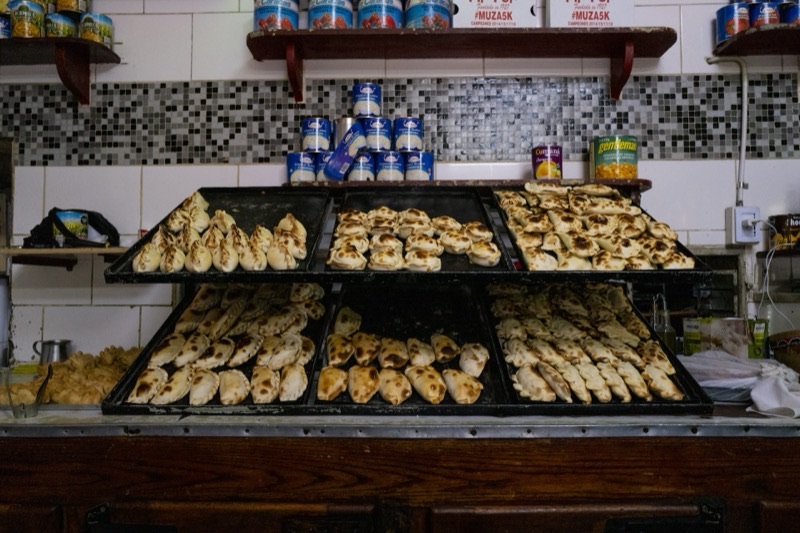
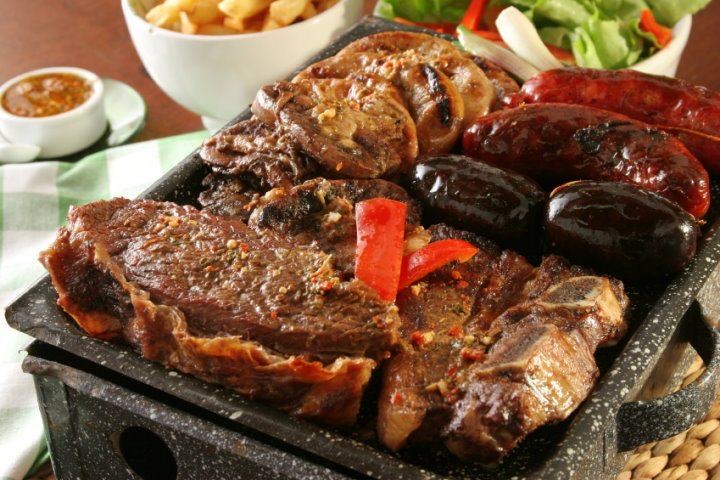
Argentina's culinary identity revolves around its beef and wine. Parrilladas (steakhouses) are a core experience; establishments like La Cabrera in Buenos Aires serve cuts like bife de chorizo (sirloin) for around 25,000-35,000 ARS ($25-35 USD). Empanadas are ubiquitous and cheap, often 500-800 ARS ($0.50-0.80 USD) each. Mendoza is the heart of Malbec production, offering tastings for 5,000-10,000 ARS ($5-10 USD) at wineries like Catena Zapata. Dulce de leche is a national obsession found everywhere, from alfajores to desserts. Italian immigration means excellent pasta and pizza are also widely available.
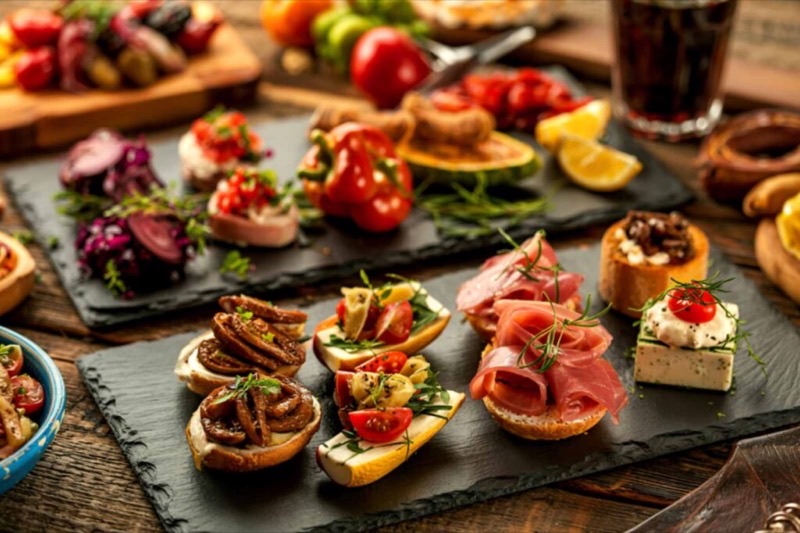
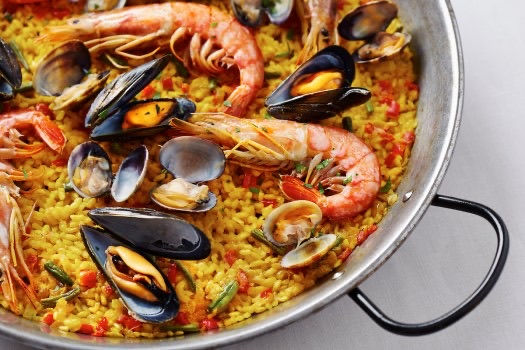
Spain offers a diverse array of regional foods. Tapas culture, especially in Andalusia, means small plates like patatas bravas or jamon serrano are common, often costing 3-8 EUR ($3.25-8.70 USD) per plate. Paella, particularly in Valencia, is a staple, with restaurant portions around 15-25 EUR ($16-27 USD). Seafood is fresh and abundant along the coasts. Spanish wines, like Rioja or Ribera del Duero, are excellent and affordable. The variety of cured meats, cheeses, and olive oils is impressive. However, for sheer value and the experience of top-tier steak and wine, Argentina offers a more impactful and unique culinary journey.
- Winner: Argentina
- Why: Argentina delivers an outstanding, unique, and incredibly affordable meat and wine experience.
- Who this matters for: Carnivores, wine enthusiasts, and those who appreciate hearty, flavorful meals at a low cost.
⛰️🌊 Nature & Landscapes
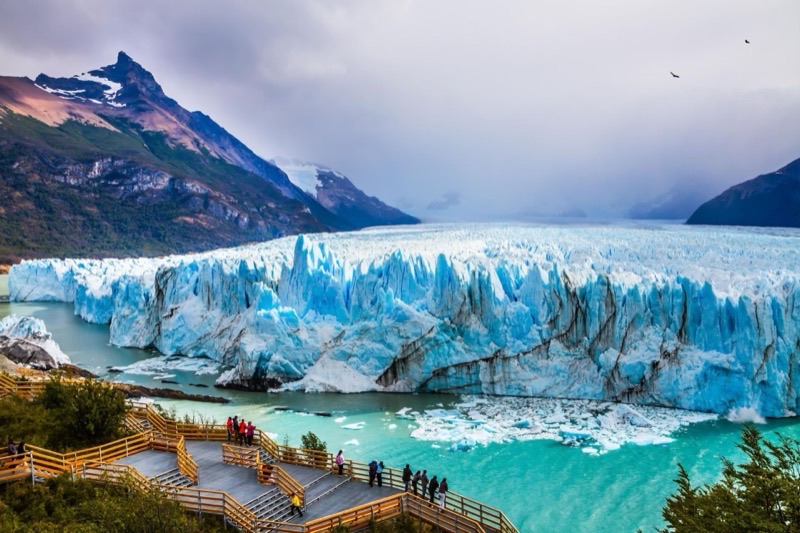
Argentina's natural environments are on a grand scale. Patagonia in the south features glaciers like Perito Moreno (entrance fee 12,000 ARS / $12 USD) and hiking in El Chalten…
Argentina
Spain
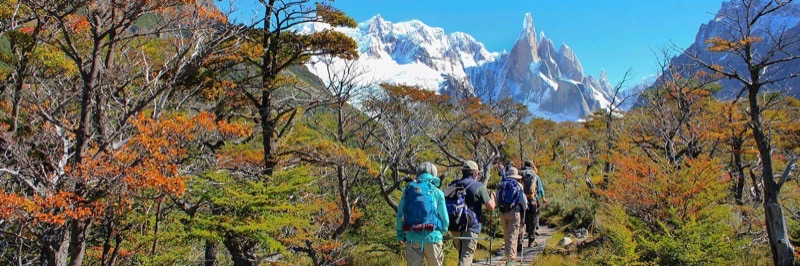
Argentina's natural environments are on a grand scale. Patagonia in the south features glaciers like Perito Moreno (entrance fee 12,000 ARS / $12 USD) and hiking in El Chalten (free, access to Fitz Roy and Cerro Torre trails). The Iguazu Falls, on the border with Brazil (entrance fee 8,000 ARS / $8 USD), are massive and immersive. The high altitude deserts of Salta and Jujuy offer surreal landscapes and salt flats. The Puna region has flamingos and multi-colored mountains. These are truly colossal, jaw-dropping natural features that demand significant travel time but deliver immense rewards.
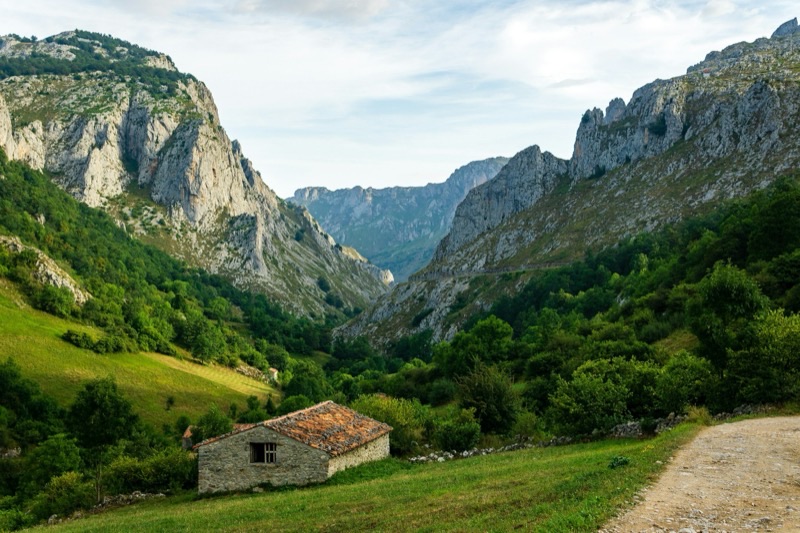
Spain's nature is also impressive but on a smaller, more accessible scale. The Picos de Europa in northern Spain offer alpine hiking, while the Pyrenees provide a borderland mountain experience. The beaches of the Costa del Sol or Mallorca are popular, and the volcanic landscapes of the Canary Islands (Tenerife's Teide National Park) are distinctive. Doñana National Park in Andalusia is a wetland habitat for various birds. While Spain has beautiful and diverse natural spaces, Argentina's sheer scale, dramatic contrasts, and iconic natural landmarks like Patagonia and Iguazu Falls give it an edge for raw impact.
- Winner: Argentina
- Why: Argentina possesses natural spectacles of a grander scale, from massive glaciers to colossal waterfalls, offering more extreme and varied adventures.
- Who this matters for: Adventure seekers, hikers, photographers, and those who prioritize epic, bucket-list natural attractions.
🎭🏛️ Culture & History
Argentina's culture is a blend, heavily shaped by European immigration. Buenos Aires is often called the 'Paris of South America' for its architecture, cafes, and theatres like…

Argentina
Spain
Argentina's culture is a blend, heavily shaped by European immigration. Buenos Aires is often called the 'Paris of South America' for its architecture, cafes, and theatres like the Teatro Colon (tours 10,000 ARS / $10 USD). Tango is central to its identity, with shows ranging from local milongas to elaborate dinner performances (25,000-50,000 ARS / $25-50 USD). The Pampas region maintains gaucho traditions, seen in estancias outside the city. The country's recent history, including dictatorships and economic crises, is also a powerful cultural element, explored in museums like the ESMA Museum and Site of Memory. While rich, its depth is relatively younger than Spain's.
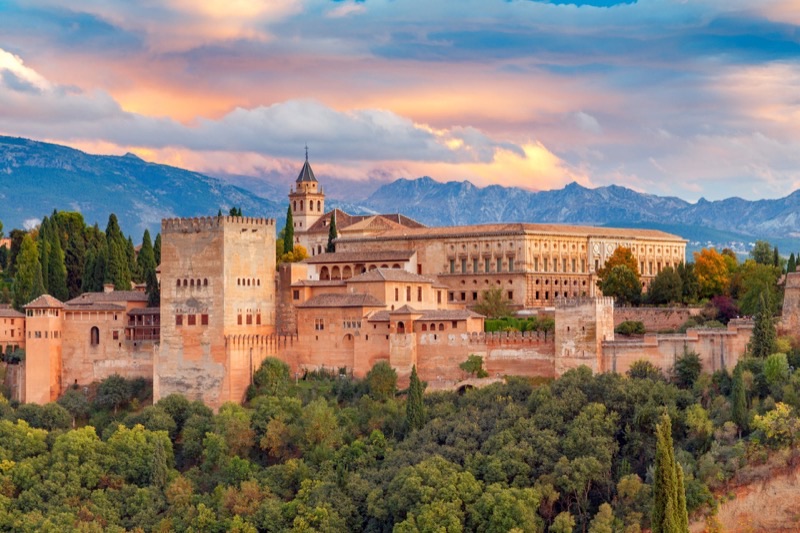
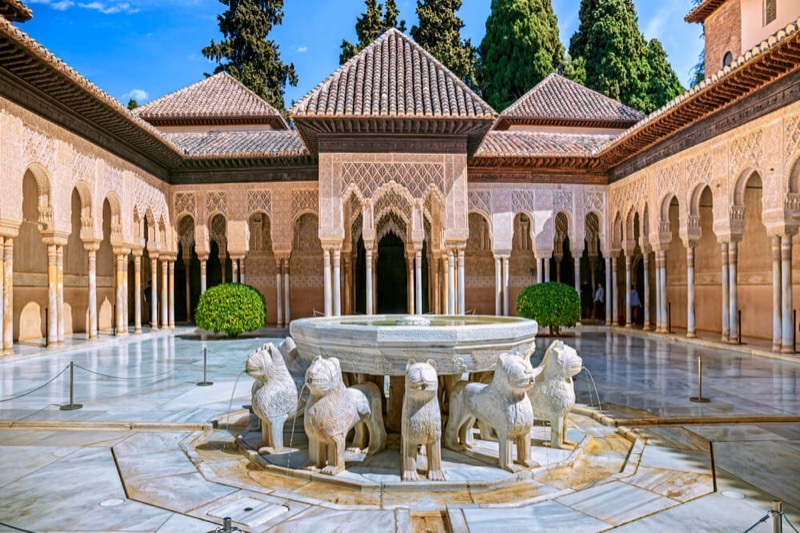
Spain offers layers of history and culture spanning millennia. Roman ruins like the Aqueduct of Segovia or the Roman Theatre of Merida stand testament to ancient empires. Moorish influence is evident in Granada's Alhambra (entrance 18 EUR / $19.50 USD) and Cordoba's Mezquita-Cathedral (entrance 13 EUR / $14 USD). Gothic cathedrals like Seville's or Barcelona's Sagrada Familia (entrance 30 EUR / $32.50 USD) show Catholic power. Flamenco dance and music are integral to Andalusian culture. Each region, from Galicia to Catalonia, has distinct languages and traditions. Spain's historical depth and diverse cultural expressions are simply broader and more foundational.
- Winner: Spain
- Why: Spain presents a deeper, more diverse, and ancient tapestry of historical and cultural layers.
- Who this matters for: History buffs, art lovers, architecture enthusiasts, and those interested in diverse regional traditions.
✈️ Getting There
Getting to Argentina, specifically Buenos Aires (EZE), from North America or Europe involves significant time and cost. From New York (JFK) or Miami (MIA), direct flights are…
Argentina
Spain
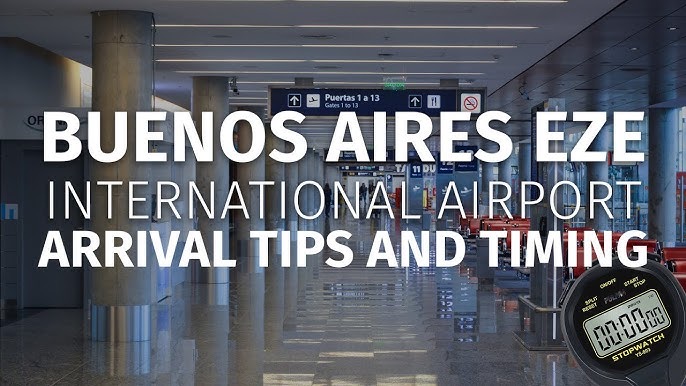
Getting to Argentina, specifically Buenos Aires (EZE), from North America or Europe involves significant time and cost. From New York (JFK) or Miami (MIA), direct flights are rare, with most requiring a layover, totaling 10-12+ hours and costing $900-1500 USD round trip. From Europe (e.g., London LHR, Madrid MAD), flights are generally 12-14 hours direct, costing 700-1200 EUR ($760-1300 USD). These are substantial journeys that eat into vacation time and budget. Buenos Aires is the main international gateway.
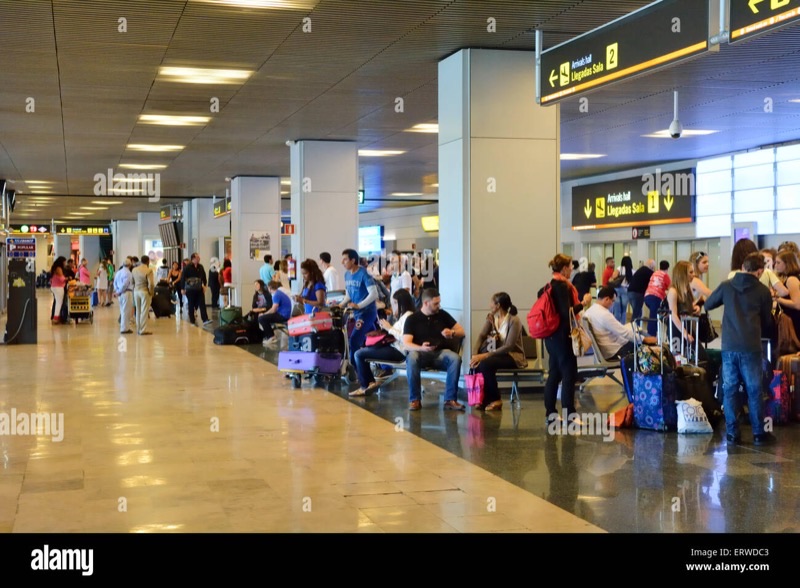
Spain, particularly Madrid (MAD) and Barcelona (BCN), is much more accessible. From major European hubs, flights are often 2-4 hours and can cost as little as 50-200 EUR ($55-215 USD) return on budget airlines. From North America, direct flights are common from cities like New York (JFK) or Toronto (YYZ) to Madrid or Barcelona, typically 6-8 hours and costing $500-900 USD round trip. The shorter flight times, higher frequency of direct routes, and often lower prices make Spain a far easier and quicker destination to reach for most international travelers.
- Winner: Spain
- Why: Spain offers significantly shorter, more direct, and generally more affordable flight options from major global hubs.
- Who this matters for: Travelers with limited vacation time, those on tighter travel budgets for flights, and anyone preferring less transit time.
🚆🚌 Getting Around
In Argentina, covering long distances usually means taking comfortable, overnight long-distance buses. A 20-hour bus from Buenos Aires to Bariloche can cost 30,000-50,000 ARS…
In Argentina, covering long distances usually means taking comfortable, overnight long-distance buses. A 20-hour bus from Buenos Aires to Bariloche can cost 30,000-50,000 ARS ($30-50 USD) for a 'cama' (sleeper) seat. Domestic flights, though faster, can be disproportionately expensive, sometimes costing $100-300+ USD for routes like Buenos Aires to Iguazu, making them less budget-friendly despite the time savings. Within major cities like Buenos Aires, the Subte (metro) and extensive bus network are efficient and very cheap (80 ARS / $0.08 USD per ride with a SUBE card). However, inter-city travel takes time and planning.
Spain boasts an excellent public transport infrastructure. The AVE high-speed train network connects major cities rapidly; a Madrid-Barcelona ticket on AVE can range from 40-100+ EUR ($43-108 USD) depending on booking time. Regional trains and an extensive bus network (e.g., Alsa) cover other areas efficiently. Within cities, metros and buses are modern, clean, and reliable, with single tickets typically 1.50-2.00 EUR ($1.60-2.15 USD). The ease, speed, and reliability of Spain's transport system allow travelers to cover more ground in less time, making it superior for efficiency.
- Winner: Spain
- Why: Spain's high-speed rail and comprehensive public transport system allow for fast, comfortable, and efficient travel between cities.
- Who this matters for: Travelers prioritizing speed, comfort, and ease of inter-city travel, especially those with less time.
🚨 Safety & Security
Argentina is generally safe for tourists, but urban areas like Buenos Aires and Mendoza have common petty crime, including pickpocketing and bag snatching, especially in crowded…
Argentina is generally safe for tourists, but urban areas like Buenos Aires and Mendoza have common petty crime, including pickpocketing and bag snatching, especially in crowded spots like La Boca or San Telmo. Taxis should be radio-dispatched or ordered via apps like Uber/Cabify to avoid scams. Economic instability can occasionally lead to protests or roadblocks, which are usually peaceful but can disrupt travel. Walking alone at night in less populated areas is generally discouraged. Overall, good situational awareness and basic precautions are usually enough to stay safe.
Spain is one of the safest countries for tourists globally. Violent crime is low. The main concern for visitors, particularly in high-traffic cities like Barcelona (Las Ramblas) or Madrid (Puerta del Sol), is pickpocketing. Organized groups often target distracted tourists. Rental car break-ins can occur in some areas. However, serious crime is rare, and emergency services are reliable. The overall feeling of security and the lower incidence of even petty crime make Spain a less stressful destination from a safety perspective, allowing visitors to relax more.
- Winner: Spain
- Why: Spain offers a higher general level of safety and security, with lower rates of serious crime and fewer travel disruptions.
- Who this matters for: Solo travelers, families with children, and those who prioritize a stress-free travel environment.
💃🎶 Nightlife
Argentina's nightlife centers heavily on Buenos Aires, which comes alive late. Porteños typically dine around 9-10 PM, head to bars (bares) around midnight, and then to 'boliches'…
Argentina's nightlife centers heavily on Buenos Aires, which comes alive late. Porteños typically dine around 9-10 PM, head to bars (bares) around midnight, and then to 'boliches' (nightclubs) around 2-3 AM, dancing until sunrise. Palermo Hollywood and Palermo Soho are packed with options, from craft beer bars to electronic music clubs. Tango shows, both informal milongas (some free, some with small cover) and elaborate dinner shows, are another cornerstone. Mendoza also has a lively bar scene, especially around Avenida Aristides Villanueva. This scene is built for endurance.
Spain's nightlife is equally compelling but differs in style. Madrid and Barcelona offer some of Europe's largest nightclubs (e.g., Sala Apolo in Barcelona, Kapital in Madrid), with entry typically 15-30 EUR ($16-32 USD) including a drink. The tapas bar culture, particularly in Andalusia, provides a social, relaxed evening with food and drinks until late. Flamenco shows (tablaos) are found across Andalusia, with tickets ranging from 20-50 EUR ($21-55 USD). Ibiza is world-renowned for its electronic dance music scene. The variety and intensity of Spanish nightlife, from chill tapas to major clubs, match Argentina's late-night energy. Both excel, but in different ways.
- Winner: Tie
- Why: Both countries offer distinct, incredibly late, and engaging nightlife experiences that cater to different preferences, making it a tie.
- Who this matters for: Party-goers, social travelers, and anyone who enjoys staying out late, regardless of their preferred style.
🛌 Accommodation
Accommodation in Argentina offers excellent value. Hostels in Buenos Aires or popular Patagonia towns like El Calafate often cost $15-30 USD per night for a dorm bed, and private…
Accommodation in Argentina offers excellent value. Hostels in Buenos Aires or popular Patagonia towns like El Calafate often cost $15-30 USD per night for a dorm bed, and private rooms can be found for $40-60 USD. Mid-range boutique hotels in Palermo, Buenos Aires, are typically $60-100 USD, providing a high level of comfort for the price. Even luxury options are significantly more affordable than their European counterparts. For example, a well-regarded hotel in Recoleta might be $150-250 USD, offering amenities that would cost double in Spain. The local currency's weakness against the USD makes even upscale stays accessible.
Spain has a mature and diverse accommodation market. Hostels in major cities generally cost 25-50 EUR ($27-55 USD) per night for a dorm, while private rooms are 60-100 EUR ($65-108 USD). Mid-range hotels in cities like Seville or Valencia range from 80-150 EUR ($87-163 USD). Spain also has unique options like 'paradores' (historic buildings converted into hotels), which offer a special experience at a higher price point (150-300+ EUR / $163-325+ USD). While the quality and variety are high, the prices are consistently higher than in Argentina for comparable standards. Argentina simply offers more for your money.
- Winner: Argentina
- Why: Argentina provides a higher standard of accommodation and more space for the price, offering exceptional value.
- Who this matters for: Budget travelers, those looking for extended stays, and anyone who wants comfortable lodging without overspending.
☀️❄️ Weather & Seasons
Argentina's vast latitudinal spread means its weather varies dramatically. Patagonia (south) is best visited in its summer (Dec-Feb) for hiking and milder temperatures (5-15°C /…
Argentina's vast latitudinal spread means its weather varies dramatically. Patagonia (south) is best visited in its summer (Dec-Feb) for hiking and milder temperatures (5-15°C / 41-59°F), though winds can be fierce. Iguazu Falls (north) is subtropical, hot and humid year-round, but pleasant in shoulder seasons (April-May, Oct-Nov) with temperatures around 25-30°C (77-86°F). Buenos Aires has four distinct seasons, with hot summers (30°C / 86°F) and mild winters (10-15°C / 50-59°F). Planning involves picking a region based on the time of year or accepting varied conditions.
Spain's climate is primarily Mediterranean, with hot, dry summers (Jul-Aug, 30-40°C / 86-104°F in Andalusia) and mild, wet winters (10-15°C / 50-59°F). Northern Spain (Galicia, Asturias) has a more Atlantic climate, cooler and wetter year-round. The Pyrenees experience alpine conditions. Shoulder seasons (April-May, Sept-Oct) are ideal for general sightseeing with pleasant temperatures across most regions (20-25°C / 68-77°F). While both countries offer diverse climates, they are simply on opposite seasonal calendars. The 'winner' depends entirely on when you plan to travel and what type of weather you prefer.
- Winner: Tie
- Why: Both countries offer diverse climates and distinct seasonal experiences, meaning neither can be definitively called 'better' without knowing traveler preference or timing.
- Who this matters for: Travelers with specific seasonal preferences (e.g., winter sports, summer beaches) or fixed travel dates.
🎯 The Decision Framework
Choose Argentina If…
- You have 3+ weeks and want to travel slowly.
- Your budget is $40-80 USD per day and you want it to stretch.
- You are a meat eater and love red wine.
- You are excited by glaciers, epic mountains, and massive waterfalls.
- You enjoy long-distance bus travel and the views it provides.
- You are comfortable navigating a country with some economic quirks.
- You want to practice your Spanish in a friendly, less tourist-heavy environment.
Choose Spain If…
- You have 1-2 weeks and want to maximize sightseeing.
- Your budget is $70-120 USD per day and you prioritize convenience.
- You want high-speed trains for easy inter-city travel.
- You are interested in ancient history, Moorish architecture, and flamenco.
- You enjoy tapas culture and diverse regional cuisines.
- You prioritize consistent safety and stable infrastructure.
- You prefer shorter flights and easy connections within Europe.
📅 Sample Itineraries
Weekend in Buenos Aires (3 Days)
💡 Purchase a SUBE card for public transport upon arrival; it costs around $2-3 and offers significant savings on bus and subte fares.
Weekend in Madrid (3 Days)
💡 Take advantage of free entry times at major museums like the Prado and Reina Sofia to save $15-20 on admission fees.
One Week in Argentina (7 Days)
💡 Book internal flights in Argentina well in advance, especially for popular routes to Patagonia and Iguazu Falls, to secure better prices (often $100-200 per leg).
One Week in Spain (7 Days)
💡 Purchase high-speed train tickets for inter-city travel (AVE/Renfe) several weeks in advance to secure discounts, often saving 20-40% on fares between major cities.
❓ Frequently Asked Questions
What are the typical flight durations from the US to Argentina vs Spain?
Flights from major US hubs to Buenos Aires, Argentina, typically take 10-12+ hours with one stop. Flights to Madrid or Barcelona, Spain, are shorter, usually 6-8 hours direct from the East Coast, or 9-11 hours from the West Coast with one stop.
How much more expensive is Spain than Argentina on a daily basis?
Spain is generally 50-100% more expensive than Argentina for daily expenses. A comfortable budget in Argentina can be $40-80 USD per day, while in Spain, a similar standard of travel will typically cost $70-120 USD per day.
Is it easy to get around Argentina without speaking Spanish?
In major tourist areas and cities like Buenos Aires, many people in hospitality speak English. However, outside these areas, knowing basic Spanish is very helpful. In Spain, English is more widely spoken in tourist zones, but local language efforts are always appreciated.
Which country is better for hiking and outdoor activities?
Argentina offers a grander scale for hiking, particularly in Patagonia around El Chalten and El Calafate, with access to glaciers and famous peaks. Spain has excellent hiking in regions like the Picos de Europa and the Pyrenees, but the sheer scale of Argentinian wilderness is hard to match.
What is the best time of year to visit each country?
For Argentina, the Southern Hemisphere summer (December to February) is ideal for Patagonia, while shoulder seasons (April-May, Oct-Nov) are good for Buenos Aires and Iguazu. For Spain, the Northern Hemisphere shoulder seasons (April-May and September-October) offer pleasant weather for sightseeing across most regions.
Can I use credit cards widely in both countries?
Credit cards are widely accepted in Spain, with contactless payment common. In Argentina, credit card acceptance is good in larger establishments, but smaller shops and many local vendors prefer cash, especially if you are taking advantage of favorable exchange rates like the 'blue dollar'.
Which country has better nightlife for someone who likes to dance?
Both offer late-night dancing. Buenos Aires, Argentina, is famous for its late-starting 'boliches' (nightclubs) and tango milongas, often going until sunrise. Spain, particularly cities like Madrid, Barcelona, and Ibiza, has large, globally recognized nightclubs and a strong dance music scene.
Are there good options for solo female travelers in both destinations?
Both countries are generally good for solo female travelers. Spain is considered very safe with low crime rates. Argentina requires more vigilance, especially in urban areas regarding petty theft, but solo women travelers frequently report positive experiences with local hospitality and community.
Ready to plan your South American or European trip?
Get a free custom itinerary for Argentina, Spain, or both — built from real traveler insights.
👥 Travelers Also Compared
🎟️ Book Tours & Experiences
Hand-picked tours and activities for both destinations — book with free cancellation
Experiences via Viator — free cancellation on most tours