How we built this comparison
This page combines traveler discussion patterns, published price ranges, flight schedules, and seasonal data to help you decide between Athens and Barcelona.
- Reviewed 100+ Reddit threads from r/travel, r/solotravel, r/GreeceTravel, r/Barcelona, and r/europe.
- Verified costs and logistics against current booking platforms like Google Flights, Booking.com, and local attraction websites.
- Cross-referenced seasonal patterns and weather data from meteorological sources to provide accurate climate information.
⚡ The TL;DR Verdict
For history buffs, budget travelers, and island hoppers, Athens is a vibrant, raw experience, typically costing €60-€100 ($65-$110) per day. If you crave stunning architecture, world-class food, lively nightlife, and a more polished urban beach vibe, Barcelona, at €90-€150 ($100-$165) daily, is your ideal pick.
- Choose Athens: You're passionate about ancient history, want an authentic, less tourist-polished experience, plan to island-hop, and are traveling on a tighter budget.
- Choose Barcelona: You love unique architecture, bustling city beaches, high-energy nightlife, exquisite tapas, and are comfortable with a slightly higher travel budget.
- Choose Both: If you have 10+ days, consider flying between them to experience both sides of the Mediterranean. Spend 3-4 days in each city, allowing travel days.
Quick Comparison
| Category | Athens | Barcelona | Winner |
|---|---|---|---|
| Culture & History | Unparalleled ancient history with iconic landmarks like the Acropolis and a vibrant modern art scene. | Rich Catalan culture, modernisme architecture by Gaudi, and a strong artistic heritage. | Athens |
| Food & Drink | Hearty, authentic Greek cuisine focusing on fresh ingredients, mezzes, and traditional tavernas. | World-renowned tapas culture, fresh seafood, innovative Catalan dishes, and vibrant markets. | |
| Nightlife | Lively bars and clubs, especially in Psiri and Gazi, with a more local, unpretentious vibe. | Legendary party scene with world-class clubs, beach bars, and late-night revelry. | |
| Beaches | City beaches are accessible but not pristine; better beaches require a short trip south to the Athenian Riviera. | Multiple urban beaches directly accessible from the city center, vibrant and popular. | |
| Costs & Budget | Generally more affordable for accommodation, food, and local transport. | Higher average costs, especially for prime attractions, dining, and nightlife. | Athens |
| Getting Around | Efficient metro system, walkable city center, but can be chaotic for driving. | Excellent, well-connected public transport network (metro, bus, tram) and very walkable. | |
| Day Trips | Gateway to iconic Greek islands (Hydra, Aegina) and ancient sites (Delphi, Meteora). | Easy access to charming coastal towns (Sitges), mountains (Montserrat), and Salvador Dalí's museum. | Tie |
| Accommodation | More budget-friendly options, from boutique hotels to hostels, often with Acropolis views. | Higher prices, but a wide range of stylish hotels, apartments, and design-focused stays. | Athens |
| Weather & Seasons | Hot, dry summers; mild, wet winters. Best in spring/fall for comfortable temperatures. | Warm to hot, humid summers; mild, rainy winters. Pleasant in spring/fall. | Tie |
| Safety | Generally safe, but be aware of pickpocketing in crowded tourist areas and some grittier neighborhoods. | Safe overall, but notorious for pickpocketing, especially in tourist hotspots and on public transport. | Athens |
🏛️ Culture & History
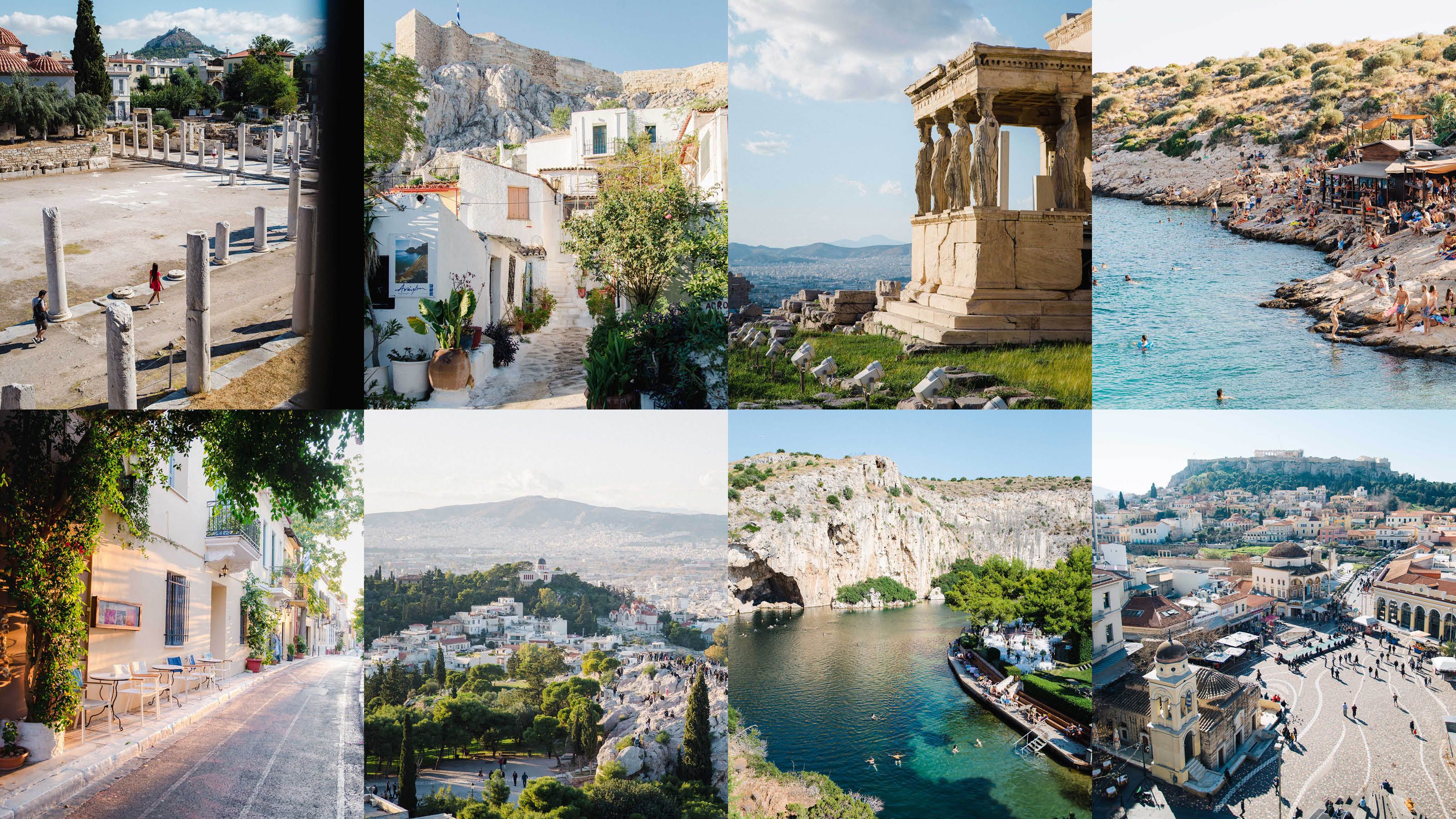
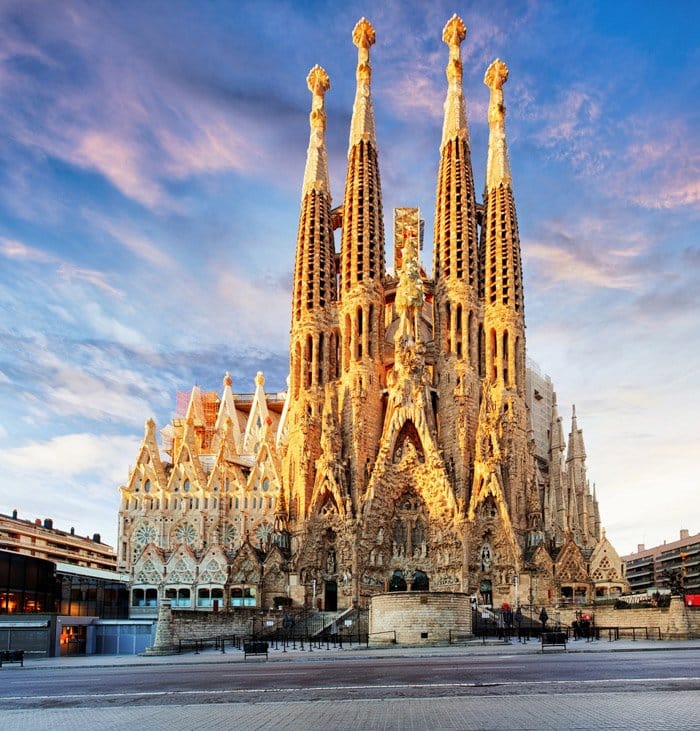
Athens is practically a living museum, offering an immersive journey into antiquity. The Acropolis, with the Parthenon, is a non-negotiable must-see, and a combined ticket for major sites like the Ancient Agora, Roman Agora, Temple of Olympian Zeus, and Hadrian's Library costs around €30 ($32). Wander through Plaka and Anafiotika for a taste of old Athens, or explore the Acropolis Museum for world-class artifacts. The city feels raw and real, with layers of history underfoot. Barcelona, while historically rich with Gothic Quarter charm and Picasso's early works, truly shines with its unique Catalan modernisme. Gaudi's Sagrada Familia (advance tickets €26-€40/$28-$43), Park Güell (€10/$11), and Casa Batlló (€35/$38) are architectural marvels that define the city's artistic identity. It's a different kind of historical immersion, more recent but equally profound. As one Redditor put it, "Athens is like walking through a history textbook, Barcelona is like stepping into a vibrant art piece."
Winner takeaway
- Winner: Athens
- Why: Athens provides an unmatched, visceral connection to ancient Western civilization.
- Who this matters for: History buffs, archeology enthusiasts, and those seeking foundational cultural experiences.
🍽️ Food & Drink
Barcelona is a culinary powerhouse, famous for its tapas culture where small plates become a social event. You can easily spend an evening hopping between bars like Ciudad Condal or El Xampanyet, sampling patatas bravas, jamón ibérico, and fresh seafood for around €25-€40 ($27-$43) per person. La Boqueria market is a feast for the senses, offering everything from fresh fruit juices (€2-€5) to gourmet sandwiches. Catalan cuisine is diverse and innovative, with a strong focus on fresh, local ingredients. Athens offers delicious, comforting Greek food. Think souvlaki (around €3-€5/$3-$5), moussaka, Greek salads, and fresh seafood, often served in lively tavernas in areas like Psiri or Gazi. Places like O Thanasis in Monastiraki are famous for their gyros. While incredibly tasty and generally more budget-friendly, Greek food tends to be less varied and experimental than Barcelona's scene. "Barcelona's food scene just hits different – endless tapas options and every meal feels like an adventure," a Redditor commented, capturing the essence of its gastronomic appeal.
Winner takeaway
- Winner: Barcelona
- Why: Barcelona offers a more diverse, innovative, and globally celebrated culinary experience with its iconic tapas and markets.
- Who this matters for: Foodies, gourmands, and social eaters who love trying many different dishes.
💃 Nightlife
Barcelona's nightlife is legendary, catering to all tastes from sophisticated cocktail bars in El Born to massive clubs along Port Olímpic like Opium or Pacha (entry usually €15-€30/$16-$32, often including a drink). The pre-clubbing scene in Gràcia or Raval is vibrant, and Spaniards typically don't head to clubs until after midnight. You can easily dance until sunrise. Athens has a fantastic, more local nightlife scene, particularly in areas like Psiri and Gazi. You'll find a mix of traditional bouzoukia (live Greek music), rooftop bars with Acropolis views (e.g., A for Athens Cocktail Bar, cocktails €10-€15/$11-$16), and electronic music clubs. It's energetic and authentic, but perhaps less internationally renowned than Barcelona's mega-clubs. The vibe is more about good company and strong drinks, often starting earlier and winding down before Barcelona's scene even peaks. "Barcelona's clubs are next level, you can literally party until 6 AM and then hit the beach," a traveler once shared, highlighting the city's relentless party spirit.
Winner takeaway
- Winner: Barcelona
- Why: Barcelona boasts a more diverse, globally recognized, and high-energy nightlife with larger clubs and a later schedule.
- Who this matters for: Party-goers, club enthusiasts, and those who want to dance until dawn.
🏖️ Beaches
Barcelona easily wins for accessible city beaches. Barceloneta beach is right there, a short walk or metro ride from the city center. It's lively, sometimes crowded, but perfect for a quick dip or sunbathing. Further along, Bogatell and Mar Bella offer slightly cleaner and less chaotic alternatives. You can rent a chair for €10-€15 ($11-$16) or just lay out a towel. The convenience is unbeatable. Athens has its own stretch of coastline, the 'Athenian Riviera,' which starts just a short tram ride south. Glyfada, Vouliagmeni, and Varkiza offer beautiful, often organized beaches with facilities. For example, Astir Beach in Vouliagmeni is a luxurious option with an entry fee of €25-€35 ($27-$38) on weekends. While the water quality and scenery can be superior to Barcelona's city beaches, they require more effort to reach. "Barcelona's beaches are a lifesaver when you need a break from sightseeing, just hop on the metro and you're there," a traveler praised, emphasizing the sheer convenience.
Winner takeaway
- Winner: Barcelona
- Why: Barcelona's urban beaches are directly integrated into the city, making them incredibly convenient and lively.
- Who this matters for: Beach lovers who want easy access to sand and sea without leaving the city.
💰 Costs & Budget
Athens is typically the more budget-friendly option. A decent meal in a local taverna can be found for €10-€15 ($11-$16), a souvlaki for €3-€5 ($3-$5), and a metro ticket for €1.20-€1.40 ($1.30-$1.50). Accommodation in a central area like Psiri or Monastiraki can range from €60-€100 ($65-$110) for a comfortable hotel room, or even less for hostels. Major historical sites have combined tickets around €30 ($32). Barcelona is noticeably pricier across the board. Tapas can quickly add up to €25-€40 ($27-$43) per person for dinner, and a main course can easily hit €20-€30 ($22-$32). Iconic attractions like Sagrada Familia and Park Güell cost €26-€40 and €10 respectively. Accommodation in central areas like Gothic Quarter or Eixample often starts from €100-€180 ($110-$195) for a decent hotel. Public transport is efficient, with a T-Casual 10-trip ticket costing €11.35 ($12.30). "Athens was such a pleasant surprise for my wallet, I could eat like a king without breaking the bank," a Redditor noted, highlighting the value.
Winner takeaway
- Winner: Athens
- Why: Athens generally offers a more affordable overall travel experience, from food to accommodation to attractions.
- Who this matters for: Budget-conscious travelers, backpackers, and those looking to maximize their Euros.
🚇 Getting Around
Barcelona's public transport system is a dream. The metro is extensive, clean, and incredibly easy to navigate, connecting all major attractions and neighborhoods efficiently. A T-Casual ticket for 10 rides costs €11.35 ($12.30) and is a fantastic value. Buses and trams further extend the reach. The city center is also very walkable, with pedestrian-friendly areas like Las Ramblas and the Gothic Quarter. Athens also has a very good metro system, particularly useful for reaching the airport and major historical sites like the Acropolis and Syntagma Square. A 5-day tourist ticket is €9 ($9.70), and a single ticket is €1.20-€1.40. However, outside the immediate center, the city can feel a bit more sprawling and less uniformly walkable than Barcelona, with more challenging pavements and hills. "Barcelona's metro system just makes everything so easy, you never feel lost or far from anything," a traveler stated, appreciating its seamless integration.
Winner takeaway
- Winner: Barcelona
- Why: Barcelona offers a slightly more comprehensive, user-friendly, and consistently accessible public transport network throughout the city.
- Who this matters for: Travelers who rely heavily on public transport and prefer a seamless urban navigation experience.
🏞️ Day Trips
Both cities offer incredible day trip opportunities, making this a tough category. From Athens, you can easily access the Saronic Islands like Hydra and Aegina via a ferry from Piraeus (tickets around €15-€30/$16-$32 each way), offering stunning island charm just hours away. For history buffs, a day trip to Delphi, the ancient sanctuary and oracle, is profound (bus tickets ~€15 one way, entry €12). Meteora, with its monasteries perched on rock pillars, is a longer but truly spectacular trip, often requiring an overnight stay or a very long day tour. Barcelona's surroundings are equally captivating. A train ride to Montserrat (€25-€30/$27-$32 for train+cable car combo) reveals a breathtaking monastery nestled in unique rock formations. The charming coastal town of Sitges is a quick 30-minute train ride away (€4.50/$5), perfect for beach relaxation. For art lovers, Figueres, home to the Salvador Dalí Theatre-Museum, is also easily reachable by train (around €15-€20 one way). "Both cities have killer day trip options, it just depends if you're into ancient ruins and islands or mountains and quirky art," a Redditor summed up accurately.
Winner takeaway
- Winner: Tie
- Why: Both cities offer a diverse range of unique and compelling day trip options that cater to different interests.
- Who this matters for: Travelers who enjoy exploring beyond the main city and seek variety in their itinerary.
🏨 Accommodation
Athens generally offers better value for accommodation, especially in desirable central locations. You can find well-regarded boutique hotels in Plaka, Psiri, or Monastiraki with Acropolis views for €80-€150 ($87-$162) per night (e.g., A for Athens, Electra Metropolis). Hostels are plentiful and very affordable, often around €20-€35 ($22-$38) per night for a dorm bed. Even higher-end hotels tend to be less expensive than their Barcelona counterparts. Barcelona, being a more popular and affluent tourist destination, commands higher prices. A comparable hotel in a central area like the Gothic Quarter or Eixample will likely start from €120-€200 ($130-$215), with design-focused options pushing much higher (e.g., Hotel Arts Barcelona, W Barcelona). Hostels range from €30-€50 ($32-$54) for a dorm bed. While Barcelona offers stunning architecture and design in its hotels, you'll pay a premium for it. "Finding a stylish hotel with a view in Athens for under €100 felt like a steal compared to what I'd pay in Barcelona," a traveler shared, emphasizing the cost difference.
Winner takeaway
- Winner: Athens
- Why: Athens provides more affordable and value-for-money accommodation options, even in prime locations.
- Who this matters for: Budget travelers, those who prioritize value, and travelers seeking more for their money.
☀️ Weather & Seasons
Both cities share a Mediterranean climate, meaning hot, dry summers and mild, somewhat rainy winters. For Athens, the sweet spots are spring (April-May) and fall (September-October), when temperatures are pleasantly warm (20-28°C / 68-82°F) and crowds are manageable, perfect for exploring ancient sites. July and August can be scorching (often 35°C+ / 95°F+), making daytime sightseeing challenging, though evenings are lively. Winters are mild but can be damp, with temperatures around 10-15°C (50-59°F). Barcelona also shines in spring and fall, with similar comfortable temperatures (18-26°C / 64-79°F). Summers (July-August) are hot and humid (28-32°C / 82-90°F), with the added allure of city beaches. Winters are mild, similar to Athens, perhaps slightly wetter. Barcelona's humidity in summer can sometimes feel more oppressive than Athens' dry heat. "Honestly, both are great in shoulder seasons, but summer in Athens just feels hotter than Barcelona, less breeze," a Redditor once noted, a common sentiment.
Winner takeaway
- Winner: Tie
- Why: Both cities offer generally pleasant Mediterranean climates, with optimal travel in the shoulder seasons and hot summers.
- Who this matters for: Travelers who are flexible with their dates and can choose to visit during the pleasant shoulder seasons.
🚨 Safety
Both cities are generally safe for tourists, but vigilance is required, especially regarding petty crime. Barcelona, unfortunately, has a reputation for being one of Europe's worst cities for pickpocketing. Areas like Las Ramblas, the Gothic Quarter, and crowded metro lines are prime targets. It's not uncommon to hear stories of phones or wallets being snatched. While violent crime is rare, being constantly on guard for your belongings can detract from the experience. Athens also has issues with pickpocketing, particularly around major tourist sites like the Acropolis, Monastiraki Square, and on crowded public transport. However, it is generally perceived as less pervasive than in Barcelona. Some areas, like Omonia Square or parts of Exarcheia, can feel a bit grittier at night, but are typically avoidable for tourists. "I felt safer walking around Athens at night than I did on Las Ramblas during the day, the pickpocketing in Barcelona is next level," a travel forum user commented, reflecting common traveler anxieties.
Winner takeaway
- Winner: Athens
- Why: While both require caution, Athens is generally perceived to have a slightly lower prevalence of pervasive petty crime compared to Barcelona.
- Who this matters for: Solo travelers, families, and anyone particularly sensitive to concerns about petty theft and feeling constantly on guard.
❓ Frequently Asked Questions
Which city is better for a solo female traveler?
Both cities are generally safe for solo female travelers, but vigilance against pickpocketing is key in Barcelona's crowded areas. Athens can feel a bit grittier but is overall welcoming. Stick to well-lit, populated areas at night and use ride-sharing apps.
How many days should I spend in each city?
For Athens, 2-3 full days are usually enough to see the main historical sites. For Barcelona, 3-4 full days allow you to explore Gaudi's masterpieces, enjoy the beach, and soak in the tapas culture. Adding day trips will extend your stay.
Is English widely spoken in Athens and Barcelona?
Yes, English is widely spoken in both cities, especially in tourist areas, hotels, and restaurants. In Athens, younger generations are generally proficient. In Barcelona, while Catalan and Spanish are primary, most service industry staff speak English, though learning a few basic phrases in Spanish or Catalan is always appreciated.
Which city is more suitable for families with young children?
Barcelona tends to be more family-friendly due to its numerous parks (like Parc de la Ciutadella), accessible beaches, and attractions like the Magic Fountain or Tibidabo Amusement Park. Athens can be very hot in summer, and navigating ancient sites with strollers might be challenging, but the sense of history can captivate older children.
What's the best way to travel between Athens and Barcelona?
The most efficient way to travel between Athens and Barcelona is by flying. Direct flights are available and typically take around 2.5-3 hours. Airlines like Vueling, Aegean Airlines, or Ryanair often offer competitive prices, especially if booked in advance.
Which city has better shopping opportunities?
Barcelona offers a more diverse and high-end shopping experience, from international brands on Passeig de Gràcia to quirky boutiques in El Born and large department stores. Athens has good shopping on Ermou Street and in the Kolonaki district, but it's generally less focused on fashion and more on local crafts and souvenirs.
Are taxis or ride-shares better in Athens and Barcelona?
In both cities, ride-sharing apps like Beat (Athens) or Free Now (Barcelona) are convenient and transparent with pricing. Taxis are also readily available. Always ensure taxis use meters or agree on a price beforehand to avoid overcharging, particularly from airports.
What's the best time of year to visit both cities to avoid crowds?
To avoid peak crowds while still enjoying good weather, visit in the shoulder seasons: April-May or September-October. Temperatures are pleasant, and major attractions are less packed than in the busy summer months of July and August.
Ready to plan your Mediterranean adventure?
Get a free custom itinerary for Athens, Barcelona, or both — built from real traveler insights.
🎟️ Book Tours & Experiences
Hand-picked tours and activities for both destinations — book with free cancellation
Experiences via Viator — free cancellation on most tours