How we built this comparison
This page combines traveler discussion patterns, published price ranges, flight schedules, and seasonal data to help you decide between Austin and Colorado.
- Reviewed 100+ Reddit threads from r/travel, r/solotravel, r/Austin, r/Denver, and r/Colorado.
- Verified costs and logistics against current booking platforms (e.g., Google Flights, Booking.com).
- Cross-referenced seasonal patterns and weather data for accuracy and best travel times.
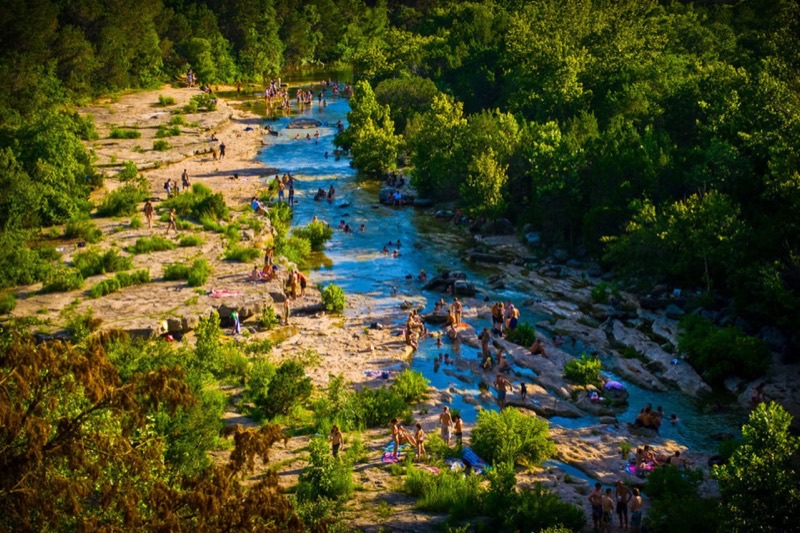
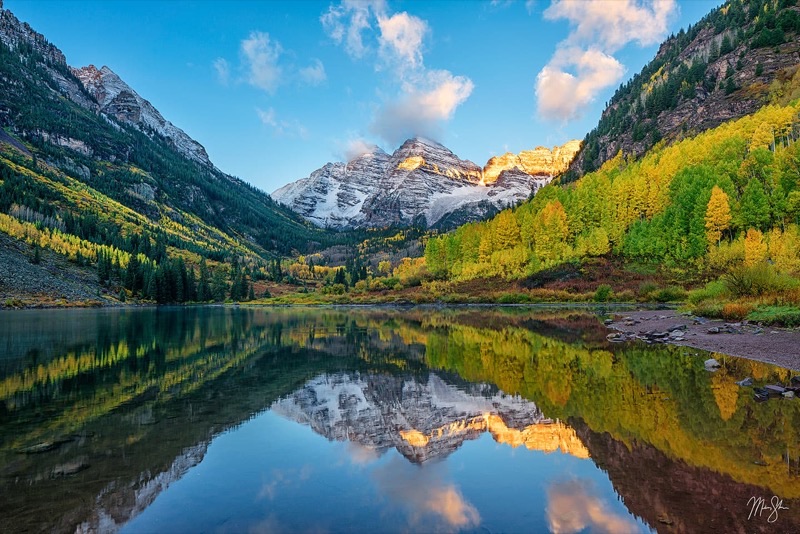
⚡ The TL;DR Verdict
For most travelers seeking a lively urban experience with great food and music at a slightly lower overall cost, Austin is the pick. If your primary goal is grand outdoor adventure, hiking, or skiing, Colorado is the clear choice. Budget $120-180/day in Austin, $140-220/day in Colorado (more for ski towns).
- Choose Austin: If you prioritize live music, a varied food scene, warm weather, and an easygoing city atmosphere without needing big mountain views.
- Choose Colorado: If you want expansive mountain landscapes, hiking, skiing, snowboarding, and a focus on outdoor activities, with Denver as a gateway.
- Choose Both: If you have 10+ days and can manage a separate flight between the two, perhaps combining Austin's energy with a Colorado mountain escape.
Choose Austin
Austin is your ideal destination if you're seeking a dynamic urban adventure brimming with exceptional live music, especially around 6th Street and South Congress, and a renowned food scene from BBQ joints to innovative food trucks. This vibrant city is perfect for foodies, music aficionados, and anyone desiring an energetic, easygoing atmosphere with a slightly more budget-friendly daily spend compared to other major cities.
Choose Colorado
Opt for Colorado if your priority is breathtaking natural beauty and unparalleled outdoor activities, from skiing and snowboarding in world-class resorts like Vail or Breckenridge, to hiking and mountain biking across the Rocky Mountains. It's the ultimate pick for adventure seekers, nature enthusiasts, and those looking to immerse themselves in expansive landscapes, crisp air, and thrilling experiences over urban amenities.
Quick Comparison
| Category | Austin | Colorado | Winner |
|---|---|---|---|
| Overall Budget & Daily Costs | Austin can be mid-range to high; food trucks save money, accommodation can be pricey. Daily average: $120-180. | Colorado ranges from mid-range in Denver to very high in ski towns. Car rental is often necessary. Daily average: $140-220. | Austin |
| Nature & Outdoor Pursuits | Austin offers urban lakes, greenbelts, and swimming holes; good for casual walks and water activities. | Colorado boasts expansive mountains, national parks, skiing, and hiking; a premier destination for grand outdoor adventure. | Colorado |
| Food Scene & Culinary Focus | Austin is famous for BBQ, Tex-Mex, and a massive food truck scene with varied international options. | Colorado has a strong farm-to-table movement, craft breweries, and good options in Denver, but less specific regional identity. | Austin |
| Nightlife & Evening Entertainment | Austin is a renowned 'Live Music Capital of the World' with diverse venues, plus busy bar districts like 6th Street and Rainey Street. | Denver has a decent bar and club scene, and mountain towns have lively aprés-ski, but it lacks the dedicated music focus of Austin. | Austin |
| Getting There & Getting Around | Austin (AUS) is served by many airlines; city travel is mainly ride-share, walking, or limited public transit. | Denver (DEN) is a major hub; a car is essential for exploring mountains. Public transit is good in Denver itself. | Colorado |
| Accommodation Styles & Prices | Austin offers boutique hotels, budget-friendly hostels, and standard chains; prices are firm, especially on weekends. | Colorado has diverse options from urban hotels to mountain lodges, but prices in ski towns are significantly higher. | Tie |
| Local Culture & Atmosphere | Austin is laid-back, creative, and music-focused with a 'Keep Austin Weird' ethos, blending old Texas with new tech. | Colorado's culture is heavily outdoor-oriented, health-conscious, with a strong craft beer and relaxed Western influence. | Austin |
| Weather Patterns & Best Seasons | Austin has hot, humid summers; mild, pleasant winters; and warm spring/fall. Best in spring/fall. | Colorado experiences four distinct seasons; snowy winters (mountains), warm summers, and crisp spring/fall. Best varies by activity. | Tie |
| Day Trips & Regional Exploration | Austin offers Hill Country towns, wineries, and natural swimming holes within a 1-2 hour drive. | Colorado provides access to stunning mountain towns, national parks, and varied landscapes within a few hours. | Colorado |
| Solo Travel & Flexibility | Austin is highly solo-travel friendly with easy navigation, social hostels, and abundant casual dining and entertainment. | Colorado is good for solo travelers, especially outdoor enthusiasts, but getting around in mountains can be less flexible without a car or group. | Austin |
💲 Overall Budget & Daily Costs
Austin generally allows for a slightly lower daily spend, especially if you leverage its extensive food truck culture and happy hour specials. For example, a decent meal at a food…

Austin
Colorado
Austin generally allows for a slightly lower daily spend, especially if you leverage its extensive food truck culture and happy hour specials. For example, a decent meal at a food truck like Veracruz All Natural might cost $10-15 USD, versus $20-30+ at a sit-down spot. A mid-range hotel like the Hyatt Place Downtown can run $180-250 USD/night, but hostels like Native Hostel offer beds for $50-70 USD. Activities like visiting Barton Springs Pool are affordable at $5-9 USD for adults, and many music venues have no cover or low cover charges (e.g., $10-20 at The Continental Club).
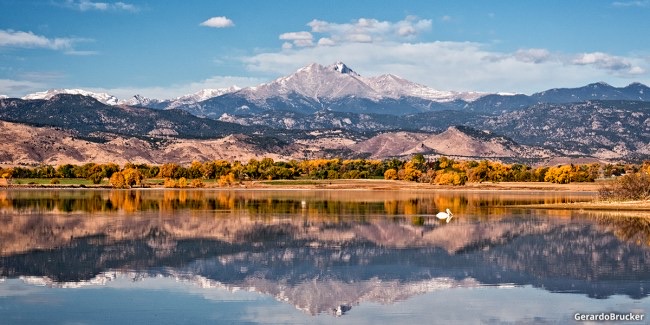
Colorado's costs vary significantly. Denver is comparable to Austin for lodging (e.g., The Maven Hotel for $200-300 USD/night, hostels for $60-80 USD). However, once you head into mountain towns like Aspen or Vail, lodging can easily exceed $400-600 USD/night for a basic room during peak season. Lift tickets at major resorts are $150-250+ USD/day. A rental car is often essential for seeing the mountains, adding $50-100+ USD/day. Food prices in mountain towns are also elevated, with a casual lunch often costing $18-25 USD. For budget travelers, staying in Denver and doing day trips is more economical. Austin provides more options for managing a tighter budget without sacrificing core experiences.
Tabiji Verdict: Austin gives you more bang for your buck on a typical trip, particularly for urban exploration and eating well.
- Winner: Austin
- Why: Austin offers more accessible budget options for food and activities, making the overall trip cost slightly less.
- Who this matters for: Budget-conscious travelers and those who prefer to spend less on accommodation.
⛰️ Nature & Outdoor Pursuits
Austin's outdoor appeal centers on its urban natural spaces. Lady Bird Lake (Town Lake) is popular for kayaking, paddleboarding ($25-35/hour rentals), and running/biking the Ann…

Austin
Colorado
Austin's outdoor appeal centers on its urban natural spaces. Lady Bird Lake (Town Lake) is popular for kayaking, paddleboarding ($25-35/hour rentals), and running/biking the Ann and Roy Butler Hike-and-Bike Trail. Barton Springs Pool is a large, natural spring-fed swimming pool with a constant 68°F (20°C) temperature, a local favorite. The Barton Creek Greenbelt provides miles of hiking and mountain biking trails, some with swimming holes like Twin Falls or Sculpture Falls. Mount Bonnell offers a relatively easy climb to a lookout point with views of the city and Lake Austin. These are pleasant and accessible, but not on the scale of serious wilderness.
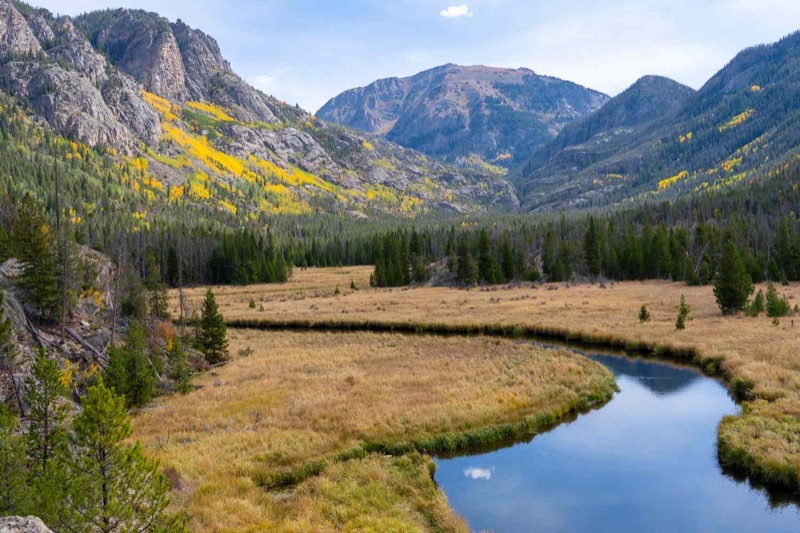
Colorado is a destination built around its mountains. Rocky Mountain National Park (RMNP), about 1.5-2 hours from Denver, offers hundreds of miles of hiking trails, alpine lakes, and wildlife viewing. Trail Ridge Road provides high-elevation drives with views. In winter, world-renowned ski resorts like Vail, Breckenridge, and Aspen provide extensive slopes, though lift tickets are expensive. Other activities include whitewater rafting on the Arkansas River, rock climbing in Eldorado Canyon State Park, and mountain biking around Fruita or Moab (just over the border in Utah, but a common Colorado extension). The sheer scale and variety of terrain in Colorado for outdoor sports are unmatched in this comparison.
Tabiji Verdict: Colorado is the undisputed champion for anyone whose primary reason for travel is substantial engagement with grand natural landscapes.
- Winner: Colorado
- Why: Colorado provides an order of magnitude more varied and dramatic natural landscapes and outdoor activity options.
- Who this matters for: Hikers, skiers, snowboarders, rock climbers, whitewater rafters, and anyone seeking vast mountain scenery.
🌮 Food Scene & Culinary Focus
Austin's food scene is a major draw, particularly for its Texas BBQ and Tex-Mex. Iconic BBQ joints like Franklin Barbecue draw long lines (arrive hours early for a chance at…

Austin
Colorado
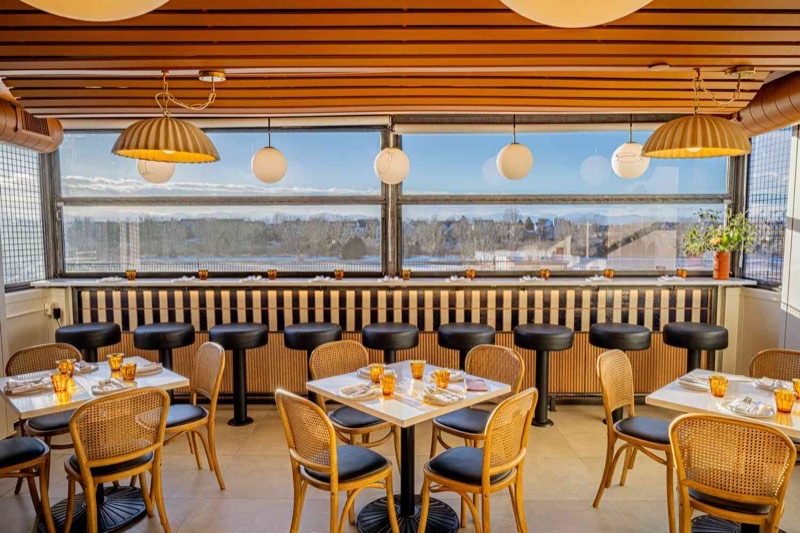
Austin's food scene is a major draw, particularly for its Texas BBQ and Tex-Mex. Iconic BBQ joints like Franklin Barbecue draw long lines (arrive hours early for a chance at brisket, costing around $30-40 USD/pound). More accessible options include La Barbecue or Terry Black's BBQ. For Tex-Mex, try Matt's El Rancho or Polvo's Mexican Restaurant. The city's food truck culture is extensive; South Congress and Rainey Street have pods with options ranging from Korean fusion to gourmet donuts (e.g., Gourdough's). Torchy's Tacos is a local chain that started as a food trailer and serves creative tacos for $4-7 USD each. Austin also has a strong craft beer scene.
Colorado's culinary offerings are strong, especially in Denver and Boulder, with a focus on fresh, local ingredients and a thriving craft beer industry. Denver's RiNo Arts District has places like Denver Central Market with various food vendors (e.g., Mondo Market for sandwiches). Upscale dining is available, such as Frasca Food and Wine in Boulder. However, Colorado doesn't have the same specific, globally recognized culinary identity as Austin's BBQ and Tex-Mex. While you will find excellent restaurants and many breweries (e.g., Great Divide Brewing Co.), it's less about a unique regional cuisine and more about quality ingredients and modern American fare. Austin's food is more destination-defining.
Tabiji Verdict: Austin offers a more distinct and celebrated culinary experience, particularly for its iconic BBQ and Tex-Mex.
- Winner: Austin
- Why: Austin's BBQ, Tex-Mex, and diverse food truck scene provide a more unique and compelling culinary identity.
- Who this matters for: Foodies, BBQ enthusiasts, Tex-Mex lovers, and those who enjoy casual yet high-quality dining.
🎶 Nightlife & Evening Entertainment
Austin's reputation for live music is well-earned. You can find venues ranging from historic blues clubs like Antone's ($20-40 cover) and The Continental Club ($10-20 cover) to…
Austin
Colorado
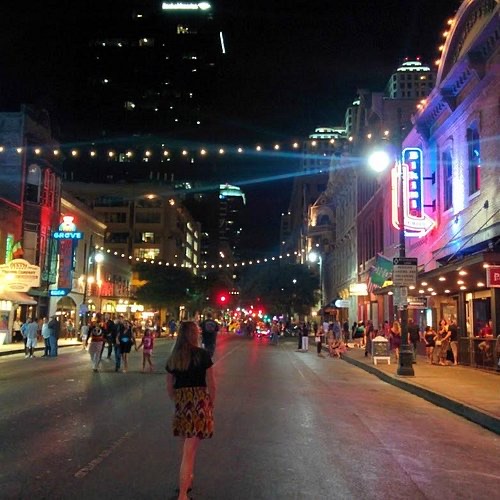
Austin's reputation for live music is well-earned. You can find venues ranging from historic blues clubs like Antone's ($20-40 cover) and The Continental Club ($10-20 cover) to larger concert halls and smaller bars with local bands. 6th Street offers a more raucous, party-centric atmosphere with numerous bars, while Rainey Street provides a slightly more upscale, converted-house bar experience. East Austin has a growing scene of dive bars and music venues. You can typically find live music any night of the week, often with no or low cover charges at smaller spots. Comedy clubs, breweries with outdoor patios, and unique themed bars (e.g., The Little Darlin') also add to the mix.
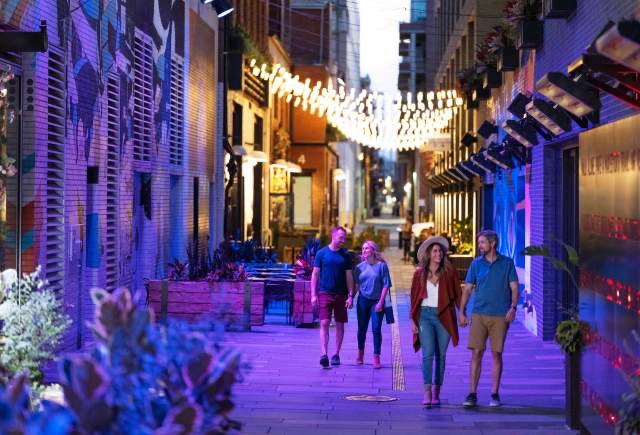
Denver has a solid nightlife scene, especially in areas like LoDo (Lower Downtown) and RiNo. You'll find numerous bars, breweries, and some dance clubs. The Mission Ballroom and Red Rocks Amphitheatre (a spectacular outdoor venue about 30 minutes outside Denver) host major concerts, but Red Rocks isn't an everyday option. Mountain towns like Breckenridge or Aspen have an active aprés-ski scene with bars and live music, but it's seasonal and typically less varied than Austin's year-round offerings. While Denver is a good city for a night out, it doesn't have the same density or historical depth of live music venues that Austin does, making Austin the clear pick for entertainment focus.
Tabiji Verdict: Austin provides a more extensive, diverse, and accessible array of nightlife and live music options.
- Winner: Austin
- Why: Austin's status as the 'Live Music Capital of the World' with multiple dedicated entertainment districts ensures a constant, varied nightlife.
- Who this matters for: Music lovers, partygoers, and those who enjoy a bustling bar scene with many options.
✈️ Getting There & Getting Around
Austin-Bergstrom International Airport (AUS) is well-connected, with direct flights from many major US cities (e.g., ~2.5-3 hours from Chicago, ~3.5-4 hours from NYC). Once in…

Austin
Colorado
Austin-Bergstrom International Airport (AUS) is well-connected, with direct flights from many major US cities (e.g., ~2.5-3 hours from Chicago, ~3.5-4 hours from NYC). Once in Austin, downtown is walkable, and ride-sharing services like Uber/Lyft are readily available ($10-20 for most in-city rides). The CapMetro bus system exists but isn't always the most efficient for tourists covering different neighborhoods. Renting a car isn't strictly necessary if you stick to central areas and rely on ride-shares, which can save money on parking (often $20-30/day downtown). However, for day trips to Hill Country wineries or smaller towns, a car is needed.
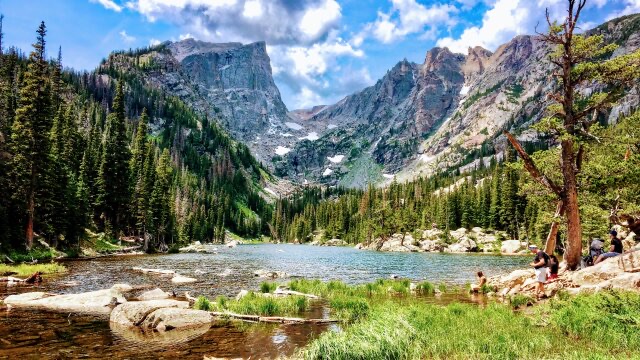
Denver International Airport (DEN) is a major hub, often serving as a gateway to the Rockies. It has extensive direct flight options from across the US (e.g., ~2-2.5 hours from Chicago, ~4 hours from NYC). From DEN, the A-Line commuter train goes directly to Denver's Union Station for $10.50 USD, making city arrival easy. Within Denver, public transit (light rail, buses) is effective. However, to truly experience Colorado's mountains, a rental car is almost essential. Prices range from $50-100+ USD per day depending on season and vehicle type (4WD/AWD is recommended in winter). Driving distances to popular spots like Breckenridge are 1.5-2 hours, and to Rocky Mountain National Park is similar. While Austin is easier to navigate without a car, Colorado's robust airport and necessary car rentals open up far more regional exploration.
Tabiji Verdict: Colorado's superior air hub and the necessity of car travel allow for greater reach and exploration of its primary attractions.
- Winner: Colorado
- Why: Colorado's major airport and the need for a rental car for mountain exploration provide more opportunity for grand regional travel.
- Who this matters for: Travelers who plan to explore beyond the main city, especially those wanting to reach mountain destinations.
🏨 Accommodation Styles & Prices
Austin's accommodation scene has grown with its popularity. You can find well-regarded boutique hotels like The LINE Austin ($250-400 USD/night) or Hotel San Jose ($200-350…
Austin's accommodation scene has grown with its popularity. You can find well-regarded boutique hotels like The LINE Austin ($250-400 USD/night) or Hotel San Jose ($200-350 USD/night) that capture the city's vibe. Standard chain hotels are plentiful downtown and offer reliable stays. For budget travelers, hostels like Native Hostel or Firehouse Hostel and Lounge provide beds for $50-80 USD/night. Airbnb and other short-term rentals are also widely available, though regulation can affect options. Weekend rates are consistently higher due to the music and event scene, so booking ahead is important.
Colorado offers a broad spectrum of accommodation. Denver has numerous hotels, from budget chains to luxury options like The Crawford Hotel at Union Station ($300-500 USD/night), with prices comparable to Austin. Hostels like Hostel Fish offer beds for $60-90 USD. However, the game changes dramatically in the mountain towns. A basic lodge room in Vail or Aspen can easily start at $400-600 USD/night during ski season, escalating to over $1000 for luxury properties. Even during the summer hiking season, mountain town lodging remains pricey. More affordable options exist in towns further from major resorts, like Frisco or Idaho Springs, for around $150-250 USD/night. Both destinations offer good variety, but Colorado's high-end mountain prices average out its overall cost.
Tabiji Verdict: Both offer good lodging variety, but Colorado's extreme mountain prices balance out Austin's consistently firm city rates.
- Winner: Tie
- Why: Both destinations offer similar variety in urban settings, and while Colorado has extreme highs, Austin's city prices are consistently strong.
- Who this matters for: Travelers seeking specific types of lodging, from luxury to budget, will find options in both.
🤔 Local Culture & Atmosphere
Austin's culture is often described by its unofficial slogan, 'Keep Austin Weird,' which points to its appreciation for independent businesses, live music, and a generally…
Austin's culture is often described by its unofficial slogan, 'Keep Austin Weird,' which points to its appreciation for independent businesses, live music, and a generally unconventional, artistic spirit. While the tech industry has brought changes, the core culture values creativity, good food, and a relaxed attitude. People are friendly, approachable, and generally enjoy spending time outdoors or at music venues. Festivals like SXSW and Austin City Limits define parts of the year, but the everyday vibe includes lake recreation, casual patio dining, and appreciating local artists. There's a strong sense of local pride and community, with a blend of old Texas roots and modern progressive values.
Colorado's culture is deeply intertwined with its mountains and outdoor lifestyle. It's common to see people dressed in hiking gear or ski attire, even in urban centers. There's a strong emphasis on health, wellness, and environmental consciousness. The craft beer scene is a significant part of social life, with numerous breweries acting as community hubs. While Denver has a modern urban feel, the state overall retains elements of its Western heritage, particularly in its smaller towns. The pace of life can feel a bit slower outside of Denver, focusing on enjoying nature. While both are welcoming, Austin's cultural identity feels more singular and immersive for a visitor seeking a distinct atmosphere.
Tabiji Verdict: Austin's unique blend of music, creativity, and unconventional spirit offers a more distinct and memorable cultural immersion.
- Winner: Austin
- Why: Austin's 'Keep Austin Weird' ethos, deep music roots, and blend of old and new create a more defined and engaging cultural experience.
- Who this matters for: Travelers seeking a distinct city vibe, music enthusiasts, and those who appreciate quirky, independent scenes.
☀️ Weather Patterns & Best Seasons
Austin's weather is characterized by long, hot, and humid summers (June-September), with daily highs often exceeding 95°F (35°C). Air conditioning is a necessity. Winters…
Austin's weather is characterized by long, hot, and humid summers (June-September), with daily highs often exceeding 95°F (35°C). Air conditioning is a necessity. Winters (December-February) are mild and pleasant, with average highs in the 60s°F (15-20°C) and infrequent freezes. Spring (March-May) and Fall (October-November) are generally considered the best times to visit, with warm days, cooler evenings, and comfortable conditions for outdoor activities and festivals. Rain can occur in spring and fall, but extended periods of bad weather are uncommon. The lack of extreme cold means year-round visitation is possible, but summer requires heat tolerance.
Colorado's weather is far more varied due to its elevation and geography. Denver experiences four distinct seasons: snowy winters with cold spells, warm and dry summers (average highs 80-90°F / 27-32°C), and pleasant, crisp springs and falls. In the mountains, winters are severe with heavy snowfall, making it ideal for skiing (November-April). Summers in the mountains are cooler and ideal for hiking (June-September), with wildflowers peaking in July/August. Afternoon thunderstorms are common in summer. Spring can be muddy with melting snow, and fall brings spectacular aspen foliage. The 'best' time to visit Colorado depends entirely on your planned activities; it's a destination that fully embraces seasonal changes.
Tabiji Verdict: Both destinations offer distinct seasonal appeals, making a tie as the 'best' season is subjective to activities.
- Winner: Tie
- Why: Both destinations have strong, distinct seasonal appeals that cater to different traveler interests, making a direct comparison difficult.
- Who this matters for: Travelers with specific seasonal activity preferences (e.g., winter sports vs. warm weather activities).
🗺️ Day Trips & Regional Exploration
From Austin, popular day trips include exploring the Texas Hill Country. Fredericksburg, about 1.5 hours west, is known for its German heritage, peach orchards, and numerous…
From Austin, popular day trips include exploring the Texas Hill Country. Fredericksburg, about 1.5 hours west, is known for its German heritage, peach orchards, and numerous wineries (e.g., Grape Creek Vineyards, tastings $25-40 USD). Dripping Springs, closer at 45 minutes, offers more breweries and distilleries. For natural beauty, Hamilton Pool Preserve (reservations often required, $12-20 USD entrance) is a grotto with a waterfall, though swimming is not always allowed. Enchanted Rock State Natural Area, a large pink granite dome, is a 2-hour drive for hiking. These are pleasant and offer a change of pace, but don't dramatically alter the scope of the trip.
Colorado excels in regional exploration, with world-renowned destinations within easy reach of Denver. Rocky Mountain National Park (1.5-2 hours) is a prime example for hiking and scenic drives. Iconic mountain towns like Breckenridge, Vail, and Aspen are 1.5-3 hours away, offering skiing, luxury dining, and mountain charm. Garden of the Gods Park near Colorado Springs (1 hour south) features striking red rock formations (free entry). The Great Sand Dunes National Park (3.5-4 hours south) offers unique geology. The sheer variety and scale of these natural attractions, many of which are federal or state parks, provide much grander and more diverse day and multi-day trip options than Austin.
Tabiji Verdict: Colorado's access to multiple national parks and iconic mountain destinations provides superior regional exploration opportunities.
- Winner: Colorado
- Why: Colorado offers significantly more dramatic and varied day trip options, including national parks and prominent mountain towns.
- Who this matters for: Travelers who want to explore beyond a single city and seek diverse natural landscapes.
🚶♀️ Solo Travel & Flexibility
Austin is an excellent city for solo travelers. Its casual atmosphere makes it easy to strike up conversations at bars or food trucks. There are several well-regarded hostels like…
Austin is an excellent city for solo travelers. Its casual atmosphere makes it easy to strike up conversations at bars or food trucks. There are several well-regarded hostels like Native Hostel and Firehouse Hostel and Lounge, which foster social interaction. The walkability of downtown and the ease of ride-sharing mean independent navigation is straightforward. You can easily find live music any night, enjoy a meal at a counter, or join group activities like paddleboarding on Lady Bird Lake without feeling out of place. The city's relaxed vibe encourages exploration at your own pace, and safety is generally good in main tourist areas, allowing for comfortable evening outings.
Colorado can also be good for solo travel, particularly for those focused on outdoor activities. Denver has a strong hostel scene (e.g., Hostel Fish), and it's easy to meet people on hiking trails or at breweries. However, the necessity of a car for mountain exploration can add a layer of complexity or cost for solo travelers who might prefer not to rent one. Public transportation to national parks or ski resorts often involves dedicated shuttles or is limited. While group tours are available for activities like rafting or hiking, the spontaneous flexibility of moving between diverse mountain areas is reduced without personal transport. Austin's urban focus makes it inherently easier to navigate and socialize as a solo traveler without extra logistics.
Tabiji Verdict: Austin's urban layout, social atmosphere, and ease of navigation make it slightly more convenient and social for solo travelers.
- Winner: Austin
- Why: Austin's compact, walkable core, robust ride-share options, and prevalent casual social settings make solo navigation and interaction simpler.
- Who this matters for: Solo travelers seeking ease of movement, social opportunities, and a relaxed urban experience without needing a rental car.
🎯 The Decision Framework
Choose Austin If…
- You want live music every night of the week.
- You crave iconic BBQ and diverse food truck options.
- You prefer a laid-back, quirky urban atmosphere.
- You enjoy warm weather and poolside relaxation.
- You plan on walking or using ride-shares, not renting a car.
- Your budget is closer to $120-180 USD per day.
- You're interested in the 'Keep Austin Weird' cultural scene.
- You like casual lake activities and greenbelt walks.
Choose Colorado If…
- You want grand mountain views and high-altitude hiking.
- Skiing or snowboarding is a primary goal.
- You prioritize national parks (like Rocky Mountain NP).
- You plan to rent a car and explore widely.
- Your budget allows for $140-220+ USD per day.
- You appreciate a health-conscious, outdoor-focused culture.
- You enjoy a robust craft beer scene.
- You are comfortable with driving long distances between attractions.
❓ Frequently Asked Questions
What's the best way to get between Austin and Colorado?
The most practical way is flying. Direct flights from Austin (AUS) to Denver (DEN) take about 2.5 hours and often cost $150-300 USD round trip, depending on booking time. Driving takes over 15 hours, making it impractical for most trips.
Is Austin or Colorado better for families?
It depends on the family. Austin offers kid-friendly museums like The Thinkery, Barton Springs Pool, and casual eateries. Colorado excels for active families interested in hiking, skiing (if ages allow), and national parks. Austin might be easier for younger kids due to less driving.
What are the typical flight times to each from major US cities?
From cities like Chicago, flights to Austin (AUS) are around 2.5-3 hours, and to Denver (DEN) are 2-2.5 hours. From New York (JFK/LGA), flights to Austin are 3.5-4 hours, and to Denver are 4-4.5 hours. From Los Angeles (LAX), both are around 2.5-3 hours.
How do the summer temperatures compare?
Austin summers are hot and humid, with daily highs often over 95°F (35°C). Denver summers are warm and dry, with highs typically in the 80s°F (27-32°C), but feel more comfortable due to lower humidity. Mountain areas in Colorado are cooler, often 60s-70s°F (15-25°C).
Which destination is more affordable for a week-long trip?
Austin generally allows for a more affordable week-long trip. With daily costs averaging $120-180 USD, a 7-day trip without flights might be $840-1260 USD. Colorado, especially if including ski towns or extensive car rental, could easily reach $980-1540+ USD for a similar duration.
Are there good public transportation options in both cities?
Denver has a robust light rail and bus system, particularly useful from the airport to downtown. Austin has CapMetro buses, but they are less extensive for tourist routes; ride-sharing is more common. For exploring mountains in Colorado, a car is nearly essential.
Which is better for a bachelorette or bachelor party?
Austin is a stronger choice for bachelorette/bachelor parties due to its concentrated nightlife (6th Street, Rainey Street), live music, excellent food scene, and abundance of bars. Colorado offers options in Denver, but Austin's energy is more geared towards such events.
What's the best time to visit if I want good weather but fewer crowds?
For Austin, late September to early November (fall) or late February to early March (late winter/early spring) offer pleasant weather and slightly fewer crowds than peak festival times. For Colorado, early June or late September (shoulder seasons) provide good hiking conditions with fewer people than mid-summer or peak ski season.
Ready to plan your USA trip?
Get a free custom itinerary for Austin, Colorado, or both — built from real traveler insights.
🎟️ Book Tours & Experiences
Hand-picked tours and activities for both destinations — book with free cancellation
Experiences via Viator — free cancellation on most tours