How we built this comparison
This page combines traveler discussion patterns, published price ranges, flight schedules, and seasonal data to help you decide between Austin and Denver.
- Reviewed 50+ Reddit threads from r/travel, r/solotravel, r/Austin, r/Denver, and related subreddits for authentic traveler experiences and tips.
- Verified costs for flights, accommodation, dining, and activities against current booking platforms and popular travel blogs (e.g., Kayak, Booking.com, TripAdvisor).
- Cross-referenced seasonal weather patterns and local event calendars to provide optimal visiting times and activity recommendations.
⚡ The TL;DR Verdict
For the music-loving foodie who enjoys a laid-back, quirky vibe and doesn't mind the heat, Austin is your jam with a daily budget of $120-200. If you're an outdoor adventurer craving mountain air, craft brews, and a more active urban setting, Denver will steal your heart, budgeting around $130-220 per day.
- Choose Austin: Pick Austin if you're chasing live music, unique food experiences (especially BBQ and Tex-Mex), a vibrant arts scene, and a generally chill, slightly bohemian atmosphere, particularly in spring or fall.
- Choose Denver: Opt for Denver if your ideal trip involves mountain adventures, hiking, skiing (in winter), a booming craft beer scene, and city life that seamlessly blends with stunning natural landscapes, best enjoyed from late spring to early fall or for winter sports.
- Choose Both: While distinct, both offer great food and outdoor options. If you have 7-10 days and love contrasting experiences, consider flying into one, spending 3-4 days, then taking a connecting flight to the other for another 3-4 days. It's a taste of two very different American cultures.
Quick Comparison
| Category | Austin | Denver | Winner |
|---|---|---|---|
| Food & Drink Scene | Austin is a culinary hotspot, famous for its BBQ, Tex-Mex, and diverse food truck culture, paired with a vibrant craft cocktail and beer scene. | Denver boasts an impressive craft brewery scene, farm-to-table restaurants, and a growing culinary landscape, with a focus on fresh, local ingredients. | Austin |
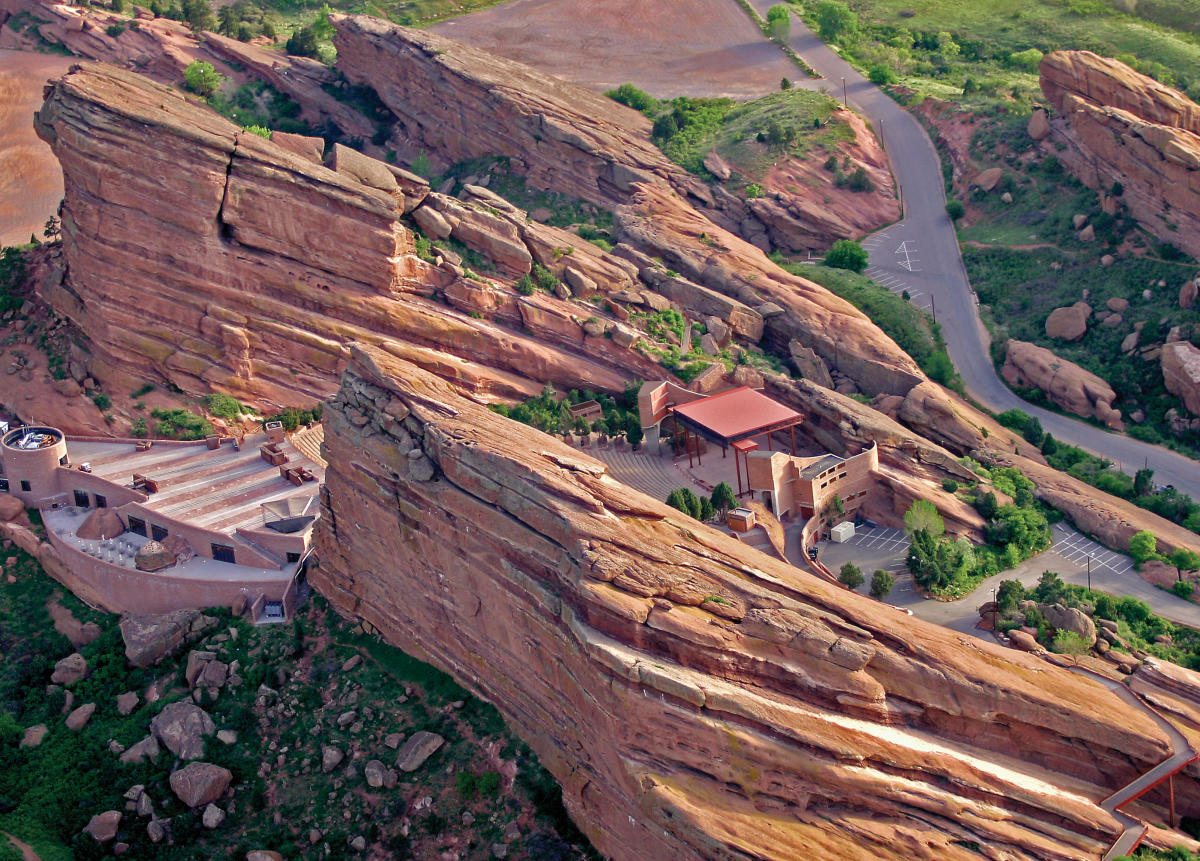
| Nightlife & Music | Austin is the 'Live Music Capital of the World,' with venues for every genre and a buzzing bar scene on 6th Street, Rainey Street, and South Congress. | Denver offers a lively nightlife with numerous breweries, distilleries, rooftop bars, and an impressive concert scene, especially at iconic venues like Red Rocks. | Austin |
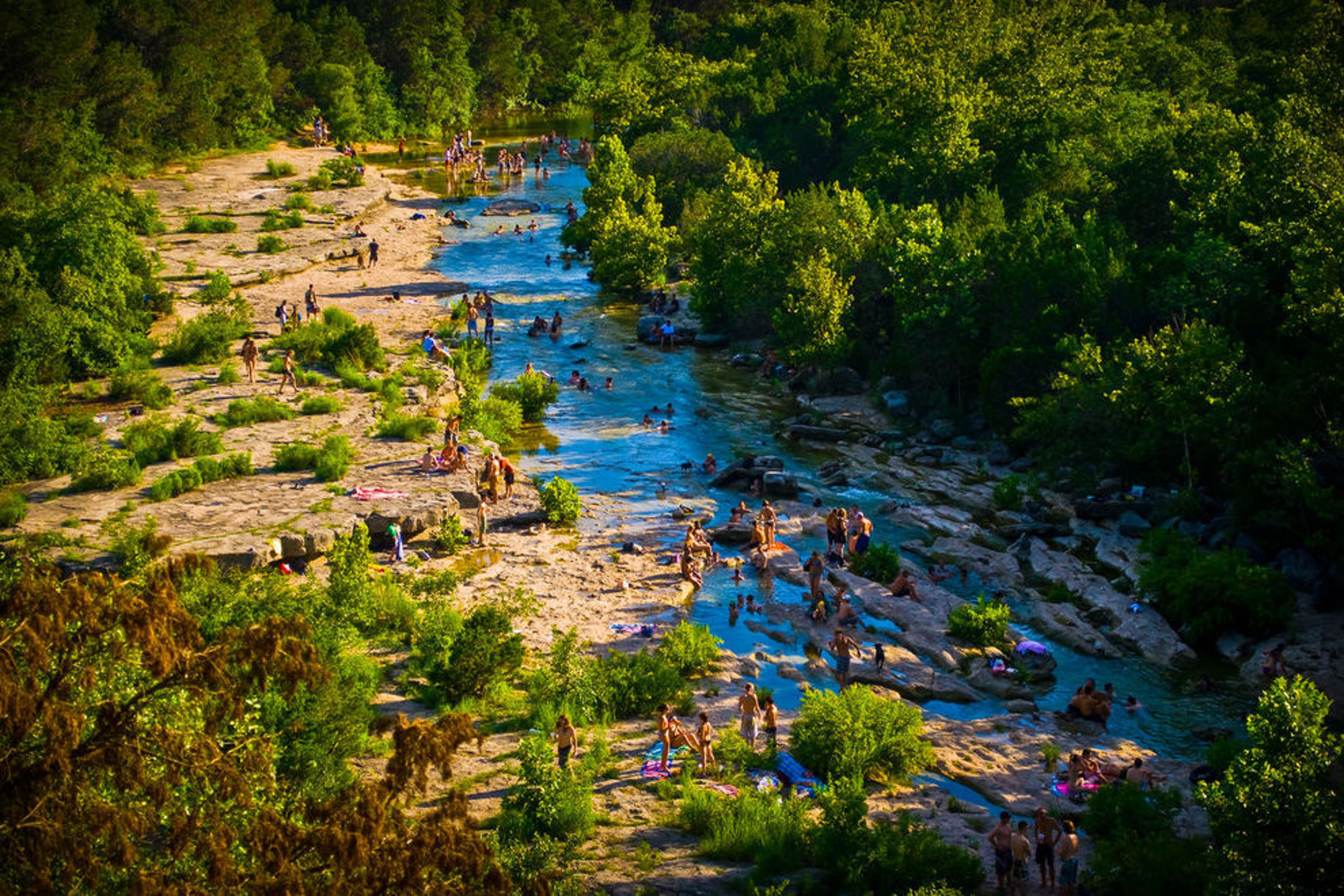
| Nature & Outdoors | Austin offers urban outdoor activities like swimming in Barton Springs Pool, kayaking on Lady Bird Lake, and hiking/biking trails. | Denver is the ultimate gateway to the Rocky Mountains, offering world-class hiking, skiing, and scenic drives within a short distance of the city. | Denver |
| Costs & Budget | Austin can be surprisingly expensive, especially for accommodation and popular dining, though budget options exist with food trucks and BYOB bars. | Denver's costs are comparable to Austin's, with accommodation and activities being primary expenses, but transport around the city can be more efficient. | Tie |
| Getting There & Around | Austin Bergstrom International Airport (AUS) is well-connected. Getting around Austin usually requires a car or rideshares, as public transport is limited. | Denver International Airport (DIA) is a major hub. Denver has an excellent public transport system (RTD Light Rail) connecting the airport to downtown, making it easy to get around without a car. | Denver |
| Accommodation | Austin offers boutique hotels, trendy Airbnbs in eclectic neighborhoods, and larger chain hotels downtown, often at a premium. | Denver has a range of options from luxury hotels to budget-friendly hostels and unique stays in areas like LoDo, RiNo, or Capitol Hill. | Tie |
| Culture & Arts | Austin thrives on its 'Keep Austin Weird' ethos, boasting vibrant street art, independent galleries, and a unique counter-culture vibe. | Denver's art scene is dynamic, particularly in the RiNo Art District, alongside a rich history showcased in museums and historic neighborhoods. | Austin |
| Day Trips | Austin offers diverse day trips to the Texas Hill Country, charming small towns, and larger cities like San Antonio. | Denver is perfectly positioned for day trips to national parks, charming mountain towns, and world-class ski resorts. | Denver |
| Weather & Seasons | Austin experiences hot, humid summers and mild winters, with pleasant springs and falls perfect for outdoor activities. | Denver has distinct four seasons, with sunny, dry summers, crisp autumns, snowy winters, and mild springs. | Denver |
| Solo Travel & Vibe | Austin is very welcoming to solo travelers with its friendly atmosphere, easy-to-join group activities, and diverse entertainment options. | Denver is also great for solo adventurers, especially those focused on outdoor pursuits, with a strong sense of community among active residents. | Austin |
🍔 Food & Drink Scene
Austin's food scene is legendary, truly justifying its 'Foodie Paradise' nickname. From iconic spots like Franklin Barbecue (expect a 2-4 hour wait, but it's worth every penny of the $30-50 per person) and La Barbecue, to the endless array of incredible food trucks on South Congress or Rainey Street (think $10-15 for a gourmet meal), it's a constant discovery. Tex-Mex is king here, with places like Matt's El Rancho or Chuy's serving up classics. The drink scene is equally diverse, from dive bars with cheap Lone Star to sophisticated cocktail lounges like The Roosevelt Room. Denver, on the other hand, excels in its craft beer industry, with hundreds of breweries like Great Divide Brewing Co. or New Belgium Brewing offering tours and tastings (flights typically $10-15). The restaurant scene is strong, with innovative eateries in RiNo Art District (e.g., Uchi Denver) and farm-to-table options in LoHi, but it doesn't quite have Austin's unique, deep-rooted culinary identity. "Honestly, that brisket at Franklin's was life-changing. Just bring a chair and some friends for the wait, totally worth it." The overall culinary vibe in Austin feels more ingrained in its identity.
Winner takeaway
- Winner: Austin
- Why: Austin's unique, deep-rooted culinary identity, especially its world-renowned BBQ and Tex-Mex, gives it the edge over Denver's excellent but less iconic food scene.
- Who this matters for: Foodies, BBQ enthusiasts, craft cocktail lovers, and anyone who uses their stomach to guide their travels.
🎶 Nightlife & Music
When it comes to nightlife, Austin is in a league of its own, primarily driven by its reputation as the 'Live Music Capital of the World.' You can find live music any night of the week, from blues at the Continental Club ($10-20 cover) on South Congress to indie rock at Mohawk ($15-30 cover) on Red River Street. 6th Street (Dirty Sixth) is famous for its rowdy bars and cheap drinks, while Rainey Street offers a more sophisticated, converted-house-bar experience. Prices for a beer range from $5-8, cocktails $10-15. Denver has a great scene too, especially for craft beer lovers, with plenty of lively pubs in LoDo and RiNo, and rooftop bars offering stunning city and mountain views. For concerts, Red Rocks Amphitheatre is an unparalleled venue, but it's more of an event destination rather than a nightly hub. While Denver's music scene is growing and hosts major acts, it can't compete with the sheer volume and variety of daily live performances that Austin offers. "Austin's music scene is just different, man. You can stumble into any bar on South Congress and hear something amazing, every single night."
Winner takeaway
- Winner: Austin
- Why: Austin's unparalleled volume, variety, and accessibility of live music, coupled with its diverse bar districts, solidify its position as the nightlife winner.
- Who this matters for: Music lovers, party-goers, social butterflies, and anyone looking for nightly entertainment beyond just dinner.
🏞️ Nature & Outdoors
Denver is undeniably the winner for nature and outdoor enthusiasts. Its proximity to the majestic Rocky Mountains is its biggest asset. Within a 1-2 hour drive, you can be hiking in Rocky Mountain National Park (entry fee $30/vehicle for 1 day, reservations often required), skiing at resorts like Winter Park or Breckenridge ($150-250+ for a day pass), or enjoying scenic drives like Mount Evans Scenic Byway. The city itself has excellent parks and trails, but the true magic lies just outside. Austin's outdoor scene is more focused on urban recreation and water activities. Zilker Park is a huge green space, home to Barton Springs Pool (entry $5-9, a refreshing 68°F year-round), and Lady Bird Lake is perfect for kayaking, paddleboarding ($15-25/hour rental), and walking/biking on the Ann and Roy Butler Hike-and-Bike Trail. While pleasant, these activities don't offer the same grandeur or variety as the Rocky Mountains. "Hiking in RMNP feels like you're on top of the world. Austin's parks are nice, but they're not 'epic' like the Rockies."
Winner takeaway
- Winner: Denver
- Why: Denver's unparalleled access to the majestic Rocky Mountains, with world-class hiking, skiing, and stunning scenic drives, makes it a clear winner for serious nature lovers.
- Who this matters for: Hikers, skiers, snowboarders, nature photographers, and anyone who thrives in a mountain environment.
💸 Costs & Budget
Both Austin and Denver are major, growing US cities, so don't expect a 'cheap' trip. Accommodation in Austin can range from $150-300+ per night for a decent hotel, particularly around downtown or South Congress. Dining out at a mid-range restaurant often runs $20-40 per person, while a casual food truck meal is $10-15. Flights to Austin vary but often average $250-400 round trip from major US cities. Denver's hotel prices are similar, $160-320+ per night, especially during peak seasons for skiing or summer hiking. Meals are comparable, though brewery visits can add up if you're not careful ($15-25 for food, $8-12 per beer). Flights to Denver are also in the $250-400 range. Transportation costs in both cities can be reduced by using ride-shares ($10-25 per trip downtown) or public transport, though Austin's bus system is less comprehensive than Denver's RTD light rail. Overall, a daily budget of $120-200 for Austin and $130-220 for Denver is realistic for a comfortable trip, excluding flights. "Both cities hit the wallet pretty hard, especially for decent hotels. Food trucks save you in Austin, but those mountain activities in Denver can really add up."
Winner takeaway
- Winner: Tie
- Why: Both cities offer similar cost structures for accommodation, dining, and activities, with slight variations balancing out between them.
- Who this matters for: Budget-conscious travelers looking for value, or those trying to stretch their travel dollars without sacrificing experience.
🚗 Getting There & Around
Flying into Austin is straightforward via Austin Bergstrom International Airport (AUS), which is about a 20-30 minute ride to downtown ($25-35 via rideshare). Once in Austin, however, getting around without a car can be a bit of a challenge. While CapMetro buses serve major routes, they aren't always frequent or convenient for exploring all the distinct neighborhoods. Rideshares (Uber/Lyft) are plentiful but can add up quickly ($10-25 for short trips). Renting a car is often recommended if you plan on exploring beyond the central areas or taking day trips, which averages $50-80 per day. Denver truly shines in this category. Denver International Airport (DIA) is a huge hub, making flights widely available and often competitively priced. The biggest advantage is the RTD A-Line Light Rail, which connects DIA directly to Union Station downtown for a flat fare of $10.50, taking about 37 minutes. From Union Station, you can access the Free MallRide on 16th Street or other light rail lines to reach various parts of the city. While a car is essential for mountain excursions, exploring Denver city center is easily done on foot or via public transport. "Denver's light rail from the airport is a game-changer. No need for an expensive taxi or rental car just to get to my hotel."
Winner takeaway
- Winner: Denver
- Why: Denver's efficient public transportation system, especially the direct light rail connection from the airport to downtown, offers superior ease of access and intra-city travel without needing a car.
- Who this matters for: Travelers who prefer to avoid renting a car, eco-conscious visitors, and those prioritizing convenience upon arrival and for city exploration.
🏨 Accommodation
Both cities offer a broad spectrum of accommodation, but finding budget-friendly options that don't compromise on location can be tricky. In Austin, popular areas like South Congress offer charming boutique hotels such as Hotel San José ($250-400+ per night) or The Driskill downtown ($300-500+), but prices can skyrocket during festivals like SXSW. Airbnbs are prevalent, especially in East Austin or Hyde Park, offering a more local feel (avg. $150-300). Denver's hotel scene is robust, with numerous options around Union Station (e.g., The Crawford Hotel, $300-500+) and the 16th Street Mall. Boutique options are also available in RiNo (e.g., The Source Hotel + Market Hall, $250-400+). Hostels like Hostel Fish ($40-60/night for a dorm bed) offer a more budget-conscious alternative not as widely available in Austin. For both cities, booking well in advance, especially during peak season or major events, is crucial to secure reasonable rates. "Tried to book a last-minute hotel in Austin during a UT game, and everything was either booked or ridiculously expensive. Denver wasn't quite as bad, but still pricey downtown."
Winner takeaway
- Winner: Tie
- Why: Both cities present similar challenges and opportunities in accommodation, with high demand often leading to premium pricing in desirable locations.
- Who this matters for: All travelers, but especially those with specific budget constraints or preferences for boutique vs. chain hotels.
🎨 Culture & Arts
Austin's culture is intrinsically linked to its 'Keep Austin Weird' mantra, fostering a unique blend of independent spirit, creativity, and a laid-back attitude. The city is a canvas for street art, from the iconic 'Greetings from Austin' mural to countless murals in East Austin. Independent galleries and quirky shops abound on South Congress, offering unique souvenirs and local art. The Blanton Museum of Art ($12 adults) and the Bullock Texas State History Museum ($13 adults) provide more traditional cultural experiences. Denver's culture scene is also vibrant, particularly in the River North Art District (RiNo), which is a hub for street art, galleries, and studios. The Denver Art Museum ($13-18 adults) has an impressive collection, and the city's Capitol Hill neighborhood boasts historic mansions and landmarks. However, Austin's culture feels more organic and permeates everyday life, from the constant live music to its quirky shops and community events. "Austin's vibe is just unmatched. You feel the creativity everywhere, not just in specific districts. It's truly weird in the best way."
Winner takeaway
- Winner: Austin
- Why: Austin's deeply ingrained 'Keep Austin Weird' ethos fosters a more pervasive, organic, and unique cultural identity that permeates all aspects of the city.
- Who this matters for: Artists, free spirits, those seeking unique local experiences, and travelers who appreciate a city with a distinct personality.
🗺️ Day Trips
Denver offers an incredible array of day trips that cater to outdoor adventurers. The undisputed champion is Rocky Mountain National Park, a mere 1.5-hour drive (entry $30/vehicle), offering breathtaking hikes and scenic drives like Trail Ridge Road. Other popular options include the historic mining town of Georgetown (1 hour), the iconic Red Rocks Amphitheatre & Park (30 mins, free to explore on non-event days), and even world-class ski resorts like Breckenridge or Vail (2-2.5 hours, though ski passes are pricey). Austin's day trips lean more towards cultural and scenic experiences in the Texas Hill Country. San Antonio (1.5 hours) with the historic Alamo and its Riverwalk is a must-do. Fredericksburg (1.5 hours) offers wineries and German heritage, while charming small towns like Gruene provide a taste of old Texas. While these are enjoyable, they don't quite match the sheer natural grandeur and variety of experiences that Denver's proximity to the Rockies offers. "You can't beat hitting RMNP for a day trip from Denver. It's just massive and so stunning. Austin's Hill Country is nice, but it's a different league entirely."
Winner takeaway
- Winner: Denver
- Why: Denver's immediate access to the majestic Rocky Mountains and a wider array of world-class outdoor and scenic destinations for day trips makes it superior.
- Who this matters for: Adventure seekers, nature photographers, and travelers who enjoy exploring outside the main city.
☀️ Weather & Seasons
The weather is a significant differentiator between these two cities. Austin's summers (June-August) are notoriously hot and humid, often reaching 100°F (38°C) or higher, making outdoor activities uncomfortable during midday. Winters are generally mild (40-60°F / 4-15°C) with occasional cold snaps. Spring (March-May) and Fall (September-November) are ideal, with comfortable temperatures (60-80°F / 15-27°C) and less humidity, perfect for exploring. Denver, by contrast, enjoys a more varied climate with four distinct seasons. Summers (June-August) are warm and dry (70-90°F / 21-32°C), but with much lower humidity and cooler evenings, making outdoor activities very pleasant. Fall (September-October) brings beautiful foliage and crisp air. Winters (November-March) are snowy but often sunny, with temperatures hovering around freezing, ideal for winter sports. The high altitude means stronger sun, even in winter. "I love Austin, but that summer heat is no joke. Denver's summers are so much more enjoyable for being outside, and the dry air is amazing."
Winner takeaway
- Winner: Denver
- Why: Denver offers more pleasant year-round weather for diverse outdoor activities, with dry summers and snowy winters appealing to a broader range of travelers.
- Who this matters for: Outdoor enthusiasts, those sensitive to extreme heat/humidity, and travelers looking for distinct seasonal experiences (e.g., fall foliage, winter snow).
🚶♀️ Solo Travel & Vibe
Austin has an incredibly friendly and open vibe, making it fantastic for solo travelers. The 'Keep Austin Weird' mentality fosters an inclusive environment where it's easy to strike up conversations at a bar, join a group at Barton Springs, or simply enjoy people-watching on South Congress. The sheer abundance of live music venues means you can always find something to do without needing a companion, and many food trucks and casual eateries are perfect for solo dining. Group tours (e.g., food tours $70-100, brewery tours $60-80) are readily available. Denver is also very welcoming, especially for solo travelers keen on outdoor adventures. There are plenty of hiking groups, climbing gyms, and outdoor clubs that make it easy to meet like-minded people. The city itself feels safe and is easy to navigate solo. However, Austin's unique, quirky social scene and its focus on music and casual social interaction might offer a slightly easier entry point for spontaneous solo connections compared to Denver's more activity-driven social scene. "As a solo traveler, Austin felt super easy to just exist and enjoy. People are genuinely friendly, and there's always something going on, even if you're just by yourself."
Winner takeaway
- Winner: Austin
- Why: Austin's inherently friendly, quirky, and inclusive social scene, coupled with its pervasive live music culture, makes it marginally easier and more organic for solo travelers to connect and explore.
- Who this matters for: Solo travelers, those looking to meet new people, and anyone valuing a city with a distinctly friendly and approachable atmosphere.
❓ Frequently Asked Questions
Is Austin or Denver better for a weekend trip?
For a weekend, Austin's concentrated music and food scene might be slightly easier to immerse yourself in. Denver is great, but accessing the mountains for a full experience often warrants more time. If you're staying purely urban, both are excellent.
Which city is safer for travelers?
Both Austin and Denver are generally safe cities for travelers, especially in popular tourist areas. Like any major city, exercise standard precautions, especially at night. Public transport in Denver is safe, and Austin's downtown is well-patrolled.
Are Austin and Denver good for families?
Yes, both offer family-friendly activities. Austin has Zilker Park, Barton Springs, and interactive museums. Denver boasts the Children's Museum, Denver Zoo, and easy access to gentle mountain trails. Denver might offer more diverse outdoor options for active families.
Can I visit both Austin and Denver on one trip?
Absolutely! If you have 7-10 days, you can fly into one, spend 3-4 days, then take a connecting flight to the other for another 3-4 days. It's a great way to experience two very different, vibrant US cities.
Which city has better public transportation?
Denver has a significantly more robust and efficient public transportation system, particularly its RTD Light Rail, which connects the airport to downtown and various city neighborhoods. Austin's CapMetro bus system is less comprehensive, making a car or rideshares more essential.
Is it easy to find vegetarian/vegan food in Austin or Denver?
Both cities are very progressive and offer excellent vegetarian and vegan options. Austin has a thriving plant-based scene with numerous dedicated restaurants and food trucks. Denver also has a strong emphasis on healthy and local eating, with plenty of choices.
Which city is better for a bachelorette/bachelor party?
Austin is often cited as a top destination for bachelor/bachelorette parties due to its legendary 6th Street nightlife, endless live music, and diverse food options. Denver offers great breweries and outdoor activities, but Austin's party vibe is more concentrated and famous.
What's the best time of year to visit Austin vs. Denver?
For Austin, Spring (March-May) and Fall (September-November) offer the most pleasant weather. For Denver, late Spring to early Fall (May-September) is ideal for hiking and outdoor activities, while Winter (December-March) is perfect for ski trips.
Ready to plan your USA adventure?
Get a free custom itinerary for Austin, Denver, or both — built from real traveler insights.
🎟️ Book Tours & Experiences
Hand-picked tours and activities for both destinations — book with free cancellation
Experiences via Viator — free cancellation on most tours