How we built this comparison
This page combines traveler discussion patterns, published price ranges, flight schedules, and seasonal data to help you decide between Australia and South Africa.
- Reviewed 50+ Reddit threads from r/travel, r/solotravel, r/Australia, r/SouthAfrica, and r/capetown for real traveler experiences and advice.
- Verified costs and logistics against current booking platforms (e.g., Booking.com, Skyscanner, local tour operators) for 2023/2024 estimates.
- Cross-referenced seasonal patterns and weather data with common travel advice to ensure practical recommendations.
⚡ Quick Answers
⚡ The TL;DR Verdict
For most travelers seeking a combination of wildlife encounters, deep cultural experiences, and adventure without a prohibitive budget, South Africa is the stronger pick. Its daily costs are generally lower, and the range of experiences from safari to city exploration is more concentrated. Australia suits those prioritizing long road trips, beach life, and a higher budget for a more relaxed, but still outdoor-focused, experience.
- Choose Australia: If your budget allows for higher costs and you seek extensive coastal road trips, unique marsupial wildlife, and a relaxed, safe environment with English as the primary language.
- Choose South Africa: If you prioritize big game safari, diverse cultural immersion, dramatic landscapes, and a more budget-friendly adventure, provided you plan carefully for safety and logistics.
- Choose Both: Consider doing both if you have at least 6-8 weeks of travel time and a significant budget, flying from Perth to Johannesburg could be a connecting point, but it's a very long journey.
Choose Australia
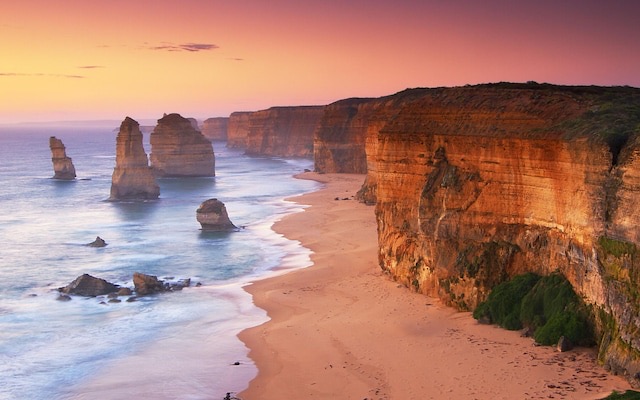
Australia is best for travelers with a generous budget seeking unparalleled natural beauty and a laid-back adventure. Ideal for exploring the vibrant Sydney harbor, diving the Great Barrier Reef, or encountering unique marsupials in the Outback. Choose Australia for a safe, English-speaking journey focused on stunning landscapes and coastal escapes.
Choose South Africa
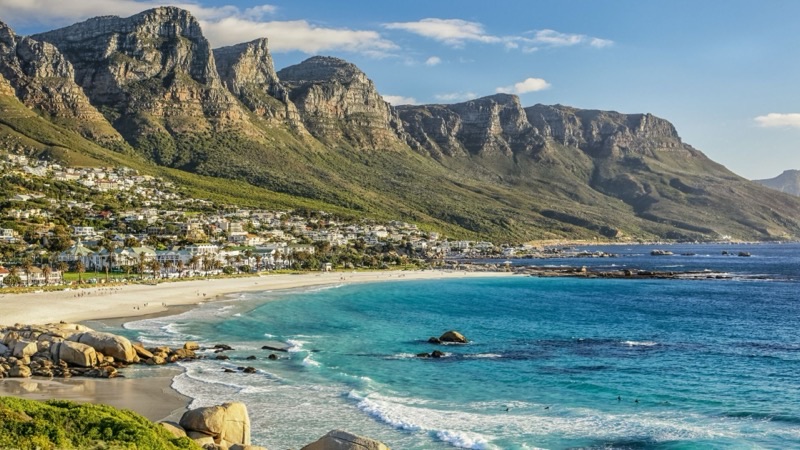
South Africa is perfect for adventurous travelers on a moderate budget, craving intense wildlife encounters and rich cultural immersion. Experience world-class safaris in Kruger National Park, explore the vibrant Bo-Kaap district in Cape Town, or drive the scenic Garden Route. It's best for those prioritizing diverse landscapes and thrilling experiences with careful planning.
📊 Visual Scorecard
🌤 When to Visit
Average high temperatures (°C). Green = best months, orange = avoid.
Quick Comparison
| Category | Australia | South Africa | Winner |
|---|---|---|---|
| Costs & Budget | Significantly higher daily expenses for accommodation, food, and activities. Expect to pay more for everything. | More budget-friendly for mid-range travel. Accommodation and activities offer better value, though safaris can be pricey. | South Africa |
| Safety & Security | Generally very safe with low crime rates, particularly in tourist areas. Common sense precautions apply, but serious threats are rare. | Requires more vigilance and careful planning due to higher crime rates, especially in major cities outside of specific tourist zones. | Australia |
| Nature & Wildlife | Unique marsupials, diverse marine life on the Great Barrier Reef, extensive deserts, and varied national parks. Focus on specific endemic species. | Big Five safari experiences are a major draw. Diverse landscapes from mountains to deserts, with incredible birdlife and marine animals like penguins and sharks. | South Africa |
| Beaches & Coastlines | Extensive, pristine beaches with excellent surfing conditions. Bondi, Whitehaven, and Gold Coast are major draws for their sand and surf. | Stunning coastal drives, dramatic cliffs, and beautiful city beaches, but often with colder water or more rugged conditions. | Australia |
| Food & Drink | Modern Australian cuisine is diverse, with a strong emphasis on fresh seafood, Asian influences, and café culture. Craft beer and wine are prominent. | Flavorful, meat-centric cuisine with strong Dutch, Malay, and Xhosa influences. Cape Winelands are a major draw. Good value for quality. | Tie |
| Getting There (Flights) | Very long-haul flights from most major international hubs, often requiring layovers. Higher flight costs. | Long-haul flights from North America, but shorter and more direct from Europe. Generally more accessible than Australia. | South Africa |
| Getting Around | Excellent road infrastructure for self-driving, extensive domestic flight network, and good public transport in cities. Long distances are a factor. | Car rental is common for flexibility, but public transport is limited outside of major city routes. Long-distance buses and private transfers are options. | Australia |
| Accommodation | Wide range from hostels to luxury hotels, but generally higher prices. Good availability, especially in popular tourist areas. | Diverse options including guesthouses, boutique hotels, safari lodges, and hostels, often at better value. Booking safari lodges requires planning. | South Africa |
| Culture & History | British colonial history, strong Aboriginal heritage (often less visible), and a modern, multicultural identity. Focus on outdoor lifestyle. | Complex history of colonialism, apartheid, and indigenous cultures (Zulu, Xhosa). Rich modern cultural diversity, particularly in music and art. | South Africa |
| Solo Travel | Very safe and easy for solo travelers, with an established backpacker circuit. Public transport is reliable, and English is universal. | Possible for solo travelers, but requires more caution and planning due to safety concerns. Group tours and guesthouses help with meeting people. | Australia |
💸 Costs & Budget
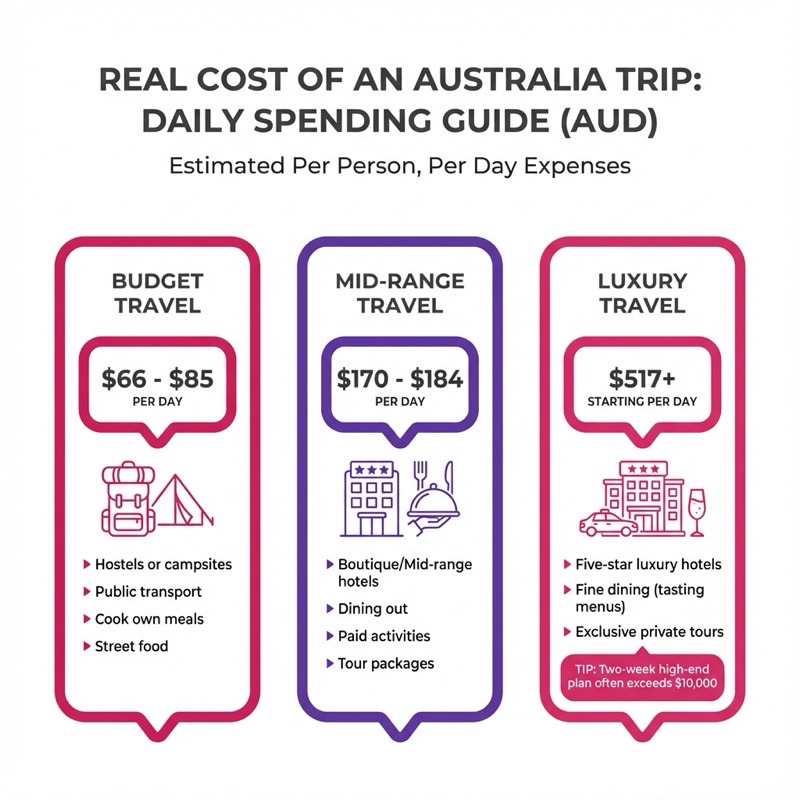
Australia operates on a Western European or North American cost scale. A budget traveler might spend AUD 100-150 (USD 65-100) per day for hostel dorms, self-catering, and public…
Australia
South Africa
Australia operates on a Western European or North American cost scale. A budget traveler might spend AUD 100-150 (USD 65-100) per day for hostel dorms, self-catering, and public transport in cities like Sydney or Melbourne. Mid-range pushes this to AUD 180-250 (USD 120-165) for basic hotels, restaurant meals, and some paid activities. A simple café coffee costs AUD 4.50-5.50 (USD 3-3.70), and a standard restaurant meal easily runs AUD 25-40 (USD 17-27). Domestic flights between major cities like Sydney and Cairns can be AUD 150-300 (USD 100-200) one way, adding up quickly if exploring different regions. Backpackers often find ways to reduce costs by working or camping, but general tourist expenses are high.
South Africa generally provides more value for money. A mid-range traveler can expect to spend ZAR 1000-2500 (USD 55-140) per day for comfortable guesthouses, good meals, and activities. Budget travelers might manage ZAR 600-1000 (USD 35-55) with hostels and self-catering. A coffee in Cape Town is ZAR 30-45 (USD 1.60-2.50), and a restaurant meal is ZAR 200-400 (USD 11-22). While a multi-day Kruger safari can cost ZAR 5000-15000+ (USD 270-800+) per person, shorter day trips or self-drive options are available for less. Intercity buses like Baz Bus or long-distance car rentals are also more affordable than Australian equivalents. South Africa wins on overall daily expenditure for similar travel styles.
- Winner: South Africa
- Why: South Africa offers a considerably better exchange rate and lower prices for accommodation, food, and activities, making a longer trip more feasible.
- Who this matters for: Budget-conscious travelers, backpackers, and those seeking extended trips without breaking the bank.
🛡️ Safety & Security
Australia is among the safest countries for travelers. Major cities like Sydney, Melbourne, and Perth have very low violent crime rates affecting tourists. Petty crime, such as…
Australia
South Africa
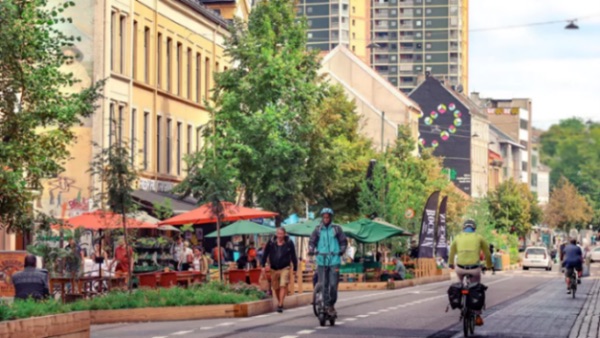
Australia is among the safest countries for travelers. Major cities like Sydney, Melbourne, and Perth have very low violent crime rates affecting tourists. Petty crime, such as pickpocketing, exists in crowded areas but is not prevalent. The primary safety concerns relate to natural environments: strong ocean currents on beaches, sun exposure, and wildlife encounters (snakes, spiders, crocodiles in northern areas). Road conditions are excellent, but long distances between towns in rural areas require proper planning for fuel and supplies. Public transport is reliable and secure, even at night. Most travelers report feeling very safe walking alone in urban centers during the day and early evening.
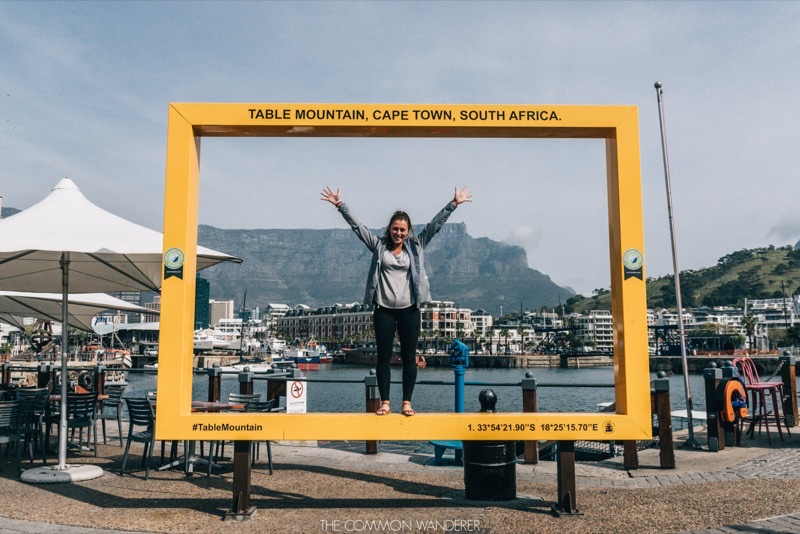
South Africa has a higher crime rate, including violent crime, which requires travelers to exercise increased caution. Areas like Johannesburg and parts of Cape Town have neighborhoods best avoided, especially at night. Carjacking is a concern, so keeping doors locked and windows up is standard practice. Tour operators and guesthouses often provide good advice on safe areas and transport options. However, popular tourist routes, national parks like Kruger, and certain neighborhoods in Cape Town (e.g., Camps Bay, Waterfront) are generally secure due to visible security presence. Self-driving is common, but research on safe routes and secure parking is essential. Australia offers a significantly more relaxed and worry-free travel experience regarding personal safety.
- Winner: Australia
- Why: Australia has a much lower crime rate and fewer security concerns, allowing travelers to explore with less apprehension.
- Who this matters for: Solo female travelers, families with young children, and those who prioritize a stress-free environment.
🦒 Nature & Wildlife
Australia's wildlife is incredibly specific to the continent. You'll find kangaroos, koalas, wombats, and platypuses, often in national parks like Blue Mountains National Park or…
Australia
South Africa
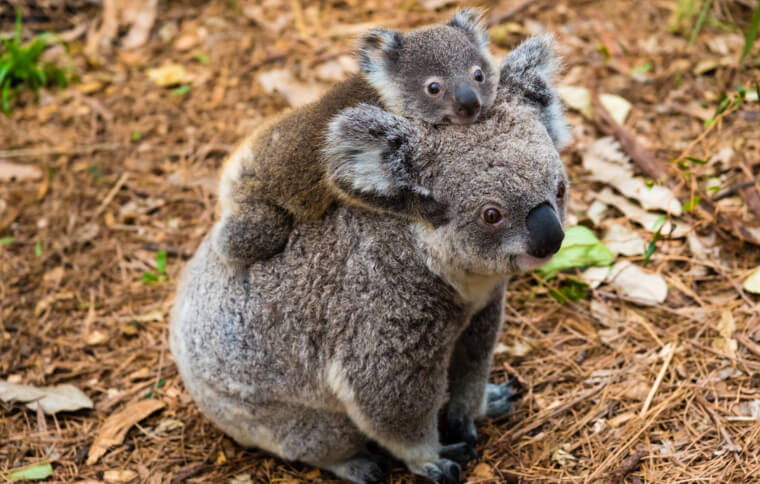
Australia's wildlife is incredibly specific to the continent. You'll find kangaroos, koalas, wombats, and platypuses, often in national parks like Blue Mountains National Park or Phillip Island (for penguin parades). The Great Barrier Reef offers snorkeling and diving with coral, fish, and sea turtles near Cairns. Outback regions feature deserts and ancient rock formations like Uluru. Kakadu National Park in the Northern Territory has crocodiles and extensive birdlife. While the wildlife is unique, spotting many animals requires specific excursions and sometimes luck. The landscapes are diverse, from the Daintree Rainforest to the stark Nullarbor Plain, but the megafauna experience is different from Africa.
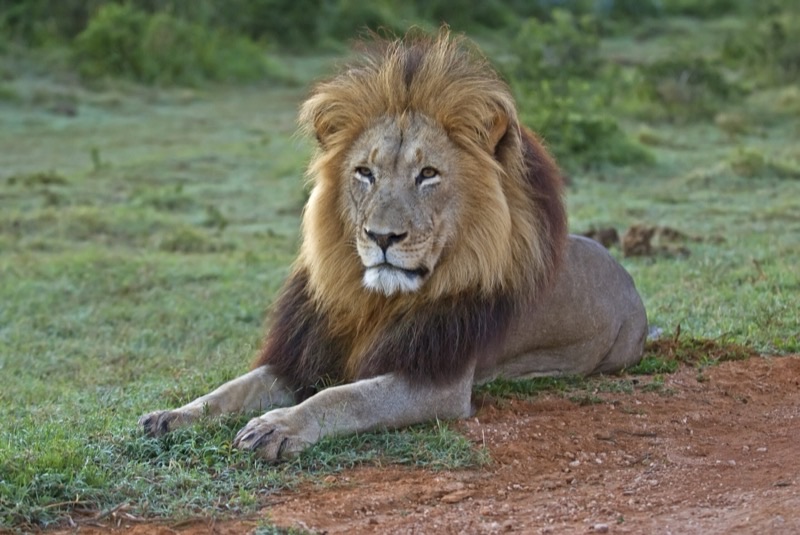
South Africa delivers the quintessential African safari experience. Kruger National Park is world-renowned for its opportunities to see the 'Big Five' (lion, leopard, elephant, rhino, buffalo) alongside giraffes, zebras, and hundreds of bird species. The Drakensberg Mountains provide a different kind of natural experience with hiking and rock formations. The Western Cape features Fynbos biome, with its unique flora, and marine wildlife like great white sharks (near Gansbaai) and African penguins (Boulders Beach). The concentration of large, iconic animals in accessible settings gives South Africa an edge. For raw, impactful wildlife encounters, South Africa is the clear choice.
- Winner: South Africa
- Why: South Africa offers the iconic 'Big Five' safari experience and a higher concentration of large, easily observable wildlife.
- Who this matters for: Wildlife enthusiasts, safari seekers, and those who want to see large mammals in their natural environments.
🏖️ Beaches & Coastlines
Australia is synonymous with beach culture. Its coastline stretches thousands of kilometers, offering countless beaches. Bondi Beach in Sydney is globally known for surfing and…
Australia
South Africa
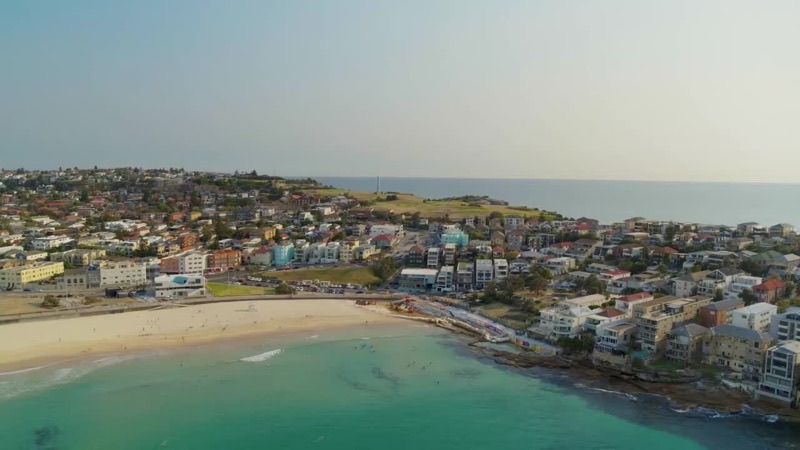
Australia is synonymous with beach culture. Its coastline stretches thousands of kilometers, offering countless beaches. Bondi Beach in Sydney is globally known for surfing and people-watching. Whitehaven Beach in the Whitsundays consistently ranks among the most beautiful, with its pure white silica sand. The Gold Coast in Queensland has expansive surf beaches like Surfers Paradise. Western Australia boasts pristine, less crowded options like Cottesloe Beach in Perth or the turquoise waters of Esperance. The water is generally warm enough for swimming for much of the year, especially in the north and east, though marine stingers are a seasonal concern in tropical regions. Surfing opportunities are abundant for all skill levels.
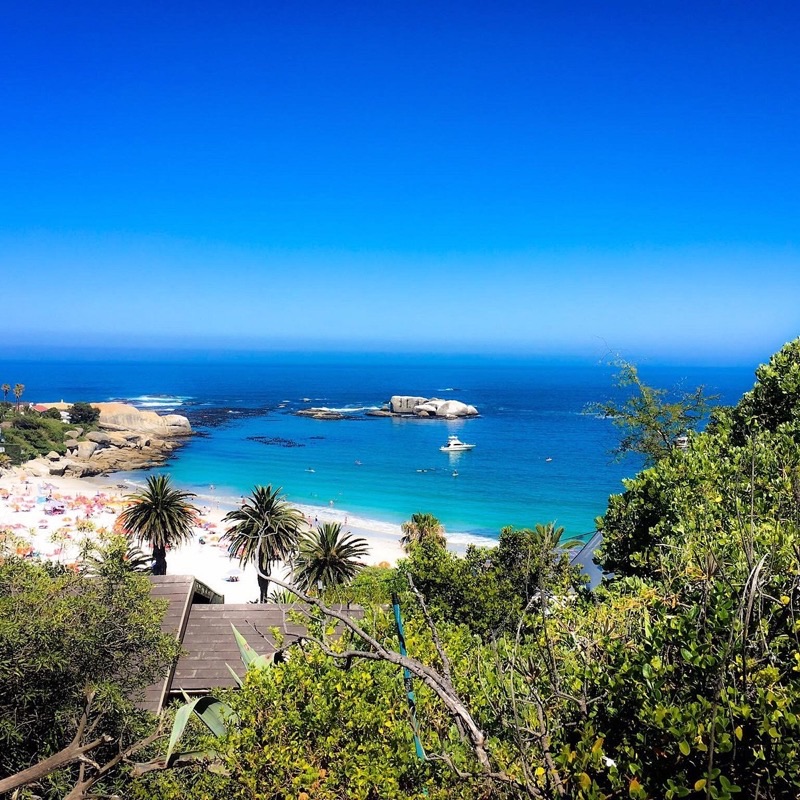
South Africa's coastline is also impressive, particularly around the Western Cape. Clifton Beaches and Camps Bay in Cape Town are picturesque, with Table Mountain as a backdrop, though the Atlantic water is cold. The Garden Route features stretches of sand and cliffs, and places like Jeffrey's Bay are famous for surfing. Durban on the east coast offers warmer Indian Ocean waters and popular city beaches. While South Africa has beautiful coastal areas, Australia's sheer scale of accessible, warm-water, sandy beaches, combined with its deeply ingrained beach culture, makes it the stronger destination for beach lovers. Australia delivers the archetypal 'beach holiday' experience more consistently.
- Winner: Australia
- Why: Australia offers more extensive, iconic, and consistently warm-water beaches with a strong beach culture and excellent surfing.
- Who this matters for: Surfers, sun-worshippers, and those seeking long, relaxed days by the ocean.
🍽️ Food & Drink
Australia's food scene is incredibly dynamic and globally influenced. Cities like Melbourne and Sydney are culinary hubs, known for their exceptional coffee culture and diverse…
Australia
South Africa
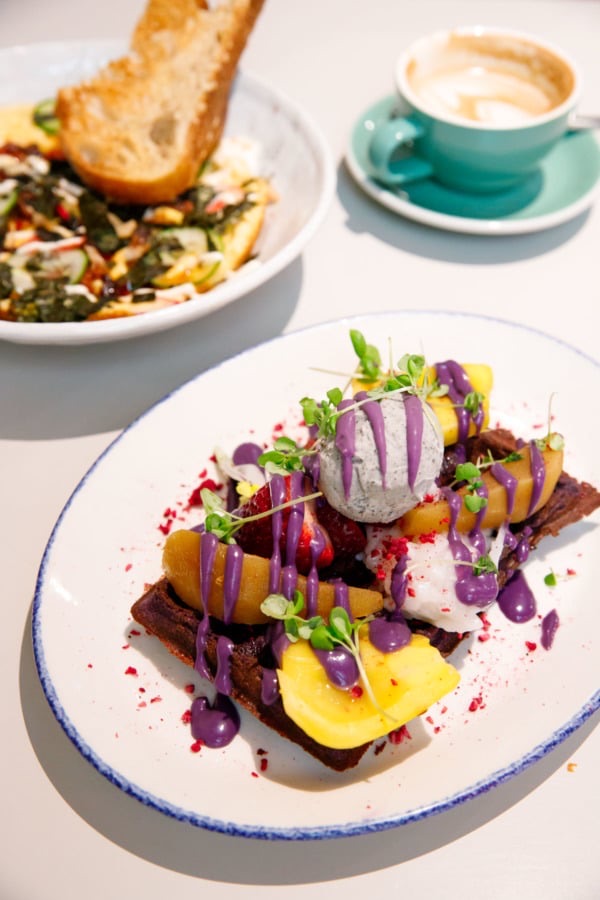
Australia's food scene is incredibly dynamic and globally influenced. Cities like Melbourne and Sydney are culinary hubs, known for their exceptional coffee culture and diverse restaurants, from high-end dining to casual Asian eateries. Fresh seafood, such as barramundi and prawns, is a staple. Modern Australian cuisine often fuses European and Asian techniques. Craft beer breweries are common, and the wine regions of Barossa Valley and Margaret River produce world-class wines. Eating out can be expensive, with a casual brunch easily costing AUD 20-30 (USD 13-20) and dinner much more. Supermarket prices are also higher than in many other countries.
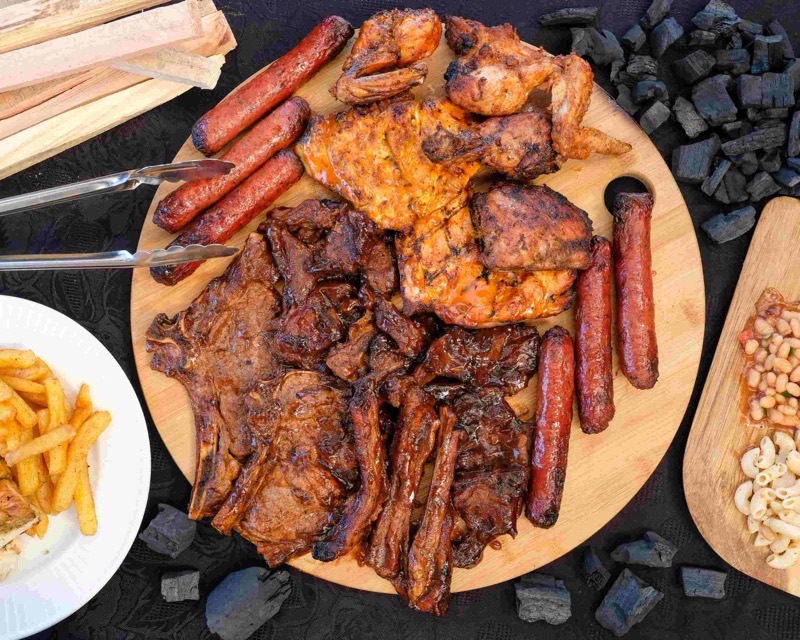
South Africa offers a distinctive culinary experience. Braai (barbecue) is a national institution, with various meats like boerewors (sausage) and lamb chops. Cape Malay cuisine, found in Cape Town, brings fragrant curries and bobotie. Biltong (dried meat) is a popular snack. The Cape Winelands, including Stellenbosch and Franschhoek, offer exquisite wine tasting experiences, often at a fraction of the cost of similar quality wines elsewhere. Eating out offers good value, with high-quality restaurant meals in major cities for ZAR 200-400 (USD 11-22). While Australia's food might be more globally refined, South Africa's unique flavors, value, and wine experiences stand equally strong. Both provide compelling food narratives, just different ones, hence the tie.
- Winner: Tie
- Why: Both countries offer distinct and exceptional food and drink experiences, from Australia's modern fusion to South Africa's unique local flavors and wine regions.
- Who this matters for: Foodies and drinkers with specific preferences for either modern global cuisine or unique regional flavors and wine estates.
✈️ Getting There (Flights)
Reaching Australia typically involves very long flights from most parts of the world. From North America (e.g., Los Angeles or Vancouver), direct flights to Sydney or Melbourne…
Reaching Australia typically involves very long flights from most parts of the world. From North America (e.g., Los Angeles or Vancouver), direct flights to Sydney or Melbourne take around 14-16 hours, but most itineraries involve layovers, pushing total travel time to 18-24 hours or more. From Europe, flights are usually 20-25+ hours with at least one stop. Return economy flights can range from USD 1200-2500+, depending on the season and departure point. The sheer distance and limited direct routes contribute to higher airfare costs and longer travel times, making the journey a significant commitment.
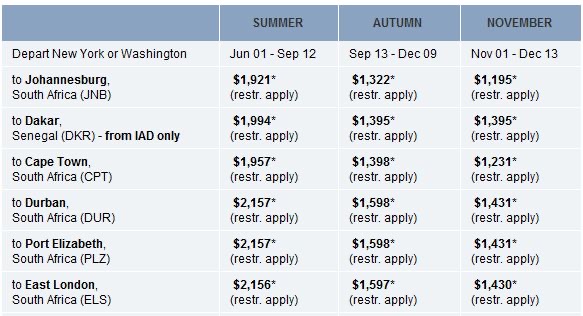
South Africa is also a long-haul destination but generally more accessible than Australia. From North America (e.g., New York, Atlanta), direct flights to Johannesburg or Cape Town are around 15-17 hours. From major European hubs (e.g., London, Frankfurt), direct flights are typically 10-12 hours, making it a much quicker journey for European travelers. Return economy flights usually range from USD 800-1800+ from North America and USD 600-1200+ from Europe. The shorter flight times from Europe significantly increase its appeal for a wider range of travelers. South Africa's relative proximity to Europe and slightly shorter overall travel times from other continents make it the easier destination to reach.
- Winner: South Africa
- Why: South Africa has shorter flight times and generally lower airfare from Europe, and slightly shorter travel times from North America, making it more accessible.
- Who this matters for: Travelers coming from Europe, or those with less vacation time who want to minimize travel days.
🚗 Getting Around
Australia has a well-developed infrastructure for internal travel. Major cities have efficient public transport systems (trains, trams, buses), like Sydney's Opal card or…
Australia has a well-developed infrastructure for internal travel. Major cities have efficient public transport systems (trains, trams, buses), like Sydney's Opal card or Melbourne's Myki. Self-driving is popular due to high-quality roads and scenic routes, though distances between destinations can be vast; driving from Sydney to Melbourne is about 9 hours. Domestic flights are frequent between major hubs like Perth, Sydney, Melbourne, Brisbane, and Cairns, making it easy to cover ground quickly, but they add to the cost. Greyhound Australia offers long-distance bus services, though these can be very time-consuming. Overall, travelers have reliable and safe options for covering significant distances.
In South Africa, getting around generally means renting a car or using private transfers/taxis (e.g., Uber in major cities). While cities like Cape Town have some public transport (MyCiTi bus), it doesn't cover all areas and isn't as extensive as Australian systems. The Gautrain connects Johannesburg's airport to Sandton and Pretoria, but it's an exception. Self-driving is common, especially for safaris and the Garden Route, but requires awareness of local driving conditions and security. Long-distance intercity buses (e.g., Intercape, Greyhound) exist but don't offer the same level of comfort or route flexibility as a private car. Australia's superior public transport networks and extensive, well-maintained road system across the entire country make internal travel much easier and safer for varied traveler types.
- Winner: Australia
- Why: Australia offers more reliable and extensive public transport in cities, combined with excellent, safe road infrastructure for self-driving.
- Who this matters for: Travelers who prefer not to drive, or those who want varied, safe, and efficient transport options across large distances.
🏨 Accommodation
Accommodation in Australia, like other costs, is on the higher side. A hostel dorm bed in Sydney or Melbourne can be AUD 40-70 (USD 27-47) per night. Mid-range hotels typically…
Accommodation in Australia, like other costs, is on the higher side. A hostel dorm bed in Sydney or Melbourne can be AUD 40-70 (USD 27-47) per night. Mid-range hotels typically start from AUD 150-250 (USD 100-165) per night for a basic room. Availability is good in cities and popular tourist spots like the Gold Coast or Cairns. Options range from budget motels and caravan parks to serviced apartments and high-end resorts. Booking in advance, especially during peak season or school holidays, is advisable to secure preferred rates and locations. Quality is generally high across all price points, with clean and well-maintained properties.
South Africa offers a remarkable range of accommodation, often at better price points for the quality received. Hostel dorms in Cape Town might be ZAR 200-400 (USD 11-22). Mid-range guesthouses or boutique hotels in cities or wine country can be found for ZAR 800-1500 (USD 45-80) per night. Safari lodges, while more expensive (ZAR 3000-15000+ / USD 160-800+ per person per night for all-inclusive), offer an unparalleled experience. Even budget safari camps within Kruger National Park provide clean, functional accommodation at lower prices. The variety and value of unique guesthouses, particularly in the Western Cape, stand out. South Africa provides a broader spectrum of accommodation experiences at more accessible price points.
- Winner: South Africa
- Why: South Africa provides a greater variety of accommodation types, including unique safari lodges and guesthouses, often with better value for money.
- Who this matters for: Travelers seeking unique lodging experiences or those looking for higher quality accommodation within a mid-range budget.
🏛️ Culture & History
Australia's history encompasses ancient Aboriginal cultures, which date back over 65,000 years, and a relatively recent European colonial past from the late 18th century.…
Australia's history encompasses ancient Aboriginal cultures, which date back over 65,000 years, and a relatively recent European colonial past from the late 18th century. Aboriginal art and cultural centers exist, particularly in places like Alice Springs or Kakadu National Park, but mainstream tourist offerings often focus on natural landscapes and contemporary urban life. Modern Australian culture emphasizes an outdoor, relaxed lifestyle, sports, and a multicultural population drawn from around the world. Major cities have museums like the National Museum of Australia in Canberra or the Art Gallery of New South Wales in Sydney, which touch upon its history. The cultural experience tends to be less overtly 'historical' than in South Africa.
South Africa's history is significantly more dramatic and evident, from ancient tribal kingdoms to the complex eras of colonialism and apartheid. Sites like Robben Island (where Nelson Mandela was imprisoned), the District Six Museum in Cape Town, and the Apartheid Museum in Johannesburg offer powerful insights into the nation's struggle and transformation. Indigenous cultures like the Zulu and Xhosa are prominent, with opportunities for cultural village visits or interactions. The country is a 'rainbow nation' with 11 official languages, reflecting its deep cultural diversity. This blend of ancient traditions, colonial legacies, and recent political history provides a profound and thought-provoking cultural journey. South Africa offers a more layered and accessible historical and cultural narrative.
- Winner: South Africa
- Why: South Africa offers a more profound and tangible historical and cultural experience, with prominent sites relating to apartheid and diverse indigenous cultures.
- Who this matters for: History buffs, those interested in social justice and political history, and travelers seeking deep cultural immersion.
🚶♀️ Solo Travel
Australia is a top destination for solo travelers, particularly backpackers. Its high safety rating, extensive hostel network, and ease of communication (English is the main…
Australia is a top destination for solo travelers, particularly backpackers. Its high safety rating, extensive hostel network, and ease of communication (English is the main language) make it straightforward. The East Coast, from Melbourne to Cairns, has a well-trodden 'backpacker trail' with plenty of organized tours and social opportunities. Public transport is reliable, and hitchhiking is generally not recommended but less risky than in many places. Many activities, such as surfing lessons in Byron Bay or diving on the Great Barrier Reef, are easy to join as an individual. Connecting with other travelers is simple through hostels and tour groups.
Solo travel in South Africa requires more awareness and planning. While many solo travelers visit successfully, particularly those joining group safaris or staying in well-regarded hostels in Cape Town, the higher crime rates mean increased vigilance is necessary, especially outside of tourist zones and at night. Self-driving solo is common but requires caution. Group tours for safaris or specific activities are an excellent way to meet people and enhance safety. Hostels in major cities like Cape Town or Johannesburg are generally social and a good base. However, the need for constant awareness and careful route planning makes it a more challenging solo travel destination than Australia. Australia's pervasive safety and ease of navigation make it a better choice for most solo adventurers.
- Winner: Australia
- Why: Australia is significantly safer and easier to navigate for solo travelers, with a well-established infrastructure for independent exploration and socializing.
- Who this matters for: First-time solo travelers, those who prefer less stress, and individuals seeking easy social interaction.
🎯 The Decision Framework
Choose Australia If…
- You prioritize safety above all else.
- You want extensive, warm-water beaches and surf culture.
- Your budget allows for higher daily spending.
- You enjoy long, scenic road trips across vast distances.
- You are fascinated by unique marsupial wildlife.
- You seek a relaxed, outdoor-focused lifestyle.
- You prefer seamless public transport in major cities.
- You are a solo traveler seeking easy navigation and social opportunities.
Choose South Africa If…
- You dream of seeing the 'Big Five' on safari.
- You seek a more budget-friendly adventure.
- You are interested in complex history and diverse cultures (e.g., apartheid, indigenous tribes).
- You appreciate world-class wine regions at good value.
- You are comfortable with higher safety awareness and planning.
- You prefer shorter flight times from Europe.
- You enjoy dramatic landscapes like Table Mountain or Drakensberg.
- You want a vacation with a strong focus on impactful wildlife encounters.
📅 Sample Itineraries
Weekend in Australia (3 Days)
💡 Purchase an Opal card upon arrival for cheaper and easier public transport around Sydney, saving you about 10-20% on fares.
Weekend in South Africa (3 Days)
💡 For the Cape Peninsula, consider renting a car for a day ($30-50 plus fuel) to explore at your own pace, which can be more cost-effective than a guided tour for small groups.
One Week in Australia (7 Days)
💡 Booking domestic flights between major cities like Sydney and Melbourne in advance can save you 30-50% on airfare, often costing around $80-120 instead of last-minute $150+.
One Week in South Africa (7 Days)
💡 For the Garden Route, renting a car is highly recommended ($30-50 per day). It allows flexibility and often works out cheaper than multiple guided tours, especially for safaris.
❓ Frequently Asked Questions
What is the typical daily budget for a mid-range traveler in each country?
In Australia, expect to spend AUD 180-250 (USD 120-165) per day for comfortable accommodation, restaurant meals, and some activities. For South Africa, a mid-range budget is typically ZAR 1000-2500 (USD 55-140) per day, offering good guesthouses, quality food, and some activities, excluding multi-day safaris.
How long should I plan to visit each country?
For Australia, due to its size and long travel times, aim for at least 3-4 weeks to see a few regions like Sydney/Melbourne and the Great Barrier Reef. For South Africa, 2-3 weeks allows for a good mix of Cape Town, the Garden Route, and a Kruger safari, making it more feasible for shorter trips.
Are safaris in Australia comparable to South Africa?
No, they are very different. Australia offers wildlife encounters with unique marsupials (kangaroos, koalas) and marine life, but it doesn't have the 'Big Five' (lion, leopard, elephant, rhino, buffalo) safari experience that is the hallmark of South Africa's Kruger National Park or private reserves.
Which country is better for surfing?
Australia generally wins for surfing. It has thousands of kilometers of coastline with consistent waves, iconic surf spots like Bondi Beach and the Gold Coast, and a deeply ingrained surf culture. South Africa has good surf spots like Jeffrey's Bay, but Australia offers more variety and accessibility.
What are the main public transport options in cities?
Australian cities like Sydney and Melbourne have extensive and efficient public transport systems (trains, trams, buses) that are easy for tourists to use. In South Africa, public transport is much more limited outside of specific routes like Cape Town's MyCiTi bus or Johannesburg's Gautrain; Uber or private transfers are more common.
Which country has better hiking opportunities?
Both offer excellent hiking, but for different types of terrain. Australia has extensive national parks with trails through rainforests, deserts (Uluru), and coastal paths. South Africa boasts dramatic mountain ranges like the Drakensberg, diverse coastal trails (Otter Trail), and wildlife walks within reserves, offering a more varied and often more rugged hiking experience.
What are the visa requirements for US citizens?
US citizens need an Electronic Travel Authority (ETA) for Australia, which is applied for online and typically granted quickly. For South Africa, US citizens do not need a visa for stays up to 90 days, but a valid passport with at least two blank pages and six months validity beyond your intended stay is required.
Which destination is more suitable for families with young children?
Australia is generally more suitable for families with young children due to its higher safety ratings, excellent infrastructure, child-friendly attractions (e.g., zoos, theme parks), and widely spoken English. South Africa requires more careful planning for family travel, particularly regarding safety and health precautions.
Ready to plan your next adventure?
Get a free custom itinerary for Australia, South Africa, or both — built from real traveler insights.
👥 Travelers Also Compared
🎟️ Book Tours & Experiences
Hand-picked tours and activities for both destinations — book with free cancellation
Experiences via Viator — free cancellation on most tours