How we built this comparison
This page combines traveler discussion patterns, published price ranges, flight schedules, and seasonal data to help you decide between Australia and South Korea.
- Reviewed 50+ Reddit threads from r/travel, r/solotravel, r/AusTravel, and r/KoreaTravel.
- Verified costs and logistics against current booking platforms like Skyscanner, Booking.com, and local transport sites.
- Cross-referenced seasonal patterns and weather data for optimal travel timing.
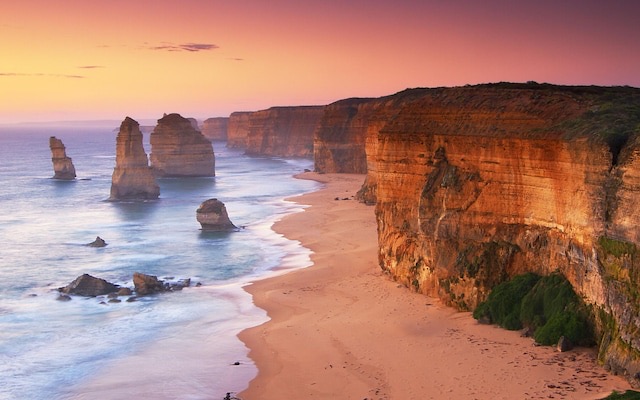
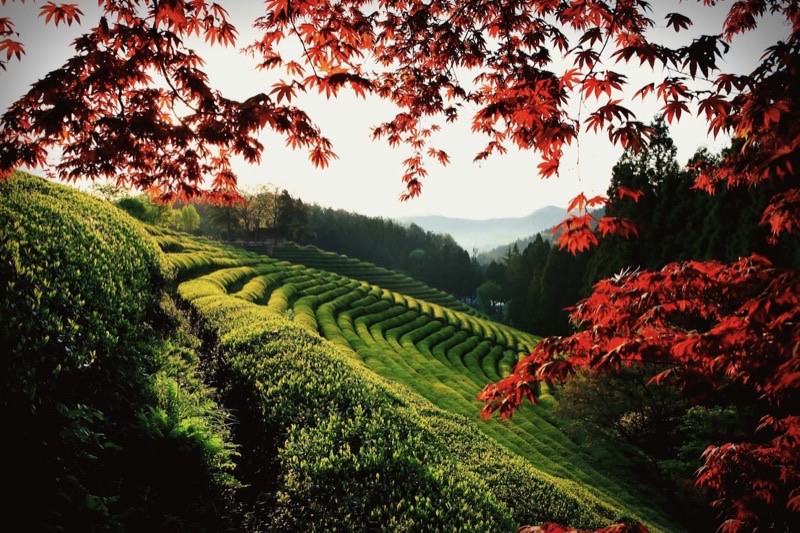
⚡ The TL;DR Verdict
For most travelers seeking a well-rounded trip without breaking the bank, South Korea provides an engaging experience with better value. Australia is for those prioritizing expansive nature and beach life over budget. South Korea daily budgets typically range $60-120 USD, while Australia usually sits around $100-200 USD.
- Choose Australia: Travelers prioritizing vast open spaces, unique wildlife, surfing, and beach relaxation will find Australia delivers. Its for road trippers and nature enthusiasts with a larger budget.
- Choose South Korea: Travelers who enjoy fast-paced cities, efficient public transport, complex history, and a strong food culture will prefer South Korea. Its ideal for those looking for value and cultural depth.
- Choose Both: Doing both requires at least 4-5 weeks, given the travel time. Consider combining if you have extended leave and want to experience two very different sides of the world, perhaps focusing on one countrys nature and the others cities.
Choose Australia
Opt for Australia if your ultimate vacation involves expansive natural beauty, iconic wildlife, and a relaxed beach lifestyle. It's best for nature enthusiasts and road trippers with a larger budget, eager to snorkel the Great Barrier Reef, surf Bondi Beach, or explore the vast Outback. Expect unforgettable outdoor adventures that justify the premium cost.
Choose South Korea
Select South Korea if you crave an immersive cultural journey, dynamic cityscapes, and incredible food experiences. It's ideal for value-seeking travelers who will love exploring Seoul's vibrant Myeongdong markets, visiting ancient palaces like Gyeongbokgung, and indulging in delicious street food in Hongdae. Prepare for an efficient, engaging trip rich in history and innovation.
Quick Comparison
| Category | Australia | South Korea | Winner |
|---|---|---|---|
| Food & Drink | Quality cafes, fresh seafood, BBQ culture, diverse immigrant food. Can be expensive. | Street food paradise, diverse Korean dishes, late-night options, excellent value. | South Korea |
| Costs & Budget | Generally expensive across accommodation, transport, and food. Higher daily budgets required. | Good value accommodation and food, efficient and affordable public transport. Lower daily budgets. | South Korea |
| Nature & Scenery | Vast, diverse landscapes from deserts and rainforests to coral reefs and beaches. Epic scale. | Mountains, coastlines, islands, and national parks. Smaller scale, but accessible. | Australia |
| Culture & History | Indigenous history, convict heritage, relaxed beach culture, modern multiculturalism. | Ancient dynasties, Confucian traditions, modern pop culture, intense urban history. | South Korea |
| Nightlife & Entertainment | Pubs, bars, live music venues, casinos in major cities. Can be expensive. | Late-night culture, K-pop clubs, karaoke (Norebang), themed bars, food stalls. | South Korea |
| Getting There (Flights) | Long-haul flights from most regions, often 14+ hours. Limited direct routes from Europe/Americas. | Well-connected globally, many direct long-haul options. Shorter flight times for many travelers. | South Korea |
| Getting Around | Good public transport in cities, but intercity travel often requires flying or long drives. | Extremely efficient and affordable public transport network, high-speed rail connects major cities. | South Korea |
| Accommodation | Hostels, hotels, apartments. Can be expensive, especially in major cities or peak season. | Hostels, guesthouses, hotels, unique Hanok stays. Generally good value and quality. | South Korea |
| Shopping | Fashion boutiques, surf wear, souvenir shops. Generally higher prices. | Extensive shopping districts, K-beauty, fashion, electronics, street markets. Excellent value. | South Korea |
| Safety & Stability | Generally very safe with low crime rates. Wildlife considerations in remote areas. | Extremely safe, low crime rates, efficient emergency services. Very traveler-friendly. | Tie |
🍜 Food & Drink
Australia offers quality cafe culture, particularly in cities like Melbourne and Sydney, where a flat white costs about AUD 5-6 (~$3.50-4). Seafood is fresh, especially in coastal…
Australia
South Korea
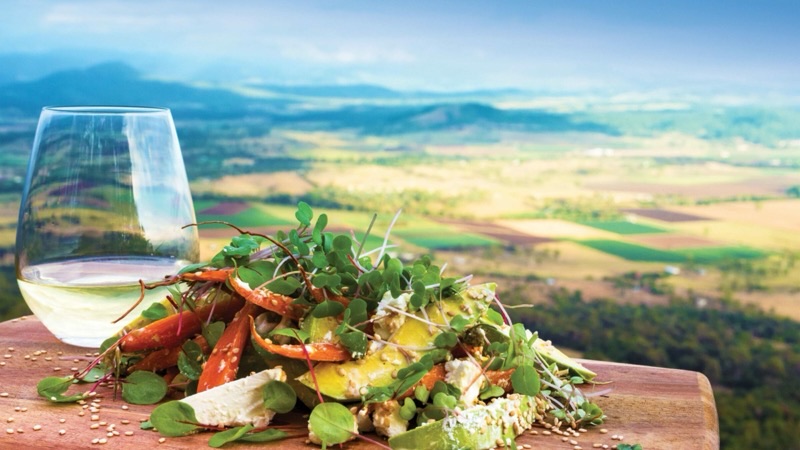
Australia offers quality cafe culture, particularly in cities like Melbourne and Sydney, where a flat white costs about AUD 5-6 (~$3.50-4). Seafood is fresh, especially in coastal areas, with fish and chips costing AUD 20-30 (~$13-20). The food scene is varied, reflecting its multicultural population, from Vietnamese in Footscray to Italian in Lygon Street. Restaurant meals can easily reach AUD 30-50 (~$20-35) per person.
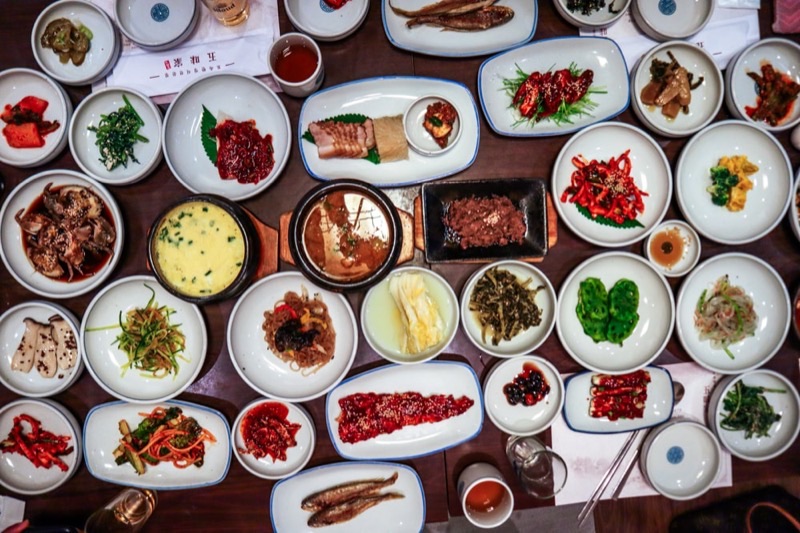
South Korea is a food lovers dream for both variety and value. Street food in Myeongdong or Gwangjang Market offers Tteokbokki for KRW 5,000 (~$4) and Kimbap for KRW 3,000 (~$2.50). Casual restaurant meals like Korean BBQ or Bibimbap are typically KRW 12,000-25,000 (~$9-19) per person. Convenience stores offer cheap, decent meals for KRW 5,000 (~$4). Drink culture, especially soju and makgeolli, is deeply ingrained and affordable. The sheer range of cheap, delicious, accessible food makes South Korea the clear victor here. Verdict: South Korea provides a more accessible and diverse food adventure for the average traveler.
- Winner: South Korea
- Why: South Korea wins for its incredible range of affordable, accessible, and deeply embedded culinary experiences, from street food to sit-down meals.
- Who this matters for: Budget travelers, food enthusiasts, and those who enjoy trying new dishes frequently.
💰 Costs & Budget
Travel costs in Australia are consistently high. A dorm bed in Sydney or Melbourne averages AUD 40-70 (~$27-47), while a basic private room starts at AUD 120-180 (~$80-120).…
Australia
South Korea
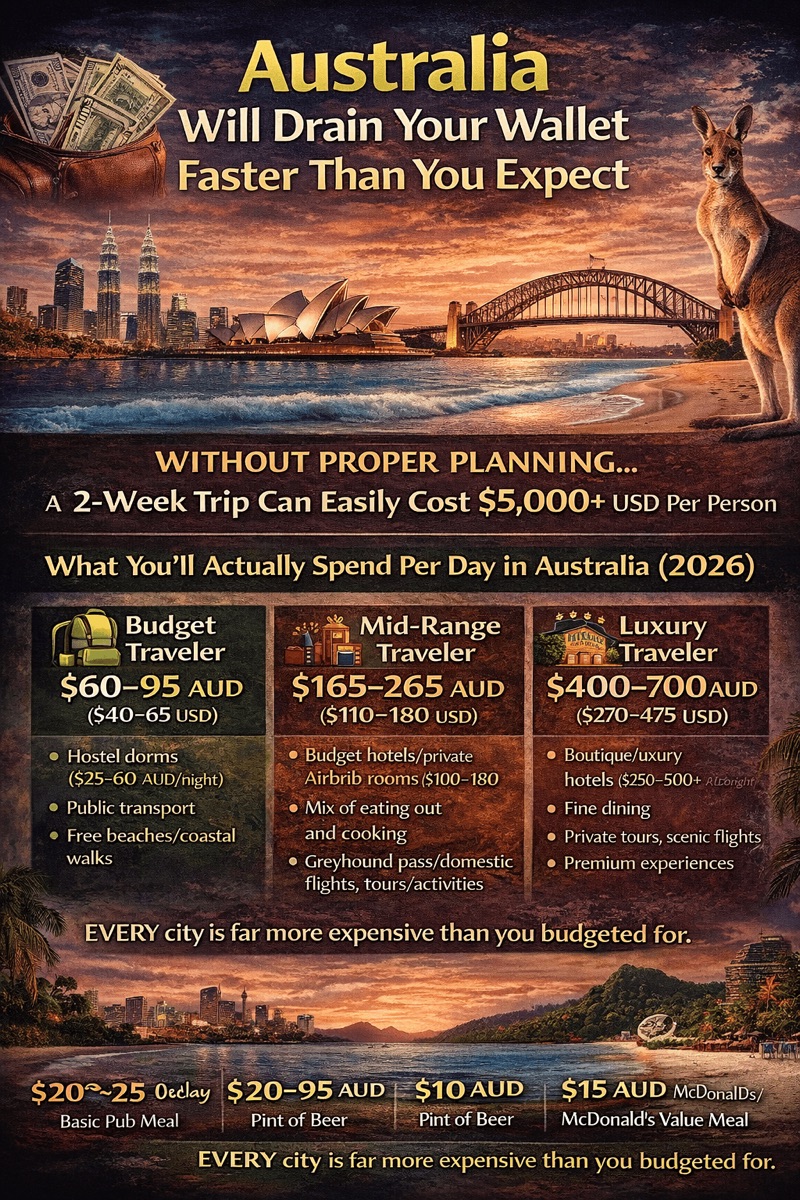
Travel costs in Australia are consistently high. A dorm bed in Sydney or Melbourne averages AUD 40-70 (~$27-47), while a basic private room starts at AUD 120-180 (~$80-120). Public transport in cities like Sydney can add AUD 15-20 (~$10-13) per day. Groceries are relatively expensive, and eating out often costs AUD 20-40 (~$13-27) per meal. Daily budget for a backpacker is AUD 100-200 (~$67-135), mid-range traveler AUD 200-400 (~$135-270).
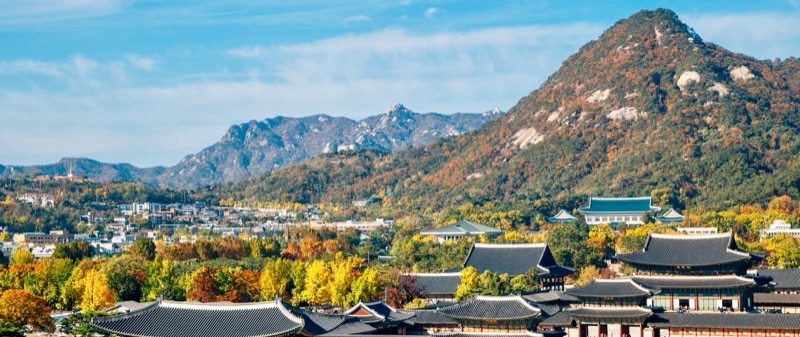
South Korea offers significantly better value. Hostel dorms in Seoul or Busan are KRW 25,000-40,000 (~$19-30), and private rooms start at KRW 70,000-120,000 (~$55-90). Public transport, particularly the subway, is incredibly efficient and cheap, with single fares around KRW 1,350 (~$1). Food, as mentioned, is affordable. A budget traveler can easily manage on KRW 70,000-100,000 (~$55-75) per day, while a mid-range budget is KRW 100,000-200,000 (~$75-150). Verdict: South Korea offers a far more budget-friendly travel experience, making it accessible to a broader range of travelers.
- Winner: South Korea
- Why: South Korea provides better value across all major spending categories, including accommodation, food, and transport, allowing budgets to stretch further.
- Who this matters for: Budget-conscious travelers, long-term travelers, and anyone looking to maximize their travel duration.
🏞️ Nature & Scenery
Australia offers an unparalleled diversity and scale of natural features. From the Great Barrier Reef (check current health) to the ancient landscapes of Uluru, the Daintree…
Australia
South Korea
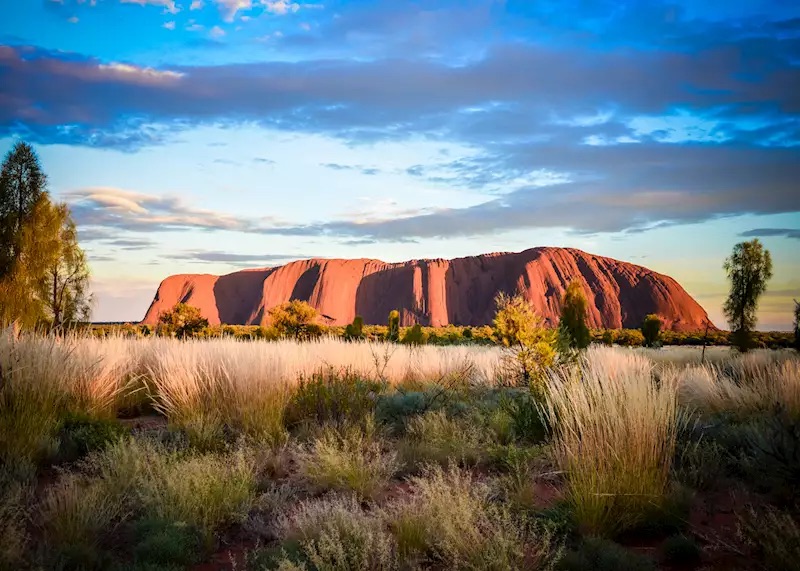
Australia offers an unparalleled diversity and scale of natural features. From the Great Barrier Reef (check current health) to the ancient landscapes of Uluru, the Daintree Rainforest, and the rugged coastline of the Great Ocean Road, its geographic scope is immense. Wildlife encounters with kangaroos, koalas, and unique birds are common. Driving through the Outback reveals expansive, remote terrain. The sheer size means significant travel time or multiple trips to see different regions.
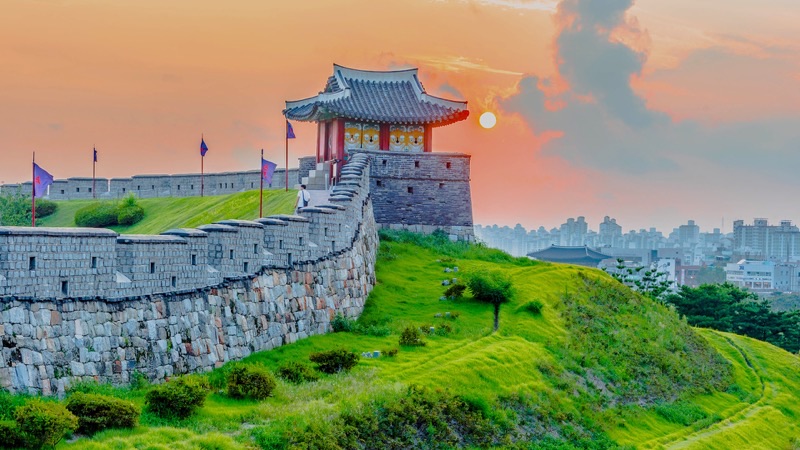
South Korea has plenty of natural beauty, though on a more contained scale. Mountains dominate much of the peninsula, with numerous national parks like Seoraksan and Bukhansan (easily reachable from Seoul) offering hiking trails. Jeju Island is a popular destination for its volcanic landscapes, waterfalls, and coastal paths. The Hallyeo Maritime National Park on the southern coast features many islands. While beautiful and accessible, South Korea cannot compete with Australias vastness or its iconic, unique natural landmarks. Verdict: For raw, diverse, and grand-scale natural environments, Australia is the undeniable choice.
- Winner: Australia
- Why: Australias natural environments are larger, more diverse, and feature unique, globally recognized landmarks like the Great Barrier Reef and Uluru.
- Who this matters for: Adventure seekers, nature photographers, divers, road trip enthusiasts, and those prioritizing unique wildlife.
🏛️ Culture & History
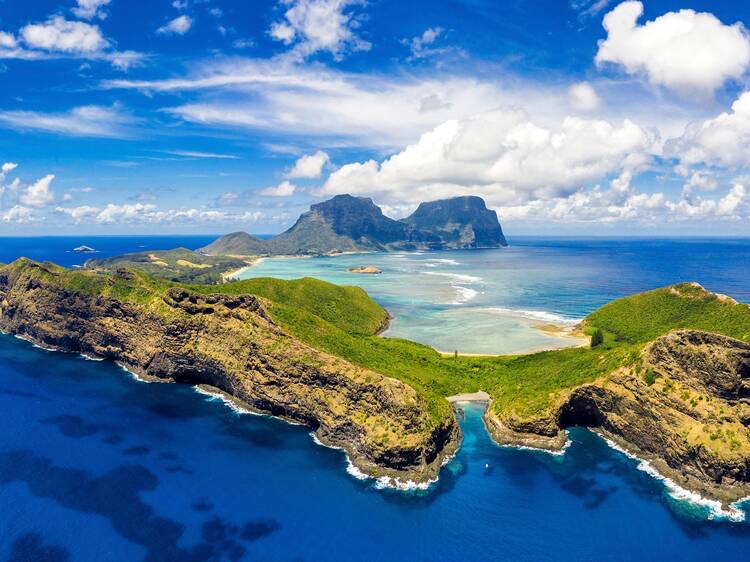
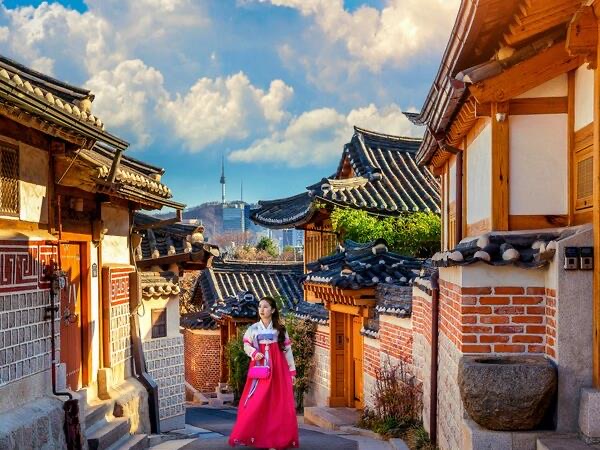
Australias cultural landscape includes a deep Indigenous history, often explored through art, rock paintings, and cultural centers, particularly in places like Kakadu National…
Australia
South Korea
Australias cultural landscape includes a deep Indigenous history, often explored through art, rock paintings, and cultural centers, particularly in places like Kakadu National Park. Its colonial past is visible in convict settlements and historical buildings in Sydney and Hobart. The modern culture is generally relaxed, outdoors-focused, and multicultural. Museums like the National Museum of Australia in Canberra provide context. While its history is significant, its less immediately apparent in daily city life compared to East Asian nations.
South Koreas history is deeply woven into its cities and traditions. Seoul features grand palaces like Gyeongbokgung and Changdeokgung, alongside traditional Hanok villages such as Bukchon. The Demilitarized Zone (DMZ) offers a sobering look at recent history. Confucian traditions are still evident in customs and family structures. K-pop, K-dramas, and PC bangs represent a strong contemporary pop culture. The blend of ancient dynasties, colonial influence, war, and rapid modernization creates a highly layered and immediate cultural experience. Verdict: South Korea offers a more immediate, rich, and layered cultural and historical journey, from ancient palaces to modern pop culture phenomena.
- Winner: South Korea
- Why: South Korea offers a more immediate and layered experience of both ancient history and contemporary culture, deeply integrated into daily life.
- Who this matters for: History buffs, culture enthusiasts, K-pop/K-drama fans, and those interested in rapid societal change.
🌃 Nightlife & Entertainment
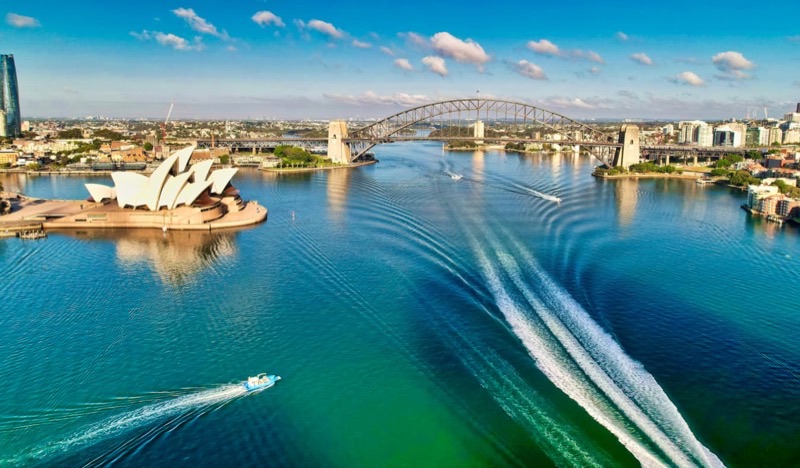
Australias major cities like Sydney and Melbourne have established nightlife scenes, with pubs, bars, and clubs. Areas like Sydneys Darling Harbour or Melbournes CBD offer various…
Australia

South Korea
Australias major cities like Sydney and Melbourne have established nightlife scenes, with pubs, bars, and clubs. Areas like Sydneys Darling Harbour or Melbournes CBD offer various options. Live music is popular, especially for indie and rock. Casino complexes such as Crown in Melbourne provide entertainment. Alcohol prices can be high, with a standard beer costing AUD 10-15 (~$7-10) in many venues. Many places close around 1-3 AM, especially outside key entertainment districts.
South Koreas nightlife is an experience in itself, often going until sunrise. Seoul districts like Hongdae, Gangnam, and Itaewon are packed with K-pop clubs, underground bars, and themed cafes. Norebang (karaoke rooms) are extremely popular, offering private singing sessions for KRW 20,000-40,000 (~$15-30) per hour. Street food stalls (pojangmacha) stay open late, providing snacks and drinks. Soju and beer are affordable, encouraging longer nights out. The energy and sheer variety of late-night activities are unmatched. Verdict: South Korea provides a more energetic, diverse, and prolonged nightlife experience that is also more budget-friendly.
- Winner: South Korea
- Why: South Koreas nightlife is more intense, diverse, and extends later into the night, offering unique activities like Norebang and affordable drinks.
- Who this matters for: Party-goers, young travelers, music lovers (especially K-pop), and those who enjoy late-night dining and entertainment.
✈️ Getting There (Flights)
Reaching Australia typically involves long-haul flights from most major hubs. From Los Angeles (LAX) to Sydney (SYD), direct flights are around 14-15 hours. From London (LHR) to…
Reaching Australia typically involves long-haul flights from most major hubs. From Los Angeles (LAX) to Sydney (SYD), direct flights are around 14-15 hours. From London (LHR) to Sydney, flights usually require one stop and take 20-24 hours. From New York (JFK), it is also 18-22 hours with a stop. Flight prices are generally higher due to distance and limited competition on some routes, often ranging from $1,000-2,000+ USD return depending on origin and season.
South Korea is significantly more accessible for many international travelers. Direct flights from Los Angeles (LAX) to Seoul (ICN) are around 11-12 hours. From London (LHR) to Seoul, direct flights take about 11-12 hours. From New York (JFK), direct flights are around 14 hours. Incheon International Airport (ICN) is a major hub, connecting to many cities in Asia and beyond. Flight prices are often more competitive, typically ranging from $700-1,500+ USD return. Verdict: South Korea is generally easier and faster to reach for a broader range of international travelers, with more direct flight options.
- Winner: South Korea
- Why: South Korea is more centrally located for many international travelers, resulting in shorter flight times and often more competitive airfare.
- Who this matters for: Travelers from North America, Europe, and other parts of Asia, and those with limited vacation time.
🚇 Getting Around
Getting around within Australias major cities like Sydney, Melbourne, and Brisbane is manageable with trains, trams, and buses using Opal or Myki cards, costing AUD 10-15 (~$7-10)…
Getting around within Australias major cities like Sydney, Melbourne, and Brisbane is manageable with trains, trams, and buses using Opal or Myki cards, costing AUD 10-15 (~$7-10) per day. However, distances between cities are vast. Intercity travel often necessitates expensive domestic flights (e.g., Sydney to Melbourne can be AUD 100-200 (~$67-135) one-way), or very long bus/train journeys. Renting a car for road trips is popular but adds significant costs for fuel and rental fees.
South Korea excels in internal transportation. Its subway systems in Seoul, Busan, and Daegu are clean, efficient, and user-friendly, with fares typically KRW 1,350-2,000 (~$1-1.50) per ride. High-speed rail (KTX) connects major cities quickly and affordably; for example, Seoul to Busan takes about 2.5 hours and costs around KRW 59,800 (~$45). Local buses are also extensive. The entire country feels very connected and easy to navigate without a private car. Verdict: South Korea offers a superior, more efficient, and more budget-friendly internal transportation system for almost any itinerary.
- Winner: South Korea
- Why: South Korea provides a highly efficient, comprehensive, and affordable public transport network including high-speed rail, making intercity travel simple and quick.
- Who this matters for: Independent travelers, those without a car, budget travelers, and anyone prioritizing ease of movement.
🏨 Accommodation
Accommodation in Australia, particularly in popular cities like Sydney and Melbourne, carries a higher price tag. A decent hostel dorm bed usually starts from AUD 40-70 (~$27-47).…
Accommodation in Australia, particularly in popular cities like Sydney and Melbourne, carries a higher price tag. A decent hostel dorm bed usually starts from AUD 40-70 (~$27-47). Mid-range hotel rooms can easily cost AUD 150-250 (~$100-170) per night. Options like Airbnbs are available but often reflect similar pricing. Quality is generally high, but value for money can be a concern for budget travelers. Booking well in advance, especially for popular coastal areas, is advisable.
South Korea offers a wider range of accommodation types at more competitive prices. Hostel dorms are typically KRW 25,000-40,000 (~$19-30), and private rooms in guesthouses or budget hotels start from KRW 70,000-120,000 (~$55-90). Unique experiences like staying in a traditional Hanok house are available in areas like Jeonju or Bukchon Hanok Village for KRW 80,000-200,000 (~$60-150). Quality and cleanliness are consistently high across all price points. Verdict: South Korea offers more diverse, higher-value accommodation options, making it easier to find comfortable stays within various budgets.
- Winner: South Korea
- Why: South Korea offers a better range of accommodation options across price points, with consistently high quality and better value for money.
- Who this matters for: Budget travelers, those seeking unique cultural stays, and anyone wanting more bang for their buck.
🛍️ Shopping
Shopping in Australia tends to focus on local fashion brands, surf wear, and souvenirs like boomerangs or Aboriginal art. Major cities have department stores like David Jones and…
Shopping in Australia tends to focus on local fashion brands, surf wear, and souvenirs like boomerangs or Aboriginal art. Major cities have department stores like David Jones and Myer. Areas like Sydneys Pitt Street Mall or Melbournes Chapel Street offer designer boutiques. Prices for consumer goods, especially fashion and electronics, are generally higher compared to many other developed nations. Duty-free options are available at airports.
South Korea is a shopping paradise, especially in Seoul. Districts like Myeongdong are famous for K-beauty products (masks, skincare) at competitive prices. Dongdaemun Design Plaza area is a fashion hub with both large malls and late-night markets. Hongdae caters to youth fashion and quirky items. Electronics can be found at Yongsan Electronics Market. Traditional markets like Namdaemun offer a diverse range of goods from clothing to souvenirs. The combination of variety, competitive pricing, and unique local products like K-beauty makes it a clear winner. Verdict: South Korea provides a far more diverse, affordable, and exciting shopping experience, especially for fashion, beauty, and unique items.
- Winner: South Korea
- Why: South Korea offers an unparalleled shopping experience with wide selection, competitive prices, and a focus on popular K-beauty and fashion items.
- Who this matters for: Fashion enthusiasts, K-beauty fans, souvenir collectors, and those looking for unique or cutting-edge products.
🔒 Safety & Stability
Australia is a very safe country for travelers, with low rates of violent crime. Major cities are generally safe to explore, even at night, though standard precautions apply. The…
Australia is a very safe country for travelers, with low rates of violent crime. Major cities are generally safe to explore, even at night, though standard precautions apply. The main safety considerations relate to its natural environment: sun protection, swimming safety (rip currents, marine stingers in certain areas), and awareness of wildlife (snakes, spiders) when hiking or camping in remote areas. Road safety is good, but distances can be vast.
South Korea is also exceptionally safe, boasting some of the lowest crime rates among developed nations. Walking alone at night in major cities is common and generally without incident. Public spaces are well-lit and monitored. The efficient public transport system further enhances safety for travelers. Emergency services are reliable and responsive. The main safety concerns are typically related to natural disasters (typhoons in summer) or basic road traffic awareness. Verdict: Both countries offer a very high level of personal safety for travelers, making them excellent choices for solo adventurers or families alike.
- Winner: Tie
- Why: Both countries offer extremely low crime rates, stable environments, and efficient public services, providing a very high level of personal safety for travelers.
- Who this matters for: Solo travelers, families with children, and anyone prioritizing peace of mind during their trip.
🎯 The Decision Framework
Choose Australia If…
- You want to spend weeks exploring beaches and coastal towns.
- You dream of seeing kangaroos, koalas, and unique birds in their natural habitats.
- You are planning an extended road trip across vast, open landscapes.
- You enjoy outdoor activities like surfing, diving, or hiking in varied terrain.
- You have a higher travel budget and are comfortable with higher costs.
- You seek warm weather and a relaxed, outdoor-focused lifestyle.
- You want to experience true wilderness and remote natural parks.
- You prefer less crowded spaces and can handle long travel distances within the country.
Choose South Korea If…
- You are fascinated by ancient palaces, Confucian traditions, and modern pop culture.
- You want an efficient and affordable public transport system to explore cities and regions.
- You are a food enthusiast eager for street food, Korean BBQ, and late-night dining.
- You prefer a faster-paced urban experience with plenty of shopping and entertainment.
- You have a more modest travel budget and seek good value for money.
- You enjoy late-night activities like K-pop clubs and karaoke (Norebang).
- You want to visit a country with extremely low crime rates and a strong sense of safety.
- You are interested in cutting-edge technology and modern city design.
❓ Frequently Asked Questions
Which country is cheaper to visit for a two-week trip?
South Korea is generally much cheaper. For a two-week trip, a budget traveler might spend around $800-1,200 USD in South Korea, excluding flights. The same trip in Australia could easily cost $1,500-2,500 USD due to higher prices for food, accommodation, and transport.
What are the typical flight times from the US to each country?
From the US West Coast (e.g., LAX), flights to South Korea (ICN) are around 11-12 hours direct. Flights to Australia (SYD/MEL) are longer, typically 14-15 hours direct. From the US East Coast, both require at least 14+ hours, often with a stop.
Is one country better for solo female travelers?
Both countries are very safe for solo female travelers. South Korea often ranks among the safest countries globally, with minimal harassment even at night. Australia also has a low crime rate, but women travelers should be aware of distances in remote areas and general precautions in nightlife districts.
Which destination is better for foodies?
South Korea offers a more diverse, affordable, and accessible food experience. Its street food scene, specific regional dishes, and the culture of late-night dining provide endless options. While Australia has good food, it comes at a higher price point.
What is the best time of year to visit each country?
For Australia, autumn (March-May) or spring (September-November) offer pleasant temperatures across most regions. South Korea is best in spring (April-May) for cherry blossoms or autumn (September-October) for mild weather and fall foliage. Summers can be hot and humid in both, with monsoon season in Korea.
Do I need a visa for Australia or South Korea as a US citizen?
US citizens need an Electronic Travel Authority (ETA) for Australia, which must be applied for online before travel (AUD 20 fee). For South Korea, US citizens can typically enter visa-free for up to 90 days, though an K-ETA (Korea Electronic Travel Authorization) is required (KRW 10,000 fee).
Which country offers better outdoor activities?
Australia wins for outdoor activities due to its vast and varied landscapes. Think surfing on its famous beaches, diving the Great Barrier Reef, hiking in national parks like the Blue Mountains, or exploring the Outback. South Korea offers good hiking in its many mountains, but on a smaller scale.
Is English widely spoken in both countries?
English is the official language in Australia, so communication is easy. In South Korea, English proficiency varies. Most signage in major cities and tourist areas is bilingual, and younger generations often speak some English, but learning basic Korean phrases is very helpful outside of tourist centers.
Ready to plan your next trip?
Get a free custom itinerary for Australia, South Korea, or both — built from real traveler insights.
🎟️ Book Tours & Experiences
Hand-picked tours and activities for both destinations — book with free cancellation
Experiences via Viator — free cancellation on most tours