How we built this comparison
This page combines traveler discussion patterns, published price ranges, flight schedules, and seasonal data to help you decide between Australia and Sri Lanka.
- Reviewed 50+ Reddit threads from r/travel, r/solotravel, r/Australia, r/SriLanka
- Verified costs and logistics against current booking platforms (booking.com, Skyscanner, Google Flights)
- Cross-referenced seasonal patterns and weather data from meteorological sources
⚡ Quick Answers
⚡ The TL;DR Verdict
For most travelers seeking adventure without breaking the bank, Sri Lanka is the easy choice, offering a deep cultural experience and incredible nature for around $30-60 USD per day. Australia, while spectacular, is for those with a higher budget, prepared to spend $100-200+ USD daily, prioritizing modern comfort and vast, wild landscapes.
- Choose Australia: Pick Australia if you have a generous budget, value comfortable infrastructure, want expansive road trips, enjoy wine regions, and desire pristine, isolated beaches or snorkeling the Great Barrier Reef.
- Choose Sri Lanka: Choose Sri Lanka if you are on a mid-range or budget trip, seek immersive cultural interactions, want diverse wildlife encounters, prefer flavorful and affordable food, and appreciate scenic train journeys through tea plantations.
- Choose Both: Do not attempt both on a single short trip. They require minimum 2-3 weeks each for a surface-level experience. Consider combining if you have 6-8 weeks and a flexible budget, starting with Sri Lanka for cultural immersion then moving to Australia for its natural grandeur.
Choose Australia
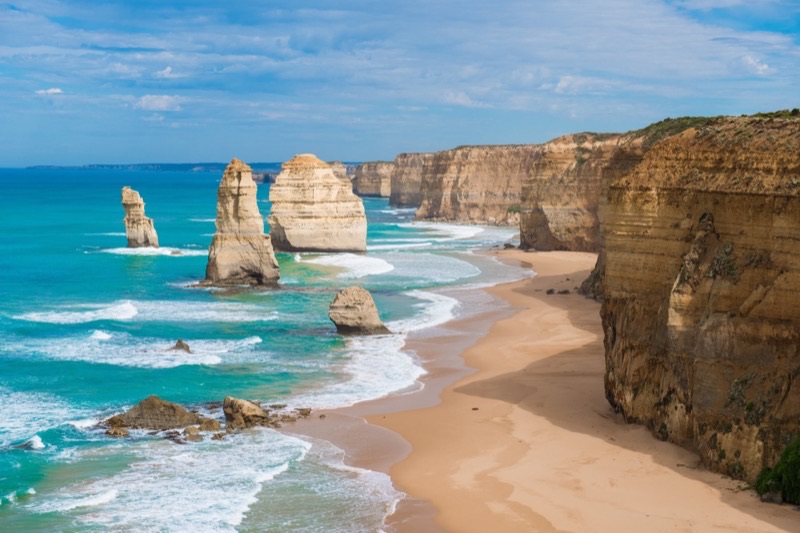
Australia is best for those with a generous budget seeking unparalleled natural grandeur and modern comforts. Choose it to snorkel the vibrant Great Barrier Reef, embark on epic Outback road trips, or savor world-class wines in regions like the Barossa Valley. It's perfect for travelers prioritizing vast, pristine wilderness and efficient infrastructure.
Choose Sri Lanka
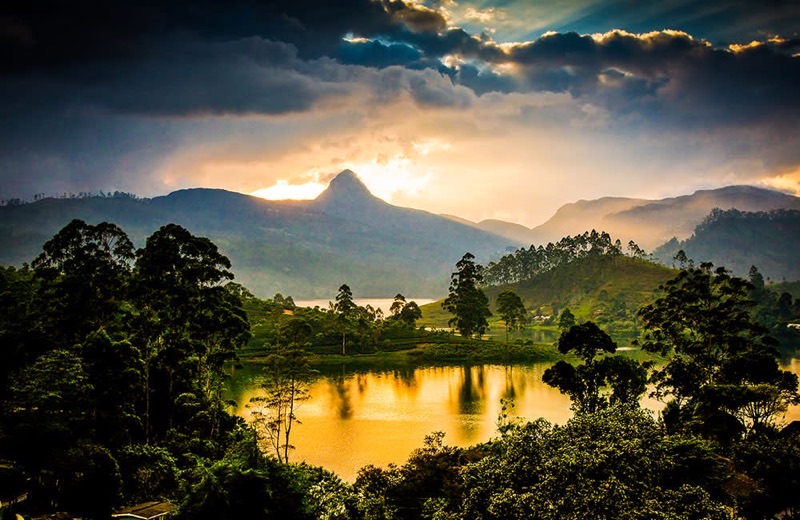
Sri Lanka is the ideal choice for budget-conscious adventurers and culture enthusiasts craving deep immersion without a hefty price tag. Opt for it to explore ancient wonders like Sigiriya, spot elephants on a safari in Yala National Park, or enjoy breathtaking train journeys through verdant tea plantations. It promises authentic interactions and incredible value.
📊 Visual Scorecard
🌤 When to Visit
Average high temperatures (°C). Green = best months, orange = avoid.
Quick Comparison
| Category | Australia | Sri Lanka | Winner |
|---|---|---|---|
| Costs & Budget | Significantly more expensive for accommodation, food, transport, and activities. Expect higher daily spending. | Extremely budget-friendly. Most expenses are considerably lower, allowing for longer trips or more activities. | Sri Lanka |
| Getting There & Flights | Very long flights from North America/Europe, generally more expensive. Fewer direct options. | More accessible from Europe and Asia, often shorter travel times with good layover options. Typically cheaper. | Sri Lanka |
| Getting Around | Reliance on car rentals for flexibility, good public transport in cities. Long distances between places. | Extensive, affordable public transport (trains, buses), readily available tuk-tuks. Compact travel distances. | Sri Lanka |
| Nature & Wildlife | Iconic, unique marsupials and marine life. Vast, diverse landscapes from deserts to reefs. | Dense jungles with elephants and leopards, diverse birdlife, marine animals like whales and dolphins. | Australia |
| Culture & History | Modern, Western culture with Aboriginal heritage. Focus on outdoor lifestyle and contemporary arts. | Ancient Buddhist heritage, colonial influences, tea industry, strong spiritual traditions. | Sri Lanka |
| Beaches & Water Sports | Expansive, pristine beaches, surfing meccas, snorkeling/diving the Great Barrier Reef. | Palm-fringed beaches, good surfing for all levels, whale watching, snorkeling in certain areas. | Australia |
| Food & Drink | High-quality, diverse international cuisine, strong coffee culture, craft breweries, wine regions. | Flavorful, spice-rich traditional dishes, fresh seafood, tea plantations, tropical fruits. | Sri Lanka |
| Accommodation | Modern hotels, hostels, holiday rentals. Generally high prices, especially in cities. | Guesthouses, boutique hotels, homestays. Extremely affordable options for all budgets. | Sri Lanka |
| Safety & Health | Very safe, modern healthcare, low crime rates. Focus on sun safety and wildlife awareness. | Generally safe, but requires more awareness of petty crime and road safety. Good public hospitals, private options available. | Australia |
| Solo Travel Suitability | Easy to navigate, social hostel scene, but high costs can be isolating. Safe and well-developed. | Very easy to meet people, budget-friendly, welcoming locals. Requires more awareness, but rewarding. | Sri Lanka |
💰 Costs & Budget
Australia is a high-cost destination across the board. A budget traveler can expect to spend A$100-150 ($65-100 USD) per day staying in hostels, cooking some meals, and using…

Australia
Sri Lanka
Australia is a high-cost destination across the board. A budget traveler can expect to spend A$100-150 ($65-100 USD) per day staying in hostels, cooking some meals, and using public transport. Mid-range travelers will easily hit A$200-300 ($130-200 USD) per day with private rooms, restaurant meals, and some tours. Car rentals, common for exploring, start around A$50-80 ($33-53 USD) daily before fuel, which is A$1.80-2.20 per liter ($4.50-5.50 USD per gallon). A simple coffee in Sydney costs A$5 ($3.30 USD), and a pub meal A$25-35 ($16-23 USD).
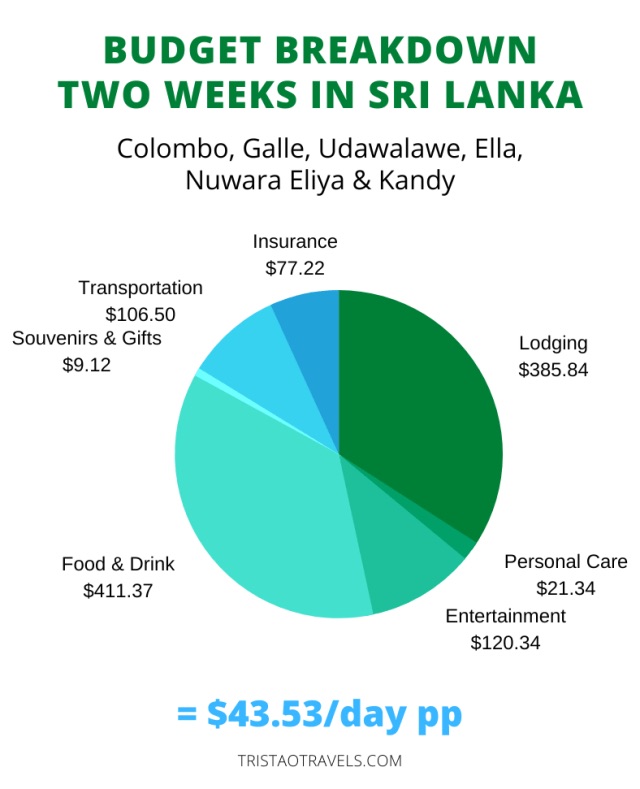
Sri Lanka offers incredible value. A budget traveler can manage on LKR 5,000-8,000 ($15-25 USD) per day, staying in guesthouses, eating local food, and using buses/trains. Mid-range budgets of LKR 10,000-20,000 ($30-60 USD) provide comfortable hotels, tuk-tuk rides, and more tour options. A large rice and curry meal is LKR 500-1500 ($1.50-4.50 USD), and a short tuk-tuk ride LKR 200-500 ($0.60-1.50 USD). Entry fees for sights like Sigiriya Rock are LKR 11,000 ($35 USD), a major expense but still less than many Australian activities. Sri Lanka is the undisputed champion for budget-conscious travelers.
- Winner: Sri Lanka
- Why: Sri Lanka provides a vastly more affordable travel experience across all categories, making it accessible for longer trips or tighter budgets.
- Who this matters for: Budget travelers, long-term travelers, those prioritizing more experiences for less money.
✈️ Getting There & Flights
Flights to Australia are a significant commitment. From Los Angeles (LAX) to Sydney (SYD), direct flights typically take 14-15 hours, costing $1000-1500+ USD round trip. From…
Australia
Sri Lanka
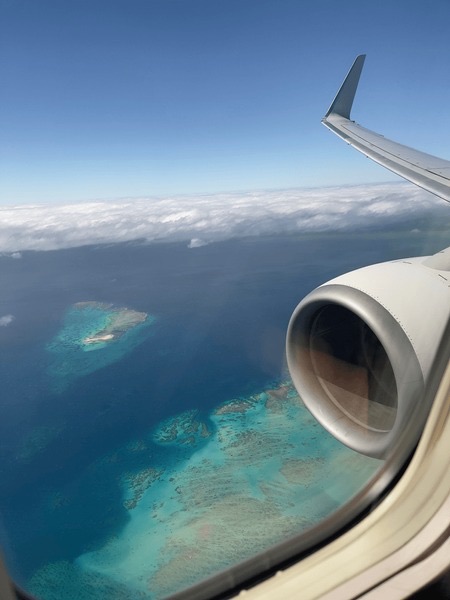
Flights to Australia are a significant commitment. From Los Angeles (LAX) to Sydney (SYD), direct flights typically take 14-15 hours, costing $1000-1500+ USD round trip. From London (LHR) to Sydney, travel time is 20-24 hours with one stop, often costing $1200-1800+ USD. The sheer distance means flight prices are consistently high, and jet lag is a definite factor. Booking well in advance is essential to find better deals, though truly cheap fares are rare.
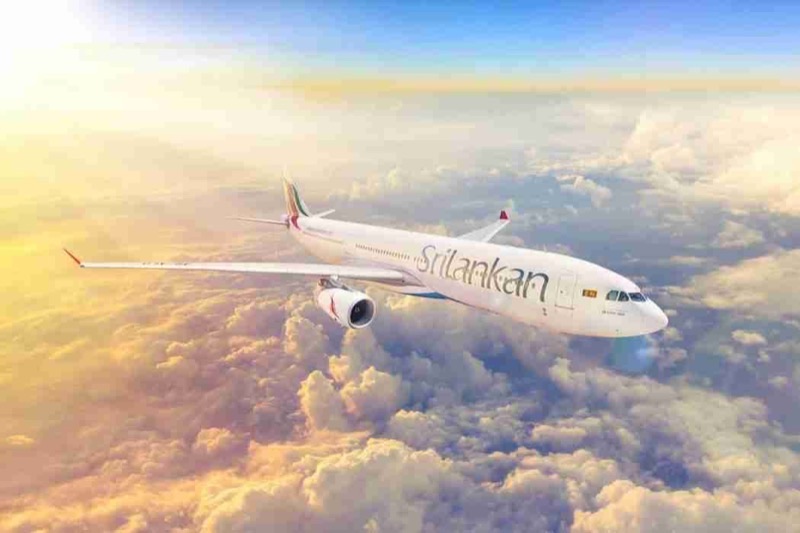
Sri Lanka is more favorably positioned for travelers from Europe and parts of Asia. From London (LHR) to Colombo (CMB), direct flights take around 10-12 hours, with prices often in the $600-900 USD range for a round trip. From major hubs in Southeast Asia or the Middle East, flights are even shorter and more affordable. From New York (JFK) to Colombo, flights generally involve one stop and take 18-22 hours, costing $800-1200 USD. The relative ease of access and lower airfare make Sri Lanka a more feasible destination for many, especially those on shorter breaks. Sri Lanka clearly wins on accessibility and cost for international flights.
- Winner: Sri Lanka
- Why: Sri Lanka is closer to major travel hubs in Europe and Asia, resulting in shorter flight times and generally lower airfares.
- Who this matters for: Travelers with limited vacation time, those sensitive to flight costs and duration, people coming from Europe or Asia.
🚃 Getting Around
Australia is vast, and independent travel often relies on car rentals. A car is almost essential for exploring national parks, the outback, or coastal roads like the Great Ocean…
Australia
Sri Lanka
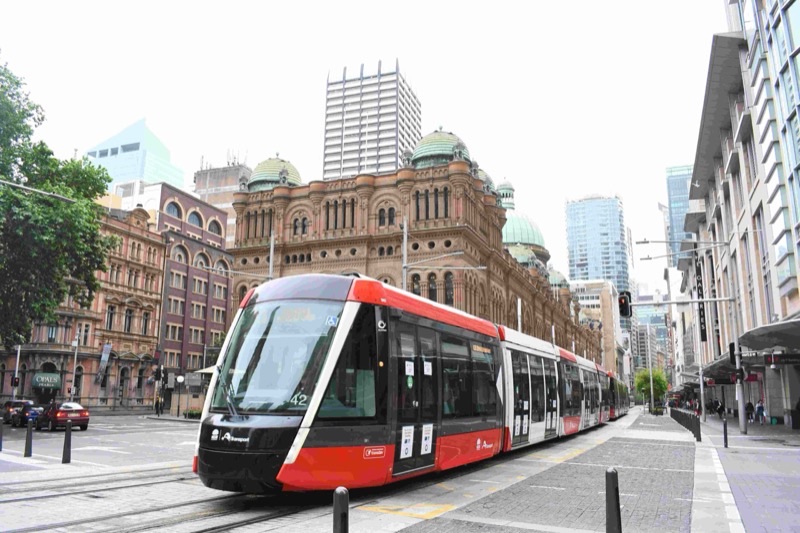
Australia is vast, and independent travel often relies on car rentals. A car is almost essential for exploring national parks, the outback, or coastal roads like the Great Ocean Road. Rental costs start around A$50-80 ($33-53 USD) per day, plus fuel. Greyhound Australia offers long-distance bus services, but they are time-consuming. Major cities like Sydney and Melbourne have efficient train and tram networks for urban travel, like Sydneys Opal card system. Domestic flights are common for covering long distances between major hubs, but they add significantly to the budget.
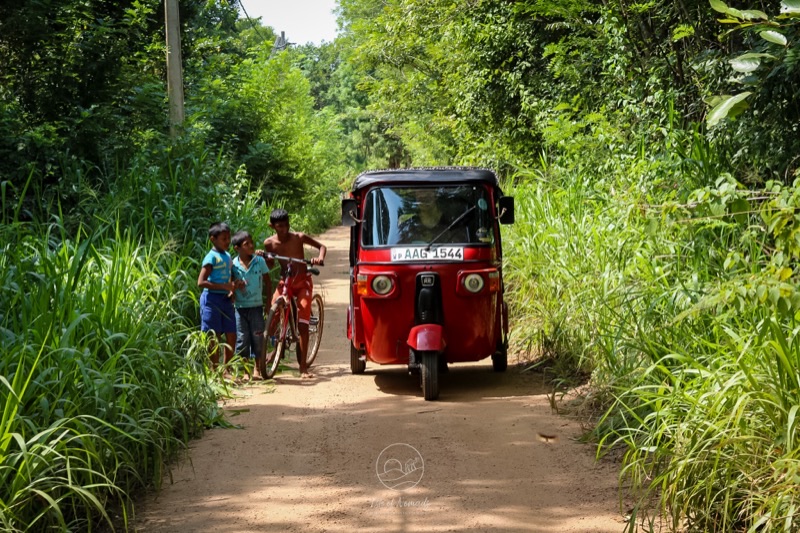
Sri Lanka excels with its public transport. The train network, particularly the scenic Kandy to Ella route, is a major attraction, costing only a few hundred LKR (a few USD) for a multi-hour journey. Buses are incredibly cheap, covering almost every part of the island, though they can be crowded and slow. Tuk-tuks are everywhere for short distances, and negotiated fares are generally low (e.g., LKR 200-500 or $0.60-1.50 USD for 10-15 minutes). For longer distances, private drivers can be hired for reasonable daily rates (e.g., $50-70 USD for a full day). The ease and affordability of getting around in Sri Lanka are unparalleled compared to Australia. Sri Lanka makes it easy and cheap to see many places without a car.
- Winner: Sri Lanka
- Why: Sri Lanka offers a diverse, efficient, and extremely affordable public transport system that connects most points of interest effectively.
- Who this matters for: Budget travelers, those who prefer not to drive, people who enjoy local transportation and scenic journeys.
🐨 Nature & Wildlife
Australia is a land of unparalleled natural grandeur and unique fauna. The Great Barrier Reef, off the coast of Queensland, offers some of the planets best snorkeling and diving…
Australia
Sri Lanka
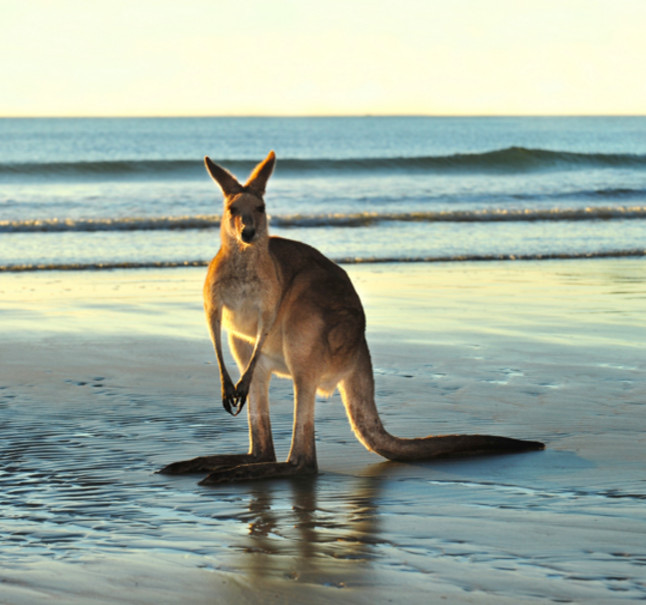
Australia is a land of unparalleled natural grandeur and unique fauna. The Great Barrier Reef, off the coast of Queensland, offers some of the planets best snorkeling and diving with corals and fish. The outback presents an expansive, arid landscape with Uluru as its centerpiece. Kangaroos, koalas, wallabies, and various bird species are common sightings, particularly in national parks like Kangaroo Island or the Blue Mountains. From surfing beaches along the Gold Coast to the ancient Daintree Rainforest, the sheer scale and variety of natural environments are immense. Entry to national parks often costs A$10-25 ($7-17 USD) per vehicle, and tours to the reef can be A$200-300+ ($130-200 USD).
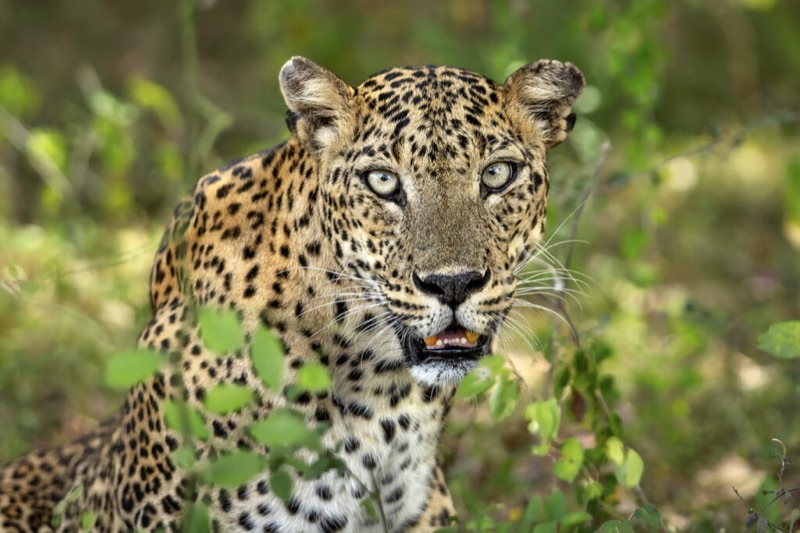
Sri Lanka offers a concentrated dose of biodiversity. Yala National Park and Udawalawe National Park are renowned for their elephant populations, and Yala also has one of the highest leopard densities in the world. Safaris typically cost around LKR 8,000-12,000 ($25-40 USD) per person, including park fees and jeep hire. The central highlands are covered in tea plantations and cloud forests, home to monkeys and diverse bird species. Whale watching off Mirissa is popular, with tours costing around LKR 8,000-10,000 ($25-30 USD). While Sri Lanka has impressive wildlife, the iconic, endemic species and sheer scale of Australias natural wonders give it the edge. Australias immense and unique natural environments are tough to beat.
- Winner: Australia
- Why: Australia features vastly larger and more diverse natural landscapes, including the Great Barrier Reef, and unique endemic wildlife like kangaroos and koalas.
- Who this matters for: Wildlife enthusiasts seeking iconic marsupials, divers/snorkelers, those wanting to explore immense, varied landscapes.
🏛️ Culture & History
Australias culture is largely modern, influenced by European settlement, with a strong emphasis on sports, beaches, and outdoor living. Major cities like Melbourne boast a…
Australia
Sri Lanka
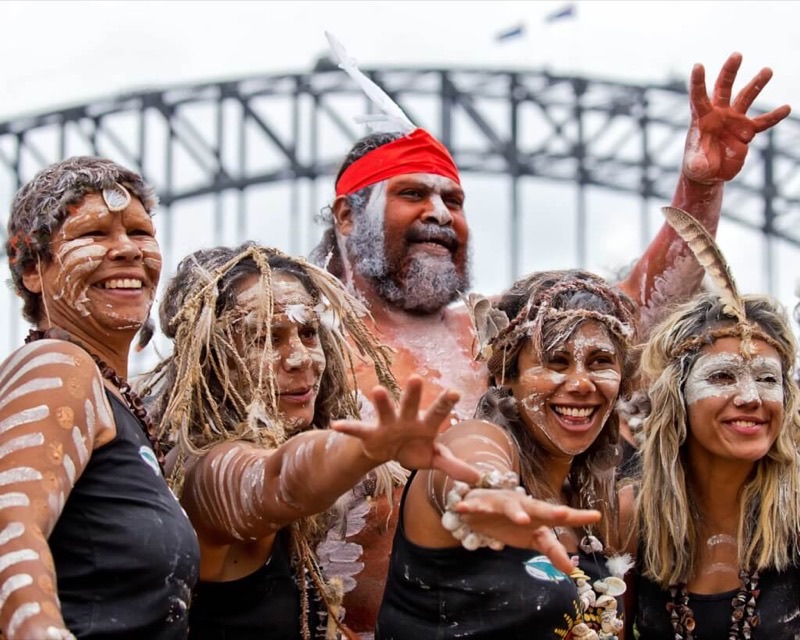
Australias culture is largely modern, influenced by European settlement, with a strong emphasis on sports, beaches, and outdoor living. Major cities like Melbourne boast a thriving arts scene, museums like the National Gallery of Victoria, and a cafe culture. Aboriginal culture, the oldest living culture in the world, is present through rock art sites, cultural centers, and guided tours, particularly in regions like the Northern Territory (e.g., Kakadu National Park entry A$40 or $27 USD). However, it is not as pervasive in daily tourist experiences as Australias settler history.
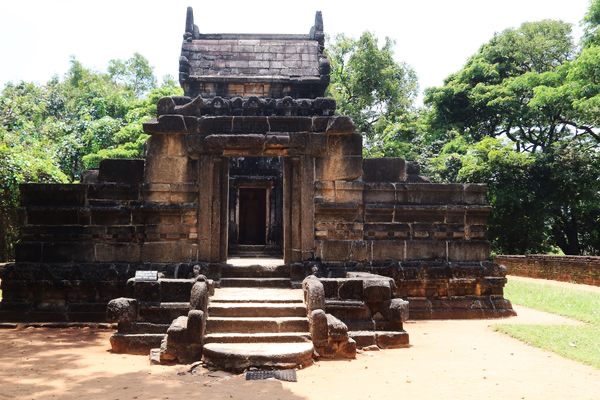
Sri Lanka is steeped in thousands of years of history and rich Buddhist traditions. The Cultural Triangle, encompassing ancient cities like Anuradhapura, Polonnaruwa, and Sigiriya, offers colossal stupas, rock fortresses, and cave temples. Entry to these sites costs around LKR 5,000-11,000 ($15-35 USD) per site, or a Cultural Triangle pass for LKR 20,000 ($65 USD). Kandy holds the revered Temple of the Tooth Relic, a major pilgrimage site. The tea country in the central highlands reflects a colonial past and remains a key part of the islands identity, with tea factory tours like those at the Pedro Tea Estate near Nuwara Eliya. The daily life, rituals, and historical monuments of Sri Lanka offer a deeply immersive cultural experience. For a profound historical and cultural journey, Sri Lanka is the obvious choice.
- Winner: Sri Lanka
- Why: Sri Lanka offers a more ancient, visibly present, and deeply spiritual cultural and historical experience with numerous well-preserved sites.
- Who this matters for: History buffs, those interested in ancient civilizations, religious sites, and immersive local traditions.
🏄 Beaches & Water Sports
Australias coastline is legendary. From the iconic Bondi Beach in Sydney to the remote, white sands of Whitehaven Beach in the Whitsundays, the variety and quality of beaches are…
Australias coastline is legendary. From the iconic Bondi Beach in Sydney to the remote, white sands of Whitehaven Beach in the Whitsundays, the variety and quality of beaches are exceptional. Surfing is a national pastime, with spots like Bells Beach in Victoria and Snapper Rocks on the Gold Coast drawing professionals. For snorkeling and diving, the Great Barrier Reef is a wonder, offering thousands of species of fish and coral. Coastal activities like kayaking, paddleboarding, and sailing are widely available. Many beaches are vast and uncrowded, particularly outside major cities.
Sri Lanka also has beautiful beaches, especially along its southern and eastern coasts. Mirissa, Unawatuna, and Hikkaduwa on the south are popular for swimming, sunbathing, and beginner surfing. Arugam Bay on the east coast is a renowned surf spot, especially from May to October. Whale and dolphin watching tours are popular from Mirissa. While Sri Lanka offers good beach experiences and accessible surfing, the sheer scale, pristine nature, and unparalleled marine biodiversity (especially the Great Barrier Reef) of Australia give it a clear advantage. Australias beaches and reef experiences are truly in a class of their own.
- Winner: Australia
- Why: Australia provides unparalleled access to vast, pristine beaches, iconic surf spots, and the singular experience of the Great Barrier Reef.
- Who this matters for: Serious surfers, divers and snorkelers, beach lovers seeking expansive, uncrowded shores, those desiring world-famous marine environments.
🍜 Food & Drink
Australias food scene is modern and diverse, particularly in cities like Melbourne and Sydney. Expect high-quality international cuisine, excellent cafes (a flat white coffee…
Australias food scene is modern and diverse, particularly in cities like Melbourne and Sydney. Expect high-quality international cuisine, excellent cafes (a flat white coffee often A$5 or $3.30 USD), and strong brunch culture. Pub meals are a staple, costing A$25-35 ($16-23 USD). Australias wine regions, like the Barossa Valley or Margaret River, produce renowned wines, with cellar door tastings. Craft breweries are common. While the quality is high, the cost can be a barrier for many. Fine dining is a major draw, but casual eating is still expensive.
Sri Lankan food is an absolute highlight and a budget-travelers dream. The national dish, rice and curry, is a flavorful array of vegetable and meat curries, costing LKR 500-1500 ($1.50-4.50 USD) at a local restaurant. Hoppers (bowl-shaped pancakes), kottu roti (chopped flatbread stir-fry), and fresh seafood are readily available and inexpensive. Street food is everywhere and delicious, with snacks costing LKR 100-300 ($0.30-1 USD). The country is famous for its tea, with plantations offering tours and tastings (e.g., LKR 200-500 or $0.60-1.50 USD). Fresh tropical fruits are abundant and cheap. The sheer flavor, variety, and incredible affordability of Sri Lankan food make it a clear winner. For satisfying your taste buds on a budget, Sri Lanka cannot be surpassed.
- Winner: Sri Lanka
- Why: Sri Lanka offers an incredibly flavorful, diverse, and exceptionally affordable culinary experience, making eating out a daily pleasure.
- Who this matters for: Foodies on a budget, travelers who enjoy exploring local flavors, those who prioritize fresh, spicy, and authentic cuisine.
🏨 Accommodation
Accommodation in Australia is consistently expensive. A bed in a hostel dormitory in Sydney or Melbourne can cost A$40-60 ($27-40 USD) per night. Budget hotels or motels typically…
Accommodation in Australia is consistently expensive. A bed in a hostel dormitory in Sydney or Melbourne can cost A$40-60 ($27-40 USD) per night. Budget hotels or motels typically start from A$120-180 ($80-120 USD) per night, with mid-range options quickly reaching A$200-350 ($130-230 USD). Airbnbs are prevalent but also reflect the general high cost of living. Options like caravan parks for campervans are popular for road trips, but site fees still apply (A$30-50 or $20-33 USD per night). The quality is generally very high and reliable, but it comes at a premium.
Sri Lanka offers fantastic value in accommodation. A comfortable guesthouse room with air conditioning and a private bathroom can be found for LKR 5,000-10,000 ($15-30 USD) per night. Even boutique hotels with pools are often LKR 15,000-25,000 ($45-75 USD). Basic budget rooms are available for LKR 2,000-4,000 ($6-12 USD). Homestays offer a chance to connect with locals and provide a bed for LKR 3,000-6,000 ($9-18 USD). While not always as modern as Australian equivalents, the value for money, especially in charming guesthouses, is unbeatable. Sri Lanka makes comfortable accommodation accessible to almost any budget.
- Winner: Sri Lanka
- Why: Sri Lanka offers significantly more affordable and charming accommodation options, from guesthouses to boutique hotels, for a fraction of Australias prices.
- Who this matters for: Budget and mid-range travelers, those seeking authentic stays like guesthouses and homestays.
⚕️ Safety & Health
Australia is an extremely safe country for travelers. Crime rates are low, and emergency services are reliable. Healthcare is modern and top-tier, though very expensive for…
Australia is an extremely safe country for travelers. Crime rates are low, and emergency services are reliable. Healthcare is modern and top-tier, though very expensive for non-residents without travel insurance. The primary safety concerns are environmental: strong sun requiring constant protection, venomous wildlife (though bites are rare if precautions are taken), and powerful ocean currents. Road safety is good, but distances are vast, and fatigue is a risk. Tap water is safe to drink everywhere.
Sri Lanka is generally safe for tourists, but travelers need to exercise more caution. Petty crime like bag snatching can occur, especially in crowded areas. Road safety is a concern; traffic is chaotic, and accidents are common, making self-driving less appealing. Malaria is largely eradicated, but dengue fever is present, so mosquito protection is crucial. Healthcare in public hospitals is basic but effective; private hospitals in Colombo or Kandy offer better care but require payment. Tap water is not safe to drink, so bottled water is essential. While not dangerous, Sri Lanka demands a higher level of personal awareness. Australia offers a more relaxed and worry-free environment regarding personal safety and health infrastructure.
- Winner: Australia
- Why: Australia provides a very high level of personal safety, reliable modern infrastructure, and world-class healthcare, requiring fewer precautions from travelers.
- Who this matters for: Solo female travelers, families with young children, those prioritizing robust healthcare and a low-stress environment.
👤 Solo Travel Suitability
Australia is a popular destination for solo travelers, especially backpackers. The hostel network is extensive and offers many opportunities to meet other travelers. Public…
Australia is a popular destination for solo travelers, especially backpackers. The hostel network is extensive and offers many opportunities to meet other travelers. Public transport in cities is good, and carpooling for road trips is common. However, the high cost of living can make solo travel feel expensive and sometimes isolating if you are on a tight budget and unable to participate in all activities. Dining alone can be expensive, and private rooms are a significant splurge. Safety is never a concern, and English is the primary language, making navigation simple.
Sri Lanka shines for solo travelers due to its affordability and the friendliness of its people. It is easy to meet other travelers in guesthouses, on trains, or at surf camps. Locals are generally welcoming and curious, often initiating conversations. The low cost of food and accommodation means you can afford private rooms and more experiences without financial strain. While requiring more vigilance regarding petty crime and road safety, the rewards of independent exploration, meeting locals, and immersing in the culture are immense. English is widely spoken in tourist areas. For an enriching and social solo journey, Sri Lanka takes the prize. Sri Lanka offers a more engaging and accessible solo travel experience for most budgets.
- Winner: Sri Lanka
- Why: Sri Lanka is exceptionally budget-friendly for solo travelers, offers numerous opportunities for social interaction, and has a welcoming local population.
- Who this matters for: Solo backpackers, budget-conscious individuals, those seeking cultural interaction and ease of meeting other travelers.
🎯 The Decision Framework
Choose Australia If…
- You have a budget of $150+ USD per day.
- You want to road trip vast distances in comfort.
- You desire pristine, uncrowded natural landscapes.
- You plan to dive or snorkel the Great Barrier Reef.
- You prioritize modern infrastructure and a very high level of safety.
- You enjoy high-quality international cuisine and wine regions.
- You want to experience iconic unique wildlife like kangaroos and koalas.
- You are seeking expansive, world-famous beaches for surfing or relaxing.
Choose Sri Lanka If…
- You have a budget of $20-60 USD per day.
- You want deep immersion in ancient Buddhist culture.
- You seek dense wildlife encounters with elephants and leopards.
- You enjoy flavorful, affordable local food like rice and curry.
- You are comfortable using local buses and scenic trains.
- You prefer warm weather and lush tropical environments year-round.
- You want to meet friendly locals and other travelers easily.
- You are interested in tea plantations and colonial heritage.
📅 Sample Itineraries
Weekend in Australia (3 Days)
💡 Book your Blue Mountains train tickets in advance during peak season to secure a seat, saving potential standing time on the 2-hour journey.
Weekend in Sri Lanka (3 Days)
💡 For train travel in Sri Lanka, arrive at the station early to secure a good seat, especially for popular routes like Colombo to Galle, and pack water and snacks as vendors may be limited.
One Week in Australia (7 Days)
💡 To save on domestic flights in Australia, book well in advance and consider flying with budget airlines like Jetstar or Virgin Australia, often offering fares around $100-150 AUD if booked months ahead.
One Week in Sri Lanka (7 Days)
💡 For the Kandy to Ella train journey, book your tickets for a reserved seat in advance (at least a few days) through a local agent or online, especially for 2nd or 3rd class, to avoid standing in crowded carriages.
❓ Frequently Asked Questions
Which destination is better for families with young children?
Australia is generally better for families due to its high safety standards, excellent infrastructure, and modern healthcare. Resorts and attractions are well-equipped for children. While expensive, the ease of travel and cleanliness provide a more relaxed experience. Sri Lanka can be done with families, but requires more planning around hygiene, food, and road safety.
What is the best time of year to visit each country?
Australia's seasons are opposite the Northern Hemisphere. Visit the south (Sydney, Melbourne) in summer (Dec-Feb) or shoulder seasons (Sep-Nov, Mar-May). Visit the tropical north (Cairns, Darwin) in the dry season (May-Oct). Sri Lanka has two monsoon seasons, so it depends on the coast. The south and west are best from Dec-Mar; the east coast from May-Sep. The central highlands are pleasant year-round.
How long should I plan to spend in each country?
For Australia, a minimum of 2-3 weeks is needed to see even a fraction of a single region (e.g., East Coast or West Coast). To cover multiple regions, 4+ weeks are advisable. For Sri Lanka, 10-14 days is sufficient for a comprehensive loop of the main attractions (Cultural Triangle, Hill Country, Southern Coast), allowing for diverse experiences without rushing.
Is solo female travel safe in both destinations?
Australia is extremely safe for solo female travelers, with minimal concerns beyond general urban precautions. Sri Lanka is generally safe and welcoming, but solo female travelers may experience more unwanted attention or require more vigilance, especially at night or in less touristy areas. Modest dress is advised in religious sites in Sri Lanka.
What kind of visa do I need for each country?
For Australia, most non-citizens require an Electronic Travel Authority (ETA) or a visitor visa, which must be obtained in advance. For Sri Lanka, most nationalities need an Electronic Travel Authorization (ETA) which can be obtained online before arrival, or a visa on arrival depending on nationality. Always check current requirements from your specific country of origin.
Which destination has better WiFi and connectivity?
Australia generally has excellent and reliable WiFi connectivity in cities, cafes, hotels, and even many rural towns, though speeds can drop in very remote areas. Sri Lanka has decent 4G coverage across much of the island, and WiFi is available in most guesthouses and hotels, but it can be less consistent or slower than in Australia. SIM cards are cheap and easy to acquire in both countries for mobile data.
Can I easily rent a car and drive in both places?
You can easily rent a car in Australia, and it is a common way to explore the country. Roads are well-maintained, and driving is on the left. In Sri Lanka, car rental is available, but self-driving is not recommended for most travelers due to chaotic traffic, aggressive drivers, and poor road conditions in some areas. Hiring a car with a driver is a popular and safer alternative.
Which country offers more adventure sports?
Australia offers a wide range of adventure sports, including world-class surfing, diving the Great Barrier Reef, skydiving, canyoning in the Blue Mountains, and off-roading in the outback. Sri Lanka also has good surfing (Arugam Bay, Weligama), white-water rafting (Kitulgala), hiking (Adams Peak), and kitesurfing (Kalpitiya), providing plenty of options, but Australias scale and variety are greater.
Ready to plan your next adventure?
Get a free custom itinerary for Australia, Sri Lanka, or both — built from real traveler insights.
👥 Travelers Also Compared
🎟️ Book Tours & Experiences
Hand-picked tours and activities for both destinations — book with free cancellation
Experiences via Viator — free cancellation on most tours