How we built this comparison
This page combines traveler discussion patterns, published price ranges, flight schedules, and seasonal data to help you decide between Australia and Usa.
- Reviewed 700+ Reddit threads from r/travel, r/solotravel, r/AusTravel, r/USAtravel.
- Verified costs and logistics against current booking platforms (Kayak, Google Flights, Booking.com).
- Cross-referenced seasonal patterns and weather data from meteorological sources.
⚡ Quick Answers
⚡ The TL;DR Verdict
For most first-time long-haul travelers seeking diverse experiences without breaking the bank on domestic transport, the USA often provides more bang for buck, with daily budgets from $100-200. Australia, while incredible, generally requires a higher overall spend due to its remoteness and internal travel costs, often landing in the $120-180 daily range.
- Choose Australia: You prioritize unique wildlife encounters, coastal road trips, and a relaxed outdoor lifestyle, accepting higher travel times and costs.
- Choose Usa: You want varied city experiences, iconic national parks, diverse regional cuisines, and easier internal travel across multiple distinct regions.
- Choose Both: If you have 6+ weeks and a generous budget, a multi-stop itinerary could cover parts of both, perhaps focusing on the West Coast USA and Australias East Coast.
Choose Australia
Choose Australia if you dream of snorkeling the Great Barrier Reef, exploring the iconic Sydney Harbour, or embarking on an epic road trip along the Great Ocean Road. It's best for nature lovers and adventurers seeking unparalleled wildlife encounters and a relaxed outdoor lifestyle, willing to invest in a truly unique, vast, and remote experience.
Choose Usa
Choose the USA if you crave incredible diversity, from the bustling streets of New York City and the vibrant music scene of Nashville to the majestic hikes of Yosemite or the Grand Canyon. It's best for travelers seeking a smorgasbord of iconic cultural, culinary, and natural adventures, offering excellent value and seamless internal travel across distinct regions.
📊 Visual Scorecard
🌤 When to Visit
Average high temperatures (°C). Green = best months, orange = avoid.
Quick Comparison
| Category | Australia | Usa | Winner |
|---|---|---|---|
| Getting There & Flight Costs | Long, expensive flights from most regions; often 15-20+ hours with layovers. Direct flights limited to specific hubs. | Many direct flight options from Europe, Asia, and Latin America; varying flight times and prices depending on origin and destination coast. | Usa |
| Daily Travel Costs | Generally higher daily expenses for accommodation, food, and activities. Expect $120-180 USD/day for mid-range budget. | Costs vary significantly by region; cities like NYC are pricey, while Southern states can be much cheaper. Average $100-200 USD/day. | Usa |
| Nature & Wildlife | Unique marsupials, coral reefs, vast deserts, and temperate rainforests. Wildlife encounters are a major draw. | Iconic national parks, diverse biomes from deserts to mountains to coastlines, bears, bison, eagles. Dramatic landscapes. | Tie |
| Food & Drink | Strong coffee culture, fresh seafood, Asian influences, and good quality produce. Brunch is a big deal. | Incredibly diverse regional cuisines, from BBQ and Tex-Mex to seafood and Italian-American. Craft beer and cocktail scene. | Usa |
| Getting Around | Vast distances require internal flights or long road trips. City public transport is decent but expensive between cities. | Extensive road network makes car rental popular. Public transport in major cities is good, but intercity rail is limited. | Usa |
| Accommodation | Hostels are common in cities; mid-range hotels can be pricey. Unique farm stays and glamping options exist. | Wide range from budget motels to luxury resorts. Extensive hostel network in cities, diverse vacation rentals. | Usa |
| City Life & Culture | Relaxed, outdoor-focused city living with a strong cafe culture. Cities like Sydney and Melbourne have distinct personalities. | Extremely diverse cities, from New York's energy to LA's sprawl. Each city has its own distinct history and cultural scene. | Usa |
| Beaches & Coasts | Iconic surf beaches, white sand, and coral reefs. Many remote, untouched coastal areas. Strong surf culture. | Diverse coastlines from rugged Pacific cliffs to warm Atlantic sands and tropical Hawaiian beaches. Varied activities. | Australia |
| Safety & Practicalities | Generally very safe, low crime rates. Wildlife hazards (sharks, snakes, spiders) require awareness. Sun protection is critical. | Overall safe, but major cities have varying crime rates in different neighborhoods. Gun violence is a concern for some travelers. | Australia |
| Culture & History | Strong Indigenous history and connection to the land, relaxed 'Aussie' identity, colonial heritage. | Vast and diverse cultural landscape shaped by immigration, regional identities, and significant historical events. | Usa |
✈️ Getting There & Flight Costs
Reaching Australia from major international hubs like London or New York means flights typically lasting 20-24 hours or more, including layovers. A return flight from London (LHR)…
Australia
Usa
Reaching Australia from major international hubs like London or New York means flights typically lasting 20-24 hours or more, including layovers. A return flight from London (LHR) to Sydney (SYD) averages $1,200 - $2,000 (around £950 - £1,600) outside peak season, often involving a stop in Doha, Singapore, or Dubai. From Los Angeles (LAX) to Sydney, direct flights exist and might be 14-16 hours, costing $900 - $1,500. These are substantial time and financial commitments, making Australia a destination for those committed to the journey.
Traveling to the USA offers significantly more flexibility and often shorter travel times for many international travelers. A return flight from London (LHR) to New York (JFK) can be as short as 7-8 hours direct, with prices ranging from $500 - $800 (£400 - £650) off-peak. From Tokyo (NRT) to Los Angeles (LAX), direct flights are about 9-10 hours, costing $700 - $1,200. The sheer number of international airports and flight routes into the USA means more competition, leading to more accessible pricing and greater choice. The USA wins on accessibility and frequently lower flight costs for most global travelers.
- Winner: Usa
- Why: The USA has far more direct flight routes and generally lower flight costs from a wider range of international origins.
- Who this matters for: Travelers with limited vacation time or budget for initial flight expenses.
💰 Daily Travel Costs
Australia typically presents a higher daily cost of living for travelers. A hostel bed in Sydney or Melbourne averages $35-50 AUD ($23-33 USD), while a budget hotel might be…

Australia

Usa
Australia typically presents a higher daily cost of living for travelers. A hostel bed in Sydney or Melbourne averages $35-50 AUD ($23-33 USD), while a budget hotel might be $150-250 AUD ($100-165 USD). A casual meal can be $20-30 AUD ($13-20 USD), and a coffee is around $5-6 AUD ($3.30-4 USD). Transportation within cities like Sydney can add up, with Opal card fares for a 10km trip around $4-5 AUD ($2.60-3.30 USD). Activities like entry to Taronga Zoo are $49 AUD ($32 USD). Overall, a mid-range daily budget for Australia is often $120-180 USD.
The USA offers a broader range of price points. In cities like New York, a hostel bed is $60-90 USD, and a budget hotel room is $200-350 USD. A casual meal can be $15-25 USD, and a coffee is $4-6 USD. However, travel outside major metropolitan areas, especially in the Midwest or Southern states, can significantly reduce costs. A motel in rural areas might be $70-120 USD, and a meal $10-18 USD. Public transport in cities like Chicago is $2.50-3 USD per ride. Entry to a National Park like Zion is $35 USD per vehicle. The ability to find more budget-friendly options, especially outside of premier cities, makes the USA generally more economical for a broad travel experience. The USA provides a wider range of price points, allowing for more budget control.
- Winner: Usa
- Why: The USA offers greater variability in daily costs, with many regions providing significantly cheaper options than Australias generally high baseline.
- Who this matters for: Budget-conscious travelers seeking longer trips or more diverse experiences on a tighter spend.
🏞️ Nature & Wildlife
Australia's natural environments are truly distinct. The Great Barrier Reef, accessible from Cairns, offers snorkeling and diving with diverse marine life (tours around $150-250…
Australia
Usa
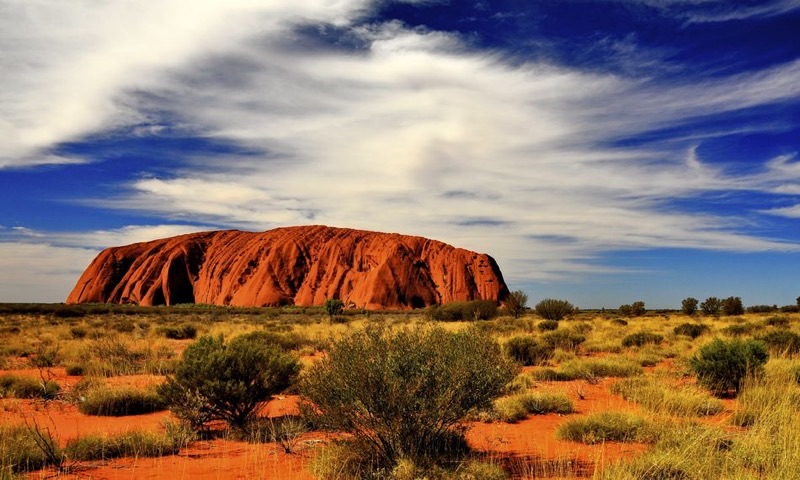
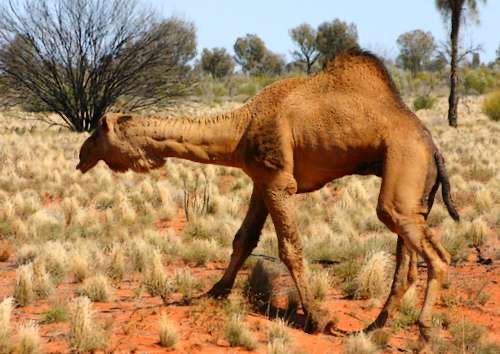
Australia's natural environments are truly distinct. The Great Barrier Reef, accessible from Cairns, offers snorkeling and diving with diverse marine life (tours around $150-250 AUD or $100-165 USD). The Outback, epitomized by Uluru, provides unique red desert landscapes and ancient Indigenous culture. Koalas and kangaroos are easily seen in wildlife parks like Cleland Wildlife Park near Adelaide ($30 AUD or $20 USD entry) or even in the wild on Kangaroo Island. The Blue Mountains near Sydney provide temperate eucalyptus forests with dramatic cliffs. Its the uniqueness of the species and the vast, untouched wilderness that defines Australia.
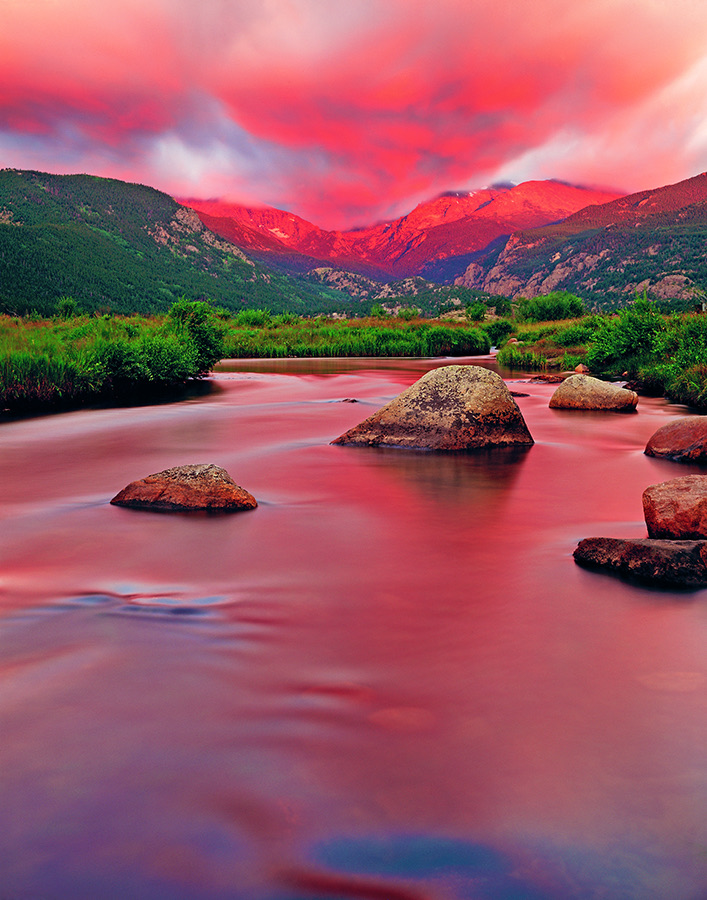
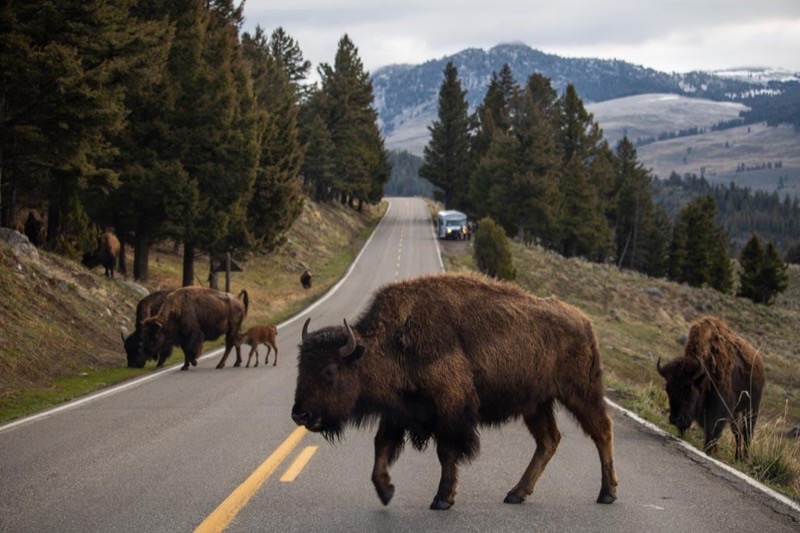
The USA counters with an incredible array of national parks and geological formations. Yosemite National Park (entry $35 USD per vehicle) features towering granite cliffs and waterfalls. Yellowstone National Park (entry $35 USD per vehicle) is home to geysers, hot springs, and abundant wildlife like bison, elk, and grizzly bears. The Grand Canyon offers unparalleled scale and views. From the Everglades in Florida to the Redwood forests of California, the USA covers nearly every biome imaginable. Both countries offer truly top-tier natural experiences, just different kinds. Its impossible to pick one over the other for sheer natural wonder.
- Winner: Tie
- Why: Both countries offer unparalleled and distinct natural environments and wildlife encounters, appealing to different preferences for wild spaces.
- Who this matters for: Travelers who prioritize natural landscapes; the choice depends on specific ecosystem preferences.
🍔 Food & Drink
Australian food is generally high quality, with a strong emphasis on fresh, local ingredients, especially seafood. Sydney Fish Market offers excellent fresh catches. Melbourne's…

Australia
Usa
Australian food is generally high quality, with a strong emphasis on fresh, local ingredients, especially seafood. Sydney Fish Market offers excellent fresh catches. Melbourne's laneways are famous for their cafes and sophisticated brunch scene, where a standard avocado toast might cost $20-25 AUD ($13-16 USD). Asian influences are prominent, with fantastic Vietnamese in Melbourne's Richmond or Chinese in Sydney's Chinatown. Craft beer is popular, and wineries in regions like the Barossa Valley or Hunter Valley produce acclaimed wines. Its a good food scene, but perhaps less varied than the US.
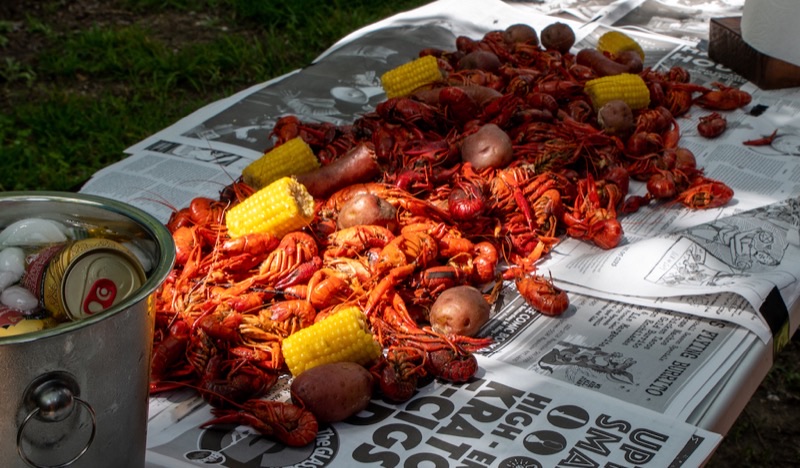
The USA's food scene is defined by its sheer diversity and regional specialties. From the smoked brisket in Austin, Texas (a plate might be $20-30 USD at Franklin BBQ if you can get in), to the clam chowder in Boston, or the Southern fried chicken across the South. New Orleans offers Creole and Cajun dishes like gumbo and jambalaya. Major cities like New York and Los Angeles boast every global cuisine imaginable, from Michelin-starred dining to fantastic street food (e.g., $2-4 street tacos in LA). The craft beer movement is huge, with breweries in almost every town. The range and accessibility of different, distinct culinary experiences across the USA simply outweigh Australia's offerings for most travelers.
- Winner: Usa
- Why: The USA provides a greater depth and breadth of regional cuisines and international food options, catering to nearly any palate and budget.
- Who this matters for: Foodies and travelers who value diverse culinary experiences and access to different regional specialties.
🚗 Getting Around
Internal travel in Australia often involves flying due to the country's size. A flight from Sydney to Melbourne (about 1.5 hours) can cost $80-150 AUD ($53-100 USD) on budget…

Australia

Usa
Internal travel in Australia often involves flying due to the country's size. A flight from Sydney to Melbourne (about 1.5 hours) can cost $80-150 AUD ($53-100 USD) on budget airlines like Jetstar or Virgin Australia. A flight from Sydney to Perth (5 hours) will be $200-400 AUD ($130-265 USD). Renting a car for a multi-week road trip is popular, but petrol costs around $2 AUD/liter ($5.20 USD/gallon), and distances are significant. Public transport in cities like Melbourne (free tram zone) or Sydney (Opal card) is efficient for urban exploration but doesn't connect regions well. The tyranny of distance makes Australia expensive and time-consuming for extensive exploration.
The USA, while also large, offers more straightforward and often cheaper internal travel. Renting a car is the most common way to explore, with rates from $40-80 USD per day for an economy car (excluding insurance). Fuel costs are generally lower than Australia, around $3-4 USD/gallon. Domestic flights between major cities are numerous and competitive, with flights from Los Angeles to New York (5-6 hours) costing $150-300 USD on budget carriers. Greyhound buses offer affordable, albeit slow, intercity travel. Major cities like New York, Chicago, and San Francisco have extensive subway or bus networks ($2.75-3 USD per ride). The USA wins for its combination of accessible, affordable car travel and extensive flight networks, making it easier to cover ground.
- Winner: Usa
- Why: The USA offers a more efficient and generally more affordable combination of car rentals and domestic flights for covering large distances.
- Who this matters for: Travelers planning to visit multiple distinct regions or states, especially those who prefer road trips.
🏨 Accommodation
Accommodation in Australia, particularly in major cities like Sydney or Melbourne, can be on the higher end. A decent hostel dorm bed averages $35-50 AUD ($23-33 USD). Mid-range…
Accommodation in Australia, particularly in major cities like Sydney or Melbourne, can be on the higher end. A decent hostel dorm bed averages $35-50 AUD ($23-33 USD). Mid-range hotels often start at $150-250 AUD ($100-165 USD) per night, with options like the Ibis or Mercure. Outside of cities, options include caravan parks, holiday rentals, and unique farm stays or eco-lodges, which can also be expensive. Booking in advance, especially for popular coastal areas during summer, is important. Finding truly budget-friendly private rooms can be a challenge.
The USA provides a massive range of accommodation options across all price points. Hostel dorm beds in major cities might be $40-90 USD, while budget motels like Motel 6 or Super 8 in smaller towns or along highways can be found for $70-120 USD a night. Mid-range hotels like Holiday Inn or Best Western typically range from $120-250 USD, depending on location. Vacation rentals (Airbnb, Vrbo) are plentiful and offer good value for longer stays or groups. The sheer volume and variety of lodging, from rustic cabins in national parks to downtown skyscrapers, means there's always something available at almost any price point. The USA's broader range and often lower entry-level prices for private rooms make it a more accessible choice.
- Winner: Usa
- Why: The USA offers a broader spectrum of accommodation options, with more accessible budget and mid-range choices for private rooms.
- Who this matters for: Travelers with varying budgets who want flexibility in their lodging choices, especially those seeking affordable private rooms.
🏙️ City Life & Culture
Australian cities offer a laid-back, outdoor-centric urban experience. Sydney is known for its harbour, beaches like Bondi, and iconic opera house (tours $45 AUD or $30 USD).…
Australian cities offer a laid-back, outdoor-centric urban experience. Sydney is known for its harbour, beaches like Bondi, and iconic opera house (tours $45 AUD or $30 USD). Melbourne is famous for its laneway cafes, street art, and arts scene (National Gallery of Victoria is free entry). Brisbane offers a subtropical river city atmosphere. Nightlife is present but generally less intense than in some US cities, with earlier closing times in some areas. The pace is slower, and city life often spills outdoors onto beaches or parks. The cultural offerings are good, but perhaps less varied than in the US.
US cities offer a kaleidoscope of experiences. New York City, with its Broadway shows (tickets from $50-200+ USD), museums like the Metropolitan Museum of Art (suggested donation $30 USD), and 24/7 energy, is a global icon. Los Angeles offers entertainment, diverse neighborhoods, and beach culture. Chicago has its architecture tours ($40-50 USD), jazz clubs, and deep-dish pizza. New Orleans presents a unique blend of French, African, and American influences with its music and food. The sheer scale and variety of urban environments, coupled with deep regional histories and distinct cultural identities, mean the USA provides a far richer and more diverse city experience for travelers. The USA wins for its unparalleled variety and depth of urban experiences.
- Winner: Usa
- Why: The USA offers a wider and more diverse range of city experiences, each with distinct cultural identities, major attractions, and entertainment options.
- Who this matters for: Travelers who prioritize urban exploration, historical sites, diverse entertainment, and distinct city atmospheres.
🏖️ Beaches & Coasts
Australia's coastline is famous for good reason. Bondi Beach in Sydney is globally known for its surf and people-watching. The Whitsunday Islands, accessible from Airlie Beach,…
Australia's coastline is famous for good reason. Bondi Beach in Sydney is globally known for its surf and people-watching. The Whitsunday Islands, accessible from Airlie Beach, boast Whitehaven Beach with its silica sands and clear waters (boat tours from $150-200 AUD or $100-130 USD). The Great Ocean Road in Victoria offers dramatic cliffs and rock formations like the Twelve Apostles. West Coast beaches like Cottesloe in Perth provide expansive white sand. Shark safety measures are in place in many popular areas. Australia excels in delivering natural, pristine, and often wild beach experiences with plenty of space.
The USA has impressive beaches too. Miami Beach offers lively crowds and warm waters. Southern California beaches like Laguna Beach combine surf with scenic coves. The Outer Banks of North Carolina provide barrier island charm and wild horses. Hawaii's black sand beaches and world-class surf breaks are also a draw. However, many US beaches, especially popular ones, can feel more commercialized or crowded than their Australian counterparts. While Hawaii's beaches are exceptional, they are an isolated part of the US. Australias extensive, natural, and often less developed coastlines provide a more consistent sense of natural beauty and adventure. Australia wins for its extensive, less developed, and iconic coastal landscapes.
- Winner: Australia
- Why: Australia offers more expansive, less commercialized, and consistently impressive natural beach and coastal experiences across its vast shoreline.
- Who this matters for: Beach lovers, surfers, and those seeking pristine coastal environments with a focus on natural beauty.
🚨 Safety & Practicalities
Australia is considered one of the safest countries for travelers. Serious crime rates are low, and most visits are trouble-free. The main practical concerns revolve around its…
Australia is considered one of the safest countries for travelers. Serious crime rates are low, and most visits are trouble-free. The main practical concerns revolve around its environment: strong sun requires constant protection (SPF 50+, hats). Wildlife, while often exaggerated, means being aware of sharks in oceans, snakes and spiders in rural areas, and stingers in tropical waters during specific seasons. Bushfires are a seasonal risk in summer. Public health care is of good quality. Solo female travelers often report feeling very secure. Its a relatively easy place to navigate safely with common sense and awareness of natural hazards.
The USA is generally safe for travelers, but safety can vary significantly by location. Major cities have areas with higher crime rates, and travelers should research neighborhoods. Gun violence, while statistically unlikely to affect tourists, is a concern for some and a reality in the country. Road safety is good, but driving culture varies. Natural hazards include extreme weather like hurricanes (Southeast), tornadoes (Midwest), and wildfires (West). Healthcare costs are notoriously high, making comprehensive travel insurance essential. While millions visit safely, the overall sense of security, particularly concerning random acts of violence, can be lower than in Australia. Australia wins for its overall consistent safety profile and lower risk of human-related incidents.
- Winner: Australia
- Why: Australia provides a more consistently safe travel environment with lower human-related crime risks, despite its natural hazards.
- Who this matters for: Solo travelers, families, and those prioritizing a generally lower-risk travel environment.
🗿 Culture & History
Australia possesses one of the world's oldest continuous living cultures, that of Indigenous Australians. Sites like Uluru offer profound insights into this history. Colonial…
Australia possesses one of the world's oldest continuous living cultures, that of Indigenous Australians. Sites like Uluru offer profound insights into this history. Colonial history is evident in architecture and institutions in cities like Sydney and Melbourne. The national identity is often characterized by a relaxed, outdoor-loving attitude, mateship, and a dry sense of humor. Museums like the National Museum of Australia in Canberra provide context. While deep, Australia's cultural narrative, for many visitors, can feel less immediately accessible or varied compared to the US, particularly when focusing on contemporary expressions.
The USA's cultural and historical landscape is incredibly rich and diverse. From the foundational history of the East Coast (e.g., Boston's Freedom Trail, $20-35 USD for guided tours; Washington DC's Smithsonian museums are free) to the struggles and triumphs of the Civil Rights Movement in the South, or the pioneering spirit of the West. Cities like New Orleans showcase unique Creole and Cajun heritage, while Native American cultures are preserved and celebrated in various regions. The impact of waves of immigration has created a complex cultural tapestry, expressed in every form of art, music, and food. The sheer volume of distinct historical sites, cultural movements, and regional identities makes the USA a far richer destination for cultural exploration. The USA wins for its immense historical depth and cultural diversity.
- Winner: Usa
- Why: The USA offers a significantly broader and more accessible range of historical sites, diverse cultural movements, and distinct regional identities.
- Who this matters for: Travelers interested in history, diverse cultural expressions, and a wide array of historical sites and museums.
🎯 The Decision Framework
Choose Australia If…
- You want to see kangaroos and koalas in their natural habitat.
- You dream of diving or snorkeling the Great Barrier Reef.
- You prefer long, scenic road trips with fewer crowds.
- You prioritize a relaxed, outdoor-focused travel pace.
- You are interested in ancient Indigenous cultures and landscapes.
- You seek pristine, undeveloped beaches and coastal wilderness.
- You want consistently excellent coffee and brunch culture.
- You value a high level of personal safety and low urban crime.
Choose Usa If…
- You want to visit iconic national parks like Yellowstone or Grand Canyon.
- You crave diverse city experiences from NYC's energy to LA's sprawl.
- You are passionate about regional food, from Southern BBQ to Tex-Mex.
- You need easier and cheaper internal travel options, including car rental.
- You seek a wide range of historical sites and cultural museums.
- You plan a multi-state trip to experience varied landscapes and climates.
- You want access to a vast array of entertainment and shopping options.
- You are looking for affordable accommodation options outside major cities.
📅 Sample Itineraries
Weekend in Australia (3 Days)
💡 Purchase an Opal card upon arrival for easy public transport access, saving time and offering daily caps on fares.
Weekend in Usa (3 Days)
💡 Consider a 7-day unlimited MetroCard for $34 if planning extensive subway use, offering significant savings over single rides.
One Week in Australia (7 Days)
💡 Book domestic flights between major cities in advance to secure better rates, often saving $50-100 per flight compared to last-minute bookings.
One Week in Usa (7 Days)
💡 Utilize Amtrak's Acela Express for quicker travel between NYC and D.C. for comfort, or a regional train for a more budget-friendly option, potentially saving around $30-50.
❓ Frequently Asked Questions
Which country is more expensive for a 2-week trip?
For a 2-week trip, Australia generally costs more due to higher flight prices and steeper daily expenses. Expect to budget $120-180 USD per day in Australia for mid-range travel, versus $100-200 USD in the USA, where you can find cheaper options in many regions. Flights to Australia from Europe or North America are often $500-1000 USD more than to the USA.
Is it easy to get around Australia without a car?
In major Australian cities like Sydney and Melbourne, public transport (trains, trams, buses) is efficient for urban exploration. However, outside these cities, covering vast distances usually requires internal flights (e.g., Sydney to Cairns, 3 hours, $100-200 AUD) or renting a car, as intercity public transport is limited and slow.
What are the main differences in wildlife encounters?
Australia offers unique marsupials like kangaroos, koalas, and wallabies, plus diverse marine life on the Great Barrier Reef. The USA has large mammals like bears, bison, elk, and diverse bird species in its national parks. Australia's wildlife is often more endemic and found in specific, often remote, habitats, while US wildlife can be observed more readily in large, protected areas.
Which country is better for a solo female traveler?
Australia often feels more consistently safe for solo female travelers, with a generally low crime rate and a relaxed atmosphere. While the USA is largely safe, its larger cities have greater variations in neighborhood safety, and issues like gun violence, though rare for tourists, can be a concern for some travelers. Both require common sense and awareness of surroundings.
How long should I plan for a trip to each country?
For Australia, due to its size and travel time, a minimum of 2-3 weeks is advisable to see a single region well (e.g., East Coast). For the USA, 1-2 weeks can provide a solid experience of a specific region (e.g., California or the Northeast), but 3-4 weeks allows for a more extensive multi-region trip.
What are the typical flight times from Europe?
From major European cities like London, flights to the East Coast USA (e.g., New York) are typically 7-8 hours direct. Flights to the West Coast USA (e.g., Los Angeles) are around 10-11 hours. Flights to Australia from Europe are significantly longer, usually 20-24+ hours with at least one layover, often in the Middle East or Asia.
Is medical travel insurance more important for one over the other?
Medical travel insurance is always important, but critically so for the USA, where healthcare costs are exceptionally high. A simple emergency room visit can easily cost thousands of dollars (e.g., $1,000-5,000 USD without insurance). In Australia, while costs are still present, they are generally less exorbitant than in the US, but insurance is still highly recommended.
Which country offers more distinct 'road trip' experiences?
Both offer good road trip opportunities. The USA provides an incredible array of distinct regional road trips, from Route 66 to the Pacific Coast Highway, or exploring multiple National Parks in the Southwest, with varied scenery and infrastructure. Australia offers epic coastal drives like the Great Ocean Road and vast outback adventures, but these are often longer distances between major points of interest.
Ready to plan your next adventure?
Get a free custom itinerary for Australia, Usa, or both — built from real traveler insights.
👥 Travelers Also Compared
🎟️ Book Tours & Experiences
Hand-picked tours and activities for both destinations — book with free cancellation
Experiences via Viator — free cancellation on most tours