How we built this comparison
This page combines traveler discussion patterns, published price ranges, flight schedules, and seasonal data to help you decide between Austria and Romania.
- Reviewed 50+ Reddit threads from r/travel, r/solotravel, r/Austria, r/Romania, and r/EuropeTravel.
- Verified costs and logistics against current booking platforms like Booking.com, Skyscanner, and local transport sites.
- Cross-referenced seasonal patterns and weather data from meteorological sources to inform travel timing advice.
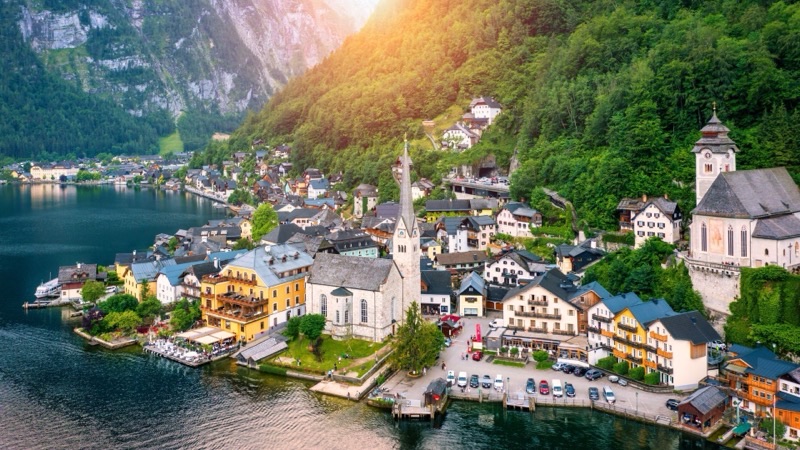
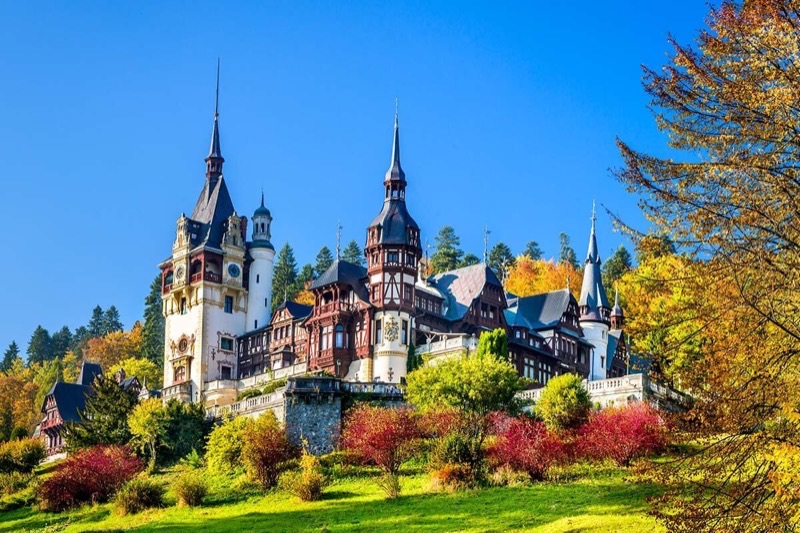
⚡ Quick Answers
⚡ The TL;DR Verdict
For most travelers seeking a comfortable, efficient European trip with established infrastructure and high cultural experiences, Austria is the preferred choice. However, if your budget is tight and you want adventure in less-traveled areas with a distinct cultural flavor, Romania provides more bang for your buck. Austria generally runs $85-160 per day, while Romania costs $43-75 per day for a mid-range experience.
- Choose Austria: Go here if you value smooth logistics, well-preserved historical sites, refined experiences, and have a more flexible budget for travel. Ideal for first-time Europe visitors.
- Choose Romania: Pick Romania if you are a budget-conscious traveler, enjoy exploring lesser-known regions, prefer rugged nature, and seek distinct folklore and architecture. Good for adventurous backpackers.
- Choose Both: If you have 3+ weeks, combine a week in Vienna and Salzburg with 10-14 days in Transylvania and Bucharest for a comprehensive Central and Eastern European perspective.
Choose Austria
Opt for Austria if you crave a polished, culturally rich European escape, perfect for first-time visitors or those seeking refined experiences. Indulge in classical concerts in Vienna, explore imperial palaces like Schönbrunn, or ski the majestic Alps, all with impeccable service and infrastructure. This destination is best for travelers with a mid-to-high budget who appreciate seamless travel and opulent history.
Choose Romania
Pick Romania for an exhilarating, budget-friendly adventure off the well-trodden path, ideal for intrepid backpackers and culture enthusiasts. Explore the medieval charm of Sighișoara, hike the rugged Carpathian Mountains, or delve into the Dracula legends of Transylvania, enjoying distinct traditions and dramatic landscapes. This is best for travelers seeking raw authenticity and unforgettable experiences without breaking the bank.
📊 Visual Scorecard
🌤 When to Visit
Average high temperatures (°C). Green = best months, orange = avoid.
Quick Comparison
| Category | Austria | Romania | Winner |
|---|---|---|---|
| Costs & Budget | Higher costs for accommodation, food, and transport; daily budget $85-160. | Significantly lower costs across the board; daily budget $43-75. | Romania |
| Culture & History | Habsburg imperial legacy, classical music, grand palaces, well-preserved old towns. | Medieval castles, folklore (Dracula), Orthodox monasteries, Roman and Dacian history. | Austria |
| Nature & Outdoors | Alpine landscapes, clear lakes, well-marked hiking trails, ski resorts. | Carpathian mountains, ancient forests, Danube Delta, diverse wildlife, wilder terrain. | Romania |
| Food & Drink | Hearty comfort food like schnitzel, strudel, rich desserts, coffee culture. | Rich stews, grilled meats, polenta dishes, hearty peasant food, regional wines. | Austria |
| Getting There | Major international airports, frequent direct flights from many hubs. | Fewer direct international routes, often requires connecting flights or budget airlines. | Austria |
| Getting Around | Extensive, efficient, and punctual train and bus network. Easy car rental. | Slower train system, better for buses/rideshares, challenging roads for driving. | Austria |
| Accommodation | High-quality hotels, boutique stays, hostels, guesthouses. Generally higher prices. | Budget-friendly hostels, family-run guesthouses, apartments, some luxury options. | Tie |
| Safety & Stability | Very low crime rates, high general safety, stable environment. | Generally safe, but petty crime in cities, some areas less tourist-focused. | Austria |
| Solo Travel | Easy navigation, safe, good hostel network, ample independent activities. | Affordable, adventurous, opportunities for unique cultural exchange, some language barriers. | Austria |
| Nightlife & Entertainment | Refined bars, classical concerts, opera, elegant clubs. | Lively clubs, diverse bars, underground scenes, affordability. | Romania |
💰 Costs & Budget
Austria is one of Western Europes more expensive destinations, though not as high as Switzerland or Scandinavia. Expect to pay €60-120 ($65-130) for a decent hostel or budget…
Austria
Romania
Austria is one of Western Europes more expensive destinations, though not as high as Switzerland or Scandinavia. Expect to pay €60-120 ($65-130) for a decent hostel or budget hotel room in cities like Vienna or Salzburg. A main meal at a restaurant costs €15-30 ($16-32), and a coffee can be €4-5 ($4.30-5.40). Public transport is efficient but adds up, with a single ticket in Vienna around €2.40 ($2.60). Entrance fees to places like Schonbrunn Palace are €22 ($24) or more. Daily expenses quickly reach €80-150 ($85-160) for a comfortable trip without excessive luxury.
Romania offers a much more affordable experience. A clean guesthouse or hotel room outside Bucharest can be found for €30-60 ($32-65), and even in the capital, prices are around €40-80 ($43-85). A hearty meal in a traditional restaurant costs €8-15 ($9-16), and a coffee is usually €2-3 ($2.15-3.20). Intercity travel by train or bus is inexpensive, for example, a bus from Bucharest to Brasov is around 50-70 RON (€10-14 or $11-15). Museum entries are often 20-50 RON (€4-10 or $4.30-11). Travelers can easily manage a daily budget of €40-70 ($43-75) while still enjoying good food and activities. Romania is a clear winner for budget-conscious explorers.
- Winner: Romania
- Why: Romania provides a much lower cost of travel for accommodation, food, and activities, making it highly accessible.
- Who this matters for: Budget travelers, long-term backpackers, and families managing expenses.
🏛️ Culture & History
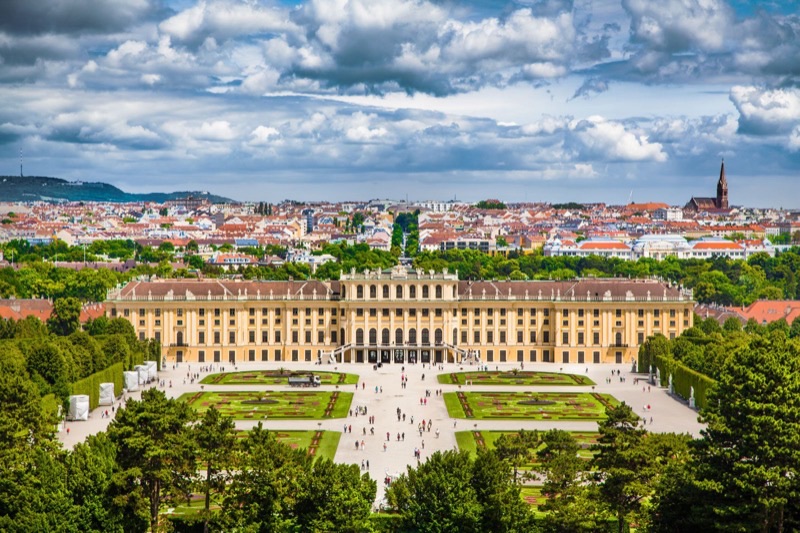
Austria showcases a powerful imperial history, particularly in Vienna. The Habsburg dynasty left behind opulent palaces like Schonbrunn and the Hofburg, alongside a deep…
Austria
Romania
Austria showcases a powerful imperial history, particularly in Vienna. The Habsburg dynasty left behind opulent palaces like Schonbrunn and the Hofburg, alongside a deep connection to classical music with figures like Mozart and Strauss. Cities such as Salzburg offer a distinct baroque aesthetic, while Hallstatt presents a historic lakeside village. Museums like the Kunsthistorisches Museum house extensive art collections. The culture is polished, with elegant coffee house traditions and formal concert halls. Its history is widely preserved and presented with high standards for visitors.
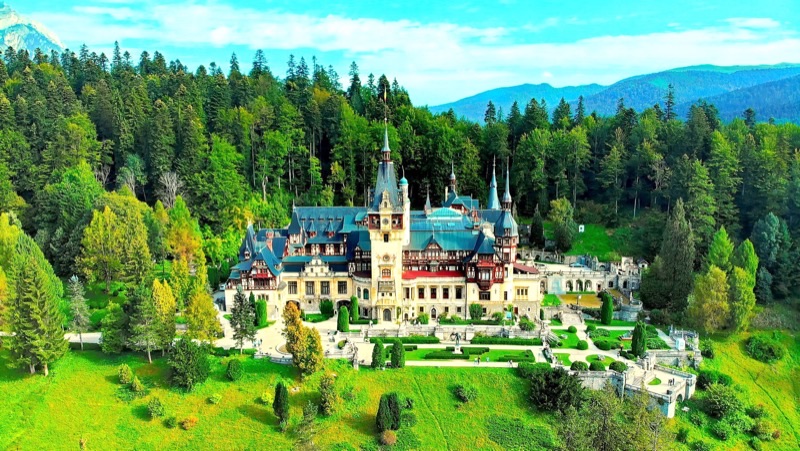
Romania presents a more rugged and layered history. Transylvania is known for medieval Saxon towns like Brasov and Sibiu, complete with fortified churches and castles such as Bran Castle (often linked to Dracula). The painted monasteries of Bucovina in the north display unique Byzantine frescoes. Bucharest has a mixture of Belle Epoque architecture, communist-era structures like the Palace of the Parliament, and Orthodox churches. The country's narrative includes Dacian, Roman, Ottoman, and Austro-Hungarian influences, offering a diverse historical journey, though often with less polished preservation than Austria. Austria wins this category for its accessible, grand historical presentation.
- Winner: Austria
- Why: Austria offers a more universally recognized and meticulously preserved historical and cultural narrative, particularly around its imperial past and classical arts.
- Who this matters for: Travelers who seek grand palaces, classical music, and well-maintained historical sites.
🏞️ Nature & Outdoors
Austria is famous for its portion of the Alps, offering accessible high-mountain terrain with extensive infrastructure. Regions like Tyrol and Salzkammergut have prominent peaks,…

Austria
Romania
Austria is famous for its portion of the Alps, offering accessible high-mountain terrain with extensive infrastructure. Regions like Tyrol and Salzkammergut have prominent peaks, deep valleys, and numerous clear lakes such as Wolfgangsee and Zell am See. Hiking trails are meticulously maintained and clearly marked, suitable for all skill levels. Ski resorts like Kitzbuhel and St. Anton are globally recognized. The landscapes are dramatic and well-managed for tourism, providing views from mountain railways and cable cars. Safety and accessibility are prioritized, making outdoor activities straightforward.
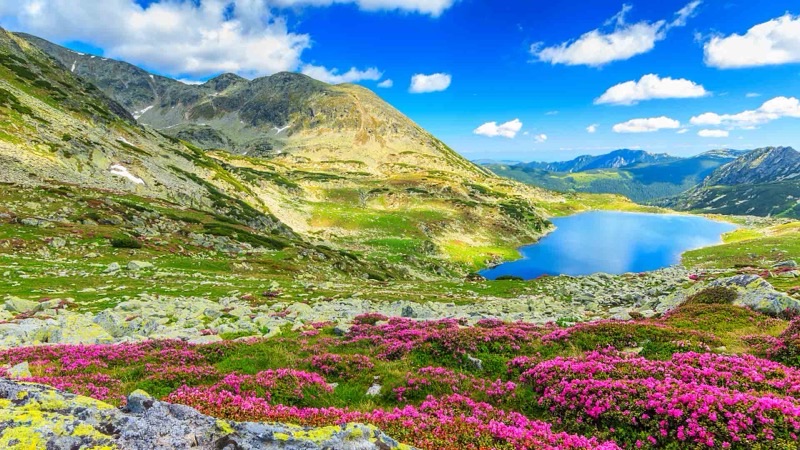
Romania boasts the Carpathian Mountains, which cover a large portion of the country. These mountains are wilder and less developed than the Austrian Alps, offering challenging hiking in ranges like Fagaras (home to Moldoveanu Peak) and Bucegi. Ancient forests, some of Europes last true wilderness areas, host brown bears, wolves, and lynx. The Danube Delta in the east is a UNESCO site, a vast wetland with diverse birdlife and a unique cultural experience. The Piatra Craiului National Park offers dramatic limestone ridges. While infrastructure can be less developed, Romania provides a more rugged, authentic, and biodiverse outdoor experience for those seeking untouched nature. Romania wins for its raw, untamed natural spaces.
- Winner: Romania
- Why: Romania offers wilder, more biodiverse natural areas with extensive untouched forests and mountains, appealing to adventurous nature enthusiasts.
- Who this matters for: Adventure travelers, wildlife enthusiasts, hikers seeking less crowded trails, and photographers.
🍽️ Food & Drink
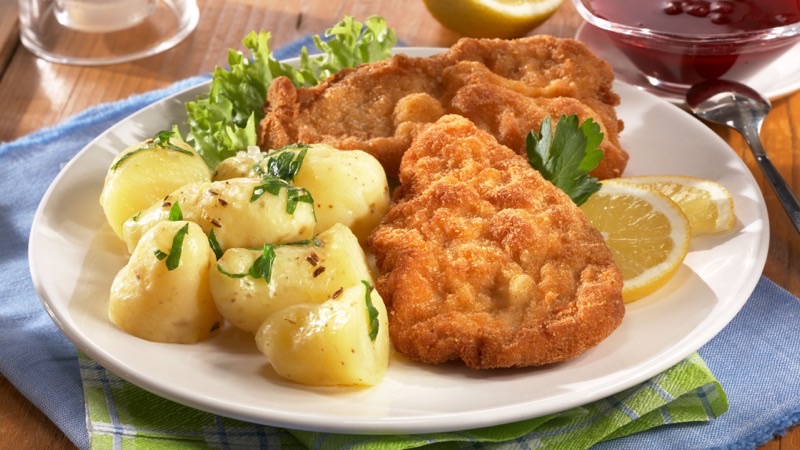
Austrian cuisine is known for its hearty, often meat-centric dishes and pastry traditions. Iconic items include Wiener Schnitzel, Tafelspitz (boiled beef), and various dumplings.…
Austria
Romania
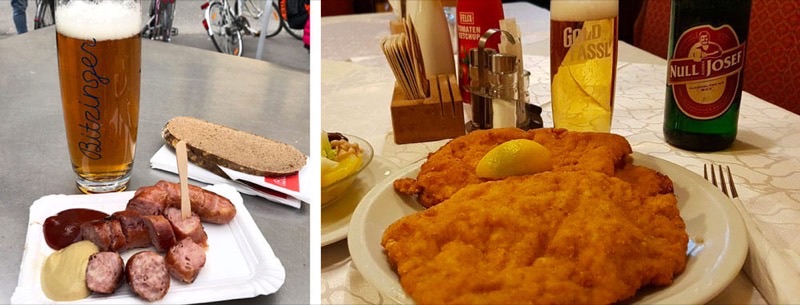
Austrian cuisine is known for its hearty, often meat-centric dishes and pastry traditions. Iconic items include Wiener Schnitzel, Tafelspitz (boiled beef), and various dumplings. Sweet treats are a strong point, with Sachertorte, Apfelstrudel, and Kaiserschmarrn widely available. Viennese coffee culture is a significant experience, with elegant cafes like Cafe Central or Demel serving coffee and cake in ornate settings. Local wines, particularly Gruner Veltliner, are consumed. The quality and presentation of food are consistently high, and traditional dishes are found across the country, from fine dining to simple Gasthauser.
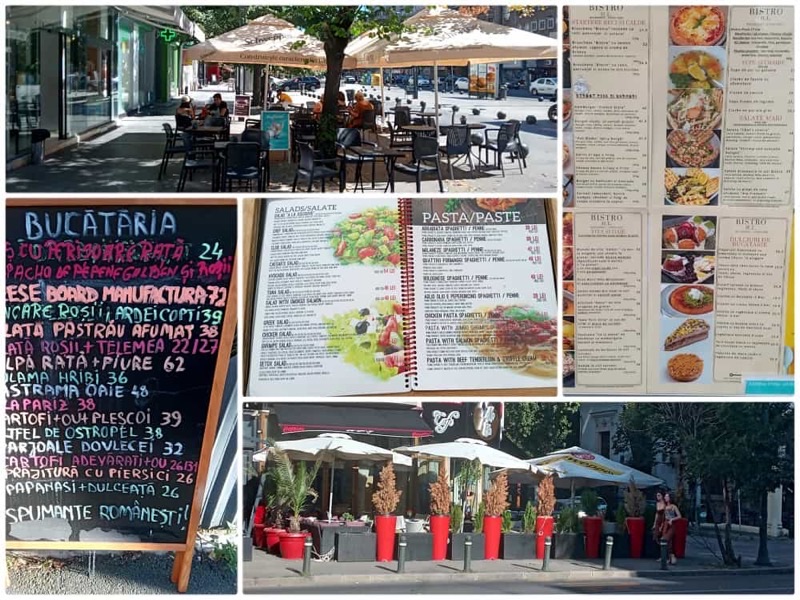
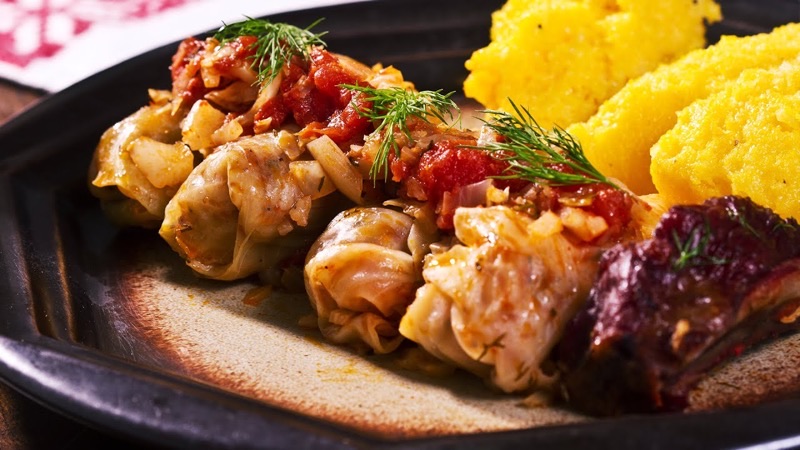
Romanian food is characterized by its peasant origins, featuring substantial portions and rich flavors. Staples include Sarmale (cabbage rolls), Mici (grilled minced meat rolls), Mamaliga (polenta), and Ciorba (sour soup). Desserts often involve fried dough, such as Papanași, or honey-soaked pastries. Regional variations exist, with Transylvanian dishes showing Hungarian and Saxon influences. The food is comforting and filling, though perhaps less refined than Austrian fare. Wine production is growing, and local beer is popular. While delicious, the dining experience often lacks the established elegance and consistency of Austria. Austria wins for its refined culinary traditions and iconic dishes.
- Winner: Austria
- Why: Austria offers a more refined culinary experience with globally recognized dishes and a rich coffee house culture.
- Who this matters for: Foodies seeking classic European comfort food, pastry lovers, and those who appreciate café traditions.
✈️ Getting There
Austria is well-connected to major international airports. Vienna International Airport (VIE) is a major hub with direct flights from most European capitals and many…
Austria
Romania
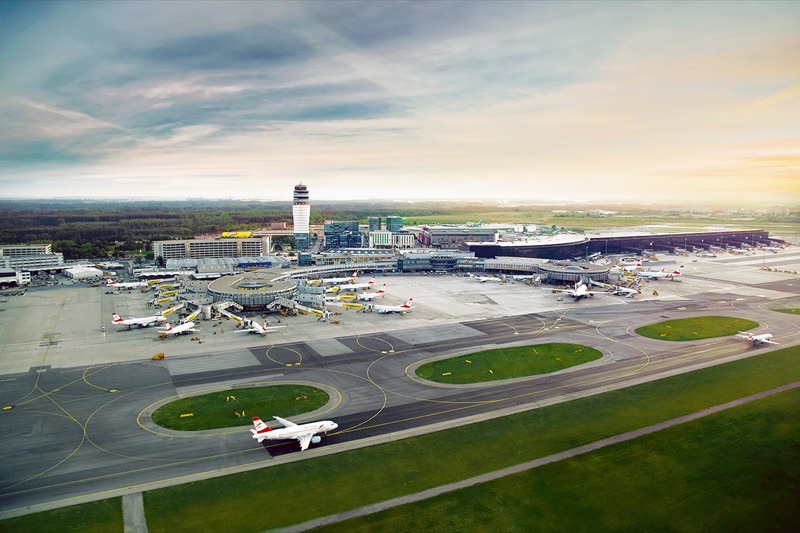
Austria is well-connected to major international airports. Vienna International Airport (VIE) is a major hub with direct flights from most European capitals and many intercontinental cities. For example, a direct flight from London to Vienna takes approximately 2 hours, and from Frankfurt, it is about 1 hour 15 minutes. Airlines like Austrian Airlines, Lufthansa, and many low-cost carriers operate frequent services. Salzburg (SZG) also has good connections, especially for regional European flights. Airfares can be competitive, particularly if booked in advance, and travel logistics upon arrival are straightforward with good public transport links into city centers.
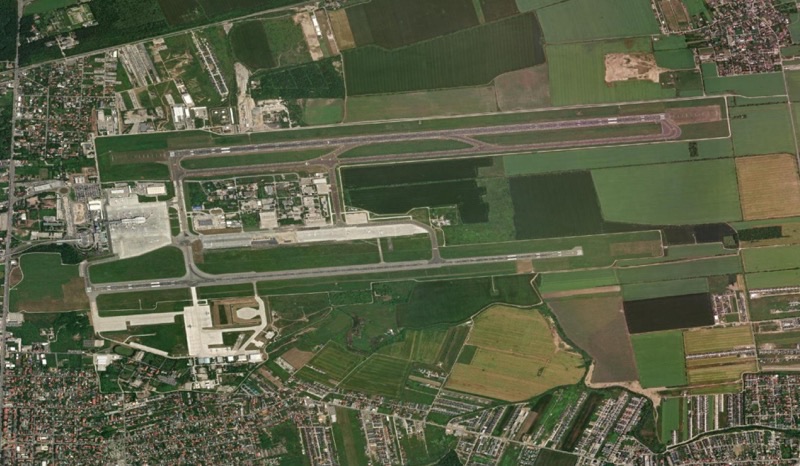
Romania has fewer direct international flights, primarily to Bucharest Henri Coanda International Airport (OTP). Direct flights from major European hubs are common, but intercontinental connections often require a layover. A direct flight from London to Bucharest takes around 2 hours 45 minutes to 3 hours, and from Frankfurt, it is about 2 hours. Regional airports like Cluj-Napoca (CLJ) and Timisoara (TSR) serve some European routes, often with budget airlines. While prices can be lower, flight availability might be less frequent, and connections can be longer. Getting to Romania can sometimes require more planning and willingness to use budget carriers. Austria offers easier and more frequent access for international travelers.
- Winner: Austria
- Why: Austria has more frequent, direct, and shorter flight options from major international hubs, simplifying arrival.
- Who this matters for: Travelers prioritizing convenience, direct flights, and faster journey times from global locations.
🚆 Getting Around
Austria boasts an exemplary public transportation system. The national rail operator, OBB, provides frequent, punctual, and comfortable train services connecting all major cities…
Austria boasts an exemplary public transportation system. The national rail operator, OBB, provides frequent, punctual, and comfortable train services connecting all major cities and many smaller towns. For example, a train from Vienna to Salzburg takes around 2.5 hours. Buses fill in gaps, particularly in rural areas. City public transport in Vienna, Salzburg, and Graz is comprehensive, with trams, buses, and metro lines. Car rental is straightforward, and roads are well-maintained. Navigation is simple, and travel between destinations is consistently efficient, making it easy to cover ground.
Romania's transportation infrastructure is less developed. While trains connect major cities, they are often slower and less frequent than in Austria, with journeys taking longer than expected. For instance, a train from Bucharest to Brasov can take 3-4 hours for a relatively short distance. Buses and microbuses (maxi-taxis) are often a faster and more popular option for intercity travel, but can be less comfortable. Ridesharing apps like Bolt and Uber are common in cities. Driving a rental car offers flexibility but requires navigating sometimes poorly maintained roads, especially in rural areas, and aggressive driving styles. Austria provides a far more seamless and comfortable experience for intercity movement.
- Winner: Austria
- Why: Austria has a highly efficient, punctual, and extensive public transport system (especially trains), making travel straightforward.
- Who this matters for: Travelers who prefer public transport ease, comfort, and reliability, or those planning to rent a car.
🏨 Accommodation
Austria offers a spectrum of accommodation, from luxurious imperial hotels in Vienna to cozy Alpine guesthouses (Gasthof) and modern hostels. In cities, you will find…
Austria offers a spectrum of accommodation, from luxurious imperial hotels in Vienna to cozy Alpine guesthouses (Gasthof) and modern hostels. In cities, you will find international chains, boutique hotels, and well-regarded independent properties. A mid-range hotel in Vienna might cost €80-150 ($85-160), while a hostel bed is typically €30-50 ($32-54). Quality is consistently high, with good amenities and service. Booking well in advance, especially for popular seasons like Christmas markets or ski season, is advised due to demand and higher prices. Options are abundant and cater to various preferences.
Romania also has a wide range of accommodation, with a stronger emphasis on budget and mid-range options. Hostels in Bucharest and Brasov are common, often around €15-30 ($16-32) for a dorm bed. Guesthouses (Pensiune) are prevalent outside major cities, offering good value and local charm, often for €30-60 ($32-65) for a private room. Larger cities have international hotel chains and boutique hotels, but these are typically less expensive than their Austrian counterparts. Unique options include staying in traditional Saxon villages or farm stays. While luxury options exist, the strength of Romanias accommodation lies in its affordability and prevalence of authentic local stays. This category is a tie as each offers strong, albeit different, value propositions.
- Winner: Tie
- Why: Both destinations offer diverse accommodation options, with Austria excelling in quality and Romania in affordability and unique local stays.
- Who this matters for: Travelers seeking either high-end comfort and service (Austria) or budget-friendly, authentic local experiences (Romania).
👮 Safety & Stability
Austria is widely regarded as one of Europes safest countries. Crime rates are very low, and tourists can generally feel secure in cities and rural areas. Public spaces are…
Austria is widely regarded as one of Europes safest countries. Crime rates are very low, and tourists can generally feel secure in cities and rural areas. Public spaces are well-maintained and well-lit. Petty crime, like pickpocketing, can occur in crowded tourist areas of Vienna, but it is not a widespread issue. The political and economic environment is stable, and emergency services are reliable and efficient. Solo female travelers often report feeling comfortable and safe across the country, even at night. This level of general security and order contributes to a relaxed travel experience.
Romania is also generally safe for tourists, but it has a slightly higher incidence of petty crime, particularly pickpocketing in crowded areas of Bucharest and other major cities. Scams, such as inflated taxi fares, are less common now but still occur. Outside of tourist centers, some areas might feel less polished, and infrastructure can be lacking. While violent crime against tourists is rare, common sense precautions are always advised, particularly in train stations or busy markets. The country has made strides in improving safety and tourist infrastructure, but Austria maintains a higher standard of overall public security. Austria wins for its consistently high safety ratings.
- Winner: Austria
- Why: Austria maintains exceptionally low crime rates and a high level of general public safety across the country.
- Who this matters for: Solo travelers, families with young children, and those who prioritize peace of mind and security.
🚶♀️ Solo Travel
Austria is an excellent destination for solo travelers. Its efficient public transport makes independent navigation simple, and its low crime rates ensure a secure experience.…
Austria is an excellent destination for solo travelers. Its efficient public transport makes independent navigation simple, and its low crime rates ensure a secure experience. Cities like Vienna and Salzburg offer numerous museums, cafes, and concert halls that are well-suited for solo exploration. There is a developed hostel network, making it easy to meet other travelers. Many tour operators cater to individuals, and English is widely spoken in tourist areas. Dining alone is common and comfortable. The ease of logistics and high level of safety contribute to a stress-free solo journey, allowing focus on exploration.
Romania offers a more adventurous solo travel experience. Its lower costs mean solo travelers can stretch their budget further. The country provides ample opportunities for unique cultural exchanges, particularly in smaller towns and villages where English might be less common but locals are often welcoming. The hostel scene in cities like Bucharest and Brasov is active, providing social opportunities. However, navigating outside major tourist areas can be more challenging due to less developed infrastructure and potential language barriers. While rewarding for the independent, seasoned solo explorer, it requires more initiative and adaptability than Austria. Austria is better for a consistently smooth solo trip.
- Winner: Austria
- Why: Austria offers a more straightforward, safer, and logistically simpler experience for solo travelers, especially first-timers.
- Who this matters for: First-time solo travelers, those prioritizing safety and ease, and travelers with less time for planning.
🎉 Nightlife & Entertainment
Austria's nightlife, particularly in Vienna, leans towards refined entertainment. Classical concerts at venues like the Vienna State Opera or Musikverein are a significant…
Austria's nightlife, particularly in Vienna, leans towards refined entertainment. Classical concerts at venues like the Vienna State Opera or Musikverein are a significant attraction. There are elegant wine bars, cocktail lounges, and a selection of clubs, though often with higher price points and a more sophisticated atmosphere. The Wurstelprater amusement park offers evening entertainment, and various festivals occur throughout the year. While not as overtly high-energy as some European capitals, the quality of bars and the cultural entertainment options are high.
Romania, especially Bucharest, has a lively and diverse nightlife scene that caters to various tastes and budgets. The Old Town of Bucharest is packed with bars, pubs, and clubs that stay open late, offering a high-energy atmosphere. Electronic music and underground scenes are prominent, and drinks are significantly cheaper than in Western Europe. Brasov and Cluj-Napoca also have active student-driven nightlife. From ruin bars to rooftop lounges, Romania provides more options for late-night entertainment and dancing at a fraction of the cost. Romania wins for its dynamic, varied, and affordable evening scene.
- Winner: Romania
- Why: Romania, particularly Bucharest, has a more dynamic, varied, and significantly more affordable nightlife and club scene.
- Who this matters for: Younger travelers, party-goers, and those seeking vibrant clubs and bars on a budget.
🎯 The Decision Framework
Choose Austria If…
- You want meticulously preserved imperial history and grand architecture.
- You appreciate classical music, opera, and refined cultural experiences.
- You prioritize highly efficient and punctual public transportation.
- You seek low crime rates and a general sense of public order.
- You prefer high-quality, comfortable accommodation and dining experiences.
- You enjoy skiing or well-marked Alpine hiking trails.
- You speak mainly English and prefer less communication friction.
- You appreciate a strong coffee house culture and pastry tradition.
Choose Romania If…
- You are traveling on a strict budget, aiming for under $75 per day.
- You seek rugged, wilder natural landscapes and diverse wildlife (bears, wolves).
- You are interested in medieval castles, Dracula folklore, and Orthodox monasteries.
- You enjoy exploring less-traveled areas and unique cultural experiences.
- You prefer a lively, affordable nightlife with many club and bar options.
- You are open to navigating less developed infrastructure for greater adventure.
- You want to experience a country undergoing rapid change and modernization.
- You appreciate hearty, rustic food with significant portions.
📅 Sample Itineraries
Weekend in Austria (3 Days)
💡 Book train tickets between major cities in Austria in advance through ÖBB for better prices, often saving 20-30%.
Weekend in Romania (3 Days)
💡 Consider renting a car for a few days (starting from $30-40 per day) to explore the Transylvania region's castles and countryside at your own pace.
One Week in Austria (7 Days)
💡 If planning extensive train travel, investigate the Austria Rail Pass for potential savings over individual tickets, especially for 3 or more travel days.
One Week in Romania (7 Days)
💡 For exploring Transylvania, consider using intercity buses or trains between major cities like Bucharest, Brasov, and Sibiu, with tickets costing around $10-25 per journey, offering a budget-friendly way to connect.
❓ Frequently Asked Questions
What are the average flight times from major hubs to Austria vs Romania?
From major Western European cities like London or Frankfurt, direct flights to Vienna, Austria typically range from 1.5 to 2.5 hours. For Romania, direct flights to Bucharest usually take between 2.5 to 3 hours from the same hubs. So, Austria generally offers slightly shorter flight times.
Which country offers better value for money for an average traveler?
Romania offers significantly better value for money. A comfortable mid-range trip in Romania can cost $43-75 per day, covering accommodation, food, and activities. In Austria, a similar experience would cost $85-160 per day, making Romania the clear winner for budget-conscious travelers.
Is it easy to travel between cities in Austria compared to Romania?
Yes, intercity travel is much easier in Austria. The Austrian rail system (OBB) is known for its punctuality and efficiency, with frequent connections between major cities. In Romania, trains are slower and less frequent; buses or rideshares are often preferred for intercity routes, requiring more planning and patience.
Which country has more unique historical sites?
Both have unique historical sites, but their character differs. Austria boasts imperial grandeur with palaces like Schonbrunn and Hofburg. Romania offers medieval castles like Bran, fortified churches, and the painted monasteries of Bucovina. Romania's sites are often more connected to folklore and a diverse array of influences.
What is the food like in each country for an average meal?
In Austria, expect hearty dishes like Wiener Schnitzel and Tafelspitz, with an average main meal costing €15-30 ($16-32). Romania offers substantial peasant food such as Sarmale and Mici, with an average main meal costing €8-15 ($9-16). Austria is more refined, Romania is more rustic and affordable.
Which destination is better for outdoor activities like hiking?
While Austria offers well-marked Alpine trails and infrastructure, Romania is better for those seeking wilder, less crowded hiking experiences. The Carpathian Mountains in Romania provide extensive untouched forests, opportunities for wildlife spotting, and more challenging, remote terrain for adventurous hikers.
How prevalent is English spoken in tourist areas in both countries?
English is widely spoken in tourist areas, hotels, and major cities in both Austria and Romania, especially by younger generations. In smaller towns and rural areas, particularly in Romania, English might be less common, and knowing a few basic phrases in German or Romanian can be helpful.
Which country has a more active nightlife?
Romania, particularly Bucharest, has a significantly more active and affordable nightlife scene. Bucharests Old Town is known for its numerous bars, pubs, and clubs that cater to a high-energy crowd. Austria's nightlife is more subdued, often revolving around classical concerts, refined bars, and cultural events.
Ready to plan your Central European trip?
Get a free custom itinerary for Austria, Romania, or both — built from real traveler insights.
👥 Travelers Also Compared
🎟️ Book Tours & Experiences
Hand-picked tours and activities for both destinations — book with free cancellation
Experiences via Viator — free cancellation on most tours