How we built this comparison
This page combines traveler discussion patterns, published price ranges, flight schedules, and seasonal data to help you decide between Azerbaijan and Iceland.
- Reviewed 50+ Reddit threads from r/travel, r/solotravel, r/Azerbaijan, r/Iceland, and r/VisitingIceland.
- Verified costs and logistics against current booking platforms like Booking.com, Google Flights, and local transportation sites.
- Cross-referenced seasonal patterns and weather data from meteorological sources for accurate climate descriptions.
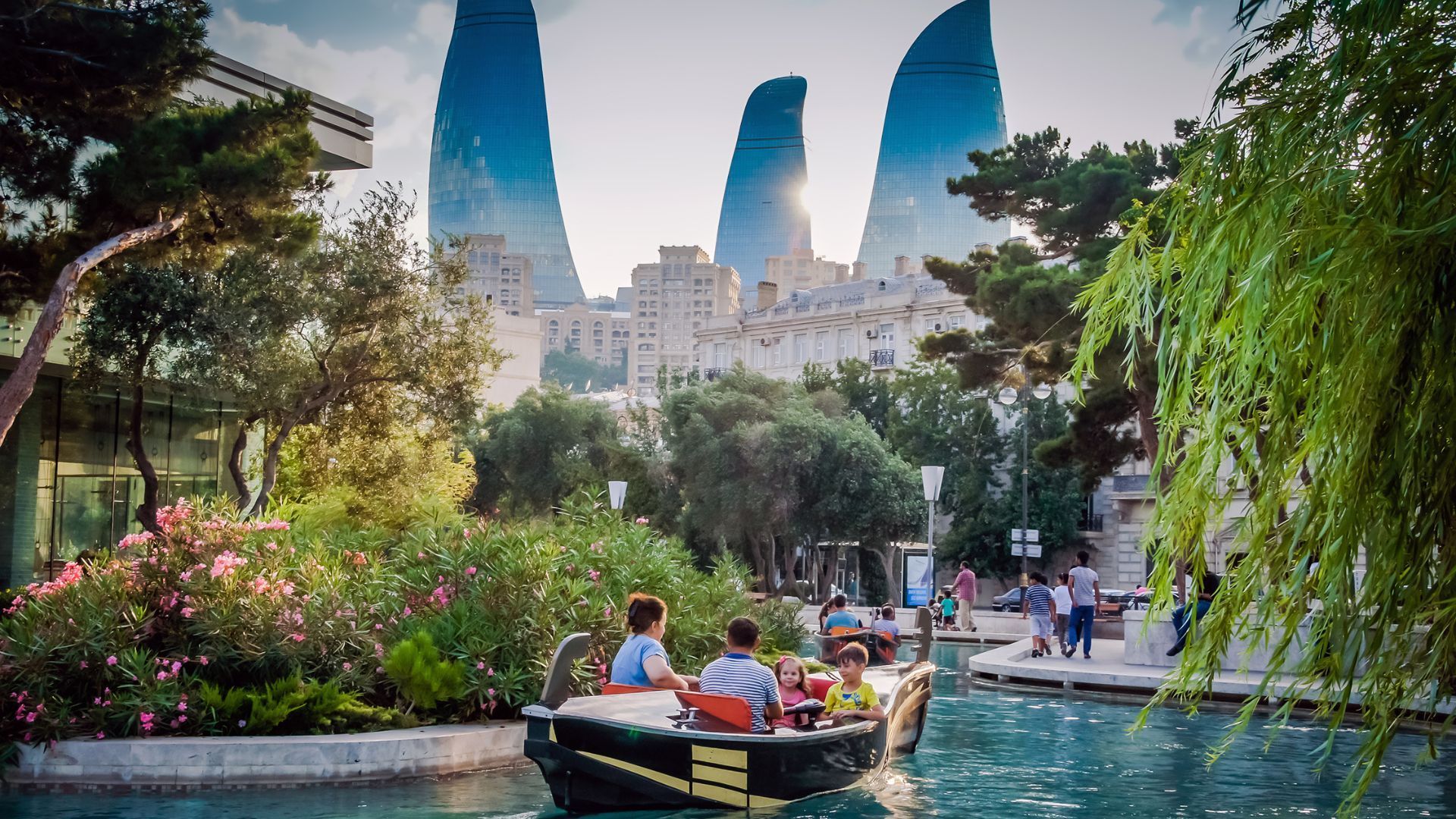
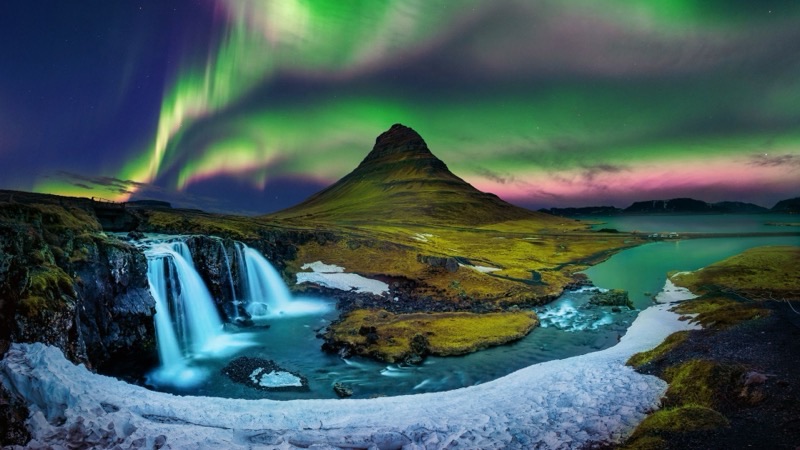
⚡ Quick Answers
⚡ The TL;DR Verdict
For most travelers seeking value and a deep dive into history and culture without breaking the bank, Azerbaijan is the pick. It offers a fascinating blend of East and West, with daily budgets around $40-70. Iceland, conversely, is for those prioritizing dramatic, active landscapes and who have a larger budget, typically $150-250 per day, to spend on experiences.
- Choose Azerbaijan: Travelers prioritizing budget, ancient history, diverse cultures, and authentic city experiences will find Azerbaijan more rewarding. It’s an adventure into a less-traveled region.
- Choose Iceland: Travelers seeking dramatic, natural scenery, geothermal activity, and outdoor pursuits with a higher budget should choose Iceland. It’s about nature's raw power.
- Choose Both: Doing both requires significant time and budget, typically 2-3 weeks minimum, as they are geographically and culturally distant. Consider it if you seek two completely contrasting experiences back-to-back.
Choose Azerbaijan
Azerbaijan is best for budget-conscious travelers eager to immerse themselves in ancient history and vibrant culture. Explore the UNESCO-listed Old City of Baku, marvel at Gobustan's mud volcanoes and rock art, and savor authentic Azerbaijani cuisine, all while enjoying daily budgets typically ranging from $40-70. It offers a unique East-meets-West adventure without breaking the bank.
Choose Iceland
Iceland is ideal for adventure-seeking nature enthusiasts willing to invest in unparalleled landscapes and outdoor experiences. Chase the Northern Lights, hike across glaciers, relax in the Blue Lagoon, or marvel at the Golden Circle's powerful waterfalls, all while embracing a typical daily budget of $150-250. This destination promises raw, dramatic beauty and unforgettable natural wonders.
📊 Visual Scorecard
🌤 When to Visit
Average high temperatures (°C). Green = best months, orange = avoid.
Quick Comparison
| Category | Azerbaijan | Iceland | Winner |
|---|---|---|---|
| Costs & Budget | Significantly cheaper for all aspects: accommodation, food, transport, activities. | Among the most expensive destinations globally, high costs for everything. | Azerbaijan |
| Nature & Landscapes | Mud volcanoes, Caspian Sea beaches, mountainous regions, diverse flora. | Glaciers, volcanoes, geothermal areas, black sand beaches, ice caves, Northern Lights. | Iceland |
| Culture & History | Ancient Silk Road heritage, Zoroastrian sites, Soviet past, Islamic architecture, oil boom history. | Viking sagas, Norse mythology, fishing traditions, modern art, geothermal energy use. | Azerbaijan |
| Food Scene | Flavorful, meat-heavy, Persian and Turkish influences, very affordable. | Focus on seafood, lamb, unique fermented dishes, often expensive. | Azerbaijan |
| Nightlife | Growing scene in Baku, modern clubs, traditional tea houses, more relaxed outside the capital. | Lively bar scene in Reykjavik, known for late nights, craft beer focus, limited outside capital. | Iceland |
| Getting There | Baku Heydar Aliyev International Airport (GYD) is the main hub, fewer direct flights from North America. | Keflavík International Airport (KEF) is a major transatlantic hub with many direct flights. | Iceland |
| Getting Around | Baku has a metro, affordable taxis/Bolt. Marshrutkas for intercity travel. | Car rental is almost essential for exploring outside Reykjavik; public transport is limited. | Azerbaijan |
| Accommodation | Wide range of affordable options, from hostels to boutique hotels. | Expensive, limited options outside Reykjavik, guesthouses and campgrounds are common. | Azerbaijan |
| Safety | Generally safe, low crime rates, some political sensitivities near borders. | Extremely safe, low crime, few natural hazards to manage. | Iceland |
| Weather & Seasons | Hot summers (dry), mild winters, varied climate zones from subtropical to alpine. | Cool summers, cold and dark winters, highly unpredictable weather year-round. | Tie |
💰 Costs & Budget
Azerbaijan is very budget-friendly. A typical mid-range daily budget in Baku, including a comfortable hotel like Old Street Boutique Hotel (100 AZN / $59), local meals (plov at…
Azerbaijan
Iceland
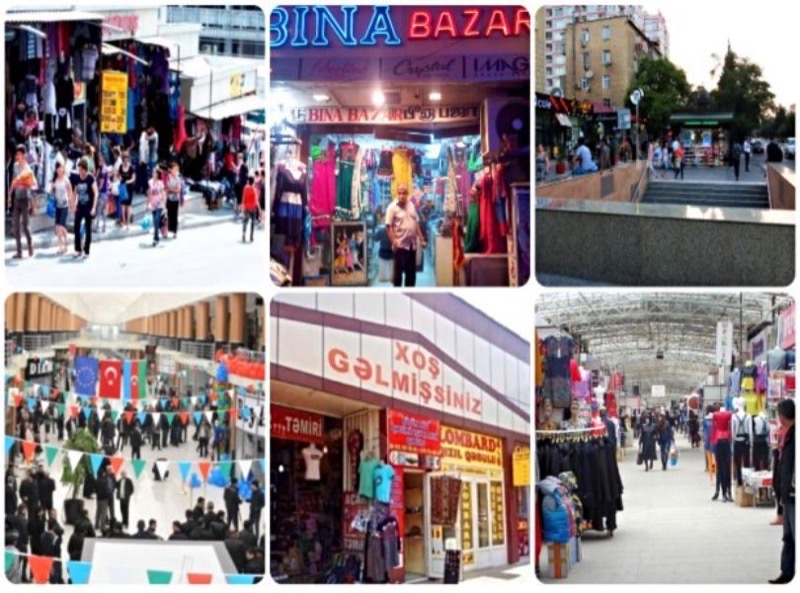
Azerbaijan is very budget-friendly. A typical mid-range daily budget in Baku, including a comfortable hotel like Old Street Boutique Hotel (100 AZN / $59), local meals (plov at Xezer Restaurant for 15 AZN / $8.80, street food for 5-10 AZN / $2.90-$5.90), public transport (0.40 AZN / $0.23 per metro ride), and museum entries (10-15 AZN / $5.90-$8.80), can easily stay within $40-70. Alcohol is inexpensive, and taxi apps like Bolt are cheap for longer distances.
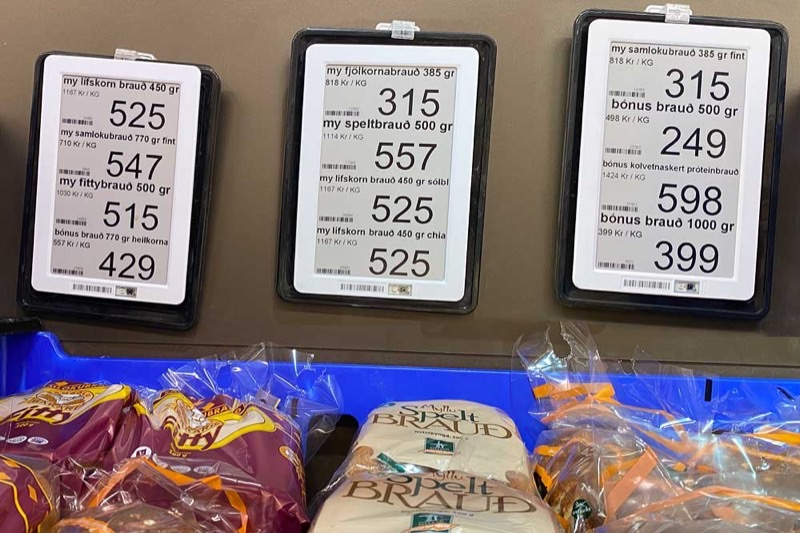
Iceland operates at a much higher price point. Expect to pay 20,000-30,000 ISK ($145-215) for a basic guesthouse like Guesthouse Sunna, 2,500-4,000 ISK ($18-29) for a simple lunch, and 8,000-12,000 ISK ($58-86) for a dinner at a place like Fiskmarkaðurinn. Car rentals are essential for exploration, costing 7,000-15,000 ISK ($50-108) per day, plus fuel. Activities like the Blue Lagoon entrance can be 9,000-15,000 ISK ($65-108). A realistic daily budget starts at $150-250. Azerbaijan wins this by a significant margin for any traveler considering their spending.
- Winner: Azerbaijan
- Why: Azerbaijan offers a complete travel experience at a fraction of Iceland's cost, making it accessible for diverse budgets.
- Who this matters for: Budget-conscious travelers, backpackers, and anyone seeking value without sacrificing experience.
⛰️ Nature & Landscapes
Azerbaijan's natural features include the unique mud volcanoes of Gobustan, the semi-desert Absheron Peninsula, and the forested mountains of the Greater Caucasus, particularly…
Azerbaijan
Iceland
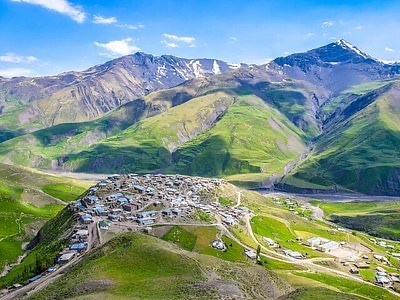
Azerbaijan's natural features include the unique mud volcanoes of Gobustan, the semi-desert Absheron Peninsula, and the forested mountains of the Greater Caucasus, particularly around Ganja and Qabala. Shahdag Mountain Resort offers winter sports, and the country has a significant stretch of the Caspian Sea coastline. The landscapes are varied, moving from arid zones to lush forests, but lack the extreme geological forces found elsewhere.
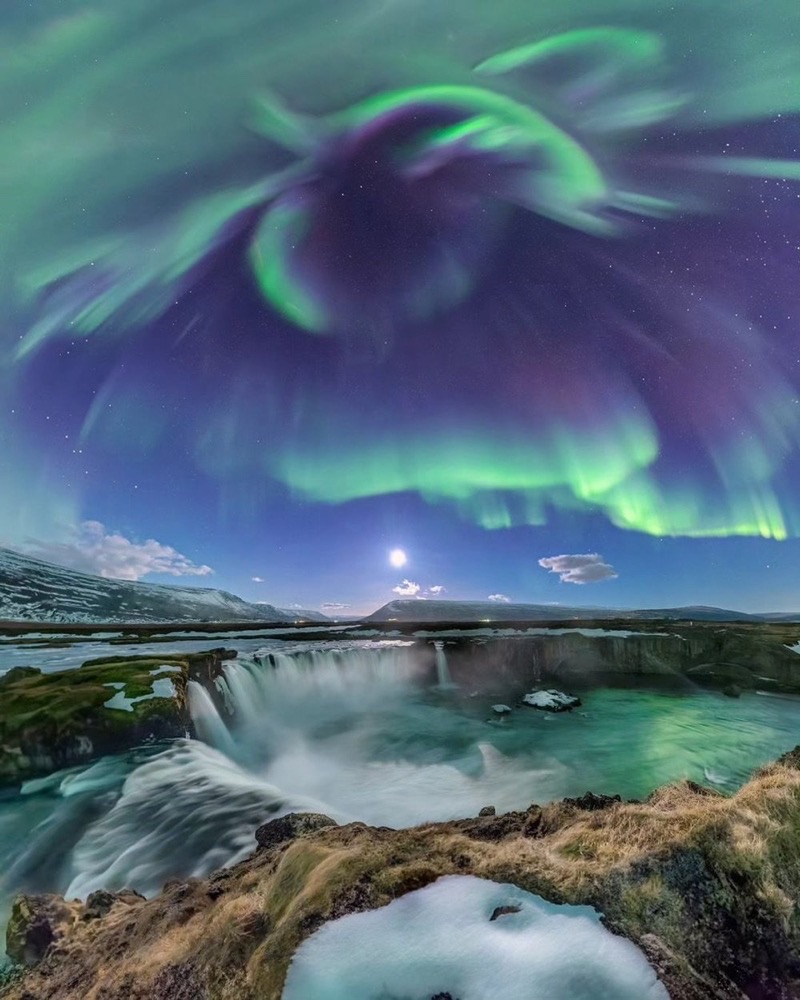
Iceland's nature is its primary draw, defined by raw, active geology. It showcases large glaciers like Vatnajökull, powerful waterfalls like Seljalandsfoss and Skógafoss, black sand beaches at Reynisfjara, and active geothermal areas such as Geysir and Námaskarð. Volcanic craters, ice caves, and the opportunity to see the Northern Lights (seasonal) are main attractions. The landscapes are consistently dramatic and feel otherworldly. Iceland clearly wins for travelers prioritizing monumental, active natural scenery.
- Winner: Iceland
- Why: Iceland's landscape is a raw, active display of Earth's forces, providing a more consistently dramatic and impactful natural experience.
- Who this matters for: Adventure seekers, photographers, hikers, and those whose primary travel motivation is seeing extreme natural phenomena.
📜 Culture & History
Azerbaijan offers a deep dive into a history shaped by Zoroastrianism, the Silk Road, Persian and Ottoman empires, and Soviet rule. Baku's Old City, a UNESCO site, contains the…
Azerbaijan
Iceland
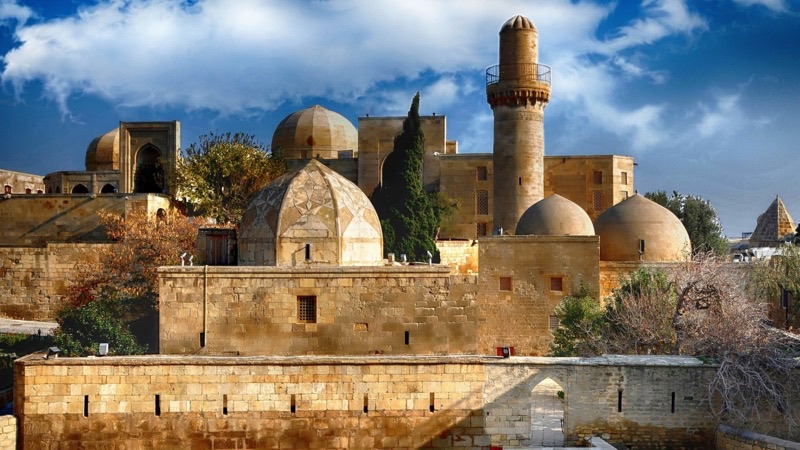
Azerbaijan offers a deep dive into a history shaped by Zoroastrianism, the Silk Road, Persian and Ottoman empires, and Soviet rule. Baku's Old City, a UNESCO site, contains the Palace of the Shirvanshahs and Maiden Tower, dating back centuries. The Ateshgah Fire Temple and Yanar Dag (burning mountain) connect to ancient fire worship. Qobustan features prehistoric rock carvings and mud volcanoes. Sheki, another Silk Road stop, boasts the Khan's Palace. The influence of various cultures is evident in the architecture, food, and daily life, providing a layered cultural exploration.
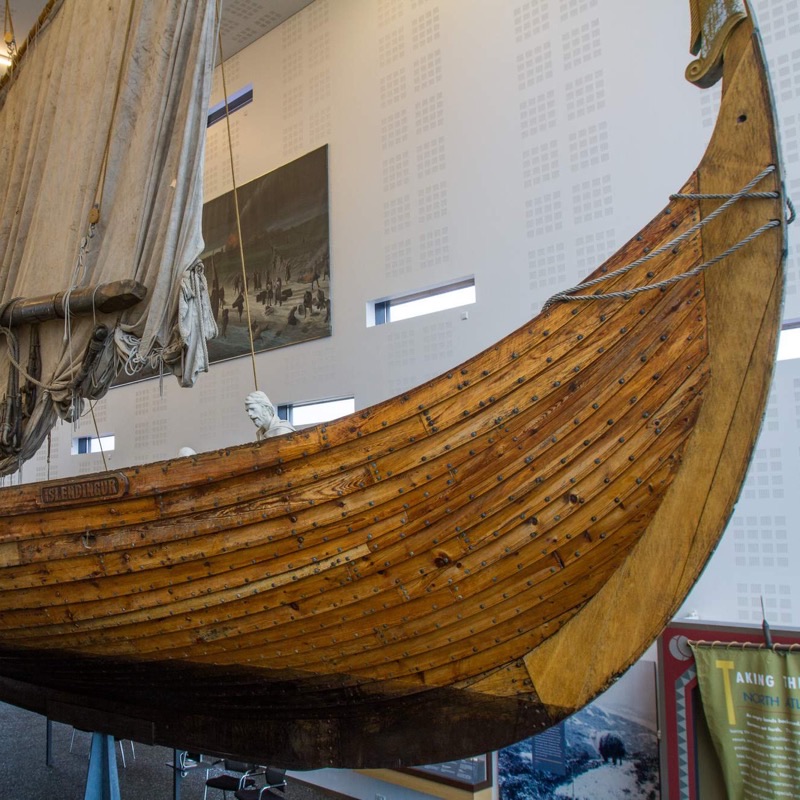
Iceland's cultural narrative is rooted in its Norse heritage, Viking sagas, and strong connection to its harsh environment. Reykjavik has institutions like the National Museum of Iceland and Hallgrímskirkja church, reflecting its unique blend of history and modernity. The country's strong literary tradition and emphasis on community are notable. However, its historical sites are less ancient and grand compared to Azerbaijan's millennia of continuous civilization. For a deep, layered historical and cultural immersion, Azerbaijan provides a more substantial journey.
- Winner: Azerbaijan
- Why: Azerbaijan provides a richer, more ancient, and diverse historical and cultural narrative, spanning millennia and numerous civilizations.
- Who this matters for: History enthusiasts, cultural explorers, and travelers interested in diverse historical influences and ancient civilizations.
🍽️ Food Scene
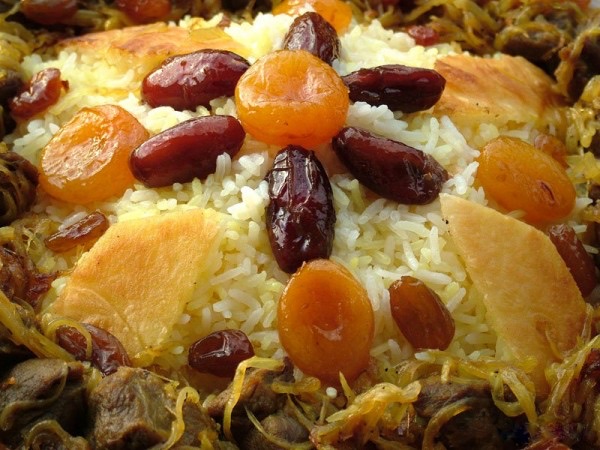
Azerbaijan's cuisine is a delicious blend of Central Asian, Persian, and Turkish influences. Staples include various types of plov (rice dishes), kebabs, dolma (stuffed…
Azerbaijan

Iceland
Azerbaijan's cuisine is a delicious blend of Central Asian, Persian, and Turkish influences. Staples include various types of plov (rice dishes), kebabs, dolma (stuffed vegetables/leaves), and hearty soups like bozbash. Fresh herbs, pomegranates, and saffron are common. Try Piti, a lamb and chickpea soup, or Dushbara, small dumplings. Restaurants like Firuze or Nargiz in Baku offer a great introduction to local flavors at excellent prices; a full meal with drinks might be 20-30 AZN ($12-18). Street food, like Qutab (savory pancakes), is abundant and cheap.
Icelandic cuisine is largely dictated by its environment: lamb, seafood, and dairy are central. Expect fresh fish (cod, haddock, salmon), smoked lamb (hangikjöt), and Skyr (a thick yogurt-like dairy product). More adventurous options include hákarl (fermented shark) or puffin. While quality is high, prices are significant. A main course at a mid-range restaurant in Reykjavik, such as Old Iceland Restaurant or Messinn, often costs 4,000-7,000 ISK ($29-50). Grocery shopping is also expensive. For variety, value, and a more accessible culinary journey, Azerbaijan wins for most palates.
- Winner: Azerbaijan
- Why: Azerbaijan offers a wider range of flavorful, satisfying, and significantly more affordable culinary experiences compared to Iceland's pricier, more niche offerings.
- Who this matters for: Foodies on a budget, travelers who enjoy diverse meat and rice dishes, and those looking for an authentic, affordable local food experience.
🌃 Nightlife
Baku has a developing nightlife, particularly around Fountain Square and the Nizami Street area. There are modern clubs like Elektra Events Hall and bars such as Finnegans Irish…

Azerbaijan
Iceland
Baku has a developing nightlife, particularly around Fountain Square and the Nizami Street area. There are modern clubs like Elektra Events Hall and bars such as Finnegans Irish Pub. Traditional tea houses (Chaykhanas) offer a more subdued social experience late into the evening. While the scene is growing, it's not as concentrated or as internationally recognized as other cities. Outside Baku, nightlife is minimal, typically limited to local restaurants or smaller bars.
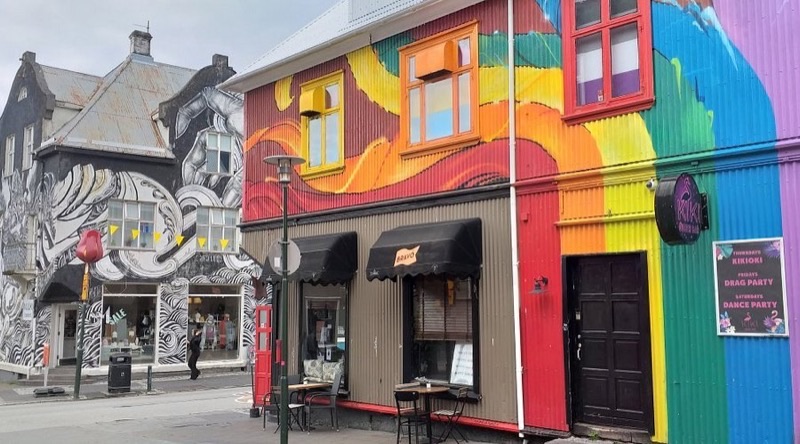
Reykjavik's nightlife is concentrated and energetic, especially on weekends. Bars like Kaffibarinn, B5, and Lebowski Bar are popular, offering a mix of music and atmospheres. Icelanders generally start their nights late, with bars filling up after midnight and staying open until the early morning hours. Craft beer has a strong presence. While expensive, the concentrated nature and late closing times create a compelling experience. For those prioritizing a lively, concentrated late-night bar scene, Reykjavik is a stronger option.
- Winner: Iceland
- Why: Reykjavik's concentrated and late-opening bar scene provides a more established and consistently energetic nightlife experience.
- Who this matters for: Younger travelers, party-goers, and anyone looking for a lively, late-night bar and club scene.
✈️ Getting There
Getting to Azerbaijan typically involves flying into Baku Heydar Aliyev International Airport (GYD). From Europe, airlines like Lufthansa, Turkish Airlines, and Azerbaijan…
Getting to Azerbaijan typically involves flying into Baku Heydar Aliyev International Airport (GYD). From Europe, airlines like Lufthansa, Turkish Airlines, and Azerbaijan Airlines (AZAL) offer direct routes. A direct flight from London is around 5 hours. From North America, there are no direct flights; expect at least one layover, with total travel times often exceeding 12-15 hours. Flight costs can vary, but generally, expect to pay $600-900+ from the US and $200-400 from Europe for a round trip.
Iceland is exceptionally well-connected, especially from North America and Europe, via Keflavík International Airport (KEF). Airlines like Icelandair, Delta, United, and various European budget carriers offer numerous direct flights. A direct flight from New York is around 6 hours, from London 3 hours. This makes it a popular stopover destination. Round-trip flights from the US can range from $400-800, and from Europe often $150-400. Its accessibility and numerous direct routes make Iceland the easier and often cheaper destination to reach for many international travelers.
- Winner: Iceland
- Why: Iceland offers significantly more direct flight options and shorter travel times from major global hubs, especially North America.
- Who this matters for: Travelers prioritizing convenience, direct flights, and shorter travel durations, particularly from North America.
🚗 Getting Around
In Azerbaijan, particularly Baku, the metro system is efficient, clean, and extremely cheap (0.40 AZN / $0.23 per ride). Ride-sharing apps like Bolt are prevalent and very…
In Azerbaijan, particularly Baku, the metro system is efficient, clean, and extremely cheap (0.40 AZN / $0.23 per ride). Ride-sharing apps like Bolt are prevalent and very affordable for city travel (a 15-minute ride might be 3-5 AZN / $1.70-$2.90). For intercity travel, marshrutkas (minibuses) are the common and inexpensive choice, connecting most towns and cities. Buses and trains are also available. This system allows for budget-friendly and relatively easy independent travel without a personal vehicle.
In Iceland, a car rental is almost a necessity for exploring the country's main attractions, which are spread out along the Ring Road. Public transportation outside Reykjavik is virtually nonexistent, and tours can be expensive. Car rental prices vary seasonally but expect 7,000-15,000 ISK ($50-108) per day, plus high fuel costs. Road conditions can be challenging, especially in winter. While tours are an option, they limit flexibility. For ease of independent movement without high costs, Azerbaijan's transport network is more practical.
- Winner: Azerbaijan
- Why: Azerbaijan offers a robust, affordable public and ride-sharing transport network that makes independent travel straightforward and budget-friendly.
- Who this matters for: Budget travelers, solo travelers, and those who prefer not to rent a car and drive themselves on vacation.
🏨 Accommodation
Azerbaijan provides a broad selection of accommodation at highly competitive prices. Hostels in Baku can be found for 15-25 AZN ($9-15) per night, while comfortable guesthouses or…
Azerbaijan provides a broad selection of accommodation at highly competitive prices. Hostels in Baku can be found for 15-25 AZN ($9-15) per night, while comfortable guesthouses or 3-star hotels like City Park Hotel Baku typically cost 70-120 AZN ($40-70). Even luxury hotels are significantly cheaper than in many Western cities. Outside the capital, prices drop further, with guesthouses in places like Sheki or Quba available for 40-80 AZN ($23-47). Availability is generally good, even for last-minute bookings.
Icelandic accommodation is notoriously expensive and often requires booking well in advance, especially during peak season. A bed in a hostel dormitory in Reykjavik can still be 5,000-8,000 ISK ($36-58). A basic guesthouse or 3-star hotel like Guesthouse Sunna will cost 20,000-35,000 ISK ($145-250) or more. Outside Reykjavik, options become scarcer and remain pricey, with farm stays and guesthouses being common. Camping is a more affordable option, but still costs around 1,500-2,500 ISK ($11-18) per person per night. For affordability and variety, Azerbaijan is the clear choice.
- Winner: Azerbaijan
- Why: Azerbaijan offers a far greater range of comfortable and affordable accommodation options across all budget levels.
- Who this matters for: Any traveler concerned with budget, those looking for good value, and travelers who prefer spontaneity in their bookings.
🛡️ Safety
Azerbaijan is generally a safe country for travelers. Petty crime, like pickpocketing, is rare, especially outside crowded markets. The local population is hospitable. Political…
Azerbaijan is generally a safe country for travelers. Petty crime, like pickpocketing, is rare, especially outside crowded markets. The local population is hospitable. Political sensitivities exist, particularly concerning the Nagorno-Karabakh region and the border with Armenia; travelers are advised to avoid these areas and be aware of their surroundings. Basic travel precautions are sufficient, and solo female travelers generally report positive experiences, though cultural modesty is appreciated.
Iceland consistently ranks as one of the safest countries globally, with extremely low crime rates. Violent crime is rare. The primary 'dangers' are environmental: unpredictable weather, strong currents on beaches, and the inherent risks of exploring glaciers or active volcanic areas if proper precautions are not taken. However, these are well-signposted, and common sense safety measures are easy to follow. For overall peace of mind and minimal personal safety concerns, Iceland is an unparalleled choice.
- Winner: Iceland
- Why: Iceland's consistently low crime rates and minimal social safety concerns provide an almost unmatched level of security for travelers.
- Who this matters for: Solo travelers, families, and anyone for whom a sense of complete personal safety and security is a top priority.
☀️ Weather & Seasons
Azerbaijan has nine of the world's eleven climate zones, ranging from subtropical to alpine. Summers (June-August) in Baku and lowland areas are hot and dry, often reaching…
Azerbaijan has nine of the world's eleven climate zones, ranging from subtropical to alpine. Summers (June-August) in Baku and lowland areas are hot and dry, often reaching 30-35°C (86-95°F), ideal for Caspian Sea relaxation but less comfortable for city exploration. Spring (April-May) and autumn (September-October) are mild and pleasant, with temperatures around 15-25°C (59-77°F), making them excellent for sightseeing. Winters (December-February) are mild in Baku (5-10°C / 41-50°F) but snowy in the mountains, suitable for winter sports.
Iceland's weather is famously unpredictable. Summers (June-August) are cool, typically 10-15°C (50-59°F), with long daylight hours (midnight sun). This is the most popular time for visiting, but rain and wind are still common. Winters (November-March) are cold, dark, and often stormy, with temperatures hovering around 0°C (32°F) and limited daylight; this is the prime season for Northern Lights viewing. Spring and autumn are transitional and often wet. Both destinations have distinct seasonal draws, making this a tie based on traveler preference for specific activities.
- Winner: Tie
- Why: Both destinations offer distinct seasonal experiences that appeal to different traveler types, making a 'winner' dependent on personal preference.
- Who this matters for: Travelers prioritizing specific activities like hot weather relaxation, winter sports, or chasing the Northern Lights.
🎯 The Decision Framework
Choose Azerbaijan If…
- You want to explore ancient Silk Road cities and UNESCO sites.
- Your daily travel budget is less than $80.
- You enjoy hearty, flavorful, and affordable cuisine with Persian influences.
- You prefer to travel independently using cheap public transport and ride-sharing.
- You are interested in a destination with a blend of East and West, less frequented by mass tourism.
- You want to visit unique mud volcanoes and fire temples.
- You appreciate hospitable locals and a generally relaxed pace of travel.
- You are looking for excellent value across accommodation, food, and activities.
Choose Iceland If…
- You prioritize dramatic, raw natural landscapes: glaciers, volcanoes, and waterfalls.
- You are prepared for a daily budget exceeding $150.
- You are excited by outdoor activities like hiking, glacier walks, and hot springs.
- You want to experience the Midnight Sun or hunt for the Northern Lights.
- You prefer driving your own vehicle to explore at your own pace.
- You are comfortable with unpredictable weather and cooler temperatures.
- You value an extremely safe travel environment with minimal crime concerns.
- You enjoy modern European amenities and a concentrated, lively city nightlife.
📅 Sample Itineraries
Weekend in Azerbaijan (3 Days)
💡 Purchase a Baku Card for discounts on attractions and public transport, potentially saving $10-20 over three days on entry fees.
Weekend in Iceland (3 Days)
💡 Buy groceries at Bonus or Krónan supermarkets in Reykjavik to prepare simple meals, saving $30-50 per day compared to eating out.
One Week in Azerbaijan (7 Days)
💡 Utilize marshrutkas (minibuses) for intercity travel; they are significantly cheaper than trains or private transfers, often costing $5-15 per journey.
One Week in Iceland (7 Days)
💡 Book popular tours and accommodations well in advance, especially during peak season, as prices can increase significantly or sell out, potentially saving $20-50 per booking.
❓ Frequently Asked Questions
What is the typical daily budget for Azerbaijan vs Iceland?
For Azerbaijan, a comfortable mid-range daily budget is around $40-70 per person, covering accommodation, food, and transport. For Iceland, expect to spend $150-250 per day for similar comfort levels, largely due to high costs for lodging, rental cars, and meals.
Which country is better for nature photography?
Iceland is generally better for dramatic, large-scale nature photography due to its glaciers, active geothermal areas, and unique volcanic formations. Azerbaijan offers interesting mud volcanoes and mountain landscapes, but Iceland's visual impact is more consistent and varied for a dedicated nature photographer.
Is it easy to travel solo in Azerbaijan or Iceland?
Both countries are suitable for solo travel. Iceland is exceptionally safe and easy to navigate with a rental car, though expensive. Azerbaijan is safe, very affordable, and easy to get around with public transport and ride-sharing, offering more cultural interactions for solo explorers.
What's the best time of year to visit each country?
For Azerbaijan, spring (April-May) and autumn (September-October) offer pleasant weather for sightseeing. For Iceland, summer (June-August) provides the mildest weather and longest daylight for exploring, while winter (November-March) is for chasing the Northern Lights despite cold and dark conditions.
Which country has more historical sites?
Azerbaijan has a significantly older and more diverse array of historical sites, including UNESCO-listed Old City of Baku, ancient fire temples, and Silk Road cities like Sheki, reflecting thousands of years of varied civilizations. Iceland's history is newer, primarily focused on Viking sagas and geological events.
How long should I plan for a trip to each destination?
For Azerbaijan, a solid 7-10 days allows you to explore Baku and at least one or two other regions like Sheki or Quba. For Iceland, a 5-7 day trip is sufficient to cover the Golden Circle and a portion of the South Coast, but 10-14 days are ideal for a full Ring Road journey.
Which country is better for families with young children?
Iceland might be marginally better for families with young children due to its extremely high safety, good infrastructure, and accessible natural attractions. However, Azerbaijan's affordability and range of cultural activities could also appeal to families on a budget, provided they manage logistics.
What are the main visa requirements for US citizens for these countries?
US citizens can enter Iceland visa-free for up to 90 days as part of the Schengen Area. For Azerbaijan, US citizens typically need an e-visa (ASAN Visa), which can be obtained online within 3 business days and costs around $24, allowing a stay of up to 30 days.
Ready to plan your next trip?
Get a free custom itinerary for Azerbaijan, Iceland, or both — built from real traveler insights.
👥 Travelers Also Compared
🎟️ Book Tours & Experiences
Hand-picked tours and activities for both destinations — book with free cancellation
Experiences via Viator — free cancellation on most tours