How we built this comparison
This comparison was meticulously crafted by analyzing traveler reviews, expert insights, and real-world costs across various travel styles. We've focused on key decision-making factors to provide a balanced and actionable guide for your next island adventure.
- Reddit discussion analysis from r/travel, r/solotravel, and destination-specific subreddits
- Real-time cost data and flight routes
- Seasonal patterns and local insights
⚡ The TL;DR Verdict
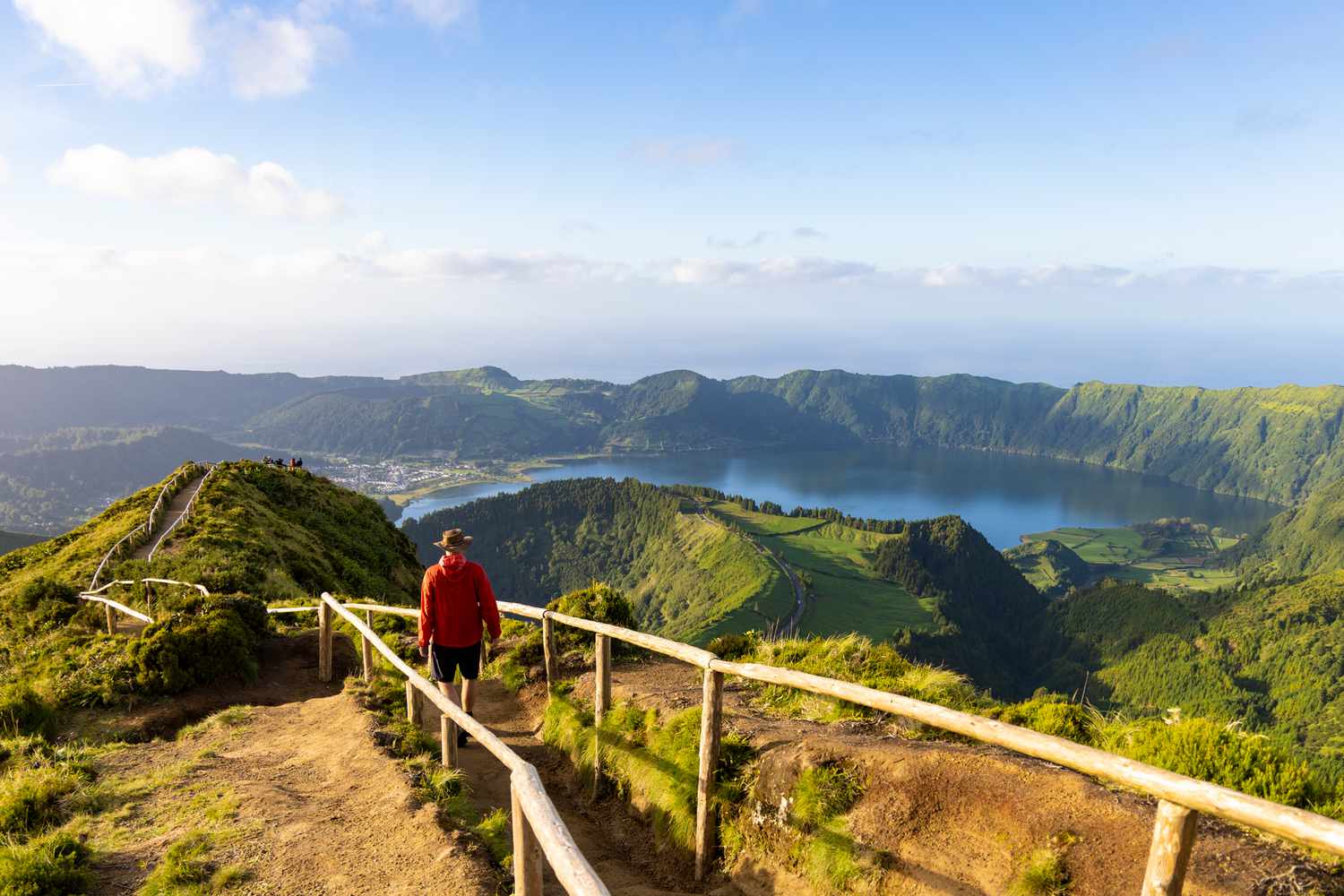
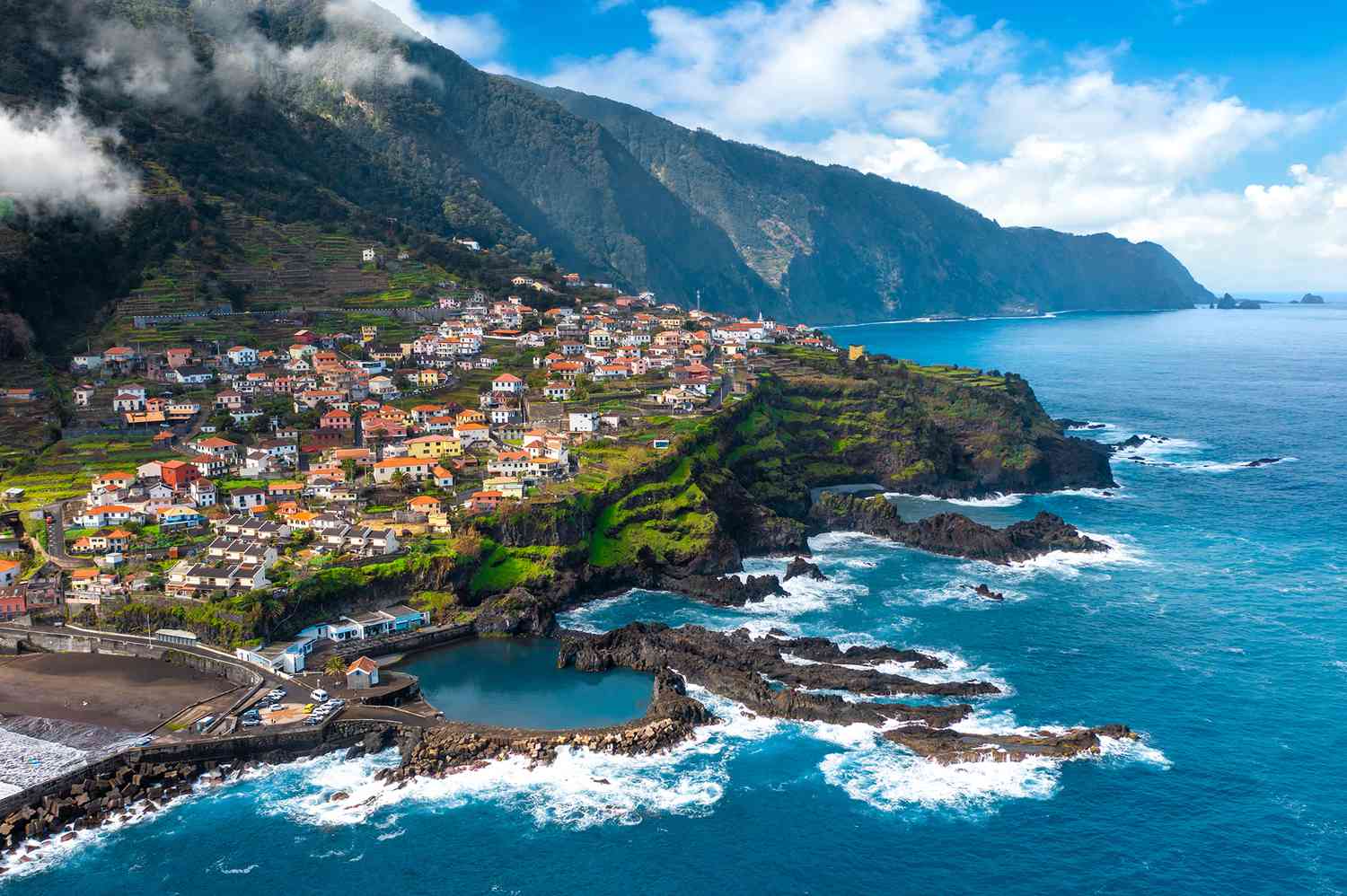
Azores is better if you want raw, untamed nature, dramatic volcanic landscapes, authentic local experiences, and a slightly more budget-friendly trip. Madeira is better if you want lush, manicured gardens, accessible hiking, a more developed tourism infrastructure, and a touch of upscale comfort. Budget: Azores is generally 10-15% cheaper for accommodation and dining, while Madeira offers more luxury options.
- Choose Azores: Choose the Azores if you are an avid hiker seeking challenging trails, a nature enthusiast eager for dramatic volcanic craters and thermal springs, a wildlife lover hoping for whale and dolphin watching, or a traveler looking for an authentic, less commercialized European island experience.
- Choose Madeira: Choose Madeira if you prefer a milder climate year-round, enjoy lush botanical gardens and accessible levada walks, appreciate a more refined dining scene, seek luxury accommodations, or want a destination with well-established tourism infrastructure and easy island navigation.
- Budget snapshot: Generally, the Azores offers a more budget-friendly experience, especially for accommodation and local food. Madeira can be slightly more expensive, particularly in Funchal and for higher-end resorts, though both can be enjoyed on a moderate budget.
Choose Azores
Dramatic Volcanic Landscapes, Authentic Local Vibe, Thermal Hot Springs, Whale & Dolphin Watching, Epic Hiking Trails
Choose Madeira
Lush Botanical Gardens, Accessible Levada Walks, Mild Year-Round Climate, Charming Funchal City, World-Class Madeira Wine
Quick Comparison
| Category | 🏝️ Azores | 🏖️ Madeira | Winner |
|---|---|---|---|
| Nature & Scenery | Raw, dramatic volcanic craters, emerald lakes, hot springs, wild coastlines. | Lush laurisilva forests, botanical gardens, towering sea cliffs, accessible mountain peaks. | Depends |
| Adventure Activities | Canyoning, whale watching, surfing, hiking (challenging), caving, hot spring bathing. | Levada hiking, paragliding, diving, trail running, coasteering, toboggan rides. | Tie |
| Beaches & Swimming | Black sand beaches, natural volcanic pools, calmer bays (e.g., Santa Maria). | Pebble beaches, natural lava pools (Porto Moniz), golden sand beach (Calheta), nearby Porto Santo island. | Madeira |
| Food & Drink | Cozido das Furnas, fresh seafood, local cheeses (Queijo da Ilha), unique pineapples, Gorreana tea. | Espetada, Bolo do Caco, black scabbard fish, passion fruit, Madeira wine, Poncha. | Tie |
| Getting There | Direct flights from North America (Boston, NYC) & Europe. Multiple islands require inter-island travel. | More frequent direct flights from European hubs. Less complex inter-island travel (Porto Santo is main other). | Madeira |
| Getting Around | Car rental essential. Roads can be winding. Public transport limited outside main towns. | Car rental highly recommended. Good road network. Public buses in Funchal & some routes. | Madeira |
| Accommodation | More guesthouses, rural tourism, boutique hotels, eco-lodges. Fewer large resorts. | Wider range from luxury resorts to boutique hotels, guesthouses, and apartments. | Madeira |
| Budget | Generally more affordable for dining, activities, and mid-range accommodation. | Slightly higher cost, especially in Funchal; more luxury options available. | Azores |
| Nightlife | Quiet, relaxed evenings focused on local bars & restaurants, particularly in Ponta Delgada. | More vibrant in Funchal with bars, clubs, casinos, and a wider selection of evening entertainment. | Madeira |
| Culture & History | Strong maritime heritage, whaling history, unique volcanic architecture, local festivals. | Colonial history, intricate embroidery, traditional markets, charming Funchal Old Town, religious festivals. | Tie |
| Best Time to Visit | June to September for warmest weather & best whale watching. Shoulder seasons for fewer crowds. | Year-round mild climate. Spring (April-May) for flowers. Autumn (Sept-Nov) for pleasant temps. | Madeira |
| Safety & Practicalities | Very safe. English widely spoken in tourist areas. ATM access. Reliable mobile network. | Very safe. Excellent infrastructure. English widely spoken. Good medical facilities in Funchal. | Tie |
🏞️ Raw Nature vs. Lush Gardens
The Azores offer a landscape defined by its raw volcanic origins. You'll find dramatic calderas like the iconic Sete Cidades on São Miguel, with its twin blue and green lakes, or the geothermal wonders of Furnas Valley, where steam vents (fumaroles) punctuate the landscape. The islands are incredibly green, with lush pastures, dense hydrangeas, and stark black lava rock. Terceira boasts the stunning Algar do Carvão, a volcanic chimney you can explore, providing a truly unique subterranean experience.
Madeira, in contrast, presents a more cultivated, albeit equally dramatic, natural beauty. Its defining feature is the ancient Laurisilva Forest, a UNESCO World Heritage site traversed by thousands of kilometers of 'levadas' – irrigation channels doubling as walking paths. The island's south coast is famous for its stunning botanical gardens, such as the Monte Palace Tropical Garden, overflowing with exotic flora. While both islands feature impressive sea cliffs, Madeira's Cabo Girão is one of the highest in Europe, offering breathtaking views from its glass skywalk.
Both destinations will appeal to nature lovers, but the *type* of nature differs. Azores is about untamed, dramatic geological formations, while Madeira excels in lush, subtropical gardens and ancient forests that feel both wild and accessible.
Winner takeaway
- Winner: Depends
- Why: Azores excels in raw, dramatic volcanic landscapes; Madeira for its lush, accessible forests and exquisite gardens.
- Who this matters for: Matters for hikers, photographers, and those prioritizing specific types of natural beauty & geological wonders.
🚴♀️ Adventure & Activities for Every Thrill-Seeker
The Azores are an adventurer's paradise, especially for those who love water sports and hiking. Whale and dolphin watching tours depart frequently from islands like São Miguel and Pico, with a very high success rate due to the rich marine life. Canyoning down waterfalls in Faial da Terra or surfing along the black sands of Santa Bárbara beach are popular. For hikers, trails often involve steep ascents and descents through varying terrain, with rewarding views of volcanic lakes and coastlines. Don't miss exploring the volcanic caves like Gruta das Torres on Pico.
Madeira offers a different flavor of adventure, perhaps more focused on accessibility and diverse terrain. The famous levada walks cater to all fitness levels, from easy strolls through tunnels to challenging routes along steep cliffs. Paragliding from viewpoints like Pico da Urze provides stunning aerial perspectives of the island. For marine adventures, diving and snorkeling are popular, particularly around the Garajau Nature Reserve. The unique experience of riding the traditional wicker toboggans down from Monte is also a must-try for a touch of historical thrill.
While both islands offer fantastic hiking, the Azores leans into more rugged, wilderness-style trekking and marine wildlife encounters. Madeira provides a more varied menu of activities, from its signature levada walks to adrenaline-pumping cliff dives, often with better-maintained infrastructure for a broader audience.
Winner takeaway
- Winner: Tie
- Why: Both offer incredible and distinct adventure opportunities, appealing to different preferences for thrill and terrain.
- Who this matters for: Matters for active travelers, hikers, wildlife enthusiasts, and those looking for unique outdoor experiences.
🍴 Culinary Delights: Cozido vs. Espetada
Azorean cuisine is hearty and authentic, deeply rooted in its island traditions and agricultural bounty. A must-try is Cozido das Furnas, a stew cooked for hours in volcanic hot springs underground in Furnas Valley, often served at local restaurants like Tony's. Seafood is paramount, with fresh grilled fish and limpets (lapas) being staples. Don't forget to try the unique, sweet Azorean pineapple, local cheeses (like the famous Queijo da Ilha from São Jorge), and the only European tea plantation at Gorreana on São Miguel. Wine production is also growing, particularly on Pico island.
Madeiran gastronomy is equally distinctive, with flavors influenced by its subtropical climate and historical trade routes. The iconic Espetada, beef skewers grilled on laurel branches, is a savory highlight. Bolo do Caco, a warm flatbread with garlic butter, is served with almost every meal. Seafood lovers will enjoy the unique black scabbard fish (espada), often served with banana. For drinks, the potent local cocktail Poncha is a must-try, and the globally renowned Madeira wine is perfect for connoisseurs. Farmers' Market (Mercado dos Lavradores) in Funchal offers an explosion of tropical fruits.
Both islands offer incredible culinary journeys, focusing on fresh, local ingredients. The Azores provide a more rustic, farm-to-table experience with unique volcanic cooking methods, while Madeira presents a slightly more refined and varied menu with its famous wine and tropical produce.
Winner takeaway
- Winner: Tie
- Why: Both islands boast unique, delicious, and culturally significant culinary traditions that appeal to different palates.
- Who this matters for: Matters for foodies, cultural explorers, and anyone who wants to experience local flavors beyond typical tourist fare.
💰 Budgeting Your Island Adventure
Generally, the Azores tend to be a more budget-friendly destination compared to Madeira, though prices are steadily increasing with growing popularity. Accommodation options on São Miguel and Terceira include charming guesthouses and rural tourism accommodations starting from €60-€80/night. A decent meal at a local 'tasca' can cost €10-€15. Car rental is essential and can range from €30-€50/day. Inter-island flights can add up, with Sata Azores offering flights from €50-€100 per segment, so plan carefully if visiting multiple islands. Flights from North America (e.g., Boston) can sometimes be surprisingly affordable.
Madeira, especially Funchal, can lean slightly more towards the mid-range to upscale traveler. While budget accommodations are available (guesthouses from €70-€90/night), there's a wider selection of luxury hotels and resorts, which can push prices to €150+ per night. Dining in Funchal's popular areas might average €15-€25 per meal. Car rentals are similar to the Azores, €30-€50/day. Activities like guided levada walks or specific tours might be slightly pricier due to a more developed tourism infrastructure. Flights from major European cities are frequent and competitively priced.
For a traveler aiming to maximize their euros, the Azores typically offers more value across the board, from lodging to dining and activities, especially outside of peak season. Madeira can be done on a budget, but it's easier to find yourself spending more, particularly if indulging in its upscale offerings or staying in prime Funchal locations.
Winner takeaway
- Winner: Azores
- Why: The Azores generally offers lower costs for accommodation, dining, and activities, making it more budget-friendly.
- Who this matters for: Matters for budget-conscious travelers, backpackers, and those looking for maximum value for money.
✈️ Getting There & Getting Around
Reaching the Azores usually involves flights to João Paulo II Airport (PDL) on São Miguel, the main hub. Direct flights are available from Lisbon, Porto, London, and surprisingly, North American cities like Boston (seasonal with SATA Azores). To explore multiple islands, SATA Air Açores provides inter-island flights, which can be expensive and require careful planning due to weather delays. Car rental is almost mandatory on each island you visit, as public transportation is very limited outside of Ponta Delgada, with costs around €30-€50 per day.
Madeira is well-connected with direct flights to Cristiano Ronaldo International Airport (FNC) from numerous European cities, including Lisbon, London, Manchester, Berlin, and Paris. This makes it a highly accessible destination for European travelers. Once on the main island, a car rental is still highly recommended for exploring beyond Funchal, with similar daily costs to the Azores. However, Madeira's roads are generally in excellent condition, and the network is very efficient. Funchal also has a decent public bus system, and taxis are readily available. The ferry to Porto Santo Island offers a pleasant day trip option.
For travelers coming from Europe, Madeira often boasts more frequent and competitive flight options. For North Americans, the Azores can offer unique direct flight routes. On-island, both require a car for extensive exploration, but Madeira's infrastructure and public transport in Funchal are generally more robust.
Winner takeaway
- Winner: Madeira
- Why: Madeira offers more frequent and direct flight connections from Europe, along with a more developed and easier-to-navigate road network.
- Who this matters for: Matters for travelers prioritizing convenience, easy access, and efficient on-island transportation, especially those from Europe.
🏨 Where to Stay: Rural Charm vs. Resort Comfort
The Azores offer a diverse range of accommodation, often leaning towards charming, authentic, and eco-conscious options. On São Miguel, you'll find boutique hotels in Ponta Delgada, such as Azor Hotel, alongside numerous rural tourism houses (turismo rural) nestled in picturesque villages like Furnas or Sete Cidades. Expect quaint guesthouses, converted farmhouses, and self-catering apartments that offer a more immersive local experience. Rates can start from €60-€80 for a nice guesthouse, with mid-range boutique hotels around €100-€150. Luxury resorts are fewer but growing.
Madeira, particularly around its capital Funchal, presents a more established tourism infrastructure with a wider array of accommodation choices. You'll find everything from budget-friendly hostels to mid-range apartments, but it's renowned for its upscale hotels and resorts, many offering stunning sea views, infinity pools, and spa facilities. Iconic properties like the Belmond Reid's Palace or Savoy Palace cater to a luxury clientele, with rates often exceeding €200-€300 per night. Beyond Funchal, charming quinta (manor house) hotels offer a blend of history and comfort in serene settings.
For travelers seeking an authentic, often rustic, and more intimate stay, the Azores excel. If your preference is for a broader selection of hotels, including luxury resorts with full amenities and a lively city base, Madeira will likely be more appealing. Both islands offer excellent value at different price points, but Madeira has more options at the higher end of the spectrum.
Winner takeaway
- Winner: Madeira
- Why: Madeira offers a wider and more diverse range of accommodation, particularly in the luxury and resort categories.
- Who this matters for: Matters for those seeking specific hotel amenities, luxury experiences, or a broader choice of lodging options.
☀️ Climate & Best Time to Visit
The Azores experience a mild, oceanic climate with significant humidity and changeable weather, often described as having 'four seasons in one day'. Summers (June-September) are the warmest and driest, with average temperatures around 20-25°C (68-77°F), making it the most popular time for hiking and outdoor activities. Spring and autumn offer pleasant temperatures and fewer crowds but a higher chance of rain and fog, which can impact views. Winters are mild (10-15°C / 50-59°F) but wet and windy. For the best chance of clear skies and calm seas for whale watching, aim for July and August.
Madeira enjoys a milder, more consistent subtropical climate year-round, often dubbed the 'island of eternal spring'. Average temperatures hover between 18-25°C (64-77°F) throughout the year, with less dramatic fluctuations than the Azores. Summers are warm but not overly hot, thanks to refreshing sea breezes. Winters are notably mild and pleasant, making it a popular winter sun destination for Europeans. The spring (April-May) is particularly beautiful when the island's flowers are in full bloom, leading up to the famous Flower Festival in Funchal. Rainfall is more concentrated in the northern parts of the island and during the winter months.
If you're seeking consistently warm and stable weather, Madeira is the clear winner, making it an excellent year-round destination. The Azores offer stunning summers but require more flexibility and preparedness for changeable weather, especially outside of July and August. Consider the Azores in shoulder seasons for quieter trails if you don't mind a bit of unpredictability.
Winner takeaway
- Winner: Madeira
- Why: Madeira boasts a more stable and consistently mild subtropical climate year-round, ideal for outdoor activities anytime.
- Who this matters for: Matters for travelers sensitive to weather, those seeking a winter sun escape, or those who prefer predictable conditions for activities.
🎭 Culture & History: Whaling Past vs. Colonial Charm
The Azores' culture is deeply connected to its maritime history, volcanic landscape, and strong religious traditions. Whaling played a significant role until recently, and museums like the Whaling Museum (Museu dos Baleeiros) on Pico offer poignant insights. The islands' isolated nature has fostered unique traditions, including vibrant religious festivals like the Festas do Senhor Santo Cristo dos Milagres on São Miguel. Architecture features distinct white-washed houses with dark volcanic rock accents. Each island has its own unique character, from the vineyards of Pico to the charming capital of Angra do Heroísmo (UNESCO World Heritage) on Terceira.
Madeira's history is intertwined with its strategic location as a stopover for explorers and traders, leading to a rich colonial heritage. Funchal's Old Town (Zona Velha) is a charming labyrinth of cobblestone streets, painted doors (Art of Open Gates Project), and historical buildings. The island's connection to sugar cane and Madeira wine has shaped its economy and culture for centuries. Traditional crafts, such as intricate Madeira embroidery, are still practiced. Religious processions and traditional folk dances (Bailinho da Madeira) are key aspects of local life. The CR7 Museum in Funchal celebrates its most famous son, Cristiano Ronaldo.
Both archipelagos offer rich cultural experiences, but with different focal points. The Azores' culture feels more rugged and connected to its dramatic natural forces and isolated past. Madeira's culture is more outwardly polished, showcasing its historical wealth and international connections, particularly evident in Funchal's charming city center.
Winner takeaway
- Winner: Tie
- Why: Both islands offer rich and distinct cultural and historical experiences, appealing to different historical interests.
- Who this matters for: Matters for history buffs, cultural explorers, and those interested in unique island heritage and traditions.
🎉 Nightlife & Entertainment
The Azores are not known for their bustling nightlife. Even in the capital, Ponta Delgada on São Miguel, evenings are generally relaxed, centered around cozy restaurants, traditional 'tascas', and a few local bars where you can enjoy local wine or craft beer. Live music might be found in some establishments, especially on weekends, but don't expect late-night clubs or a vibrant party scene. Outside of Ponta Delgada, evenings are typically very quiet, perfect for stargazing or enjoying the tranquility of nature. Cultural events, rather than clubbing, define the Azorean evening entertainment.
Madeira, particularly Funchal, offers a more dynamic and diverse nightlife. The city boasts a variety of bars, pubs, and nightclubs that cater to different tastes, from sophisticated cocktail lounges to lively dance floors. The Casino da Madeira offers gambling and entertainment shows. During summer and festive seasons, there are often outdoor concerts and events. Outside of Funchal, the nightlife is much quieter, similar to the smaller towns in the Azores, with local restaurants and small bars being the main options. Many hotels also offer evening entertainment for their guests.
For travelers seeking vibrant evenings with options for dancing, live music venues, and late-night revelry, Madeira (specifically Funchal) is the better choice. The Azores provide a more subdued and authentic local evening experience, ideal for those who prefer quiet dinners and early nights.
Winner takeaway
- Winner: Madeira
- Why: Madeira, particularly Funchal, offers a more vibrant and diverse nightlife with a broader selection of bars, clubs, and entertainment venues.
- Who this matters for: Matters for younger travelers, groups, or anyone who enjoys evenings out with more entertainment options beyond quiet dinners.
🚨 Safety & Practicalities
Both the Azores and Madeira are considered exceptionally safe destinations with very low crime rates. Violent crime is rare, and petty theft is minimal, mostly limited to common-sense precautions in tourist areas. Travelers can generally feel secure exploring independently, even at night. The main practical considerations in the Azores revolve around its wild nature: being prepared for changeable weather on hikes, respecting trail markers, and being mindful of driving on winding, sometimes narrow roads, especially in rural areas. Medical facilities are available on the larger islands, with Ponta Delgada having a main hospital. English is widely understood in tourist-centric areas.
Madeira also boasts an excellent safety record, with tourists rarely encountering issues. The island's infrastructure is well-developed, making navigation and access to services straightforward. Similar to the Azores, practical concerns often relate to the natural environment – being cautious on levada walks (especially those with drop-offs), and driving carefully on steep, winding mountain roads. Funchal hosts a modern hospital with comprehensive medical services. English is very commonly spoken, especially within the tourism industry, making communication generally easy for visitors from abroad.
In terms of safety, both islands are top-tier destinations. Madeira might offer a slight edge in infrastructure and ease of access to services due to its more developed tourism sector, particularly in Funchal. However, the Azores provides a very safe environment for those seeking a more rugged and off-the-beaten-path experience, provided you come prepared for its natural challenges.
Winner takeaway
- Winner: Tie
- Why: Both destinations are exceptionally safe with low crime rates, requiring standard precautions for outdoor activities.
- Who this matters for: Matters for solo travelers, families, and anyone prioritizing a worry-free and secure travel experience.
🤔 Why Not Both? Or How to Make Your Final Choice
While this comparison helps highlight the distinct characteristics of the Azores and Madeira, the ultimate choice often boils down to your specific travel priorities. If your dream trip involves raw, dramatic volcanic landscapes, therapeutic thermal springs, intense hiking on untamed trails, and an authentic, slightly off-the-beaten-path feel at a more affordable price point, the Azores is likely your ideal match. Think of it as a wilder, more rugged adventure into nature's power, perfect for those seeking to disconnect and explore.
Conversely, if you prefer lush, manicured gardens, accessible and diverse levada walks, a consistently mild year-round climate, a more developed tourism infrastructure with a range of luxury accommodations, and a vibrant city hub like Funchal, then Madeira might be the perfect fit. It offers a blend of natural beauty and refined comfort, ideal for those who enjoy active days followed by comfortable evenings and excellent dining.
For those with more time, visiting both is a fantastic option to experience the full spectrum of Portugal's Atlantic archipelagos. You could spend a week in São Miguel for the dramatic volcanic scenery and hot springs, then fly to Madeira for a contrasting experience of lush gardens and scenic levada hikes. Consider your budget, desired activity level, and preference for rugged authenticity versus refined comfort when making your final decision.
Winner takeaway
- Winner: Depends
- Why: The 'best' choice is highly personal, depending on individual preferences for nature, adventure, budget, and travel style.
- Who this matters for: Matters for all travelers making their final decision, providing a framework to align destination features with personal desires.
❓ Frequently Asked Questions
How long should I spend in the Azores or Madeira?
For a good introduction to either archipelago, a minimum of 5-7 days is recommended per main island (e.g., São Miguel for Azores, or Madeira island itself). If you plan to visit multiple Azorean islands, allocate 10-14 days to allow for inter-island travel and in-depth exploration without rushing.
Is a car rental necessary for these islands?
While public transport exists in main towns, a car rental is highly recommended for both the Azores and Madeira to fully explore the islands' natural beauty, hidden viewpoints, and remote trails at your own pace. Book well in advance, especially during peak season.
What is the primary language spoken, and do people speak English?
The primary language is Portuguese. However, in both the Azores and Madeira, English is widely spoken in tourist areas, hotels, restaurants, and by tour operators. Learning a few basic Portuguese phrases like 'Olá' (Hello) and 'Obrigado/a' (Thank you) is always appreciated.
Are these destinations suitable for families with children?
Yes, both are family-friendly! The Azores offer natural pools, easy walks, and whale watching. Madeira has botanical gardens, cable cars, and some gentler levada walks. Safety is high in both, and the focus on nature appeals to all ages.
Can I visit both the Azores and Madeira on one trip?
It is possible to visit both, but it requires careful planning as there are no direct flights between the two archipelagos; you'll typically need to connect through Lisbon. Allocate at least 2 weeks for a comfortable multi-destination trip to fully appreciate both unique regions.
What are some lesser-known gems in each destination?
In the Azores, explore the remote island of Flores for stunning waterfalls and dramatic landscapes, or Santa Maria for its unique white sand beaches. In Madeira, venture to the north coast villages like Seixal for black sand beaches and natural pools, or explore the less-traveled eastern tip, Ponta de São Lourenço, for its dramatic coastal hikes.
Do I need a visa to visit the Azores or Madeira?
As part of Portugal and the Schengen Area, visa requirements are the same as for mainland Portugal. Citizens of the EU/EEA and many other countries (e.g., USA, Canada, UK, Australia) do not need a visa for stays up to 90 days. Always check current visa regulations based on your nationality.
What is the water temperature like for swimming?
The Atlantic waters around both archipelagos are cool. In summer (July-September), water temperatures typically range from 20-23°C (68-73°F), making it pleasant for swimming. Outside of summer, especially in winter, temperatures drop to 16-18°C (61-64°F), often requiring wetsuits for extended water activities.
Ready to plan your Portuguese Atlantic adventure?
Get a free custom itinerary for Azores, Madeira, or both — built from real traveler insights to match your perfect island escape.
🎟️ Book Tours & Experiences
Hand-picked tours and activities for both destinations — book with free cancellation
Experiences via Viator — free cancellation on most tours