How we built this comparison
This page combines traveler discussion patterns, published price ranges, flight schedules, and seasonal data to help you decide between Bahrain and Japan.
- Reviewed 50+ Reddit threads from r/travel, r/solotravel, r/bahrain, r/japantravel, and r/digitalnomad.
- Verified costs and logistics against current booking platforms (e.g., Google Flights, Booking.com, Kayak).
- Cross-referenced seasonal patterns, weather data, and major events for travel impact.
⚡ Quick Answers
⚡ The TL;DR Verdict
For most travelers, Japan offers a broader range of experiences and a more established tourist infrastructure, though at a higher cost. Expect daily budgets of $150-350 in Japan. Bahrain is a compelling choice for a shorter, more relaxed trip with a daily budget of $80-200, offering a glimpse into Gulf culture without the crowds.
- Choose Bahrain: Travelers seeking a shorter, budget-conscious trip focused on Arabian culture, modern city life, and relaxation by the water without extensive sightseeing. It is good for a relaxed pace.
- Choose Japan: Travelers prioritizing extensive cultural exploration, diverse landscapes, efficient public transport, exceptional food, and a highly organized travel experience, willing to pay more for it.
- Choose Both: If you have ample time (3+ weeks) and budget, combine a 3-5 day stopover in Bahrain to break up the long flight to Japan, experiencing two distinct parts of the world.
Choose Bahrain
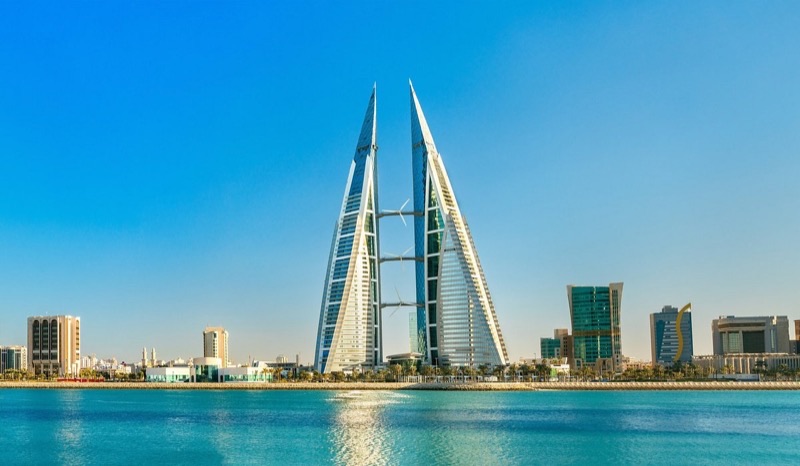
Choose Bahrain for a captivating yet relaxed escape, perfect for travelers seeking a 3-5 day stopover or a budget-friendly trip ($80-200 daily). Explore the vibrant Manama Souq, marvel at the ancient Bahrain Fort, or simply unwind by the coast, immersing yourself in modern Arabian culture without the typical tourist throngs. It's best for those prioritizing ease, unique cultural insights, and a less crowded experience.
Choose Japan
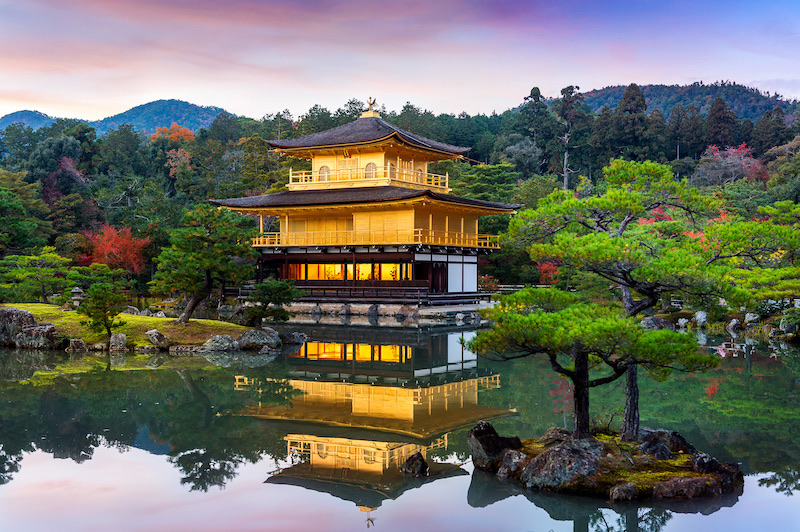
Opt for Japan if you crave an immersive adventure, ideal for travelers prioritizing deep cultural dives and diverse experiences ($150-350 daily). Wander through Kyoto's serene temples, marvel at Tokyo's futuristic energy, or enjoy world-class cuisine from street food to Michelin stars, all supported by unparalleled public transport. This destination is best for those seeking an expansive, highly organized, and unforgettable journey across varied landscapes.
📊 Visual Scorecard
🌤 When to Visit
Average high temperatures (°C). Green = best months, orange = avoid.
Quick Comparison
| Category | Bahrain | Japan | Winner |
|---|---|---|---|
| Costs & Budget | Significantly more affordable across accommodation, food, and local transport. Daily budget from $80-200 USD. | Higher costs for everything, especially accommodation and inter-city travel. Daily budget from $150-350+ USD. | Bahrain |
| Culture & History | Focus on ancient Dilmun civilization, pearl diving history, and modern Arabian Gulf identity. Less widely known. | Deep, layered history spanning millennia, from ancient temples to samurai traditions and modern pop culture. Globally recognized. | Japan |
| Food & Dining | Arabian Gulf cuisine with influences from India and Persia. Expect fresh seafood, grilled meats, and rice dishes. | Globally revered culinary scene, from street food to Michelin-starred establishments. Focus on fresh ingredients and presentation. | Japan |
| Getting There & Flights | Direct flights from some European cities, 1-stop from North America. Flight times 7-10 hours (Europe), 14-18 hours (North America). | Excellent global connectivity, many direct flights from North America, Europe, and Asia. Flight times 11-15 hours (North America), 12-16 hours (Europe). | Japan |
| Getting Around | Primarily relies on taxis, ride-sharing apps (Careem/Uber), or rental cars. Public transport is limited. | Extremely efficient and extensive public transport (trains, subways, buses). Shinkansen (bullet trains) connect major cities. | Japan |
| Nature & Scenery | Desert landscapes, coastal areas, and a few green spaces. Less diverse natural beauty, focused on unique desert features. | Extremely diverse, from snow-capped mountains and volcanoes to lush forests, pristine coastlines, and national parks. | Japan |
| Safety & Vibe | Generally very safe and welcoming, with a relaxed, modern Arab atmosphere. English is widely spoken. | Among the safest countries globally, with extremely low crime rates and a polite, orderly society. Can feel very structured. | Japan |
| Nightlife & Entertainment | Relaxed nightlife centered around hotel bars, lounges, and some independent restaurants. Alcohol is available. | Diverse nightlife from karaoke boxes and izakayas to themed bars and clubs. Alcohol is readily available and widely consumed. | Japan |
| Accommodation | Good range of international chain hotels and some boutique options. Often provides good value for luxury. | Wide variety from budget hostels and business hotels to traditional ryokans and luxury hotels. Can be pricey, especially in cities. | Tie |
| Solo Travel | Easy to navigate, very safe, and English widely spoken. Can be quieter, with fewer dedicated solo traveler activities. | Extremely safe, efficient public transport, easy to meet other travelers, and abundance of solo-friendly activities. | Japan |
💰 Costs & Budget
Bahrain offers a more wallet-friendly travel experience. A mid-range hotel like Swiss-Belhotel Seef starts around 40-60 BHD ($105-160) per night. Meals in local eateries can be as…
Bahrain
Japan
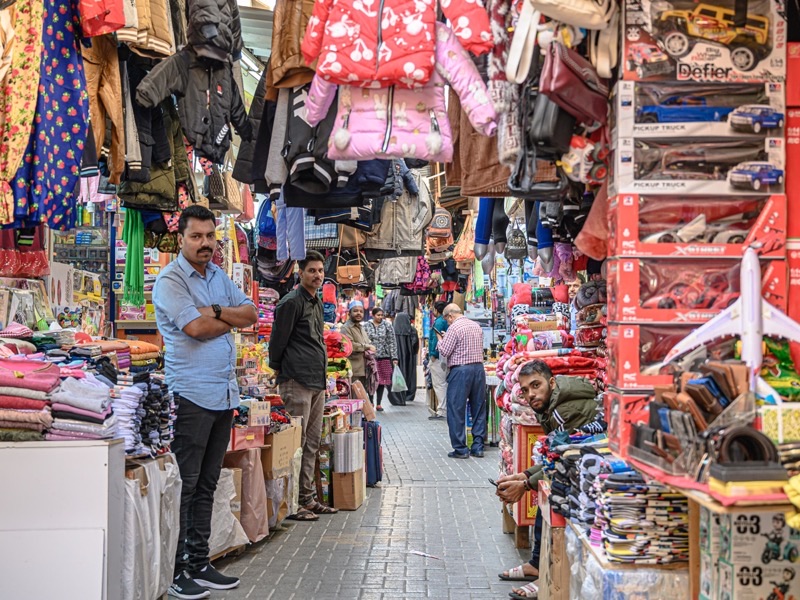
Bahrain offers a more wallet-friendly travel experience. A mid-range hotel like Swiss-Belhotel Seef starts around 40-60 BHD ($105-160) per night. Meals in local eateries can be as low as 3-7 BHD ($8-18) for a generous portion, while a more upscale dinner at places in Adliya Block 338 might cost 15-30 BHD ($40-80). Taxis or ride-shares for a short trip across Manama cost around 2-5 BHD ($5-13). Entry to museums or historical sites is typically 1-5 BHD ($2.6-13). Travelers can comfortably manage on $80-150 per day, with luxury options pushing it closer to $200.
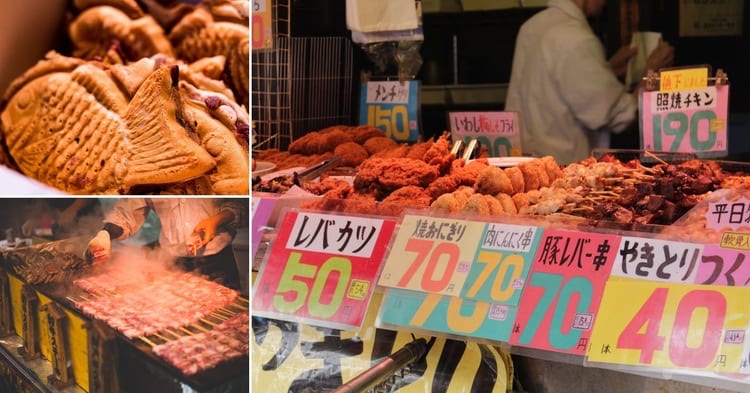
Japan is a generally more expensive destination. A decent business hotel in Tokyo or Kyoto often starts at 10,000-18,000 JPY ($65-120) per night, with ryokans or higher-end options costing significantly more. Meals can range from 800-2000 JPY ($5-13) for a casual ramen or udon lunch to 3000-8000+ JPY ($20-55+) for a dinner at a good restaurant. The JR Pass, if used extensively, is a large upfront cost (approx. 50,000 JPY / $330 for 7 days), and individual train tickets add up quickly. A daily budget of $150-250 is realistic for mid-range travel, escalating to $350+ for more comfort or luxury. Getting around major cities is efficient but not cheap, with subway rides costing 200-500 JPY ($1.4-3.5) per trip. Japan requires careful budgeting, Bahrain does not as much.
- Winner: Bahrain
- Why: Bahrain consistently provides better value for money across nearly all travel expenses.
- Who this matters for: Budget-conscious travelers and those looking for more bang for their buck.
🏛️ Culture & History
Bahrain offers a specific historical context, primarily centered around the ancient Dilmun civilization, which dates back thousands of years. Sites like Qal'at al-Bahrain (Bahrain…
Bahrain
Japan
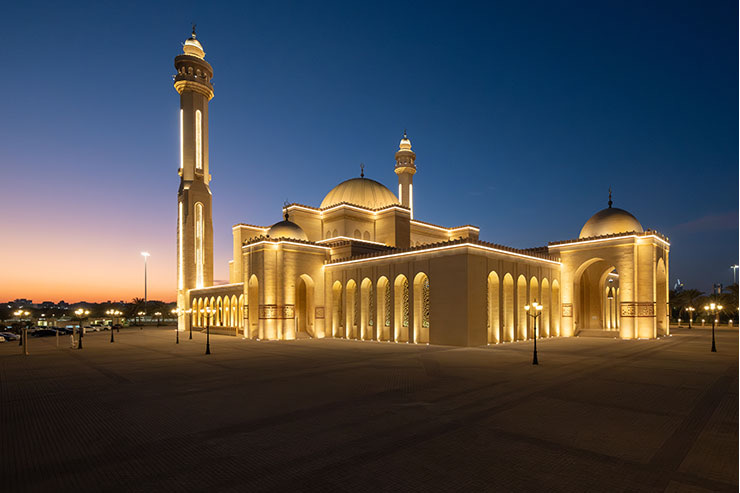
Bahrain offers a specific historical context, primarily centered around the ancient Dilmun civilization, which dates back thousands of years. Sites like Qal'at al-Bahrain (Bahrain Fort), a UNESCO World Heritage site, provide glimpses into this past. The Bahrain National Museum details the countrys pearl diving heritage and Islamic history. Al-Fatih Mosque is a modern architectural statement, offering guided tours to explain Islamic practices. The Tree of Life, a desert marvel, connects to local legends. The cultural experience is largely about understanding Gulf traditions, modern Arabian city development, and a less trodden historical path.
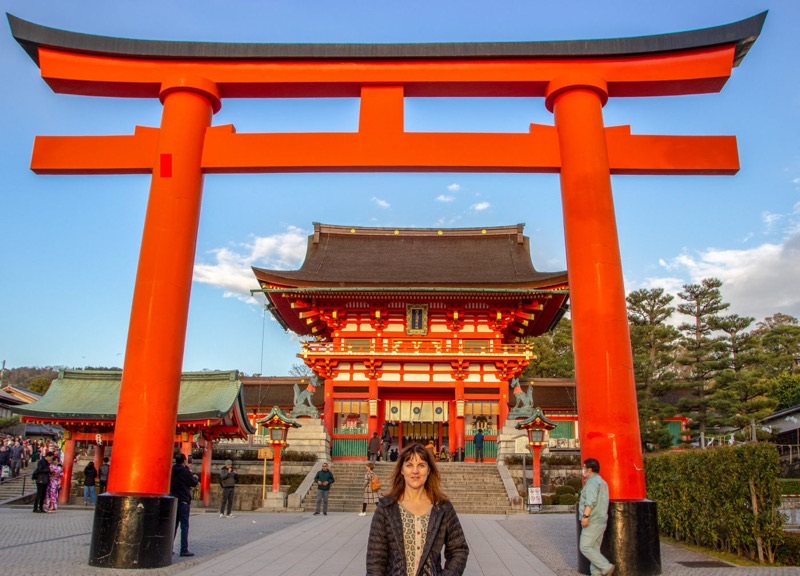
Japan presents a rich and extensive cultural landscape, with thousands of temples and shrines, imperial palaces, and a continuous history that spans millennia. Kyoto alone offers sites like Kinkaku-ji (Golden Pavilion), Fushimi Inari-taisha, and Kiyomizu-dera, each with centuries of history. Tokyo contrasts this with its contemporary culture districts like Shibuya and Akihabara, showcasing modern Japanese influence. Traditional arts such as tea ceremony, ikebana, and kabuki theatre are accessible. The blend of ancient traditions, samurai history, Shinto and Buddhist practices, alongside its global soft power through anime and fashion, provides a breadth of cultural engagement that few other nations can match. Japan offers a more diverse cultural journey.
- Winner: Japan
- Why: Japan provides a far more extensive and varied range of historical sites and cultural experiences, appealing to a broader audience.
- Who this matters for: History buffs, art enthusiasts, and anyone seeking deep cultural immersion.
🍜 Food & Dining
Bahraini cuisine is hearty, often featuring grilled meats like machboos (rice with meat/fish), muhammar (sweet rice), and fresh seafood. You can find excellent traditional dishes…
Bahrain

Japan
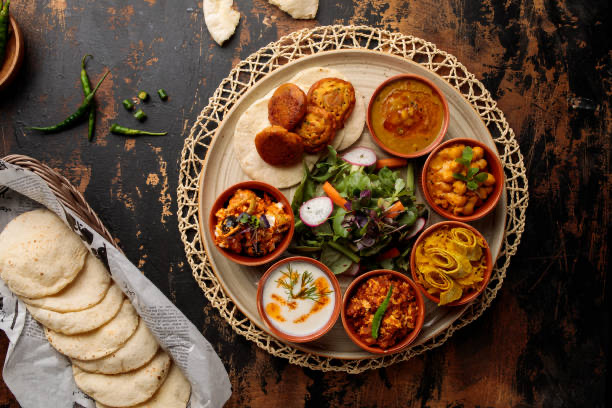
Bahraini cuisine is hearty, often featuring grilled meats like machboos (rice with meat/fish), muhammar (sweet rice), and fresh seafood. You can find excellent traditional dishes at local spots like Haji's Cafe in Manama Souq, where a meal might cost 5-10 BHD ($13-26). Upscale dining, particularly in areas like Block 338 in Adliya, offers international cuisine and fusion dishes, with prices ranging from 15-40 BHD ($40-105) for a full meal. Falafel and shawarma stands are common for quick, cheap eats (1-3 BHD / $2.6-8). The food scene is decent but not a primary draw for global foodies.
Japan’s food scene is a major reason many travelers visit. Tokyo alone has more Michelin stars than any other city, but equally impressive food is found at all price points. A bowl of ramen at Ichiran or Ippudo costs around 1000-1500 JPY ($7-10). Street food in Osaka’s Dotonbori (takoyaki, okonomiyaki) is equally affordable and delicious. For a more refined experience, an omakase sushi meal can cost upwards of 10,000-30,000 JPY ($65-200+). Even convenience store food (konbini) is lauded for its quality. The dedication to ingredients, presentation, and preparation is evident everywhere, from the simplest bento box to the most elaborate kaiseki dinner. Japan is a food lover's paradise, offering an unparalleled range of flavors and experiences.
- Winner: Japan
- Why: Japan offers a far more diverse, refined, and internationally acclaimed culinary experience at all budget levels.
- Who this matters for: Foodies, culinary explorers, and anyone who places high importance on dining experiences.
✈️ Getting There & Flights
Reaching Bahrain, especially from North America, typically involves a single layover in a major European or Middle Eastern hub like Frankfurt, London, Istanbul, or Dubai. Total…

Bahrain
Japan
Reaching Bahrain, especially from North America, typically involves a single layover in a major European or Middle Eastern hub like Frankfurt, London, Istanbul, or Dubai. Total flight times from the East Coast USA are around 14-16 hours, and from the West Coast, 16-18 hours. From major European cities, direct flights are common, taking 6-7 hours. Round-trip economy fares from the USA generally range from $800-1500 USD, depending on the season and booking time. Bahrain International Airport (BIA) is a modern, efficient airport, easy to navigate, and close to Manama. Visa requirements for many nationalities are straightforward, often available on arrival or via eVisa.
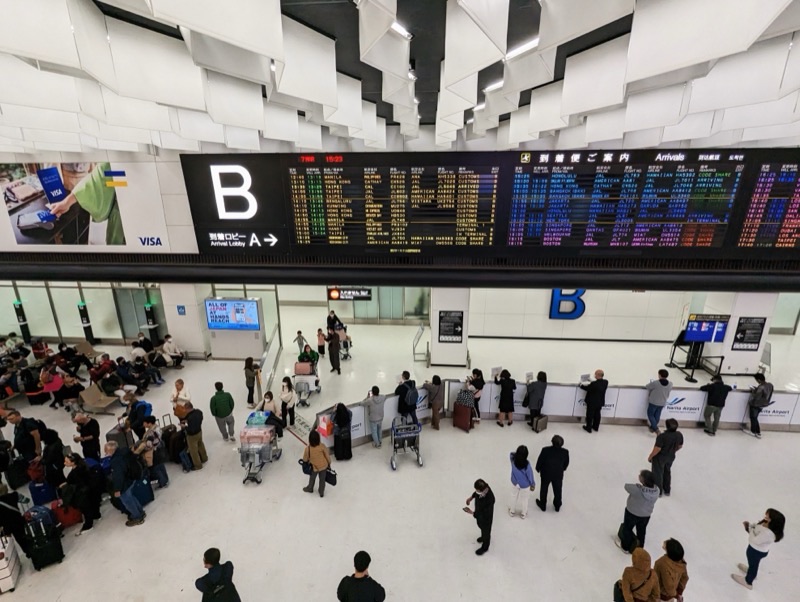
Japan is a major global travel hub, with excellent flight connectivity from almost anywhere. Direct flights are available from many major North American cities (e.g., LAX, SFO, JFK, ORD) to Tokyo (Narita NRT or Haneda HND) or Osaka (KIX), with flight times ranging from 11-14 hours. From Europe, direct flights take 12-13 hours. Round-trip economy fares from the USA typically range from $1000-1800 USD, again depending on seasonality and booking window. Japan's airports are highly efficient, and customs processes are well-organized. The sheer volume of flight options and competitive pricing, especially for direct routes, makes Japan generally easier and often faster to reach for many international travelers. Japan benefits from a higher frequency of direct flights from key markets.
- Winner: Japan
- Why: Japan offers more frequent direct flights from major global cities and better overall accessibility for a wider range of travelers.
- Who this matters for: Travelers prioritizing direct flights, shorter travel times, and more route options.
🚗 Getting Around
In Bahrain, getting around largely involves ride-sharing apps like Careem and Uber, which are readily available and reasonably priced. A typical ride across Manama might cost 2-5…
Bahrain

Japan
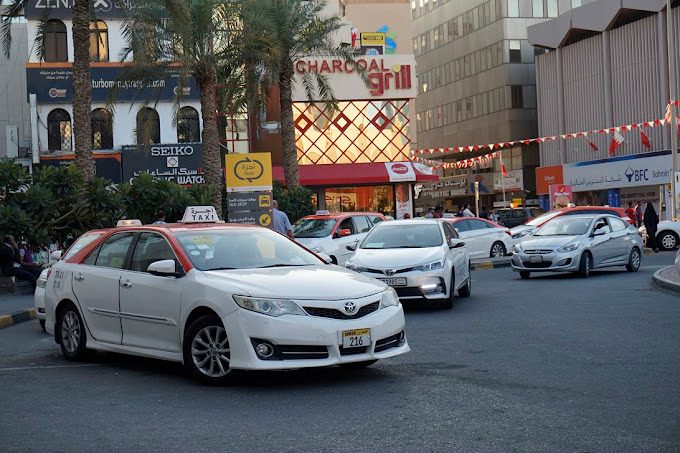
In Bahrain, getting around largely involves ride-sharing apps like Careem and Uber, which are readily available and reasonably priced. A typical ride across Manama might cost 2-5 BHD ($5-13). Taxis are also an option but can be slightly more expensive. For those comfortable driving in a new country, renting a car is feasible and offers the most freedom, especially for exploring sites outside the city center like the Tree of Life or the Formula 1 track. Daily car rental costs start from around 10 BHD ($26). Public bus service exists but is not extensive or convenient for tourists seeking to cover multiple attractions quickly.
Japan’s public transportation system is legendary for its efficiency, punctuality, and coverage. The Shinkansen (bullet train) connects major cities like Tokyo, Kyoto, Osaka, and Hiroshima at speeds up to 320 km/h, making inter-city travel incredibly fast and comfortable. Within cities, extensive subway and train networks (e.g., Tokyos JR lines, Tokyo Metro) provide comprehensive coverage. A single subway ride typically costs 200-500 JPY ($1.4-3.5). The Japan Rail Pass can offer significant savings for those traveling extensively across the country. Buses are also reliable for shorter distances or areas not served by trains. Navigating the system is made easy with apps like Google Maps. Japan provides a highly reliable and user-friendly transport system.
- Winner: Japan
- Why: Japan’s public transportation network is unmatched in efficiency, coverage, and ease of use, making travel seamless.
- Who this matters for: Travelers who prefer not to drive, prioritize convenience, and want to cover a lot of ground efficiently.
🌳 Nature & Scenery
Bahrain is largely a desert nation with limited natural diversity compared to many other destinations. Its natural highlights include the striking desert landscape surrounding the…
Bahrain is largely a desert nation with limited natural diversity compared to many other destinations. Its natural highlights include the striking desert landscape surrounding the Tree of Life, a solitary mesquite tree thriving in the arid environment. Coastal areas offer sandy beaches, often man-made or part of resort properties like those at the Ritz-Carlton Bahrain or Four Seasons Bahrain Bay. There are some mangrove forests, like the Tubli Bay, which are important ecosystems but not primarily tourist attractions. The overall scenery is characterized by a blend of modern cityscapes and arid expanses, with less emphasis on dramatic natural formations. It is not a destination for extensive nature exploration.
Japan presents a remarkable range of natural environments. From the iconic Mount Fuji, an active stratovolcano and a sacred site, to the snowy peaks of the Japanese Alps (e.g., Nagano, Hakuba), the country offers extensive opportunities for hiking, skiing, and scenic drives. Hokkaido to the north boasts vast wilderness areas. Kyoto and Nara are known for their meticulously maintained gardens and bamboo groves (Arashiyama Bamboo Forest). Okinawa provides subtropical islands with coral reefs and marine life. The autumn foliage (koyo) and cherry blossoms (sakura) seasons transform the landscape with vibrant colors. National parks like Fuji-Hakone-Izu and Shiretoko National Park offer conservation efforts and accessible natural beauty. Japan clearly offers a more varied and visually impactful natural landscape.
- Winner: Japan
- Why: Japan boasts a far greater diversity of natural landscapes, from mountains and forests to coastlines and volcanoes, offering broad appeal.
- Who this matters for: Outdoor enthusiasts, photographers, and those seeking varied natural beauty and landscapes.
🛡️ Safety & Vibe
Bahrain is considered a very safe country for travelers, with low crime rates. Locals are generally welcoming and hospitable, especially towards tourists. The vibe is a mix of…
Bahrain is considered a very safe country for travelers, with low crime rates. Locals are generally welcoming and hospitable, especially towards tourists. The vibe is a mix of modern Arabian luxury and traditional Gulf culture, often more relaxed than some other Gulf nations. English is widely understood and spoken, particularly in tourist areas, hotels, and business settings, making communication straightforward. Travelers can feel comfortable exploring independently, even at night in areas like Adliya. While politically stable for tourism, visitors should be aware of local customs and dress codes, particularly when visiting religious sites. The overall experience is one of ease and openness within a conservative framework.
Japan is consistently ranked as one of the safest countries in the world. Crime rates are extraordinarily low, and travelers can generally feel secure walking alone at any time, even in major cities. The society operates with a high degree of order, respect, and politeness. Lost items are frequently returned, and public spaces are well-maintained. While communication can sometimes be a barrier outside of major tourist hubs (though translation apps are effective), the welcoming nature of the people often compensates. The vibe is one of efficiency, tranquility, and respect, with a strong emphasis on community and meticulousness. Japan provides a highly secure and predictable travel environment, making it a stress-free destination for many.
- Winner: Japan
- Why: Japan offers an unparalleled level of safety and societal order, providing a consistently secure and calm travel experience.
- Who this matters for: Solo travelers, families with young children, and anyone prioritizing maximum safety and peace of mind.
🎉 Nightlife & Entertainment
Bahrain's nightlife is more subdued compared to some major global cities, but it does exist, primarily within international hotels and specific entertainment districts. Alcohol is…
Bahrain's nightlife is more subdued compared to some major global cities, but it does exist, primarily within international hotels and specific entertainment districts. Alcohol is legally available in licensed venues. Areas like Block 338 in Adliya offer a concentration of restaurants and lounges with varying atmospheres, from upscale dining to more casual spots with outdoor seating. Live music and DJ sets can be found in some hotel bars such as the one at the Four Seasons Bahrain Bay or the Ritz-Carlton. For a different experience, local cafes (qahwas) offer shisha and traditional drinks. The nightlife is generally relaxed, catering more to dining and socializing than intense clubbing.
Japan offers a vast array of nightlife options that cater to many preferences. Tokyo’s Shinjuku (Golden Gai, Kabukicho) and Shibuya are hubs for everything from tiny, intimate karaoke bars and izakayas (Japanese pubs) to large nightclubs and themed restaurants. Osaka’s Dotonbori is another lively area known for its illuminated signs, bars, and street food. Alcohol is widely available and consumed, with specific drinking cultures like sake bars and craft beer pubs being prominent. Live music venues are common, and late-night dining is a standard. The sheer scale and variety of options, combined with the safety of Japanese cities, make for a very active and accessible nocturnal scene. Japan provides extensive entertainment options after dark.
- Winner: Japan
- Why: Japan provides a far more expansive, diverse, and energetic nightlife scene with more options for all preferences.
- Who this matters for: Party-goers, social travelers, and anyone looking for diverse entertainment options after dark.
🏨 Accommodation
Bahrain offers a good selection of international hotel chains, particularly in Manama and Seef, catering to both business and leisure travelers. Brands like the Four Seasons,…
Bahrain offers a good selection of international hotel chains, particularly in Manama and Seef, catering to both business and leisure travelers. Brands like the Four Seasons, Ritz-Carlton, and InterContinental have properties that often provide excellent value for money compared to similar establishments elsewhere, with rooms starting around 80-150 BHD ($210-400) per night. There are also more affordable mid-range hotels and serviced apartments starting from 30-50 BHD ($80-130). Boutique hotels are less common but exist. Booking in advance, especially during major events like the F1 Grand Prix, is advisable. Service standards are generally high, reflecting the Gulf regions hospitality focus.
Japan offers an incredibly diverse range of accommodation. Budget travelers can find capsule hotels or hostels for 3,000-6,000 JPY ($20-40). Business hotels, clean and efficient, are common in cities for 8,000-15,000 JPY ($55-100). For a traditional experience, a ryokan (Japanese inn) with a hot spring bath can cost 15,000-40,000+ JPY ($100-270+) per person per night, often including dinner and breakfast. Luxury hotels by international chains are also available, similar in price to Bahrain’s high-end options. While prices can be higher in Japan, the variety of experiences, from minimalist to opulent, and the consistent level of cleanliness and service, are very appealing. Both destinations offer excellent choices relative to their price points.
- Winner: Tie
- Why: Both destinations offer excellent accommodation options, with Bahrain providing great value for luxury and Japan offering unparalleled variety across all budgets.
- Who this matters for: Travelers with specific accommodation preferences, from budget to luxury, will find good options in either place.
🚶♀️ Solo Travel
Bahrain is a safe and relatively easy destination for solo travelers, particularly for those who appreciate a calmer pace. The low crime rate means walking around alone, even at…
Bahrain is a safe and relatively easy destination for solo travelers, particularly for those who appreciate a calmer pace. The low crime rate means walking around alone, even at night, presents little issue. English is widely spoken, so communication is rarely a problem. While there are not as many specific solo traveler hostels or group tours as in some other countries, it is simple to move around using ride-sharing apps and visit attractions independently. Dining out solo is common, especially in hotel restaurants or cafes. The smaller scale of the country means getting oriented is quick, but it may not offer as many spontaneous social opportunities for meeting fellow travelers.
Japan is an ideal destination for solo travel. Its exceptional safety means travelers can explore without constant vigilance. The public transport system is so efficient that navigating alone is simple. There is a robust hostel and capsule hotel scene in major cities like Tokyo, Kyoto, and Osaka, making it easy to meet other solo adventurers. Many restaurants cater to solo diners with counter seating, and there are countless activities that can be enjoyed alone, from visiting temples and museums to attending sumo matches or exploring gardens. The respectful and orderly nature of Japanese society further enhances the ease of solo exploration, making it a comfortable experience for independent travelers. Japan offers more infrastructure and opportunities for solo exploration and social connection.
- Winner: Japan
- Why: Japan provides an exceptionally safe, efficient, and engaging environment for solo travelers, with abundant resources and opportunities.
- Who this matters for: Independent travelers, first-time solo travelers, and those seeking ease and social connection on their own terms.
🎯 The Decision Framework
Choose Bahrain If…
- You want an introduction to modern Arabian Gulf culture without the crowds of larger hubs.
- You are looking for a shorter, relaxed trip, perhaps a 3-5 day stopover.
- Your budget is tighter, aiming for $80-150 USD per day for quality experiences.
- You appreciate good value for luxury hotels and dining.
- You want to experience desert landscapes and historical forts that are less explored.
- You prefer to get around by ride-share or rental car without relying on extensive public transit.
- You enjoy quiet evenings, perhaps at a lounge or restaurant, rather than intense clubbing.
- You want to explore ancient Dilmun history and the pearl diving legacy.
Choose Japan If…
- You want deep cultural immersion, spanning ancient traditions and modern pop culture.
- You are excited by exceptional food experiences, from street eats to fine dining.
- You prioritize ultra-efficient public transportation (Shinkansen, extensive subways).
- You plan to travel solo and seek a highly safe and welcoming environment.
- You want diverse natural beauty, including mountains, forests, and coastlines.
- You are comfortable with a higher daily budget, around $150-350 USD.
- You want to explore a wide range of cities and regions within one trip.
- You are looking for vibrant nightlife, from karaoke to themed bars.
📅 Sample Itineraries
Weekend in Bahrain (3 Days)
💡 For budget transport, consider ride-sharing apps like Careem; a typical in-city ride costs $4-8, saving you from expensive hotel taxis.
Weekend in Japan (3 Days)
💡 Purchase a Suica or Pasmo card upon arrival at Narita or Haneda Airport ($20 including deposit) for seamless travel on all local trains and subways, saving time at ticket machines.
One Week in Bahrain (7 Days)
💡 Many historical sites in Bahrain offer free entry or very low costs. Save money by packing snacks and water, as convenience stores outside Manama can be limited.
One Week in Japan (7 Days)
💡 Consider purchasing a Japan Rail Pass (7-day pass ~$200-300) if traveling extensively between cities like Tokyo, Kyoto, and Hiroshima, as it can offer significant savings over individual Shinkansen tickets.
❓ Frequently Asked Questions
What is the typical flight time from the USA to Bahrain vs Japan?
Flights from the East Coast USA to Bahrain typically take 14-16 hours with one stop. From the West Coast, expect 16-18 hours. Flights to Japan from the East Coast are around 13-15 hours (direct or one stop), and 11-13 hours from the West Coast for direct flights.
Which destination is better for a budget traveler?
Bahrain is significantly better for budget travelers. You can expect to spend $80-150 USD per day for comfortable travel, including accommodation and food. In Japan, a similar level of comfort would typically cost $150-250 USD per day, with major cities being more expensive.
Is English widely spoken in Bahrain and Japan?
In Bahrain, English is widely spoken and understood, especially in tourist areas, hotels, and business settings, making communication straightforward. In Japan, English is less common outside of major tourist hubs, though many signs are translated, and translation apps are very effective for communication.
Which country offers better public transportation?
Japan boasts one of the worlds most efficient and extensive public transportation systems, including the Shinkansen (bullet trains) and comprehensive subway networks. Bahrain relies more on taxis, ride-sharing apps (Careem/Uber), and rental cars, with limited public bus options for tourists.
What kind of natural scenery can I expect in each location?
Bahrain features desert landscapes, some coastal areas, and unique sites like the Tree of Life. Japan offers a diverse range of natural beauty, from the iconic Mount Fuji and the Japanese Alps to lush forests, pristine coastlines, and tropical islands like Okinawa.
How safe are Bahrain and Japan for solo female travelers?
Both Bahrain and Japan are considered very safe, with extremely low crime rates. Japan is consistently ranked among the safest countries globally. Solo female travelers can generally feel secure in both destinations, though cultural awareness is always important.
What are the key cultural differences a traveler should know?
Bahrain offers a modern Arabian Gulf culture rooted in Islamic traditions, pearl diving history, and Dilmun civilization. Japan has a deep, layered history with Shinto and Buddhist influences, samurai traditions, and a society focused on respect, order, and meticulousness. Expect different paces and social norms.
Which destination is more suitable for a short 3-5 day trip?
Bahrain is better suited for a short 3-5 day trip due to its smaller size and concentrated attractions. You can experience its key sites, culture, and dining without feeling rushed. Japan, with its vastness and numerous regions, benefits from longer trips, ideally 10 days or more, to truly explore effectively.
Ready to plan your next trip?
Get a free custom itinerary for Bahrain, Japan, or both — built from real traveler insights.
👥 Travelers Also Compared
🎟️ Book Tours & Experiences
Hand-picked tours and activities for both destinations — book with free cancellation
Experiences via Viator — free cancellation on most tours