How we built this comparison
This page combines traveler discussion patterns, published price ranges, flight schedules, and seasonal data to help you decide between Bali and Boracay.
- Reviewed 50+ Reddit threads from r/travel, r/solotravel, r/Bali, r/Philippines, and r/backpacking for authentic traveler insights.
- Verified costs and logistics against current booking platforms (e.g., Booking.com, Grab, 12Go.asia) and recent travel blogs (2023-2024 data).
- Cross-referenced seasonal patterns and weather data from meteorological sources to ensure accurate recommendations.
⚡ The TL;DR Verdict
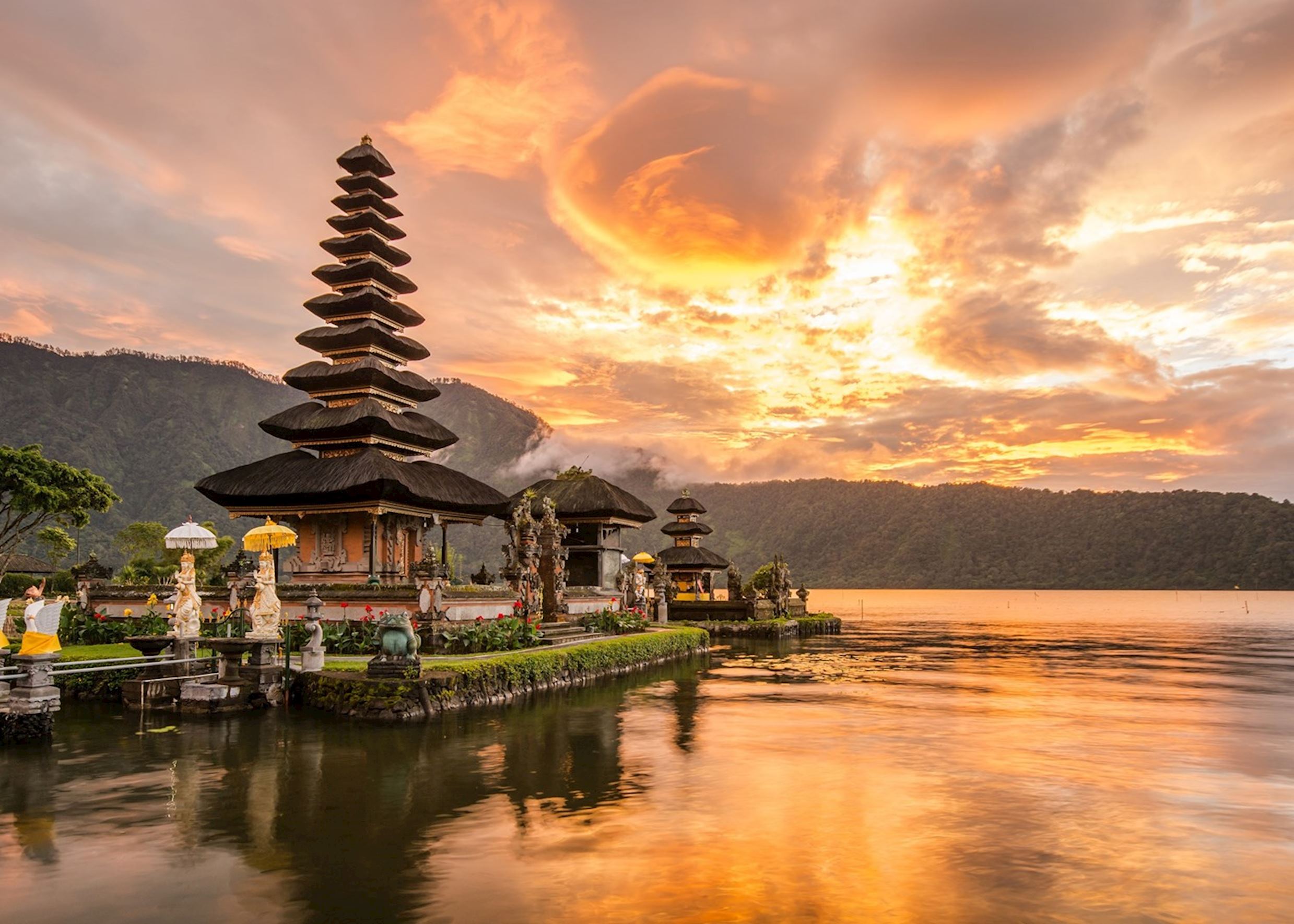
If you're after a diverse adventure with rich culture, stunning nature beyond just beaches, and a vibrant digital nomad scene, Bali is your pick, starting around $50-80/day. For those seeking picture-perfect white sand beaches, crystal-clear waters, and a focus on pure relaxation and water activities, Boracay shines, with a daily budget typically from $60-100.
- Choose Bali: Choose Bali if you're a surfer, yogi, foodie, digital nomad, or someone who loves exploring temples, rice paddies, volcanoes, and diverse landscapes, accepting that the beaches aren't always the main event.
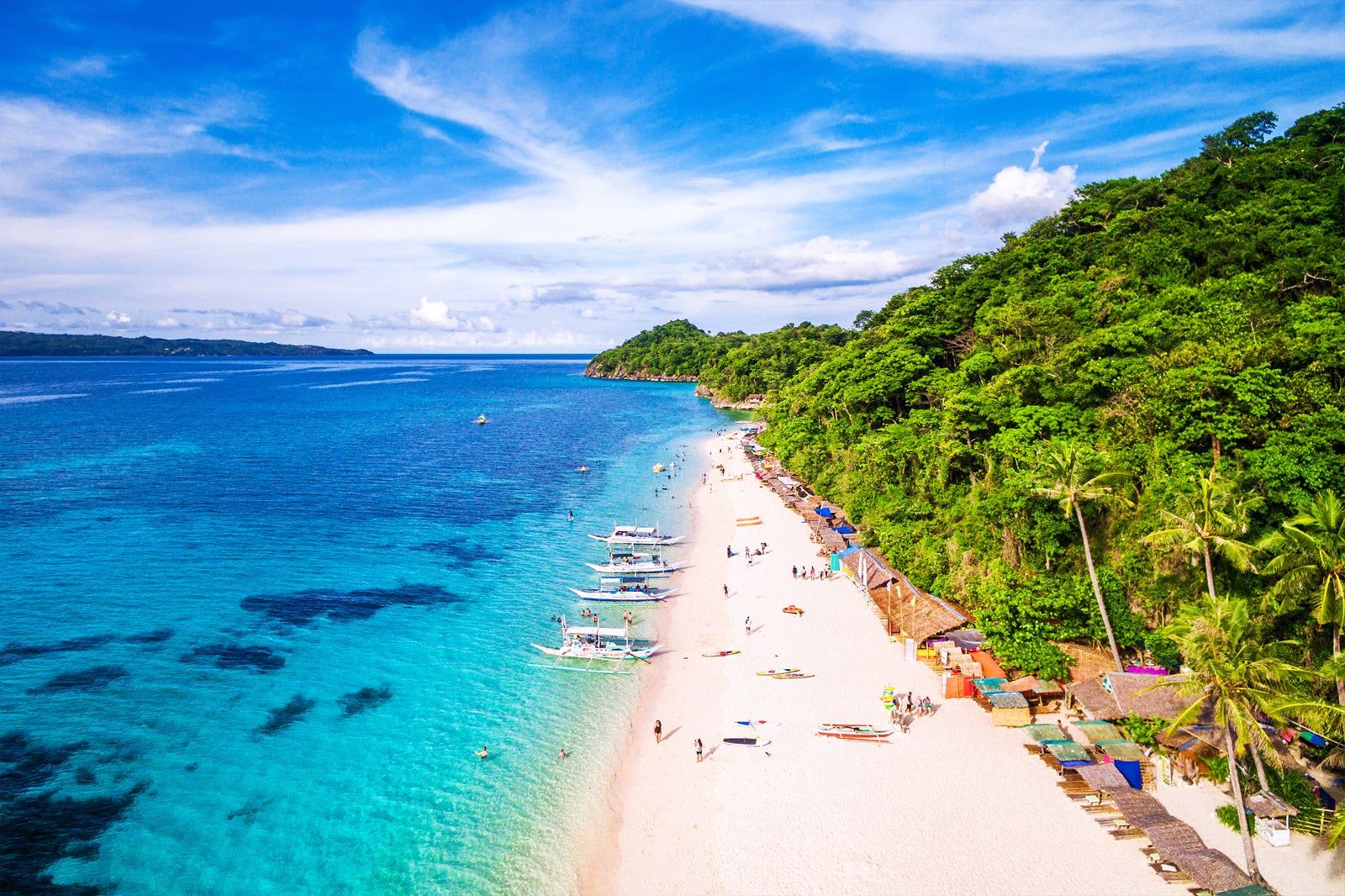
- Choose Boracay: Opt for Boracay if your dream vacation involves truly world-class white sand beaches, swimming in turquoise waters, water sports, and a more concentrated, resort-focused experience with relaxation as the top priority.
- Choose Both: Consider doing both if you have 3+ weeks and want to experience the best of both worlds – start with Bali for adventure and culture, then unwind on Boracay's stunning shores for a few days to cap off your trip.
Quick Comparison
| Category | Bali | Boracay | Winner |
|---|---|---|---|
| Beaches & Water | Diverse beaches for surfing, stunning clifftop views, black sand, and spiritual sunrise spots; Nusa Islands offer clearer waters. | Iconic White Beach with powdery sand and calm, shallow turquoise waters, perfect for swimming and sunbathing. | Boracay |
| Food Scene | A culinary paradise with diverse options from cheap local warungs to world-class fine dining, vegan delights, and global cuisines. | Excellent fresh seafood, Filipino comfort food, and a good selection of international dishes concentrated along White Beach. | Bali |
| Nightlife & Party | Buzzing beach clubs (Finns, Potato Head), lively bars in Canggu/Seminyak, and a more intense club scene in Kuta. | Relaxed beachfront bars, fire dancers, and a few energetic clubs like Epic, offering a more laid-back party vibe. | Bali |
| Culture & Activities | Rich Hindu culture, ancient temples, rice paddies, volcanoes, yoga retreats, cooking classes, and vibrant arts scene. | Primarily focused on water sports (snorkeling, diving, parasailing), island hopping, and beach relaxation; less overt cultural immersion. | Bali |
| Costs & Budget | Generally affordable for mid-range travelers, with cheap local food and accommodation, but luxury options can be pricey. | Can be slightly higher due to its island nature and tourist focus, but budget options are available. Food and activities are reasonable. | Tie |
| Getting There | Direct flights to Denpasar (DPS) from many international hubs; easy airport transfer. | Requires connecting flights (Caticlan or Kalibo) then a ferry; a more involved journey. | Bali |
| Accommodation | Vast range from budget hostels to boutique hotels and luxurious private villas with pools. | Concentrated along White Beach, with many resorts, mid-range hotels, and some hostels; tends to be slightly pricier for similar quality. | Bali |
| Getting Around | Scooters are king for independence; ride-hailing apps (Grab/Gojek) and private drivers are widely available. | Tricycles are the main transport; walking along White Beach; less varied options for longer distances. | Bali |
| Weather & Seasons | Dry season (April-Oct) is ideal; wet season (Nov-March) brings rain but still plenty of sunshine. | Dry season (Nov-May) is perfect; wet season (June-Oct) has more rain and typhoons risk. | Tie |
| Solo Travel & Safety | Extremely popular for solo travelers, easy to meet people, generally safe with common petty crime risks. | Safe and welcoming, but perhaps less structured 'solo traveler' hubs; easy to meet people on tours. | Bali |
🏖️ Beaches & Water
Boracay's White Beach is, without a doubt, its crown jewel and the primary reason most people visit. It's consistently ranked among the world's best beaches for a reason: the sand is like powdered sugar, the water is crystal clear and shallow, perfect for swimming, and the sunsets are legendary. You can find calmer spots at Station 1 or more lively areas at Station 2. Other beaches like Diniwid or Puka Shell Beach offer different vibes but all boast incredible clarity. In contrast, Bali's beaches are incredibly diverse, from the famed surf breaks of Uluwatu and Canggu (Echo Beach, Berawa) to the golden sands of Seminyak. While beautiful for sunbathing and surfing, they don't always offer the same 'postcard-perfect' white sand and calm, clear swimming conditions as Boracay, often due to volcanic origins or stronger currents. For truly pristine, clear blue waters and white sand in Bali, you often need to venture to the Nusa Islands (Nusa Penida, Lembongan, Ceningan). "Boracay's White Beach felt like living inside a postcard, every single day. Bali was great for surfing, but for just chilling in perfect water, Boracay won hands down for me." Ultimately, if pure, unadulterated beach beauty is your top priority, Boracay is hard to beat.
Winner takeaway
- Winner: Boracay
- Why: Boracay's White Beach offers unparalleled powdery white sand and incredibly clear, calm turquoise waters perfect for swimming and relaxation.
- Who this matters for: Beach lovers, swimmers, families with young children, and those seeking iconic tropical scenery.
🍜 Food Scene
Bali is a foodie's dream, catering to every palate and budget. You can feast on authentic Indonesian dishes at local warungs, like Nasi Goreng or Mie Goreng for IDR 25,000-50,000 ($1.70-3.50), or indulge in a full Balinese Babi Guling experience for IDR 60,000-100,000 ($4-7). The island also boasts an incredible array of international cuisine, from Italian pizza to Japanese ramen, and is a mecca for healthy, vegan, and organic food, with countless cafes in Canggu and Ubud (e.g., The Shady Shack, Revolver Espresso). Fine dining is also prominent, with places like Locavore (though currently closed, others like Nusantara by Locavore continue its spirit) offering exquisite tasting menus. Boracay's food scene, while excellent for its focus, leans heavily on fresh seafood and Filipino classics. You'll find delicious grilled seafood at D'Talipapa where you can buy fresh catch and have it cooked, or enjoy dishes like Chicken Adobo and Sinigang for PHP 200-500 ($3.50-9) at local eateries. International options are abundant along White Beach, but it doesn't quite have the same depth, innovation, or sheer variety as Bali. "I went to Bali for the yoga, but stayed for the food! Seriously, the vegan options alone were mind-blowing and so cheap compared to back home." Bali's culinary landscape is simply more expansive and globally recognized.
Winner takeaway
- Winner: Bali
- Why: Bali offers an unparalleled diversity of cuisine, from cheap local delights to world-class fine dining and a vibrant healthy/vegan scene.
- Who this matters for: Foodies, digital nomads, budget travelers wanting cheap eats, and those seeking diverse culinary experiences.
🎉 Nightlife & Party
Bali truly excels in its diverse nightlife offerings. From the sophisticated sunset vibes at iconic beach clubs like Finns Beach Club or Potato Head in Canggu/Seminyak (expect cocktails around IDR 100,000-150,000 / $7-10) to the more intimate live music venues and DJ sets that pop up weekly, there's always something happening. Kuta still holds its reputation for larger, more intense clubs, while Ubud offers chill bars and cultural performances. You can easily find parties catering to various music tastes almost any night of the week. Boracay, on the other hand, offers a more concentrated and generally more relaxed party atmosphere, primarily along White Beach. You'll find numerous beachfront bars with live music, fire dancers, and happy hour specials that make for a pleasant evening. Clubs like Epic Boracay and Exit Bar provide a more energetic experience, but the overall scene is less diverse and doesn't reach the same intensity or scale as Bali's. It's more about enjoying the tropical ambiance with a drink in hand rather than a full-on rave. "Bali's nightlife is insane, you can go from a chill sunset at a beach club to a full-on techno party, all in one night. Boracay was fun, but it felt like a single long bar compared to Bali's whole city of options." If you're looking for variety and a truly buzzing party scene, Bali is the clear winner.
Winner takeaway
- Winner: Bali
- Why: Bali offers a much wider range of nightlife options, from sophisticated beach clubs to intense nightclubs and live music venues.
- Who this matters for: Party-goers, those who enjoy diverse entertainment, and travelers looking for a vibrant social scene after dark.
🧘 Culture & Activities
Bali is often called the 'Island of the Gods' for a reason, steeped in a unique Hindu culture that permeates daily life. Visitors can explore ancient temples like Tanah Lot, Uluwatu, or the mother temple Besakih, witness traditional dances, or participate in spiritual ceremonies. Beyond culture, Bali offers incredible natural beauty with the Tegalalang Rice Terraces, hiking up Mount Batur for sunrise, numerous waterfalls (Sekumpul, Tegenungan), and world-class yoga retreats (e.g., The Yoga Barn in Ubud). Cooking classes, silver-making workshops, and art markets are also popular. This diversity means you can easily spend weeks exploring. Boracay's cultural offerings are far less prominent. The focus is almost exclusively on its incredible beach and marine activities. You can enjoy snorkeling, scuba diving (with many dive shops offering PADI courses for around PHP 18,000-25,000 / $310-430), parasailing, stand-up paddleboarding, and thrilling island-hopping tours to nearby islands like Magic Island or Crystal Cove for around PHP 1,000-1,500 ($17-26) per person. While these activities are fantastic, they don't offer the same depth of cultural immersion or diverse landscapes as Bali. "I loved Boracay for the pure beach vibes and snorkeling, but after a few days, I was ready for more. Bali felt like a whole world to explore beyond just the ocean." For a rich tapestry of cultural experiences and diverse activities, Bali is unmatched.
Winner takeaway
- Winner: Bali
- Why: Bali offers a profound cultural experience, diverse natural landscapes, and a vast array of activities beyond just beaches.
- Who this matters for: Culture seekers, spiritual travelers, adventure enthusiasts, yogis, and those who want a varied itinerary.
💰 Costs & Budget
Both Bali and Boracay can be done on a budget or splurged on, making them a 'Tie' in this category, depending on your choices. In Bali, a budget traveler can get by on $40-60/day (IDR 600,000-900,000) by eating at warungs, staying in hostels (IDR 150,000-300,000 / $10-20), and renting a scooter (IDR 70,000-100,000 / $5-7). Mid-range travelers might spend $80-150/day (IDR 1.2M-2.2M) for boutique hotels (IDR 500,000-1M / $35-70), nicer meals, and a few activities. Boracay can be slightly pricier on average, especially for beachfront accommodation and tourist-focused restaurants. Budget hostels go for PHP 800-1,500 ($14-26) and local meals PHP 200-500 ($3.50-9). A mid-range budget of $100-180/day (PHP 5,800-10,500) will cover a comfortable hotel (PHP 3,000-6,000 / $50-100) and daily activities. "I found Bali to be cheaper overall for long-term travel, especially for food and scooter rentals. Boracay felt like I was constantly paying a premium for the convenience of being on the main strip." However, both offer great value compared to Western destinations, and savvy travelers can find deals in either. It really comes down to how you choose to spend your money and how much you prioritize luxury versus local experiences.
Winner takeaway
- Winner: Tie
- Why: Both destinations offer a range of options suitable for various budgets, with similar overall costs for a comparable experience.
- Who this matters for: All travelers, as both destinations require careful budgeting but offer excellent value for money.
✈️ Getting There
Getting to Bali (Ngurah Rai International Airport, DPS) is generally much simpler for most international travelers. DPS is a major international hub with direct flights from numerous cities across Asia, Australia, and even some from Europe and the Middle East. Once you land, getting to popular areas like Seminyak, Canggu, or Ubud is relatively straightforward with pre-booked transfers, Grab/Gojek, or airport taxis, taking 30-90 minutes depending on traffic and destination, costing around IDR 200,000-400,000 ($13-27). Boracay, while worth the effort, involves a multi-step journey. You'll typically fly into either Caticlan (MPH), which is closer to the ferry terminal, or Kalibo (KLO), which is further but often cheaper for international connections. From Caticlan Airport, it's a short tricycle ride to the Caticlan Jetty Port, followed by a 15-minute ferry ride to Boracay Island, and then another tricycle to your accommodation. The entire process from landing to hotel can take 1.5-3 hours and cost around PHP 400-800 ($7-14) including environmental fees. "Landing in Bali and getting to my villa felt so easy compared to the multi-leg journey to Boracay, which was a bit tiring after a long flight." For sheer convenience and less travel time, Bali takes the win.
Winner takeaway
- Winner: Bali
- Why: Bali has a major international airport with direct flights and simpler transfers to main tourist areas.
- Who this matters for: Travelers prioritizing convenience, those with limited time, and anyone looking to minimize travel hassle.
🏨 Accommodation
Bali's accommodation scene is incredibly diverse and competitive, offering something for every budget and style, often with excellent value. You can find vibrant hostels (e.g., The Farm Hostel Canggu) from IDR 150,000 ($10), charming guesthouses (e.g., Taman Sari Cottage in Ubud) from IDR 300,000-700,000 ($20-50), stunning boutique hotels (e.g., The Udaya Resorts & Spa) from IDR 1M-2M ($70-140), and luxurious private villas with infinity pools (e.g., The Samaya Seminyak) from IDR 2M-5M+ ($140-350+). The sheer volume means more choices and better deals. Boracay's accommodation is largely concentrated along White Beach, offering convenience but sometimes at a premium. You'll find a good selection of resorts (e.g., Henann Regency, The Lind Boracay) ranging from PHP 5,000-20,000+ ($90-350+), mid-range hotels, and a growing number of hostels (e.g., Mad Monkey Boracay) from PHP 800 ($14). While there are excellent options, the range is less diverse than Bali, and for a similar level of luxury or unique experience, Boracay might often feel slightly pricier. "Finding a stunning villa with a private pool in Bali for what I'd pay for a basic hotel room in Boracay was a game changer. The value in Bali is just insane." Bali's expansive and varied options give it the edge.
Winner takeaway
- Winner: Bali
- Why: Bali offers a wider variety of accommodation types, from budget to luxury, often providing better value for money and unique stays.
- Who this matters for: All travelers, especially those looking for unique stays, luxury villas, or stretching their budget further for quality.
🛵 Getting Around
Bali offers excellent flexibility for getting around, though traffic can be an issue. For independent exploration, renting a scooter (IDR 70,000-100,000 / $5-7 per day) is the most popular and efficient method, allowing you to navigate rice paddies and small roads. For those uncomfortable on a scooter, ride-hailing apps like Grab and Gojek are widely available and affordable for both car and scooter rides, making short to medium distances easy. For day trips or longer journeys, hiring a private driver for a full day (IDR 600,000-800,000 / $40-55) is a common and convenient option. Boracay's transportation is much simpler and limited. The primary mode of transport is the tricycle (PHP 15-50 / $0.25-1 for short distances), which are essentially motorbikes with sidecars. For longer distances, you might charter a private tricycle or a multicab. Walking along the beachfront paths is also a popular way to get between stations. However, exploring beyond the main areas or arranging flexible tours can be less straightforward than in Bali. "In Bali, I just hopped on my scooter and went wherever, or called a Grab if I was lazy. Boracay was tricycles or walking, which was fine but less freedom." Bali's diverse options and ease of independent travel make it superior for getting around.
Winner takeaway
- Winner: Bali
- Why: Bali provides more diverse and flexible transportation options, including popular ride-hailing apps and scooter rentals for independent exploration.
- Who this matters for: Independent travelers, those who enjoy exploring off the beaten path, and budget-conscious adventurers.
☀️ Weather & Seasons
Both Bali and Boracay experience distinct dry and wet seasons, making them a 'Tie' as the ideal travel window depends on the destination. Bali's dry season runs from April to October, with July and August being peak tourist months, offering plenty of sunshine and minimal rain, perfect for outdoor activities like hiking and surfing. The wet season (November to March) still sees plenty of sun but with daily tropical downpours, which can be intense but usually short-lived, making it a good time for cultural activities or enjoying lush green landscapes. Boracay's dry season, known locally as 'Amihan,' is from November to May, characterized by cool winds, minimal rainfall, and spectacular sunny days—the perfect time for beach activities. The wet season, 'Habagat,' from June to October, brings more rain, stronger winds, and a higher risk of typhoons, which can disrupt travel plans. "I went to Bali in November and had plenty of sun despite it being the 'wet season'. Boracay in August? Definitely more rain and even a typhoon warning during my trip." While both have good and challenging seasons, their peak seasons don't perfectly align, offering different prime travel windows depending on the time of year you plan your trip.
Winner takeaway
- Winner: Tie
- Why: Both destinations have distinct dry and wet seasons, offering excellent weather during their respective peak times, making neither inherently better year-round.
- Who this matters for: Travelers with specific travel dates, as understanding each destination's seasons is crucial for planning.
🙋♀️ Solo Travel & Safety
Bali is a renowned hotspot for solo travelers, particularly in areas like Canggu and Ubud. Its thriving hostel scene, abundance of yoga and surf camps (e.g., Mojo Surf Camp), and a large digital nomad community make it incredibly easy to meet like-minded people. There are countless activities to join solo, from cooking classes to temple tours, fostering a strong sense of community. While generally very safe, petty crime like bag snatching (especially from scooters) or opportunistic theft can occur, so basic precautions are always advised. Boracay is also a very safe destination, with a relaxed atmosphere that makes solo female travel comfortable. While it might not have the same density of dedicated solo traveler hostels or events as Bali, it's easy to meet people on island-hopping tours (often shared boats for PHP 1,000 / $17), at beachfront bars, or through water sports activities. The concentrated nature of White Beach also means you're rarely truly alone. "As a solo female traveler, Bali was amazing for meeting people at hostels and surf camps, I never felt alone. Boracay was safe and beautiful, but felt more geared towards couples or groups, though I still made friends on tours." For the sheer ease of connecting with other travelers and the wealth of solo-friendly activities, Bali edges out Boracay.
Winner takeaway
- Winner: Bali
- Why: Bali offers a more established solo travel infrastructure, making it exceptionally easy to meet people and find solo-friendly activities.
- Who this matters for: Solo travelers, digital nomads, and those looking to easily connect with other travelers.
❓ Frequently Asked Questions
Which destination is better for a honeymoon?
Bali generally offers more diverse and romantic experiences for a honeymoon, with luxurious private villas, stunning sunsets, couples' massages, and a mix of adventure and relaxation. Boracay is fantastic for a pure beach honeymoon focused on exquisite white sands and water activities, but Bali provides more variety.
Is Bali or Boracay better for families with young children?
Boracay's calm, shallow waters and soft sand on White Beach make it incredibly safe and enjoyable for young children, with easy access to amenities. Bali offers many family-friendly resorts and activities, but the beaches are less uniformly calm, and getting around can be more challenging with little ones due to traffic.
Which destination has better surfing?
Bali is a world-renowned surfing mecca with consistent waves for all levels, from beginner-friendly breaks in Kuta and Canggu to expert barrels in Uluwatu. Boracay, while offering some water sports, is not known for its surfing waves; its calm waters are better suited for swimming and paddleboarding.
What's the best time of year to visit each?
The best time to visit Bali is during its dry season, from April to October. For Boracay, the ideal time is during its dry season, 'Amihan,' which runs from November to May. Both periods offer sunny skies and minimal rain, perfect for enjoying outdoor activities.
Which offers a more 'authentic' cultural experience?
Bali offers a profoundly rich and accessible cultural experience, with its vibrant Hindu traditions, countless temples, traditional arts, and daily ceremonies. Boracay, while part of the Philippines, is primarily a beach resort island, and its cultural offerings are far less prominent or central to the tourist experience.
Are there good options for diving and snorkeling in both?
Both offer good options for diving and snorkeling. Boracay has excellent dive sites nearby with clear waters and diverse marine life, easily accessible from White Beach. Bali also boasts fantastic diving, particularly around the Nusa Islands and Amed/Tulamben for wreck diving, offering a different range of underwater experiences.
Which place is easier to get around without renting a scooter?
Boracay is generally easier to get around without a scooter. Its compact size and reliance on tricycles and walking along White Beach make it accessible. Bali's spread-out nature means relying heavily on ride-hailing apps or private drivers if you don't rent a scooter, which can add up.
Is WiFi reliable for digital nomads in both locations?
Bali is a well-established hub for digital nomads, with excellent and reliable WiFi, co-working spaces, and cafes in areas like Canggu and Ubud. Boracay's WiFi is decent in most hotels and cafes, but can be less consistent and slower than Bali's, making it a bit more challenging for heavy internet users.
Ready to plan your Southeast Asia trip?
Get a free custom itinerary for Bali, Boracay, or both — built from real traveler insights.
🎟️ Book Tours & Experiences
Hand-picked tours and activities for both destinations — book with free cancellation
Experiences via Viator — free cancellation on most tours