How we built this comparison
This page combines traveler discussion patterns, published price ranges, flight schedules, and seasonal data to help you decide between Bali and Chiang Mai.
- Reviewed 50+ Reddit threads from r/travel, r/solotravel, r/digitalnomad, r/bali, r/chiangmai for genuine traveler sentiment and tips.
- Verified costs for accommodation, food, and transport against current booking platforms (Booking.com, Agoda, Grab) and recent traveler blogs.
- Cross-referenced seasonal weather patterns, visa requirements, and flight logistics via major airline and travel search engines.

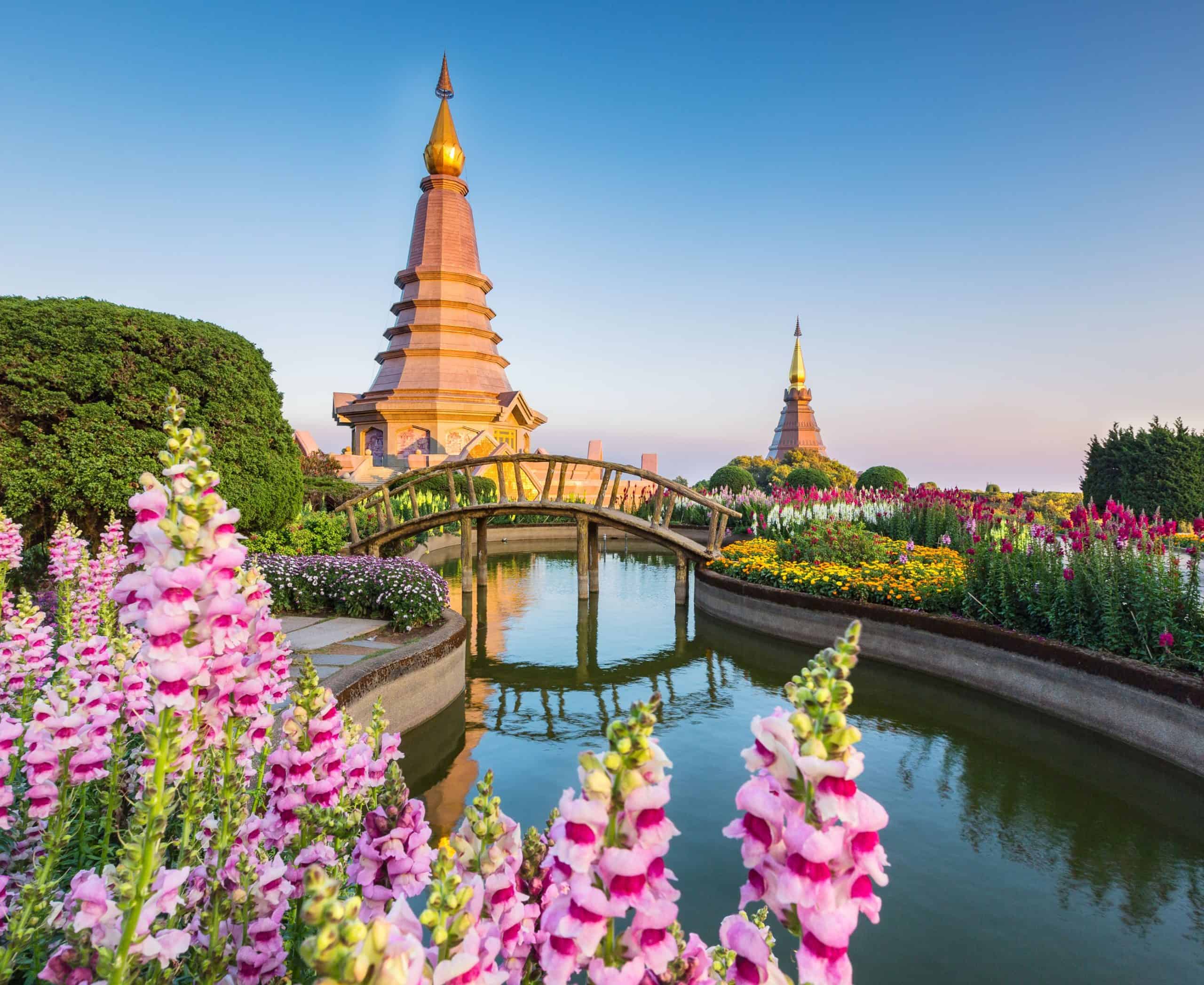
⚡ The TL;DR Verdict
For beach lovers, surfers, and social butterflies seeking a vibrant, slightly more upscale 'island life' with a spiritual undertone, Bali is your pick (budget ~$50-150 USD/day). If you crave authentic culture, incredible street food, mountain landscapes, and a more budget-friendly, laid-back vibe, Chiang Mai is calling (budget ~$30-80 USD/day).
- Choose Bali: You prioritize beaches, surfing, lively beach clubs, yoga retreats, and don't mind a slightly higher price tag for a more Western-influenced tropical paradise.
- Choose Chiang Mai: You're a culture enthusiast, a food adventurer, love temples, ethical elephant encounters, and prefer a tranquil, budget-conscious experience with a strong local identity.
- Choose Both: If you have 3-4 weeks, combining both offers an incredible contrast. Start with Chiang Mai's culture for 7-10 days, then fly to Bali (via Kuala Lumpur or Bangkok) for 10-14 days of island hopping and relaxation.
Quick Comparison
| Category | Bali | Chiang Mai | Winner |
|---|---|---|---|
| Overall Vibe & Atmosphere | Tropical island paradise, spiritual undertones, bustling beach towns, vibrant nightlife, surf culture, yoga retreats. | Mountain city with ancient temples, rich Lanna culture, laid-back, spiritual, green, strong focus on food and local crafts. | Tie |
| Beaches & Nature | World-famous surfing beaches, black and white sand, dramatic cliffs, lush rice paddies, volcanoes, waterfalls. | Mountainous terrain, lush jungles, national parks, waterfalls, ethical elephant sanctuaries, no beaches. | Bali |
| Food Scene | International fusion, healthy cafes, Western comfort food, warungs (local eateries), vibrant culinary scene. | Authentic Northern Thai cuisine, incredible street food, night markets, cooking classes, very budget-friendly. | Chiang Mai |
| Culture & Spirituality | Hindu traditions, elaborate temples, daily offerings, yoga, meditation, wellness focus, strong expat influence. | Lanna kingdom history, ancient Buddhist temples, monk alms giving, traditional crafts, deep cultural roots. | Chiang Mai |
| Nightlife & Social Scene | Vibrant beach clubs, trendy bars, live music venues, dance parties, diverse international crowd. | Relaxed bars, night markets, live music (often acoustic), quieter atmosphere, less focus on clubbing. | Bali |
| Cost of Travel | Mid-range to expensive, especially for Western food/drinks and trendy accommodation; local food is cheap. | Very budget-friendly, excellent value for food, accommodation, and activities; easily travel on a shoestring. | Chiang Mai |
| Getting Around | Scooters are king (but risky), Grab (ride-sharing) available, taxis, private drivers for longer distances. | Red songthaews (shared taxis), Grab, scooters, walkable Old City. | Chiang Mai |
| Accommodation | Stylish villas, boutique hotels, eco-resorts, budget guesthouses, strong Airbnb presence. | Boutique hotels, charming guesthouses, hostels, luxurious resorts (outside city), excellent value. | Chiang Mai |
| Digital Nomad Life | Massive nomad hub, endless co-working spaces, strong expat community, social, but can be distracting. | Established nomad scene, affordable living, good infrastructure, quieter, less 'party' oriented. | Tie |
| Safety & Serenity | Generally safe, but petty theft, scooter accidents, and 'Bali belly' are common concerns. | Extremely safe, low crime rate, calm atmosphere, traffic generally less intense. | Chiang Mai |
✨ Overall Vibe & Atmosphere
Bali offers a dynamic blend of spiritual serenity in Ubud, trendy beach club scenes in Canggu and Seminyak, and dramatic cliffside beauty in Uluwatu. It's often described as a 'spiritual Disneyland' mixed with a party island, attracting a very global, often younger crowd. Think chic cafes, designer boutiques, and constant buzz. Chiang Mai, on the other hand, exudes a calm, gentle energy. It's a city steeped in history, surrounded by lush mountains, offering a more 'authentic' Thai experience away from the bustling southern beaches. The pace is slower, the smiles are softer, and there's a deep sense of tradition. While Bali feels like a perpetual holiday, Chiang Mai feels more like a place to live and learn. "Bali just feels so 'done' now, a bit too commercial, whereas Chiang Mai still has that genuine local charm without feeling overly touristy outside the main temples." The choice really depends on if you want high-energy tropical escapism or tranquil cultural immersion.
Winner takeaway
- Winner: Tie
- Why: Both offer distinct, compelling atmospheres depending on traveler preference, making it a fair tie.
- Who this matters for: Everyone, as this sets the tone for your entire trip experience.
🏖️ Beaches & Nature
Bali is synonymous with stunning beaches. From the black sands of Pererenan and the iconic surf breaks of Kuta and Canggu to the dramatic white cliffs and hidden coves of Uluwatu (Padang Padang, Bingin), it's a beach lover's dream. Beyond the coast, Ubud’s Tegallalang Rice Terraces and the majestic Mount Batur volcano offer breathtaking inland natural beauty. Waterfalls like Tegenungan and Gitgit are easily accessible. Chiang Mai, while landlocked, compensates with verdant mountain landscapes, lush national parks like Doi Suthep-Pui, and stunning waterfalls (e.g., Bua Tong 'Sticky' Waterfall). Its unique natural draw is the prevalence of ethical elephant sanctuaries, offering incredible, respectful interactions. However, if 'nature' means sand and sea, Bali is the clear winner. "If you're going to Southeast Asia for beaches, you'd be crazy to pick Chiang Mai over Bali. It's not even a fair fight."
Winner takeaway
- Winner: Bali
- Why: Bali's diverse and iconic beaches, surf culture, and volcanic landscapes offer an unparalleled natural experience for most travelers.
- Who this matters for: Beach lovers, surfers, sun worshippers, and those seeking iconic tropical scenery.
🍜 Food Scene
Chiang Mai is an undisputed food paradise, especially for those who love authentic, flavorful, and incredibly affordable street food. The night markets (like Sunday Walking Street or Chiang Mai Gate) are legendary, offering everything from Khao Soi (Northern Thai curry noodle soup) for 50-80 THB ($1.40-2.20) to delicious mango sticky rice. Cooking classes are a highlight, teaching you how to master dishes like Pad Thai and Tom Yum. Bali's food scene is vibrant but leans heavily towards Western, healthy, and fusion cuisine, particularly in areas like Canggu and Seminyak. While you can find fantastic local Indonesian food at 'warungs' (e.g., Nasi Goreng for 30k-50k IDR / $2-3.50), the sheer variety, authenticity, and value of Chiang Mai's street food are unmatched. "I spent a month in Chiang Mai and ate like a king for $10 a day, easily. Bali's food is good, but it's twice the price for less 'local' authenticity." For true culinary adventure, Chiang Mai wins hands down.
Winner takeaway
- Winner: Chiang Mai
- Why: Chiang Mai offers a more authentic, diverse, and incredibly affordable street food scene with unparalleled local flavors.
- Who this matters for: Foodies, budget travelers, and those seeking authentic culinary experiences.
🙏 Culture & Spirituality
Chiang Mai is a treasure trove of Lanna culture and Buddhist spirituality. The city boasts over 300 temples, including the iconic Wat Phra That Doi Suthep high in the mountains, the ancient Wat Chedi Luang, and the stunning Wat Phra Singh. Opportunities for monk chats, meditation retreats, and learning about traditional Thai crafts (like silk weaving or silverwork) are abundant. The city feels deeply rooted in its heritage. Bali, while proudly Hindu with daily offerings ('canang sari') and elaborate ceremonies, has a more diffused spiritual vibe, often blended with Western wellness trends (yoga, sound healing, retreats). Ubud is the spiritual heart of Bali, with its Monkey Forest and Tirta Empul water temple, but the overall culture can sometimes feel overshadowed by tourism in more developed areas. "Chiang Mai's culture feels like it's living and breathing, something you can really immerse yourself in. Bali's is beautiful, but it often feels more like a backdrop for tourists now." Chiang Mai offers a more profound and accessible cultural immersion.
Winner takeaway
- Winner: Chiang Mai
- Why: Chiang Mai provides a more immersive, authentic, and historically rich cultural and spiritual experience rooted in its Lanna heritage.
- Who this matters for: Culture vultures, history buffs, spiritual seekers, and those interested in Buddhism.
🥳 Nightlife & Social Scene
Bali truly excels if you're looking for a lively and diverse nightlife. Areas like Seminyak, Canggu, and Uluwatu are packed with world-class beach clubs (e.g., Potato Head, Finns Beach Club, Omnia Dayclub) offering stunning sunset views, international DJs, and sophisticated cocktails. There are countless bars, live music venues, and parties ranging from casual pub nights to full-moon-style raves. The crowd is young, international, and ready to socialize. Chiang Mai's nightlife is significantly more subdued. While there are plenty of cozy bars, live music venues playing acoustic sets, and the bustling night bazaars, it's not a 'clubbing' destination. You'll find a relaxed atmosphere, often focusing on good conversation and cheap beer (e.g., Warorot Market area for local vibes, Zoe in Yellow for backpacker bars). "If you want to party, meet people easily, and hit up awesome beach clubs, Bali is the obvious choice. Chiang Mai is more for a quiet beer and good chat." Bali offers a much more vibrant and varied social and party scene.
Winner takeaway
- Winner: Bali
- Why: Bali's energetic beach clubs, trendy bars, and diverse party scene cater to a lively international crowd, making it a clear winner for nightlife.
- Who this matters for: Party-goers, social travelers, those seeking vibrant evening entertainment, digital nomads looking to network.
💰 Cost of Travel
Chiang Mai is consistently one of the most budget-friendly destinations in Southeast Asia. You can easily find delicious street food for 50-80 THB ($1.40-2.20), a decent guesthouse for 500-1000 THB ($15-30 USD), and local transport for a few dollars. A comfortable mid-range daily budget is around 1000-2000 THB ($30-55 USD). Bali, while offering cheap local food (e.g., Nasi Campur for 25k-40k IDR / $1.60-2.60), generally commands higher prices for Western comforts, trendy cafes, and stylish accommodation. A smoothie bowl might be 70k IDR ($4.50), a nice dinner 150k-300k IDR ($10-20), and a comfortable villa 750k-1.5M IDR ($50-100 USD). A mid-range daily budget often falls between $50-100 USD, pushing to $150+ USD if you indulge in beach clubs and nicer restaurants. "Chiang Mai lets you live like a king on a backpacker budget. In Bali, you're constantly calculating if that avocado toast is worth it." For pure value for money, Chiang Mai is the undisputed champion.
Winner takeaway
- Winner: Chiang Mai
- Why: Chiang Mai offers significantly better value across all categories, making it a top choice for budget-conscious travelers.
- Who this matters for: Budget travelers, long-term nomads, and anyone looking to maximize their travel funds.
🛵 Getting Around
Both destinations rely heavily on scooters, which offer freedom but come with significant risks due to chaotic traffic and questionable driving standards for tourists. In Bali, scooters are almost essential to explore beyond a small radius, costing around 70k-100k IDR ($4.50-6.50) per day. Ride-sharing apps like Grab and Gojek are widely available and affordable for shorter distances, but traffic can be brutal. For day trips, hiring a private driver for 500k-800k IDR ($30-50 USD) for 8-10 hours is common. Chiang Mai's Old City is highly walkable, and its iconic red songthaews (shared pick-up trucks) are an incredibly cheap and authentic way to get around the city for 30-50 THB ($0.80-1.40) per ride. Grab is also prevalent and reliable. The traffic is generally much calmer than Bali. "I felt way safer scootering in Chiang Mai. Bali traffic is just pure chaos, I barely survived." The variety of safe, affordable, and less stressful options gives Chiang Mai the edge.
Winner takeaway
- Winner: Chiang Mai
- Why: Chiang Mai offers more diverse, safer, and less stressful transport options, including highly affordable and iconic songthaews and a walkable city center.
- Who this matters for: Those who prioritize safety and ease of getting around, non-scooter riders, and budget travelers.
🏨 Accommodation
Both destinations offer a vast range of accommodation, but Chiang Mai provides exceptional value. You can find beautiful, well-maintained guesthouses and boutique hotels within the Old City for 800-1500 THB ($22-42 USD) that would easily cost double or triple in Bali. Hostels are plentiful and often very high quality for 200-400 THB ($5.50-11 USD). Bali excels in luxury villas with private pools, particularly in areas like Canggu, Seminyak, and Ubud, but these come at a premium (often $100-300+ USD/night). Mid-range options in Bali (think $50-100 USD/night for a decent hotel or guesthouse) are good but don't offer the same 'bang for your buck' as Chiang Mai. "My hostel in Chiang Mai was cleaner and had better amenities than a hotel I paid triple for in Bali." For those seeking comfort and quality without breaking the bank, Chiang Mai is superior. For opulent, Instagrammable villas, Bali is the spot.
Winner takeaway
- Winner: Chiang Mai
- Why: Chiang Mai offers superior value for money across all accommodation types, providing comfort and quality at a fraction of Bali's prices.
- Who this matters for: Budget travelers, those seeking excellent value, and long-term stays.
💻 Digital Nomad Life
Both Bali (especially Canggu/Ubud) and Chiang Mai are major digital nomad hubs, each with distinct advantages. Bali boasts an enormous, thriving, and highly social nomad community. There are countless co-working spaces (e.g., Dojo Bali, Outpost), healthy cafes with great Wi-Fi, and endless networking opportunities. The downside can be the constant social scene and distractions, making it hard to focus, and the cost of living is rising. Chiang Mai has a long-standing, well-established nomad scene known for its affordability, excellent internet infrastructure, and focus on productivity. Co-working spaces like Punspace are popular. It's a quieter, less distracting environment, ideal for heads-down work. "Bali's great for networking and fun, but I get way more actual work done in Chiang Mai. Less FOMO." Both offer strong communities, good internet, and amenities. Bali for the social, 'work hard, play hard' nomad, Chiang Mai for the focused, budget-conscious nomad.
Winner takeaway
- Winner: Tie
- Why: Both are excellent choices for digital nomads, catering to different preferences for social life vs. focus and budget.
- Who this matters for: Digital nomads, remote workers, freelancers.
✅ Safety & Serenity
Chiang Mai consistently ranks as one of the safest cities in Southeast Asia. Violent crime against tourists is rare, and petty theft is minimal, especially within the Old City. The general atmosphere is calm and respectful. The biggest safety concern remains scooter accidents, but the traffic is significantly less intimidating than in Bali. Bali, while generally safe, does have higher rates of petty theft (snatch-and-grab on scooters is common), and scooter accidents are a very serious issue due to the sheer volume of traffic and inexperienced riders. 'Bali belly' (traveler's diarrhea) is also a frequent complaint, more so than in Chiang Mai. There's also a more prevalent 'scam' culture targeting tourists, particularly around transport. "I felt completely at ease walking around Chiang Mai alone at night. In Bali, especially Seminyak, I was always a bit more on guard for snatchers." For overall peace of mind and lower risk, Chiang Mai is the safer bet.
Winner takeaway
- Winner: Chiang Mai
- Why: Chiang Mai offers a significantly calmer, safer environment with lower crime rates and less chaotic traffic compared to Bali.
- Who this matters for: Solo travelers, families, first-time international travelers, and those prioritizing peace of mind.
❓ Frequently Asked Questions
What's the best time to visit Bali vs. Chiang Mai?
Bali's dry season (May-September) is ideal, offering sunny days and low humidity. Chiang Mai's cool season (November-February) is perfect, with pleasant temperatures and clear skies. Avoid Bali's wet season (October-April) and Chiang Mai's hot/haze season (March-May) if possible.
Are visas required for these destinations?
For most Western nationalities, Indonesia offers a Visa-on-Arrival (VoA) for 30-60 days for Bali. Thailand typically offers a 30-day visa exemption upon arrival for many nationalities. Always check your specific country's requirements with the respective embassy before travel, as rules can change.
Which is better for solo female travelers?
Both are generally safe, but Chiang Mai often feels more serene and has a lower incidence of petty crime, making it slightly more comfortable for solo female travelers, especially at night. Bali has a very strong solo traveler community, but vigilance against bag snatching and scooter accidents is more critical there.
How do I travel between Bali and Chiang Mai?
There are no direct flights. You'll typically fly from Denpasar (DPS) to Kuala Lumpur (KUL) or Bangkok (BKK/DMK) and then connect to Chiang Mai (CNX). The total travel time, including layovers, is usually 8-12 hours, with flight costs ranging from $150-300 USD depending on booking in advance.
What's the internet and Wi-Fi like?
Both destinations have generally excellent Wi-Fi, especially in cafes, hotels, and co-working spaces, making them popular with digital nomads. Local SIM cards with generous data plans are cheap and readily available (e.g., Telkomsel in Bali, AIS/TrueMove H in Thailand) for continuous connectivity.
Is one better for families with young children?
Chiang Mai offers a more relaxed, safer environment with less chaotic traffic and plenty of cultural activities like elephant sanctuaries and cooking classes that can be adapted for kids. Bali can be fun for families with its beaches and resorts, but navigating traffic and dealing with tourist crowds can be more challenging for parents.
Which has more options for adventure activities?
Bali boasts more water-based adventures like surfing, diving, snorkeling, and white-water rafting, alongside volcano treks. Chiang Mai offers jungle trekking, zip-lining, rock climbing, and is a hub for ethical elephant experiences. Your preference for land vs. water adventures will determine the better fit.
Are there ethical animal experiences in both?
Chiang Mai is renowned for its ethical elephant sanctuaries (e.g., Elephant Nature Park), where you can observe and interact with rescued elephants respectfully. Bali also has some ethical animal parks and sanctuaries, particularly for monkeys (Ubud Monkey Forest) and birds, but always research to ensure ethical treatment aligns with your values.
Ready to plan your Southeast Asia trip?
Get a free custom itinerary for Bali, Chiang Mai, or both — built from real traveler insights and expert advice.
🎟️ Book Tours & Experiences
Hand-picked tours and activities for both destinations — book with free cancellation
Experiences via Viator — free cancellation on most tours