How we built this comparison
This page combines traveler discussion patterns, published price ranges, flight schedules, and seasonal data to help you decide between Bali and Koh Samui.
- Reviewed 50+ Reddit threads from r/travel, r/solotravel, r/Bali, r/ThailandTourism, etc.
- Verified costs and logistics against current booking platforms (Booking.com, Skyscanner, Grab/Gojek, local tour operators) as of late 2023/early 2024.
- Cross-referenced seasonal patterns and weather data from meteorological sources to provide accurate insights.
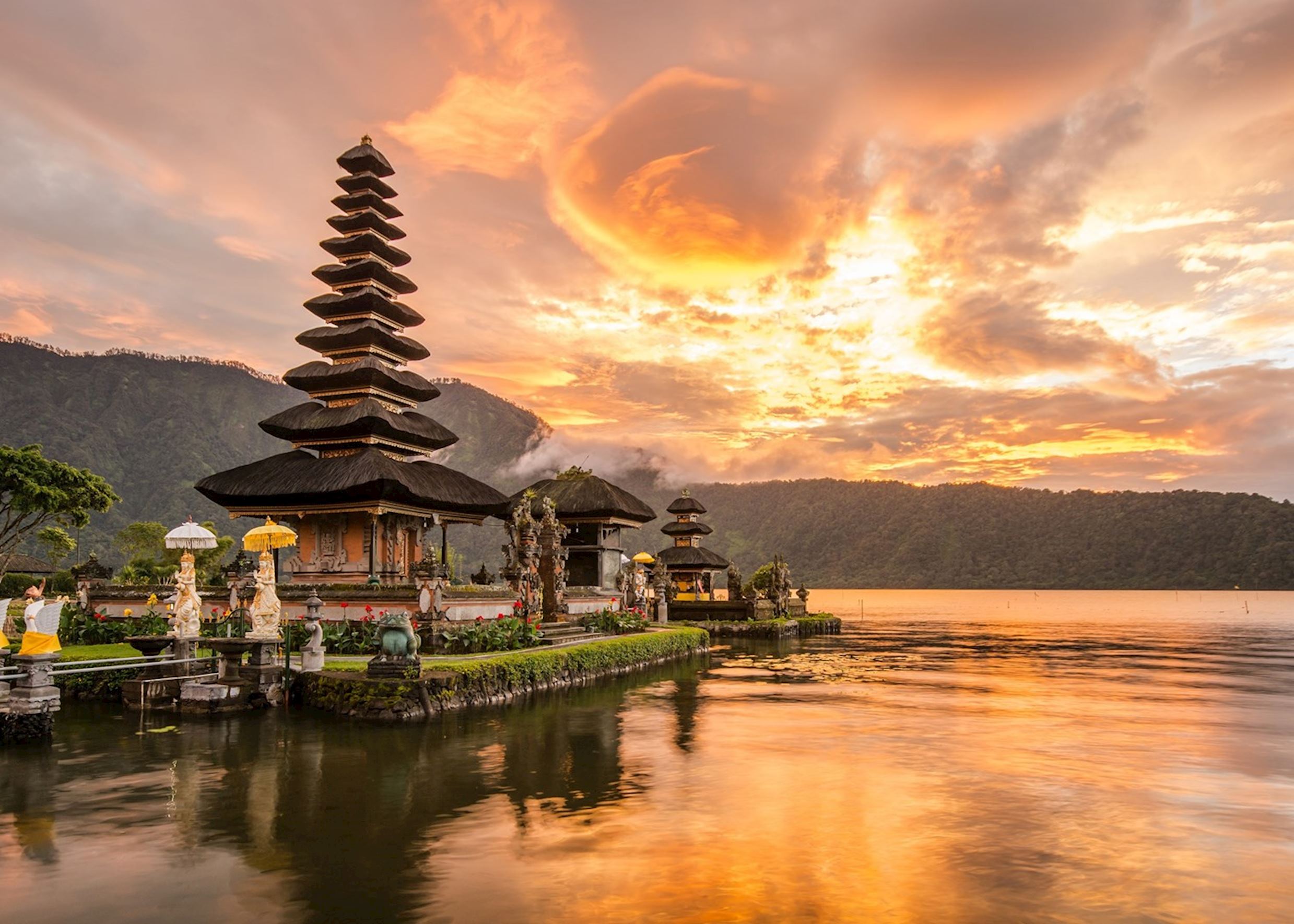
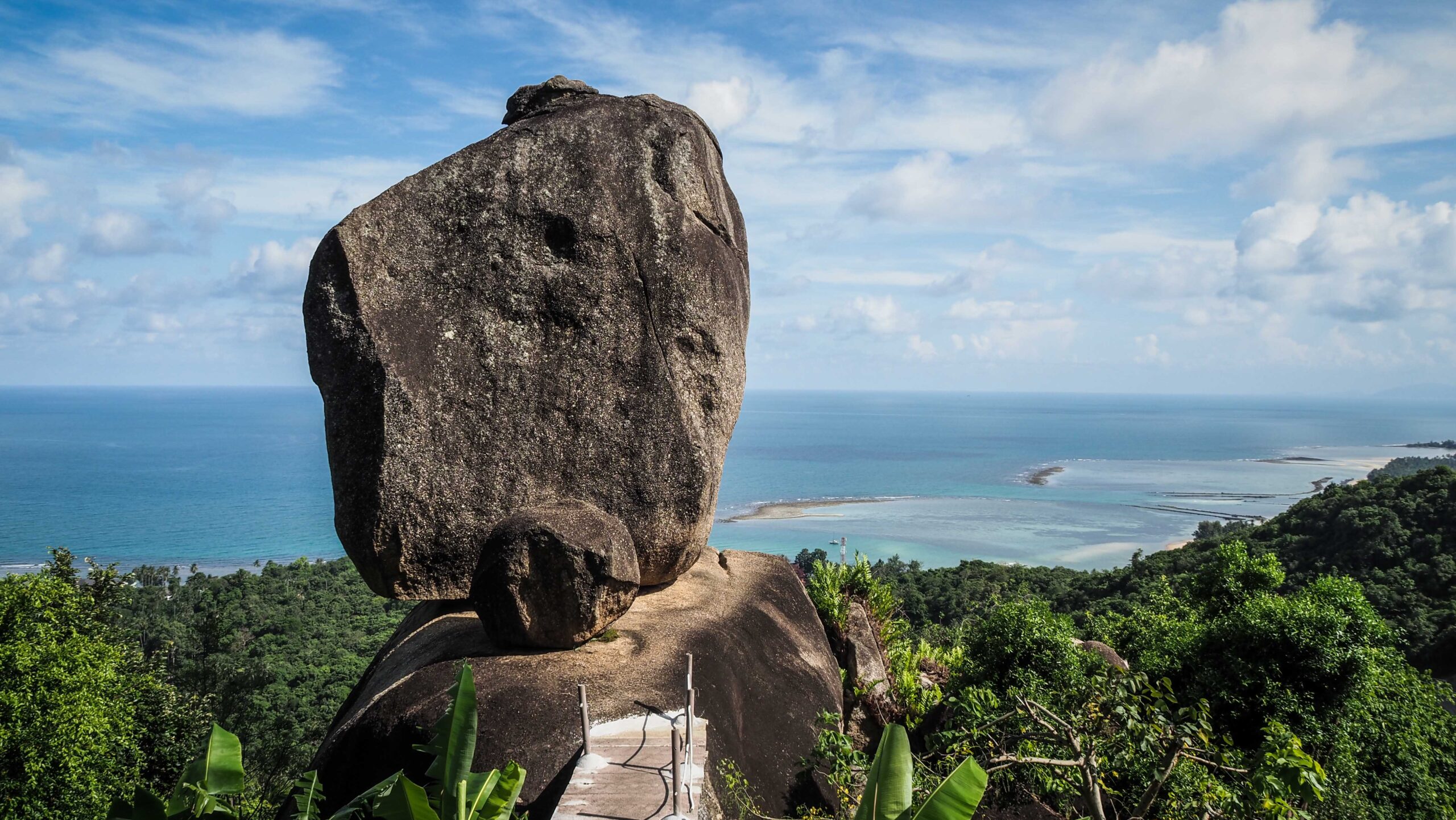
⚡ The TL;DR Verdict
If you're after spiritual depth, vibrant culture, diverse food, and a strong digital nomad scene, Bali is your pick, with a rough daily budget of $30-100 USD. For pristine white sand beaches, calm waters, easier logistics, and a more resort-centric, relaxed island vibe, Koh Samui shines, typically costing $40-120 USD per day. Both offer incredible experiences, but cater to slightly different tastes and ideal travel times.
- Choose Bali: Choose Bali if you're seeking a blend of culture, wellness, adventure sports (especially surfing), a bustling digital nomad community, and don't mind a bit more traffic. It's fantastic for solo travelers, couples, and groups looking for variety.
- Choose Koh Samui: Opt for Koh Samui if your priority is postcard-perfect beaches, luxurious resorts, excellent Thai food, and a more laid-back, hassle-free island escape. It's perfect for families, honeymooners, and those who want to relax by the sea.
- Choose Both: If you have 3+ weeks and different travel preferences, visit both! Start with Bali for 10-14 days for culture and adventure, then fly to Koh Samui via Kuala Lumpur or Bangkok for 7-10 days of beach relaxation. Best combined during shoulder seasons like May or September to catch good weather in both.
Quick Comparison
| Category | Bali | Koh Samui | Winner |
|---|---|---|---|
| Beaches & Water Activities | Volcanic sands dominate, but offer world-class surfing (Uluwatu) and stunning clear waters on nearby Nusa Islands. Diverse activities from diving to cliff jumping. | Classic white sand beaches like Chaweng and Lamai, calm turquoise waters perfect for swimming and snorkeling right off the shore. Excellent island hopping. | Koh Samui |
| Food & Drink | Incredible diversity from traditional Balinese warungs (Nasi Goreng for IDR 30k) to high-end international restaurants, and a massive vegan/healthy food scene. | Authentic, flavorful Thai cuisine reigns supreme, with fantastic seafood and street food. International options are available but less diverse than Bali. | Bali |
| Nightlife | Renowned for its vibrant beach clubs (Finns, Atlas), bustling bars in Canggu/Seminyak, and late-night clubs in Kuta. Something for every party goer. | Centered around Chaweng Beach, offering a mix of go-go bars, live music venues, and relaxed beach bars. More subdued than Bali's major party zones. | Bali |
| Culture & Spirituality | Deeply spiritual Hindu culture, rich in temples (Tanah Lot, Uluwatu), traditional dances, arts, and a booming wellness/yoga scene (Ubud). | Buddhist island culture with iconic temples (Big Buddha, Wat Plai Laem) and a more relaxed, less overtly spiritual atmosphere. Thai massage is prevalent. | Bali |
| Costs & Budget | Generally more budget-friendly for food, local transport (scooters IDR 50k/day), and mid-range accommodation. High-end can be expensive. | Slightly higher baseline costs for food, transport (songthaews THB 50-200), and accommodation, especially due to Samui Airport's premium pricing. | Bali |
| Getting Around | Scooters are king, but traffic can be intense. Gojek/Grab are widely used for cars and bikes. Private drivers are affordable for longer trips. | Scooters are popular, and traffic is generally lighter. Songthaews (shared taxis) are common. Metered taxis and private drivers are available. | Koh Samui |
| Accommodation | Massive range from budget hostels (IDR 100k) and homestays to stunning private villas and luxury resorts. Boutique options are plentiful. | Excellent selection of resorts, from mid-range to ultra-luxury, often beachfront. Boutique hotels and guesthouses are available but less diverse than Bali. | Tie |
| Day Trips & Activities | Endless options: volcano hikes (Mt. Batur), rice paddies (Tegallalang), waterfalls, island hopping (Nusas), cooking classes, yoga retreats, spiritual cleansings. | Primary highlights include Ang Thong Marine Park for island hopping, Big Buddha, waterfalls, and ethical elephant sanctuaries. Less diversity than Bali. | Bali |
| Weather & Seasons | Dry season: April-October (peak season). Wet season: November-March (can be humid, but still sunny days). | Dry season: February-August (peak season). Wet season: September-January (can have heavy rain, especially Nov/Dec). | Koh Samui |
| Digital Nomads & Long Stays | A global hotspot, especially Canggu and Ubud. Thriving community, co-working spaces, cafes with Wi-Fi, diverse accommodation, and affordable living. | Growing community, but less established infrastructure than Bali. Good internet, but fewer dedicated co-working spaces and a smaller expat community. | Bali |
🏖️ Beaches & Water Activities
When it comes to the quintessential 'tropical paradise' beach, Koh Samui often edges out Bali. Samui boasts postcard-perfect stretches like Chaweng Beach and Lamai Beach, with soft, white sand and gentle, clear turquoise waters ideal for swimming and sunbathing. You can easily rent a jet ski for about 1,500 THB ($40 USD) for 30 minutes or simply lounge at a beach club. The island hopping around Ang Thong Marine Park from Samui (tours starting around 2,000 THB / $55 USD) is breathtaking, with hidden lagoons and incredible snorkeling. Bali's beaches are incredibly diverse, from the golden sands of Seminyak and Canggu, perfect for vibrant beach clubs like Finns or Potato Head (entry free, minimum spend applies for beds ~500k IDR / $30 USD), to the rugged, dramatic cliffs and world-class surf breaks of Uluwatu (surfboard rental ~100k IDR / $6 USD per day). While Bali has black volcanic sand in many areas, the crystal-clear waters and incredible dive sites around Nusa Penida and Nusa Lembongan (fast boat from Sanur ~300k IDR / $20 USD return) are truly spectacular. However, for sheer 'swim-ability' and classic beauty, Samui takes the cake. "Honestly, Samui's beaches just hit different. Like, actual white sand and calm water you can actually swim in without getting pounded by waves, unlike most of Bali proper." The vibe in Samui is more about pure relaxation by the sea, while Bali's beach scene is more about activities, socialising, and scenery.
Winner takeaway
- Winner: Koh Samui
- Why: Koh Samui offers more consistently beautiful, calm, and swim-friendly white sand beaches, epitomizing the classic tropical paradise.
- Who this matters for: Beach lovers, families with young children, honeymooners, and those prioritizing swimming and relaxation.
🍜 Food & Drink
Bali truly excels in its culinary scene, offering an unparalleled variety that caters to every palate and budget. You can savor authentic Balinese dishes like Babi Guling (suckling pig) for around IDR 70,000-100,000 ($5-7 USD) at Warung Babi Guling Ibu Oka, or indulge in incredible, healthy, and often vegan-friendly fare at places like The Shady Shack in Canggu, where a smoothie bowl costs about IDR 75,000 ($5 USD). The island's international restaurant scene, particularly in Seminyak and Ubud, is world-class, from fine dining at Locavore (prix fixe from IDR 1.2M / $80 USD) to casual cafes. Koh Samui, on the other hand, is a paradise for Thai food lovers. You'll find incredible Pad Thai from street vendors for 80-150 THB ($2.50-4 USD), fresh seafood BBQ on Chaweng Beach, and delicious curries. Places like The Larder (a modern European bistro) offer high-quality international options, but the sheer breadth and depth of culinary innovation, particularly in the health and wellness sphere, aren't as prominent as in Bali. "Bali's food scene is just next level, especially if you're into healthy eating or want to try every cuisine under the sun. Samui's Thai food is amazing, but it's more limited beyond that." Bali's drink scene is also vibrant, with numerous beach clubs offering cocktails (around IDR 120k / $8 USD) and unique bars, while Samui focuses more on relaxed beach bars.
Winner takeaway
- Winner: Bali
- Why: Bali's food scene is incredibly diverse, innovative, and caters to a wider range of dietary needs and culinary preferences, from budget street food to high-end international dining.
- Who this matters for: Foodies, vegans/vegetarians, those seeking diverse international cuisine, and budget travelers.
🕺 Nightlife
If you're looking to party, Bali is the undisputed champion. The island boasts an electric nightlife scene that ranges from sophisticated sunset sessions at iconic beach clubs like Finns or Atlas Beach Fest (entry around IDR 150k / $10 USD, minimum spend for beds) in Canggu, to chic cocktail bars in Seminyak, and the wilder, budget-friendly clubs in Kuta. Areas like Canggu are constantly buzzing with events, DJ sets, and themed nights at places like La Favela or Old Man's. It's easy to find a party any night of the week. Koh Samui's nightlife is more concentrated and generally less intense. Chaweng Beach is the epicenter, with lively bars, some go-go bars, and a few clubs like Green Mango. Lamai also has a more relaxed bar scene. While you can certainly have a good time, especially with a bucket of drinks (around 200-300 THB / $5.50-8 USD), it lacks the sheer scale, variety, and international DJ pull of Bali. "Bali's nightlife is insane. There's always something going on, whether you want a chill sunset drink or to dance 'til dawn. Samui is fun, but it's more 'holiday vibes' than 'party hard'." Bali caters to a broader audience, from ravers to those seeking upscale lounge experiences, making it the clear winner for nightlife variety and intensity.
Winner takeaway
- Winner: Bali
- Why: Bali offers a significantly more diverse, dynamic, and extensive nightlife scene, with world-class beach clubs, bars, and clubs catering to all tastes.
- Who this matters for: Party-goers, social butterflies, young travelers, and anyone looking for a lively evening scene.
🧘♀️ Culture & Spirituality
Bali is often called the 'Island of the Gods' for good reason, and its cultural and spiritual richness is truly immersive. The island is predominantly Hindu, and daily life is infused with offerings, ceremonies, and vibrant artistic expression. You can visit iconic temples like Tanah Lot or Uluwatu (entry ~IDR 60k / $4 USD), watch traditional Balinese dances, or explore the myriad art galleries and artisan workshops in Ubud. Ubud itself is a global hub for yoga and wellness, with countless retreats and studios like The Yoga Barn (classes from IDR 150k / $10 USD). The Balinese people's warmth and dedication to their traditions are palpable, offering a deep cultural connection. Koh Samui, while beautiful, embodies a more general Thai Buddhist culture. You can visit impressive temples like the Big Buddha (free entry) or Wat Plai Laem, with its elaborate statues. Thai massage is ubiquitous and fantastic (starting from 300 THB / $8 USD for an hour), but the island doesn't possess the same intense, pervasive spiritual aura or the same breadth of cultural activities as Bali. "Bali's culture hits you differently. It's everywhere, in the offerings, the temples, the people. Samui is nice, but it feels more like a beach holiday with some cultural sights, not a cultural immersion." While both are rich, Bali offers a more profound and accessible cultural and spiritual journey, making it a clear winner for those seeking depth beyond the beach.
Winner takeaway
- Winner: Bali
- Why: Bali offers a deeply spiritual, pervasive, and accessible Hindu culture with rich traditions, art, and a world-renowned wellness scene.
- Who this matters for: Culture enthusiasts, spiritual seekers, yoga practitioners, and those interested in traditional arts and crafts.
💰 Costs & Budget
When it comes to stretching your dollar, Bali generally offers better value, especially for longer stays and those on a mid-range budget. You can easily find delicious Nasi Goreng or Mie Goreng at a local warung for IDR 25,000-50,000 ($1.70-3.50 USD), and a scooter rental is often just IDR 50,000-80,000 ($3.50-5.50 USD) per day. Mid-range accommodation, from charming guesthouses to boutique villas, offers excellent value, often starting from IDR 400,000 ($27 USD) per night. Ride-hailing apps like Gojek and Grab are widely available and affordable. Koh Samui, while not prohibitively expensive, tends to have a slightly higher baseline cost for many things. A simple Pad Thai from a street vendor might be 80-150 THB ($2.20-4 USD), and scooter rentals hover around 150-250 THB ($4-7 USD) per day. Inter-island flights to Samui (USM) are notoriously more expensive due to Bangkok Airways' effective monopoly, often costing 3,000-5,000 THB ($80-140 USD) for a short flight from Bangkok. Songthaews (shared taxis) are common but can add up, costing 50-200 THB depending on distance. "Bali just feels cheaper across the board, especially for food and getting around. Samui, you feel the price difference, particularly if you're flying in." For budget-conscious travelers or digital nomads planning a longer stay, Bali's daily expenses offer more flexibility and value.
Winner takeaway
- Winner: Bali
- Why: Bali generally offers better value for money across food, local transport, and mid-range accommodation, making it more budget-friendly.
- Who this matters for: Budget travelers, digital nomads on a tight budget, and those planning longer stays.
🛵 Getting Around
Getting around Koh Samui is generally a much more relaxed experience than in Bali. The island is smaller and has a less dense population, meaning traffic is significantly lighter, even in peak areas like Chaweng. Renting a scooter is a popular and efficient way to explore, typically costing 150-250 THB ($4-7 USD) per day, and the roads are generally well-maintained and easy to navigate. Songthaews, the ubiquitous open-air shared taxis, operate on set routes and are a very affordable way to get between main towns (50-200 THB). While taxis are available, they often don't use meters, so negotiate fares beforehand. Bali's transport can be a real challenge. Scooters are also the primary mode of transport (50k-80k IDR / $3.50-5.50 USD per day), but traffic in areas like Seminyak, Canggu, and even Ubud can be notoriously bad, turning a 10km journey into an hour-long ordeal. Gojek and Grab (ride-hailing apps for both cars and bikes) are incredibly useful and affordable, with bike rides costing as little as IDR 10,000-20,000 ($0.70-1.40 USD) for short distances. However, local taxi mafias in some areas can make it difficult for ride-hailing services. "Driving in Samui is a breeze compared to Bali. No crazy traffic, and the roads are better. I felt way more comfortable on a scooter there." For ease of navigation and less travel stress, Koh Samui is the clear winner.
Winner takeaway
- Winner: Koh Samui
- Why: Koh Samui offers significantly less traffic and easier navigation, making self-driving or using local transport much more pleasant and less stressful.
- Who this matters for: First-time scooter riders, those who dislike heavy traffic, and travelers seeking a more relaxed pace.
🏨 Accommodation
Both Bali and Koh Samui offer fantastic accommodation options, making this category a tie, as each excels in slightly different niches. Bali's strength lies in its sheer diversity and value for money across all segments. You can find beautiful hostels for as little as IDR 100,000 ($7 USD) a night, charming guesthouses and homestays for IDR 200,000-400,000 ($14-27 USD), and an incredible array of private villas with pools starting from IDR 700,000 ($48 USD) per night, particularly in areas like Canggu, Seminyak, or Ubud. The boutique hotel scene is also very strong. Koh Samui, on the other hand, is renowned for its excellent resort infrastructure. You'll find a plethora of mid-range to ultra-luxury beachfront resorts, many offering direct beach access and stunning facilities. A comfortable 4-star resort might start from 2,000-3,500 THB ($55-95 USD) per night. While there are budget bungalows and guesthouses, the island caters more heavily to the resort experience. "Bali has so many cool, unique villas and guesthouses that feel really authentic. Samui's resorts are amazing for luxury, but if you want something more local or budget-friendly, Bali's got more." Essentially, Bali offers more choice, especially for unique stays and budget options, while Samui consistently delivers on classic resort luxury. It truly depends on your preference and budget, as both offer high quality for their respective strengths.
Winner takeaway
- Winner: Tie
- Why: Both destinations offer excellent accommodation, with Bali excelling in diversity and value across all segments, and Koh Samui specializing in high-quality resorts.
- Who this matters for: Everyone, as both cater well but with different strengths. Bali for variety/value, Samui for resort-centric luxury.
⛰️ Day Trips & Activities
Bali is an adventure playground and a hub for unique experiences, offering an unparalleled array of day trips and activities. You can hike up Mount Batur for a sunrise trek (tours from IDR 700k / $48 USD), explore the iconic Tegallalang Rice Terraces, chase stunning waterfalls like Tegenungan or Sekumpul, take a cooking class (IDR 400k / $27 USD), or visit nearby Nusa Islands for world-class diving and dramatic cliff views. The wellness scene also offers spiritual cleansing ceremonies and endless yoga retreats. There's truly something for every interest, from adrenaline junkies to those seeking profound cultural experiences. Koh Samui's day trips, while beautiful, are more focused on its natural assets. The Ang Thong Marine Park full-day tour (around 2,000 THB / $55 USD) is a must-do, offering incredible snorkeling, kayaking, and stunning viewpoints. Other popular activities include visiting the Big Buddha, exploring Namuang Waterfall, or spending time at ethical elephant sanctuaries (e.g., Samui Elephant Haven, 3,000 THB / $80 USD for half-day). "Bali just has so much more to do outside of the beach. Volcanoes, waterfalls, rice paddies, surfing, spiritual stuff. Samui is great for island hopping, but the variety isn't there." While both offer enjoyable excursions, Bali's sheer volume and diversity of activities make it the superior choice for day trips and unique experiences beyond the beach.
Winner takeaway
- Winner: Bali
- Why: Bali offers a significantly wider and more diverse range of day trips and activities, from adventure sports to deep cultural immersion and wellness.
- Who this matters for: Adventure seekers, nature lovers, culture enthusiasts, and those who want a varied itinerary.
☀️ Weather & Seasons
The weather patterns are a critical differentiator, often determining which island is best for your travel dates. Bali experiences its dry season from April to October, with consistently sunny days, lower humidity, and pleasant temperatures (around 28-32°C). This is peak tourist season. The wet season, from November to March, brings higher humidity and more frequent, though often short, tropical downpours. It's still possible to visit, but expect more rain. Koh Samui, however, has an advantage with its distinct weather pattern, particularly appealing during Bali's 'wet' season. Its dry season runs from February to August, making it an excellent choice when much of Southeast Asia (including Bali) is experiencing rain. The 'shoulder' months of September and January can be mixed, but the heaviest rains are typically in November and December. "We went to Samui in October when Bali was getting hammered, and it was perfect! Sunny every day." This counter-seasonal advantage means that if you're planning a trip during the northern hemisphere's winter months (e.g., November-January), Koh Samui often offers better, drier weather than Bali. This makes Samui more reliably sunny during a period when many travelers are looking to escape colder climates, giving it an edge for weather consistency during a critical travel window.
Winner takeaway
- Winner: Koh Samui
- Why: Koh Samui offers a more reliably dry and sunny season from February to August, and crucially, often better weather during Bali's wet season (November-January).
- Who this matters for: Travelers with fixed travel dates (e.g., during northern hemisphere winter), sun-seekers, and those who prioritize consistent good weather.
💻 Digital Nomads & Long Stays
Bali has firmly established itself as one of the world's premier destinations for digital nomads and long-term stays, particularly in areas like Canggu and Ubud. The infrastructure is incredibly robust: countless co-working spaces like Dojo Bali (membership from IDR 2.9M / $195 USD per month) or Hubud (now defunct, but many similar places abound), cafes with excellent Wi-Fi, a massive and active expat community, and an endless supply of affordable, stylish accommodation, from monthly villa rentals to long-term guesthouses. The cost of living is manageable, and the lifestyle offers a fantastic work-life balance with surfing, yoga, and a vibrant social scene. Koh Samui is certainly growing in popularity among digital nomads, and it offers fast internet and beautiful surroundings. You can find cafes with Wi-Fi, and some co-living spaces are emerging. However, it doesn't yet have the same density of dedicated co-working spaces, the sheer volume of networking events, or the established, diverse expat community that Bali boasts. "If you're a digital nomad, Bali (especially Canggu) is just built for it. The community, the cafes, the events - it's all there. Samui is chill, but it's not the same level of infrastructure for working remotely." For those seeking a vibrant, supportive, and well-equipped environment for working remotely and connecting with a like-minded community, Bali is the clear frontrunner.
Winner takeaway
- Winner: Bali
- Why: Bali offers a far more established, diverse, and supportive ecosystem for digital nomads, with extensive co-working spaces, community, and infrastructure.
- Who this matters for: Digital nomads, remote workers, long-term travelers, and those looking to integrate into an expat community.
❓ Frequently Asked Questions
Which destination is better for families with young children?
Koh Samui often edges out Bali for families with young children due to its calmer, white-sand beaches perfect for swimming, and a more resort-centric, relaxed atmosphere. Bali can be amazing too, but traffic can be challenging and some beaches have stronger currents.
Is surfing better in Bali or Koh Samui?
Bali is unequivocally better for surfing, offering world-class breaks for all levels, from beginner waves at Seminyak to expert barrels at Uluwatu. Koh Samui has very limited, inconsistent surf, primarily during the monsoon season and not comparable to Bali's consistent swells.
Which island has better shopping opportunities?
Bali offers a more diverse and vibrant shopping scene, particularly for fashion, homewares, and artisan crafts in areas like Seminyak, Canggu, and Ubud. Koh Samui has markets and malls, but the range of unique, boutique items is less extensive than Bali's.
How safe are Bali and Koh Samui for solo female travelers?
Both destinations are generally safe for solo female travelers, but common sense precautions apply. Bali has a very strong solo female travel community, especially in Ubud and Canggu. Koh Samui is also safe, often feeling a bit more relaxed, but always be aware of your surroundings, particularly at night.
What's the best way to get between Bali and Koh Samui?
There are no direct flights. The most common route involves flying from Denpasar (DPS) to either Kuala Lumpur (KUL) or Bangkok (BKK), and then taking a connecting flight to Koh Samui (USM). The total travel time, including layovers, is typically 6-10 hours.
Which island is better for a honeymoon?
Both are fantastic, but Koh Samui often wins for a traditional, romantic honeymoon with its luxurious beachfront resorts, serene atmosphere, and postcard-perfect beaches. Bali offers a more adventurous and culturally rich honeymoon, with stunning villas and unique experiences.
Are there ethical elephant sanctuaries in both locations?
Yes, both destinations have established ethical elephant sanctuaries where you can observe rescued elephants in their natural habitats. Always research to ensure the sanctuary genuinely prioritizes elephant welfare and prohibits riding or exploitative practices.
Which destination has more authentic local experiences?
Bali, with its deeply ingrained Hindu culture and daily ceremonies, offers more readily accessible and immersive 'authentic' local experiences, particularly outside the main tourist hubs. Koh Samui also has local charm, but its tourism development is more resort-focused, often making local interactions less frequent.
Ready to plan your Southeast Asia trip?
Get a free custom itinerary for Bali, Koh Samui, or both — built from real traveler insights.
🎟️ Book Tours & Experiences
Hand-picked tours and activities for both destinations — book with free cancellation
Experiences via Viator — free cancellation on most tours