How we built this comparison
This page combines traveler discussion patterns, published price ranges, flight schedules, and seasonal data to help you decide between Bali and Krabi.
- Reviewed 70+ Reddit threads from r/travel, r/solotravel, r/Bali, r/ThailandTourism, and r/DigitalNomad for authentic traveler perspectives.
- Verified costs and logistics against current booking platforms (e.g., Agoda, Booking.com, Skyscanner, Grab) and recent travel blogs.
- Cross-referenced seasonal patterns and weather data from reliable meteorological sources for accurate 'best time to visit' advice.
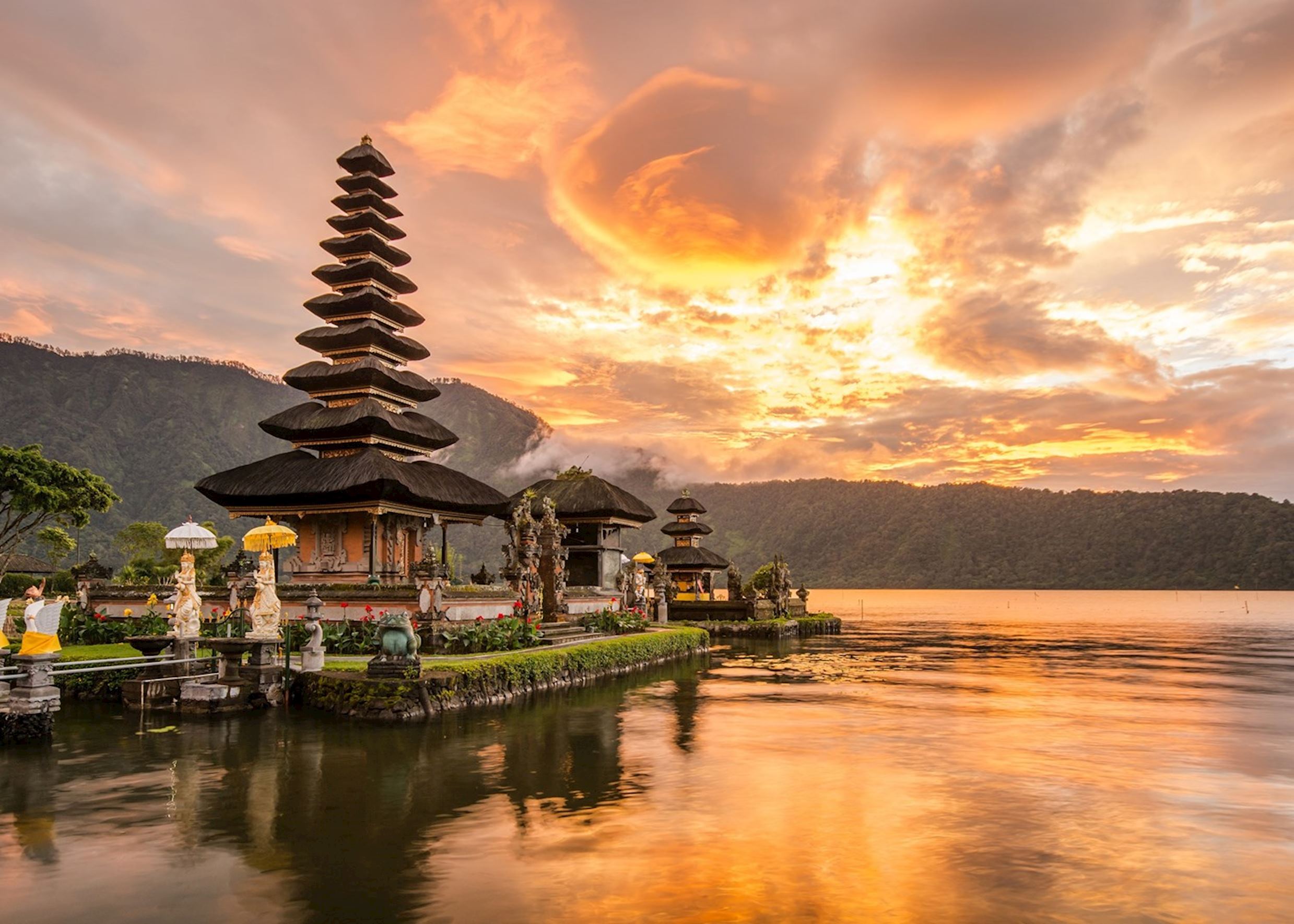
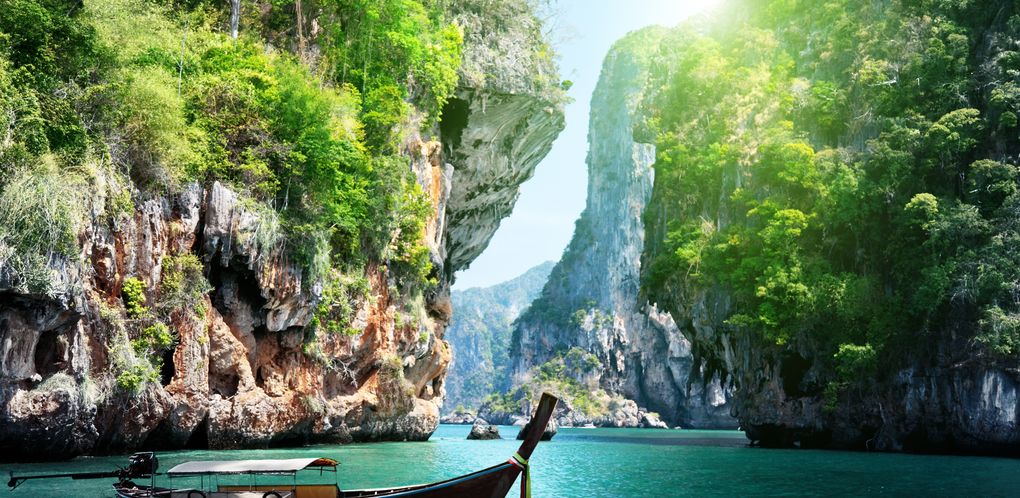
⚡ The TL;DR Verdict
If you crave diverse culture, world-class food, and a vibrant social scene, Bali is your pick, budget around $60-100/day. For stunning natural beauty, pristine beaches, and laid-back island hopping, Krabi awaits, typically $45-80/day.
- Choose Bali: You're looking for a blend of spiritual retreats, lush rice paddies, volcanic landscapes, a thriving culinary scene, and lively nightlife. Great for surfers, yogis, foodies, and those who love exploring varied environments.
- Choose Krabi: Your ideal trip involves breathtaking limestone karsts, crystal-clear waters, epic island hopping, rock climbing, and a more relaxed, beach-centric atmosphere. Perfect for nature lovers, adventurers, and those seeking picture-perfect scenery.
- Choose Both: If you have 3+ weeks, combine them! Start with 10-14 days in Bali for culture and surf, then fly to Krabi for a week of island hopping and relaxation. It’s a fantastic way to experience both the cultural richness of Indonesia and the natural wonders of Thailand.
Quick Comparison
| Category | Bali | Krabi | Winner |
|---|---|---|---|
| Beaches & Islands | Volcanic black sand beaches in the north, popular surf spots like Canggu and Uluwatu, white sand stretches in the south (Nusa Dua). More about the 'vibe' than pure postcard perfect sand. | Stunning white sand beaches framed by dramatic limestone cliffs. Iconic Railay Beach, Phi Phi Islands (Maya Bay), Koh Lanta. Known for crystal-clear turquoise waters and snorkeling. | Krabi |
| Culture & Spirituality | Rich Hindu culture deeply integrated into daily life. Ubud is the spiritual heart with temples, ceremonies, yoga retreats, and traditional arts. Unique Balinese architecture and vibrant festivals. | Primarily Buddhist culture, less overtly 'spiritual' for tourists than Bali. While temples exist, they are not the main draw. Focus is more on natural beauty and outdoor activities. | Bali |
| Food & Dining | Incredibly diverse, from street food (warungs) to high-end vegan cafes and international fine dining. Known for Nasi Goreng, Babi Guling, fresh seafood, and abundant healthy options. | Authentic Southern Thai cuisine, focusing on fresh seafood, curries, and spicy dishes. Popular Pad Thai, Tom Yum Goong, Massaman Curry. Great street food but less international diversity than Bali. | Bali |
| Nightlife & Parties | Vibrant and varied nightlife. Kuta and Seminyak for bustling clubs and beach bars, Canggu for trendy beach clubs (e.g., Finns, Atlas), Ubud for live music and chilled bars. Something for everyone. | More relaxed nightlife, primarily centered in Ao Nang with beach bars, Irish pubs, and live music. Less club-focused than Bali, with quieter options in Railay and Koh Lanta. Focus on chill-out vibes. | Bali |
| Accommodation | Massive range from budget hostels (150,000 IDR ~$10) to luxury resorts (3,000,000+ IDR ~$200+) and unique private villas (1,500,000+ IDR ~$100+). Abundant boutique hotels and guesthouses. | Good range of options, from budget guesthouses (400 THB ~$12) to mid-range hotels (1,500 THB ~$45) and some luxury resorts (4,000+ THB ~$120+), especially on islands like Koh Lanta. Fewer private villas than Bali. | Tie |
| Costs & Budget | Generally affordable, but can be pricier due to popularity and options for luxury. Daily budget: $60-100 (mid-range). Local food cheap, Western food and activities can add up. | Slightly more budget-friendly overall, especially for food and local transport. Daily budget: $45-80 (mid-range). Island hopping and tours are main expenses. | Krabi |
| Getting There & Around | Denpasar (DPS) is a major international airport. Getting around relies on scooters, taxis, Gojek/Grab. Traffic can be heavy, especially in south Bali. | Krabi International Airport (KBV) well-connected domestically and to nearby hubs. Longtail boats, songthaews, and ferries are key. Easier to navigate than Bali. | Tie |
| Day Trips & Excursions | Diverse options: Nusa Islands for cliff views/snorkeling, Mount Batur sunrise trek, Jatiluwih Rice Terraces, Tegalalang rice paddies, Tirta Empul temple. Focus on nature, culture, adventure. | World-class island hopping: Phi Phi Islands, Hong Islands, Four Islands tour (Poda, Chicken, Tup, Phra Nang Cave). Emerald Pool, Hot Springs. Focus on beaches, snorkeling, rock climbing. | Krabi |
| Nature & Adventure | Volcanoes (Mount Batur, Agung), rice terraces, waterfalls (Sekumpul), surfing, diving (Nusa Islands), yoga retreats. Diverse landscapes for trekking and exploration. | Limestone karsts, stunning beaches, sea caves, rock climbing (Railay), kayaking, snorkeling/diving, hot springs, emerald pools. Focus on dramatic coastal scenery and water sports. | Tie |
| Solo Travel & Safety | Very popular for solo travelers, especially women. Easy to meet people in hostels, cafes, yoga studios. Generally safe, but petty theft can occur. Scooter accidents common. | Safe and welcoming for solo travelers. Easy to join tours and meet people on islands. Less party-focused than Bali, appealing to those seeking quiet. Petty theft rare, but common sense applies. | Tie |
🏖️ Beaches & Islands
Krabi truly shines when it comes to sheer natural beach beauty. The towering limestone karsts rising from emerald waters around places like Railay Beach and Ao Nang are simply iconic. A longtail boat trip to explore destinations like Phra Nang Cave Beach or the famous Phi Phi Islands (which are easily accessible from Krabi) will cost you around 1,000-1,500 THB (~$30-45) for a half-day tour, including snorkeling. The water clarity is usually exceptional, making it a prime spot for swimming and snorkeling right off the shore. Bali's beaches, while diverse, often feature darker volcanic sand in areas like Canggu, or golden sands that are more about the surf culture than the pristine swimming experience, though southern spots like Padang Padang or Melasti Beach offer beautiful white sand. For island escapes from Bali, you'd head to the Nusa Islands (Nusa Penida, Lembongan, Ceningan), which are stunning but require a separate fast boat trip for around 300,000-400,000 IDR (~$20-27) return. "Honestly, Krabi just *feels* more like those classic 'paradise beach' photos. Bali's beaches are cool, but Krabi's are next level for snorkeling and views." The dramatic scenery of Krabi is unparalleled for those seeking that 'deserted island' feel, even with other tourists around.
Winner takeaway
- Winner: Krabi
- Why: Krabi's beaches and surrounding islands offer more consistently breathtaking natural beauty, crystal-clear waters, and iconic limestone landscapes perfect for swimming and island hopping.
- Who this matters for: Beach lovers, snorkelers, photographers, and those seeking dramatic natural scenery.
🕉️ Culture & Spirituality
Bali is often called the 'Island of the Gods' for good reason; its vibrant Hindu culture is deeply woven into daily life, from elaborate temple ceremonies to intricate offerings (Canang Sari) seen everywhere. Ubud, the cultural heart, offers countless opportunities for immersion: traditional dance performances at the Ubud Palace for around 100,000 IDR (~$6.50), Balinese cooking classes starting from 350,000 IDR (~$23), and world-class yoga and meditation retreats. Visiting sacred sites like Tirta Empul (Water Temple) or Ulun Danu Beratan provides profound spiritual experiences. In contrast, Krabi's culture is predominantly Thai Buddhist, but it's less outwardly visible or marketed to tourists as a primary attraction. While you can visit temples like Wat Kaew Korawaram in Krabi Town, the cultural experiences are generally more subdued and less central to the traveler's experience. "Bali's culture hits you everywhere, the smell of incense, the ceremonies, it's just so immersive. Thailand is great, but Krabi isn't where you go for deep cultural dives." Bali truly offers a unique and accessible window into a rich, living spiritual tradition.
Winner takeaway
- Winner: Bali
- Why: Bali offers a deeply immersive and accessible cultural and spiritual experience with its vibrant Hindu traditions, temples, ceremonies, and arts.
- Who this matters for: Culture seekers, spiritual travelers, yogis, and those interested in traditional arts.
🍜 Food & Dining
Bali's food scene is a global culinary powerhouse, offering an astonishing range of options for every palate and budget. You can savor authentic Balinese dishes like Babi Guling (suckling pig) or Nasi Campur at a local warung for as little as 35,000 IDR (~$2.30), then pivot to an internationally acclaimed fine-dining experience at Room4Dessert or a health-conscious vegan cafe in Canggu for a smoothie bowl at 70,000 IDR (~$4.50). The sheer volume of creative, high-quality restaurants, many with stunning views, is simply unparalleled in Southeast Asia. Krabi, on the other hand, delivers fantastic Southern Thai cuisine – think fresh seafood, rich curries, and classic Pad Thai. Eating at local night markets in Krabi Town or Ao Nang can be incredibly cheap and delicious, with a full meal costing 50-100 THB (~$1.50-3). However, beyond Thai food, the international options are more limited and generally less sophisticated than Bali's. "Bali's food scene is just insane. You can eat like a king for cheap, or splurge on world-class meals, and there's always something new." If you're a foodie eager to explore diverse flavors, from traditional to experimental, Bali is your paradise.
Winner takeaway
- Winner: Bali
- Why: Bali boasts a more diverse, innovative, and globally recognized food scene, catering to all tastes and budgets from local warungs to Michelin-level experiences.
- Who this matters for: Foodies, health-conscious travelers, vegans/vegetarians, and those who appreciate culinary diversity.
🎉 Nightlife & Parties
Bali's nightlife is significantly more developed and diverse than Krabi's, offering everything from massive superclubs to chic beach clubs and laid-back live music venues. Seminyak and Kuta are known for their bustling club scene, with iconic spots like Potato Head Beach Club or Mrs Sippy offering pool parties and international DJs. Canggu has emerged as a hotspot for trendy beach clubs like Finns Beach Club (entry fee often included in minimum spend for a day bed, e.g., 500,000 IDR ~$32), attracting a younger, more international crowd. Even Ubud, Bali's spiritual hub, has lively bars with live music. Krabi's nightlife is much more low-key, primarily concentrated in Ao Nang. You'll find plenty of beach bars, some with live music, and sports pubs catering to tourists. A beer typically costs around 100-150 THB (~$3-4.50). Railay Beach has a handful of charming reggae bars, but it's more about chilling under the stars than dancing until dawn. "If you want to party hard, Bali is the place. Krabi is more about a quiet beer with a view after dinner." For those seeking a vibrant and varied night out, Bali offers significantly more options and a more energetic atmosphere.
Winner takeaway
- Winner: Bali
- Why: Bali offers a far more diverse and energetic nightlife, with options ranging from mega-clubs and trendy beach clubs to sophisticated lounge bars and live music venues.
- Who this matters for: Party-goers, social butterflies, those seeking diverse evening entertainment.
🏨 Accommodation
Both Bali and Krabi offer excellent value and variety in accommodation, making this a tough call. In Bali, you can find everything from bustling surf hostels in Canggu for 150,000 IDR (~$10) per night to stunning private villas with infinity pools in Ubud for 1,500,000 IDR (~$100) and ultra-luxury resorts in Nusa Dua for 3,000,000 IDR (~$200+) per night. The sheer volume and design aesthetic of Bali's boutique hotels and guesthouses are particularly impressive, often blending local artistry with modern amenities. You can find unique stays like eco-lodges or treehouses. Krabi also offers a solid range, particularly in Ao Nang and on islands like Koh Lanta. Budget guesthouses start around 400 THB (~$12), decent mid-range hotels often go for 1,500 THB (~$45), and luxury resorts like the Rayavadee in Railay can exceed 15,000 THB (~$450) for a villa. While Krabi has beautiful beachfront resorts, Bali arguably has more options for unique, design-forward private villas and boutique stays outside of standard hotels. "Honestly, you can find great places to stay in both without breaking the bank. Bali has more of those 'Instagrammable' villas though." For sheer breadth of unique, high-design options, Bali might edge out slightly, but Krabi offers excellent value for traditional resort and guesthouse stays.
Winner takeaway
- Winner: Tie
- Why: Both destinations offer excellent accommodation options across all budgets, though Bali has a slight edge in unique private villas and boutique design hotels.
- Who this matters for: Travelers of all budgets, from backpackers to luxury seekers.
💰 Costs & Budget
When comparing overall costs for a mid-range traveler, Krabi generally offers slightly better value. A delicious street food meal or local restaurant dish in Krabi can easily be found for 50-100 THB (~$1.50-3), while a similar local meal in Bali might be 35,000-50,000 IDR (~$2.30-3.30). Accommodation costs are fairly comparable at the budget and mid-range level, with a decent guesthouse or hotel in Krabi starting from 400 THB (~$12) and in Bali from 150,000 IDR (~$10). The main cost differences emerge in transport and activities. Island hopping tours in Krabi range from 800-1,500 THB (~$24-45) for a full day, which is a key activity. In Bali, scooter rental is cheaper (around 70,000 IDR ~$4.50/day vs. 200 THB ~$6/day in Krabi), but ride-hailing services like Grab/Gojek in Bali are often a bit more expensive per trip than Krabi's songthaews or longtails. "Krabi just felt like my money went further for food and simple day-to-day stuff. Bali can nickel and dime you with all the cool cafes." While both are affordable by Western standards, Krabi tends to offer a marginally cheaper experience for the average traveler, especially if sticking to local food and public transport options.
Winner takeaway
- Winner: Krabi
- Why: Krabi offers slightly better value for money, especially for daily essentials like food and local transport, making it a marginally cheaper destination for the average traveler.
- Who this matters for: Budget-conscious travelers, backpackers, and those looking to stretch their money further.
✈️ Getting There & Around
Both destinations are relatively easy to reach from major Asian hubs. Bali's Denpasar (DPS) is a bustling international airport with direct flights from many global cities. A typical flight from Singapore to DPS takes around 2.5-3 hours and costs $100-200. Getting around Bali involves renting scooters (around 70,000 IDR ~$4.50/day), using ride-hailing apps like Gojek or Grab (e.g., Kuta to Seminyak 20,000 IDR ~$1.30), or private drivers. Traffic can be notoriously heavy, especially in areas like Canggu or Seminyak, making travel times unpredictable. Krabi International Airport (KBV) is smaller but well-connected, with direct flights from Bangkok (1.5 hours, $30-70) and Kuala Lumpur. Getting around Krabi relies on songthaews (shared pick-up trucks) for local routes (e.g., Ao Nang to Krabi Town 50-60 THB ~$1.50-1.80) and longtail boats for island transfers (e.g., Ao Nang to Railay for 150 THB ~$4.50 one way). "Bali traffic is a nightmare sometimes, but Gojek is super convenient. Krabi's boats are amazing for island hopping, but getting around on land can be trickier without a scooter." While Bali's ride-hailing is convenient, Krabi's less congested roads and reliance on scenic boat travel offer a different kind of ease. Neither is clearly superior; it depends on your preference for land vs. sea travel and tolerance for traffic.
Winner takeaway
- Winner: Tie
- Why: Both have efficient arrival processes, but offer different local transport experiences: Bali with widespread ride-hailing despite traffic, Krabi with scenic boat transfers and less land congestion.
- Who this matters for: Travelers prioritizing convenience (Bali) vs. scenic transport and less congestion (Krabi).
🗺️ Day Trips & Excursions
Krabi is the undisputed champion for iconic, visually stunning day trips centered around its incredible natural seascape. The 'Four Islands' tour (Poda Island, Chicken Island, Tup Island, Phra Nang Cave Beach) is a must-do, costing around 800-1,200 THB (~$24-36) including lunch and snorkeling gear. The Hong Islands tour is another fantastic option, offering stunning lagoons and pristine beaches. These excursions immerse you in the region's famous limestone karsts and crystal-clear waters, making for unforgettable snorkeling and photography opportunities. Rock climbing in Railay is also a huge draw, with half-day courses starting around 1,000 THB (~$30). Bali's day trips are more varied, blending cultural sites with natural wonders. You can trek Mount Batur for a sunrise hike (around 400,000 IDR ~$26 for a guided tour), explore the lush Jatiluwih or Tegalalang Rice Terraces, or visit temples like Goa Gajah. The Nusa Islands offer dramatic cliff views and Manta Ray snorkeling, but require a separate boat trip. "Krabi's island tours are just pure postcard perfect, every single stop is stunning. Bali's day trips are cool but don't have that 'wow' factor consistently." For sheer visual impact and water-based adventure, Krabi excels.
Winner takeaway
- Winner: Krabi
- Why: Krabi offers world-class, breathtaking island hopping tours and natural excursions that are consistently stunning and define the region's appeal.
- Who this matters for: Nature photographers, snorkelers, island explorers, and rock climbers.
⛰️ Nature & Adventure
Both Bali and Krabi are playgrounds for nature lovers and adventure seekers, offering distinct types of experiences. Bali's diverse geography presents opportunities for trekking active volcanoes like Mount Batur for a sunrise hike, exploring lush rice terraces (e.g., Tegalalang), chasing waterfalls (e.g., Sekumpul), and world-class surfing along its southern coast. Diving and snorkeling around the Nusa Islands can yield sightings of Manta Rays and vibrant coral. Krabi's natural appeal is dominated by its iconic limestone karsts, which offer phenomenal rock climbing opportunities in Railay (a half-day session typically 1,000-1,500 THB ~$30-45). Sea kayaking through mangrove forests and hidden lagoons, snorkeling among colorful fish in crystal-clear waters (e.g., Koh Lanta Marine Park), and exploring sea caves are major draws. Inland, you can visit the Emerald Pool and Hot Springs. "Bali has the volcanoes and rice paddies, which is cool, but Krabi's climbing and kayaking around those huge rocks? Unbeatable for adventure." It truly comes down to preference: Bali for volcanic landscapes, rice paddies, and surf, or Krabi for dramatic coastal cliffs, pristine waters, and climbing. Both deliver incredible natural beauty and adrenaline-pumping activities.
Winner takeaway
- Winner: Tie
- Why: Both offer exceptional and distinct natural beauty and adventure opportunities, with Bali focusing on diverse landscapes and Krabi on dramatic coastal scenery and water sports.
- Who this matters for: Outdoor enthusiasts, thrill-seekers, climbers, surfers, and divers.
🧍 Solo Travel & Safety
Both Bali and Krabi are excellent and generally safe destinations for solo travelers, each offering slightly different vibes for making connections. Bali, particularly areas like Canggu, Seminyak, and Ubud, is a magnet for solo travelers, digital nomads, and wellness enthusiasts. It's incredibly easy to meet people in hostels (dorm bed 150,000 IDR ~$10), co-working spaces, surf camps, and yoga studios. The social scene is very vibrant and welcoming. While generally safe, petty theft (bag snatching from scooters) can occur, and scooter accidents are unfortunately common. Krabi is also very safe and welcoming, especially for those who prefer a more laid-back social scene. Solo travelers often meet others on island hopping tours (800-1,500 THB ~$24-45), at guesthouses, or in beach bars in Ao Nang and Railay. The overall pace is a bit slower, making it appealing for those seeking tranquility. "I felt super safe as a solo female in both. Bali's easier to find a party, Krabi's easier to just chill and meet people on a boat trip." Both destinations benefit from well-trodden tourist paths and a local population accustomed to visitors, making navigation and safety straightforward for independent adventurers. The choice depends on whether you prefer Bali's bustling social hubs or Krabi's more relaxed, tour-group-friendly environment.
Winner takeaway
- Winner: Tie
- Why: Both destinations are incredibly safe and welcoming for solo travelers, offering different social environments and opportunities to connect with others.
- Who this matters for: Solo adventurers, digital nomads, and those looking to connect with other travelers.
❓ Frequently Asked Questions
Which destination is better for families with young children?
Bali generally offers more dedicated family resorts with kids' clubs, water parks (like Waterbom Bali), and diverse activity options beyond just beaches. Krabi is fantastic for older children who enjoy snorkeling, island hopping, and soft adventure, but may have fewer structured kid-specific amenities.
What's the best time of year to visit each, and do their seasons overlap?
Bali's dry season is April to October, with peak months June-August. Krabi's dry season is November to April, with peak December-February. Their peak dry seasons largely do not overlap, meaning you might have to choose between them based on your travel dates for optimal weather.
Is one significantly more touristy or crowded than the other?
Bali, especially its southern regions like Canggu, Seminyak, and Kuta, can feel significantly more developed and crowded, with heavier traffic. Krabi's main tourist hub, Ao Nang, is busy but the sheer number of islands and beaches allows for more dispersion, making it feel less overwhelmingly crowded overall.
Which destination offers better opportunities for diving?
While both offer diving, Bali generally has a more diverse and renowned dive scene, especially around the Nusa Islands (for Manta Rays and Mola Mola) and Tulamben (for the USAT Liberty wreck). Krabi has good local diving but is better known for snorkeling and island hopping.
What's the typical flight time from a major hub like Bangkok or Singapore?
From Bangkok, a direct flight to Krabi (KBV) is about 1.5 hours, while a flight to Bali (DPS) is around 4-4.5 hours. From Singapore, Krabi is roughly 1.5-2 hours, and Bali is about 2.5-3 hours, making Krabi a quicker hop from these regional hubs.
Which is better for a honeymoon or romantic getaway?
Both can be romantic! Bali offers luxurious private villas, serene retreats in Ubud, and romantic sunset dinners. Krabi excels with breathtaking scenery, secluded island getaways, and romantic longtail boat trips, often feeling more 'castaway chic.' It depends on whether you prefer cultural charm or dramatic natural beauty.
Are there any specific health or safety concerns unique to each?
Bali has a higher prevalence of 'Bali Belly' (traveler's diarrhea) and scooter accidents are common. Krabi, while generally very safe, has fewer medical facilities outside Krabi Town. Both require standard precautions like mosquito repellent and being aware of local customs.
Can I easily travel between Bali and Krabi if I wanted to visit both?
Yes, but it's not a quick hop. You would typically fly from Denpasar (DPS) to Krabi (KBV), often with a layover in Kuala Lumpur (KUL) or Singapore (SIN). This journey usually takes a full day of travel, so factor that into your itinerary.
Ready to plan your Southeast Asia trip?
Get a free custom itinerary for Bali, Krabi, or both — built from real traveler insights.
🎟️ Book Tours & Experiences
Hand-picked tours and activities for both destinations — book with free cancellation
Experiences via Viator — free cancellation on most tours