How we built this comparison
This page combines traveler discussion patterns, published price ranges, flight schedules, and seasonal data to help you decide between Bali and Langkawi.
- Reviewed 50+ Reddit threads from r/travel, r/solotravel, r/Bali, r/Malaysia, and r/digitalnomad.
- Verified costs and logistics against current booking platforms (Booking.com, Grab, Google Flights, Skyscanner).
- Cross-referenced seasonal patterns and weather data from meteorological sources for optimal travel times.
⚡ The TL;DR Verdict
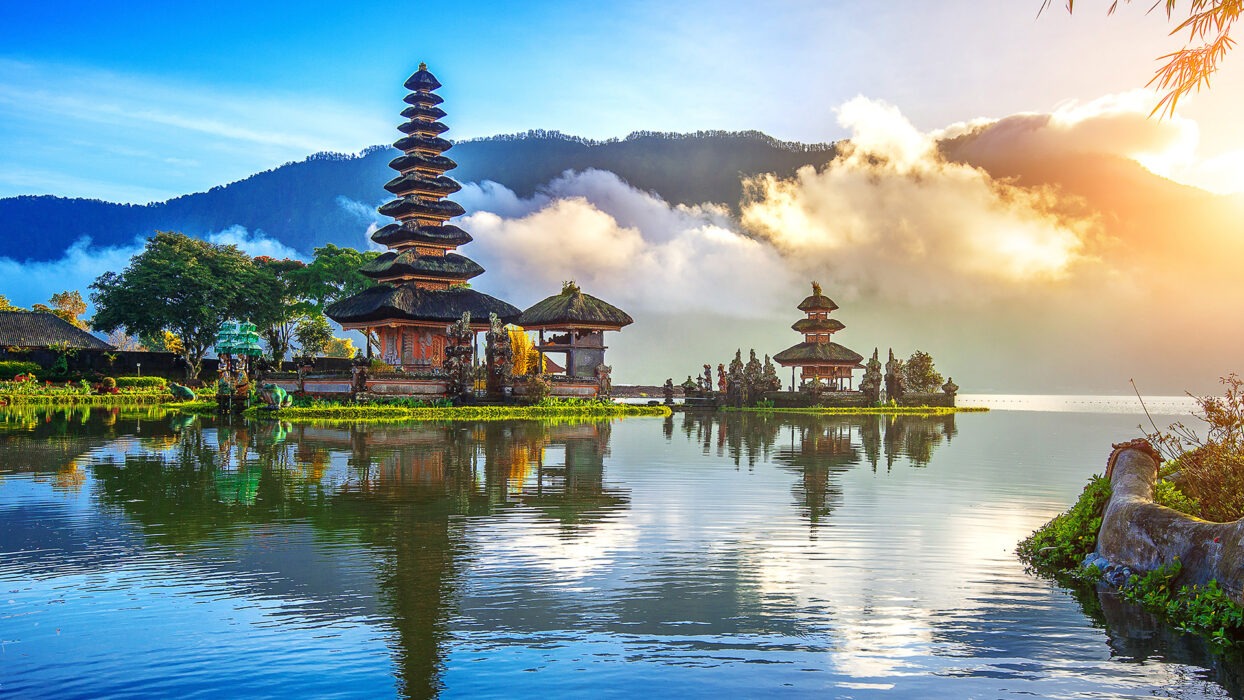
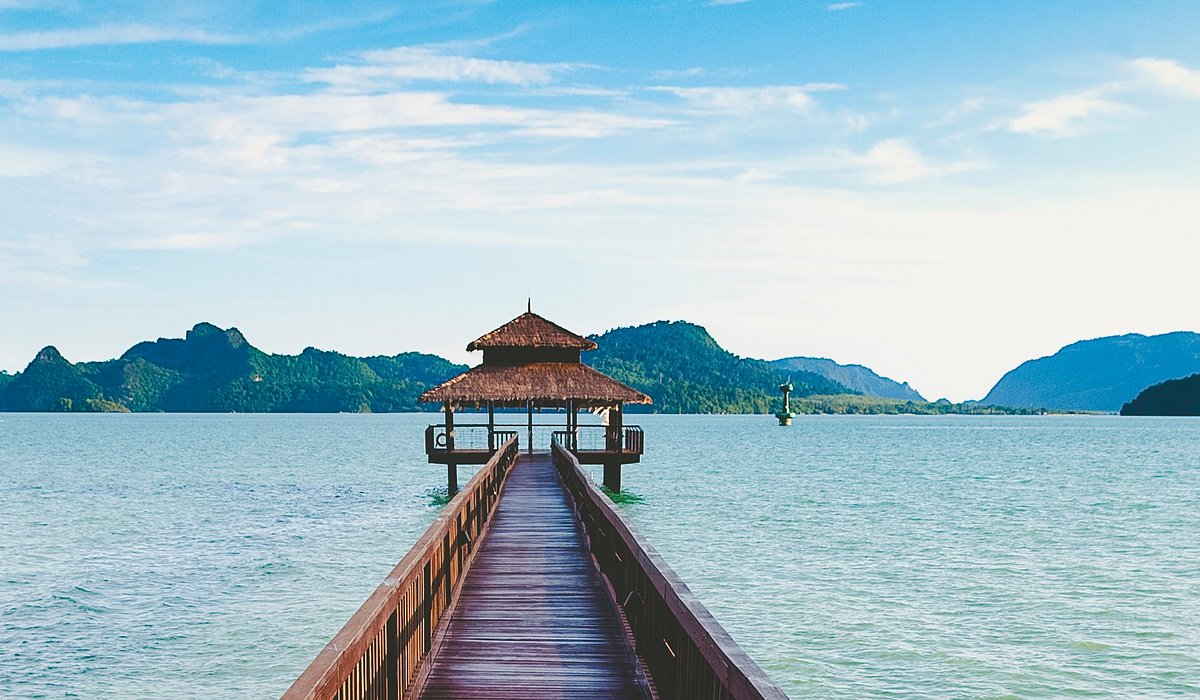
If you crave bustling spiritual vibes, diverse nightlife, and a thriving digital nomad scene, Bali is your pick, with a daily budget typically ranging from $40-100 USD. For those seeking pristine, quieter beaches, duty-free shopping, and a more relaxed, family-friendly atmosphere, Langkawi offers excellent value, often for $30-70 USD daily.
- Choose Bali: Best for culture seekers, surfers, digital nomads, and those who love a vibrant social scene with endless food and entertainment options.
- Choose Langkawi: Ideal for families, couples, nature lovers, and travelers prioritizing relaxation, pristine beaches, and duty-free shopping without the crowds.
- Choose Both: If you have at least 3 weeks and want a comprehensive Southeast Asia experience, combining them offers a perfect balance of culture, adventure, and relaxation. Fly into Bali, then a regional flight (e.g., via Kuala Lumpur) to Langkawi.
Quick Comparison
| Category | Bali | Langkawi | Winner |
|---|---|---|---|
| Beaches & Water Sports | Famous for surfing breaks (Uluwatu, Canggu), black sand beaches, and vibrant beach clubs. Can be crowded. | Pristine white sand, calm waters perfect for swimming and snorkeling. Less crowded and more laid-back. | Langkawi |
| Food & Dining | World-class international cuisine, vegan/healthy options, vibrant cafe culture, affordable local 'warungs'. | Excellent Malay, Indian, and fresh seafood. Great value at hawker stalls and local eateries. Less international variety. | Bali |
| Nightlife & Entertainment | Legendary party scene in Kuta, trendy beach clubs in Seminyak/Canggu, live music and chill bars. | Relaxed beach bars in Pantai Cenang, quiet pubs, limited club scene. More low-key. | Bali |
| Culture & Heritage | Rich Hindu culture, ancient temples, traditional dances, arts & crafts, spiritual retreats. | Malay heritage, traditional villages, Islamic influence, nature-focused attractions. | Bali |
| Costs & Budget | Can be very cheap for basics, but easy to spend big on luxury. Mid-range offers great value. | Generally more affordable across the board, especially for food and accommodation. Duty-free shopping a bonus. | Langkawi |
| Getting There | Ngurah Rai International Airport (DPS) is a major hub with direct flights from many global cities. | Langkawi International Airport (LGK) requires connecting flights, often via Kuala Lumpur (KUL) or Singapore (SIN). | Bali |
| Getting Around | Gojek/Grab ride-hailing is essential. Scooters are popular but traffic is heavy. Taxis available. | Grab ride-hailing is common. Renting a car/scooter is easy. Less traffic, longer distances between attractions. | Langkawi |
| Accommodation Options | Huge range: luxury villas with private pools, boutique hotels, trendy hostels, budget guesthouses. Incredible variety. | Primarily resorts and mid-range hotels. Fewer boutique options or dedicated hostels. Good value for money. | Bali |
| Nature & Adventure | Volcano hikes (Mt. Batur), iconic rice terraces, waterfalls, surfing, diving, lush jungles. | UNESCO Global Geopark (Kilim Karst), rainforests, cable car/SkyBridge, island hopping, mangrove tours. | Tie |
| Safety & Security | Generally safe but petty crime (bag snatching) and scams are present. Traffic can be dangerous. | Very safe for tourists. Low crime rates, relaxed atmosphere. Less traffic. | Langkawi |
🏖️ Beaches & Water Sports
Bali offers diverse beaches, from the iconic surfing waves of Uluwatu and Padang Padang to the vibrant, social sands of Seminyak and Canggu. While beautiful, many of Bali's popular beaches can feel quite busy, and some areas like Kuta have a party-centric vibe. Water quality can vary, especially near heavily developed areas. For surfing, Bali is unparalleled globally, with lessons available for around IDR 300,000-500,000 (~$20-35 USD) for two hours. Langkawi, on the other hand, boasts some of Malaysia's most stunning and undeveloped beaches, like Pantai Cenang, Pantai Tengah, and the incredibly serene Tanjung Rhu. The waters are typically clearer, calmer, and better suited for relaxed swimming, snorkeling, and island hopping (a 3-island hopping tour costs around MYR 35-50 / ~$8-11 USD). You won't find the massive surf breaks here, but the tranquil beauty is unmatched. "Honestly, if you just want to chill on a perfect beach without a million hawkers, Langkawi wins hands down. Tanjung Rhu felt like a private paradise." So, for pure beach serenity and crystal-clear waters, Langkawi takes the crown.
Winner takeaway
- Winner: Langkawi
- Why: Langkawi offers more pristine, less crowded beaches with clearer waters ideal for relaxation and swimming.
- Who this matters for: Beach purists, families, and those seeking quiet relaxation over surf and crowds.
🍽️ Food & Dining
Bali's food scene is a global culinary powerhouse. From high-end fine dining in Seminyak like Métis or Sarong, to trendy vegan cafes in Canggu (e.g., Kynd Community, The Shady Shack), and authentic, incredibly cheap Nasi Campur or Babi Guling at local warungs (a filling meal for IDR 20,000-50,000 / ~$1.50-3.50 USD), there's something for every palate and budget. The sheer variety and quality are astounding, making it a paradise for foodies and those with dietary preferences. Langkawi’s food offers a different, but equally delicious, experience. It excels in authentic Malay and Indian cuisine, particularly fresh seafood. You'll find fantastic hawker stalls and night markets (like the one in Pantai Cenang, meals for MYR 10-20 / ~$2-4 USD) serving up Nasi Kandar, Roti Canai, and grilled fish. While the local flavors are rich and satisfying, the international dining scene is far more limited compared to Bali. "Langkawi's night markets are great for cheap, tasty local food, but after a few days, I really missed Bali's endless options for a proper coffee or a fancy dinner." Bali's vast culinary landscape and diverse offerings secure its win.
Winner takeaway
- Winner: Bali
- Why: Bali offers unparalleled diversity, quality, and choice in its food scene, catering to all tastes and budgets.
- Who this matters for: Foodies, digital nomads, and those with specific dietary needs or a desire for high-end dining.
🎉 Nightlife & Entertainment
Bali is synonymous with vibrant nightlife. Kuta remains the epicenter for budget-friendly clubs and late-night parties (think Sky Garden, entrance around IDR 100,000 / ~$7 USD, including a drink). Seminyak and Canggu offer a more sophisticated scene with world-famous beach clubs like Potato Head, Finns Beach Club, and Ku De Ta, where you can enjoy sunset cocktails and DJ sets (cocktails typically IDR 120,000-180,000 / ~$8-12 USD). Live music venues, jazz clubs, and cozy bars are plentiful, especially in Ubud and Canggu. There's a constant buzz and diverse options for every night owl. Langkawi, in contrast, offers a much more subdued nightlife. The main action centers around Pantai Cenang, where you'll find a handful of relaxed beach bars like D'Reef at The Cliff or Babylon Mat Lounge, perfect for enjoying a beer or cocktail while watching the sunset (beers MYR 10-15 / ~$2-3 USD). There are no large clubs or extensive party scenes; the vibe is generally quiet and family-friendly. "If you're looking for a proper party or buzzing beach clubs, Bali's got it locked. Langkawi is more about a quiet drink and early nights." For an energetic and diverse nightlife, Bali is the undisputed champion.
Winner takeaway
- Winner: Bali
- Why: Bali offers a vastly more diverse, extensive, and energetic nightlife scene, from world-class beach clubs to budget-friendly party zones.
- Who this matters for: Party-goers, social butterflies, and those who enjoy vibrant evening entertainment.
🎭 Culture & Heritage
Bali is often called the 'Island of the Gods' due to its deeply ingrained and unique Hindu culture. Temples like Tanah Lot, Uluwatu, and Besakih are not just architectural marvels but living places of worship. Daily offerings (Canang Sari) are visible everywhere, and traditional ceremonies, dances (Kecak, Barong), and gamelan music are integral to daily life. Ubud, in particular, is a hub for arts, crafts, yoga, and spiritual retreats, offering immersive experiences. You can take a Balinese cooking class (around IDR 400,000-600,000 / ~$27-40 USD) or attend a traditional dance performance for IDR 100,000-150,000 (~$7-10 USD). Langkawi, while rich in Malay culture and Islamic traditions, is far less overtly cultural in its tourist offerings. Its heritage is woven into its traditional villages, local markets, and cuisine, but it lacks the monumental temples, daily rituals, and performance arts that define Bali. Attractions here are more nature-focused. "Bali's culture hits you everywhere, from the temples to the daily offerings. Langkawi is nice, but it's not a cultural deep dive like Bali." For an immersive cultural and spiritual experience, Bali is unmatched.
Winner takeaway
- Winner: Bali
- Why: Bali provides a profound, vibrant, and accessible cultural experience with its unique Hindu heritage, temples, and daily traditions.
- Who this matters for: Culture enthusiasts, spiritual seekers, and those interested in traditional arts and rituals.
💰 Costs & Budget
Bali offers a wide range of prices, allowing for both ultra-budget and extreme luxury travel. A hostel bed can be IDR 100,000-200,000 (~$7-14 USD), a mid-range hotel IDR 500,000-1,500,000 (~$35-100 USD), and a luxury villa thousands. Local food is incredibly cheap (IDR 20,000-50,000), but Western meals and alcohol (outside local beer) can quickly add up. Transport (Gojek/Grab) is cheap for short distances. Overall, a comfortable mid-range daily budget is around $60-80 USD. Langkawi is generally more consistently affordable. A decent mid-range hotel might cost MYR 150-300 (~$33-65 USD), and local meals are very budget-friendly, often MYR 10-25 (~$2-5 USD). The island's duty-free status means alcohol, chocolates, and tobacco are significantly cheaper than mainland Malaysia or Bali (a beer can be MYR 5-8 / ~$1-1.75 USD). Attractions like the SkyBridge (MYR 65 / ~$14 USD) are reasonably priced. "My Langkawi trip felt way cheaper than Bali, especially because I could grab duty-free beer and snacks easily. Food at the night markets was a steal." While Bali has cheap options, Langkawi's overall cost of living and duty-free benefits give it the edge for consistent budget travel.
Winner takeaway
- Winner: Langkawi
- Why: Langkawi consistently offers more affordable prices for accommodation, food, and duty-free goods, providing better overall value.
- Who this matters for: Budget travelers, families, and those seeking to maximize their spending power.
✈️ Getting There
Bali's Ngurah Rai International Airport (DPS) is one of Southeast Asia's busiest and most connected airports. It serves as a major hub with direct flights from numerous cities across Asia, Australia, and even some European routes. This makes getting to Bali relatively straightforward and often quicker, especially for international travelers. A flight from Singapore to Bali takes around 2.5 hours, and from Sydney, about 6.5 hours. Langkawi International Airport (LGK) is smaller and primarily serves domestic flights within Malaysia, with some international connections, most notably from Singapore. For most international travelers, reaching Langkawi will involve a connecting flight, typically through Kuala Lumpur (KUL). A flight from Kuala Lumpur to Langkawi takes about 1 hour. While connections are usually smooth, it adds an extra layer of travel time and potential layovers. "Getting to Bali felt like one hop, while Langkawi always seemed to need that extra flight from KL or Singapore." Bali's superior international connectivity makes it the easier destination to reach for global visitors.
Winner takeaway
- Winner: Bali
- Why: Bali has significantly better international flight connectivity, offering more direct routes and easier access from major global cities.
- Who this matters for: International travelers seeking direct flights and minimal layovers.
🛵 Getting Around
Navigating Bali can be an adventure in itself. Gojek and Grab are indispensable ride-hailing apps, offering cheap motorbike rides (Ojek) or car services. Expect to pay IDR 20,000-50,000 (~$1.50-3.50 USD) for short trips. Renting a scooter (around IDR 70,000-100,000 / ~$5-7 USD per day) is popular but requires confidence due to notorious traffic congestion, especially in Kuta, Seminyak, and Canggu. Longer distances, like from Seminyak to Ubud, can take over an hour and cost IDR 200,000-300,000 (~$14-20 USD) by car. Langkawi offers a much more relaxed transport experience. Grab is widely available and affordable for rides across the island. Car rental is highly recommended and straightforward (MYR 80-150 / ~$17-33 USD per day for a basic car), as distances between attractions can be significant (e.g., Pantai Cenang to Kilim Karst Geoforest Park is ~30 minutes drive). Traffic is minimal compared to Bali. Scooters are also available for rent (MYR 30-50 / ~$6-11 USD per day) and are a pleasant way to explore the less congested roads. "Bali's traffic gave me anxiety, even on a scooter. Langkawi was so much chiller to drive around, felt safer." Langkawi's calmer roads and ease of self-drive make it the winner.
Winner takeaway
- Winner: Langkawi
- Why: Langkawi has significantly less traffic, making self-driving or using ride-hailing services much more pleasant and efficient.
- Who this matters for: Independent travelers, families, and those preferring self-drive or stress-free transit.
🏨 Accommodation Options
Bali's accommodation landscape is incredibly diverse and caters to every budget and style imaginable. You can find luxurious private villas with infinity pools in Ubud or Seminyak for $200-500+ USD per night (e.g., The Ubud Village Resort & Spa), stylish boutique hotels like Hotel Tugu Bali for $150-300 USD, vibrant hostels with excellent facilities in Canggu for $10-25 USD (e.g., The Farm Hostel), or charming local guesthouses for $30-60 USD. The competition is fierce, leading to excellent value across all segments. Langkawi, while offering good value, has a less varied selection. Its market is dominated by large resorts along Pantai Cenang and Pantai Kok (e.g., Pelangi Beach Resort & Spa, The Danna Langkawi, typically MYR 400-800 / ~$85-170 USD per night) and a good number of mid-range hotels (MYR 150-300 / ~$33-65 USD). While there are some budget guesthouses and a few hostels (e.g., Bed Attitude Hostel, MYR 50-80 / ~$11-17 USD), the unique boutique stays and luxury villa experiences are not as prevalent or as diverse as in Bali. "I loved having so many unique villa options in Bali, from rice field views to beachside. Langkawi felt more resort-y, which is fine, but less choice." Bali's sheer breadth and depth of accommodation choices make it the clear winner.
Winner takeaway
- Winner: Bali
- Why: Bali offers an unparalleled diversity of accommodation options, from ultra-luxury villas to trendy hostels, catering to all tastes and budgets with exceptional value.
- Who this matters for: Travelers seeking unique stays, luxury experiences, budget-friendly social hostels, or specific aesthetic preferences.
⛰️ Nature & Adventure
Both destinations are nature lover's dreams, albeit with different appeals. Bali boasts dramatic volcanic landscapes (like the sunrise trek up Mount Batur, typically IDR 500,000-800,000 / ~$35-55 USD including guide and breakfast), iconic Tegalalang rice terraces, lush waterfalls (Sekumpul, Tegenungan), and world-class surfing and diving spots around Nusa Islands. Its interior is defined by vibrant green jungles and rivers perfect for white-water rafting (around IDR 400,000-600,000 / ~$27-40 USD). Langkawi, a UNESCO Global Geopark, showcases ancient limestone karsts, dense rainforests, and unique geological formations. Must-dos include the Langkawi Cable Car and SkyBridge (MYR 65 / ~$14 USD), exploring the Kilim Karst Geoforest Park on a mangrove tour (MYR 200-300 / ~$44-65 USD for a private boat), and relaxing on serene, jungle-fringed beaches. Its island hopping tours reveal beautiful secluded spots. "Bali's rice paddies and volcano treks are insane, but Langkawi's Geoforest Park and the SkyBridge felt truly unique, like another planet." While Bali offers more active adventure sports like serious surfing and volcano trekking, Langkawi's ancient geological wonders and pristine rainforests offer a equally compelling, albeit different, natural experience. It's a tie, depending on what type of nature and adventure you seek.
Winner takeaway
- Winner: Tie
- Why: Both offer distinct and equally compelling natural attractions, from Bali's volcanoes and rice paddies to Langkawi's ancient geopark and rainforests.
- Who this matters for: Nature lovers and adventure seekers; choose based on preference for volcanic treks vs. geological formations.
🚨 Safety & Security
Bali is generally safe for tourists, but it's essential to be aware of common issues. Petty crime, such as bag snatching (especially by motorbike riders), occurs in crowded tourist areas like Kuta and Seminyak. There are also various scams, particularly around money changers and taxi services, which require vigilance. Traffic accidents, particularly involving scooters, are unfortunately common due to chaotic driving styles and poor road conditions in some areas. Always wear a helmet and be cautious. Langkawi is renowned for being one of the safest tourist destinations in Southeast Asia. Crime rates are very low, and visitors can generally feel comfortable walking around at night, even in less crowded areas. The atmosphere is much more relaxed, with less aggressive touting or pushy vendors. Traffic is significantly lighter and more orderly, reducing the risk of accidents. "I felt way more relaxed walking around Langkawi at night than I ever did in parts of Bali. Just a different vibe." For a truly worry-free travel experience with minimal safety concerns, Langkawi is the clear winner.
Winner takeaway
- Winner: Langkawi
- Why: Langkawi boasts significantly lower crime rates and a more relaxed environment, making it a safer and less stressful destination for tourists.
- Who this matters for: Families, solo female travelers, and those prioritizing a very secure and peaceful environment.
❓ Frequently Asked Questions
Which destination is better for a honeymoon?
Both offer romantic getaways. Bali wins for sheer luxury villas, vibrant sunset beach clubs, and spiritual couples' activities like yoga retreats. Langkawi excels with serene, less crowded beaches, private island excursions, and excellent value resorts, ideal for a quiet, relaxing escape.
Is Bali or Langkawi better for families with young children?
Langkawi is often preferred for families. It's generally safer, has calmer beaches, less traffic, and attractions like the SkyBridge and Geoforest Park are very accessible. Bali can be more chaotic, but offers more dedicated kids' clubs and diverse activity parks if you stay in family-friendly resorts.
Which has better diving and snorkeling?
For serious diving, Bali's surrounding islands (Nusa Penida, Gili Islands - accessible via fast boat) offer world-class sites with manta rays, Mola Mola, and vibrant corals. Langkawi has decent snorkeling and diving, especially around Pulau Payar Marine Park, but it doesn't quite match the diversity and renown of Bali's dive spots.
What's the best time to visit each destination?
Bali's dry season (April to October) is ideal for sunny weather. Langkawi's peak dry season (November to March) offers clear skies and calm seas, though it's generally good year-round with short, heavy rains in the wet season.
Can I easily travel between Bali and Langkawi?
Yes, but not directly. You'd typically fly from Bali (DPS) to Kuala Lumpur (KUL) or Singapore (SIN), then take another connecting flight to Langkawi (LGK). This usually involves a full day of travel, so plan accordingly.
Which destination offers better shopping?
Langkawi wins for duty-free shopping, particularly for alcohol, chocolates, and tobacco, found in Kuah Town. Bali offers a more diverse shopping experience with vibrant markets (Ubud Art Market), local crafts, fashion boutiques in Seminyak, and unique homeware, but at standard prices.
Is English widely spoken in both places?
Yes, English is widely spoken in tourist areas of both Bali and Langkawi due to their international tourism. However, learning a few basic phrases in Bahasa Indonesia (for Bali) or Bahasa Malaysia (for Langkawi) is always appreciated by locals.
Which is better for digital nomads?
Bali, particularly Canggu and Ubud, is a global hotspot for digital nomads. It offers a thriving community, abundant co-working spaces (e.g., Dojo Bali, Outpost), reliable internet, diverse food, and a vibrant social scene. Langkawi lacks the infrastructure and community for long-term remote work.
Ready to plan your Southeast Asia trip?
Get a free custom itinerary for Bali, Langkawi, or both — built from real traveler insights.
🎟️ Book Tours & Experiences
Hand-picked tours and activities for both destinations — book with free cancellation
Experiences via Viator — free cancellation on most tours