How we built this comparison
This page combines traveler discussion patterns, published price ranges, flight schedules, and seasonal data to help you decide between Bali and Philippines.
- Reviewed 500+ Reddit threads from r/travel, r/solotravel, r/Bali, r/Philippines, and r/digitalnomad.
- Verified costs and logistics against current booking platforms (Booking.com, Agoda, Skyscanner, Grab/Gojek).
- Cross-referenced seasonal patterns and weather data with local forecasts and climate reports for optimal travel times.
⚡ The TL;DR Verdict
If you crave a balanced mix of culture, wellness, developed infrastructure, and a vibrant social scene, Bali is your pick, typically costing $50-100 USD/day. For raw natural beauty, unparalleled island-hopping, and a more adventurous, budget-conscious trip focused purely on beaches and ocean, the Philippines wins at $40-80 USD/day.
- Choose Bali: You're seeking a blend of spiritual retreats, world-class dining, well-established tourist infrastructure, fantastic surfing, and a diverse range of activities from yoga to nightlife. Ideal for solo travelers, couples, digital nomads, and families seeking comfort.
- Choose Philippines: You prioritize breathtaking, pristine natural landscapes, particularly incredible beaches, diving, and island-hopping adventures, even if it means sacrificing some comfort and dealing with less developed infrastructure. Perfect for adventurers, budget backpackers, and dive enthusiasts.
- Choose Both: If you have 3+ weeks and a decent budget (minimum $1800-2500 USD not including flights), you can absolutely do both! Start with Bali for a week or two to ease in, then hop over to the Philippines for an epic island adventure.
Quick Comparison
| Category | Bali | Philippines | Winner |
|---|---|---|---|
| Beaches & Water Activities | Volcanic black sands in the north, popular surf breaks in the south (Uluwatu, Canggu), calm waters for swimming in Nusa Islands. Good diving but not world-class. | Stunning white sand beaches (El Nido, Boracay), world-class diving (Coron, Malapascua), pristine coral reefs, and incredible island-hopping. | Philippines |
| Food Scene | Diverse international and local cuisine, thriving vegan/vegetarian scene, high-quality cafes, and fine dining. Street food is good but less prevalent than upscale options. | Hearty, savory Filipino comfort food (adobo, sinigang), strong Chinese and Spanish influences. Less emphasis on vegetarian or international options outside major cities. | Bali |
| Nightlife & Parties | World-famous beach clubs (Potato Head, Finns), vibrant Kuta/Legian party scene, more chill Canggu bars, and sophisticated Seminyak lounges. | Boracay is the main party hub, otherwise, nightlife is more subdued, focused on local bars, karaoke, or smaller beachside gatherings. Manila has some clubs but it's not a tourist draw. | Bali |
| Culture & History | Deeply spiritual Hindu culture, ancient temples, traditional dance, rice terraces, arts, and crafts. Very accessible and visible. | Rich blend of indigenous, Spanish, and American influences. Strong Catholic presence, historical sites in Manila/Cebu, tribal cultures in remote areas. Less immediately visible or centralized. | Bali |
| Costs & Budget | Generally affordable for Westerners, but can be pricier than other SE Asian spots due to tourism. Good value for mid-range. USD $50-100/day. | Can be very budget-friendly, especially outside tourist hotspots. Internal flights add up. More basic infrastructure means less luxury, but cheaper local options. USD $40-80/day. | Philippines |
| Getting Around | Easy to rent scooters, widespread use of Gojek/Grab ride-hailing apps, and affordable private drivers. Roads can be busy but generally manageable. | Challenging due to fragmented geography. Requires many internal flights, ferries, tricycles, and jeepneys. Less reliable ride-hailing outside major cities. | Bali |
| Accommodation | Vast range of options from budget hostels to luxury resorts, private villas with pools, and boutique hotels. High standards of service. | Diverse, but often simpler. Budget guesthouses and resorts are common. Luxury options exist, but private villas with pools are less prevalent and harder to find. | Bali |
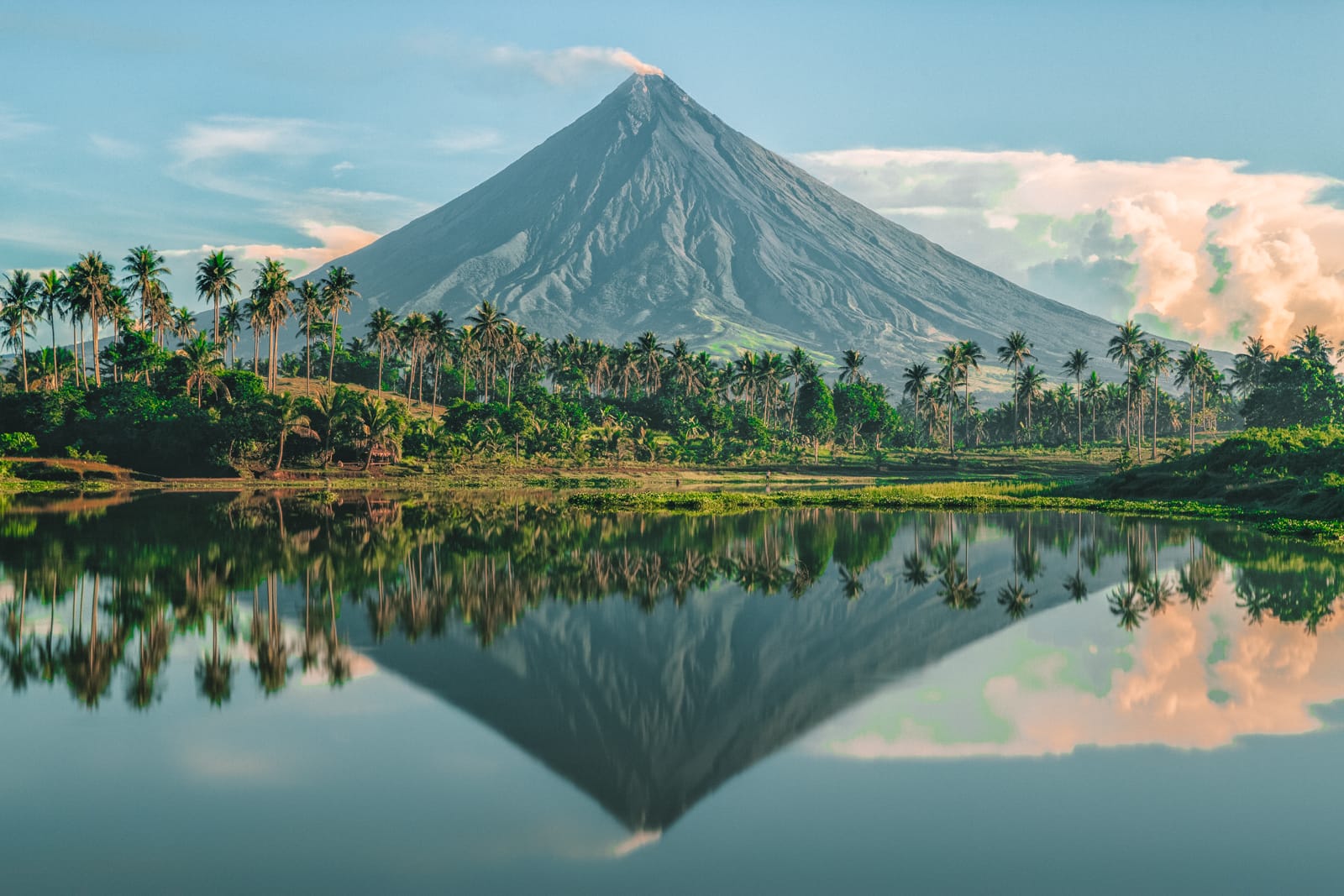
| Nature & Scenery (Beyond Beaches) | Lush rice terraces (Tegalalang), active volcanoes (Mount Batur), waterfalls (Sekumpul), monkey forests, and spiritual rivers. Green and vibrant. | Limestone karsts (Palawan), volcanic landscapes (Mayon Volcano), underground rivers (Puerto Princesa), stunning marine life, and unique geological formations. Dramatic and diverse. | Tie |
| Safety & Solo Travel | Generally safe, well-trodden tourist paths, friendly locals. Common scams (e.g., transport), petty theft, and occasional bag snatching can occur. Good for solo female travelers. | Generally safe in tourist areas, but some regions (Mindanao) have travel warnings. Petty crime exists. Less solo female traveler infrastructure than Bali. | Bali |
| Digital Nomad Scene | Massive, thriving hub with co-working spaces, strong expat community, fast Wi-Fi, cafes everywhere, and a mature infrastructure. | Growing, but smaller and less developed. Manila/Cebu have hubs, but island life means slower Wi-Fi and fewer dedicated co-working spaces. Strong sense of local community. | Bali |
🏖️ Beaches & Water Activities
When it comes to sheer natural beauty and variety of water experiences, the Philippines is simply unmatched. Places like El Nido and Coron in Palawan offer dramatic limestone karsts, hidden lagoons, and crystal-clear waters perfect for snorkeling, diving, and island-hopping tours that cost around ₱1,200-1,800 ($20-30 USD) for a full day. Boracay's White Beach is iconic, though busy, with fine white sand. Bali has great surf breaks like Uluwatu and Echo Beach (board rentals ~IDR 50,000-100,000 / $3-7 USD), and the Nusa Islands (Penida, Lembongan) offer decent snorkeling and Manta Ray sightings, but the sand beaches often have a more volcanic, coarser feel compared to the fine powdery sands of the Philippines. Diving in the Philippines, especially around Malapascua for thresher sharks or Coron for WWII wrecks, is globally renowned. "Honestly, El Nido blew Bali's beaches out of the water for me. Nothing in Bali compared to the lagoons and secret beaches in Palawan." - u/IslandHopperDan.
Winner takeaway
- Winner: Philippines
- Why: The Philippines boasts a greater number of truly pristine, world-class white sand beaches, iconic island-hopping opportunities, and superior diving experiences.
- Who this matters for: Beach lovers, divers, snorkelers, and adventurers seeking untouched natural beauty.
🍜 Food Scene
Bali's food scene is a global culinary powerhouse, especially strong in areas like Canggu, Seminyak, and Ubud. You'll find everything from Michelin-star level fine dining (e.g., Locavore in Ubud, though it's currently on hiatus/relocating) to incredible vegan cafes like 'Kynd Community' and 'Peloton Super Shop' (main dishes IDR 70,000-150,000 / $5-10 USD). Local Warungs offer delicious Nasi Goreng or Mie Goreng for IDR 20,000-40,000 ($1.50-3 USD). The variety and quality, particularly for healthy and international options, are unparalleled in Southeast Asia. The Philippines offers delicious, comforting food like Chicken Adobo, Sinigang (sour soup), and Lechon (roasted pig), which you can find in local 'carinderias' for ₱80-150 ($1.50-2.50 USD) a meal. However, outside of Manila or Cebu, the international food scene is limited, and vegetarian options can be a struggle. "Bali is a foodie paradise. I swear I ate the best avocado toast of my life there, and then incredible Indonesian curries for dinner. Philippines was good but more limited." - u/VeganTraveller88.
Winner takeaway
- Winner: Bali
- Why: Bali offers an extraordinarily diverse, high-quality, and health-conscious food scene catering to all tastes, far surpassing the Philippines in variety and accessibility of international options.
- Who this matters for: Foodies, health-conscious travelers, vegans/vegetarians, and those who enjoy a wide range of culinary experiences.
🍻 Nightlife & Parties
Bali is a party animal's dream, offering something for every vibe. Kuta and Legian are known for their wild, budget-friendly clubs and bars where drinks can be as cheap as IDR 30,000-50,000 ($2-3.50 USD). Canggu provides a more laid-back, yet buzzing scene with live music and DJ sets at places like Old Man's or The Lawn, attracting a younger surf crowd. Seminyak features upscale lounges and beach clubs like Ku De Ta and Potato Head, where cocktails might run IDR 120,000-180,000 ($8-12 USD). The Philippines' nightlife is largely concentrated on Boracay's White Beach, which has numerous bars and clubs along the sand, offering a lively but perhaps less diverse experience. Other islands typically have very limited nightlife, often just a few local bars or resorts with their own entertainment. Manila has a club scene, but it's not integrated into the typical tourist trail. "If you want to party, Bali is it. Finns Beach Club alone is an experience. Boracay is fun, but it's just one strip." - u/PartyAnimalAbroad.
Winner takeaway
- Winner: Bali
- Why: Bali offers a far more diverse, developed, and internationally renowned nightlife scene, from mega beach clubs to intimate bars, catering to all party preferences.
- Who this matters for: Party-goers, social butterflies, and those who enjoy a lively evening scene.
🎭 Culture & History
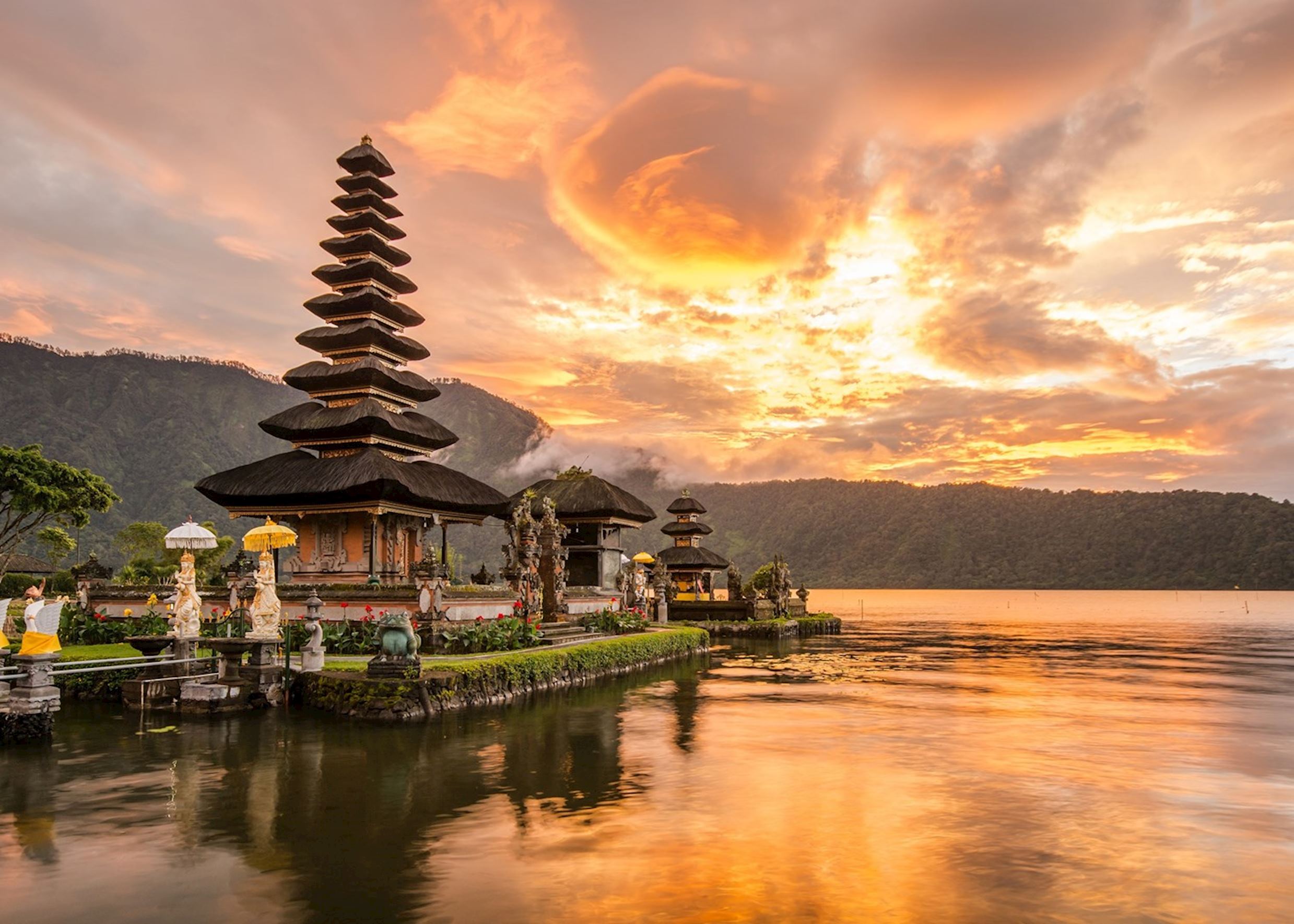
Bali's culture is its beating heart, a unique blend of Hinduism deeply integrated into daily life. You'll witness daily offerings (Canang Sari) on sidewalks, grand temple ceremonies (Pura Tanah Lot, Pura Ulun Danu Beratan entrance fees ~IDR 60,000 / $4 USD), traditional dance performances, and vibrant arts and crafts markets (Ubud Market). It's an immersive experience that feels incredibly authentic and accessible. The Philippines has a fascinating cultural tapestry influenced by over 300 years of Spanish colonization (Catholicism is dominant) and American rule. Historical sites like Intramuros in Manila offer a glimpse into the past, and vibrant festivals (Sinulog, Ati-Atihan) are incredible. However, the cultural experience is more fragmented and less overtly 'spiritual' or visually cohesive than Bali's. Outside of festivals or specific historical areas, it's harder to organically stumble upon the rich cultural traditions in the same way you do in Bali. "Bali's culture hits you from the moment you land. Every corner has a temple or an offering. Philippines has history, but it's not as omnipresent." - u/CultureSeeker77.
Winner takeaway
- Winner: Bali
- Why: Bali offers a more pervasive, accessible, and visually stunning cultural experience with its unique Hindu traditions, temples, and daily rituals.
- Who this matters for: Cultural enthusiasts, history buffs, spiritual seekers, and those interested in traditional arts.
💰 Costs & Budget
While both destinations offer good value, the Philippines generally edges out Bali for pure budget-friendliness if you're willing to stick to local options and simpler accommodations. A basic meal in a local 'carinderia' in the Philippines can be ₱80-150 ($1.50-2.50 USD), while a similar meal in a Balinese warung is IDR 20,000-40,000 ($1.50-3 USD). Accommodation is where the Philippines shines for budget travelers: guesthouses can be found for ₱500-1,000 ($9-18 USD) per night, whereas a comparable Balinese guesthouse starts around IDR 150,000-300,000 ($10-20 USD). However, internal flights are often necessary in the Philippines, and these can quickly add up, easily costing ₱1,500-3,000 ($25-50 USD) per leg. Bali's transport is often by scooter rental (IDR 60,000-80,000 / $4-5.50 USD per day) or Gojek/Grab, which is very affordable. If you aim for mid-range comfort (nice restaurants, private room), Bali becomes very comparable or even slightly cheaper due to its developed infrastructure. "Philippines is cheaper if you're a true backpacker. But those inter-island flights really mess with the budget if you want to see a lot." - u/BudgetTraveler23.
Winner takeaway
- Winner: Philippines
- Why: The Philippines offers slightly lower baseline costs for accommodation, food, and activities, making it a more attractive option for strict budget travelers, despite potentially higher internal flight costs.
- Who this matters for: Budget backpackers, long-term travelers, and those prioritizing cost savings.
🛵 Getting Around
Getting around Bali is relatively straightforward and efficient. Scooter rental is king, costing around IDR 60,000-80,000 ($4-5.50 USD) per day, offering maximum flexibility. For those uncomfortable on two wheels, Gojek and Grab are widely available and extremely affordable, with short rides costing IDR 20,000-50,000 ($1.50-3.50 USD). Private drivers are also common and reasonably priced for longer distances or day tours (IDR 500,000-800,000 / $35-55 USD for a full day). The Philippines, however, is an archipelago of over 7,000 islands, making inter-island travel a significant logistical hurdle. You'll rely heavily on internal flights (Cebu Pacific, AirAsia), which need to be booked in advance and can add up. Once on an island, tricycles (motored rickshaws, ~₱20-100 / $0.35-1.75 USD for short rides) and jeepneys are common, but ride-hailing apps are less prevalent outside Manila/Cebu. The travel often involves multiple modes of transport and can be time-consuming. "Bali is so easy to get around with a scooter or Gojek. In the Philippines, I felt like I spent half my trip just traveling between places." - u/LogisticsLover.
Winner takeaway
- Winner: Bali
- Why: Bali's compact geography and excellent, affordable local transport options (scooters, ride-hailing, private drivers) make getting around significantly easier and more efficient.
- Who this matters for: Travelers who prefer convenience, desire independence in transport, and want to maximize sightseeing time.
🛌 Accommodation
Bali excels in accommodation, offering an incredible range for every budget and style, often with exceptional value. You can find beautiful hostels with pools for IDR 100,000-200,000 ($7-14 USD) per night (e.g., 'The Farm Hostel' in Canggu), charming mid-range guesthouses with private pools for IDR 400,000-800,000 ($27-55 USD), or opulent private villas and five-star resorts for IDR 1,500,000+ ($100+ USD). The sheer volume and quality of boutique hotels and private pool villas, even at mid-range prices, are a major draw. The Philippines also offers a good range, from basic guesthouses (₱500-1,000 / $9-18 USD) to comfortable resorts. However, the 'boutique villa with private pool' culture isn't as widespread or as competitively priced as in Bali. Luxury resorts exist (e.g., El Nido Resorts in Palawan, often $300-600+ USD/night), but they tend to be more exclusive and pricier. "I got a stunning private villa with a pool for like $60 a night in Bali. Couldn't find anything close to that value in the Philippines for the same price." - u/VillaHunter.
Winner takeaway
- Winner: Bali
- Why: Bali offers an unparalleled variety of accommodation, particularly excelling in value for money with its numerous private pool villas and boutique hotels, catering to all budgets with high standards.
- Who this matters for: Travelers seeking comfort, luxury, boutique experiences, or those who value privacy and amenities like private pools.
⛰️ Nature & Scenery (Beyond Beaches)
This category is a tough call as both offer distinct and awe-inspiring natural beauty. Bali showcases its vibrant green rice paddies, particularly the iconic Tegalalang Rice Terrace (entrance IDR 15,000 / $1 USD), sacred monkey forests, and numerous majestic waterfalls like Sekumpul. The sunrise trek up Mount Batur (around IDR 500,000-800,000 / $35-55 USD with guide) offers stunning volcanic vistas. The Philippines counters with its dramatic geological formations, most famously the limestone karsts of Palawan (El Nido, Coron) that create breathtaking seascapes. The Puerto Princesa Underground River (tour ~₱2,000-3,000 / $35-50 USD) is a UNESCO site, and the Chocolate Hills of Bohol offer a unique landscape. Mayon Volcano is another incredible natural wonder. Bali's nature feels more cultivated and spiritual, while the Philippines' nature is wilder and more 'untouched.' "Bali's rice fields and volcanoes are gorgeous, but the sheer drama of Palawan's karsts and lagoons is just next level. It's a different kind of beauty." - u/NatureLoverX.
Winner takeaway
- Winner: Tie
- Why: Both destinations offer incredibly diverse and unique natural landscapes that cater to different preferences, making it impossible to declare a single winner.
- Who this matters for: Nature lovers, photographers, hikers, and those who appreciate diverse landscapes.
🛡️ Safety & Solo Travel
Bali is widely considered a very safe destination for tourists, including solo female travelers. The well-established tourist infrastructure means help is usually at hand, and the Balinese people are generally friendly and welcoming. Common issues are petty theft (especially from scooters) and mild scams (e.g., inflated taxi prices), but serious crime is rare. Solo female travelers often report feeling very comfortable and finding plenty of opportunities to socialize. The Philippines is generally safe in major tourist hubs like Palawan, Boracay, and Cebu. However, some areas, particularly parts of Mindanao, have ongoing travel advisories due to insurgency and crime, which travelers should be aware of. Petty crime like pickpocketing is common in crowded areas. While Filipinos are very hospitable, the infrastructure for solo female travelers specifically isn't as developed or as visible as in Bali, meaning fewer dedicated female-only hostels or tour groups. "As a solo female traveler, Bali felt incredibly safe and easy to navigate. I met so many other solo women. Philippines was fine, but I felt more on my guard sometimes." - u/SoloGirlWanderlust.
Winner takeaway
- Winner: Bali
- Why: Bali's established tourist infrastructure, pervasive feeling of safety, and strong community for solo travelers (especially women) make it a slightly more comfortable and secure option.
- Who this matters for: Solo travelers (especially females), first-time international travelers, and those prioritizing a secure and hassle-free experience.
💻 Digital Nomad Scene
Bali, particularly Canggu and Ubud, is arguably the world's premier digital nomad hub. It boasts an incredible ecosystem: numerous co-working spaces like 'Dojo Bali' or 'Outpost' (monthly passes around IDR 1,500,000-2,500,000 / $100-170 USD), fast and reliable Wi-Fi in cafes and accommodations, a huge expat community, and endless networking events. The infrastructure caters specifically to remote workers, from healthy food options to scooter rentals. The Philippines has a growing digital nomad scene, primarily centered in Manila, Cebu, and to a lesser extent, Palawan. Co-working spaces exist (e.g., 'Work.able' in Manila), but they are fewer and farther between. Wi-Fi can be notoriously slow and unreliable, especially on smaller islands, which can be a major hurdle for remote work. While there's a community, it's not as large, structured, or visible as Bali's. "Bali is a dream for digital nomads. Reliable internet, cafes on every corner, and always someone to grab a coworking session with. Philippines WiFi gave me nightmares sometimes." - u/NomadLifeForever.
Winner takeaway
- Winner: Bali
- Why: Bali offers a far more developed, robust, and supportive ecosystem for digital nomads, with superior infrastructure, co-working spaces, and a massive community.
- Who this matters for: Digital nomads, remote workers, and those looking for a strong expat community and reliable work environment.
❓ Frequently Asked Questions
Which destination is better for a family trip with young kids?
Bali generally wins for families. It offers extensive family-friendly resorts with kids' clubs, safer swimming beaches, and better access to medical facilities. The transport is also more comfortable and less arduous than navigating the Philippines' islands.
Is diving significantly better in one over the other?
Yes, the Philippines is renowned globally for its diving, offering more diverse and pristine sites, including WWII wreck diving in Coron, thresher sharks in Malapascua, and vibrant coral reefs across many islands. Bali has decent diving, especially around the Nusa Islands, but it doesn't quite match the Philippines' world-class status.
Which destination has better infrastructure for tourists?
Bali's tourist infrastructure is significantly more developed. From efficient transport networks and diverse accommodation to a wide range of dining options and readily available medical services, Bali caters heavily to international tourists. The Philippines, while improving, can be more challenging to navigate with less consistent services.
Are there direct flights between Bali and the Philippines?
While not always direct, you can find flights connecting Denpasar (DPS) in Bali to Manila (MNL) or Cebu (CEB) with one stop, typically in Kuala Lumpur or Singapore. Direct flights are less common, so factor in a layover and about 5-8 hours total travel time.
What's the best time to visit each destination?
For Bali, the dry season (April to October) is ideal, with June-August being peak. For the Philippines, the dry season (November to May) is best, avoiding typhoon season, with March-May being hottest. Consider shoulder seasons for fewer crowds and good weather in both.
Which destination is better for surfing?
Bali is a world-renowned surfing destination, catering to all levels from beginner breaks like Seminyak to expert barrels at Uluwatu and Padang Padang. The waves are consistent, and there's a huge surf culture with many schools and rental shops. The Philippines has some surf spots (e.g., Siargao), but it's not as developed or as consistently good as Bali.
How do the people and hospitality compare?
Both Balinese and Filipinos are incredibly warm, friendly, and hospitable. Filipinos are known for their strong English proficiency, making communication very easy. Balinese people, while often speaking good English in tourist areas, have a unique gentle and spiritual demeanor. You'll feel welcomed in both.
Is vegetarian/vegan food easy to find in the Philippines?
It can be challenging outside of major cities like Manila or Cebu. Filipino cuisine is very meat-centric. While you can usually find vegetable dishes (often with fish sauce), dedicated vegetarian/vegan restaurants are rare. Bali, in contrast, is a vegan paradise with countless plant-based eateries.
Ready to plan your Southeast Asia adventure?
Get a free custom itinerary for Bali, Philippines, or both — built from real traveler insights.
🎟️ Book Tours & Experiences
Hand-picked tours and activities for both destinations — book with free cancellation
Experiences via Viator — free cancellation on most tours