How we built this comparison
This page combines traveler discussion patterns, published price ranges, flight schedules, and seasonal data to help you decide between Bali and Siargao.
- Reviewed 100+ Reddit threads from r/travel, r/solotravel, r/Bali, r/Philippines, and r/digitalnomad.
- Verified costs and logistics against current booking platforms like Booking.com, Agoda, Grab, and local tour operators.
- Cross-referenced seasonal patterns, weather data, and local event calendars for optimal timing.
⚡ The TL;DR Verdict
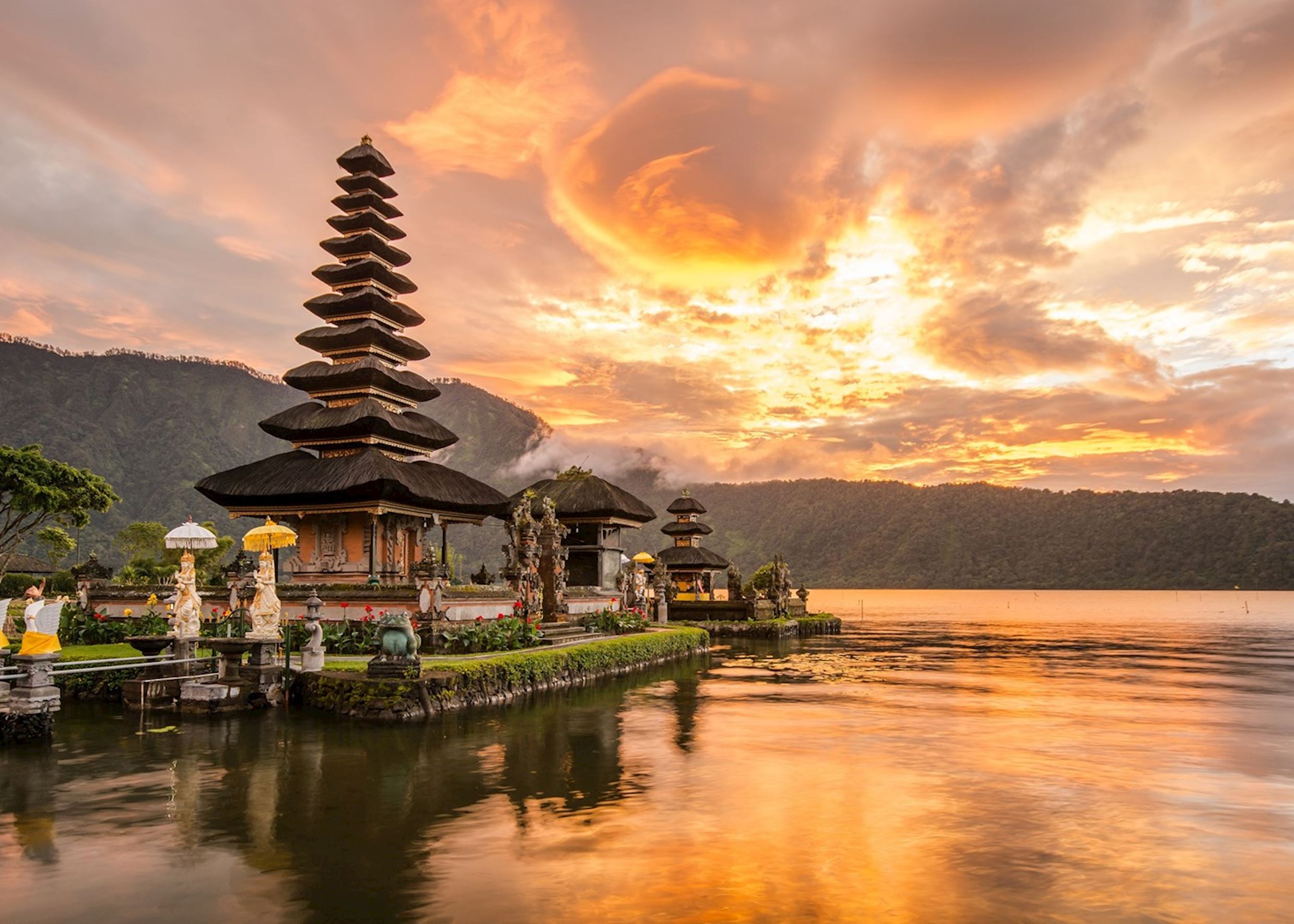
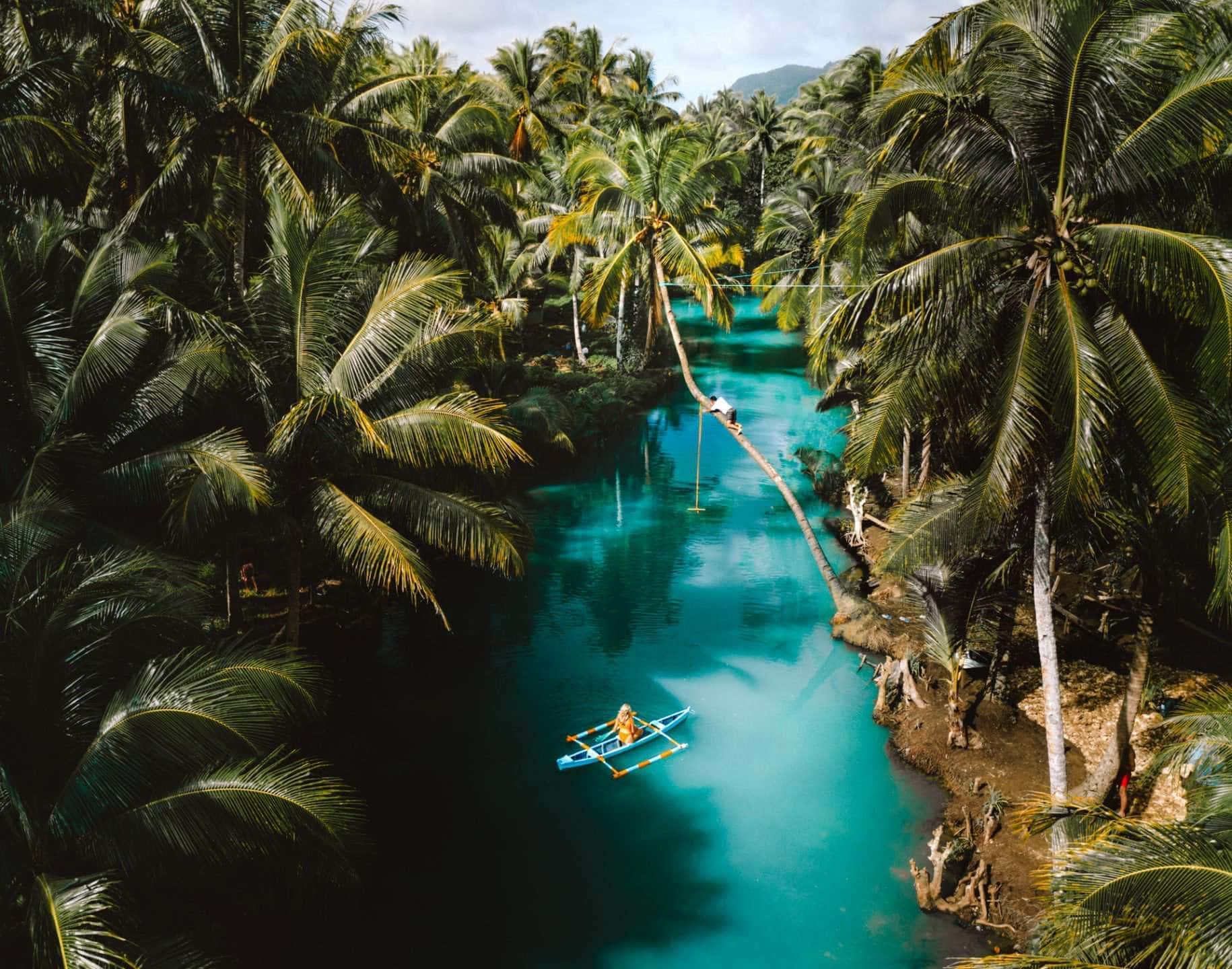
If you crave a well-trodden path of spiritual discovery, diverse cuisine, and vibrant nightlife with a higher budget, Bali is your winner. For the adventurous soul seeking pristine surf, raw natural beauty, and a laid-back, budget-friendly island vibe, Siargao calls. Expect to spend $60-$100 USD/day in Siargao and $80-$150 USD/day in Bali.
- Choose Bali: You're looking for a diverse experience with a mix of culture, luxury, wellness, and nightlife, don't mind crowds, and have a slightly higher budget for comfort and convenience.
- Choose Siargao: You're a surfer or a nature lover seeking a more authentic, less commercialized island experience, value a relaxed pace, and prefer a more budget-friendly adventure with fewer frills.
- Choose Both: If you have 3+ weeks, start with Bali for its cultural immersion and diverse activities, then hop over to Siargao for a contrasting, raw island escape and world-class waves.
Quick Comparison
| Category | Bali | Siargao | Winner |
|---|---|---|---|
| Beaches & Surfing | Diverse beaches from black sand to white sand, beginner-friendly surf breaks (Kuta, Canggu) to expert barrels (Uluwatu). | World-class surf, especially Cloud 9. Pristine white sand beaches, hidden lagoons, and island hopping to Sugba Lagoon. | Siargao |
| Food Scene | Global culinary hub with diverse options from warungs to high-end dining, thriving vegan/vegetarian scene. | Focus on fresh seafood, Filipino comfort food, emerging international options, but less variety. | Bali |
| Nightlife & Parties | Vibrant and diverse, from Kuta's wild clubs to Seminyak's chic lounges and Canggu's beach clubs. Full moon parties in Uluwatu. | Laid-back, community-driven, revolves around specific bars in General Luna, usually closes earlier. | Bali |
| Culture & Spirituality | Rich Hindu culture, ancient temples, traditional ceremonies, vibrant arts scene, yoga/wellness retreats. | Filipino Catholic influence, strong local community feel, less focus on spiritual tourism. | Bali |
| Costs & Budget | Can range from budget-friendly hostels to ultra-luxury villas; overall more expensive than Siargao but offers more choice. | Generally more affordable for accommodation, food, and transport, excellent value for budget travelers. | Siargao |
| Getting There & Around | Major international airport (DPS) with direct flights globally. Getting around primarily by scooter, taxi, or ride-sharing apps. | Requires a domestic flight connection (via MNL or CEB) to Sayak Airport (IAO). Getting around by scooter or tricycle. | Bali |
| Accommodation Options | Immense variety from budget hostels, charming guesthouses, boutique hotels, to ultra-luxury private villas. | Mostly guesthouses, small resorts, and hostels. Fewer luxury options, but many charming mid-range stays. | Bali |
| Nature & Activities | Volcano hikes (Mt. Batur), rice terraces (Tegalalang), waterfalls (Gitgit, Sekumpul), snorkeling/diving off Nusa Islands. | Mangrove forests, Sugba Lagoon, Sohoton Cove, Magpupungko Rock Pools, island hopping, less crowded. | Tie |
| Digital Nomad Scene | Established hub with abundant co-working spaces, strong community, reliable internet, and diverse amenities. | Emerging scene, growing community, but fewer dedicated co-working spaces and less reliable infrastructure. | Bali |
| Safety & Vibe | Generally safe but can feel overwhelming with crowds and traffic. Petty crime (scooter theft) exists. Diverse, bustling vibe. | Very safe, friendly, laid-back island vibe. Strong community, less tourist-centric hustle. | Siargao |
🏖️ Beaches & Surfing
Bali offers a vast range of beaches, from the iconic black sands of Pererenan and the bustling white sands of Seminyak to the cliff-fringed beauty of Uluwatu with its legendary surf breaks like Padang Padang and Suluban. Beginners often flock to Kuta or Canggu, where lessons are abundant, typically costing around 350,000-500,000 IDR ($23-33 USD) for a 2-hour session with board rental. While beautiful, Bali's popular beaches can get crowded. Siargao, on the other hand, is a surfing mecca, with its crown jewel being Cloud 9, a powerful right-hand barrel known globally. While Cloud 9 is for experienced surfers, spots like Guiuan and Cemetery are perfect for beginners, with board rentals around 300 PHP ($5-6 USD) per day and lessons for 500-1000 PHP ($9-18 USD). Beyond surfing, Siargao boasts picture-perfect beaches like Guyam, Daku, and Naked Island, offering a more pristine, untouched feel. The island's vibe is undeniably centered around the ocean and surf culture. "Honestly, nothing beats Siargao's surf. Cloud 9 is a beast, but even the beginner spots are so chill, and the vibe is just pure surf energy." The sheer quality and accessibility of surf combined with stunning, less crowded beaches give Siargao the edge for true beach and surf enthusiasts.
Winner takeaway
- Winner: Siargao
- Why: Siargao offers world-class, uncrowded surf breaks and more pristine, raw island beaches, making it a true surfer's paradise.
- Who this matters for: Surfers (all levels), beach lovers seeking untouched beauty, photographers.
🍜 Food Scene
Bali is a global culinary powerhouse, a true paradise for foodies. You can find everything from authentic local warungs serving Nasi Goreng for 25,000 IDR ($1.70 USD) to Michelin-star worthy fine dining experiences like Locavore in Ubud (tasting menu around 1,500,000 IDR / $100 USD). The island excels in healthy, organic, and vegan options, with places like The Shady Shack in Canggu offering delicious smoothie bowls for 70,000 IDR ($4.70 USD) and extensive plant-based menus. Seminyak and Canggu are packed with trendy cafes, beach clubs like Potato Head, and international restaurants. Siargao's food scene, while growing, is more focused on fresh seafood and local Filipino dishes. You'll find incredible grilled fish and kinilaw (Filipino ceviche) at local eateries for 150-300 PHP ($2.70-5.50 USD). International options are emerging, especially around General Luna, with places like Kermit Surf Resort & Restaurant (pizzas around 400-600 PHP / $7-11 USD) and Shaka Cafe (smoothie bowls for 250 PHP / $4.50 USD). However, the diversity and sheer quality of Bali's offerings are unmatched. "Bali's food scene is next level. You can eat amazing local food for cheap or splurge on world-class dining. Siargao is good for fresh seafood but gets repetitive after a while." For variety, innovation, and global flavors, Bali clearly takes the lead.
Winner takeaway
- Winner: Bali
- Why: Bali offers an unparalleled diversity of culinary experiences, from cheap local eats to world-class fine dining and a thriving healthy food scene.
- Who this matters for: Foodies, health-conscious travelers, luxury diners, those seeking global cuisine.
🎉 Nightlife & Parties
Bali's nightlife is legendary and caters to every taste. Kuta is famous for its wild, budget-friendly clubs like Sky Garden, while Seminyak offers more upscale beach clubs such as Potato Head and Mrs Sippy with international DJs and fancy cocktails (cocktails typically 150,000-200,000 IDR / $10-13 USD). Canggu is the current hotspot for younger crowds, boasting popular venues like Old Man's, The Lawn, and Finns Beach Club, which host regular parties and live music. Even Ubud has its own quieter, more sophisticated bars. The parties often go well into the early morning. Siargao's nightlife is much more relaxed and community-focused. The scene is primarily concentrated in General Luna and follows a rotating schedule, with different bars hosting events on specific nights, like Kermit's on Tuesdays or Mama's Grill for pre-drinks. While you'll find live music and good vibes, especially at places like Bravo Beach Resort or Harana, it's generally a more intimate and earlier affair, often winding down by midnight or 1 AM. It’s less about huge clubs and more about socialising over a few beers (local beer San Miguel around 70-100 PHP / $1.20-1.80 USD). "Bali's nightlife is insane, always something happening, from huge clubs to chill beach bars. Siargao is fun, but it's more like a friendly gathering than a party scene." If you're looking to dance till dawn with a diverse crowd, Bali is the clear winner.
Winner takeaway
- Winner: Bali
- Why: Bali offers a significantly more diverse, vibrant, and extensive nightlife scene with options ranging from mega-clubs to chic beach lounges.
- Who this matters for: Party-goers, social butterflies, those seeking diverse evening entertainment.
🕉️ Culture & Spirituality
Bali is often called the 'Island of the Gods' for good reason. Its unique blend of Hinduism deeply permeates daily life, visible in the elaborate temple ceremonies, offerings (canang sari) found everywhere, and traditional arts. Ubud, in particular, is a hub for spiritual tourism, offering countless yoga and meditation retreats (a drop-in yoga class typically 130,000-180,000 IDR / $9-12 USD), sound healing, and workshops. Iconic temples like Tanah Lot, Uluwatu Temple (entry 50,000 IDR / $3.30 USD), and Besakih Mother Temple offer profound cultural experiences. Traditional dance performances like the Kecak fire dance (150,000 IDR / $10 USD) are readily available. Siargao, while rich in local Filipino culture, doesn't have the same deeply ingrained spiritual tourism industry. The island's culture is predominantly Catholic, and you'll find churches in most towns. The community spirit is strong, especially among surfers and locals, but it's less about ancient rituals and more about daily island life, fishing, and community gatherings. Visitors experience culture through interacting with friendly locals, enjoying local food, and observing daily life rather than visiting ancient sites or participating in specific spiritual practices. "Bali's culture is just so vibrant and everywhere, you can't escape it. Siargao is lovely but it's a different kind of cultural immersion, more low-key." For a deep dive into spiritual traditions, ancient temples, and a thriving wellness scene, Bali is unparalleled.
Winner takeaway
- Winner: Bali
- Why: Bali offers a rich, vibrant, and accessible Hindu culture with countless temples, ceremonies, and world-renowned wellness/yoga retreats.
- Who this matters for: Culture enthusiasts, spiritual seekers, yoga practitioners, those interested in ancient traditions.
💰 Costs & Budget
When it comes to stretching your dollar, Siargao generally wins. Accommodation in a decent guesthouse or budget resort in General Luna can be found for 800-1500 PHP ($14-27 USD) per night, while basic hostel dorms go for 400-600 PHP ($7-11 USD). Food, particularly local dishes and fresh seafood, is very affordable; a meal can cost 150-300 PHP ($2.70-5.50 USD). Scooter rentals are 300-400 PHP ($5.50-7 USD) per day. In Bali, while budget options exist (hostel dorms 150,000-250,000 IDR / $10-17 USD), guesthouses start around 300,000 IDR ($20 USD), and mid-range hotels are 500,000-1,000,000 IDR ($33-67 USD). Food in local warungs can be cheap, but eating at trendy cafes and international restaurants quickly adds up, with a meal often costing 100,000-200,000 IDR ($7-13 USD). Activities, massages, and transportation are also proportionally more expensive in Bali. For instance, a basic Balinese massage costs around 150,000 IDR ($10 USD), while a similar one in Siargao might be 300-500 PHP ($5.50-9 USD). "Siargao feels like you can really live large on a small budget. Bali's great, but you need to be way more conscious of your spending if you're trying to keep costs down." If you're a budget-conscious traveler looking to make your money last, Siargao offers better value.
Winner takeaway
- Winner: Siargao
- Why: Siargao provides a significantly more affordable travel experience across accommodation, food, and activities, ideal for budget travelers.
- Who this matters for: Budget travelers, backpackers, long-term travelers, those seeking maximum value.
✈️ Getting There & Around
Getting to Bali is remarkably easy, thanks to Ngurah Rai International Airport (DPS) in Denpasar, which handles direct flights from major cities worldwide. This saves significant travel time and hassle. Once on the island, getting around is convenient if sometimes congested. Ride-sharing apps like Gojek and Grab are pervasive and affordable for both scooter rides (ojek) and car rides, with a typical 30-minute scooter ride costing around 30,000 IDR ($2 USD). Scooter rentals are also widely available for 60,000-80,000 IDR ($4-5.50 USD) per day. Siargao, by contrast, requires a domestic flight connection. Most international travelers fly into Manila (MNL) or Cebu (CEB) first, then take a connecting flight to Sayak Airport (IAO) in Siargao. This adds an extra leg and potential layover time, increasing overall travel duration. Once on the island, the primary mode of transport is renting a scooter (300-400 PHP / $5.50-7 USD per day) or taking a tricycle for short distances (30-100 PHP / $0.50-1.80 USD). While Siargao's smaller size makes getting around quicker once you're there, the journey to the island itself is considerably more involved. "Getting to Bali is a breeze, direct flights from so many places. Siargao is a mission, but worth it if you love the raw island vibe." For sheer ease of access and intra-island navigation options, Bali takes the cake.
Winner takeaway
- Winner: Bali
- Why: Bali has a major international airport with direct global connections and efficient ride-sharing services for easy local transport.
- Who this matters for: Travelers with limited time, those who prefer direct flights, anyone valuing convenience and smooth logistics.
🏨 Accommodation Options
Bali's accommodation landscape is incredibly diverse and caters to every budget and style imaginable. You can find vibrant hostel dorms for 150,000 IDR ($10 USD) in Canggu, stunning boutique hotels like The Slow (Canggu) or Bisma Eight (Ubud) offering rooms for 1,500,000-3,000,000 IDR ($100-200 USD), and breathtaking private villas with infinity pools for upwards of 5,000,000 IDR ($330 USD) per night. The sheer choice means you can always find something perfectly suited to your preferences, whether it's a wellness retreat in Ubud or a party pad in Seminyak. Siargao offers a more limited but still growing range. The majority of options are charming guesthouses, surf camps, and mid-range resorts, particularly around General Luna. You can find a decent double room for 1,000-2,500 PHP ($18-45 USD) per night. While there are a few higher-end options like Nay Palad Hideaway (very exclusive, often $1000+ USD), they are rare. Most accommodations lean towards a rustic, island-chic aesthetic, focusing on comfort and proximity to surf spots rather than opulent luxury. "Bali's hotels are insane, you can get a villa with a private pool for less than a standard hotel room in Europe. Siargao has cool spots, but it's more rustic." For variety, luxury, and sheer number of choices, Bali is the undisputed champion.
Winner takeaway
- Winner: Bali
- Why: Bali boasts an unparalleled range of accommodation, from budget-friendly hostels to world-class luxury villas, catering to all preferences and budgets.
- Who this matters for: Luxury travelers, families, digital nomads seeking long-term stays, anyone with specific accommodation preferences.
🌿 Nature & Activities
Both destinations offer incredible natural beauty but with different appeals. Bali features iconic landscapes like the lush Tegalalang Rice Terraces, dramatic waterfalls such as Gitgit and Sekumpul, and the popular sunrise trek up Mount Batur (around 400,000-600,000 IDR / $27-40 USD with guide and transport). The nearby Nusa Islands (Penida, Lembongan, Ceningan) offer spectacular cliffs, Manta Ray diving, and pristine beaches. While stunning, these spots can be very crowded. Siargao, conversely, offers a rawer, less developed natural experience. Highlights include the enchanting Sugba Lagoon (entrance 100 PHP / $1.80 USD, boat rental shared 1500-2000 PHP / $27-36 USD), the stunning Magpupungko Rock Pools (entrance 50 PHP / $0.90 USD), and extensive mangrove forests perfect for kayaking. Island hopping to Guyam, Daku, and Naked Island is a must-do, revealing picture-perfect white sand and turquoise waters. Sohoton Cove, with its hidden caves and stingless jellyfish, is a bit further but truly unique. "Siargao's nature feels so untouched and wild, like you're discovering it for the first time. Bali's waterfalls are beautiful but sometimes feel like an Instagram queue." While Bali has a broader range of 'insta-famous' sites, Siargao offers a more pristine, less commercialized connection with nature. It's a tie because Bali's scale and diversity are matched by Siargao's untouched, raw beauty.
Winner takeaway
- Winner: Tie
- Why: Both offer spectacular, distinct natural experiences; Bali with diverse iconic landscapes, Siargao with raw, pristine island beauty.
- Who this matters for: Nature lovers, adventurers, hikers, photographers, those who appreciate both grand landscapes and untouched beauty.
💻 Digital Nomad Scene
Bali is arguably the global capital for digital nomads, especially in areas like Canggu and Ubud. It boasts an incredibly robust infrastructure: numerous dedicated co-working spaces like Dojo Bali (monthly membership around 2,000,000 IDR / $135 USD) and Hubud (Ubud), reliable high-speed internet, a massive expat community, and an abundance of cafes with good Wi-Fi. The networking opportunities are endless, and you'll find every amenity a nomad could need, from healthy food options to fitness studios and visa services. Siargao's digital nomad scene is still nascent but rapidly growing. There's a small but vibrant community, often centered around surf camps or guesthouses with decent Wi-Fi. While there are a few cafes that cater to remote workers, dedicated co-working spaces are far fewer, and internet reliability can be an issue, especially during power outages common on the island. "Bali is set up for nomads; you can plug in anywhere and always find people to connect with. Siargao is more about getting work done quickly so you can surf, not really a long-term work hub yet." If your priority is a fully-fledged ecosystem for remote work, Bali is the clear winner with its established infrastructure and thriving community.
Winner takeaway
- Winner: Bali
- Why: Bali has a well-established digital nomad infrastructure with numerous co-working spaces, reliable internet, and a vast expat community.
- Who this matters for: Digital nomads, remote workers, entrepreneurs, those seeking a supportive work-life balance abroad.
🛡️ Safety & Vibe
Siargao generally feels incredibly safe and welcoming. The island has a strong community spirit, and locals are known for their friendliness. Petty crime is rare, and while it's always wise to be aware, walking around alone at night feels much safer than in more bustling tourist areas. The vibe is laid-back, centered around surf, nature, and simple island life. It's less commercialized, and the pace is much slower, promoting genuine connection. Bali is also generally safe for tourists, but its popularity means it comes with a different set of challenges. Crowds and heavy traffic, especially in areas like Canggu and Seminyak, can be overwhelming. Petty crime, such as bag snatching from scooters and scooter theft, is unfortunately more common. While the Balinese are incredibly hospitable, the sheer volume of tourists can sometimes lead to a more transactional feel in some interactions. "Siargao just feels so much more chill and safe. Everyone's friendly, and there's no real hustling. Bali can feel a bit much with all the traffic and tourist traps sometimes." For a truly relaxed, friendly, and low-stress environment where you feel more integrated into local life, Siargao offers a superior experience.
Winner takeaway
- Winner: Siargao
- Why: Siargao offers a safer, more laid-back, and genuinely friendly island vibe with a strong sense of community and less tourist hustle.
- Who this matters for: Solo travelers, first-time international travelers, those seeking peace and quiet, anyone wanting a relaxed pace.
❓ Frequently Asked Questions
Which destination is better for non-surfers?
Bali is generally better for non-surfers due to its vast array of activities beyond the waves, including cultural tours, yoga retreats, stunning rice terraces, waterfalls, and a more diverse culinary and nightlife scene. Siargao does offer island hopping and lagoons, but its primary draw remains surfing.
Is Siargao as crowded as Bali?
No, Siargao is significantly less crowded than Bali. While General Luna can get busy, especially during peak surf season, it doesn't compare to the constant crowds, traffic, and high-density tourist areas you'll find in places like Canggu, Seminyak, or Ubud in Bali. Siargao offers a much more relaxed, spacious feel.
What's the best time to visit each island?
For Bali, the dry season (April to October) offers the best weather, with July and August being peak tourist months. For Siargao, the dry season (March to October) is also great, but the prime surf season, particularly for Cloud 9, is from September to November. Consider shoulder seasons for fewer crowds.
Can I find healthy food options in both places?
Yes, but Bali has a far more established and diverse healthy food scene, with countless vegan, vegetarian, and organic cafes. Siargao is catching up, offering some healthy smoothie bowls and fresh seafood, but the variety and specialized options are much more limited compared to Bali.
Which is better for a family vacation with young children?
Bali is generally better for families with young children. It offers more family-friendly resorts, dedicated kids' clubs, theme parks (like Waterbom Bali), a wider range of activities suitable for all ages, and better medical facilities. Siargao is more geared towards adventurous travelers and surfers, with fewer specific amenities for young families.
Is a visa required for U.S. citizens for both Bali and Siargao?
For Bali (Indonesia), U.S. citizens can typically enter visa-free for up to 30 days, or obtain a Visa on Arrival (VoA) for 30-day extendable stays. For Siargao (Philippines), U.S. citizens usually receive a 30-day visa-free entry stamp upon arrival. Always check the latest visa requirements before travel as they can change.
How reliable is the internet in Siargao compared to Bali?
Internet in Bali is generally very reliable and fast, especially in major tourist areas and co-working spaces. Siargao's internet is improving but can be less stable and slower, with frequent power outages affecting connectivity. For critical remote work, Bali offers a more dependable connection.
Which destination is better for a romantic getaway?
Bali often wins for romantic getaways due to its abundance of luxurious private villas, fine dining restaurants, couple's spa treatments, and breathtaking sunset spots. Siargao offers a more adventurous, rustic romance, suited for couples who enjoy surfing, island hopping, and a simpler, less commercialized connection with nature.
Ready to plan your Southeast Asia trip?
Get a free custom itinerary for Bali, Siargao, or both — built from real traveler insights.
🎟️ Book Tours & Experiences
Hand-picked tours and activities for both destinations — book with free cancellation
Experiences via Viator — free cancellation on most tours