How we built this comparison
This page combines traveler discussion patterns, published price ranges, flight schedules, and seasonal data to help you decide between Banff and Whistler.
- Reviewed 50+ Reddit threads from r/travel, r/solotravel, r/CanadaTravel, r/Banff, r/Whistler, and r/vancouver for authentic traveler sentiment and tips.
- Verified costs for accommodation, lift tickets, activities, and transportation against current booking platforms (e.g., Expedia, Booking.com, resort websites, airline aggregators) for 2023/2024 seasons.
- Cross-referenced seasonal patterns, weather data, and peak travel times to provide accurate advice on timing and activities.
⚡ The TL;DR Verdict
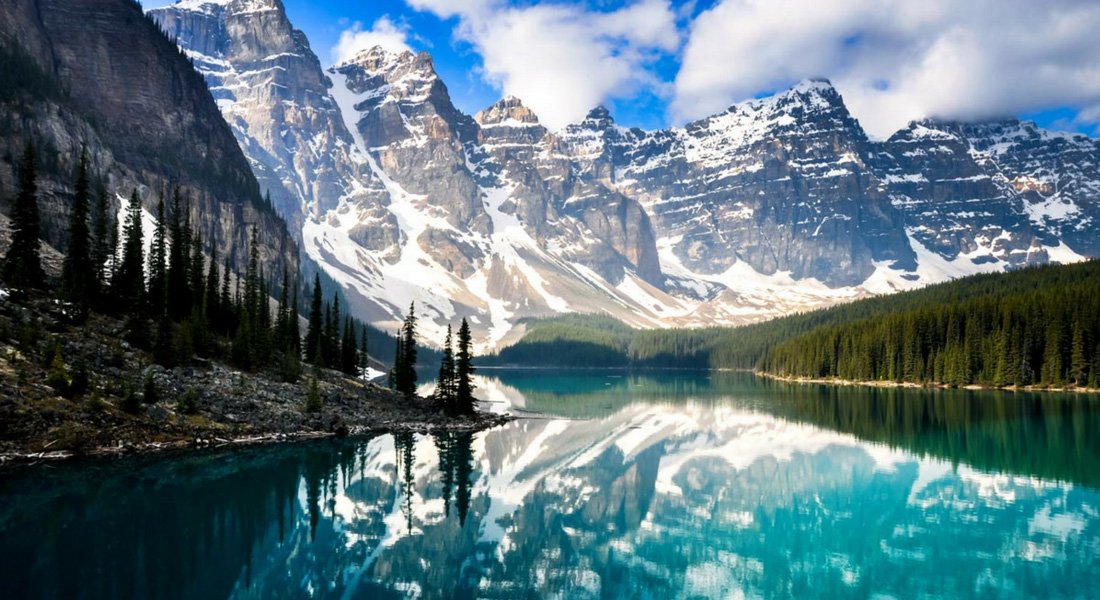
If you dream of iconic, jaw-dropping natural beauty with a more traditional Canadian mountain town feel, Banff is your winner, often with a slightly better value. If you crave a highly organized, world-class resort experience with intense mountain biking, premium amenities, and a livelier, more international vibe, Whistler is calling. Budget-conscious travelers should aim for Banff ($150-300 CAD/day), while Whistler generally demands a higher daily spend ($250-500+ CAD/day).
- Choose Banff: Choose Banff for unparalleled natural scenery, a focus on hiking, wildlife viewing, and a more laid-back, authentic Rocky Mountain town feel. It's fantastic for families and those seeking iconic views without the full resort price tag.
- Choose Whistler: Pick Whistler for a premier, all-inclusive resort experience with world-class skiing/snowboarding and incredible summer mountain biking. It offers a more developed village, high-end dining, and a vibrant, international party scene, albeit at a higher cost.
- Choose Both: If you have 10+ days and want to experience the best of Western Canada, consider flying into Calgary (YYC) for Banff (4-5 days), then flying to Vancouver (YVR) for Whistler (4-5 days). This allows you to compare the distinct mountain ranges and cultures, but budget around $400-700+ CAD/day for accommodation and activities.
Quick Comparison
| Category | Banff | Whistler | Winner |
|---|---|---|---|
| Nature & Scenery | Iconic, rugged Rocky Mountain peaks, turquoise glacial lakes, abundant wildlife. Truly postcard-perfect. | Dramatic coastal mountain range, lush rainforests, volcanic features, impressive scale and ocean proximity. | Banff |
| Winter Sports | Three diverse resorts (Sunshine, Lake Louise, Norquay) on one pass, dry 'Champagne powder', stunning views. | Massive, world-class resort (Whistler Blackcomb) with unparalleled terrain, high-speed lifts, diverse village. | Whistler |
| Summer Activities | Iconic hiking, canoeing on turquoise lakes, scenic drives, gondola rides, wildlife viewing. | World-renowned mountain biking, ziplining, extensive hiking, white water rafting, lake activities, bungee jumping. | Whistler |
| Costs & Budget | Generally more affordable accommodation and dining options, especially if staying in Canmore. National Park entry fees apply. | Significantly higher prices across the board for accommodation, food, and activities. Premium resort pricing. | Banff |
| Getting There & Around | Fly to Calgary (YYC), 1.5-2hr drive. Public transit limited but growing, car recommended for flexibility. | Fly to Vancouver (YVR), 1.5-2hr drive on scenic Sea-to-Sky Highway. Good shuttle services, walkable village. | Whistler |
| Accommodation Options | Mix of historic hotels, mid-range, and budget options (hostels, Canmore). More rustic charm. | Predominantly high-end hotels, condos, and resort-style lodges. Fewer budget options, more modern luxury. | Banff |
| Food & Drink Scene | Good mix of casual Canadian fare, pubs, and fine dining; focuses on local ingredients. | Extensive high-end dining, international cuisine, celebrity chef restaurants, and vibrant pub scene. | Whistler |
| Nightlife & Apres | Lively pub scene, some bars with live music. More intimate and local feel. | Legendary apres-ski, multiple nightclubs, vibrant bars, and a more international party atmosphere. | Whistler |
| Family Friendliness | Abundant scenic, low-impact activities, wildlife viewing, diverse accommodation, strong natural focus. | Excellent ski schools, diverse summer adventure parks, kid-friendly village, but higher cost. | Banff |
| Vibe & Atmosphere | Authentic Canadian mountain town, rustic charm, connected to natural wilderness, laid-back. | Bustling, purpose-built resort village, international, energetic, sophisticated, and a bit luxurious. | Banff |
🏞️ Nature & Scenery
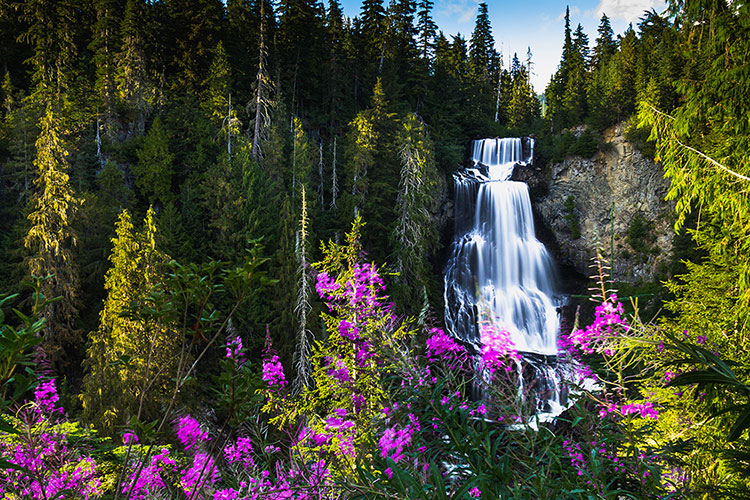
Banff National Park is home to some of the most famous and breathtaking landscapes in the world. Think Lake Louise, Moraine Lake (access often requires shuttle/bus in peak season), Peyto Lake, and the Icefields Parkway – each offering views that feel almost surreal. The sheer scale and consistent grandeur of the Rockies are unmatched, with jagged limestone peaks dominating the horizon. Wildlife sightings, from elk to bears, are common. Whistler, while stunning with its massive peaks like Blackcomb and Whistler Mountain, offers a different kind of beauty – more rugged, forested, and often cloud-shrouded, with glimpses of the Pacific Ocean on clear days. The ancient rainforests and glacier-fed rivers are beautiful, but it lacks the consistent 'wow' factor of Banff's iconic lakes. "Honestly, nothing beats seeing Lake Louise for the first time. It's worth battling the crowds, just go for sunrise if you can." The Bow Valley Parkway drive in Banff is free and often yields wildlife, whereas Whistler's beauty is more concentrated around the resort itself or specific hiking trails like the High Note Trail ($85+ CAD for gondola access).
Winner takeaway
- Winner: Banff
- Why: Banff wins for its universally recognized, iconic, and consistently awe-inspiring natural landscapes.
- Who this matters for: Photographers, first-time mountain visitors, and those seeking classic 'Canadian wilderness' experiences.
⛷️ Winter Sports
Whistler Blackcomb is consistently ranked as one of the top ski resorts globally, and for good reason. With over 8,100 acres of skiable terrain across two connected mountains, 16 alpine bowls, and 200+ marked trails, it offers an immense variety for all skill levels. Lift tickets are pricey, often $180-250+ CAD ($130-185 USD) for a day pass, but the infrastructure, including the PEAK 2 PEAK Gondola, is state-of-the-art. The village is purpose-built for apres and convenience. Banff offers excellent skiing across three distinct resorts: Lake Louise Ski Resort, Sunshine Village, and Mount Norquay, all accessible on the 'SkiBig3' pass. A single day pass for one resort is typically $120-160 CAD ($90-120 USD). Sunshine boasts deep, dry 'Champagne powder' and incredible views, while Lake Louise offers vast terrain and more iconic scenery. Norquay is smaller and great for families. While Banff's skiing is fantastic, the sheer size, lift efficiency, and consolidated village experience of Whistler give it the edge for a pure winter sports destination. "Whistler's bowls are just insane on a powder day, nothing quite like it." Getting between Banff's resorts requires a shuttle or car, whereas Whistler's two mountains are seamlessly connected.
Winner takeaway
- Winner: Whistler
- Why: Whistler's scale, modern infrastructure, and integrated resort experience make it the premier winter sports destination.
- Who this matters for: Serious skiers/snowboarders, those seeking extensive terrain, and people who want a full-service resort experience.
☀️ Summer Activities
While Banff shines with its iconic hikes to places like Lake Agnes Tea House or Johnston Canyon, and the unforgettable experience of canoeing on Lake Louise (rentals ~ $135 CAD/hr), Whistler truly excels in its breadth and intensity of summer activities, particularly for the adrenaline junkies. Whistler is globally recognized as the mecca of mountain biking, with its Bike Park offering hundreds of kilometers of lift-accessed downhill trails ($85-100 CAD/day pass). Beyond biking, you'll find North America's longest ziplines (Superfly Ziplines ~ $180 CAD), bungee jumping (Whistler Bungee ~ $160 CAD), white water rafting, and numerous challenging hiking trails accessible from the village or by gondola. "If you're into downhill biking, Whistler is non-negotiable, it's the best." Banff offers more serene, nature-focused pursuits, but Whistler delivers a higher octane, more diverse range of active adventures. Both offer gondola rides with stunning views (Banff Gondola ~ $55-65 CAD, Whistler Peak to Peak Gondola included with bike park/sightseeing ticket ~ $85+ CAD).
Winner takeaway
- Winner: Whistler
- Why: Whistler's diverse, high-adrenaline summer activities, especially mountain biking, make it a powerhouse for active travelers.
- Who this matters for: Adventure seekers, mountain bikers, and those looking for a wide array of high-energy outdoor pursuits.
💰 Costs & Budget
Whistler is notoriously expensive, reflecting its status as a world-class luxury resort. A basic hotel room can easily run $250-400+ CAD ($185-300 USD) per night, while a decent meal at a restaurant will set you back $30-50+ CAD ($22-37 USD) per person. Lift tickets and activity passes are also at the higher end, as mentioned. Banff, while still a popular tourist destination, offers more budget-friendly alternatives. Accommodation in the town of Banff itself can be $150-250 CAD ($110-185 USD) a night, but staying in nearby Canmore (a 15-20 min drive) can drop that to $100-200 CAD ($75-150 USD) and offer better value for dining. "Stay in Canmore and drive into Banff, saves a ton on hotels and food." National Park entry for Banff is $10.50 CAD ($7.75 USD) per person per day or $145.25 CAD ($107 USD) for an annual family pass. While some activities, like the Banff Gondola, are pricey, many of its best attractions (hiking, scenic drives) are free once you're in the park. Overall, your dollar stretches further in the Banff area.
Winner takeaway
- Winner: Banff
- Why: Banff offers more opportunities for budget-conscious travelers, especially with nearby Canmore as an alternative.
- Who this matters for: Budget travelers, families, and those looking to maximize their travel funds without sacrificing quality.
✈️ Getting There & Around
Getting to Banff usually involves flying into Calgary International Airport (YYC), then a 1.5-2 hour drive west. Rental cars are highly recommended for exploring the park's vastness, though shuttle services like Brewster Express ($80-100 CAD / $60-75 USD one-way) are available. Within Banff, public transit is limited to local routes and some inter-park shuttles, making a car essential for flexibility, especially to iconic spots like Moraine Lake or the Icefields Parkway. Whistler is accessed via Vancouver International Airport (YVR), followed by a stunning 1.5-2 hour drive along the Sea-to-Sky Highway (Highway 99). The advantage for Whistler is its excellent, frequent, and relatively affordable shuttle services from YVR, such as Epic Rides or Skylynx ($55-70 CAD / $40-52 USD one-way), meaning you don't necessarily need a car. Once in Whistler Village, everything is highly walkable, and there's a reliable local bus system. "We just took the Skylynx from YVR straight to our hotel in Whistler, super easy, didn't need a car at all." This seamless access and walkable village make Whistler more convenient if you prefer not to drive.
Winner takeaway
- Winner: Whistler
- Why: Whistler's excellent shuttle services from a major international airport and its walkable village make it more accessible without a car.
- Who this matters for: Travelers who prefer not to rent a car, solo travelers, and those valuing convenience and ease of movement within the destination.
🏨 Accommodation Options
Banff offers a wider range of accommodation styles and price points. You can find iconic historic luxury at the Fairmont Banff Springs (starting $400-800+ CAD / $300-600 USD), charming mid-range hotels like the Moose Hotel & Suites ($200-350 CAD / $150-260 USD), and several hostels such as the Banff International Hostel or HI Banff Alpine Centre (beds from $40-70 CAD / $30-52 USD). Crucially, the nearby town of Canmore provides even more affordable options, often reducing hotel costs by 20-40%. Whistler's accommodation is largely resort-focused, featuring upscale hotels like the Fairmont Chateau Whistler or the Four Seasons Resort (starting $500-1000+ CAD / $370-740 USD), and numerous condo rentals. While there are a few budget hotels and a couple of hostels (HI Whistler), they are quickly booked and still command higher prices due to demand. "Finding a decent hotel in Whistler under $300 CAD in peak season is a miracle, seriously." Banff's variety and the Canmore alternative give it a significant edge for different budgets and preferences.
Winner takeaway
- Winner: Banff
- Why: Banff offers a broader spectrum of accommodation options, including more budget-friendly choices and charming rustic stays.
- Who this matters for: Travelers with varying budgets, those seeking historic charm, and backpackers or hostel-goers.
🍻 Food & Drink Scene
Whistler's dining scene is more extensive and diverse, reflecting its international clientele and luxury resort status. You'll find a higher concentration of upscale restaurants like Araxi Restaurant + Oyster Bar (main courses $45-70 CAD / $33-52 USD), Bearfoot Bistro for fine dining, and numerous international options. The village also boasts excellent casual eateries, bakeries, and lively pubs like the Longhorn Saloon, perfect for apres-ski. Banff has a very respectable food scene with a focus on Canadian comfort food, steakhouses, and a growing number of craft breweries. Notable spots include The Bison Restaurant (main courses $35-55 CAD / $26-40 USD) for regional cuisine and Park Distillery for spirits and pub fare. "Whistler just has more variety, especially if you're looking for something beyond steaks and poutine." While Banff offers quality, Whistler’s sheer volume of high-quality, diverse, and often celebrity-chef-driven establishments gives it the edge for a true foodie experience, albeit at a higher price point.
Winner takeaway
- Winner: Whistler
- Why: Whistler offers a more diverse, upscale, and international dining scene with a wider selection of high-end options.
- Who this matters for: Foodies, those seeking gourmet experiences, and travelers who appreciate a broad range of international cuisines.
🥳 Nightlife & Apres
Whistler's nightlife and apres-ski scene are legendary. Immediately after hitting the slopes, spots like the Longhorn Saloon & Grill at the base of the mountains erupt with energy, live DJs, and overflowing patios. Later, the village offers several dedicated nightclubs like Garfinkel's or Maxx Fish, which keep the party going into the early hours, attracting a younger, international crowd. "Whistler's apres is just next level, literally everyone pours off the mountain into the village bars." Banff has a robust and fun nightlife, especially for a town its size, but it's more concentrated on pubs and bars. The Rose & Crown Pub or Wild Bill's Legendary Saloon offer live music and a lively atmosphere, but you won't find the same level of dedicated clubbing or the sheer volume of options that Whistler provides. Banff's scene feels more authentically Canadian and smaller-town, while Whistler is a full-blown resort party destination.
Winner takeaway
- Winner: Whistler
- Why: Whistler's extensive and world-renowned apres-ski and nightlife, including multiple nightclubs, give it the win for party-goers.
- Who this matters for: Younger travelers, party-seekers, and those prioritizing a vibrant and diverse nightlife experience.
👨👩👧👦 Family Friendliness
Banff shines for families, particularly those with younger children or those who prefer a more nature-focused, less intense vacation. The sheer beauty of the lakes and mountains is captivating for all ages, and activities like easy hikes (e.g., Johnson Lake, Bow River Falls), gondola rides, and wildlife spotting are universally appealing. There are also great interactive centers like the Whyte Museum of the Canadian Rockies. Accommodation options are diverse, including many with kitchenettes, and the slightly lower costs compared to Whistler are a bonus for families. "Banff was perfect for our kids, lots of easy walks and the elk sightings were a huge hit." Whistler offers excellent family amenities, especially for older kids and teens. Its ski schools are top-notch, and in summer, the Family Adventure Zone and various ziplining/mountain biking options are fantastic. However, the higher price point for accommodation, food, and activities can quickly add up for a family, and the intense mountain biking might not suit all ages. Banff's natural, less commercialized appeal often resonates more with families seeking classic Canadian experiences.
Winner takeaway
- Winner: Banff
- Why: Banff offers a more accessible, naturally focused, and generally more affordable experience for families of all ages.
- Who this matters for: Families with young children, those on a tighter budget, and families prioritizing scenic beauty and wildlife.
✨ Vibe & Atmosphere
Banff exudes an authentic, charming Canadian mountain town vibe. Despite its popularity, it retains a connection to its national park roots, with rustic architecture, local artisan shops, and a strong sense of community. It feels like a place where real people live and work amidst incredible wilderness. It's relaxed, friendly, and invites you to slow down and soak in the natural surroundings. Whistler, by contrast, is a meticulously planned, purpose-built resort village. It's incredibly efficient, stylish, and buzzing with energy. It has a more international, cosmopolitan feel, attracting visitors from around the globe. While vibrant and exciting, it can sometimes feel a bit more commercial or less 'authentic' than Banff. "Banff just feels more like a real place, not just a resort, you know?" The architecture in Banff, with its stone and timber buildings, blends seamlessly with the mountain environment, while Whistler's village is more modern and sleek. If you're looking for genuine mountain charm and a connection to raw nature, Banff delivers.
Winner takeaway
- Winner: Banff
- Why: Banff's authentic Canadian mountain town charm, rustic feel, and deep connection to the wilderness create a unique, beloved atmosphere.
- Who this matters for: Travelers seeking authentic local charm, a relaxed pace, and a strong connection to nature and history.
❓ Frequently Asked Questions
Which destination is better for a honeymoon?
Both offer romantic experiences, but Banff with its iconic Fairmont Chateau Lake Louise, stunning scenic drives, and intimate fine dining, provides a more classic, fairytale-like romantic backdrop. Whistler offers high-end luxury and adventure for couples who prefer a more active and vibrant honeymoon.
Is it possible to visit both Banff and Whistler in one trip?
Yes, but it requires at least 8-10 days to make it worthwhile. You'd typically fly into Calgary (YYC) for Banff, then take a connecting flight to Vancouver (YVR) for Whistler. The internal flight adds cost and travel time, so consider if you prefer a deeper dive into one destination.
Which has better hiking trails?
Banff generally offers a wider array of iconic and highly scenic hiking trails suitable for various skill levels, from easy lake walks to challenging alpine ascents, often leading to stunning glacial views. Whistler's hiking is excellent, particularly high alpine trails accessed via gondola, but Banff's sheer volume of diverse, world-famous trails gives it an edge.
Which is better for solo travelers?
Whistler's robust hostel scene, vibrant nightlife, and ease of getting around without a car make it slightly more conducive for solo travelers looking to meet people and participate in organized activities. Banff is also solo-friendly, especially for nature lovers, but a car is more beneficial there.
What's the best time of year to visit each?
For Banff, late spring (June) or early fall (September-October) offer fewer crowds, pleasant weather for hiking, and stunning colors. Peak summer (July-August) is beautiful but very busy. For Whistler, winter (December-March) is prime for skiing, and summer (July-August) is best for mountain biking and hiking. Shoulder seasons (April-May, Oct-Nov) are quieter but weather can be unpredictable.
How do the gondola experiences compare?
The Banff Gondola offers breathtaking panoramic views of the Bow Valley and six mountain ranges from Sulphur Mountain, a classic Rockies vista. Whistler's Peak 2 Peak Gondola, connecting Whistler and Blackcomb mountains, is an engineering marvel providing views of glaciers, volcanic peaks, and the surrounding Coast Mountains, with some cabins having glass floors for an extra thrill. Both are incredible but offer different types of scenic beauty.
Which is more pet-friendly?
Both destinations welcome pets, especially in their outdoor environments. Banff National Park has specific rules about where pets can go (leashed on trails, not in sensitive wildlife areas), but many accommodations are pet-friendly. Whistler also has numerous pet-friendly hotels and trails, with dedicated dog parks, making both good choices for traveling with furry friends.
Are there good options for non-skiers in winter?
Absolutely! In Banff, non-skiers can enjoy the Banff Gondola, ice skating on Lake Louise, snowshoeing, dog sledding, visiting the Banff Upper Hot Springs, and exploring the town's shops and museums. Whistler offers snowshoeing, ziplining, tubing, the Peak 2 Peak Gondola for sightseeing, Scandinave Spa, and a very active village scene with plenty of shops, restaurants, and entertainment.
Ready to plan your Canadian mountain trip?
Get a free custom itinerary for Banff, Whistler, or both — built from real traveler insights.
🎟️ Book Tours & Experiences
Hand-picked tours and activities for both destinations — book with free cancellation
Experiences via Viator — free cancellation on most tours