How we built this comparison
This page combines traveler discussion patterns, published price ranges, flight schedules, and seasonal data to help you decide between Bangkok and Hanoi.
- Reviewed 70+ Reddit threads from r/travel, r/solotravel, r/thailandtravel, and r/vietnam
- Verified costs and logistics against current booking platforms (e.g., Agoda, Grab, Google Flights)
- Cross-referenced seasonal patterns and weather data from meteorological sources

⚡ The TL;DR Verdict
Bangkok is your go-to for vibrant city life, world-class shopping, and an energetic nightlife, best for those with a mid-range budget ($50-80 USD/day). Hanoi offers a deeper dive into history, a more relaxed pace, and incredible food, perfect for budget travelers ($30-60 USD/day) or culture buffs.
- Choose Bangkok: You crave big-city energy, diverse street food, luxury shopping, and an epic party scene. You don't mind the bustling crowds and heat, and appreciate excellent transport infrastructure.
- Choose Hanoi: You're seeking historic charm, a more local and authentic feel, incredible cheap eats like pho and bun cha, and stunning natural day trips. You prefer a slightly slower pace and a richer cultural immersion.
- Choose Both: For a comprehensive Southeast Asian experience, combine both! Allocate 3-5 days for each to soak in their unique flavors, flying between them (approx. 2-hour flight, ~$80-150 USD).
Quick Comparison
| Category | Bangkok | Hanoi | Winner |
|---|---|---|---|
| Food Scene | Unrivaled variety from street food to Michelin stars. Thai classics, international cuisine, endless options. | Historic food culture focused on iconic Vietnamese dishes. Pho, bun cha, banh mi are legends here. | Bangkok |
| Nightlife | Electric, diverse, world-renowned. Rooftop bars, mega-clubs, lively markets, and infamous red-light districts. | More laid-back and local. Famous for 'Bia Hoi' street beer, some live music, and quieter bars in the Old Quarter. | Bangkok |
| Culture & History | Grand temples, royal palaces, and a blend of ancient traditions with modern city life. | Deeply preserved ancient capital with French colonial influences, rich revolutionary history, and unique cultural practices. | Hanoi |
| Costs & Budget | Generally affordable, but can easily scale up. Street food is cheap, but hotels, tours, and luxury options add up. | Extremely budget-friendly. Food, transport, and accommodation are notably cheaper, especially for local experiences. | Hanoi |
| Getting There & Around | Major international hub, excellent public transport (BTS, MRT), Grab, tuk-tuks, taxis. | Well-connected but smaller airport. Dominated by Grab bikes/cars and local buses; walking in Old Quarter. | Bangkok |
| Accommodation | Vast selection across all price points, from luxury riverside resorts to boutique hostels and budget guesthouses. | Charming boutique hotels in the Old Quarter, colonial-era grand hotels, and budget-friendly hostels. | Bangkok |
| Day Trips & Nature | Historical sites (Ayutthaya), floating markets (Damnoen Saduak), and nearby national parks. | World-renowned natural wonders (Ha Long Bay, Ninh Binh) and cultural sites (Tam Coc, Hoa Lu). | Hanoi |
| Shopping | A shopper's paradise. Massive malls, vibrant markets, luxury boutiques, and endless street stalls. | Traditional markets, artisan crafts, bespoke tailoring, and local souvenirs in the Old Quarter. | Bangkok |
| Vibe & Atmosphere | Fast-paced, high-energy, modern metropolis with a mix of chaos and efficiency. | Charming, traditional, and more relaxed despite the bustling Old Quarter; a city with a soul. | Hanoi |
| Weather & Seasons | Tropical monsoon climate. Hot and humid year-round, with a distinct dry season (Nov-Feb) and rainy season (May-Oct). | Humid subtropical climate. Distinct seasons: hot, wet summer (May-Sept) and cool, dry winter (Nov-Mar). | Tie |
🍜 Food Scene
Bangkok's food scene is a global marvel, offering an incredible spectrum from legendary street food stalls like Jay Fai (Michelin-starred street food, expect a long wait and 1,000+ THB / $28+ USD per dish) and the endless options at Or Tor Kor Market, to high-end rooftop dining and international cuisine. You can feast on a delicious Pad Thai for 50-80 THB ($1.50-2.20 USD) or enjoy a multi-course tasting menu for 3,000+ THB ($80+ USD). Hanoi, on the other hand, is a purist's paradise, excelling in its iconic local dishes. A bowl of authentic Pho (like at Pho Gia Truyen on Bat Dan street) costs around 40,000-60,000 VND ($1.60-2.40 USD), and the famous Bun Cha (Bun Cha Huong Lien, where Obama ate) is similarly affordable. While Hanoi's specialties are sublime, Bangkok simply offers more breadth and adventurous choices. One Redditor put it well: "Bangkok just has everything. You want a 5-star French meal or spicy street noodles at 3 AM? Done. Hanoi's food is amazing, but it's more specific." This sheer volume and diversity makes Bangkok the winner, catering to every palate and budget.
Winner takeaway
- Winner: Bangkok
- Why: Bangkok offers an unparalleled diversity of food, from world-famous street eats to high-end international dining, catering to every craving.
- Who this matters for: Foodies, adventurous eaters, and those who love variety.
🍻 Nightlife
Bangkok's nightlife is legendary and unapologetically vibrant. From the sophisticated sky-high cocktails at bars like Vertigo & Moon Bar at Banyan Tree (drinks 400-600 THB / $11-16 USD) or Octave Rooftop Lounge at Marriott Sukhumvit, to the pulsing beats of clubs on RCA (Royal City Avenue) like Onyx, you'll find every type of nocturnal entertainment. The Khao San Road area buzzes with backpacker bars and street parties, while areas like Sukhumvit Soi 11 offer more upscale lounge options. Hanoi's nightlife is charming but significantly more subdued. Its unique selling point is 'Bia Hoi' – incredibly cheap draft beer served on street corners (5,000-10,000 VND / $0.20-0.40 USD per glass). While there are some decent bars and live music venues in the Old Quarter, particularly around Ta Hien Street, it closes down much earlier than Bangkok. "Hanoi is great for a few beers and chilling, but if you want to dance till dawn, Bangkok is in a different league," says a traveler on r/solotravel. For sheer energy, variety, and late-night options, Bangkok takes the crown decisively.
Winner takeaway
- Winner: Bangkok
- Why: Bangkok offers a far more diverse, energetic, and world-class nightlife scene, from sophisticated rooftop bars to pulsating clubs.
- Who this matters for: Party-goers, social butterflies, and those who love staying out late.
🏯 Culture & History
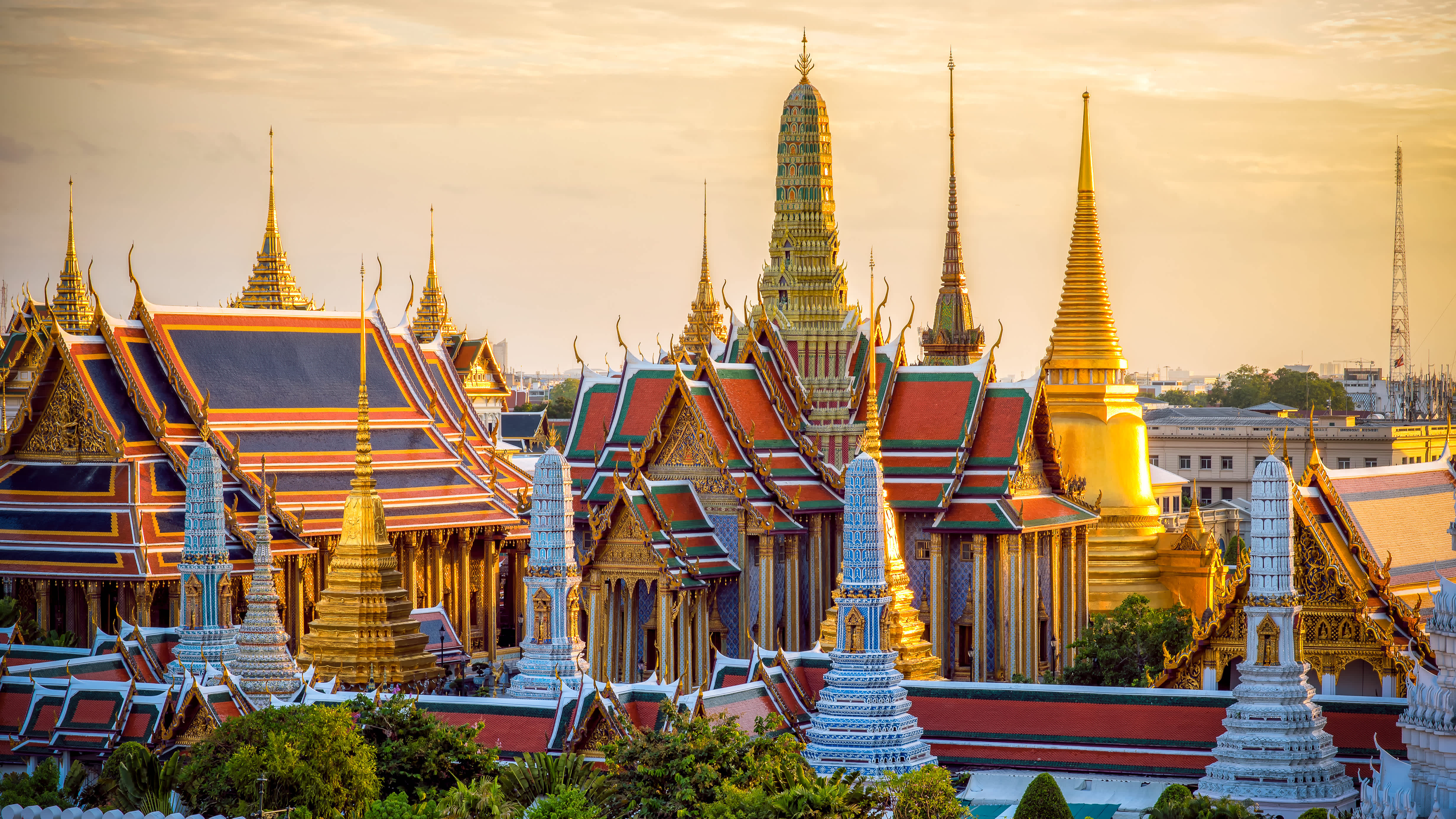
While Bangkok boasts magnificent cultural sites like the Grand Palace, Wat Pho (Reclining Buddha), and Wat Arun (Temple of Dawn), which are undeniably stunning (entrance fees around 100-500 THB / $3-14 USD), its rapid modernization means these sit somewhat separated from the daily city grind. Hanoi, however, feels like a city steeped in history that you walk through every day. The Old Quarter's narrow, bustling streets have retained their ancient charm for centuries, each street often dedicated to a specific trade. Key historical sites like the Hoan Kiem Lake, Ngoc Son Temple, Ho Chi Minh Mausoleum (free entry, often long queues), and the sobering Hoa Lo Prison (entrance 30,000 VND / $1.20 USD) are integral to the city's fabric. The French Quarter adds another layer with its colonial architecture. A Reddit user mentioned, "Hanoi felt like walking through a living museum, whereas in Bangkok, the temples are destinations you visit. The history in Hanoi is just *there*." This pervasive sense of history, combined with its unique blend of Vietnamese tradition and French colonial influence, gives Hanoi the edge for a deeper cultural and historical immersion.
Winner takeaway
- Winner: Hanoi
- Why: Hanoi offers a more immersive historical experience, with its ancient Old Quarter and colonial architecture deeply integrated into daily life.
- Who this matters for: History buffs, culture seekers, and those who appreciate old-world charm.
💰 Costs & Budget
Both cities offer incredible value, but Hanoi consistently comes out cheaper for the average traveler. In Bangkok, a decent hostel bed can be 300-500 THB ($8-14 USD), a mid-range hotel 1,000-2,000 THB ($28-55 USD). Street food is cheap (50-80 THB / $1.50-2.20 USD per dish), but Grab rides, tours, and shopping can quickly inflate your budget. A mid-range daily budget for Bangkok might be $50-80 USD. In Hanoi, you can find a good hostel bed for 100,000-200,000 VND ($4-8 USD), and a comfortable mid-range hotel for 500,000-1,000,000 VND ($20-40 USD). Local meals like pho or bun cha are a steal at 30,000-60,000 VND ($1.20-2.40 USD). Public transport (buses) are also incredibly cheap (7,000 VND / $0.30 USD). "I was blown away by how far my money went in Hanoi. A full meal and a few beers for under $5 was standard," a traveler noted on r/travel. While both are cheap by Western standards, Hanoi offers a noticeably lower baseline cost for essential travel components, making it a clear winner for budget-conscious travelers.
Winner takeaway
- Winner: Hanoi
- Why: Hanoi offers significantly lower costs for accommodation, food, and local transportation, making it ideal for budget travelers.
- Who this matters for: Budget travelers, backpackers, and those looking to maximize their travel funds.
✈️ Getting There & Around
Bangkok is arguably Southeast Asia's most important travel hub, serviced by two major international airports, Suvarnabhumi (BKK) and Don Mueang (DMK), with countless direct flight connections globally. From BKK, the Airport Rail Link takes you to the city center for 45 THB ($1.25 USD). Within the city, its modern public transport system — the BTS Skytrain and MRT subway — is efficient, clean, and covers most major areas (fares typically 16-59 THB / $0.45-1.60 USD). Grab (ride-hailing app) and traditional taxis are plentiful and reasonably priced. Hanoi's Noi Bai International Airport (HAN) is also well-connected but has fewer direct international routes compared to Bangkok. Getting from HAN to the city center by bus costs about 9,000 VND ($0.36 USD) or a Grab for 250,000-350,000 VND ($10-14 USD). While Hanoi's Old Quarter is best explored on foot, and Grab bikes (xe om) are fantastic for navigating traffic (fares often 20,000-50,000 VND / $0.80-2 USD), its public transport network is less extensive than Bangkok's. "Bangkok's BTS makes getting around so easy, especially avoiding traffic. Hanoi felt a bit more chaotic on the roads," a Redditor shared. Bangkok’s superior connectivity and expansive, modern public transit system make it the more convenient city for arrivals and internal navigation.
Winner takeaway
- Winner: Bangkok
- Why: Bangkok boasts a larger international airport with more connections and a more extensive, modern public transportation system.
- Who this matters for: Travelers prioritizing convenience, efficiency, and seamless city navigation.
🏨 Accommodation
Bangkok's accommodation landscape is incredibly diverse and competitive, offering choices for every conceivable budget and style. You can find luxurious 5-star hotels like The Peninsula Bangkok or Mandarin Oriental for $200-500+ USD/night, sleek design hotels in Sukhumvit for $80-150 USD/night, and countless clean, modern hostels in areas like Silom or Khao San Road for $10-25 USD/night. The sheer volume means excellent deals are often available. Hanoi also has fantastic options, particularly its charming boutique hotels and guesthouses in the Old Quarter, many with French colonial flair (e.g., La Siesta Hotel Trendy, $70-120 USD/night). Iconic luxury hotels like the Sofitel Legend Metropole Hanoi command high prices ($250-400+ USD/night). Hostels are abundant and very affordable, often $5-15 USD/night. However, Bangkok simply has a greater number of high-end, international-standard luxury hotels and a wider array of mid-range, design-focused options. "If you want truly world-class luxury at still-reasonable prices, Bangkok wins every time. Hanoi has beautiful places but fewer 'wow' factor resorts," commented a frequent traveler. The breadth of choice and competitive pricing across all segments makes Bangkok the stronger contender.
Winner takeaway
- Winner: Bangkok
- Why: Bangkok offers a significantly wider range of accommodation options, from world-class luxury to budget hostels, often with better value.
- Who this matters for: All travelers, especially those seeking luxury or specific hotel styles.
🏞️ Day Trips & Nature
Bangkok offers compelling day trips like the ancient city of Ayutthaya (a UNESCO World Heritage site, reachable by train for 20 THB / $0.55 USD or tour for 1,200-2,000 THB / $33-55 USD) and the vibrant floating markets of Damnoen Saduak or Amphawa. These are fascinating historical and cultural excursions. However, Hanoi's proximity to some of Southeast Asia's most breathtaking natural landscapes is unparalleled. Ha Long Bay, with its iconic karst limestone formations, is a quintessential Vietnamese experience (day tours 1,000,000-2,500,000 VND / $40-100 USD, often overnight). Equally stunning is Ninh Binh, often called 'Ha Long Bay on land,' offering picturesque boat rides through rice paddies and caves (e.g., Tam Coc boat ride 150,000 VND / $6 USD per person plus 120,000 VND / $4.80 USD per boat). "Ha Long Bay and Ninh Binh near Hanoi are just next-level stunning. Bangkok's day trips are good, but they don't have that global iconic status," a Reddit user articulated. For sheer natural beauty and iconic landscapes, Hanoi's surrounding region is simply more impressive and memorable.
Winner takeaway
- Winner: Hanoi
- Why: Hanoi's access to world-famous natural wonders like Ha Long Bay and Ninh Binh offers unparalleled scenic beauty.
- Who this matters for: Nature lovers, photographers, and those seeking iconic landscapes.
🛍️ Shopping
Bangkok is a global shopping mecca, truly offering something for everyone. From ultra-luxury malls like Siam Paragon and IconSiam (home to international brands and incredible food courts), to the sprawling weekend market of Chatuchak (thousands of stalls, expect to haggle!) and tech havens like MBK Center, the options are limitless. Fashion malls like Platinum Fashion Mall offer wholesale prices. You can easily spend days just exploring the shopping districts. Hanoi's shopping scene is more focused on traditional crafts, local artistry, and bespoke tailoring. The Old Quarter is full of small shops selling silk products (e.g., Hang Gai Street), lacquerware, ceramics, and custom-made clothing (a custom suit can start from 3,000,000 VND / $120 USD). Dong Xuan Market offers a chaotic but authentic local market experience. "If you want high-end fashion or just endless options for everything, Bangkok is a no-brainer. Hanoi is great for unique souvenirs but it's a different game," a shopper commented on r/thailandtravel. For sheer scale, variety, and the ability to find literally anything, Bangkok is the undisputed champion.
Winner takeaway
- Winner: Bangkok
- Why: Bangkok provides an unmatched shopping experience, from world-class luxury malls to enormous bustling markets.
- Who this matters for: Shopaholics, fashion enthusiasts, and those looking for variety.
🧘 Vibe & Atmosphere
Bangkok is a sprawling, high-octane metropolis. It’s a city of constant motion, towering skyscrapers, incessant traffic, and an electrifying pulse. While incredibly exciting, its sheer scale and modernity can sometimes feel overwhelming. It's a city that rushes forward, blending ancient temples with futuristic malls. Hanoi, by contrast, feels like a city with a deeper, more accessible soul. Despite its own bustling traffic (motorbikes everywhere!), the Old Quarter's ancient streets, serene Hoan Kiem Lake, and numerous cafes create a more intimate and charming atmosphere. There's a tangible sense of history and tradition woven into daily life. "Hanoi felt more 'authentic' to me, like I was stepping back in time a bit, even with all the motorbikes. Bangkok is cool but it's a very modern city now," shared a traveler. The routine of morning tai chi by the lake, the slow sips of egg coffee (30,000-50,000 VND / $1.20-2 USD), and the deliberate pace of local life give Hanoi a distinctive, appealing character that's less about flashy modernity and more about enduring charm. This makes Hanoi the winner for a more traditional and soul-stirring ambiance.
Winner takeaway
- Winner: Hanoi
- Why: Hanoi offers a more traditional, charming, and historically rich atmosphere, feeling more 'authentic' and less overwhelming.
- Who this matters for: Travelers seeking authenticity, a slower pace, and a sense of history.
☀️ Weather & Seasons
Both Bangkok and Hanoi experience tropical climates, but with notable differences. Bangkok is generally hot and humid throughout the year, with temperatures rarely dipping below 25°C (77°F). Its dry season (November to February) offers cooler, drier weather, making it the most popular time to visit. The rainy season (May to October) brings heavy but often short downpours. Hanoi, conversely, has four distinct seasons, characteristic of a humid subtropical climate. Its summer (May to September) is hot and very humid, similar to Bangkok. However, its winter (December to February) can be surprisingly cool, sometimes even chilly, with temperatures dropping to 10-15°C (50-59°F), requiring a light jacket. Spring (March-April) and Autumn (October-November) are generally pleasant. A Redditor once said, "I loved Hanoi in November, it was cool enough to walk around comfortably all day. Bangkok in April was just brutal heat every minute." The best time to visit both cities is broadly during their respective dry/cooler seasons (Nov-Feb for Bangkok, Oct-Apr for Hanoi). Since each city offers unique seasonal advantages depending on traveler preference, it's a tie, with the 'best' time dependent on what weather you prefer for your activities.
Winner takeaway
- Winner: Tie
- Why: Both cities offer distinct weather patterns and ideal visiting seasons, making the 'winner' dependent on personal preference for heat or cooler temperatures.
- Who this matters for: Everyone, as weather significantly impacts the travel experience.
❓ Frequently Asked Questions
Which city is better for first-time travelers to Southeast Asia?
Bangkok is often recommended for first-timers due to its excellent infrastructure, widespread English usage in tourist areas, and diverse range of activities. It's an easier transition into the region, though Hanoi offers a wonderfully authentic experience for those ready to dive deeper.
Is it easy to travel between Bangkok and Hanoi?
Yes, very easy! Direct flights are plentiful and relatively short, usually around 2 hours. Airlines like Vietjet Air, Thai Lion Air, and Thai AirAsia offer competitive prices, typically ranging from $80-150 USD for a one-way ticket, making it a common route for regional travel.
Which city offers better options for vegetarians/vegans?
Bangkok generally has more diverse and clearly labeled options for vegetarians and vegans, especially in tourist areas and its numerous international restaurants. Hanoi is improving, with a growing number of 'chay' (vegetarian) restaurants, but it requires a bit more effort and local knowledge to navigate.
Is Bangkok or Hanoi safer for solo female travelers?
Both cities are generally safe for solo female travelers, but petty theft can occur in crowded areas. Bangkok's nightlife can be intense, so caution is advised. Hanoi feels a bit calmer overall, but always be aware of your surroundings, especially with motorbikes on the pavement.
Which city has better English speaking locals?
Bangkok, particularly in tourist-heavy areas, upscale hotels, and major shopping centers, generally has a higher prevalence of English speakers. In Hanoi, while staff in tourist establishments speak English, outside these areas, you'll find less English spoken, especially among older generations.
What's the best way to get around each city?
In Bangkok, the BTS Skytrain and MRT subway are excellent for covering long distances, supplemented by Grab taxis/bikes for shorter trips. In Hanoi, Grab bikes (xe om) are king for navigating traffic, while walking is ideal for exploring the Old Quarter, and local buses are very cheap.
Are there good options for families with children in both cities?
Both cities offer family-friendly activities. Bangkok has numerous kid-friendly attractions like Sea Life Bangkok Ocean World, KidZania, and extensive parks. Hanoi offers more cultural experiences like water puppet shows and exploring the Old Quarter, which can be engaging for older children.
Which city is better for digital nomads?
Bangkok is generally more established for digital nomads, with a vast co-working scene, reliable internet, and diverse expat community. Hanoi is emerging, offering a lower cost of living and a unique charm, but with fewer dedicated co-working spaces and a slightly smaller expat community.
Ready to plan your Southeast Asia trip?
Get a free custom itinerary for Bangkok, Hanoi, or both — built from real traveler insights.
🎟️ Book Tours & Experiences
Hand-picked tours and activities for both destinations — book with free cancellation
Experiences via Viator — free cancellation on most tours