How we built this comparison
This page combines traveler discussion patterns from Reddit, published price ranges, transit details, and seasonal data to make the Bangkok vs Ho Chi Minh City decision easier to navigate.
- Synthesized traveler opinions from r/ThailandTourism, r/VietNam, r/solotravel, r/travel, and r/Bangkok covering the Bangkok vs HCMC debate.
- Verified numeric claims including accommodation ranges, transit costs, transfer times, and seasonal patterns.
- Each major section ends with a clear winner, the key tradeoff, and a note on who each city suits best.
Best read as a decision guide, not a universal truth: the right pick depends on your budget, travel pace, and what you actually want from Southeast Asia.
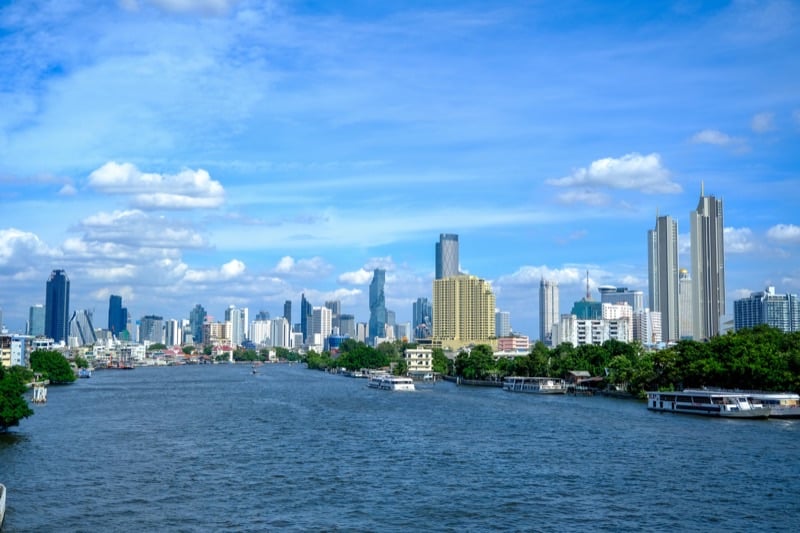
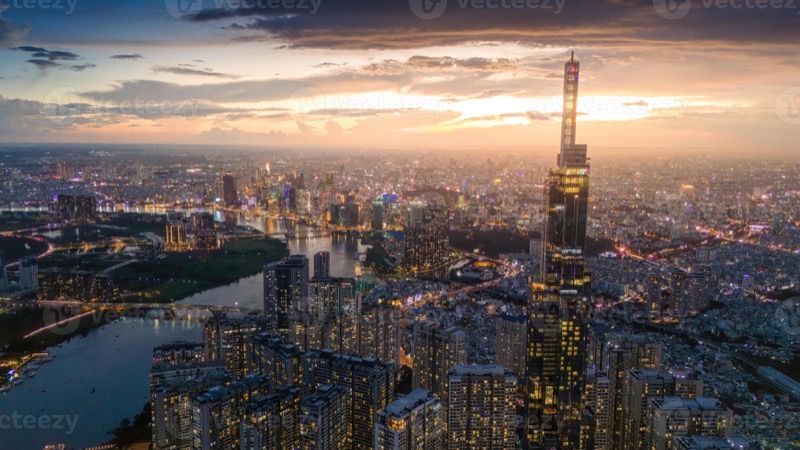
⚡ The TL;DR Verdict
Bangkok wins for first-timers, foodies, and nightlife seekers. Ho Chi Minh City wins on price, history, and authenticity. Daily budget: Bangkok ฿2,500–4,500 ($70–130) vs HCMC ₫800k–1.5M ($35–65).
- Choose Bangkok: First-time Southeast Asia visitors, temple enthusiasts, foodies wanting variety, rooftop bar addicts, island access.
- Choose HCMC: History buffs (Vietnam War era), budget travelers, Vietnamese cuisine lovers, French colonial architecture fans, Mekong adventurers.
- Budget snapshot: Bangkok mid-range ฿2,500–4,500/day ($70–130); HCMC mid-range ₫800k–1.5M/day ($35–65).
Choose Bangkok
First-timers, foodies, nightlife, island access. Better transit and more tourism infrastructure.
Choose HCMC
Budget travelers, history lovers, Vietnamese food obsessives, more "local" feel with less tourist fatigue.
Quick Comparison
| Category | 🇹🇭 Bangkok | 🇻🇳 Ho Chi Minh City | Winner |
|---|---|---|---|
| Daily Budget (mid-range) | ฿2,500–4,500 ($70–130) | ₫800k–1.5M ($35–65) | HCMC |
| Budget Hostel | ฿400–800/night ($11–22) | ₫150k–350k/night ($6–14) | HCMC |
| Street Food Meal | ฿60–120 ($1.70–3.40) | ₫30k–70k ($1.20–2.80) | Tie |
| Food Variety | 30+ Michelin Bib Gourmand, huge diversity | Outstanding Vietnamese cuisine, strong Chinese influence | Bangkok |
| Public Transit | BTS + MRT Skytrain, ฿15–59/ride | Metro Line 1 (2024) + Grab moto ₫20k–50k | Bangkok |
| Cultural Highlights | 400+ temples, Grand Palace, Wat Pho | War Remnants Museum, Cu Chi Tunnels, Reunification Palace | Tie |
| Nightlife | World-class — Sukhumvit, RCA, Khao San | Bui Vien, growing rooftop scene | Bangkok |
| English Spoken | Widely spoken in tourist areas | Less common, improving fast | Bangkok |
| Day Trips | Ayutthaya, floating markets, Kanchanaburi | Cu Chi Tunnels, Mekong Delta, Vung Tau | Tie |
| Best Season | Nov–Feb (cool & dry, 24–32°C) | Dec–Apr (dry season, 25–35°C) | Tie |
| Airport to City | ฿40 BTS (45 min) or taxi ฿400–500 | Grab ₫120k–200k (30–40 min) | Bangkok |
| Overall Vibe | Mega-city energy, seamless for tourists | Chaotic, authentic, scrappily charming | Tie |
🍜 Food & Dining
Bangkok carries the world record for most Michelin Bib Gourmand restaurants in a single city — over 30 at last count — and that's before you factor in its staggering variety: pad thai, boat noodles, khao man gai, som tum, mango sticky rice, dim sum, and more all exist side by side on its streets. A breakfast bowl of boat noodles runs ฿40–60 ($1.10–1.70); a sit-down pad see ew at a proper restaurant costs ฿120–200 ($3.40–5.70).
Ho Chi Minh City punches differently. Its cuisine is lighter, fresher, and more herb-forward. A bowl of pho bo (beef noodle soup) at a local spot costs ₫50,000–90,000 VND ($2–3.60). Banh mi sandwiches run ₫20,000–40,000 ($0.80–1.60). Com tam (broken rice with grilled pork) is a lunch institution at ₫40,000–70,000 ($1.60–2.80). The Vietnamese coffee scene — ca phe sua da, egg coffee, drip robusta — has no rival in Bangkok. See tabiji's best pho in Ho Chi Minh City and Ho Chi Minh coffee shop guide.
"I love Bangkok. The train from BKK takes you right to the BTS which makes it easy to get around. I think Thai food is delicious so a city full of it is heaven." — u/tehaltf4, r/solotravel
"Vietnamese is one of my favorite cuisines, so I'd personally enjoy spending time in Vietnam. Are you looking for a variety of food? You can get good food in any major city." — u/plaid-knight, r/solotravel
For street food sheer quantity and diversity, Bangkok wins. For refined, regionally nuanced cuisine you won't find anywhere else, HCMC wins. Bangkok's best cheap eats and legendary mango sticky rice spots are institutions in their own right.
🏛️ Cultural Attractions
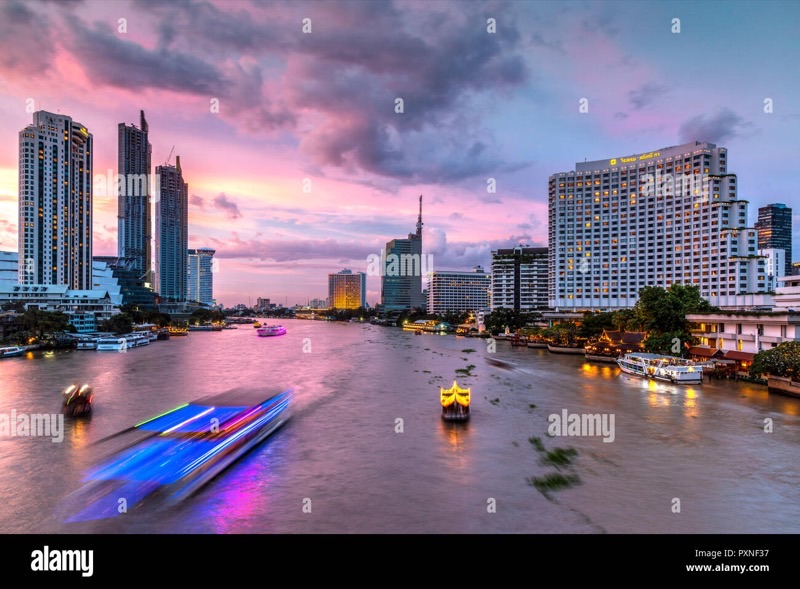
Bangkok has over 400 Buddhist temples, and the top cluster alone could fill 3 days. The Grand Palace (฿500 entry, ~$14) is non-negotiable for first visits — Wat Phra Kaew (Emerald Buddha Temple) sits within the complex. Wat Pho next door houses the 46-meter reclining Buddha and Thailand's oldest massage school (฿420/$12 for traditional massage). Wat Arun, the "Temple of Dawn," is postcard-perfect from the river. Beyond temples, Chatuchak Weekend Market (10,000+ stalls), the floating markets, and Chinatown/Yaowarat offer cultural texture that could last weeks.
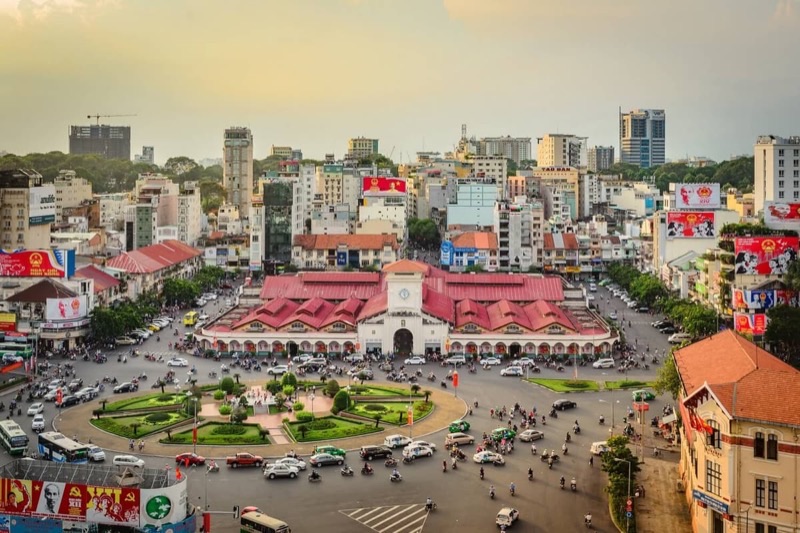
Ho Chi Minh City's cultural pull is different — it's modern history, not ancient temples. The War Remnants Museum (₫40,000/$1.60) is one of the most affecting museums in Southeast Asia and is genuinely harrowing. Reunification Palace (₫40,000/$1.60) offers an incredible Cold War time-capsule moment. Notre-Dame Cathedral and the Central Post Office (French colonial architecture at its best) are free to visit. Ben Thanh Market is touristy but atmospheric.
"Bangkok vs Ho Chi Minh for shopping and food — HCMC has a more authentic market feel. Ben Thanh is touristy but the surrounding streets have excellent local market culture. Bangkok's street life is more polished but on a grander scale." — Community thread, r/Bangkok
💰 Cost Comparison
Ho Chi Minh City is noticeably cheaper than Bangkok across almost every category. Vietnam's cost of living is lower, and the tourist infrastructure hasn't fully priced itself up yet. That said, Bangkok is still excellent value by global standards.
| Expense | 🇹🇭 Bangkok | 🇻🇳 Ho Chi Minh City |
|---|---|---|
| Budget dorm/hostel | ฿400–800 ($11–22) | ₫150k–350k ($6–14) |
| Mid-range hotel (3-star) | ฿1,500–4,000 ($42–112) | ₫700k–2M ($28–80) |
| Luxury hotel | ฿5,000–15,000+ ($140–420+) | ₫2M–6M+ ($80–240+) |
| Street food meal | ฿60–120 ($1.70–3.40) | ₫30k–70k ($1.20–2.80) |
| Sit-down restaurant meal | ฿200–600 ($5.60–17) | ₫100k–300k ($4–12) |
| Local beer (bar) | ฿80–150 ($2.20–4.20) | ₫20k–50k ($0.80–2) |
| Grab/taxi ride (5km) | ฿80–150 ($2.20–4.20) | ₫50k–100k ($2–4) |
| BTS/Metro single ride | ฿15–59 ($0.40–1.65) | ₫7k–20k ($0.28–0.80) |
| Mid-range daily total | ฿2,500–4,500 ($70–130) | ₫800k–1.5M ($35–65) |
"Both cities are cheap and have gyms — any of these cities will be fine if you're on a budget. Vietnam in general tends to be slightly cheaper day-to-day." — u/plaid-knight, r/solotravel
🚺 Getting Around
Bangkok's transit system is genuinely impressive for Southeast Asia. The BTS Skytrain covers Sukhumvit and Silom corridors efficiently (฿15–59/$0.40–1.65 per ride). The MRT Metro extends coverage to Chatuchak, Lumphini, and the Old Town area. A Rabbit Card (stored-value) makes hopping between lines seamless. The Suvarnabhumi Airport Rail Link connects to the city center in 30 minutes for ฿45 ($1.25). Taxis are metered and reliable; Grab works well too. The BTS Skytrain alone connects enough of the city that many travelers barely need to flag a cab.
Ho Chi Minh City has historically been a motorbike city — chaotic, loud, and thrilling to cross the street in. That changed meaningfully in December 2024 when Metro Line 1 opened, connecting Ben Thanh Market to Thu Duc district across 19 stations and 22km. For the routes it covers, the metro is excellent value (₫7,000–20,000/$0.28–0.80). Outside the metro corridor, Grab motorcycle taxis (₫20k–50k/$0.80–2 for short hops) remain king. Grab cars are ₫50k–150k ($2–6) for most city trips. Taxis exist but metered ones are less common than Grab.
"The train from BKK takes you right to the BTS which makes it easy to get around. It's easy to avoid getting ripped off — just use the Skytrain and Grab for most things." — u/tehaltf4, r/solotravel
🌤️ Best Time to Visit
Both Bangkok and Ho Chi Minh City are hot and humid year-round — this is Southeast Asia. But both have distinct dry and wet seasons.
Bangkok best months: November through February is prime season. Temperatures are cooler (24–32°C/75–90°F), humidity drops, and rainfall is minimal. March–May turns brutally hot (35–38°C/95–100°F). The monsoon season runs May–October — heavy afternoon downpours, but mornings are often fine. The rainy season coincides with lower prices and fewer crowds at major temples.
HCMC best months: December through April is the dry season, with minimal rain and temperatures of 25–35°C (77–95°F). May through November brings the rainy season — frequent afternoon storms, but rarely all-day rain. The wettest months (September–October) occasionally flood central streets. HCMC Tet (Vietnamese New Year, January/February) is a cultural highlight but most businesses close for several days.
"Just about all of Southeast Asia is known for heat and humidity and part of it depends on time of year you are visiting. Ho Chi Minh is generally a hot and humid place." — deleted user, r/solotravel
🏨 Where to Stay
Bangkok neighborhoods to know: Sukhumvit is the expat hub — walkable to BTS, packed with restaurants and bars, great for mid-range and luxury hotels. Silom/Sathorn is the business district with excellent rooftop bars and some of the city's best boutique hotels. Ari is for travelers who want a more local, neighborhood feel. Old Town/Rattanakosin sits near the Grand Palace and Wat Pho — the temple district, convenient but less luxurious. Chinatown/Yaowarat is excellent for food obsessives staying on a budget.
HCMC neighborhoods to know: District 1 is the tourist center — Ben Thanh Market, Bui Vien, Dong Khoi Street, the War Museum, and most budget hotels. District 3 is the student and café district, more local, excellent value. Thao Dien (District 2) is the expat enclave — riverside, leafy, pricier. Binh Thanh has some excellent rooftop bars and mid-range hotels. The new Metro Line 1 makes previously hard-to-reach areas more accessible.
🍹 Nightlife & Entertainment
Bangkok's nightlife operates at a scale most cities can't touch. Khao San Road is backpacker central — loud, cheap, always busy. Sukhumvit's lower sois (streets) are packed with rooftop bars, live music venues, and international clubs. RCA (Royal City Avenue) is the local club district, with massive venues pulling in Thai DJs and serious sound systems. Sky bars — Vertigo at Banyan Tree, Sirocco at Lebua, Sugar Ray at Hotel Indigo — are world-famous. Check tabiji's Bangkok rooftop bars and rooftop pools for the best options.
HCMC's nightlife is catching up fast but starts from a different base. Bui Vien Walking Street in District 1 is the backpacker equivalent of Khao San — fluorescent-lit, beer tower-fueled, relentless. The rooftop scene is excellent: Chill Skybar, EON 51, and Social Club all have quality cocktails with skyline views at far lower prices than Bangkok equivalents. Underground clubs in Districts 1 and 2 have developed serious scenes since 2022. Check tabiji's HCMC rooftop bar guide for top picks.
"Ho Chi Minh — the Bui Vien walking street is very rowdy. Lots of tourist pressure. But if you stay away from it, there are some great spots for a chill night out." — u/tehaltf4, r/solotravel
🧳 Day Trips
From Bangkok: Ayutthaya is the unmissable day trip — Thailand's ancient capital (1350–1767 AD) sits 80km north, accessible by train in 90 minutes for ฿20–50 ($0.55–1.40). The ruins are UNESCO World Heritage-listed and genuinely awe-inspiring. Damnoen Saduak floating market (1.5h) is touristy but photogenic. Kanchanaburi and the Bridge on the River Kwai is a 3-hour bus ride — heavy history, lush river scenery. Koh Samet (3.5h + ferry) and Koh Chang (6h) are overnight beach options from Bangkok.
From HCMC: Cu Chi Tunnels is the must-do — the 250km network of Viet Cong tunnels used during the Vietnam War, 70km northwest of the city (1.5h drive). Most tours include a crawl through a section of tunnel. The Mekong Delta (2–3h) offers boat rides through floating markets, rice paddies, and river villages. Vung Tau beach is 2h by bus or 75 minutes by hydrofoil. Can Gio (2h) is a UNESCO Biosphere Reserve with boat tours through mangroves. Also note: nearby destinations Mui Ne (5h) and Da Lat (7h or overnight bus) are popular 2-day extensions.
"From Bangkok you've got amazing day trips — Ayutthaya is spectacular and the cheapest train ride you'll ever take. From HCMC the Cu Chi Tunnels blew my mind. Different types of history, both totally worth it." — u/travellerXXX99, r/ThailandTourism
🔀 Why Not Both?
Bangkok and HCMC pair beautifully in a single Southeast Asia trip. The flight between them (Suvarnabhumi or Don Mueang → Tan Son Nhat) takes under 2 hours, and budget carriers like AirAsia and VietJet routinely sell one-way fares for $30–80. A 10–14 day Thailand + Vietnam trip commonly looks like: Bangkok (4 days) → Thai islands (3 days) → fly to HCMC (3–4 days).
Alternatively, enter at one and exit the other — fly into Bangkok, spend time in Thailand, overland to Cambodia and down to Vietnam, fly home from HCMC (or vice versa). This is one of the classic backpacker routes in Southeast Asia. Also compare: Bali vs Thailand and Thailand vs Cambodia for extended Southeast Asia trip planning.
🎯 The Decision Framework
If you're still on the fence, here's the clearest breakdown of who each city serves best:
🇹🇭 Choose Bangkok if...
- This is your first time in Southeast Asia
- Easy-to-navigate transit is a priority
- You want to combine city + Thai islands in one trip
- Nightlife and rooftop bars are important to you
- You're a foodie wanting maximum variety
- You want the classic temple and Buddhist culture experience
- English being widely spoken reduces your travel stress
- You're spending at a mid-range or luxury budget
🇻🇳 Choose HCMC if...
- You're a history buff (Vietnam War, French colonial era)
- Budget travel is your priority
- Vietnamese cuisine is specifically what you're after
- You want a city that feels less "tourist-polished"
- Coffee culture matters to you
- The Mekong Delta and Cu Chi Tunnels are on your list
- You've already done Bangkok and want something new
- You enjoy navigating chaos on motorbikes
❓ Frequently Asked Questions
Is Bangkok or Ho Chi Minh City cheaper?
Ho Chi Minh City edges out Bangkok on budget. A mid-range day in HCMC runs $35–65 USD vs Bangkok's $70–130. Budget accommodation starts around $6–14/night in HCMC vs $11–22 in Bangkok. Street food is similarly cheap in both ($1–3/meal), but overall costs — including transport and activities — are 20–30% lower in HCMC.
Which city has better street food, Bangkok or Ho Chi Minh City?
Both are world-class, but they're very different. Bangkok has more variety, more Michelin recognition (30+ Bib Gourmand), and an overwhelming mix of Thai, Chinese, and international food. HCMC specializes in lighter, fresher Vietnamese cuisine — pho, banh mi, com tam, and banh xeo are all iconic. Reddit travelers consistently say Thai food has more diversity; Vietnamese food has more nuance and regional depth.
How do you get between Bangkok and Ho Chi Minh City?
Flying is by far the best option. The flight from Bangkok (Suvarnabhumi or Don Mueang) to HCMC (Tan Son Nhat) takes about 1 hour 45 minutes. Budget airlines like AirAsia and VietJet regularly offer fares from $30–100 USD one way. Overland via Cambodia takes 25–35 hours by bus and is only for the ultra-adventurous.
Is Bangkok or Ho Chi Minh City safer?
Both cities are generally safe for tourists, though petty theft and scams exist in both. Bangkok sees more tourist-targeted scams (tuk-tuk gem scams, Grand Palace "closed" scams). HCMC has more bag snatching from motorbikes, especially in District 1. Reddit consensus: exercise standard urban caution in both. Neither is particularly dangerous for travelers with common sense.
How many days do you need in Bangkok vs Ho Chi Minh City?
Plan at least 3 full days in each for a first visit; ideally 4–5. Bangkok has enough to fill a week — temples, markets, day trips, food tours. HCMC works well in 3–4 days, using it as a base for the Cu Chi Tunnels and Mekong Delta. Both cities reward slower travel.
Which city is better for first-time Southeast Asia visitors?
Bangkok wins for first-timers. It has a more established tourist infrastructure, the BTS Skytrain makes navigation easy, English is more widely spoken, and the sheer variety of things to do is unmatched. HCMC is excellent for returning Southeast Asia visitors who want a deeper dive into Vietnamese culture and history. That said, HCMC's new Metro Line 1 (opened December 2024) is rapidly improving its accessibility.
Which city has better nightlife — Bangkok or Ho Chi Minh City?
Bangkok has the more developed nightlife scene, full stop. From Sukhumvit's rooftop bars to RCA's local clubs and the legendary Khao San Road, Bangkok operates at a different scale. HCMC's Bui Vien Walking Street (the "backpacker street") is vibrant but smaller. HCMC also has a growing rooftop and underground club scene in Districts 1 and 2 that's been gaining serious momentum since 2022.
Can you do good day trips from Bangkok and Ho Chi Minh City?
Both cities are excellent day-trip bases. From Bangkok: Ayutthaya ancient ruins (1.5h by train), Damnoen Saduak floating market (1.5h), Kanchanaburi Bridge on the River Kwai (3h). From HCMC: Cu Chi Tunnels (1.5h, unmissable), Mekong Delta (2h), Vung Tau beach (2h by ferry or bus). Bangkok's day-trip variety is broader, but HCMC's Cu Chi Tunnels may be the single most memorable day trip in all of Southeast Asia.
Ready to plan your Southeast Asia trip?
Get a free custom itinerary for Bangkok, Ho Chi Minh City, or both — built from real traveler insights, not generic templates.
🎟️ Book Tours & Experiences
Hand-picked tours and activities for both destinations — book with free cancellation
Experiences via Viator — free cancellation on most tours