How we built this comparison
This page combines traveler discussion patterns, published price ranges, flight schedules, and seasonal data to help you decide between Bangkok and Taipei.
- Reviewed 50+ Reddit threads from r/travel, r/solotravel, r/bangkok, r/taiwan, and r/thailandtourism for authentic traveler sentiments and tips.
- Verified current costs for food, accommodation, and transport against recent booking data and local price indices.
- Cross-referenced flight routes, times, and pricing from major airlines and aggregators for accuracy.
⚡ The TL;DR Verdict
Bangkok is your go-to for an exhilarating, budget-friendly dive into Southeast Asian vibrancy, perfect for party-goers and street food enthusiasts, with daily budgets from $30-70 USD. Taipei offers a more refined, safe, and culturally rich East Asian experience, ideal for foodies seeking unique flavors and nature lovers, typically requiring a daily budget of $60-120 USD.
- Choose Bangkok: If you crave non-stop action, incredible street food, vibrant nightlife, and can stretch your budget further with luxury for less, Bangkok is your chaotic paradise.
- Choose Taipei: If you prioritize safety, efficiency, breathtaking nature just a short ride away, and a more understated yet equally delicious culinary scene, Taipei is your urban oasis.
- Choose Both: If you have 2+ weeks, combine them! Fly from Bangkok (BKK) to Taipei (TPE) – a 3.5-hour flight for around $100-200 USD – to experience the best of both worlds.
Quick Comparison
| Category | Bangkok | Taipei | Winner |
|---|---|---|---|
| Food Scene | Legendary street food, diverse cuisines, incredibly affordable, spicy and bold flavors. | Night markets, Michelin-starred street food, bubble tea origin, delicate and diverse flavors. | Bangkok |
| Nightlife & Entertainment | Rooftop bars, electrifying clubs, vibrant street life, affordable drinks. | Trendy bars, karaoke, chill tea houses, more subdued but sophisticated. | Bangkok |
| Culture & History | Grand temples, royal palaces, floating markets, Buddhist traditions. | Rich Chinese heritage, vibrant indigenous culture, modern art, colonial history. | Tie |
| Costs & Budget | Highly affordable, cheap food, transport, and accommodation. | Mid-range to expensive, but good value, particularly for quality. | Bangkok |
| Getting Around | Diverse options: BTS, MRT, tuk-tuks, Grab, boats; traffic can be intense. | Efficient MRT, U-Bike, taxis, easy to navigate, less traffic. | Taipei |
| Accommodation | Massive range from luxury to budget, excellent value for money. | Modern, clean, but generally higher prices for similar quality. | Bangkok |
| Shopping | Huge malls, vibrant markets, unique souvenirs, custom tailoring. | Department stores, night markets, trendy boutiques, local crafts. | Bangkok |
| Day Trips & Nature | Historical sites (Ayutthaya), floating markets, unique experiences. | Mountains, hot springs, national parks, beaches, accessible from city. | Taipei |
| Safety & Cleanliness | Generally safe, but watch for scams; can be dusty and chaotic. | Extremely safe, very clean, highly organized, low crime rate. | Taipei |
| Weather & Seasons | Hot year-round, dry season (Nov-Feb), hot season (Mar-May), rainy season (Jun-Oct). | Four distinct seasons, comfortable spring/autumn, hot/humid summers, mild winters. | Taipei |
🍜 Food Scene
Bangkok's food scene is a sensory overload in the best way possible. From Michelin-recognized street stalls like Jay Fai (expect a wait!) to bustling markets like Chatuchak, the options are endless and incredibly cheap. You can feast on a delicious Pad Thai for 50-80 THB ($1.50-2.50 USD) or a full meal at a local eatery for 100-200 THB ($3-6 USD). It's spicy, sweet, sour, and utterly addictive. Taipei, on the other hand, is a refined foodie's dream, famous for its night markets like Shilin and Raohe, where you can find stinky tofu, gua bao, and oyster omelets. Din Tai Fung's original branch offers exquisite xiao long bao for around 300-500 TWD ($10-17 USD). While Taipei's food is fantastic, Bangkok's sheer variety, accessibility, and wallet-friendly prices for *everything* from boat noodles to mango sticky rice push it ahead. "Honestly, nothing beats a 3 AM Pad Krapow from a street vendor in Bangkok after a night out. Taipei's good, but Bangkok street food hits different."
Winner takeaway
- Winner: Bangkok
- Why: Bangkok offers a more diverse, accessible, and overwhelmingly vibrant street food culture at unbeatable prices.
- Who this matters for: Budget travelers, adventurous eaters, and those who love a good culinary street safari.
🌃 Nightlife & Entertainment
Bangkok is a city that truly comes alive at night. From sophisticated rooftop bars like Vertigo at Banyan Tree or Sky Bar at Lebua (of Hangover 2 fame) where cocktails run 400-600 THB ($12-18 USD), to the neon-lit chaos of Khao San Road with cheap buckets and backpacker parties, there's something for every taste. High-energy clubs like Onyx or Insanity run late, and a local beer costs around 80-150 THB ($2.50-4.50 USD). Taipei's nightlife is more modern and refined. Xinyi District is packed with chic bars and clubs like Marquee and Omni, where entry can be 500-800 TWD ($17-27 USD) and cocktails 300-450 TWD ($10-15 USD). KTV (karaoke) is a huge pastime, offering private rooms for hours of singing. While Taipei offers a good time, Bangkok's raw energy, sheer scale of options, and affordability for a truly wild night out make it the undisputed champion. "If you want to party till dawn and meet people from all over, Bangkok is the place. Taipei is cool, but it's not the same kind of wild."
Winner takeaway
- Winner: Bangkok
- Why: Bangkok offers an unparalleled range of nightlife experiences, from high-end to backpacker, with a buzzing energy that's hard to beat.
- Who this matters for: Party-goers, social butterflies, and those seeking vibrant after-dark adventures.
🏛️ Culture & History
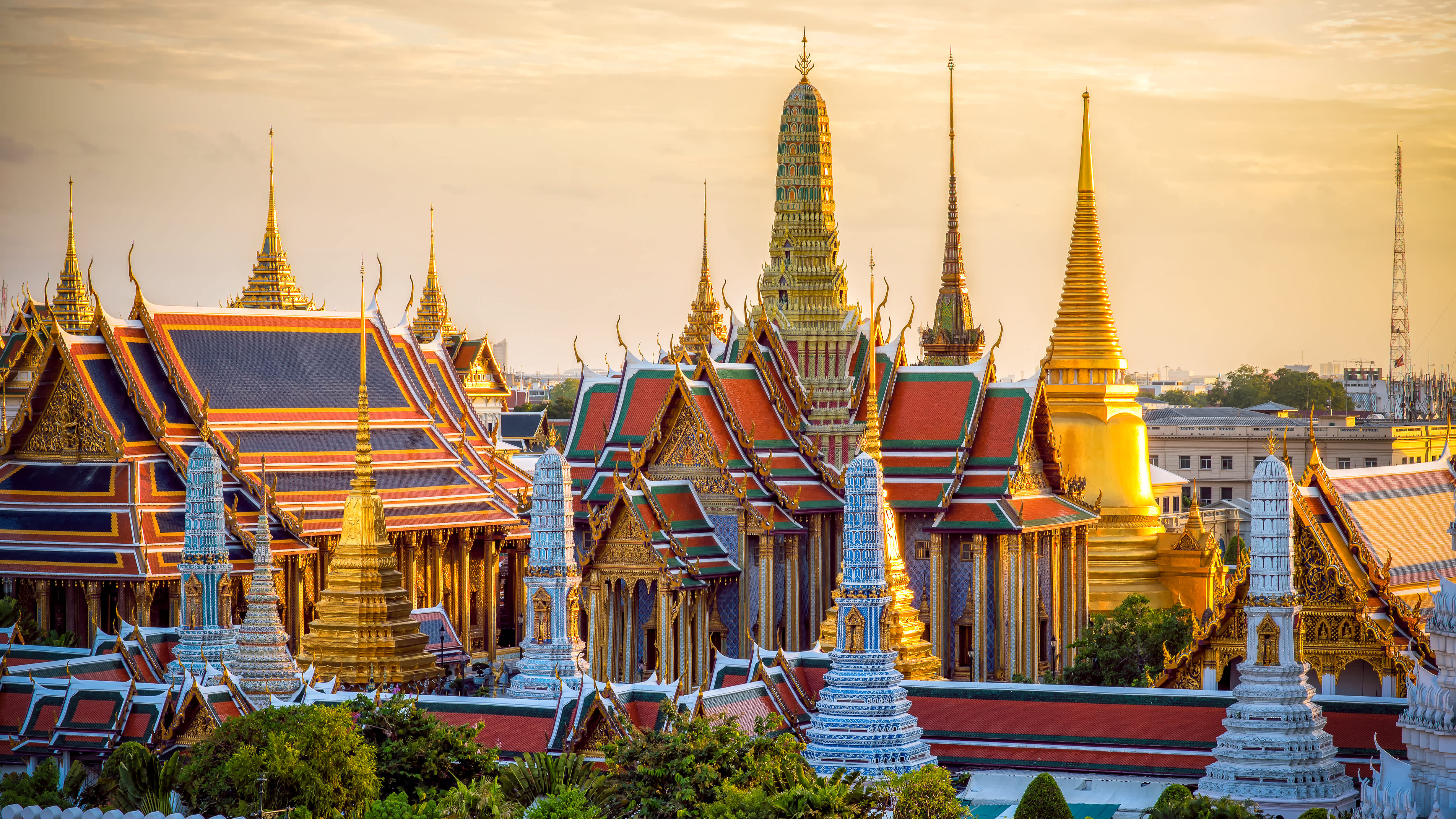
Both cities offer deep dives into fascinating cultures, albeit very different ones. Bangkok boasts iconic sites like the Grand Palace and Wat Pho (Reclining Buddha), with entry around 500 THB ($15 USD) for the Palace. Ancient temples like Wat Arun glitter along the Chao Phraya River, and floating markets like Damnoen Saduak (though touristy) offer a glimpse into traditional life. Thai culture is vibrant, spiritual, and very much alive in daily interactions. Taipei offers a profound connection to Chinese heritage at the National Palace Museum, housing nearly 700,000 artifacts (entry 350 TWD / $12 USD). Temples like Longshan Temple are active centers of worship, blending Buddhist, Taoist, and folk religions. The city also has a significant Japanese colonial past, visible in architecture, and a strong, unique indigenous culture. "Bangkok's temples are truly breathtaking, but Taipei's National Palace Museum is on another level for history buffs. Both are essential in their own way." It's a tie because both offer incredibly rich, distinct, and immersive cultural experiences that cater to different historical interests.
Winner takeaway
- Winner: Tie
- Why: Both cities provide deep, distinct cultural and historical experiences, one focusing on Thai Buddhism and royalty, the other on Chinese heritage and diverse influences.
- Who this matters for: History buffs, art lovers, and those keen to understand local traditions.
💰 Costs & Budget
For budget travelers, Bangkok is a clear winner. You can get by comfortably on $30-70 USD per day, including accommodation. A hostel bed is often $10-15 USD, a decent guesthouse room $20-30 USD. Street food meals are $1.50-3 USD, and local transport like the BTS or MRT is cheap (around 16-59 THB / $0.50-1.80 USD per ride). Even massages are affordable, from 200-300 THB ($6-9 USD) for an hour. Taipei is more expensive, closer to Western prices, but still offers good value for the quality. A decent hostel bed is $20-35 USD, and a budget hotel room can be $50-80 USD. Meals at night markets are around $5-10 USD, and a sit-down restaurant meal 150-400 TWD ($5-13 USD). MRT rides are 20-65 TWD ($0.65-2.20 USD). While Taipei isn't exorbitantly priced, Bangkok consistently allows your money to stretch further, enabling more experiences for less. "I could live like a king in Bangkok on what I spent on basic necessities in Taipei. Thai baht just goes so much further."
Winner takeaway
- Winner: Bangkok
- Why: Bangkok consistently offers significantly lower costs across all categories, making it a dream for budget-conscious travelers.
- Who this matters for: Budget travelers, backpackers, and those looking to maximize their experiences without breaking the bank.
🚇 Getting Around
Taipei's public transport system is a marvel of efficiency and cleanliness. The Taipei MRT is extensive, easy to understand, and incredibly well-maintained. Fares are reasonable, typically 20-65 TWD ($0.65-2.20 USD) per ride, and an EasyCard makes tap-and-go a breeze. The U-Bike system is fantastic for exploring neighborhoods, with rentals starting at just 10 TWD ($0.33 USD) for 30 minutes. Taxis are also readily available and reasonably priced. Bangkok has a comprehensive system of Skytrain (BTS) and Metro (MRT), which are excellent for avoiding traffic, with fares similar to Taipei. However, getting to places not on the train lines often means dealing with legendary Bangkok traffic jams, especially during peak hours. Tuk-tuks and motorbikes are iconic but can be rip-offs if you don't haggle, and Grab (ride-hailing) is prevalent. While Bangkok has more 'fun' options like longtail boats, Taipei's seamless, stress-free, and always-on-time public transport makes navigating the city an absolute pleasure. "Taipei's MRT is a dream. You just tap your EasyCard and go. Bangkok's BTS is good, but once you're off it, good luck with the traffic or haggling with a tuk-tuk."
Winner takeaway
- Winner: Taipei
- Why: Taipei's MRT system is exceptionally clean, efficient, and easy to use, making city navigation a breeze compared to Bangkok's traffic challenges.
- Who this matters for: Travelers who value punctuality, ease of use, and a stress-free commute.
🏨 Accommodation
Bangkok's accommodation scene is incredibly competitive, offering exceptional value across all price points. You can find luxurious 5-star hotels like The Peninsula Bangkok or Mandarin Oriental for $200-400 USD per night, which would cost twice as much in many other major cities. Mid-range hotels are plentiful from $40-80 USD, and budget hostels with great amenities often start at $10-20 USD, like The Yard Hostel or Lub d Bangkok. The sheer volume and variety mean you can always find something to suit your style and budget, often with fantastic pools or city views. Taipei offers very clean, modern, and well-designed accommodations, but you'll generally pay more for similar quality. A good boutique hotel might cost $80-150 USD, and a hostel bed $20-35 USD. While Taipei has excellent options, like Hotel W Taipei for luxury or Star Hostel Taipei Main Station for budget, Bangkok's ability to deliver luxury experiences at a fraction of the price, alongside its robust budget options, makes it stand out. "You get so much more bang for your buck in Bangkok. I stayed in a 4-star hotel with a rooftop pool for what a basic Airbnb costs in Taipei."
Winner takeaway
- Winner: Bangkok
- Why: Bangkok offers superior value for money and a wider range of high-quality accommodation options across all budget levels.
- Who this matters for: Luxury seekers on a budget, and those who appreciate getting more for their money.
🛍️ Shopping
Bangkok is a shopper's paradise. It caters to every whim, from the high-end luxury brands at Siam Paragon and ICONSIAM to the labyrinthine Chatuchak Weekend Market, where you can haggle for everything from vintage clothes to artisanal crafts. MBK Center is famous for electronics and souvenirs, while Pratunam Market is a wholesale haven for fashion. You can get custom-tailored suits for a fraction of Western prices (starting around $100-200 USD). Taipei offers excellent shopping too, particularly for trendy fashion, electronics, and local crafts. Ximending is the youth fashion hub, while the Shin Kong Mitsukoshi department stores offer international brands. Night markets are great for unique snacks and small trinkets. However, Bangkok's sheer scale, variety, and the thrill of haggling for great deals in its bustling markets give it the edge. "I bought a whole new wardrobe and way too many gifts in Bangkok for what I'd spend on one designer item in Taipei. The markets there are insane."
Winner takeaway
- Winner: Bangkok
- Why: Bangkok's shopping scene is more diverse, extensive, and offers better opportunities for unique finds and budget-friendly purchases.
- Who this matters for: Shopaholics, bargain hunters, and those looking for unique souvenirs.
🌳 Day Trips & Nature
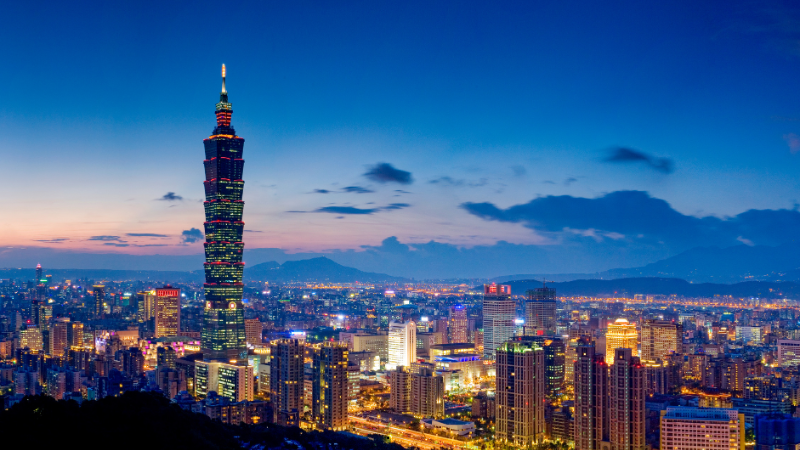
Taipei truly shines when it comes to easy access to stunning nature. Within an hour's MRT ride, you can be hiking up Elephant Mountain for iconic city views or soaking in natural hot springs in Beitou. Yangmingshan National Park, with its volcanic landscapes and hiking trails, is just a bus ride away. For a proper escape, a high-speed rail to Taroko Gorge (Hualien) is a longer but incredibly rewarding journey, revealing dramatic marble canyons. Even places like Jiufen and Shifen (famous for sky lanterns and waterfalls) are easily reachable by public transport. Bangkok offers significant historical day trips like Ayutthaya (ancient capital, 1.5-hour train ride, 15-20 THB / $0.50-0.65 USD), and Damnoen Saduak Floating Market, but its natural escapes are fewer and further between, often requiring organized tours. While Ayutthaya is fantastic, Taipei's immediate proximity to diverse and breathtaking natural landscapes gives it a clear win. "I loved seeing Ayutthaya, but being able to hike a mountain and be back in Taipei for dinner, or soak in hot springs, is just unbeatable for a city break."
Winner takeaway
- Winner: Taipei
- Why: Taipei offers incredibly easy and quick access to diverse natural beauty, including mountains, hot springs, and national parks, directly from the city.
- Who this matters for: Nature lovers, hikers, and those looking for quick escapes from urban life.
🚨 Safety & Cleanliness
Taipei is renowned globally for its exceptional safety and cleanliness. The crime rate is incredibly low, and you'll feel comfortable walking alone at night, even in quieter areas. The city is meticulously maintained, with clean streets, public restrooms, and an efficient waste management system. The MRT is spotless. Bangkok is generally safe for tourists, but it's a bustling mega-city with inherent challenges. Petty theft (pickpocketing) can occur in crowded areas, and common scams (e.g., 'gem store' scams, inflated tuk-tuk prices) are unfortunately prevalent. While violent crime against tourists is rare, you need to be more aware of your surroundings and belongings. The city's air quality can be an issue at certain times of the year, and some areas are noticeably less clean or more chaotic than Taipei. "I always feel totally safe walking around Taipei, even late at night. In Bangkok, I'm constantly on alert for scams or just general chaos. It's a different vibe entirely."
Winner takeaway
- Winner: Taipei
- Why: Taipei offers an exceptionally high level of safety and cleanliness, providing a more stress-free and secure environment for travelers.
- Who this matters for: Solo travelers (especially women), families, and those who prioritize peace of mind.
☀️ Weather & Seasons
Taipei offers a more varied and generally more comfortable climate for visitors, making it the winner here. Its best seasons are spring (March-May) and autumn (September-November), when temperatures are pleasant (20-28°C / 68-82°F) and humidity is lower, perfect for exploring. Summers (June-August) are hot and humid (30-35°C / 86-95°F), with typhoon season possible, but winters (December-February) are mild and cool (13-20°C / 55-68°F), though damp. Bangkok, on the other hand, is hot and humid year-round. Its 'cool' season (November-February) is the most pleasant, with temperatures around 25-30°C (77-86°F) and less humidity. The hot season (March-May) can be brutal, hitting 35-40°C (95-104°F) with high humidity, making sightseeing exhausting. The rainy season (June-October) brings heavy, but often short, downpours. For travelers who prefer a break from intense heat or enjoy distinct seasonal changes, Taipei is the better choice. "Bangkok in April felt like walking through a sauna. Taipei in October was perfect for hiking and walking around without constantly sweating."
Winner takeaway
- Winner: Taipei
- Why: Taipei offers more comfortable and varied seasonal weather, particularly during spring and autumn, making it more pleasant for year-round travel compared to Bangkok's perpetual heat and humidity.
- Who this matters for: Travelers sensitive to extreme heat, and those who prefer exploring in milder climates.
❓ Frequently Asked Questions
Which city is better for a solo female traveler?
Taipei generally offers a higher sense of safety and comfort for solo female travelers due to its extremely low crime rate and organized urban environment. While Bangkok is largely safe, you need to be more vigilant about scams and petty theft, particularly in crowded tourist areas.
Is English widely spoken in Bangkok or Taipei?
In both cities, English is reasonably understood in tourist-heavy areas, major hotels, and international restaurants. Taipei's younger generation often has better English proficiency. However, learning a few basic phrases in Thai or Mandarin will always enhance your experience and interactions with locals.
Which city has better access to beaches?
Neither city is directly on a world-class beach. From Bangkok, you can take a 2-3 hour bus/ferry to places like Pattaya or Koh Larn, or fly to southern islands (Phuket, Krabi). From Taipei, Kenting National Park (south Taiwan) offers beaches but requires a ~4-5 hour high-speed rail and bus journey. For serious beach lovers, Thailand is generally the better choice, but you'll need to leave Bangkok.
What's the best time of year to visit each city?
For Bangkok, the 'cool' dry season from November to February is ideal. For Taipei, spring (March-May) and autumn (September-November) offer the most pleasant weather for exploring, avoiding the hot, humid summer and the damp, cool winter.
Which city is more vegetarian/vegan-friendly?
Both cities have growing vegetarian/vegan options. Bangkok, with its widespread street food, offers many naturally meat-free dishes like Pad See Ew (ask for no egg/fish sauce) and fruit. Taipei has a strong Buddhist population, leading to many dedicated vegetarian restaurants (often marked '素食') and easy-to-find options in night markets. It's a close call, but Taipei might have a slight edge in dedicated vegetarian eateries.
How do the cultural experiences differ fundamentally?
Bangkok offers an immersive dive into vibrant Theravada Buddhist culture, monarchy, and bustling markets, rich with Southeast Asian warmth. Taipei presents a blend of traditional Chinese heritage, Japanese colonial influences, and unique Taiwanese identity, characterized by efficiency and a more subtle, yet equally profound, cultural depth.
Which city is better for shopping for electronics?
Taipei, known for its tech industry, often offers a slight edge for electronics, especially in areas like Guanghua Digital Plaza. You'll find a wide range of components and gadgets, often at competitive prices. Bangkok's MBK Center also has a huge selection, but quality can vary, and it's essential to be savvy to avoid fakes.
Are taxis or ride-hailing apps better in each city?
In Bangkok, Grab (ride-hailing) is generally preferred for transparency in pricing and avoiding haggling, though regular taxis are abundant. In Taipei, local taxis are very reliable and affordable, with meters always used. Both cities have excellent public transport, often making taxis unnecessary for many routes.
Ready to plan your Southeast Asian or East Asian adventure?
Get a free custom itinerary for Bangkok, Taipei, or both — built from real traveler insights.
🎟️ Book Tours & Experiences
Hand-picked tours and activities for both destinations — book with free cancellation
Experiences via Viator — free cancellation on most tours