How we built this comparison
This page combines traveler discussion patterns, published price ranges, flight schedules, and seasonal data to help you decide between Barcelona and Frankfurt.
- Reviewed 50+ Reddit threads from r/travel, r/solotravel, r/Barcelona, r/frankfurt, r/EuropeTravel.
- Verified costs and logistics against current booking platforms like Google Flights, Booking.com, and local transport sites.
- Cross-referenced seasonal patterns and weather data from meteorological sources.
⚡ Quick Answers
⚡ The TL;DR Verdict
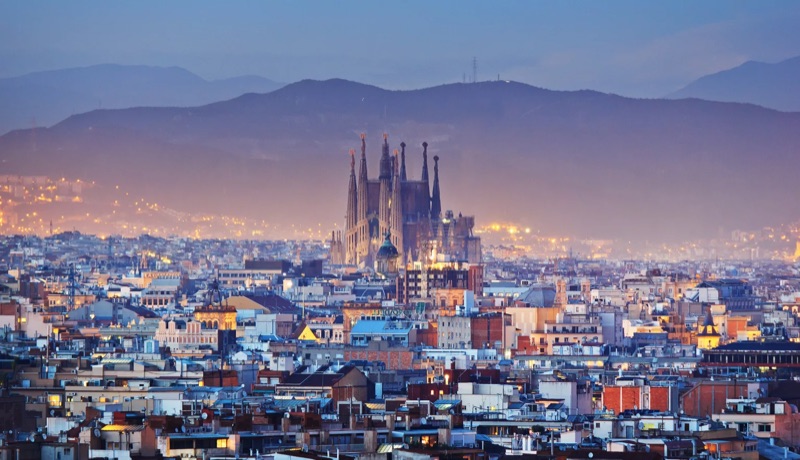
For most travelers seeking a more traditional holiday experience with readily available activities, Barcelona is the pick. Its climate, food scene, and historical sites offer broad appeal. Frankfurt is better suited for those prioritizing efficiency, business, or using it as a launchpad for wider exploration, though it has its own distinct appeal.
- Choose Barcelona: You want a city with a distinct visual identity, warm weather, late nights, a beach, and readily accessible, affordable food like tapas and paella. Ideal for solo travelers, couples, or groups who enjoy walking and exploring lively areas.
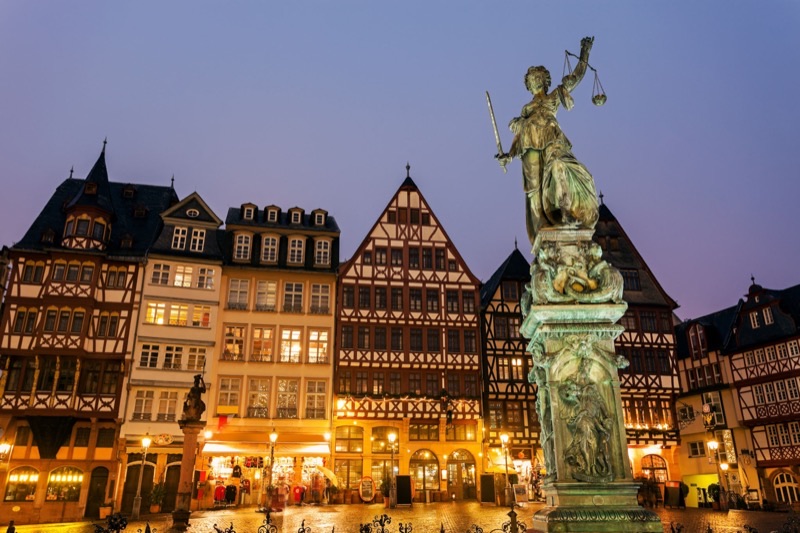
- Choose Frankfurt: You prioritize efficient transport, a more structured travel experience, a central European base for day trips, and a taste of modern Germany alongside historical reconstruction. It suits business travelers or those who appreciate museums, parks, and riverside walks.
- Choose Both: If you have 10-14 days, you could reasonably experience both cities by flying between them. Start with Barcelona for 4-5 days, then take a 2-hour flight to Frankfurt for 3-4 days before continuing your European journey.
Choose Barcelona
Choose Barcelona for an unforgettable blend of iconic Gaudi architecture, sun-soaked beaches, and a vibrant culinary scene, perfect for exploring late into the night. It's best for first-time European travelers, couples, or friends seeking an immersive cultural experience with delicious tapas and a lively atmosphere in neighborhoods like the Gothic Quarter.
Choose Frankfurt
Frankfurt is ideal for those prioritizing modern efficiency, world-class museums along the Main River (like the Städel), and using it as a polished base for wider European exploration. Best for business travelers, art lovers, or visitors who appreciate a city seamlessly blending contemporary architecture with historic charm, perhaps enjoying apple wine in Sachsenhausen.
📊 Visual Scorecard
🌤 When to Visit
Average high temperatures (°C). Green = best months, orange = avoid.
Quick Comparison
| Category | Barcelona | Frankfurt | Winner |
|---|---|---|---|
| Food & Drink | Tapas culture, seafood paella, affordable Cava, late dinners. Diverse, social dining. | Hearty German cuisine, Apfelwein taverns, sausages, schnitzel. More traditional meals. | |
| Nightlife | Late-night bars, clubs in El Born and Gothic Quarter, beach parties. Energy until dawn. | Apfelwein pubs, cocktail bars, a few clubs. More subdued, earlier closing times. | |
| Culture & History | Gaudi architecture, Gothic Quarter, Roman ruins, Catalan identity. | Reconstructed Old Town, Goethe House, Stadel Museum, modern financial history. | |
| Costs | Mid-range for Europe, good value on food/drink. Accommodation can be pricey. | Slightly higher overall, especially for accommodation and sit-down meals. Good public transport value. | |
| Getting There | Barcelona-El Prat Airport (BCN), well-connected, many low-cost options. | Frankfurt Airport (FRA), major international hub, excellent global connectivity. | Tie |
| Getting Around | Walkable central areas, extensive metro, bus network. Taxis available. | Highly efficient U-Bahn, S-Bahn, tram network. Good for wider city exploration. | Frankfurt |
| Accommodation | Hostels, boutique hotels, apartments. Good variety, prices vary by season. | Business hotels, modern chains. Often pricier due to demand from corporate travel. | |
| Day Trips | Montserrat, Girona, Tarragona, beaches of Sitges. Accessible by train. | Rhine Valley, Heidelberg, Eltz Castle, Wiesbaden. Excellent rail connections. | Frankfurt |
| Weather & Seasons | Mediterranean climate, hot dry summers, mild winters. Spring/autumn are ideal. | Continental climate, warm summers, cold snowy winters. Distinct seasons. | |
| Safety | Generally safe but high risk of petty crime, especially pickpocketing. | Generally safe city, lower petty crime rates than Barcelona, vigilance needed. | Frankfurt |
🍽️ Food & Drink
Barcelona excels with its food and drink offerings. The tapas scene is central to the experience, allowing for varied small plates and social dining. Expect to pay €3-6…
Barcelona
Frankfurt
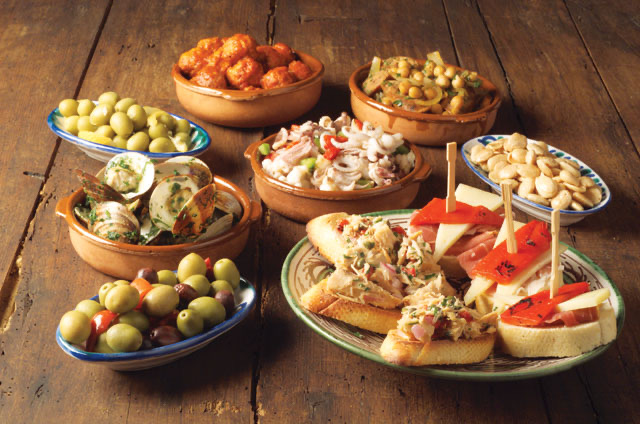
Barcelona excels with its food and drink offerings. The tapas scene is central to the experience, allowing for varied small plates and social dining. Expect to pay €3-6 ($3.25-6.50) per tapa at places like Ciudad Condal or El Xampanyet, making it easy to graze. A full paella dish at a beachfront restaurant might cost €18-25 ($19-27). Local Cava is widely available and affordable, often €3-5 ($3.25-5.50) a glass. Dinner typically starts around 8:30 PM or later, extending into the night.
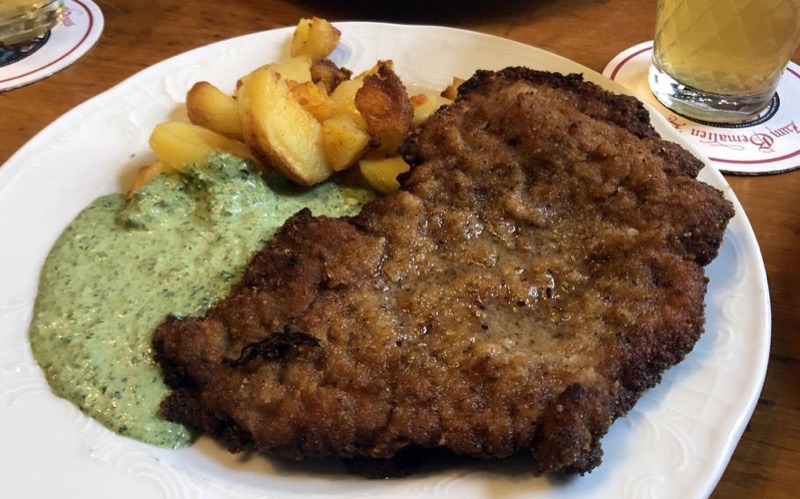
Frankfurt provides a different culinary focus. Its strengths lie in hearty German dishes such as Frankfurter sausages, Schnitzel, and Handkäse mit Musik (local sour milk cheese with onions). Traditional Apfelwein taverns in Sachsenhausen, like Wagner, offer a genuine taste of the region, where a liter of Apfelwein costs around €3-4 ($3.25-4.30) and a main dish like Grüne Sosse (green sauce) with potatoes and eggs is €12-16 ($13-17). Lunch is usually the main meal, and many places close earlier. For global options, the city center has many international restaurants. tabiji verdict: Barcelona offers a far more dynamic and exploratory food scene for a visitor.
- Winner: Barcelona
- Why: Barcelona's tapas culture and diverse Mediterranean flavors provide a more engaging and accessible culinary journey for travelers.
- Who this matters for: Food enthusiasts, social diners, budget travelers seeking variety.
🎶 Nightlife
Barcelona is renowned for its late-night scene, with activity often starting after 10 PM. Areas like the Gothic Quarter and El Born have numerous bars for pre-club drinks, with…
Barcelona
Frankfurt
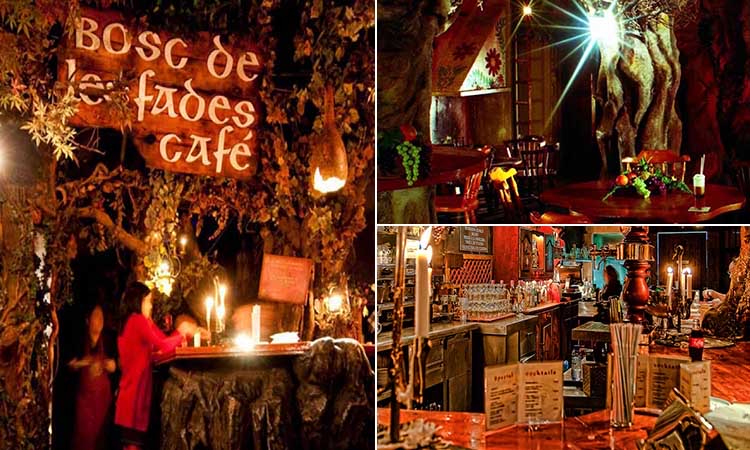
Barcelona is renowned for its late-night scene, with activity often starting after 10 PM. Areas like the Gothic Quarter and El Born have numerous bars for pre-club drinks, with beer costing €3-5 ($3.25-5.50) and cocktails €8-12 ($8.60-13). Clubs along the beach, such as Opium or Pacha, open late and often have cover charges of €15-25 ($16-27), including a drink. The energy is consistent, and it is common for people to stay out until 3-4 AM or later. There are also many smaller, local spots to discover.
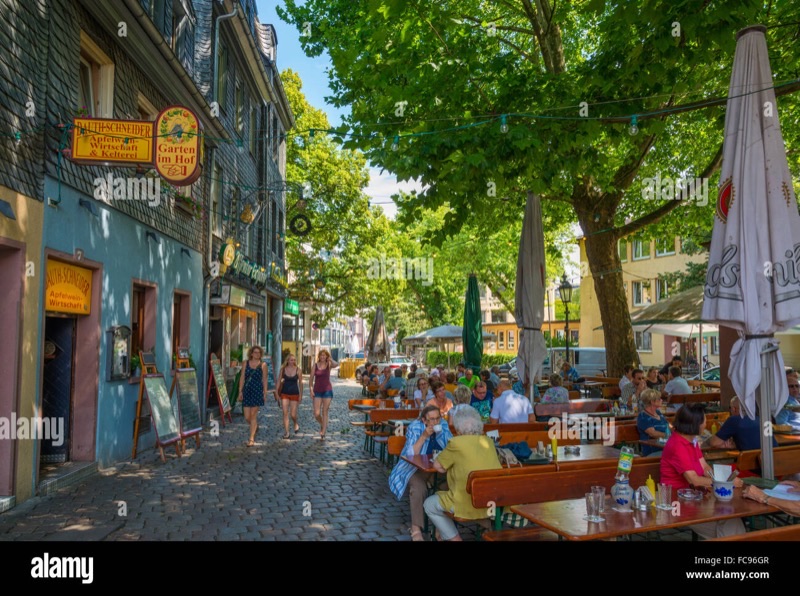
Frankfurt has a more understated nightlife. The Sachsenhausen district offers traditional Apfelwein pubs, which are lively but typically close around midnight or 1 AM. Modern cocktail bars can be found in the city center, with drinks costing €10-15 ($11-16). There are some clubs, particularly around Konstablerwache or the Bahnhofsviertel, but they do not compare in scale or variety to Barcelona. Frankfurt's nightlife largely caters to a local business crowd or those seeking a relaxed evening. tabiji verdict: Barcelona is a clear choice for anyone prioritizing an energetic and prolonged nightlife experience.
- Winner: Barcelona
- Why: Barcelona's extensive late-night bar and club scene offers far more options and a higher energy level.
- Who this matters for: Partygoers, night owls, those seeking social interaction after dark.
🏛️ Culture & History
Barcelona offers a visually distinct cultural and historical experience, dominated by Antoni Gaudi's architecture. The Sagrada Familia, still under construction, costs €26-30…
Barcelona
Frankfurt
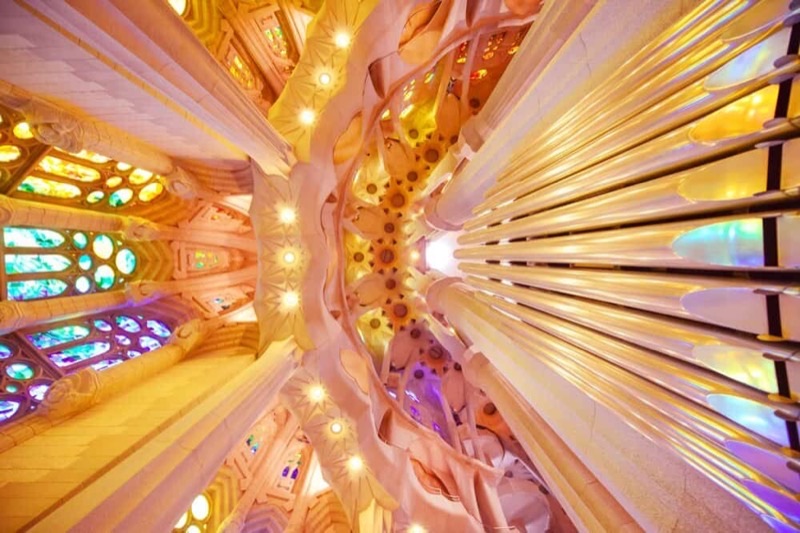
Barcelona offers a visually distinct cultural and historical experience, dominated by Antoni Gaudi's architecture. The Sagrada Familia, still under construction, costs €26-30 ($28-32) for entry and is a central feature. Park Guell (entry €10/$11) and Casa Batllo (entry €30-35/$32-38) showcase his unique style. The Gothic Quarter has medieval streets and Roman ruins. The citys history includes a strong Catalan identity, evident in its language and traditions. Its museums, like the Picasso Museum (€12/$13), cover different artistic periods and cultural facets. The overall historical texture of the city is palpable.
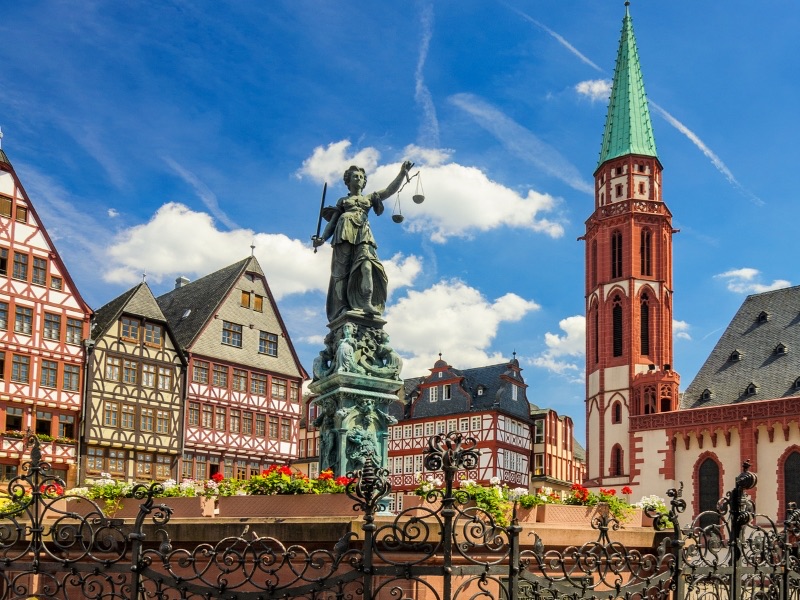
Frankfurt's cultural and historical landscape is shaped by its post-WWII reconstruction. The Romerberg square, with its half-timbered houses, is a meticulously recreated medieval core. The Goethe House, where the famous writer was born, provides insight into 18th-century life (€10/$11). The Stadel Museum (€16/$17) is a main draw, housing European art from the Middle Ages to modern times. The city also highlights its role as a financial center, with the European Central Bank and the Main Tower (observation deck €9/$9.70) offering perspectives on its modern identity. While it has historical depth, much of it is presented through museums rather than being physically preserved in its original form. tabiji verdict: Barcelona presents a more immediate and visually striking historical and cultural journey.
- Winner: Barcelona
- Why: Barcelona's iconic architecture and preserved historical districts provide a more immersive and aesthetically rich cultural experience.
- Who this matters for: Architecture enthusiasts, art lovers, those seeking tangible historical remnants.
💰 Costs
Barcelona offers good value, particularly for food and drink if you embrace the tapas culture. A budget traveler can manage on €70-120 ($75-130) per day, including hostel…
Barcelona
Frankfurt
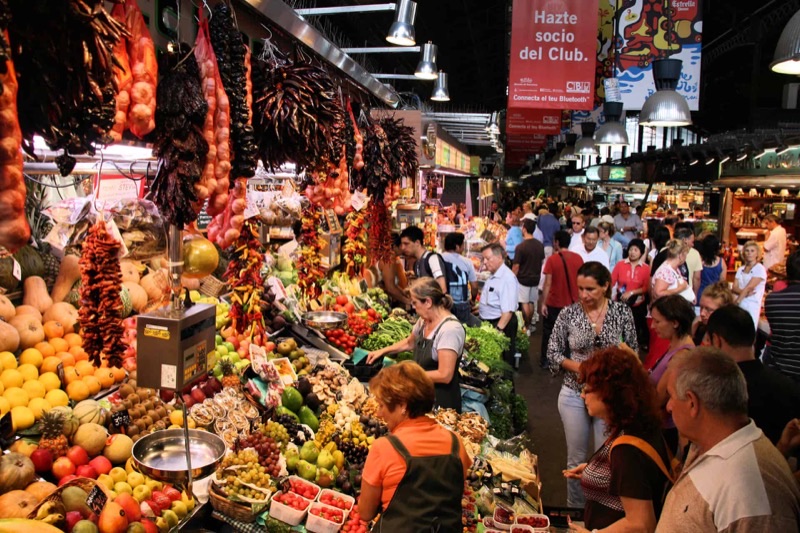
Barcelona offers good value, particularly for food and drink if you embrace the tapas culture. A budget traveler can manage on €70-120 ($75-130) per day, including hostel accommodation (€25-45/$27-48), local transport (T-Casual 10 trips €11.35/$12.20), and meals. Mid-range travelers might spend €120-200 ($130-215), including a decent hotel (€80-130/$86-140) and entry to 1-2 attractions. Attractions like Sagrada Familia and Park Guell can add up. Being mindful of tourist traps near main attractions helps keep costs down. A general rule: step a few blocks away from tourist areas for better prices.
Frankfurt tends to be slightly more expensive overall, especially for accommodation and sit-down restaurant meals, given its business focus. A budget for €80-130 ($85-140) per day is realistic, including hostel bed (€30-50/$32-54) and efficient public transport (day ticket €5.80/$6.25). Mid-range travelers should plan for €130-220 ($140-235), with hotels often €90-150 ($97-160) per night. Museum entries are comparable to Barcelona, often €10-18 ($11-19). Eating out at traditional German restaurants can be €15-25 ($16-27) for a main dish. Supermarket prices for groceries are generally reasonable. tabiji verdict: Barcelona offers more opportunities for budget-conscious travelers to save money on daily expenses.
- Winner: Barcelona
- Why: Barcelona provides more avenues for affordable food and social activities, making a mid-range budget stretch further.
- Who this matters for: Budget travelers, those looking for good value meals and drinks.
✈️ Getting There
Barcelona-El Prat Airport (BCN) is a main entry point for Spain, located about 12 km (7.5 miles) southwest of the city center. It is a hub for Vueling and a focus city for Ryanair…
Barcelona
Frankfurt
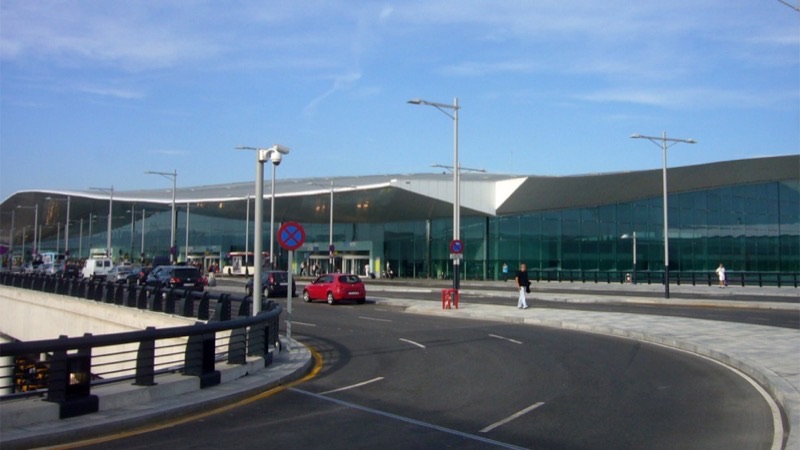
Barcelona-El Prat Airport (BCN) is a main entry point for Spain, located about 12 km (7.5 miles) southwest of the city center. It is a hub for Vueling and a focus city for Ryanair and EasyJet, offering numerous budget connections across Europe. Direct flights from major US cities like New York (JFK) or Miami (MIA) average 7.5-8.5 hours, with fares typically ranging from $600-900 return in off-peak seasons. The airport is easily accessible by Aerobus (€7.25/$7.80), train (€4.60/$4.95), or metro (€5.50/$5.90) to the city center.
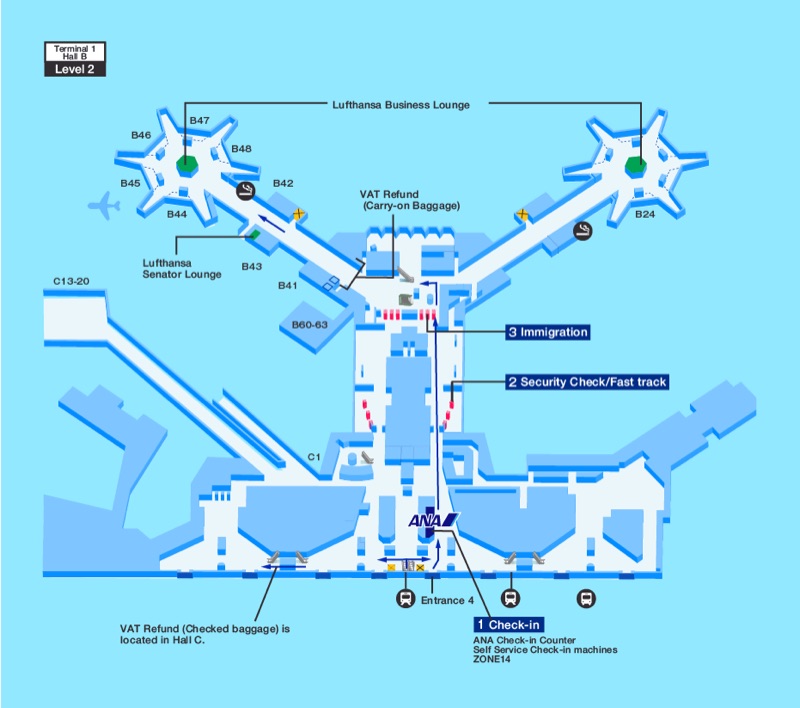
Frankfurt Airport (FRA) is one of Europes largest and busiest airports, offering extensive global connectivity. It serves as a main hub for Lufthansa, meaning many direct long-haul flights from North America and Asia are available. Direct flights from New York (JFK) or Chicago (ORD) also average 7.5-8.5 hours, with similar return fares often between $650-950 depending on the season. FRA is exceptionally well-integrated into the German rail network, allowing direct connections to other cities. A regional train (S-Bahn) to Frankfurt Hauptbahnhof costs €5.80 ($6.25). tabiji verdict: Both cities are easily accessible by air, with choice depending on your starting point and onward travel plans.
- Winner: Tie
- Why: Both airports are major international hubs with comparable direct flight times and costs from key markets.
- Who this matters for: Anyone flying internationally, particularly from North America.
🚶 Getting Around
Barcelona's city center, especially the Gothic Quarter and El Born, is very walkable. For longer distances, the metro system is extensive, clean, and efficient, with a T-Casual…
Barcelona's city center, especially the Gothic Quarter and El Born, is very walkable. For longer distances, the metro system is extensive, clean, and efficient, with a T-Casual card offering 10 rides for €11.35 ($12.20) in Zone 1. Buses cover areas not served by the metro. Taxis are plentiful, and ride-sharing apps also operate. The city design, with its Eixample grid, makes navigation straightforward. However, during peak tourist season, metro lines can be very crowded, and some areas are pedestrian-only, requiring more walking.
Frankfurt boasts an exceptionally efficient and integrated public transport system comprising U-Bahn (underground), S-Bahn (suburban trains), and trams. A single ticket costs €2.75 ($2.96), and a day ticket for the city zone is €5.80 ($6.25). The network is extensive, punctual, and easy to navigate, making it simple to reach any part of the city or surrounding areas. The compact city center is also walkable, particularly around the Romerberg and Main River. Public transport is a main feature of life in Frankfurt, designed for reliability and speed. tabiji verdict: Frankfurt's public transport network is superior in efficiency and coverage, making it easier to explore the entire city.
- Winner: Frankfurt
- Why: Frankfurt's public transport system is known for its exceptional efficiency, punctuality, and comprehensive coverage.
- Who this matters for: Travelers prioritizing ease of movement, those planning extensive city exploration.
🏨 Accommodation
Barcelona offers a wide array of accommodation, from budget-friendly hostels to luxury hotels and numerous apartment rentals. A hostel bed in a good location like the Gothic…
Barcelona offers a wide array of accommodation, from budget-friendly hostels to luxury hotels and numerous apartment rentals. A hostel bed in a good location like the Gothic Quarter or Gracia typically costs €25-45 ($27-48). Mid-range hotels are often €80-130 ($86-140) per night, with more characterful boutique options in areas like El Born. Apartment rentals are popular for longer stays or groups, but regulations have become stricter. Prices fluctuate significantly with the season, with summer and major festivals being the most expensive. Booking several months ahead is often advised for peak times.
Frankfurt's accommodation market is heavily influenced by its status as a financial and trade fair hub. This means a prevalence of modern business hotels, which often command higher prices. A hostel bed generally ranges from €30-50 ($32-54). Mid-range hotel rooms often start at €90-150 ($97-160), but can surge significantly during major trade fairs (e.g., Book Fair, IAA Mobility). Characterful, independent hotels are less common than in Barcelona. If traveling during a major event, securing accommodation well in advance is critical, as prices can double or triple. tabiji verdict: Barcelona provides better value and a broader range of accommodation types for the general leisure traveler.
- Winner: Barcelona
- Why: Barcelona has more diverse accommodation options, including charming boutique hotels and hostels, often at better price points for leisure travelers.
- Who this matters for: Travelers seeking good value, those preferring unique hotels or hostel stays.
🗺️ Day Trips
From Barcelona, popular day trips include Montserrat, a mountain monastery accessible by train and cable car (around €30/$32 return trip), offering impressive views. Girona, with…
From Barcelona, popular day trips include Montserrat, a mountain monastery accessible by train and cable car (around €30/$32 return trip), offering impressive views. Girona, with its medieval architecture and city walls, is a 40-minute high-speed train ride (€15-25/$16-27 return). The Roman ruins of Tarragona or the coastal town of Sitges (30-minute train, €8-10/$8.60-11 return) are also easily reachable. These destinations offer a good mix of nature, history, and coastal relaxation. The public transport network makes these trips straightforward, albeit often requiring specific train lines.
Frankfurt excels as a base for day trips due to Germany's efficient rail system and central location. The Rhine Valley, with its castles and vineyards, is an easy train ride away (e.g., to Rudesheim, €20-30/$21-32 return). The historically significant university city of Heidelberg, with its castle ruins, is just an hour away by train (€15-25/$16-27 return). The fairy-tale Eltz Castle, while requiring a train and bus connection, is also feasible. Wiesbaden, a spa town, is a short S-Bahn ride. Frankfurts connectivity makes exploring a broader region of Germany and even neighboring countries highly practical. tabiji verdict: Frankfurts central location and superior rail network make it a better hub for diverse and efficient day trips.
- Winner: Frankfurt
- Why: Frankfurt's central location and Germany's robust rail network enable a wider array of efficient and varied day trips.
- Who this matters for: Explorers, those wanting to see more of the region beyond the main city.
☀️ Weather & Seasons
Barcelona enjoys a Mediterranean climate, characterized by hot, dry summers and mild, relatively wet winters. Summer temperatures (June-August) average 25-30°C (77-86°F), with…
Barcelona enjoys a Mediterranean climate, characterized by hot, dry summers and mild, relatively wet winters. Summer temperatures (June-August) average 25-30°C (77-86°F), with high humidity. This is beach weather, but can be too warm for extensive sightseeing. Spring (April-May) and autumn (September-October) are often considered ideal, with comfortable temperatures averaging 18-24°C (64-75°F) and fewer crowds. Winters (November-March) are mild, with averages around 10-15°C (50-59°F), making it pleasant for city exploration without the heat. Rain is generally moderate and spread throughout the year, but heaviest in autumn. The consistent sun is a main draw.
Frankfurt has a temperate continental climate with four distinct seasons. Summers (June-August) are warm, with average temperatures of 20-25°C (68-77°F), though heatwaves can push it higher. It can be quite pleasant for outdoor activities. Winters (December-February) are cold, often with freezing temperatures and snowfall, averaging 0-5°C (32-41°F). Spring (March-May) and autumn (September-November) offer moderate temperatures, ranging from 10-18°C (50-64°F), with variable rainfall. Frankfurts weather is generally more unpredictable than Barcelonas, with crisp clear days and grey rainy days possible in any season. tabiji verdict: Barcelona's milder, more predictable climate offers a more consistently pleasant experience for leisure travel.
- Winner: Barcelona
- Why: Barcelona's Mediterranean climate provides consistently pleasant temperatures for more months of the year, especially for outdoor activities.
- Who this matters for: Warm weather seekers, those preferring mild winters and consistent sunshine.
🚨 Safety
Barcelona is generally a safe city for visitors, but it has a very high incidence of petty crime, particularly pickpocketing. This is a main concern for many travelers. Main…
Barcelona is generally a safe city for visitors, but it has a very high incidence of petty crime, particularly pickpocketing. This is a main concern for many travelers. Main tourist areas like Las Ramblas, the Gothic Quarter, and crowded metro stations are prime targets. Travelers should be highly vigilant with their belongings, avoid carrying passports or large sums of cash, and use anti-theft bags. Violent crime is rare against tourists. Walking alone at night is generally fine in main areas, but caution is advised in less-trafficked streets. The relaxed atmosphere can sometimes lead visitors to drop their guard.
Frankfurt is a safe city overall. Like any major city, caution is advised, especially around the main train station (Hauptbahnhof) district late at night, which can attract drug use and prostitution. However, petty crime rates are significantly lower than in Barcelona. Pickpocketing exists, but is not as pervasive a threat. The city center and tourist areas are well-lit and generally feel secure. Public transport is safe to use at all hours. Visitors can generally relax more about their personal belongings compared to Barcelona. tabiji verdict: Frankfurt offers a more secure environment with less concern for petty crime than Barcelona.
- Winner: Frankfurt
- Why: Frankfurt presents a lower risk of petty crime, allowing travelers to feel more secure and less stressed about their belongings.
- Who this matters for: Solo travelers, families, anyone prioritizing peace of mind regarding personal safety.
🎯 The Decision Framework
Choose Barcelona If…
- You want to spend time at a city beach.
- You are excited by Gaudi's architecture and distinct visual style.
- You thrive in a late-night dining and social scene, eating dinner after 9 PM.
- You prefer to explore on foot, stopping at many small tapas bars.
- You want a consistently warm or mild climate for your trip.
- You enjoy walking through ancient, winding city streets like the Gothic Quarter.
- You are comfortable being highly vigilant against pickpockets.
- You want to practice some Spanish or Catalan.
Choose Frankfurt If…
- You prioritize exceptional public transport and efficiency.
- You want to use your base for extensive day trips around Germany or to neighboring countries.
- You are interested in world-class museums like the Stadel Museum.
- You appreciate modern architecture alongside historical reconstruction.
- You enjoy hearty German food and local Apfelwein taverns.
- You prefer a city with a lower general risk of petty theft.
- You are comfortable with cooler weather, especially in winter.
- You are traveling for business and want good amenities.
📅 Sample Itineraries
Weekend in Barcelona (3 Days)
💡 Purchase a T-Casual public transport card for about $12 for 10 journeys, saving money compared to single tickets which cost around $2.60 each.
Weekend in Frankfurt (3 Days)
💡 The Frankfurt Card offers unlimited public transport and discounts on museums for 1-2 days, costing around $14-20, which is beneficial if you plan multiple museum visits.
One Week in Barcelona (7 Days)
💡 For extended stays, consider the Barcelona Card for free public transport and museum discounts, which can save money if you plan extensive sightseeing.
One Week in Frankfurt (7 Days)
💡 When planning day trips from Frankfurt, booking train tickets in advance or checking for regional passes like the Quer-durchs-Land-Ticket can provide significant savings on travel costs.
❓ Frequently Asked Questions
Which city is better for a weekend trip?
For a pure weekend getaway, Barcelona is generally easier to enjoy quickly. Its attractions are concentrated, and the atmosphere is immediately engaging. You can see main sites, enjoy tapas, and experience the nightlife over 2-3 days. Frankfurt requires a bit more effort to uncover its appeal, and its strength as a day-trip hub might be underutilized on a short trip.
What is the average flight time from the US to each city?
Direct flights from major US East Coast cities like New York to both Barcelona (BCN) and Frankfurt (FRA) average around 7.5 to 8.5 hours. From the US Midwest (e.g., Chicago) or West Coast, flight times are longer, often 9-11 hours, and may include a stop. Fares typically range from $600-950 return.
Is Barcelona or Frankfurt more expensive?
Frankfurt is generally slightly more expensive than Barcelona, especially for accommodation and sit-down meals, due to its business travel demand. A mid-range daily budget in Barcelona might be €120-200 ($130-215), while in Frankfurt it could be €130-220 ($140-235). Both offer budget-friendly options, but Barcelona provides more opportunities for savings on food and entertainment.
Which city has better public transportation?
Frankfurt has a superior public transportation system in terms of efficiency, punctuality, and integration. Its U-Bahn, S-Bahn, and tram network are exceptionally reliable and cover the city comprehensively. Barcelona's metro is also good, but Frankfurt's system is a hallmark of German engineering and often feels more streamlined for visitors.
Which city is better for families with young children?
Frankfurt might be marginally better for families with young children due to its lower petty crime rates and excellent parks like Palmengarten. Barcelona offers beaches and family-friendly attractions like Park Guell, but the constant vigilance against pickpockets in crowded areas can be stressful. Both cities have good public transport.
What are the main differences in atmosphere?
Barcelona has a Mediterranean, relaxed yet lively atmosphere, with a strong social culture around food and late nights. It feels visually distinct and historic. Frankfurt has a more modern, efficient, and business-focused atmosphere, quieter in the evenings, but with pleasant riverside areas and parks. It is less overtly touristy.
Which city is better for a solo traveler?
Barcelona is generally better for solo travelers who want to meet people, with its hostel scene, social tapas culture, and easy walking. However, the high pickpocketing risk requires constant awareness. Frankfurt is safer for solo exploration, but its nightlife and social scene are less geared towards spontaneous interaction, making it potentially quieter.
What is the best time of year to visit each city?
For Barcelona, spring (April-May) and autumn (September-October) are ideal, with pleasant temperatures of 18-24°C (64-75°F) and fewer crowds than summer. For Frankfurt, late spring (May-June) or early autumn (September) offer the best balance of good weather (15-22°C / 59-72°F) for outdoor activities and fewer extremes than summer heat or winter cold.
Ready to plan your Europe trip?
Get a free custom itinerary for Barcelona, Frankfurt, or both — built from real traveler insights.
👥 Travelers Also Compared
🎟️ Book Tours & Experiences
Hand-picked tours and activities for both destinations — book with free cancellation
Experiences via Viator — free cancellation on most tours