How we built this comparison
This page combines traveler discussion patterns, published price ranges, flight schedules, and seasonal data to help you decide between Barcelona and Granada.
- Reviewed 50+ Reddit threads from r/travel, r/solotravel, r/Barcelona, r/Granada.
- Verified costs and logistics against current booking platforms like Renfe, Skyscanner, Booking.com.
- Cross-referenced seasonal patterns and weather data from meteorological sources.
⚡ Quick Answers
⚡ The TL;DR Verdict
For most first-time visitors to Spain seeking a diverse urban experience with a coastal edge, Barcelona delivers a broader appeal and easier logistics. However, those on a tighter budget, seeking deep Moorish history, and a slower pace will find Granada more rewarding. Barcelona generally runs €80-150 (~$85-160) per day, while Granada is closer to €60-100 (~$65-110) per day.
- Choose Barcelona: Pick Barcelona if you prefer a large, energetic city with iconic architecture, beach access, extensive nightlife, and efficient public transport for exploring.
- Choose Granada: Choose Granada if you prioritize Moorish history, a compact walkable city, free tapas culture, proximity to mountains, and a significantly lower daily spend.
- Choose Both: Combine both if you have at least 7-10 days in Spain, starting with Barcelona (3-4 days) before flying or taking a high-speed train to Granada (3 days) to experience both urban dynamism and Andalusian heritage.
Choose Barcelona
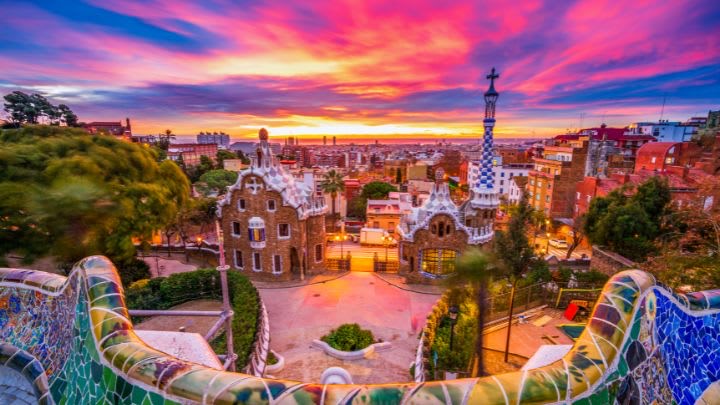
Choose Barcelona if you're a first-time visitor to Spain craving a dynamic urban adventure with a coastal flair. Explore Gaudí's masterpieces like Sagrada Família, stroll through the bustling Gothic Quarter, and enjoy vibrant beach life and extensive nightlife. This city is best for those seeking diverse experiences and a lively atmosphere, typically with a budget of €80-150 daily.
Choose Granada
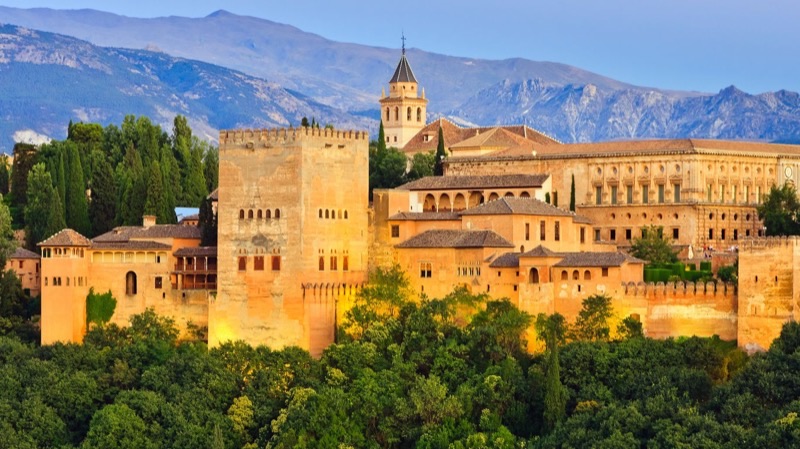
Opt for Granada if you're a history enthusiast or budget traveler seeking deep Moorish heritage and a slower pace. Wander through the historic Alhambra and Albaicín quarter, indulging in its famous free tapas culture. Granada is best for those who prioritize immersive cultural experiences and a more relaxed, walkable city, typically spending €60-100 daily.
📊 Visual Scorecard
🌤 When to Visit
Average high temperatures (°C). Green = best months, orange = avoid.
Quick Comparison
| Category | Barcelona | Granada | Winner |
|---|---|---|---|
| Culture and History | Architectural modernism, Roman and Gothic layers, art museums, a strong Catalan identity. | Moorish palaces, historic Albaicín district, flamenco roots, Catholic Reconquista legacy. | Granada |
| Food and Drink | Diverse culinary scene, Catalan specialties, high-end dining, Mercat de la Boqueria. | Famous for free tapas with drinks, traditional Andalusian dishes, strong tea house culture. | Granada |
| Nightlife | Diverse bars and clubs, late-night scene, beach clubs, electronic music, varied districts. | Lively bar scene, flamenco shows, cave bars, student crowds, more relaxed. | |
| Costs and Budget | Higher costs for accommodation, food, and activities; public transport is efficient. | Lower costs across the board, free tapas system aids budget, walkable city. | Granada |
| Getting There and Around | Major international airport, extensive public transport, walkable districts. | Smaller airport, good train links from Madrid, compact and highly walkable. | |
| Accommodation | Wide range of hotels, hostels, apartments; generally higher prices; diverse neighborhoods. | Boutique hotels, guesthouses, cave hotels; generally lower prices; atmospheric neighborhoods. | Tie |
| Day Trips | Coastal towns, Montserrat monastery, Girona, Tarragona, Cava region. | Sierra Nevada mountains, Alpujarras villages, Malaga, Costa Tropical. | |
| Beaches and Nature | City beaches (Barceloneta), coastal access, urban parks, some nearby nature reserves. | Proximity to Sierra Nevada mountains, hiking, lakes, 1-hour drive to Mediterranean coast. | Tie |
| Solo Travel and Safety | Generally safe, but pickpocketing is common; good hostel scene; easy to meet people. | Very safe, friendly locals, easy to navigate; smaller hostel scene but good community. | Granada |
| Weather and Seasons | Mild winters, hot and humid summers with coastal breezes, pleasant spring/autumn. | Cold winters (snow possible), very hot and dry summers, ideal spring/autumn. | Tie |
🏛️ Culture and History
Barcelona presents a varied historical record, from Roman ruins visible in the Gothic Quarter to the medieval structures like the Barcelona Cathedral. The city is defined by its…
Barcelona
Granada
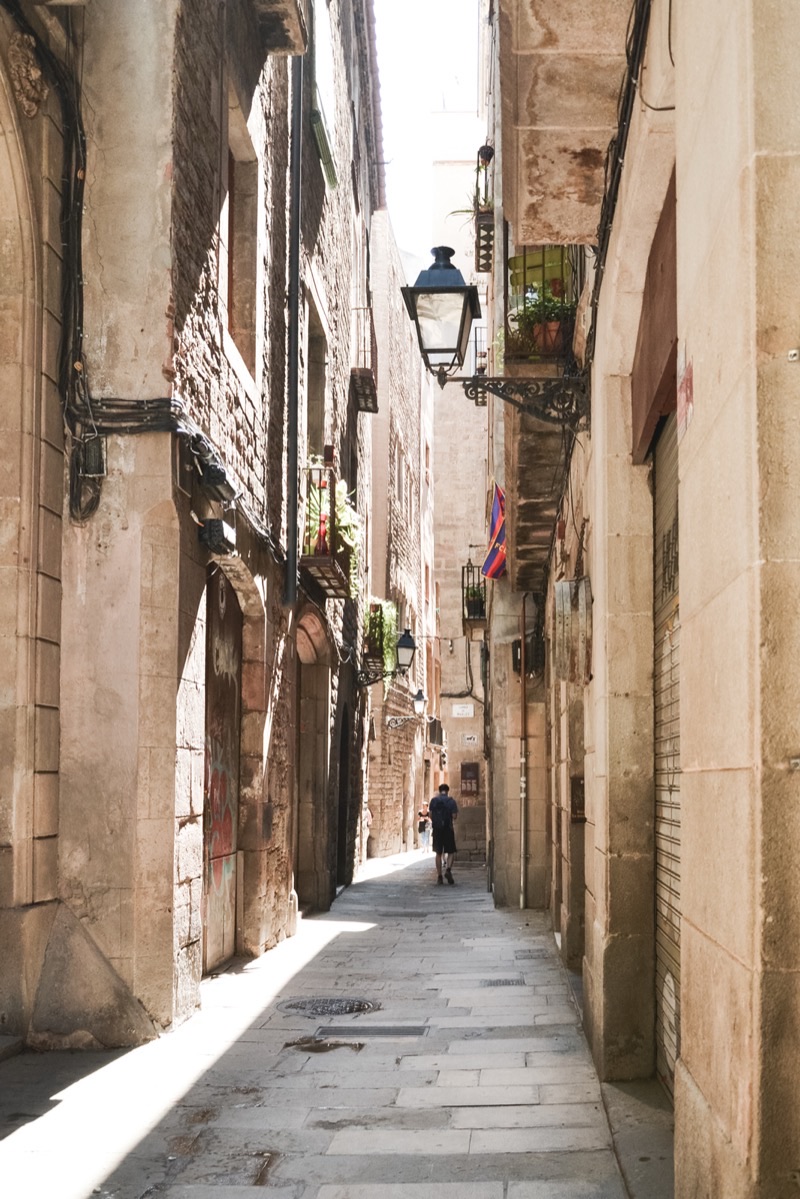
Barcelona presents a varied historical record, from Roman ruins visible in the Gothic Quarter to the medieval structures like the Barcelona Cathedral. The city is defined by its Catalan Modernism, with Antoni Gaudis works such as Sagrada Familia and Park Güell drawing millions. Beyond Gaudí, the Picasso Museum in El Born district and the MNAC (National Art Museum of Catalonia) house extensive art collections. Understanding Catalan identity and its historical struggle is key here; it is separate from generalized Spanish culture. Barcelona offers many layers, but its scale means historical sites are often spread out among contemporary life.
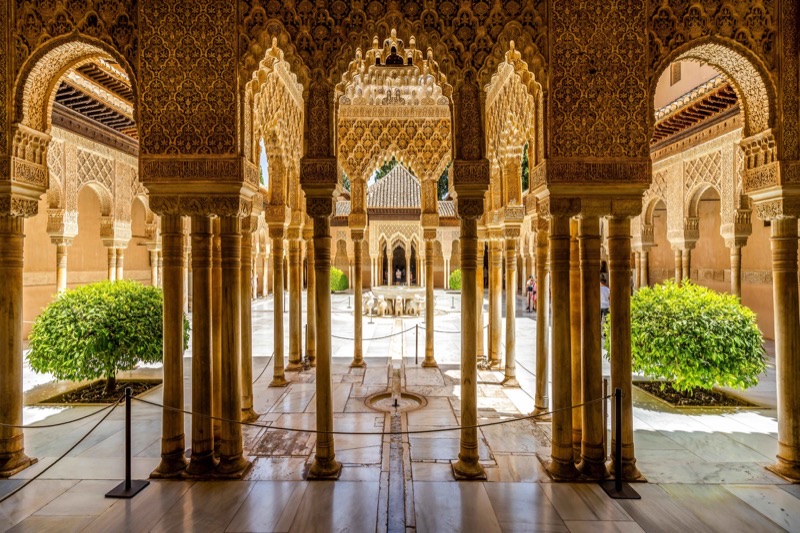
Granada is defined by its Islamic past and the subsequent Christian Reconquista. The Alhambra and Generalife palaces are not just structures; they are a direct portal to the Nasrid Dynasty, with intricate tilework, courtyards, and water features that speak volumes about a vanished era. The Albaicín, a UNESCO-listed Moorish quarter, maintains its narrow, winding streets and houses with courtyards, providing views of the Alhambra. Sacromonte, the traditional gypsy quarter, offers a different historical perspective with its cave dwellings and flamenco performances. Granada feels like living inside its history. For concentrated, specific historical depth, Granada is the clear choice.
- Winner: Granada
- Why: Granada delivers a more concentrated and impactful historical experience, primarily through the Alhambra and its Moorish heritage.
- Who this matters for: Travelers seeking deep historical immersion, particularly in Moorish influence and medieval history.
🍽️ Food and Drink
Barcelona's food scene is expansive and varied, ranging from traditional Catalan dishes like pa amb tomàquet (bread with tomato) and escalivada (roasted vegetables) to…
Barcelona

Granada
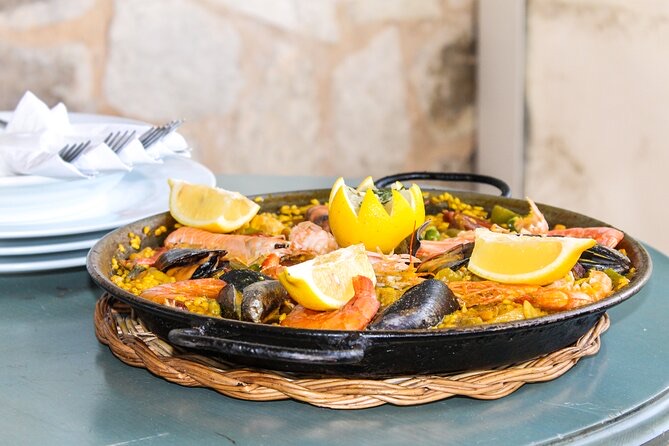
Barcelona's food scene is expansive and varied, ranging from traditional Catalan dishes like pa amb tomàquet (bread with tomato) and escalivada (roasted vegetables) to cutting-edge Michelin-starred restaurants. Pintxos bars in areas like Poble Sec offer northern Spanish bites, while the Mercat de la Boqueria on La Rambla is a sensory overload of fresh produce, seafood, and prepared foods. A meal with a drink at a mid-range restaurant costs around €15-25 (~$16-27). Drinks alone are €3-6 (~$3.20-6.50). Finding authentic, non-touristy food requires some research, especially near major attractions. Some good spots include Can Paixano (La Xampanyeria) for cava and small plates.
Granada is famed for its free tapas culture. When you order a drink (beer, wine, soft drink for €2.50-4 (~$2.70-4.30)), you receive a small plate of food free of charge. These can range from a small sandwich or patatas bravas to a mini-burger or fried fish, and they get more substantial with each round. This system makes dining here incredibly economical and social. Traditional dishes include plato alpujarreño (a hearty plate with various meats and potatoes) and tortilla del Sacromonte (omelet with organ meats). The Albaicín also has many Arab tea houses serving mint tea and pastries. For a specific example, Bar Los Diamantes is known for its fried fish tapas. The cost of eating well and extensively in Granada is substantially lower than in Barcelona. For a traveler on a budget or someone who likes to sample many things, Granada is a paradise.
- Winner: Granada
- Why: Granada's free tapas system offers incredible value and a social dining experience that Barcelona cannot match.
- Who this matters for: Budget travelers, social eaters, and those who enjoy trying many small dishes without high cost.
🌃 Nightlife
Barcelona offers a expansive and diverse nightlife scene that runs very late. The Gothic Quarter and El Born have many traditional bars and cocktail lounges. El Raval provides a…

Barcelona

Granada
Barcelona offers a expansive and diverse nightlife scene that runs very late. The Gothic Quarter and El Born have many traditional bars and cocktail lounges. El Raval provides a grittier, alternative atmosphere. For large clubs and electronic music, Port Olímpic and the Poble Sec area are key, with venues like Razzmatazz and Sala Apolo hosting international DJs. Beach clubs along Barceloneta also become popular after dark during warmer months. A cocktail typically costs €10-15 (~$11-16), and club entry can be €15-25 (~$16-27), often including a drink. The city caters to many preferences, from casual drinks to serious clubbing, continuing until 5 AM or later.
Granada's nightlife is focused more on its extensive bar scene, fueled by the free tapas culture, which naturally extends into later hours. Areas like Calle Elvira and Pedro Antonio de Alarcón are popular with students and locals, offering many pubs and small clubs. Flamenco shows, particularly in the Sacromonte cave venues, provide a cultural nightlife experience. These shows usually cost €25-35 (~$27-38). Granada has a energetic, but generally less intense, club scene compared to Barcelona. Drinks are cheaper, often around €5-8 (~$5.40-8.60) for a mixed drink. While it has late-night options, Barcelona provides more variety, larger venues, and a stronger international club presence.
- Winner: Barcelona
- Why: Barcelona boasts a significantly larger, more diverse, and internationally recognized nightlife scene with options for many preferences.
- Who this matters for: Travelers seeking large clubs, electronic music, late-night parties, and a wide array of bar experiences.
💰 Costs and Budget
Barcelona is generally a more expensive city compared to Granada. A mid-range daily budget for Barcelona is typically €80-150 (~$85-160), excluding major splurges. Accommodation…

Barcelona
Granada
Barcelona is generally a more expensive city compared to Granada. A mid-range daily budget for Barcelona is typically €80-150 (~$85-160), excluding major splurges. Accommodation for a decent hostel bed ranges from €30-50 (~$32-54), while a budget hotel room can be €70-120 (~$75-130). A casual meal costs €15-25 (~$16-27). Entry to attractions like Sagrada Familia is €26-30 (~$28-32), and a metro ticket is €2.40 (~$2.60). Public transport passes like the Hola Barcelona Travel Card (for 2-5 days) can help manage costs. Shopping and designer brands are readily available, contributing to a higher potential spend.
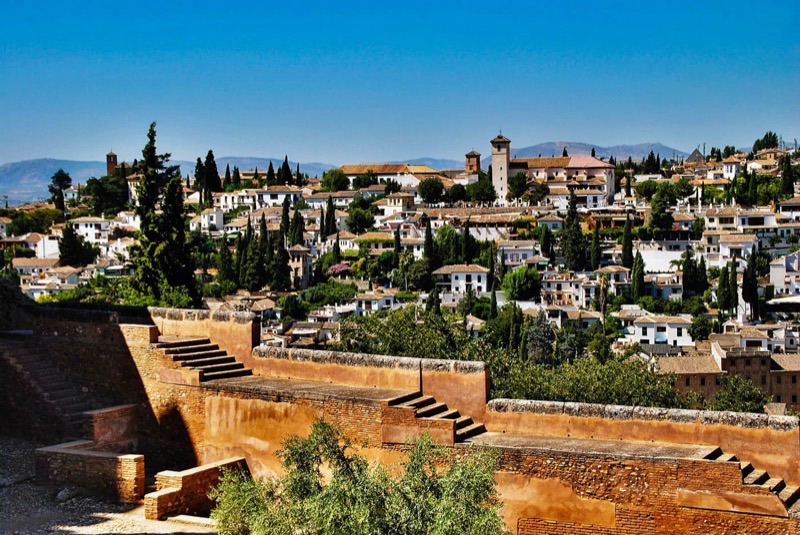
Granada offers substantially better value. A mid-range daily budget is around €60-100 (~$65-110). Hostel beds are €20-40 (~$22-43), and budget hotel rooms are €50-90 (~$54-97). The free tapas system significantly reduces food expenses; a few drinks can constitute a meal for €8-15 (~$8.60-16). Entry to the Alhambra is €14-19 (~$15-20), which is a major attraction for a relatively low price. The city is very walkable, minimizing transport costs. While there is shopping, it is less focused on high-end brands. For an experience that delivers a lot for less money, Granada is the clear winner. This is particularly true for travelers who prioritize stretching their budget.
- Winner: Granada
- Why: Granada is significantly more affordable across accommodation, food (thanks to free tapas), and activities.
- Who this matters for: Budget-conscious travelers, backpackers, and anyone looking to maximize their travel funds.
✈️ Getting There and Around
Barcelona-El Prat Airport (BCN) is a major international hub with direct flights from many cities worldwide, including London (2h flight, ~£50-150), Paris (1.5h, ~€40-120), and…
Barcelona
Granada
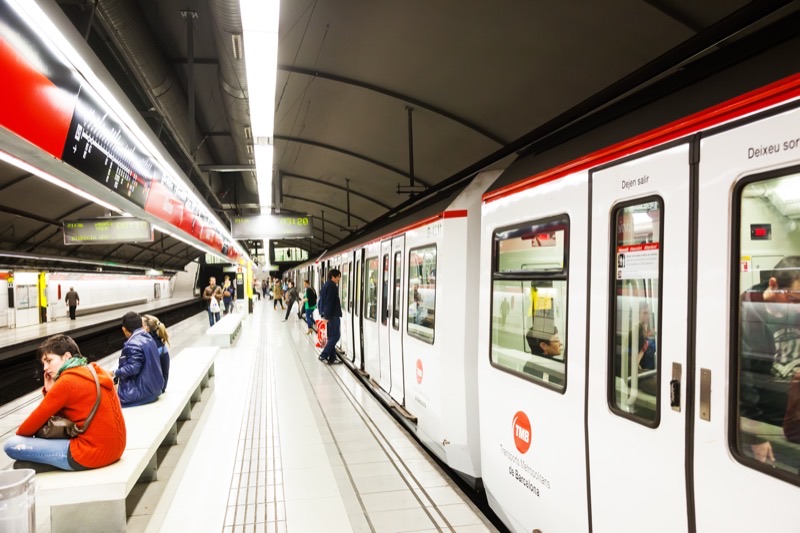
Barcelona-El Prat Airport (BCN) is a major international hub with direct flights from many cities worldwide, including London (2h flight, ~£50-150), Paris (1.5h, ~€40-120), and New York (7-8h, ~$400-800). From the airport, the Aerobus takes 35 minutes to Placa Catalunya for €6.75 (~$7.30). Within the city, Barcelona has an extensive and efficient metro, bus, and tram network. A single metro ticket costs €2.40 (~$2.60), and a T-Casual 10-ride pass is €11.35 (~$12.20). Many central districts are highly walkable. Getting around Barcelona is straightforward and reliable.
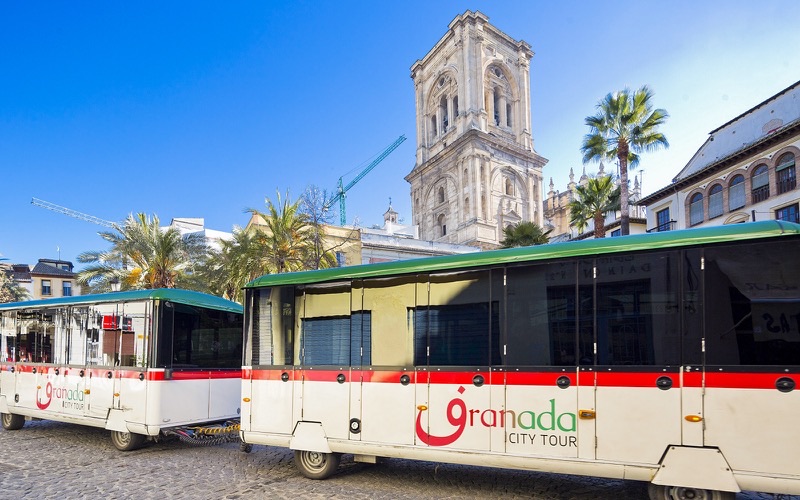
Granada Airport (GRX) is smaller, with fewer direct international flights. Most international travelers fly into Malaga (AGP) (1.5h drive/bus) or Madrid (MAD) (3.5h direct high-speed train or 1h flight) and then connect to Granada. A bus from GRX to the city center costs €2.90 (~$3.10) and takes about 45 minutes. Once in Granada, the city is compact and highly walkable, especially the central areas, Albaicín, and Sacromonte. Local buses are available, costing €1.40 (~$1.50) per ride. While navigating Granada itself is simple, reaching it from outside Spain requires more planning and often an extra leg of travel, which can add time and cost. For ease of international access and intra-city movement, Barcelona offers a clearer advantage.
- Winner: Barcelona
- Why: Barcelona has a larger international airport with more direct flight options and a more comprehensive public transport system within the city.
- Who this matters for: International travelers, those prioritizing convenient arrival/departure, and individuals who prefer extensive public transport networks.
🏨 Accommodation
Barcelona provides a vast selection of accommodation options, catering to many budgets and preferences. You can find luxury hotels in Eixample, boutique hotels in El Born, lively…
Barcelona provides a vast selection of accommodation options, catering to many budgets and preferences. You can find luxury hotels in Eixample, boutique hotels in El Born, lively hostels in the Gothic Quarter, and apartments across many districts. Expect to pay €30-50 (~$32-54) for a hostel bed in a central area, €70-120 (~$75-130) for a budget hotel, and €150+ (~$160+) for mid-range to luxury hotels. Popular areas like the Gothic Quarter or Gràcia offer good walkability and access to attractions. Booking in advance, especially during peak season, is essential to secure good prices and locations.
Granada also offers a good range of accommodation, often at more competitive prices. Boutique hotels and charming guesthouses are common in the Albaicín and Realejo neighborhoods, providing historical character. Hostel beds typically range from €20-40 (~$22-43), while budget hotels are €50-90 (~$54-97). Unique options like cave hotels in Sacromonte offer a different experience. For example, Cuevas Abuelo Antonio offers rooms in traditional cave dwellings. The smaller scale of Granada means most accommodation is within walking distance of major sites. While Barcelona has more options by sheer volume, Granada offers more unique, characterful stays at lower price points. Both cities offer quality places to sleep, just with different cost structures.
- Winner: Tie
- Why: Both cities provide excellent and diverse accommodation options, with Barcelona offering more sheer volume and Granada providing more unique, lower-cost character stays.
- Who this matters for: Travelers prioritizing either extensive choice (Barcelona) or unique, budget-friendly character (Granada).
🏞️ Day Trips
Barcelona serves as an excellent base for various day trips. A popular excursion is to Montserrat, a mountain monastery accessible by train and cable car (around 1 hour, €12-15…
Barcelona serves as an excellent base for various day trips. A popular excursion is to Montserrat, a mountain monastery accessible by train and cable car (around 1 hour, €12-15 round trip). The coastal towns of Sitges (30 minutes by train, ~€4-8) and Cadaqués offer beach escapes and artistic history. Girona, a medieval city with a preserved Jewish Quarter (40 minutes by high-speed train, ~€15-25), is also accessible. The Cava wine region (e.g., Sant Sadurní d'Anoia) is an easy train ride away for winery tours. Tarrogona, with its Roman ruins, is also within reach. Barcelona's well-developed transport network makes these trips straightforward and quick, allowing for many different types of excursions.
Granada's day trip options are largely focused on its natural surroundings and smaller Andalusian towns. The Sierra Nevada mountains are very close, offering hiking in warmer months and skiing in winter (Sol y Nieve ski resort is about 1 hour by bus, ~€5-10 each way). The Alpujarras, a series of traditional white villages nestled in the mountains (e.g., Pampaneira, Bubión, Capileira), are a popular choice for their rural charm (1.5-2 hours by bus, ~€8-12 each way). While Malaga and the Costa Tropical (e.g., Almuñécar, Salobreña) are also reachable by bus in about 1.5-2 hours, they are larger commitments. Barcelona offers a broader array of distinct cultural and historical day trip experiences that are easily accessed by public transport.
- Winner: Barcelona
- Why: Barcelona offers a more diverse range of easily accessible day trips covering different historical, cultural, and coastal interests.
- Who this matters for: Travelers who want to explore beyond the main city and seek variety in their excursions.
🏖️ Beaches and Nature
Barcelona offers immediate beach access with its urban beaches like Barceloneta, Nova Icària, and Bogatell. These are easily reachable by public transport and are popular for…
Barcelona offers immediate beach access with its urban beaches like Barceloneta, Nova Icària, and Bogatell. These are easily reachable by public transport and are popular for swimming, sunbathing, and beach sports. While convenient, they are city beaches, often crowded, particularly in summer. For better quality, quieter beaches, short train rides to places like Sitges or Maresme coast are recommended. The city itself has parks like Parc de la Ciutadella and Parc Güell, offering green spaces within the urban environment. Montjuïc hill also provides views and park areas. For city-integrated beach life, Barcelona is convenient.
Granada is an hour's drive from the Mediterranean coast, with beaches like those in Motril or Almuñécar. While not directly on the coast, its significant natural asset is the Sierra Nevada mountain range, which is visible from the city. This proximity provides extensive opportunities for hiking (e.g., around Los Cahorros in Monachil) and winter sports. Lakes like Embalse de Cubillas offer recreational activities. The city itself has smaller green spaces like the Carmen de los Mártires gardens. For direct beach proximity, Barcelona is superior. For access to dramatic mountain landscapes and outdoor activities, Granada is better. Therefore, the winner depends on what kind of 'nature' a traveler prefers.
- Winner: Tie
- Why: Both cities offer distinct natural appeals: Barcelona for city beaches, Granada for mountain access and hiking, making it a tie based on preference.
- Who this matters for: Travelers who prioritize either immediate beach access (Barcelona) or dramatic mountain landscapes and outdoor activities (Granada).
🚶♀️ Solo Travel and Safety
Barcelona is generally a safe city for solo travelers, with a developed hostel network and many opportunities to meet people through walking tours, cooking classes, or bar crawls.…
Barcelona is generally a safe city for solo travelers, with a developed hostel network and many opportunities to meet people through walking tours, cooking classes, or bar crawls. However, pickpocketing is a significant concern, especially in crowded areas like La Rambla, Gothic Quarter, and on public transport. Travelers must be very vigilant with their belongings. Late-night solo travel in less crowded areas warrants caution, as in any large city. Despite this, millions of solo travelers visit Barcelona annually without incident, enjoying its social atmosphere and ease of navigation.
Granada is considered a very safe city, with a significantly lower incidence of petty crime compared to Barcelona. Its compact size means fewer isolated areas, and the general atmosphere is more relaxed. Solo travelers often find it easy to navigate on foot and feel comfortable exploring both day and night. While the hostel scene is smaller than Barcelona's, it is well-regarded for fostering community. The free tapas culture naturally encourages social interaction, making it easy to strike up conversations at bars. The more laid-back pace and lower crime rates make Granada a less stressful and arguably more comfortable choice for solo travelers, particularly those new to solo trips.
- Winner: Granada
- Why: Granada offers a more relaxed environment with significantly lower rates of petty crime, making it a less stressful experience for solo travelers.
- Who this matters for: Solo travelers, especially those concerned about petty crime or seeking a more relaxed, community-focused experience.
☀️ Weather and Seasons
Barcelona experiences a Mediterranean climate. Winters (Dec-Feb) are mild, with average temperatures around 10-15°C (50-59°F), and occasional rain. Summers (Jun-Aug) are hot and…
Barcelona experiences a Mediterranean climate. Winters (Dec-Feb) are mild, with average temperatures around 10-15°C (50-59°F), and occasional rain. Summers (Jun-Aug) are hot and humid, with averages of 25-30°C (77-86°F), but coastal breezes offer some relief. Spring (Apr-May) and Autumn (Sep-Oct) are ideal, with comfortable temperatures (18-24°C / 64-75°F) and less rain, perfect for exploring. Peak tourist season is summer, which can be crowded and warm. Shoulder seasons offer a good balance of weather and fewer crowds.
Granada has a continental Mediterranean climate, with more extreme temperatures due to its inland, elevated position. Winters (Dec-Feb) are colder, with average temperatures around 5-10°C (41-50°F), and snow is possible in the nearby Sierra Nevada. Summers (Jul-Aug) are very hot and dry, often exceeding 35°C (95°F) with little relief. Spring (Apr-May) and Autumn (Sep-Oct) are the best times to visit, with pleasant temperatures (18-25°C / 64-77°F) suitable for sightseeing. The difference in climate means that while Barcelona offers a more consistent mild climate, Granada provides distinct seasonal experiences, like skiing in winter or very hot summer days. The choice depends on the preferred seasonal experience.
- Winner: Tie
- Why: Both cities offer distinct climates that appeal to different preferences: Barcelona for consistent mildness, Granada for distinct seasonal contrasts and mountain access.
- Who this matters for: Travelers whose trip timing is flexible and who have specific weather preferences (e.g., hot summers for beach, cold winters for snow).
🎯 The Decision Framework
Choose Barcelona If…
- You want iconic Modernist architecture everywhere you look.
- You prefer a big city with extensive public transport.
- You like being able to walk directly to a beach from the city center.
- You are interested in a diverse nightlife with large clubs and beach bars.
- You enjoy exploring many distinct neighborhoods, each with its own character.
- You want easy access to international flights and connections.
- You are keen on day trips to coastal towns or unique mountain monasteries.
- You appreciate a wider range of international dining options.
Choose Granada If…
- You prioritize visiting the Alhambra and exploring Moorish history.
- You are on a tighter budget and want to stretch your money with free tapas.
- You prefer a smaller, highly walkable city that feels more intimate.
- You enjoy authentic flamenco shows, especially in traditional cave settings.
- You want quick access to mountains for hiking or skiing in the Sierra Nevada.
- You prefer a city with a relaxed pace and a strong local community feel.
- You are keen on experiencing traditional Andalusian culture.
- You want a very safe environment with low petty crime rates.
📅 Sample Itineraries
Weekend in Barcelona (3 Days)
💡 Purchase a Hola Barcelona Travel Card (2-5 days, approx. $18-35) for unlimited public transport, saving money and time navigating the city.
Weekend in Granada (3 Days)
💡 Always order a drink at a local bar like Bodegas Castañeda; most places will provide a free tapa with each round, significantly reducing food costs.
One Week in Barcelona (7 Days)
💡 To save on museum entries, look into the Barcelona Card (2-5 days, $50-80), which includes public transport and discounts or free entry to many attractions.
One Week in Granada (7 Days)
💡 If visiting the Alhambra, arrive at opening time to experience the Nasrid Palaces with fewer crowds. Booking specific entry times for the palaces is essential.
❓ Frequently Asked Questions
Which city is better for a first-time visitor to Spain?
For most first-time visitors, Barcelona offers a more comprehensive introduction to Spanish culture, a wider array of activities, and easier international access. Its combination of architecture, beaches, and food provides a diverse experience that is simpler to navigate for new travelers, although it is more expensive.
How many days are enough for Barcelona and Granada?
For Barcelona, 3-4 full days are generally sufficient to cover the main attractions like Sagrada Familia and the Gothic Quarter. For Granada, 2-3 full days are good, allowing a full day for the Alhambra and Generalife, plus time to explore the Albaicín and Sacromonte. If combining both, allow at least 7 days.
Is it easy to travel between Barcelona and Granada?
Traveling between Barcelona and Granada requires some planning. Direct high-speed trains typically take 6-7 hours and cost €50-100 (~$54-108). Flying is quicker (around 1.5 hours direct flight, plus airport time), with flights costing €40-100 (~$43-108), but direct flights to Granada are less frequent.
Which city has better weather in spring (April-May)?
Both cities have pleasant weather in spring. Barcelona averages 18-24°C (64-75°F) with a coastal breeze. Granada also has comfortable temperatures, averaging 18-25°C (64-77°F), but can experience wider daily temperature swings. Both are ideal for sightseeing during these months.
Where can I find better deals on food and drink?
Granada offers significantly better deals on food and drink, primarily due to its widespread free tapas culture. Ordering a drink for €2.50-4 (~$2.70-4.30) often includes a substantial snack or small dish, making it very economical to eat and socialize. Barcelona's food costs are generally higher.
Which city is more suitable for families with young children?
Barcelona is generally more suitable for families. It offers more child-friendly attractions like Tibidabo Amusement Park, CosmoCaixa science museum, and easily accessible beaches. Its public transport is also more extensive and manageable with strollers. Granada is charming but has fewer specific child-focused activities.
What are the main cultural differences between the two cities?
Barcelona is the capital of Catalonia, with a distinct Catalan language and identity, emphasizing modernism and a cosmopolitan coastal feel. Granada is in Andalusia, strongly influenced by its Moorish past, known for flamenco, free tapas, and a more traditional southern Spanish culture. The cultural experiences are quite different.
Is it possible to ski from either city?
Yes, but only from Granada. The Sierra Nevada ski resort, Sol y Nieve, is approximately a 1-hour bus ride from Granada, making it one of Europe's most southerly ski destinations. Barcelona is not near any ski resorts; the closest mountains are the Pyrenees, a much longer journey.
Ready to plan your Spain trip?
Get a free custom itinerary for Barcelona, Granada, or both — built from real traveler insights.
👥 Travelers Also Compared
🎟️ Book Tours & Experiences
Hand-picked tours and activities for both destinations — book with free cancellation
Experiences via Viator — free cancellation on most tours