How we built this comparison
This page combines traveler discussion patterns, published price ranges, flight schedules, and seasonal data to help you decide between Barcelona and Mallorca.
- Reviewed 700+ Reddit threads from r/travel, r/solotravel, r/Barcelona, r/Mallorca, and r/SpainTravel.
- Verified costs and logistics against current booking platforms like Booking.com, Skyscanner, and local transport sites.
- Cross-referenced seasonal patterns and weather data from meteorological sources for accuracy.
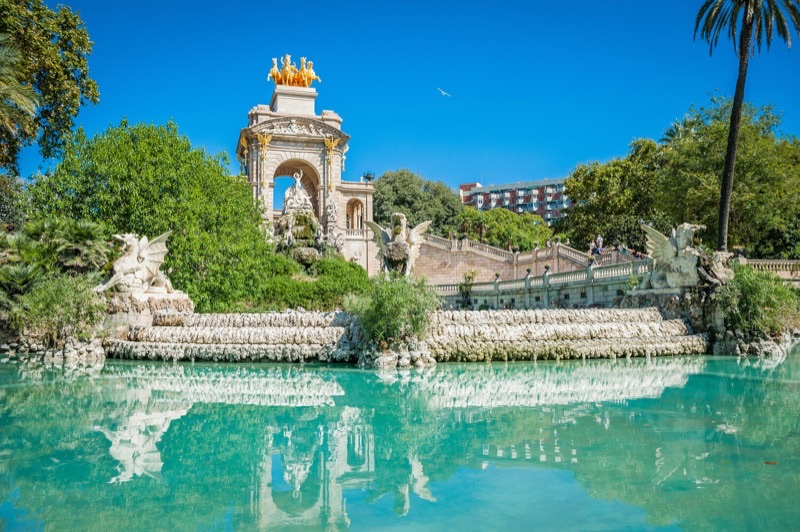
⚡ Quick Answers
⚡ The TL;DR Verdict
For most first-time visitors to Spain seeking a mix of city exploration, architecture, and night activities, Barcelona wins. Expect to spend around $70-150 per day. Travelers prioritizing beaches, natural features, and a relaxed pace should head to Mallorca, budgeting $80-160 per day.
- Choose Barcelona: You want city walking, major architectural sights, diverse food, late-night options, and easy public transport.
- Choose Mallorca: You seek beaches, hiking, boat trips, car rentals for exploration, and a slower pace with natural landscapes.
- Choose Both: If you have at least 10 days, fly between the two (1-hour flight) to experience both urban exploration and island relaxation.
Choose Barcelona
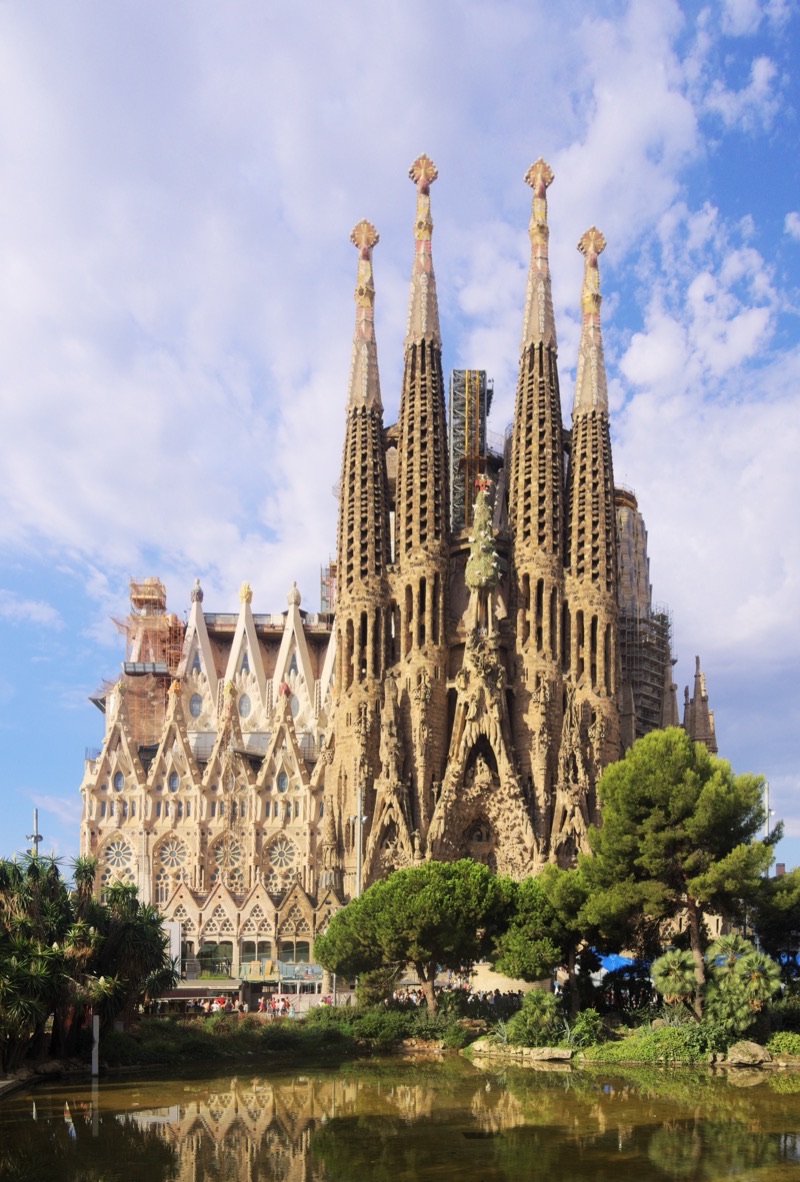
Choose Barcelona if you're a first-time visitor to Spain eager for a dynamic urban adventure. Immerse yourself in Gaudi's masterpieces like Sagrada Familia, wander the historic Gothic Quarter, and enjoy world-class tapas in El Born, followed by lively nightlife. This city is perfect for culture seekers, architecture enthusiasts, and those who thrive on a bustling atmosphere.
Choose Mallorca
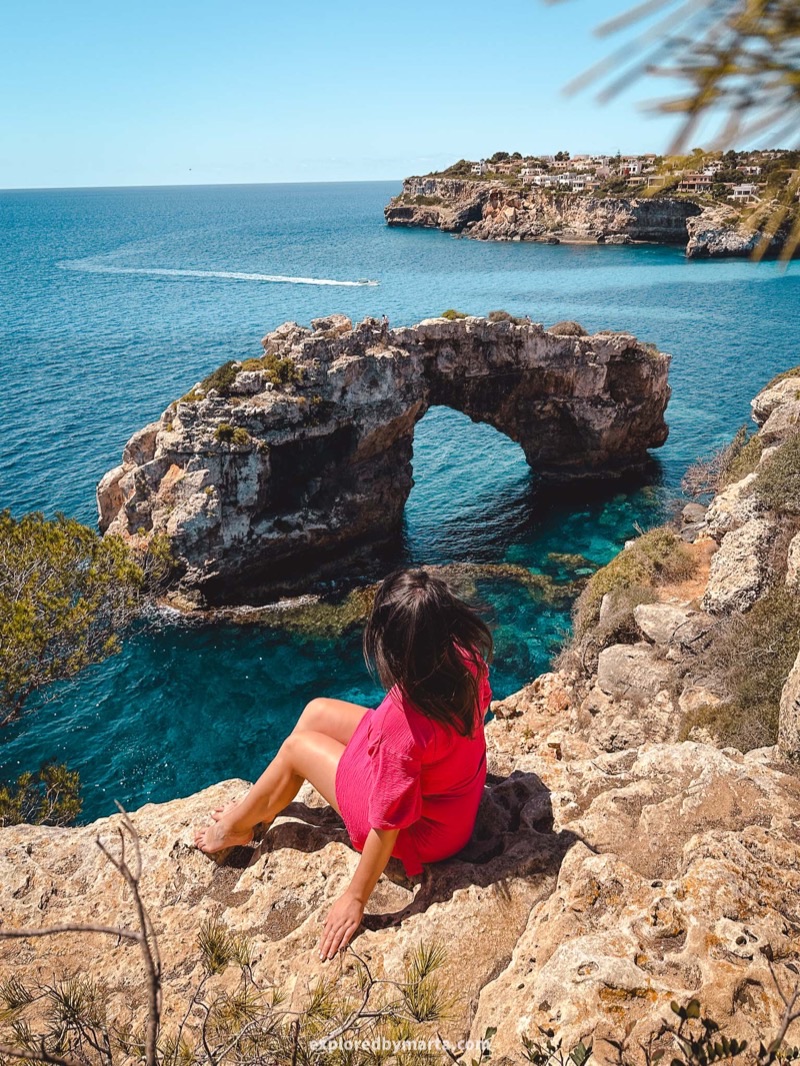
Opt for Mallorca to escape into breathtaking natural beauty and a relaxed island pace. Discover secluded coves like Cala s'Almunia, hike the stunning Serra de Tramuntana mountains, and explore picturesque villages such as Valldemossa. It's ideal for nature lovers, beach enthusiasts, and travelers seeking adventure amidst serene landscapes, often best explored by rental car.
📊 Visual Scorecard
🌤 When to Visit
Average high temperatures (°C). Green = best months, orange = avoid.
Quick Comparison
| Category | Barcelona | Mallorca | Winner |
|---|---|---|---|
| Culture & Sights | Architectural icons, extensive museums, historic neighborhoods. | Historic towns, significant cathedrals, ancient ruins, regional traditions. | |
| Beaches & Nature | City beaches, nearby coastal towns, Montjuïc hill views. | Many varied beaches, mountain ranges for hiking, sea caves, dramatic coastlines. | Mallorca |
| Food & Drink | Extensive tapas, Catalan dishes, Mercat de la Boqueria, diverse international options. | Island-specific cuisine, fresh seafood, local wines, fewer non-Spanish choices. | |
| Nightlife | Late-night clubs, many bars, diverse music, accessible by public transport. | Palma bars, beach clubs, generally calmer evenings outside the capital. | |
| Costs | Higher accommodation, mid-range food, extensive free walking options. | Lower accommodation outside Palma, car rental adds cost, generally comparable food. | Tie |
| Getting There | Major international airport, extensive direct flights, good rail connections. | International airport, direct flights from Europe, ferries from mainland Spain. | |
| Getting Around | Excellent public transport, walkable city, minimal need for taxis. | Car rental often necessary, limited public buses, ferries for island exploration. | |
| Accommodation | Wide range of hotels, hostels, apartments, higher average prices. | Hotels, villas, agrotourism, more budget options outside the capital. | Tie |
| Day Trips | Montserrat, Girona, Figueres, Sitges, accessible by train. | Serra de Tramuntana villages, coastal drives, wineries, accessible by car or limited bus. | |
| Weather & Seasons | Hot, humid summers; mild winters; spring/autumn pleasant. | Hot, dry summers; mild, wetter winters; long shoulder seasons. | Mallorca |
🏛️ Culture & Sights
Barcelona stands out for its concentration of architectural achievements, primarily from Antoni Gaudí. The Sagrada Familia, Park Güell, Casa Batlló, and La Pedrera draw millions.…
Barcelona
Mallorca
Barcelona stands out for its concentration of architectural achievements, primarily from Antoni Gaudí. The Sagrada Familia, Park Güell, Casa Batlló, and La Pedrera draw millions. Beyond Gaudí, the Gothic Quarter presents medieval structures, and museums like the Picasso Museum or MNAC (National Art Museum of Catalonia) offer broad collections. Entry fees for major sights range from 25-35 EUR ($27-38) per person. Barcelona provides a dense collection of man-made spectacles and centuries of historical layers.
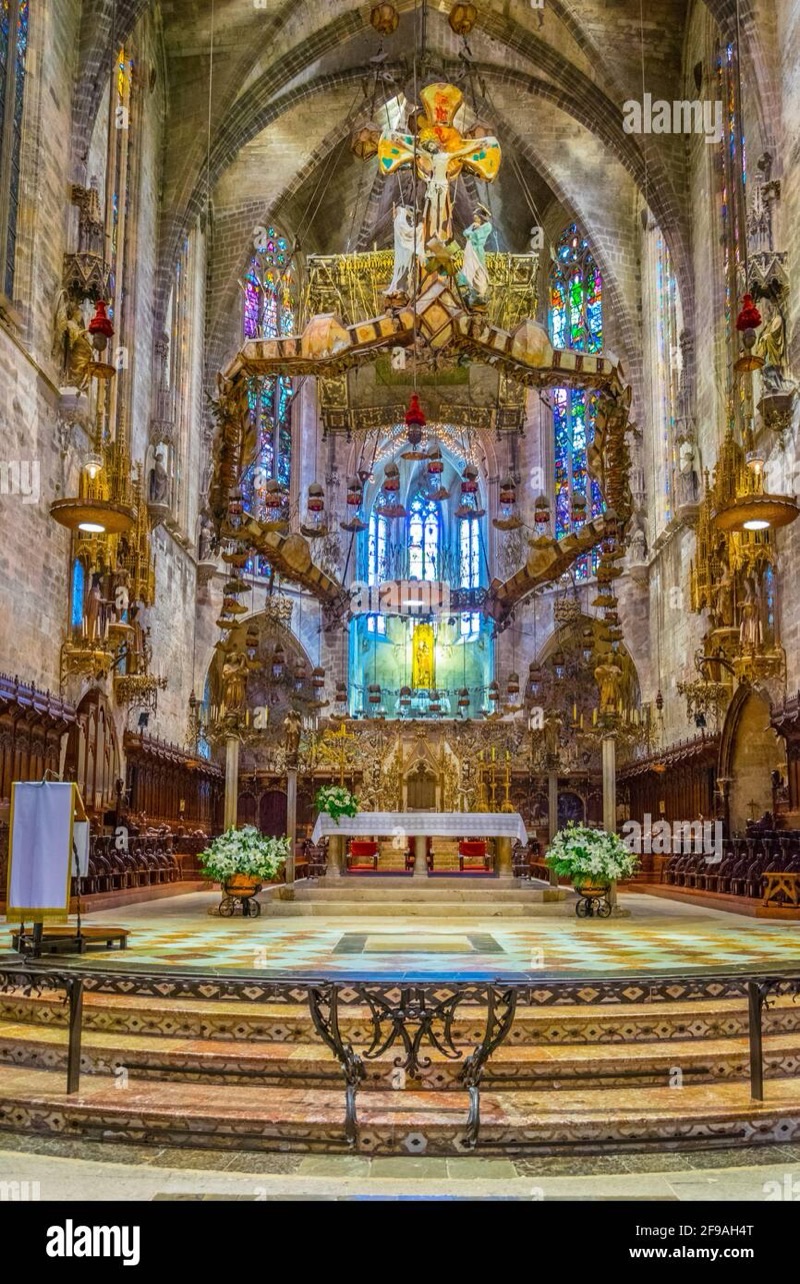
Mallorca offers its own historical depth, centered around Palma's La Seu Cathedral and Almudaina Palace. Smaller towns like Valldemossa and Deià retain traditional stone buildings and local customs. The island has Roman ruins at Pollentia near Alcúdia, and numerous watchtowers along the coast. While less focused on singular architectural giants, Mallorca provides insight into island life and history, with a more dispersed arrangement of historical points. Entry to La Seu is about 9 EUR ($10). For a traveler who prioritizes iconic structures and a dense urban cultural experience, Barcelona is the clear choice.
- Winner: Barcelona
- Why: Barcelona has a higher concentration of globally recognized architectural landmarks and major art institutions.
- Who this matters for: Travelers who prioritize seeing famous man-made structures and extensive museum collections.
🏖️ Beaches & Nature
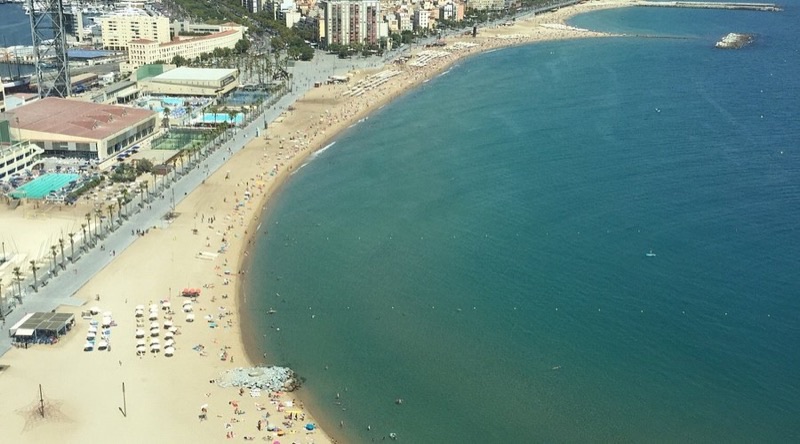
Barcelona has city beaches like Barceloneta and Bogatell, which are easily accessible by public transport. They are sandy, have sunbeds, and are good for a quick dip or stroll.…
Barcelona
Mallorca
Barcelona has city beaches like Barceloneta and Bogatell, which are easily accessible by public transport. They are sandy, have sunbeds, and are good for a quick dip or stroll. For more natural beach settings, you need to take a train about 30-60 minutes north or south to places like Sitges or the Costa Brava. Montjuïc and Tibidabo mountains offer city views and green spaces, but the natural appeal within the immediate city limits is limited compared to its architecture. These city beaches are functional but not particularly scenic or secluded, often crowded in summer.
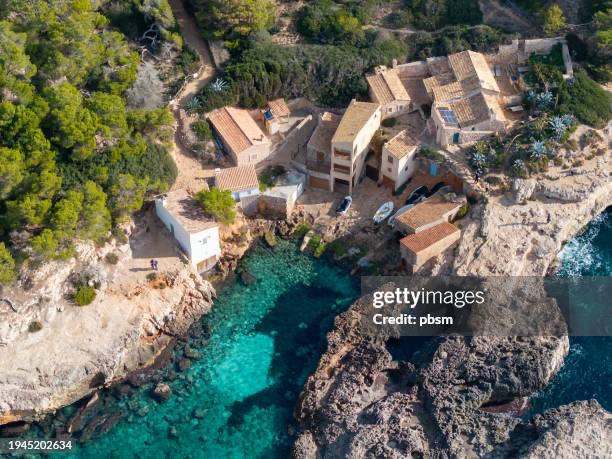
Mallorca excels with its diverse coastline, from long sandy stretches like Es Trenc to small, rocky coves called 'calas' such as Cala Deià or Caló des Moro. The Serra de Tramuntana mountains offer extensive hiking trails, from easy walks to challenging climbs, with views of the sea and olive groves. Natural formations like the Drach Caves are popular attractions, with entry at 16.50 EUR ($18). Renting a car (from 30 EUR/$33 per day) is essential to explore the best natural areas. Mallorca provides significantly more varied and impressive natural landscapes, from mountains to numerous unspoiled beaches. Mallorca is the pick for anyone prioritizing natural features over urban environments.
- Winner: Mallorca
- Why: Mallorca offers a far greater variety of natural landscapes, from secluded beaches to extensive mountain hiking trails.
- Who this matters for: Travelers seeking relaxation on natural beaches, hiking, and exploring diverse natural environments.
🍽️ Food & Drink
Barcelona's food scene is expansive and diverse. You can find traditional Catalan dishes like pa amb tomàquet (bread with tomato) and escalivada, alongside countless tapas bars in…
Barcelona
Mallorca
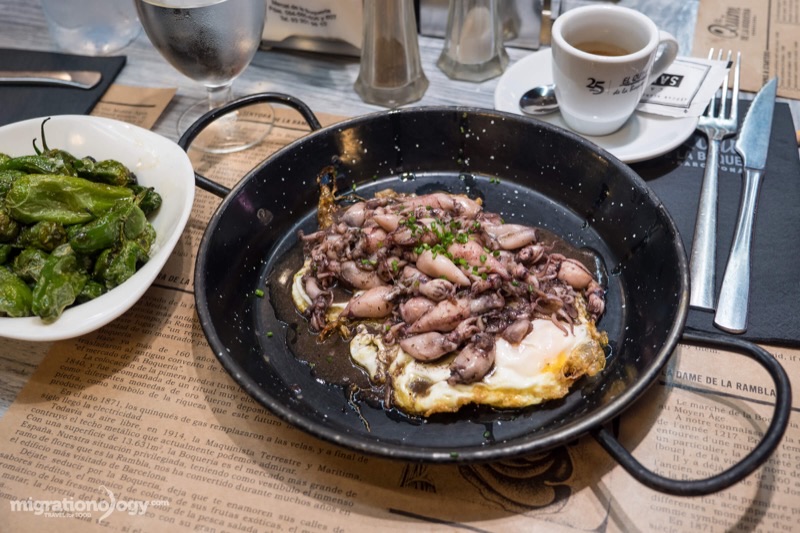
Barcelona's food scene is expansive and diverse. You can find traditional Catalan dishes like pa amb tomàquet (bread with tomato) and escalivada, alongside countless tapas bars in areas like El Born or Poble Sec. Mercat de la Boqueria is a large market with fresh produce, seafood, and prepared foods. The city also has a wide range of international restaurants and high-end dining. A typical tapas meal with drinks might cost 20-35 EUR ($22-38) per person. Places like Ciudad Condal or Bar del Pla offer reliable experiences. Barcelona provides more options and culinary experimentation.
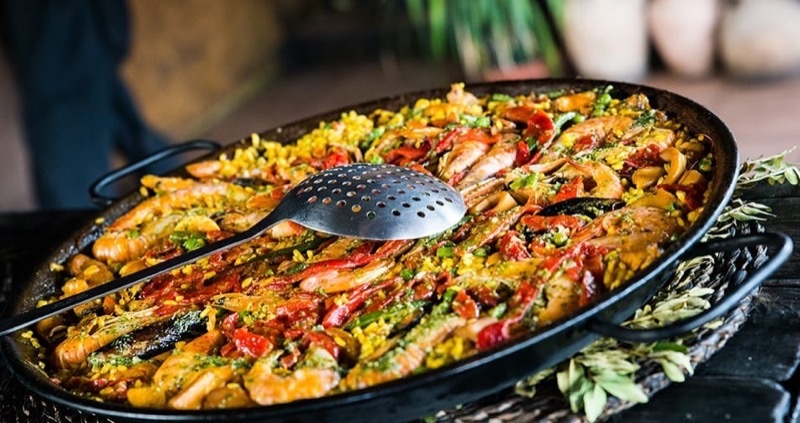
Mallorca's cuisine is more focused on island specialties, with fresh seafood a highlight. 'Frito Mallorquín' (fried meat and vegetables) and 'sobrassada' (cured sausage) are local staples. The island produces good local wines and olive oil. While there are excellent restaurants, especially in Palma and coastal towns, the overall variety of international food is less pronounced than in Barcelona. A good meal in Palma might cost 25-40 EUR ($27-44) per person. Es Raconet de la Calatrava in Palma is a good spot for traditional Mallorcan food. Barcelona simply has a larger, more varied, and globally-influenced food scene.
- Winner: Barcelona
- Why: Barcelona has a wider range of culinary experiences, from traditional Catalan to international, and many more tapas options.
- Who this matters for: Food enthusiasts looking for diverse dining experiences, from casual tapas to international cuisine.
🍸 Nightlife
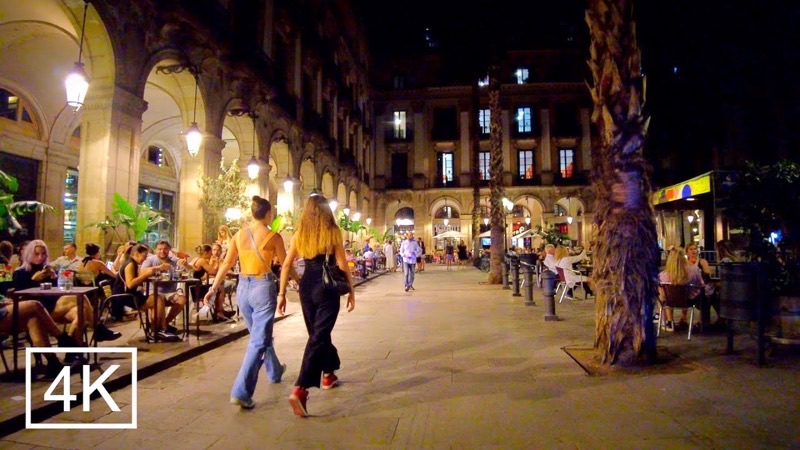
Barcelona is a city where things happen late. Bars in the Gothic Quarter and El Born stay open until 2-3 AM, and clubs like Razzmatazz or Pacha Barcelona continue until 6 AM.…
Barcelona
Mallorca
Barcelona is a city where things happen late. Bars in the Gothic Quarter and El Born stay open until 2-3 AM, and clubs like Razzmatazz or Pacha Barcelona continue until 6 AM. There is a broad spectrum of music and atmospheres, from electronic music venues to jazz clubs. Drinks at a club can be expensive, 10-15 EUR ($11-16) for a cocktail, but beer at a bar might be 3-5 EUR ($3-5). Public transport runs late on weekends, making it easy to move around. The city offers a consistently energetic night scene.
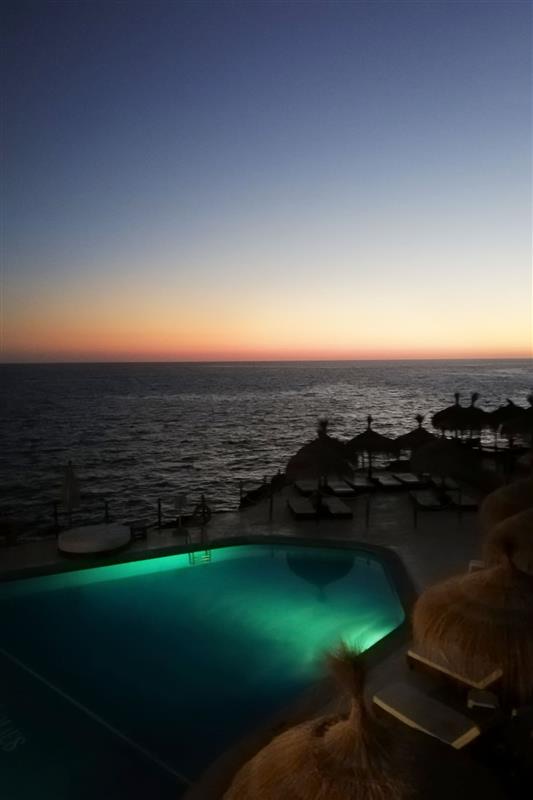
Mallorca's nightlife is concentrated in Palma, with bars and some clubs, but it is not as extensive or late-running as Barcelona's. Areas like Magaluf cater to a particular party crowd, but outside of these specific zones, evenings are generally quieter. Beach clubs like Purobeach Palma offer evening events but close earlier than Barcelona's main clubs. A cocktail in Palma might be 8-12 EUR ($9-13). For a traveler seeking a consistent, diverse, and late-night party experience, Barcelona is the destination.
- Winner: Barcelona
- Why: Barcelona offers a more extensive, diverse, and late-running nightlife scene with many clubs and bars.
- Who this matters for: Travelers who prioritize staying out late, clubbing, and a wide array of evening entertainment options.
💰 Costs
In Barcelona, a mid-range hotel often costs 100-180 EUR ($109-196) per night, though hostels are cheaper (30-50 EUR/$33-55). Food can be managed with tapas around 3-5 EUR ($3-5)…
Barcelona
Mallorca
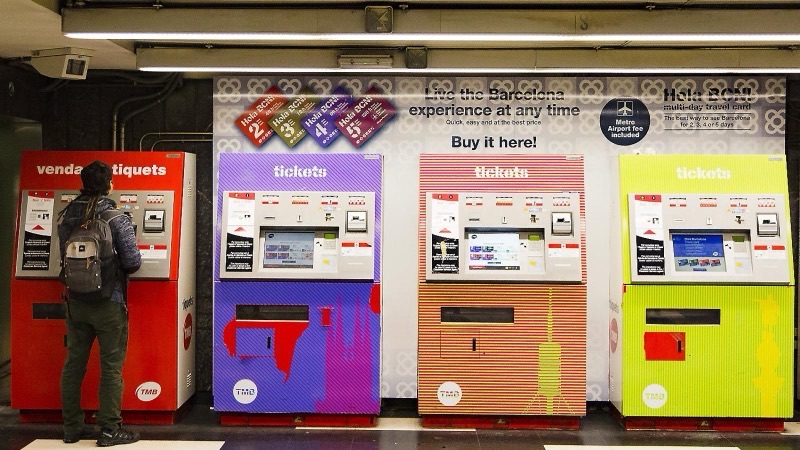
In Barcelona, a mid-range hotel often costs 100-180 EUR ($109-196) per night, though hostels are cheaper (30-50 EUR/$33-55). Food can be managed with tapas around 3-5 EUR ($3-5) per dish, or a full meal for 20-35 EUR ($22-38). Public transport is efficient; a T-Casual 10-trip card costs 12.15 EUR ($13). Major attractions like Sagrada Familia are 26-34 EUR ($28-37). Daily budget for a mid-range traveler is approximately 70-150 EUR ($76-163).
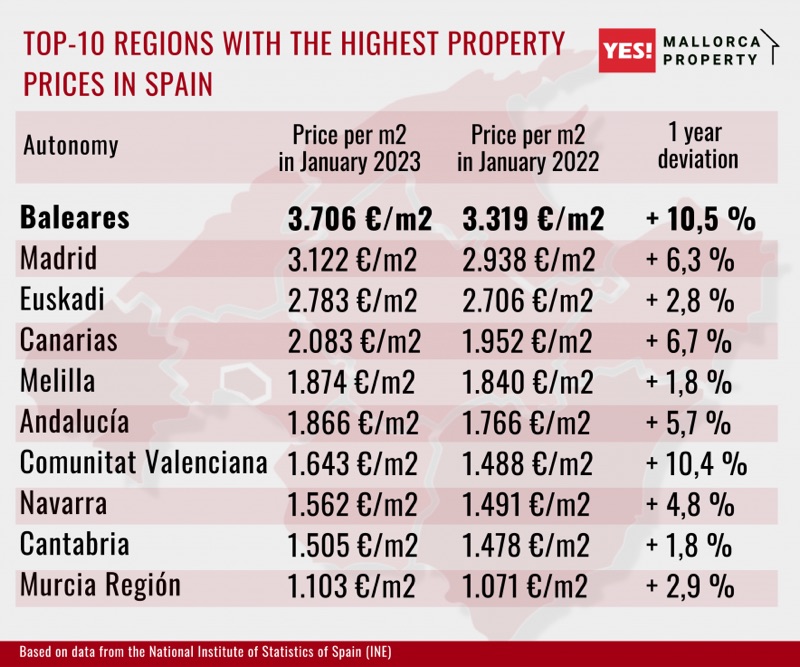
Mallorca's costs can vary significantly based on location. Palma hotels are similar to Barcelona (90-170 EUR/$98-185), but smaller towns might be cheaper (60-120 EUR/$65-130). Food is comparable, with a typical meal 25-40 EUR ($27-44). The main extra cost is car rental, often 30-60 EUR ($33-65) per day, which is almost essential for exploring the island. Public buses are available but limit reach. Attraction costs are generally lower; the Drach Caves are 16.50 EUR ($18). Daily budget for a mid-range traveler is approximately 80-160 EUR ($87-174). Both destinations offer similar overall daily expenses, with different allocations.
- Winner: Tie
- Why: Both destinations offer similar daily budgets for mid-range travelers, though expenses are allocated differently.
- Who this matters for: Budget-conscious travelers who want to understand where their money goes in each location.
✈️ Getting There
Barcelona El Prat Airport (BCN) is one of Europe's busiest, with direct flights from North America, Asia, and many European cities. A flight from London takes about 2 hours, from…
Barcelona El Prat Airport (BCN) is one of Europe's busiest, with direct flights from North America, Asia, and many European cities. A flight from London takes about 2 hours, from New York approximately 7-8 hours. The airport is well-connected to the city center by metro, train, and bus (single metro ticket 5.50 EUR/$6). Barcelona is also a major rail hub within Spain and Europe, making it accessible for overland travel. Its central location on the mainland makes it a convenient first or last stop for wider European trips.
Mallorca's Palma de Mallorca Airport (PMI) is also international, primarily serving European holiday routes, especially during summer. Direct flights from major European cities are common, taking about 2-3 hours from locations like London or Berlin. There are fewer direct long-haul flights outside of Europe, often requiring a connection through mainland Spain. Ferries connect Mallorca to Barcelona and Valencia, taking 7-8 hours overnight. While well-connected for European travel, its island status means fewer global direct routes. Barcelona's extensive global flight network and mainland rail access make it more universally accessible.
- Winner: Barcelona
- Why: Barcelona has a more extensive network of direct international flights and robust rail connections, making it globally more accessible.
- Who this matters for: International travelers looking for direct flights and easy connections from outside Europe.
🚇 Getting Around
Barcelona's public transport system is comprehensive and efficient, comprising metro, buses, trams, and local trains. Most major sights are within walking distance of each other…
Barcelona's public transport system is comprehensive and efficient, comprising metro, buses, trams, and local trains. Most major sights are within walking distance of each other or a short metro ride. A T-Casual card (10 trips) costs 12.15 EUR ($13). Taxis are readily available but rarely necessary. The city center is compact enough for pedestrian exploration, with many designated walking areas. Getting around Barcelona without a car is straightforward and economical for any visitor.
Mallorca's transport differs greatly. While Palma has a good local bus network and a metro line, exploring the rest of the island often requires a car. Car rental starts from 30 EUR ($33) per day, and this provides the freedom to reach secluded beaches and mountain villages. Public buses connect major towns, but schedules can be infrequent, and they do not reach all points of interest. Cycling is popular in certain areas but not practical for general travel across the island. For independent exploration beyond Palma, a car is almost a requirement, adding a layer of planning and cost. Barcelona wins for ease of movement.
- Winner: Barcelona
- Why: Barcelona offers superior public transport and walkability, making it easy and affordable to explore without a car.
- Who this matters for: Travelers who prefer to rely on public transport, walk extensively, and avoid car rentals.
🏨 Accommodation
Barcelona has a large supply of accommodation, from budget hostels (30-50 EUR/$33-55 per night) to luxury hotels and many Airbnb apartments. Popular areas include the Gothic…
Barcelona has a large supply of accommodation, from budget hostels (30-50 EUR/$33-55 per night) to luxury hotels and many Airbnb apartments. Popular areas include the Gothic Quarter, Eixample, and Gràcia. Prices for mid-range hotels often start at 100-180 EUR ($109-196) per night, escalating during peak season. Booking well in advance is advisable, especially for summer or major events. The availability is high, but so is demand, especially for quality locations.
Mallorca also provides a range of options. Palma offers city hotels and boutique stays, similar in price to Barcelona. Outside the capital, 'agroturismo' (farm stays) and villa rentals are popular, providing a different experience. Budget hotels or guesthouses in smaller towns can be found for 60-120 EUR ($65-130) per night. Coastal resorts have many package-tour hotels. During peak summer, prices can be high everywhere, particularly for villas. Both destinations offer diverse lodging types, with Mallorca potentially offering more unique rural stays. The average cost for comparable quality is similar. It is a tie as each place has its own lodging strength.
- Winner: Tie
- Why: Both destinations offer a wide array of accommodation types and price points, catering to different traveler needs.
- Who this matters for: Travelers seeking specific types of lodging, whether urban hotels or rural farm stays.
🚗 Day Trips
From Barcelona, several compelling day trips are easily made by train. Montserrat monastery, with its unique mountain setting, is about an hour away (return train ticket ~25…
From Barcelona, several compelling day trips are easily made by train. Montserrat monastery, with its unique mountain setting, is about an hour away (return train ticket ~25 EUR/$27). The medieval city of Girona and Salvador Dalí's museum in Figueres are also reachable by direct train, taking about 40 minutes to Girona (return ticket ~20 EUR/$22) and 1.5 hours to Figueres. The coastal town of Sitges offers beaches and a relaxed atmosphere, about 30 minutes by train. These options are accessible without a car, making day exploration simple and varied.
Mallorca's day trips usually involve car rental for convenience. Driving through the Serra de Tramuntana to villages like Valldemossa, Deià, and Sóller provides views and local charm. The northern coast has Cap de Formentor, a peninsula with dramatic cliffs. Wineries in the central plains offer tastings. While public buses connect some towns, a car is necessary for truly independent exploration of the island's many points of interest. Mallorca's day trips are centered on exploring its internal geography. Barcelona's day trips are more diverse and easily accessed via public transport.
- Winner: Barcelona
- Why: Barcelona offers a wider array of diverse day trip options that are easily accessible via public transport.
- Who this matters for: Travelers who prefer easy, train-accessible excursions without needing to rent a car.
☀️ Weather & Seasons
Barcelona experiences hot and humid summers (July-August) with average temperatures around 28-30°C (82-86°F), making beach days popular but city exploration sometimes…
Barcelona experiences hot and humid summers (July-August) with average temperatures around 28-30°C (82-86°F), making beach days popular but city exploration sometimes uncomfortable. Winters (December-February) are mild, averaging 10-15°C (50-59°F), with occasional rain. Spring (April-May) and autumn (September-October) offer pleasant temperatures, 18-25°C (64-77°F), ideal for walking and sightseeing. The city can feel crowded during peak summer and certain festival times. The climate is Mediterranean but with urban heat island effects.
Mallorca has a classic Mediterranean climate with hot, dry summers (July-August) often reaching 30-32°C (86-90°F) and significant sunshine, ideal for beach holidays. Winters are mild but can be wetter than Barcelona, averaging 12-16°C (54-61°F). The shoulder seasons (April-June and September-October) are particularly appealing for hiking and less crowded beaches, with temperatures around 20-28°C (68-82°F). The island benefits from sea breezes, often making the heat more tolerable than in a dense city. For consistent beach-focused weather and a longer pleasant season, Mallorca is a stronger choice. Mallorca offers a longer period of good weather for its primary attractions (beaches).
- Winner: Mallorca
- Why: Mallorca offers a longer season of comfortable weather ideal for its primary attractions (beaches and outdoors).
- Who this matters for: Travelers seeking extended periods of warm, sunny weather for beach holidays and outdoor activities.
🎯 The Decision Framework
Choose Barcelona If…
- You want to see iconic Gaudí architecture and significant art museums.
- You desire a city with late-night options and diverse clubbing.
- You prefer to get around using efficient public transport and walking.
- You enjoy exploring diverse food from tapas to international cuisine.
- You plan to take easy train day trips to other historical towns.
- You prefer a trip focused on urban exploration and architectural discovery.
- You are arriving from a distant international location with direct flight needs.
- You appreciate busy street life and varied neighborhood atmospheres.
Choose Mallorca If…
- You prioritize relaxing on diverse beaches and swimming in clear water.
- You want to spend time hiking in mountains and exploring natural features.
- You are comfortable renting a car to explore secluded spots.
- You prefer a slower pace of travel and a more relaxed atmosphere.
- You are interested in charming island villages and coastal drives.
- You enjoy fresh seafood and local island-specific cuisine.
- You plan to spend significant time outdoors in good weather.
- You seek a destination primarily for an island escape and natural beauty.
📅 Sample Itineraries
Weekend in Barcelona (3 Days)
💡 Purchase a T-casual public transport card (€12.15 for 10 rides) for cheaper travel across metro and bus lines, saving money compared to single tickets.
Weekend in Mallorca (3 Days)
💡 Renting a car is highly recommended for exploring Mallorca's diverse landscapes and beaches; pre-booking online can save you 10-20% on daily rates.
One Week in Barcelona (7 Days)
💡 Consider purchasing the Barcelona Card (€48-77 for 3-5 days) for free public transport and discounts on attractions, which can save substantial money if you plan to visit many sites.
One Week in Mallorca (7 Days)
💡 Visit local markets like Mercat de l'Olivar in Palma for fresh produce and prepared foods, allowing you to create budget-friendly picnics for beach days, saving €15-20 per person compared to restaurant meals.
❓ Frequently Asked Questions
Which destination is better for a family trip?
Mallorca generally suits families better, especially those with younger children, due to its numerous family-friendly beaches, water parks, and outdoor activities like boat trips. Many resorts cater specifically to families. Barcelona offers family attractions like Tibidabo Amusement Park and the Aquarium, but navigating a city with small children can be more demanding. Mallorca provides a more relaxed, beach-focused family holiday.
How many days should I allocate for each place?
For Barcelona, a minimum of 3-4 full days is needed to cover the main sights like Sagrada Familia, Park Güell, and the Gothic Quarter. For Mallorca, 4-5 full days are ideal to explore Palma, drive through the Serra de Tramuntana, and visit various beaches. If combining both, allow at least 10 days total to avoid rushing.
Is a car rental necessary in either location?
In Barcelona, a car rental is not necessary and often a hindrance due to traffic and parking difficulties; public transport is excellent. In Mallorca, a car rental is highly recommended, if not essential, to properly explore the island's many beaches, mountain villages, and other attractions outside Palma. Expect to pay 30-60 EUR ($33-65) per day for a basic rental.
What is the best time of year to visit?
For Barcelona, spring (April-May) and autumn (September-October) are ideal, with pleasant temperatures (18-25°C / 64-77°F) and fewer crowds. For Mallorca, the shoulder seasons (May-June and September-October) are also best, offering warm weather (20-28°C / 68-82°F) perfect for beaches and hiking without the intense summer heat or peak crowds. July and August are very hot and busy in both.
Which destination offers better budget travel options?
Both can be managed on a budget, but they have different cost allocations. Barcelona has many free walking areas and cheap public transport, but accommodation can be pricey. Mallorca's accommodation outside Palma might be cheaper, but car rental costs add up. Hostels in Barcelona average 30-50 EUR ($33-55) per night, while budget guesthouses in smaller Mallorcan towns might be 60-90 EUR ($65-98) without a car. Overall daily costs are similar, around 70-160 EUR ($76-174) per person for mid-range.
Are there good options for solo travelers?
Barcelona is an excellent choice for solo travelers, with abundant hostels, walking tours, and a lively social scene making it easy to meet people. Public transport is safe and efficient. Mallorca can be good for solo travelers who enjoy independent exploration and nature, but it is less geared towards social nightlife outside Palma. Meeting other travelers might be more challenging without organized tours.
Which destination is better for outdoor activities beyond beaches?
Mallorca is better for diverse outdoor activities. The Serra de Tramuntana mountains offer extensive hiking, cycling routes, and canyoning opportunities. Rock climbing and sea kayaking are also popular. While Barcelona has Montjuïc and Tibidabo for walks and city views, it does not compare to Mallorca's natural landscape for dedicated outdoor pursuits. Mallorca has significantly more options for active exploration.
What are the typical flight times between Barcelona and Mallorca?
Flights between Barcelona El Prat (BCN) and Palma de Mallorca (PMI) are short, typically around 40-50 minutes in the air. This makes it a feasible option to combine both destinations into a single trip if you have enough time. Airlines like Vueling and Ryanair operate these routes frequently, with prices often ranging from 30-80 EUR ($33-87) depending on the season and booking time.
Ready to plan your Spain trip?
Get a free custom itinerary for Barcelona, Mallorca, or both — built from real traveler insights.
👥 Travelers Also Compared
🎟️ Book Tours & Experiences
Hand-picked tours and activities for both destinations — book with free cancellation
Experiences via Viator — free cancellation on most tours