How we built this comparison
This page combines traveler discussion patterns, published price ranges, flight schedules, and seasonal data to help you decide between Basque Country and Catalonia.
- Reviewed 50+ Reddit threads from r/travel, r/solotravel, r/SpainTravel, r/Barcelona, r/Bilbao, r/SanSebastian.
- Verified costs and logistics against current booking platforms (e.g., Booking.com, Skyscanner, Renfe).
- Cross-referenced seasonal patterns and weather data from meteorological sources.
⚡ The TL;DR Verdict
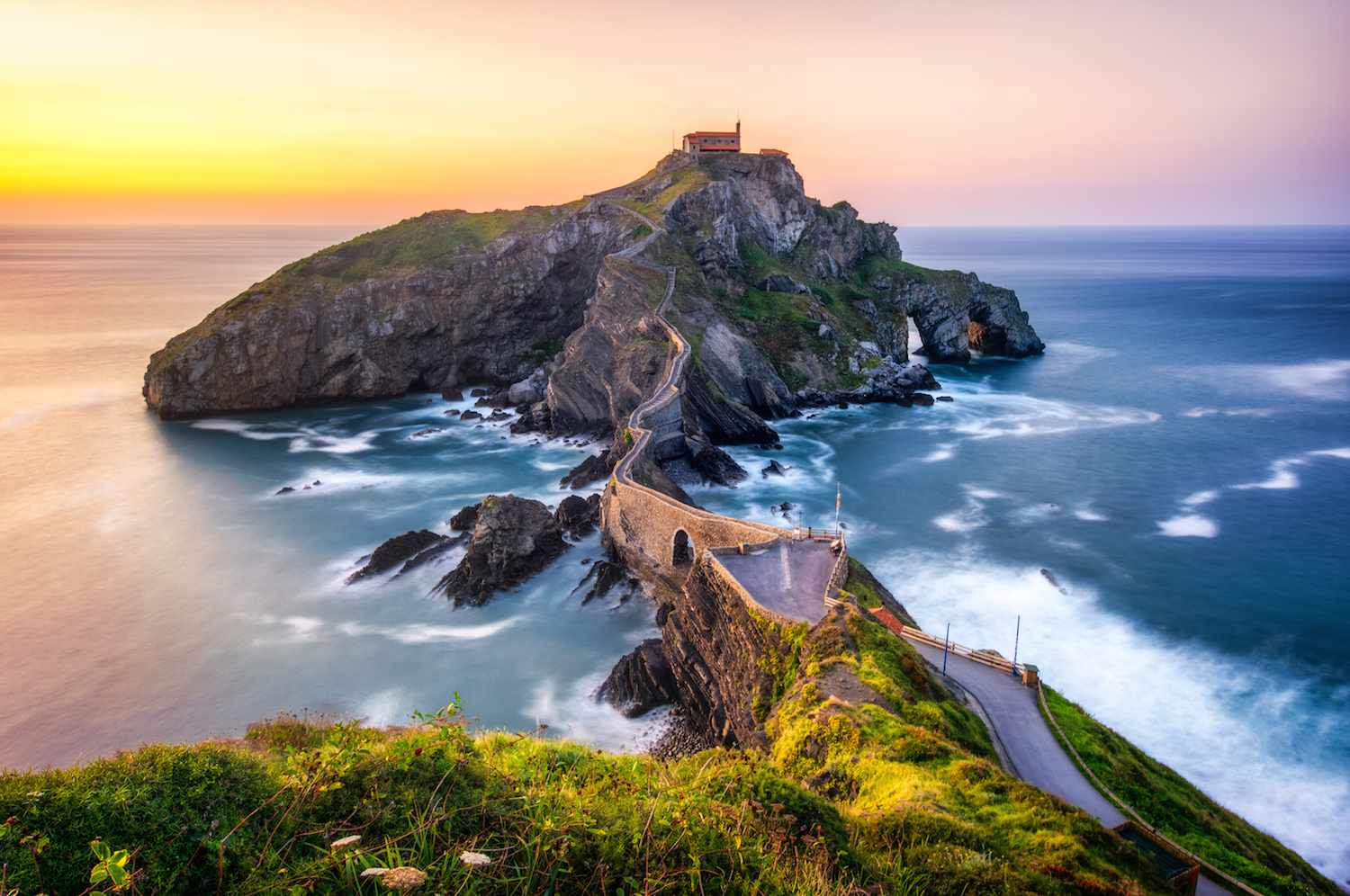
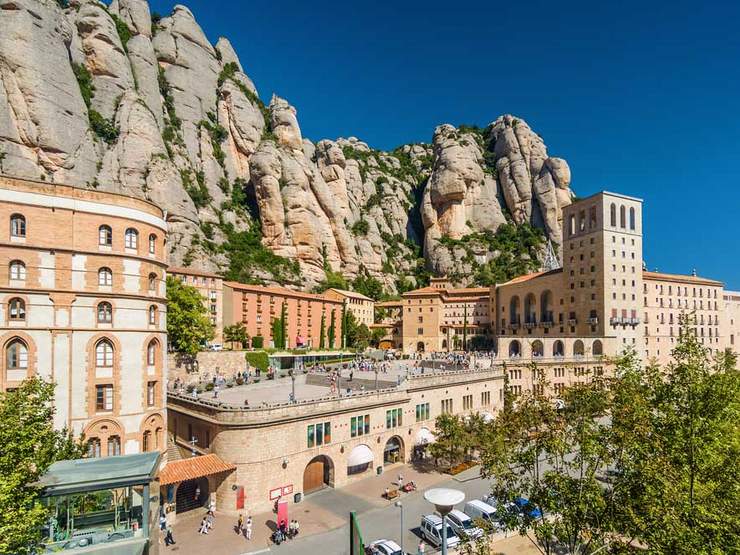
If you're a foodie obsessed with culinary excellence, dramatic coastlines, and a distinct culture, the Basque Country is your winner for around €150-€250 ($165-$275) daily. For those seeking iconic city sights, diverse beaches, buzzing nightlife, and a broader array of activities on a slightly more flexible budget of €120-€220 ($130-$240) daily, Catalonia, particularly Barcelona, takes the crown.
- Choose Basque Country: For serious foodies, surf enthusiasts, and those who appreciate a unique, less 'touristy' Spanish experience with stunning natural beauty and a focus on quality over quantity.
- Choose Catalonia: Ideal for first-time Spain visitors, culture vultures (Gaudí!), beach lovers seeking variety, and anyone looking for a lively, cosmopolitan vibe with easy access to mountains and coast.
- Choose Both: If you have 2-3 weeks and want to experience Spain's incredible diversity. Fly between Bilbao (BIO) and Barcelona (BCN) – it's quicker and often cheaper than a long train ride, taking about 1.5 hours in the air.
Quick Comparison
| Category | Basque Country | Catalonia | Winner |
|---|---|---|---|
| Food & Drink | World-renowned pintxos, Michelin stars galore, deep-rooted culinary traditions. | Tapas, paella, fresh seafood, innovative Catalan cuisine, vibrant markets. | Basque Country |
| Beaches & Coastline | Rugged, wild Atlantic beaches, excellent for surfing, dramatic cliffs. | Diverse Mediterranean beaches from city shores to secluded Costa Brava coves. | Catalonia |
| Culture & History | Unique Basque language (Euskara), strong identity, Guggenheim, ancient traditions. | Catalan language, Gaudí's modernism, Roman ruins, vibrant independence movement. | Catalonia |
| Costs & Budget | Generally one of Spain's most expensive regions, high quality food/accommodation. | Barcelona can be expensive, but options outside city are more budget-friendly. | Tie |
| Getting There & Around | Bilbao (BIO) main airport, smaller San Sebastián (EAS). Good train/bus for local. Car advised for rural. | Barcelona (BCN) major international hub. Excellent public transport, high-speed rail. | Catalonia |
| Nature & Outdoors | Dramatic Atlantic coast, rolling green hills, Pyrenean foothills. | Diverse landscapes from Pyrenees mountains to Mediterranean coastline, volcanic parks. | Catalonia |
| Nightlife & Entertainment | Vibrant pintxo bar crawls, intimate jazz clubs, strong local pub scene. | World-famous nightclubs, diverse bars, live music venues, flamenco shows. | Catalonia |
| Family Travel | Safe, relaxed, beautiful parks, beaches (some calm), delicious food kids often enjoy. | Wide range of attractions (aquarium, amusement parks), diverse beaches, excellent public transport. | Catalonia |
| Accommodation | Boutique hotels, guesthouses, few large resorts. Higher prices for quality. | Wide range from luxury hotels to hostels, apartments, and resort towns. | Catalonia |
| Weather & Seasons | Mild, oceanic climate; green landscapes, can be rainy, cooler summers. | Mediterranean climate; hot, dry summers, mild winters, plenty of sunshine. | Catalonia |
🍣 Food & Drink
This is a tough one, but the Basque Country edges it out purely on its unique and pervasive food culture. San Sebastián is a culinary pilgrimage site, boasting more Michelin stars per capita than almost anywhere else, but even a casual evening of pintxos (small, often elaborate, snacks typically on bread) in Bilbao's Casco Viejo or Donostia's Old Town is an experience. Expect to pay €2-€4 ($2.20-$4.40) per pintxo and easily spend €30-€50 ($33-$55) on a casual bar crawl dinner. Catalonia offers an incredible range too, from fresh seafood in Barceloneta to traditional Catalan dishes like 'escalivada' and 'crema catalana', plus world-class fine dining in Barcelona. Mercat de la Boqueria is a sensory overload. But the sheer density of exceptional, accessible food in the Basque Country, from simple pintxos to high gastronomy, is unparalleled. As one Redditor put it, 'Honestly, Basque Country food changed my life. Every pintxo bar felt like a Michelin-star experience in miniature.'
Winner takeaway
- Winner: Basque Country
- Why: The Basque Country's culinary scene is a more immersive, distinct, and high-quality experience across all price points.
- Who this matters for: Serious foodies, gastronomes, and anyone looking for an unforgettable culinary journey.
🏖️ Beaches & Coastline
Catalonia offers a fantastic variety of beaches. You have the lively urban sands of Barceloneta right in Barcelona, perfect for a quick dip or people-watching. Venture north to the Costa Brava for stunning coves like Cala Pola or Platja d'Aiguablava, characterized by pine forests meeting turquoise waters, often requiring a car or bus to reach. South of Barcelona, Sitges offers a more relaxed, chic vibe with beautiful beaches. The water is generally warmer and calmer in Catalonia, ideal for swimming and sunbathing. In the Basque Country, the coastline is dramatic, wild, and Atlantic. La Concha in San Sebastián is iconic and beautiful, but the true gems are the surfing beaches like Zurriola (San Sebastián) or Mundaka (near Bilbao), known for its world-class left-hand wave. The water is colder, and conditions are often choppier. 'If you want to swim and relax, Catalonia. If you want to surf and see dramatic cliffs, Basque Country is epic,' noted a traveler on r/travel.
Winner takeaway
- Winner: Catalonia
- Why: Catalonia's beaches offer more variety, warmer waters, and are generally better for traditional swimming and sunbathing.
- Who this matters for: Beachgoers, families with young children, and those seeking warm Mediterranean waters.
🏛️ Culture & History
Catalonia, especially Barcelona, is a powerhouse of culture and history. Antoni Gaudí's architectural masterpieces like the Sagrada Família, Park Güell, and Casa Batlló are world-renowned and draw millions, with tickets for Sagrada Familia typically €26-€33 ($28-$36). Beyond Gaudí, you have the Gothic Quarter's ancient charm, Picasso Museum, and the vibrant Catalan identity, which includes its own language (Catalan) and unique traditions like 'castells' (human towers). Day trips to Girona's medieval walls or Tarragona's Roman ruins (amphitheater entrance ~€3.30/$3.60) add even more depth. The Basque Country offers a profoundly unique culture centered around its ancient Euskara language, distinct from any Romance language. The Guggenheim Museum in Bilbao is a modern architectural marvel, and the region's traditions, like Pelota Vasco, are fascinating. However, outside Bilbao and San Sebastián, the cultural offerings, while authentic, are less broadly diverse or globally recognized than Catalonia's. One Reddit user captured it: 'Barcelona's architecture alone is enough for a whole trip. The sheer volume of iconic sights is staggering.'
Winner takeaway
- Winner: Catalonia
- Why: Catalonia boasts a wider array of iconic, diverse, and globally recognized cultural and historical attractions.
- Who this matters for: Architecture buffs, history enthusiasts, and those looking for a broad spectrum of cultural experiences.
💰 Costs & Budget
Both regions can be expensive, but how you travel makes a big difference. The Basque Country has a reputation for being one of Spain's priciest areas, particularly San Sebastián. A mid-range hotel in San Sebastián can easily run €120-€200 ($130-$220) per night, and pintxos, while small, add up quickly. A daily budget of €150-€250 ($165-$275) is realistic for comfort. Barcelona, on the other hand, can be incredibly expensive for accommodation, especially in peak season (€100-€250+ / $110-$275+ for a mid-range hotel). However, food and transport can be slightly cheaper, and you have more budget-friendly options, like hostels from €30-€50 ($33-$55) a night, and menu del día deals for €12-€18 ($13-$20). Outside Barcelona, Catalonia becomes significantly more affordable. 'Basque Country felt like everything was just a notch up in price, but the quality was there,' said one Redditor, 'Barcelona felt like you could spend a lot or save a lot depending on your choices.'
Winner takeaway
- Winner: Tie
- Why: While both are on the pricier side for Spain, Catalonia offers more flexibility for budget travelers, but the Basque Country generally delivers consistent high quality for its higher price tag.
- Who this matters for: Both budget travelers and luxury seekers need to plan carefully, but Catalonia offers more wiggle room for frugality.
✈️ Getting There & Around
Catalonia wins handily for accessibility. Barcelona-El Prat Airport (BCN) is a major international hub with direct flights from countless cities worldwide, often making it the cheapest entry point to Spain from abroad. From BCN, you have excellent, affordable public transport options (Aerobús ~€6/$6.60) into the city. Within Barcelona, the metro and bus systems are extensive and efficient. High-speed AVE trains connect Barcelona to Madrid and other major Spanish cities swiftly. The Basque Country has Bilbao Airport (BIO), which is well-connected to European cities but has fewer direct transatlantic flights. San Sebastián Airport (EAS) is smaller. Getting between cities like Bilbao, San Sebastián, and Vitoria-Gasteiz is easy and efficient by bus (e.g., Bilbao to San Sebastián ~€12-€18/$13-$20, 1.5 hrs). However, to truly explore the stunning coastal villages and national parks, a rental car is highly recommended and often necessary. 'Barcelona's airport and metro are a dream. You're in the city center so fast, no fuss,' shared a user on r/solotravel, highlighting the ease of arrival.
Winner takeaway
- Winner: Catalonia
- Why: Catalonia, via Barcelona, serves as a much more convenient and well-connected international gateway with superior intra-regional public transport.
- Who this matters for: International travelers, those relying on public transport, and visitors making Spain part of a larger European trip.
⛰️ Nature & Outdoors
While the Basque Country boasts rugged, dramatic beauty – think the Flysch Route near Zumaia with its incredible geological formations, or the green rolling hills around Vitoria-Gasteiz – Catalonia offers a more diverse and accessible range of outdoor activities. You have the towering peaks of the Catalan Pyrenees, perfect for hiking, skiing (e.g., Baqueira-Beret), and mountain biking. Aigüestortes i Estany de Sant Maurici National Park offers stunning glacial lakes and diverse wildlife. Then there's the volcanic landscape of La Garrotxa and the aforementioned beautiful Costa Brava for coastal hikes (Camí de Ronda). The Ebro Delta, a vast wetland, is a birdwatcher's paradise. The Basque Country's nature is beautiful but more singular in its character; the Atlantic gives it a wild, verdant feel. 'Catalonia literally has everything from high mountains to stunning beaches and ancient volcanoes,' a Redditor commented, 'It's hard to beat that variety for outdoor enthusiasts.'
Winner takeaway
- Winner: Catalonia
- Why: Catalonia's natural landscapes are incredibly diverse, offering a broader range of activities from high mountains to coastlines and volcanic parks.
- Who this matters for: Hikers, skiers, nature photographers, and those seeking varied outdoor adventures.
💃 Nightlife & Entertainment
For sheer variety and global reputation, Catalonia, specifically Barcelona, takes the lead. Barcelona's nightlife is legendary, with world-class clubs like Razzmatazz and Pacha drawing international DJs and crowds until dawn. There's also a vibrant bar scene ranging from trendy cocktail lounges in El Born to gritty dive bars in Raval. Live music venues are plentiful, and while not its origin, you can find tourist-friendly flamenco shows. A beer might cost €3-€6 ($3.30-$6.60), cocktails €8-€15 ($8.80-$16.50). The Basque Country's nightlife is excellent but different. It's more focused on the 'txikiteo' – a social pintxo and drink crawl that happens earlier in the evening, evolving into lively bars later. San Sebastián has a great student scene, and Bilbao offers some good clubs around the Moyúa area, but it's generally less 'big party' and more about socializing in local establishments. 'Barcelona's club scene is insane, you can dance until 6 AM easily,' remarked a traveler, 'Basque Country is more about delicious food and wine late into the night.'
Winner takeaway
- Winner: Catalonia
- Why: Barcelona's global reputation for diverse and high-energy nightlife, from mega-clubs to intimate bars, offers more options.
- Who this matters for: Party-goers, clubbers, those seeking a lively and late-night atmosphere.
👨👩👧👦 Family Travel
Catalonia offers a slightly broader and more structured appeal for families. Barcelona alone has attractions like the Aquarium, Tibidabo Amusement Park, and CosmoCaixa science museum, which are big hits with kids. Park Güell and the Magic Fountain of Montjuïc also offer engaging experiences. The diverse beaches (like those in Sitges or the Costa Brava) are generally calmer and warmer for swimming. Public transport is excellent, making it easy to navigate with strollers or tired kids. Many restaurants are accustomed to families. The Basque Country is also very family-friendly: it's incredibly safe, and kids often love the interactive science museum Eureka! Zientzia Museoa in San Sebastián or the Guggenheim's impressive scale. The beaches, especially La Concha, are great for sandcastles and gentle waves (depending on the day). However, the sheer volume of kid-specific attractions and the ease of travel without a car give Catalonia an edge. 'We took our two kids to Barcelona and they absolutely loved the Sagrada Familia and Park Güell, it felt like a fairytale,' mentioned a parent on r/SpainTravel.
Winner takeaway
- Winner: Catalonia
- Why: Catalonia provides a wider range of dedicated family attractions and a more easily navigable environment for families with young children.
- Who this matters for: Families with children of all ages, seeking varied entertainment and ease of travel.
🏨 Accommodation
Catalonia, particularly Barcelona, offers an incredibly diverse range of accommodation options to suit every budget and style. From luxurious 5-star hotels like Hotel Arts or W Barcelona to charming boutique guesthouses in the Gothic Quarter, countless Airbnb apartments, and a plethora of budget-friendly hostels (e.g., Generator Barcelona, beds from €30/$33), you're spoiled for choice. Outside Barcelona, the Costa Brava boasts numerous resort hotels and holiday rentals, while rural Catalonia offers charming 'masias' (farmhouses). The Basque Country, while offering high-quality accommodation, tends to be more expensive on average, especially in San Sebastián. Expect to pay €100-€200 ($110-$220) for a decent mid-range hotel. There are fewer large, international chain hotels and more independent boutique hotels and 'pensiones' (guesthouses). Finding budget hostels is possible, but they are fewer and fill up fast. 'Finding a good, affordable hostel in Barcelona was easy, but in San Sebastian, it felt like I had to book months in advance and still paid more,' a solo traveler commented on r/solotravel.
Winner takeaway
- Winner: Catalonia
- Why: Catalonia provides a much broader selection of accommodation types and price points, offering more flexibility for travelers.
- Who this matters for: All types of travelers, from budget backpackers to luxury seekers, and those who value choice.
☀️ Weather & Seasons
Catalonia generally offers more predictable and desirable weather for most tourists, particularly those seeking sun. Its Mediterranean climate means hot, dry summers (July-August, often 28-32°C / 82-90°F) perfect for beach holidays, and mild, relatively short winters (December-February, 10-15°C / 50-59°F). Spring and autumn are delightful with comfortable temperatures (18-25°C / 64-77°F) and less rain, ideal for sightseeing. The Basque Country has an oceanic climate, meaning it's significantly greener and generally milder year-round but also rainier, especially from October to April. Summers are pleasant but not usually scorching (20-25°C / 68-77°F), making it comfortable for walking and eating, but less reliable for beach days. 'If you want guaranteed sunshine for your summer vacation, Catalonia is a safer bet. Basque Country is beautiful but can surprise you with rain even in July,' a Reddit user wisely advised. The lush landscape is a result of this rain, but it's a factor to consider.
Winner takeaway
- Winner: Catalonia
- Why: Catalonia's Mediterranean climate offers more consistent sunshine and warmer temperatures, particularly appealing for summer travel and beach activities.
- Who this matters for: Sun-seekers, beach lovers, and those preferring warmer, drier weather for their trip.
❓ Frequently Asked Questions
Is Basque Country or Catalonia better for a first-time visitor to Spain?
For a first-time visitor, Catalonia (especially Barcelona) is generally easier and more iconic. It offers a broader introduction to Spanish culture, a major international airport, and a wider array of globally recognized sights and activities.
Which region is more expensive?
Both regions can be expensive, particularly their main cities (San Sebastián and Barcelona). However, the Basque Country tends to be consistently pricier for food and accommodation across the region. Catalonia offers more budget-friendly options, especially if you venture outside Barcelona.
How many days do I need for each region?
For a good taste of either, plan at least 4-5 full days. For the Basque Country, this allows you to explore Bilbao and San Sebastián. For Catalonia, 4-5 days is enough for Barcelona, with perhaps a quick day trip. To explore either region in depth, allocate 7-10 days.
Is it easy to travel between them?
Not directly and quickly. The most efficient way to travel between the Basque Country and Catalonia is by flying (e.g., Bilbao to Barcelona, ~1.5 hours flight). A direct train journey is very long (6-7 hours, often with changes) and can be more expensive than a budget flight.
Which has better nightlife?
Catalonia, particularly Barcelona, is renowned for its world-class nightlife with massive clubs, diverse bars, and late-night entertainment. The Basque Country offers a more traditional, food-focused evening culture with vibrant pintxo bar crawls and local pubs.
What about language barriers?
Both regions have their own co-official languages (Euskara in Basque Country, Catalan in Catalonia) alongside Spanish (Castilian). In tourist areas, English is widely spoken in both, so you shouldn't face significant barriers. Learning a few basic phrases in Spanish is always appreciated.
Which is better for outdoor activities?
Catalonia offers a greater diversity of outdoor activities, from hiking and skiing in the Pyrenees to coastal walks along the Costa Brava and water sports. The Basque Country excels with its dramatic Atlantic coastline, great for surfing and rugged hiking, but less varied overall.
Are there safety concerns in either region?
Both regions are generally very safe for tourists. The main concern in popular areas like Barcelona is petty theft, especially pickpocketing in crowded tourist spots. Always be vigilant with your belongings, especially in public transport and busy squares. The Basque Country is known for being particularly safe and relaxed.
Ready to plan your unforgettable Spanish adventure?
Get a free custom itinerary for Basque Country, Catalonia, or both — built from real traveler insights and tailored just for you.
🎟️ Book Tours & Experiences
Hand-picked tours and activities for both destinations — book with free cancellation
Experiences via Viator — free cancellation on most tours