How we built this comparison
This page combines traveler discussion patterns, published price ranges, flight schedules, and seasonal data to help you decide between Bavarian Alps and Austrian Alps.
- Reviewed 50+ Reddit threads from r/travel, r/solotravel, r/Germany, r/Austria, and r/EuropeTravel for firsthand experiences and recommendations.
- Verified costs for accommodation, transport, and attractions against current booking platforms (e.g., Booking.com, Deutsche Bahn, ÖBB, resort websites).
- Cross-referenced seasonal patterns, weather data, and activity availability with official tourism boards and reputable travel blogs.
- Consulted personal travel experiences and insights from well-traveled friends who have visited both regions extensively.
⚡ The TL;DR Verdict
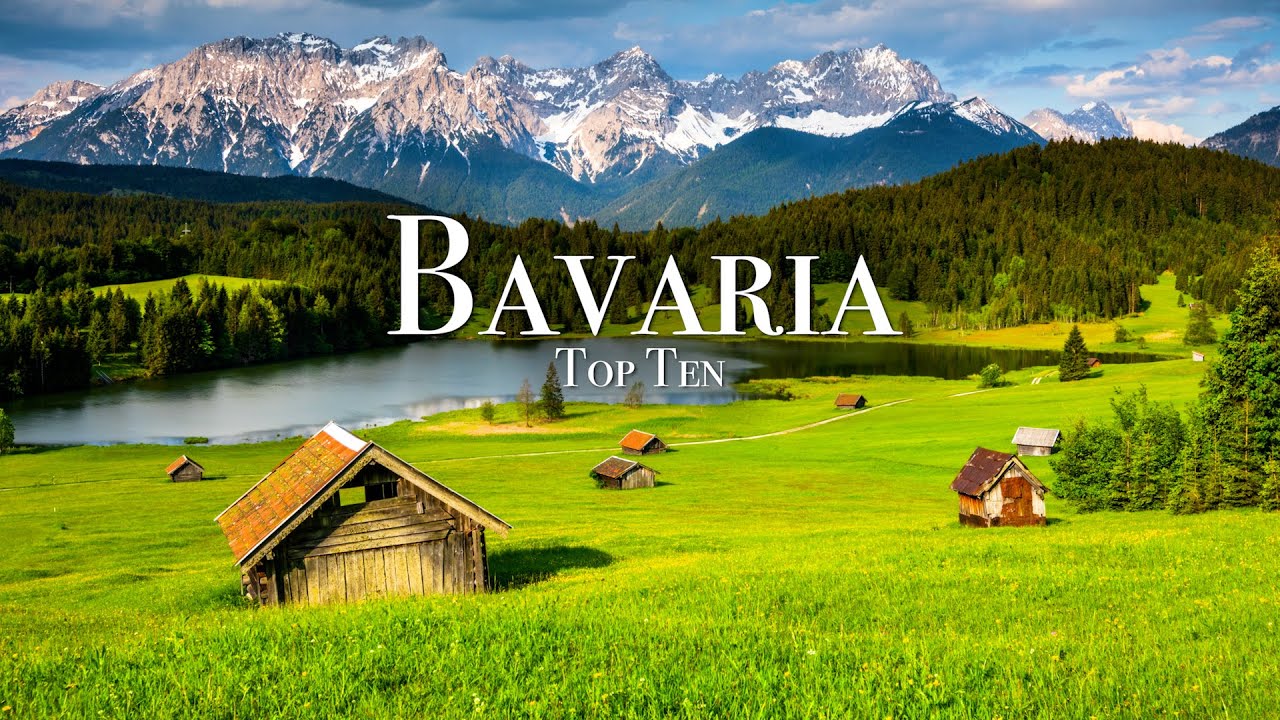
For those seeking postcard-perfect castles, efficient infrastructure, and a touch of German fairy tale, the Bavarian Alps are your pick, budget around €120-€200 ($130-$220) daily. If world-class alpine sports, charming village life, and a slightly more rugged, authentic experience appeal, the Austrian Alps offer exceptional value and adventure, with daily budgets from €100-€180 ($110-$200).
- Choose Bavarian Alps: Choose Bavaria if you prioritize iconic sights like Neuschwanstein Castle, pristine lakes, and well-maintained hiking trails, often with direct access from major hubs like Munich. Ideal for families and those who appreciate German efficiency and comfort.
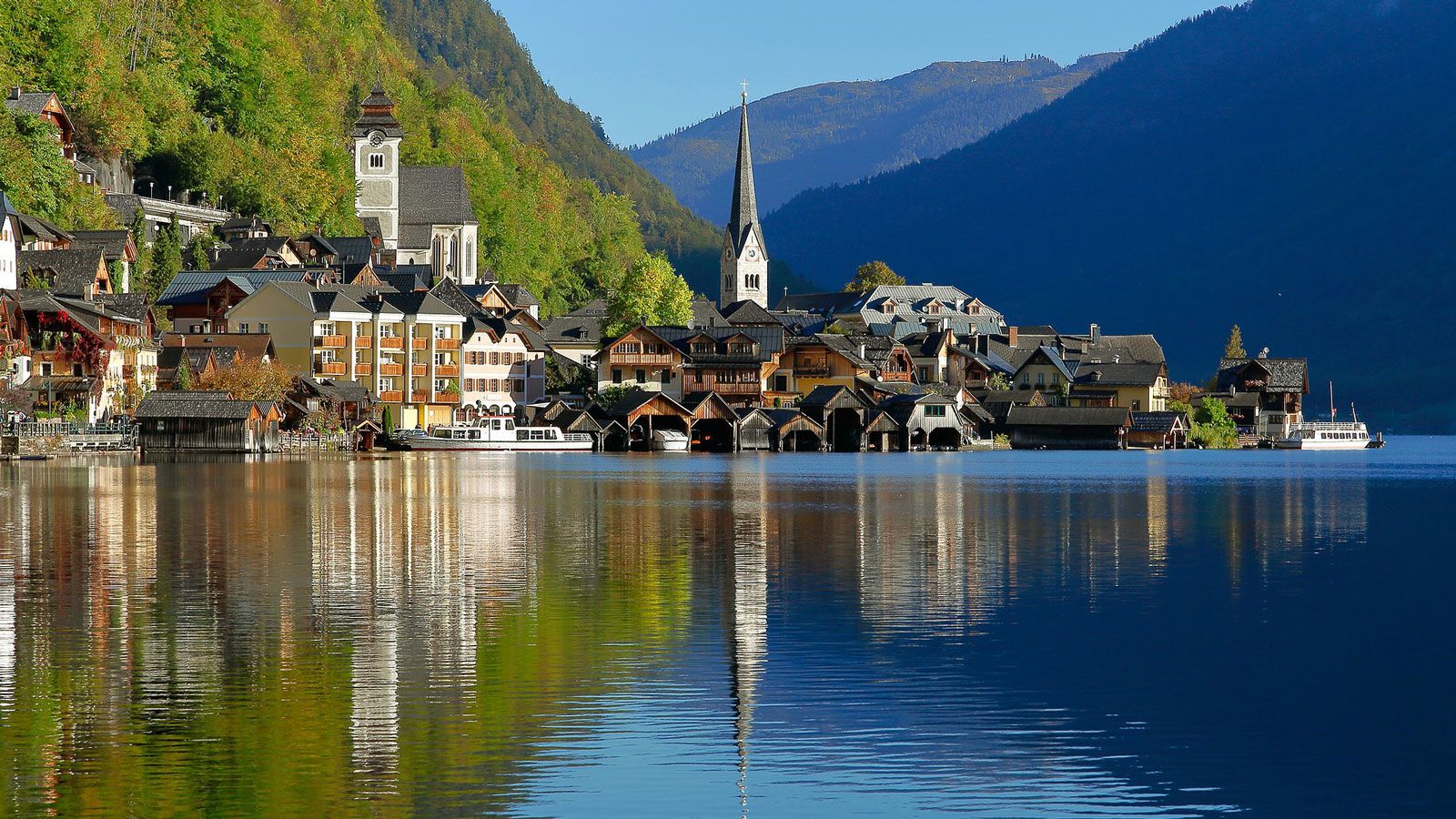
- Choose Austrian Alps: Opt for Austria if your focus is on unparalleled skiing and snowboarding, extensive hiking networks, a vibrant après-ski scene, and a more rustic, genuinely alpine cultural experience. Great for active travelers and those seeking a slightly more budget-friendly adventure.
- Choose Both: Combine both if you have 10-14 days and want the best of both worlds. Start in Munich, explore the Bavarian highlights, then drive or train to Tyrol or Salzburg for Austrian alpine charm and activities. The border crossing is seamless, and you get a comprehensive taste of the Alpine region.
Quick Comparison
| Category | Bavarian Alps | Austrian Alps | Winner |
|---|---|---|---|
| Nature & Scenery | Iconic, picture-postcard views. Fairy-tale castles atop hills. Pristine, emerald lakes. | Dramatic, rugged peaks. Expansive glaciers and deep valleys. Classic alpine meadows. | Austrian Alps |
| Culture & Tradition | Strong Bavarian identity, beer garden culture, Neuschwanstein, historical towns. | Imperial history, classical music heritage, charming alpine village life, distinct regional customs. | Austrian Alps |
| Costs & Budget | Generally higher accommodation, attractions can be pricey, efficient but not cheap. | Slightly better value for accommodation and food, ski passes are comparable. | Austrian Alps |
| Activities (Hiking & Skiing) | Excellent hiking for all levels, good skiing but fewer mega-resorts, family-friendly. | World-class skiing and snowboarding, extensive and challenging hiking, renowned après-ski. | Austrian Alps |
| Food & Drink | Hearty, meat-centric Bavarian fare, famous beers, large portions. | More varied and refined Alpine cuisine, famous pastries, excellent coffee culture, local wines. | Austrian Alps |
| Accessibility & Getting Around | Excellent train network (DB), well-maintained roads, Munich as a major international hub. | Efficient train network (ÖBB), well-connected by road, Salzburg/Innsbruck airports are convenient. | Tie |
| Accommodation | Diverse options from traditional Gasthöfe to modern hotels, can be pricier in prime spots. | Strong emphasis on charming family-run Pensionen, high-quality ski lodges, often better value. | Austrian Alps |
| Family Friendliness | Fairy-tale castles, easy nature walks, safe environment, some theme parks. | Dedicated kids' ski areas, adventure parks, family-friendly hikes, engaging village activities. | Austrian Alps |
| Nightlife & Après-Ski | Traditional beer halls and cozy pubs, quieter après-ski scene, big city nightlife in Munich. | World-renowned, lively après-ski scene, numerous bars and clubs in ski resorts. | Austrian Alps |
| Overall Vibe & Atmosphere | Polished, efficient, fairy-tale romance, slightly more reserved and organized. | Authentic, rugged, welcoming, slightly more laid-back and genuinely alpine. | Austrian Alps |
🏞️ Nature & Scenery
While the Bavarian Alps boast the iconic, almost surreal beauty of Königssee and the commanding presence of Zugspitze (Germany's highest peak, accessible via a €68/$75 cable car), the Austrian Alps offer a more raw and diverse natural grandeur. From the vast, rugged landscapes of the Zillertal Alps and the Ötztal Valley to the breathtaking Grossglockner High Alpine Road (toll ~€40/$44 per car), Austria feels wilder and more expansive. The Dolomites, though predominantly in Italy, are easily accessible and visually complement the Austrian range, adding to its diverse appeal. For instance, a hike around Eibsee in Bavaria is stunning, but tackling a via ferrata in the Stubai Valley offers a different level of visceral connection to the mountains. "Honestly, the sheer scale of the Stubai Glacier just blew Königssee out of the water for me, though both are beautiful in their own right," said one Redditor.
Winner takeaway
- Winner: Austrian Alps
- Why: The Austrian Alps win for their sheer scale, rugged diversity, and the feeling of untamed wilderness.
- Who this matters for: Outdoor enthusiasts, serious hikers, and those seeking dramatic, expansive mountain vistas.
🍻 Culture & Tradition
Bavaria is steeped in its unique German identity, famous for its Lederhosen, Dirndls, and the vibrant beer garden culture, which reaches its peak during Oktoberfest in Munich. Towns like Garmisch-Partenkirchen and Oberammergau retain strong traditional crafts and architecture. However, the Austrian Alps offer a broader cultural tapestry. Beyond the similar alpine traditions, you find a deeper connection to imperial history in cities like Salzburg (Mozart's birthplace, home to the Salzburg Festival) and Innsbruck. The coffee house culture is more refined, and the local dialects and customs vary significantly from valley to valley, giving a richer sense of regional identity. Visiting a traditional 'Gasthaus' in Tyrol for a 'Kaiserschmarrn' feels more authentically lived-in than many Bavarian tourist spots. "I felt like Austria's culture was just a bit more welcoming and less 'performative' for tourists," a traveler shared.
Winner takeaway
- Winner: Austrian Alps
- Why: Austria offers a slightly richer and more varied cultural depth, blending alpine tradition with imperial history and a strong regional identity.
- Who this matters for: Travelers interested in history, classical music, refined culinary traditions, and authentic local interactions.
💰 Costs & Budget
When comparing daily expenses, the Austrian Alps generally offer slightly better value. A decent mid-range hotel in a Bavarian town like Garmisch might run you €120-€200 ($130-$220) per night, whereas a charming 'Pension' in a comparable Austrian village such as Mayrhofen or Zell am See can often be found for €90-€160 ($99-$176). Meals in Bavaria, especially near major attractions, can be €18-€30 ($20-$33) for a main course, while Austria often has options for €15-€25 ($16-$28). Transportation, such as a train from Munich to Garmisch, costs about €20-€25 ($22-$28) one way. Lift passes are comparable: a day pass for Garmisch Classic is around €57 ($63), while a Zillertal Superskipass can be €70-€75 ($77-$82). Overall, you can often stretch your budget a bit further in Austria without sacrificing quality. "My ski trip to Saalbach Hinterglemm was significantly cheaper per day than my Garmisch trip, even with similar lodging," noted a budget-conscious traveler.
Winner takeaway
- Winner: Austrian Alps
- Why: The Austrian Alps edge out Bavaria by offering slightly more affordable accommodation and dining options for similar quality.
- Who this matters for: Budget-conscious travelers and those looking to maximize their euro without compromising on experience.
⛷️ Activities (Hiking & Skiing)
Both regions offer fantastic outdoor activities, but the Austrian Alps truly shine for dedicated alpine sports enthusiasts. Bavaria has great hiking, from easy lakeside strolls around Eibsee to challenging routes up the Wank Mountain, and respectable skiing at resorts like Garmisch-Partenkirchen. However, Austria is a global skiing Mecca. Resorts like St. Anton am Arlberg, Kitzbühel, Ischgl, and the entire Zillertal Arena offer an unparalleled variety of pistes, off-piste opportunities, and extensive lift systems. A day ski pass in St. Anton can be around €70-€80 ($77-$88). Hiking is equally diverse, from gentle 'Alm' walks to demanding multi-day treks and numerous 'via ferratas.' While Bavaria has its charms, Austria's infrastructure for winter sports, in particular, is hard to beat. "If you're going to the Alps primarily to ski or snowboard, you go to Austria. Period. St. Anton is legendary," a seasoned skier commented.
Winner takeaway
- Winner: Austrian Alps
- Why: The Austrian Alps offer a more extensive, diverse, and world-renowned range of alpine sports infrastructure and challenging terrain.
- Who this matters for: Serious skiers/snowboarders, experienced hikers, and adventure seekers.
🍖 Food & Drink
Bavarian cuisine is synonymous with hearty, comforting dishes: Weißwurst (white sausage), Schweinshaxe (pork knuckle), Käsespätzle (cheese noodles), and of course, pretzels and massive steins of local beer. It's delicious and satisfying, especially after a day of hiking. Think Hofbräuhaus for a classic experience (expect €15-€25/$16-$28 for a main). However, Austria offers a slightly more diverse and often refined culinary scene. While you'll find similar hearty mountain food, Austria's imperial past introduces influences that result in dishes like Tafelspitz (boiled beef), Wiener Schnitzel (often veal, €20-€35/$22-$38), and world-famous pastries like Sachertorte or Apfelstrudel. The coffee house culture, especially prominent in Salzburg and Innsbruck, is a cultural institution. Plus, Austrian wines, particularly Grüner Veltliner, are exceptional. "Austrian pastries and coffee alone make it win for me. Plus, their Schnitzel is just different," observed a food traveler.
Winner takeaway
- Winner: Austrian Alps
- Why: The Austrian Alps win for a broader culinary palette, from rustic alpine fare to elegant imperial dishes and a superior coffee culture.
- Who this matters for: Foodies, those with a sweet tooth, and anyone appreciating a refined coffee experience alongside traditional meals.
🚗 Accessibility & Getting Around
Both regions boast incredibly efficient transportation networks, making them easy to navigate. Bavaria benefits from Munich Airport (MUC), a major international hub with direct flights from many North American cities (e.g., NYC to MUC ~7.5-8.5 hrs, flights often start around €600/$660 RT). From there, excellent Deutsche Bahn (DB) trains connect you quickly to destinations like Garmisch-Partenkirchen (€20-€25/$22-$28 one-way). Austria has smaller, convenient airports in Salzburg (SZG) and Innsbruck (INN), but many international travelers fly into Vienna (VIE) or Munich and take an ÖBB train. Car rental costs are similar, often €40-€70 ($44-$77) per day, offering maximum flexibility in both. Public transport within regions (trains, buses) is generally reliable and on time. "Honestly, getting around either Bavaria or Tyrol by train was equally painless, and driving gave me the freedom I wanted in both," a traveler mentioned.
Winner takeaway
- Winner: Tie
- Why: Both regions offer exceptional, well-integrated transportation systems, making access and movement equally convenient for travelers.
- Who this matters for: All travelers, as both destinations excel in logistics, offering seamless travel experiences.
🛌 Accommodation
Bavarian accommodation offers a wide range, from cozy 'Gasthöfe' and B&Bs to larger, more modern hotels. Near popular spots like Neuschwanstein or Garmisch, prices can be on the higher side, with a good quality double room often costing €120-€250 ($132-$275) per night. The Austrian Alps, however, truly excel in providing charming, authentic, and often more value-for-money lodging. You'll find an abundance of 'Pensionen' (family-run guesthouses) and traditional hotels that offer genuine hospitality and delicious breakfasts, often for €80-€180 ($88-$198) in picturesque villages. Even their high-end ski lodges frequently include half-board options, which can be a great deal. The emphasis on local character and warmth in Austrian lodging often creates a more memorable stay. "I stayed in a family-run 'Bauernhof' near Mayrhofen for €90 and it felt so much more authentic than the €150 hotel in Füssen," a traveler recounted.
Winner takeaway
- Winner: Austrian Alps
- Why: The Austrian Alps win for their abundance of charming, high-quality family-run accommodations that often provide better value and a more authentic local experience.
- Who this matters for: Travelers seeking authentic local charm, cozy stays, and excellent value for their accommodation budget.
👨👩👧👦 Family Friendliness
Both destinations are incredibly family-friendly, safe, and offer plenty to keep all ages entertained. Bavaria shines with its 'fairy-tale' appeal: Neuschwanstein Castle is a dream for kids, and places like Skyline Park offer classic amusement park fun (entry around €30-€35/$33-$38). Lakes like Eibsee provide easy, scenic walks and swimming. However, the Austrian Alps often go the extra mile in terms of active, engaging family experiences. Many ski resorts, such as Serfaus-Fiss-Ladis or SkiWelt Wilder Kaiser-Brixental, have dedicated 'Kinderländer' (kids' areas) and ski schools. Summer brings adventure parks, themed hiking trails (e.g., 'Witches' Water' in Söll), and mountain playgrounds that are truly impressive. The focus on outdoor activity and interactive experiences often gives Austria an edge for families with energetic children. "My kids absolutely loved the summer toboggan runs and adventure trails in Tyrol; it was way more engaging than just looking at castles," a parent shared.
Winner takeaway
- Winner: Austrian Alps
- Why: The Austrian Alps offer a wider array of active, engaging, and specifically designed family-friendly activities and resorts, especially for active children.
- Who this matters for: Families with active children, looking for interactive outdoor adventures beyond just sightseeing.
🎉 Nightlife & Après-Ski
When it comes to unwinding and partying after a day on the slopes, the Austrian Alps are in a league of their own. While Bavaria has its charming 'Hütten' (mountain huts) and traditional pubs where you can enjoy a beer, and Munich offers vibrant city nightlife an hour or two away, the dedicated après-ski culture in Austria is unparalleled. Resorts like St. Anton am Arlberg, Ischgl, Sölden, and Saalbach-Hinterglemm are famous worldwide for their lively bars that start pumping music and serving drinks as soon as the lifts close. Places like MooserWirt in St. Anton are legendary, with DJs, dancing, and a festive atmosphere that often continues late into the night. Expect to spend €5-€8 ($5.50-$9) per drink. "There's no comparison. Après-ski in St. Anton is an experience, Bavaria barely has a pulse after dark outside of Munich," a partygoer firmly stated.
Winner takeaway
- Winner: Austrian Alps
- Why: The Austrian Alps are the undisputed champion of après-ski, offering a vibrant, world-renowned party scene directly in the ski resorts.
- Who this matters for: Younger travelers, groups, and anyone looking for a lively, festive atmosphere after a day of activities.
✨ Overall Vibe & Atmosphere
The Bavarian Alps exude a polished, almost picture-perfect charm. It's clean, efficient, and often feels like stepping into a postcard, especially around Neuschwanstein or the perfectly manicured towns like Mittenwald. There's a certain German precision, which can feel a bit reserved at times, though always friendly. The overall atmosphere is one of romantic fairy tales and organized beauty. In contrast, the Austrian Alps offer a more rugged, authentic, and genuinely alpine vibe. The villages feel more lived-in, the hospitality is often described as warmer and more outgoing, and there's a tangible sense of tradition deeply embedded in daily life, not just for show. It's a bit more laid-back, less focused on pristine perfection, and more on enjoying the mountains and local culture as it genuinely is. "Bavaria felt like a beautiful, well-oiled machine, but Austria felt like home, even for a week," a long-term traveler shared.
Winner takeaway
- Winner: Austrian Alps
- Why: The Austrian Alps win for their authentic, welcoming, and slightly more rugged atmosphere that feels genuinely embedded in alpine life.
- Who this matters for: Travelers seeking a more authentic cultural immersion, warmer local interactions, and a less polished, more organic alpine experience.
❓ Frequently Asked Questions
What's the best time to visit the Bavarian or Austrian Alps?
For hiking and scenic beauty, late spring (May-June) or early autumn (September-October) offer pleasant weather, fewer crowds, and stunning foliage. For skiing, December to March is prime season, with January and February offering the best snow conditions. Avoid peak summer (July-August) for hiking if you dislike crowds and higher prices.
Do I need a car to explore the Alps?
While both regions have excellent public transport (trains, buses), a car offers unparalleled flexibility, especially for reaching trailheads, smaller villages, or scenic drives like the Grossglockner High Alpine Road. For city-to-city travel, trains are best, but for rural exploration, a rental car (starting around €40-€70/$44-$77 per day) is highly recommended.
Will there be a language barrier in the Alps?
German is the official language in both regions. However, in major tourist areas, hotels, restaurants, and attractions, English is widely spoken, especially by younger generations. Learning a few basic German phrases (hello, thank you, please) will always be appreciated and can enhance local interactions.
Which Alps are better for castles?
The Bavarian Alps are undeniably superior for castles, particularly the iconic Neuschwanstein Castle and its neighbor Hohenschwangau, which are major draws. While Austria has some beautiful fortresses and palaces (e.g., Hohensalzburg Fortress in Salzburg), they don't quite match the fairy-tale grandeur and density of Bavaria's royal residences.
Can I combine a trip to both the Bavarian and Austrian Alps?
Absolutely! The regions border each other, and travel between them is seamless. A popular route is to fly into Munich, explore the Bavarian Alps (e.g., Garmisch), then head towards Innsbruck or Salzburg in Austria. Allow at least 10-14 days to comfortably experience highlights from both, using trains or a rental car.
Are the Alps safe for solo travelers?
Both the Bavarian and Austrian Alps are exceptionally safe for solo travelers. Crime rates are very low, and the locals are generally friendly and helpful. Standard precautions apply, but solo hikers and explorers can feel very comfortable. Many guesthouses are accustomed to solo guests, and public transport is reliable.
What's the typical flight time from the US/Canada to these regions?
Direct flights from major North American hubs (like NYC, Toronto) to Munich (MUC) are typically 7-8.5 hours. Flights to Vienna (VIE) are similar, 8-9 hours. Connecting flights to smaller airports like Salzburg (SZG) or Innsbruck (INN) will add a few hours to your total travel time. Round-trip flights often range from €600-€1000 ($660-$1100).
Are there good options for non-skiers in winter?
Yes! Both regions offer plenty for non-skiers in winter. Activities include winter hiking and snowshoeing, tobogganing, ice skating, visiting Christmas markets (in December), wellness spas, and enjoying cozy mountain huts. Cable cars often operate for scenic views even if you're not skiing down, offering stunning panoramas.
Ready to plan your Alpine adventure?
Get a free custom itinerary for Bavarian Alps, Austrian Alps, or both — built from real traveler insights.
🎟️ Book Tours & Experiences
Hand-picked tours and activities for both destinations — book with free cancellation
Experiences via Viator — free cancellation on most tours