How we built this comparison
This page combines traveler discussion patterns, published price ranges, flight schedules, and seasonal data to help you decide between Bavarian Alps and Swiss Alps.
- Reviewed 100+ Reddit threads from r/travel, r/solotravel, r/Germany, r/Switzerland, and specific alpine subreddits.
- Verified costs and logistics against current booking platforms (Booking.com, DB Bahn, SBB, SkyScanner, restaurant menus).
- Cross-referenced seasonal patterns, weather data, and major attraction opening times for accuracy.
⚡ The TL;DR Verdict
For budget-conscious travelers seeking a blend of cultural charm, hearty food, and stunning natural beauty without the premium price tag, the Bavarian Alps are your winner. If you prioritize unparalleled, dramatic scenery, world-class infrastructure, and don't mind a higher daily spend, the Swiss Alps are an absolute dream. Aim for around $100-150/day in Bavaria, $250-400+/day in Switzerland.
- Choose Bavarian Alps: Perfect for travelers who love quaint villages, castles, excellent value for money, traditional German culture, and accessibility to neighboring cities like Munich or Salzburg. Ideal for families and those on a mid-range budget.
- Choose Swiss Alps: Choose Switzerland if you're seeking truly epic, high-alpine landscapes, world-renowned hiking and skiing, impeccable public transport, and don't mind investing more for a premium travel experience. Great for adventure seekers and luxury travelers.
- Choose Both: If you have 10-14 days or more and want to experience both distinct alpine vibes, consider flying into Munich, exploring Bavaria, then taking a scenic train journey (around 6-8 hours, €50-80) across to Switzerland for a different kind of mountain magic. It's a fantastic way to see the regional differences.
Quick Comparison
| Category | Bavarian Alps | Swiss Alps | Winner |
|---|---|---|---|
| Costs & Value | Significantly more affordable across accommodation, food, and activities. Excellent value for money. | Among the most expensive destinations globally, with high prices for everything from coffee to lift tickets. | Bavarian Alps |
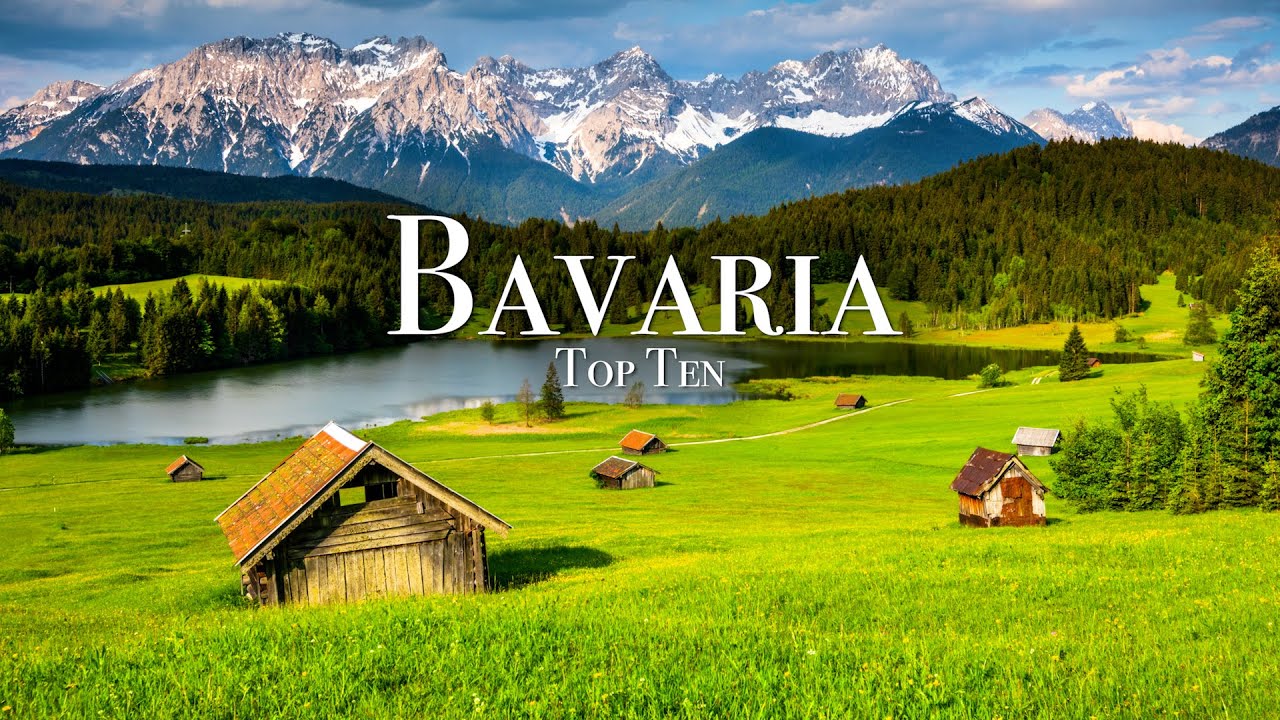
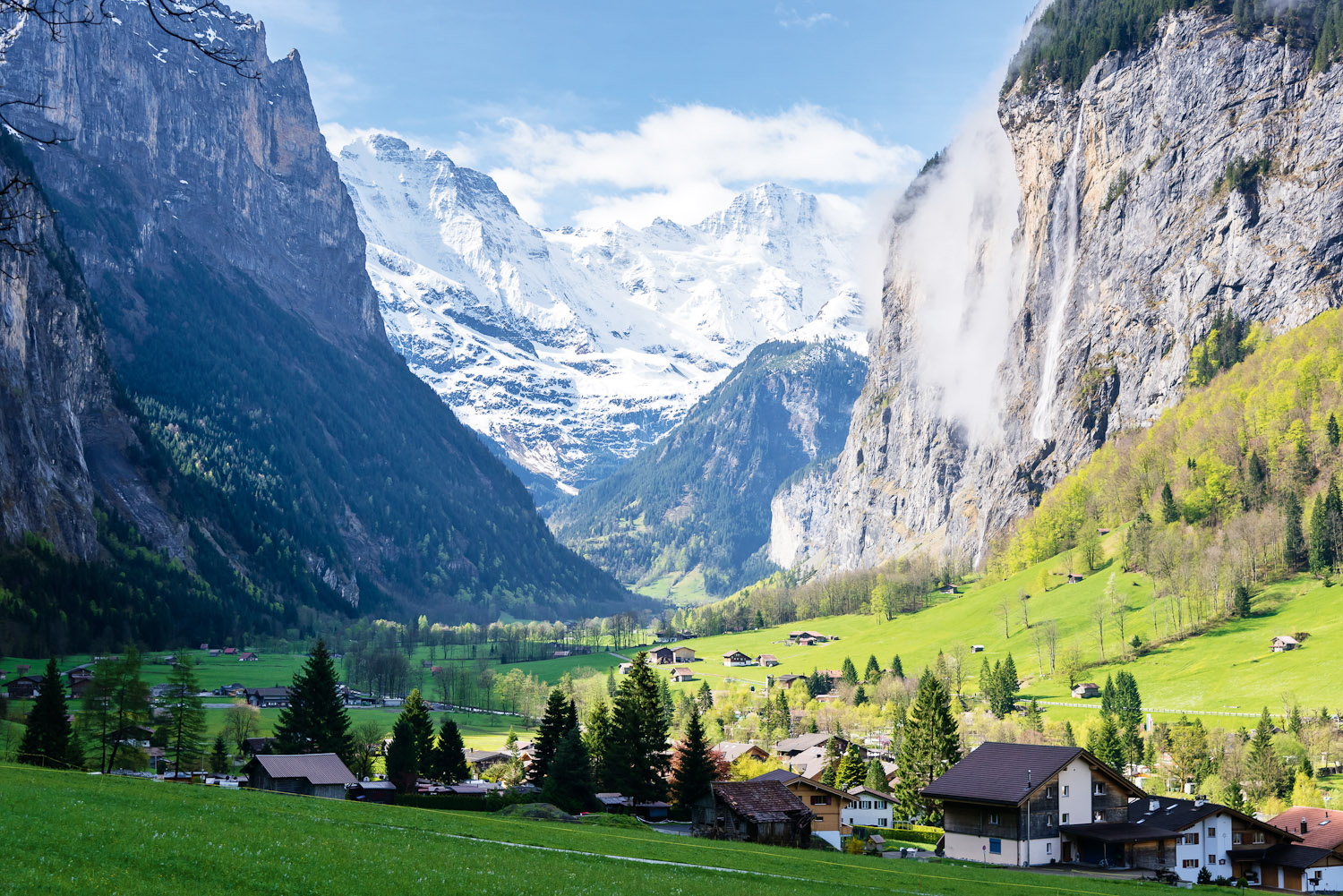
| Nature & Scenery | Rolling green hills, dramatic limestone peaks, pristine lakes, and fairytale castles like Neuschwanstein. | Iconic, dramatic high-alpine landscapes with towering, jagged peaks, glaciers, and deep valleys. | Swiss Alps |
| Activities & Adventure | Excellent hiking, skiing, luge, paragliding, lake activities, and cultural excursions to castles. | World-class hiking, skiing, snowboarding, mountaineering, via ferrata, paragliding, and glacier experiences. | Swiss Alps |
| Food & Drink | Hearty, traditional Bavarian cuisine with excellent local beers, pretzels, and comfort food. | Cheese-focused dishes, chocolate, and more diverse international cuisine, with good local wines and spirits. | Bavarian Alps |
| Culture & Vibe | Warm, welcoming, traditional German 'Gemütlichkeit' with strong local customs, Lederhosen, and Dirndls. | Polite, efficient, multicultural, and subtly diverse across linguistic regions (German, French, Italian). | Bavarian Alps |
| Getting There | Fly into Munich (MUC), a major international hub, with direct flights from many global cities. | Fly into Zurich (ZRH) or Geneva (GVA), both excellent international airports with efficient connections. | Tie |
| Getting Around | Good regional train network, but a rental car offers more flexibility for exploring villages and hidden gems. | World-class, incredibly efficient public transport (trains, buses, cable cars) that often negates the need for a car. | Swiss Alps |
| Accommodation | Charming traditional guesthouses, family-run hotels, and budget-friendly apartments. Great value. | Luxury chalets, high-end hotels, and a range of hostels, but generally very high prices. | Bavarian Alps |
| Family Friendliness | Welcoming atmosphere, kid-friendly attractions, easy hikes, and great value for family budgets. | Excellent infrastructure for families, dedicated family resorts, but high costs can be a barrier. | Bavarian Alps |
| Day Trips & Accessibility | Easy access to Munich, Salzburg (Austria), and numerous charming towns and lakes. | Excellent connections to major cities like Lucerne, Bern, and Geneva, plus countless mountain villages. | Tie |
💰 Costs & Value
When it comes to your wallet, the Bavarian Alps are the undisputed champion. You can realistically enjoy a fantastic trip for around €80-150 ($85-165) per person per day, including accommodation, food, and a daily activity. A hearty meal with a beer at a traditional Gasthof like Gasthof zum Stern in Garmisch-Partenkirchen will set you back €15-25 ($16-27). A day pass for a scenic cable car like the Alpspitzbahn is around €32 ($35). A local beer (Helles or Weissbier) is typically €4-6 ($4.50-6.50). In contrast, the Swiss Alps demand a much higher budget, often €250-400+ ($270-435+) per day. A basic fondue in Zermatt or Interlaken can easily be CHF 30-50 ($33-55), and a Jungfraujoch Top of Europe ticket can cost up to CHF 235 ($255) if not covered by a pass. Even a simple coffee is CHF 5-7 ($5.50-7.50). My advice? If budget is a concern, Bavaria wins hands down. "Honestly, Switzerland drained my bank account so fast. Bavaria felt like a steal for how beautiful it was."
Winner takeaway
- Winner: Bavarian Alps
- Why: The Bavarian Alps offer a premium alpine experience at a much more accessible price point for travelers.
- Who this matters for: Budget-conscious travelers, families, and those wanting longer stays.
⛰️ Nature & Scenery
Both regions are jaw-droppingly beautiful, but the Swiss Alps often feel more 'epic' and dramatic due to their sheer scale and height. Bavaria offers a softer, more verdant beauty with charming valleys and incredible lakes like Königssee and Eibsee, framed by the Watzmann massif and Zugspitze. The blend of natural beauty with man-made wonders like Neuschwanstein Castle is unique. However, Switzerland's landscapes, from the iconic Matterhorn in Zermatt to the Lauterbrunnen Valley with its 72 waterfalls and the glacial landscapes around Jungfraujoch, offer a more consistently 'wow' factor that feels straight out of a postcard. The sheer verticality and accessibility to glaciers are unparalleled. "The Bavarian Alps are gorgeous, don't get me wrong, but nothing beats seeing the Matterhorn for the first time. It just hits different."
Winner takeaway
- Winner: Swiss Alps
- Why: The Swiss Alps boast a more dramatic, consistently high-altitude, and iconic alpine grandeur that is truly world-class.
- Who this matters for: Photographers, serious hikers, and those seeking the most iconic mountain views.
⛷️ Activities & Adventure
While both regions excel in hiking and skiing, the Swiss Alps offer a broader and often more extreme range of adventure activities, particularly at higher altitudes. In Bavaria, you'll find fantastic hiking trails around Garmisch-Partenkirchen (e.g., Partnachklamm gorge), excellent family-friendly skiing at resorts like Garmisch Classic or Zugspitze, and fun like the summer toboggan run (Alpencoaster) in Oberammergau (€10-15). The region's appeal is also strongly tied to cultural exploration like visiting Linderhof Palace. Switzerland, however, takes it up a notch. Think tackling challenging via ferratas in Mürren, paragliding over Interlaken, heli-skiing in Verbier, or exploring ice caves on a glacier. Resorts like Zermatt and St. Moritz are renowned globally for their extensive, high-altitude ski areas. The sheer variety and scale of adventure sports here cater to thrill-seekers. "If you want to just hike and chill, Bavaria is great. But for serious climbing or insane paragliding, Switzerland is the real deal."
Winner takeaway
- Winner: Swiss Alps
- Why: Switzerland offers a more extensive and often more extreme range of high-alpine adventure sports and experiences.
- Who this matters for: Adrenaline junkies, experienced mountaineers, and avid skiers/snowboarders.
🍻 Food & Drink
For sheer comfort food satisfaction and value, the Bavarian Alps are a culinary delight. Expect generous portions of dishes like Schweinshaxe (pork knuckle), Weisswurst (white sausage) with sweet mustard, giant pretzels (Brezn), and Kaiserschmarrn (shredded pancake dessert). Every village has cozy Gasthöfe (inns) and lively beer gardens like the Königlicher Hirschgarten in Munich or smaller, charming ones in towns like Füssen, serving fantastic local beers for €4-6. It's a very specific, traditional, and incredibly satisfying experience. Switzerland, while offering delicious cheese fondue, raclette, and Rösti, often feels less distinctive and comes with a much higher price tag. You'll find excellent high-end dining and international options in bigger towns, but the quintessential Swiss food experience is narrower. "I still dream about the Schnitzel and beer in Bavaria. Switzerland's fondue was good, but it's not an everyday thing, and it was so expensive!" You can easily get a filling, authentic meal in Bavaria for €15-25, whereas a similar experience in Switzerland could be CHF 30-50+.
Winner takeaway
- Winner: Bavarian Alps
- Why: Bavaria offers a more diverse, hearty, and value-packed traditional culinary experience with world-renowned beer.
- Who this matters for: Foodies who enjoy traditional, hearty cuisine and craft beer, and value for money.
🇩🇪 Culture & Vibe
The Bavarian Alps exude a unique, tangible sense of 'Gemütlichkeit' – a feeling of coziness, friendliness, and belonging. You'll frequently see locals in traditional attire (Lederhosen for men, Dirndl for women), especially during festivals or even just at Sunday church. Villages like Mittenwald or Oberammergau are bursting with painted houses (Lüftlmalerei) and a strong sense of local identity and tradition. People are generally very friendly and welcoming, often happy to share a table at a beer garden. Switzerland, while incredibly polite and efficient, has a more reserved and less overt cultural display. Its charm lies in its multiculturalism and precision, but it lacks the distinct, almost theatrical, regional identity of Bavaria. You'll encounter German, French, and Italian influences depending on the canton, which is fascinating but less 'folksy.' "Bavaria felt like stepping into a fairytale, everyone was so welcoming and the traditions were everywhere. Switzerland was beautiful but felt a bit more... reserved?"
Winner takeaway
- Winner: Bavarian Alps
- Why: Bavaria offers a more distinct, vibrant, and overtly traditional cultural experience with a strong sense of local identity.
- Who this matters for: Culture enthusiasts, those seeking traditional charm, and travelers who enjoy interacting with locals.
✈️ Getting There
Both regions are easily accessible via major international airports. For the Bavarian Alps, Munich Airport (MUC) is your primary gateway. It's a huge, well-connected hub with direct flights from North America (e.g., NYC to MUC is about 8 hours, ~$600-900 roundtrip), Asia, and other European cities. From MUC, you can reach Garmisch-Partenkirchen by train in about 1.5-2 hours (€20-30). For the Swiss Alps, Zurich Airport (ZRH) and Geneva Airport (GVA) are the main entry points, both offering excellent global connections. Flights from NYC to ZRH or GVA are also around 8 hours, often in a similar price range to Munich, sometimes slightly higher. Switzerland's public transport from the airports directly into the Alps is arguably more seamless, but Munich's connections are still very efficient. "Flying into Munich was super easy, and getting to Garmisch on the train felt like no time at all. Zurich was the same deal, just more expensive once you landed."
Winner takeaway
- Winner: Tie
- Why: Both regions offer highly efficient and well-connected international airport access to their respective alpine areas.
- Who this matters for: All travelers who prioritize ease of international arrival and onward travel.
🚂 Getting Around
Switzerland undeniably boasts the best public transportation system in the world, especially for navigating its mountainous terrain. The Swiss Travel Pass (e.g., 8-day pass for CHF 418 / $450) provides unlimited travel on trains, buses, and boats, and often includes discounts on mountain railways and cable cars. You can reach virtually any village or trailhead without a car, often with stunning scenic routes. Bavaria has a decent regional train network (e.g., Deutsche Bahn), but exploring the smaller, charming villages, scenic drives (like the German Alpine Road), or accessing certain hiking trailheads often benefits greatly from having a rental car. A compact car rental for a week might be €250-400 ($270-435). While efficient, Bavarian public transport isn't as comprehensive or as seamlessly integrated as Switzerland's. "Seriously, the Swiss train system is like magic. Never needed a car, always on time, and the views from the window are insane. Germany's trains were good but sometimes a car just made more sense there."
Winner takeaway
- Winner: Swiss Alps
- Why: Switzerland's public transport system is unparalleled in its efficiency, coverage, and integration, making car-free travel effortless.
- Who this matters for: Travelers who prefer car-free travel, hate driving, or want to maximize scenic train journeys.
🏨 Accommodation
Accommodation in the Bavarian Alps offers significantly better value and a wonderful range of options. You can find delightful, family-run 'Gasthöfe' or 'Pensionen' (guesthouses) with traditional charm and a hearty breakfast for €80-150 ($85-165) per night in towns like Füssen or Garmisch-Partenkirchen. Even mid-range hotels rarely exceed €200-250. There are also plenty of affordable vacation apartments. In Switzerland, be prepared for much higher prices. A modest double room in a 3-star hotel in Interlaken or Zermatt will typically start at CHF 180-300 ($195-325) per night, and luxury chalets can easily go for CHF 500-1000+ ($540-1080+). Hostels are an option (CHF 40-70 / $43-75 per bunk), but even they are more expensive than many private rooms in Bavaria. "We stayed in this adorable guesthouse in Mittenwald for €90 a night, including breakfast. In Switzerland, that wouldn't even get you a bunk bed in a decent hostel."
Winner takeaway
- Winner: Bavarian Alps
- Why: The Bavarian Alps provide a wider variety of charming, high-quality, and significantly more affordable accommodation options.
- Who this matters for: Budget-conscious travelers, families, and those seeking authentic, local guesthouse experiences.
👨👩👧👦 Family Friendliness
Both regions are fantastic for families, but Bavaria edges out Switzerland due to its more budget-friendly nature and specific cultural attractions that appeal to children. The Bavarian Alps offer accessible hiking trails, playgrounds, summer toboggan runs (like Kolbensattel in Oberammergau, around €10 for a ride), and of course, the magical castles like Neuschwanstein and Hohenschwangau that captivate young imaginations. Many restaurants are very family-oriented, and accommodation options are more spacious and affordable. Switzerland has exceptional family resorts (e.g., Arosa Lenzerheide, Flims Laax), dedicated kids' zones on mountains, and safe, efficient transport. However, the cumulative cost of lift tickets, meals, and activities for an entire family in Switzerland can become prohibitively expensive for many. "Bavaria was perfect for our kids. We did easy hikes, saw castles, and never felt like we were breaking the bank. Switzerland's prices for a family of four just felt too much."
Winner takeaway
- Winner: Bavarian Alps
- Why: The Bavarian Alps offer a more budget-friendly and culturally engaging experience for families, without compromising on kid-friendly activities.
- Who this matters for: Families with young children or teenagers, and those managing a family travel budget.
🗺️ Day Trips & Accessibility
Both destinations offer incredible opportunities for day trips, making this a tough call. From the Bavarian Alps, you're perfectly positioned to explore the vibrant city of Munich (about 1-1.5 hours by train from Garmisch-Partenkirchen, €20-30 return), the enchanting Austrian city of Salzburg (around 2 hours from Berchtesgaden, €25-40 return), and countless picturesque lakes like Eibsee or Tegernsee. The density of charming towns and cultural sites within a short drive or train ride is high. Switzerland, with its phenomenal public transport, makes day trips equally effortless. From a central base like Interlaken, you can easily reach the iconic villages of Lauterbrunnen and Grindelwald, take a scenic train to Lucerne (2 hours, CHF 40-60), or explore the capital city of Bern (1 hour, CHF 30-50). The 'everywhere is connected' feeling is strong. "Munich and Salzburg from Bavaria were such easy day trips and really added to the trip. Switzerland's trains meant we could hop to Lucerne or Bern without any hassle either. Both are great for exploring."
Winner takeaway
- Winner: Tie
- Why: Both regions offer exceptional accessibility and a diverse array of appealing day trip options to cities, towns, and natural wonders.
- Who this matters for: Travelers who like to combine mountain adventures with city exploration and cultural visits.
❓ Frequently Asked Questions
Which Alps are better for hiking?
Both offer fantastic hiking, but for high-alpine, challenging multi-day treks with dramatic glaciers and towering peaks, the Swiss Alps slightly edge out Bavaria. For more varied, accessible trails through forests, along lakes, and to charming huts, Bavarian Alps are excellent, especially for families.
Is English widely spoken in both regions?
Yes, in tourist areas, hotels, and restaurants in both the Bavarian and Swiss Alps, you'll find English speakers. However, knowing a few basic German phrases ('Guten Tag', 'Danke', 'Bitte') will always be appreciated in Bavaria, and similarly in the German-speaking parts of Switzerland.
When is the best time to visit the Bavarian vs. Swiss Alps?
For hiking and pleasant weather, late May to early October is ideal for both. July and August are peak season. For skiing, December to March is best. Spring (April-May) can be beautiful with wildflowers but some trails may still be closed, while autumn (October-November) offers stunning foliage but shorter days.
Do I need a car in the Bavarian Alps?
While Bavaria has a decent train system, a car offers significantly more flexibility to explore smaller villages, scenic routes like the German Alpine Road, and trailheads not directly served by public transport. It's highly recommended for a comprehensive experience.
What's the difference in mountain pass systems?
Switzerland has the Swiss Travel Pass, which is incredibly comprehensive for trains, buses, and boats, often including discounts on mountain transport. Bavaria has regional passes like the Bayern Ticket for trains, but mountain lifts are usually separate. There isn't a single, all-encompassing pass like in Switzerland.
Are the Bavarian or Swiss Alps better for a honeymoon?
Both offer romantic settings. For a more luxurious, 'once-in-a-lifetime' feel with unparalleled views and fine dining, the Swiss Alps are a classic choice. For a charming, cozy, and more affordable romantic escape with fairytale castles and cultural charm, Bavaria is a wonderful, intimate option.
Which region has better skiing?
Both offer excellent skiing. Switzerland boasts larger, higher-altitude resorts (e.g., Zermatt, Verbier) with more reliable snow and longer seasons, appealing to advanced skiers. Bavaria has fantastic resorts (e.g., Garmisch-Partenkirchen, Zugspitze) that are more family-friendly and generally more affordable, with great après-ski vibes.
Are there good options for solo travelers?
Absolutely! Both regions are very safe. Switzerland's efficient public transport makes solo navigation a breeze, though it can be expensive. Bavaria offers a warm, welcoming atmosphere in guesthouses and beer gardens, making it easy to meet people, and it's more budget-friendly for solo explorers.
Ready to plan your Alpine adventure?
Get a free custom itinerary for Bavarian Alps, Swiss Alps, or both — built from real traveler insights.
🎟️ Book Tours & Experiences
Hand-picked tours and activities for both destinations — book with free cancellation
Experiences via Viator — free cancellation on most tours