How we built this comparison
This page combines traveler discussion patterns, published price ranges, flight schedules, and seasonal data to help you decide between Beijing and Hong Kong.
- Reviewed 50+ Reddit threads from r/travel, r/solotravel, r/chinatrip, r/hongkongtravel for firsthand experiences and recommendations.
- Verified costs and logistics against current booking platforms (Booking.com, TripAdvisor, Google Flights) and official government sites (visa information).
- Cross-referenced seasonal patterns and weather data for optimal travel times and potential impacts.
- Incorporated insights from travel blogs and trusted news sources for cultural nuances and political context.
⚡ The TL;DR Verdict
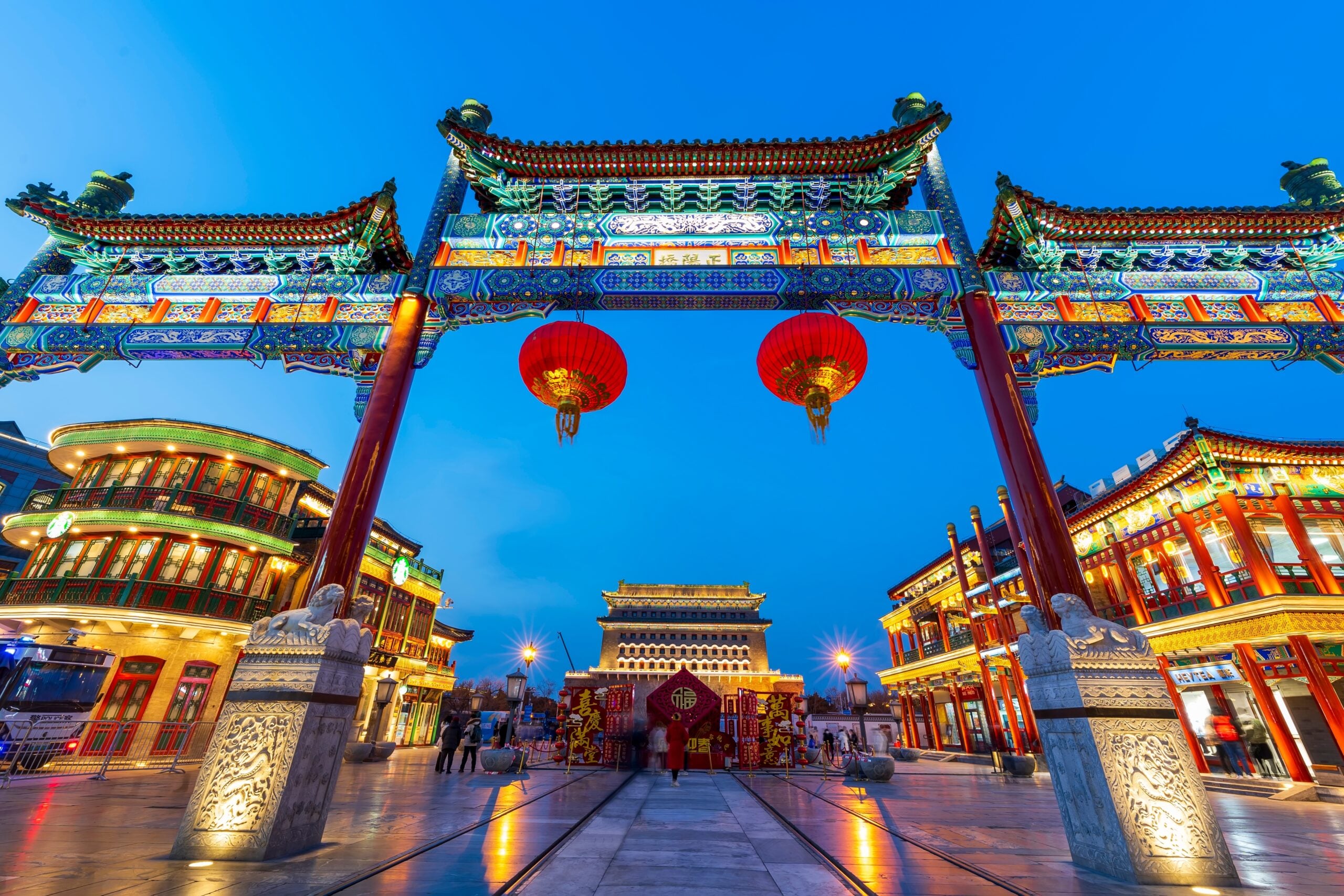
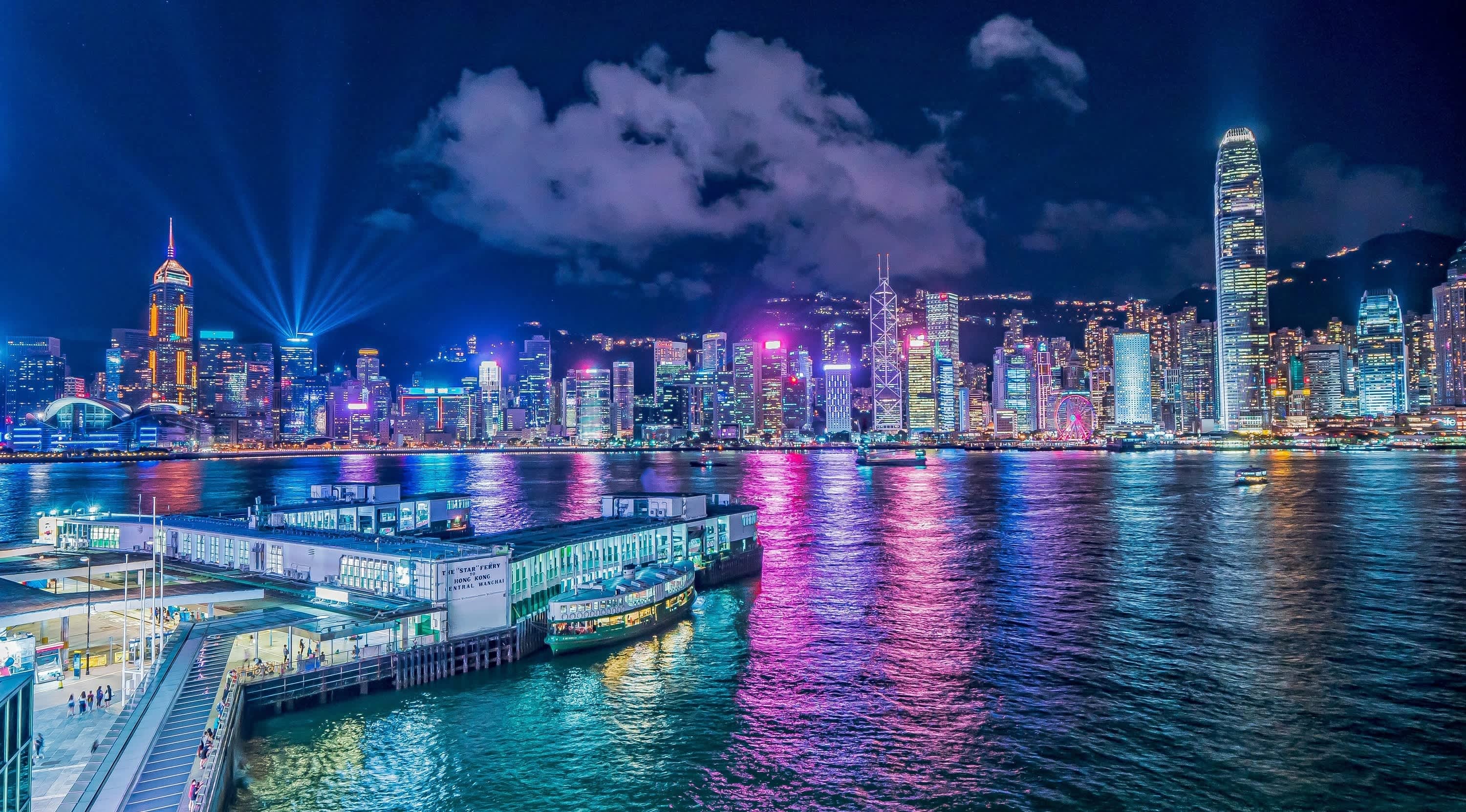
For those seeking deep cultural immersion, imperial history, and a more budget-friendly adventure, Beijing is your pick (daily budget ~$50-100 USD). If you crave a dynamic urban experience, world-class food, easy connectivity, and don't mind a higher price tag, Hong Kong (daily budget ~$80-150+ USD) will captivate you. Both offer incredible experiences, but cater to different travel styles.
- Choose Beijing: Choose Beijing if you're fascinated by ancient empires, communist history, vast historical sites like the Great Wall and Forbidden City, and want a more immersive (and often cheaper) dive into mainland Chinese culture, even with the visa and language barriers.
- Choose Hong Kong: Opt for Hong Kong if you prefer a modern, vertical city with stunning skylines, incredible culinary diversity, efficient public transport, easy international access (often visa-free), and a vibrant East-meets-West atmosphere, even if it means a higher cost of living and travel.
- Choose Both: If you have 10-14 days and want to experience both the historical might of China and its modern financial powerhouse, combine them! Start with Beijing for 4-5 days, then take a ~3-4 hour high-speed train to Shenzhen (mainland) and cross into Hong Kong for another 4-5 days. This offers a fantastic contrast.
Quick Comparison
| Category | Beijing | Hong Kong | Winner |
|---|---|---|---|
| Costs & Budget | Significantly more affordable across accommodation, food, and transport. Value for money on historical sites. | One of the most expensive cities globally, especially for lodging. Food can be cheap street eats or very pricey fine dining. | Beijing |
| Culture & History | Home to imperial dynasties, grand palaces, the Great Wall, and a tangible sense of ancient Chinese history and communist legacy. | A unique East-meets-West blend, showcasing colonial history, traditional Chinese customs in a modern setting, and vibrant local arts. | Beijing |
| Food Scene | Famous for Peking Duck, noodles, dumplings, and northern Chinese cuisine. Offers diverse regional Chinese food but less international variety. | A global culinary capital with incredible Cantonese cuisine, dim sum, street food, and a vast array of international dining options. | Hong Kong |
| Visa & Entry | Requires a pre-arranged visa for most nationalities, which can be time-consuming and costly. | Visa-free entry for most Western nationalities (e.g., US, EU, UK, AUS) for up to 90 days. | Hong Kong |
| Getting Around | Extensive, affordable metro system. Taxis and ride-hailing (Didi) are readily available. Language can be a barrier. | World-class MTR system, iconic trams, ferries, and abundant taxis. Excellent English signage and efficiency. | Hong Kong |
| Accommodation | Diverse options from budget hostels to luxury hotels, generally more spacious and affordable than HK. | Extremely dense and compact city, leading to smaller, pricier rooms. Wide range from budget guesthouses to luxury high-rises. | Beijing |
| Nightlife & Entertainment | Vibrant bar streets (Sanlitun, Houhai), karaoke (KTV), and traditional performances. More subdued than HK. | Electric, diverse nightlife from rooftop bars to lively pubs, world-class clubs, and a strong live music scene. | Hong Kong |
| Nature & Outdoors | Access to the Great Wall, scenic parks, and mountains outside the city. Limited green space within the city itself. | Stunning hiking trails, beautiful islands, beaches, and lush country parks, easily accessible from the urban core. | Hong Kong |
| Shopping | Known for traditional markets (pearls, silk), counterfeit goods, and modern malls with international brands. | A shopper's paradise with luxury boutiques, mega-malls, street markets, and unique local boutiques. | Hong Kong |
| Digital Connectivity & Ease of Travel | Subject to the Great Firewall (requires VPN). Mobile payments dominate, often challenging for non-Chinese bank cards. | Unrestricted internet access, robust Wi-Fi, and familiar payment methods (credit cards, Apple Pay, cash) widely accepted. | Hong Kong |
💰 Costs & Budget
Beijing is undeniably the victor when it comes to keeping your wallet happy. A decent hostel bed in a central area like Dongcheng can be found for ¥100-180 (approx. $14-25 USD) per night, while a mid-range hotel might set you back ¥400-700 (approx. $55-95 USD). Local meals like a bowl of zhajiangmian or street skewers average ¥20-40 ($3-6 USD), and even a full Peking Duck dinner for two at a reputable spot like Da Dong can be had for ¥300-500 ($40-70 USD). Public transport (metro) is a steal at ¥3-7 ($0.40-1 USD) per ride. In contrast, Hong Kong will challenge your budget. A hostel dorm in Tsim Sha Tsui or Central starts around HKD 250-400 (approx. $32-50 USD), and mid-range hotels often exceed HKD 800-1200 ($100-150+ USD). While street food like fish balls or egg tarts are cheap at HKD 10-30 ($1.30-4 USD), a sit-down meal with dim sum can easily be HKD 100-200 ($13-25 USD) per person. MTR rides range from HKD 5-30 ($0.65-4 USD). "Beijing felt like I could eat like a king every day without breaking the bank, whereas HK I was always checking prices." The overall value you get for your money, especially when factoring in the scale of attractions, firmly places Beijing ahead.
Winner takeaway
- Winner: Beijing
- Why: Beijing offers a significantly lower cost of living and travel, making it far more accessible for budget-conscious travelers.
- Who this matters for: Budget travelers, long-term backpackers, and anyone who wants their money to go further.
📜 Culture & History
Beijing is an unparalleled historical and cultural powerhouse. Where else can you walk on the Great Wall of China, explore the vast Forbidden City, and wander through the serene Temple of Heaven, all within a few days? The sheer scale and historical significance of sites like Tiananmen Square and the Ming Tombs are breathtaking. You get a deep dive into imperial China, and a stark glimpse into its modern communist history. Exploring Beijing's hutongs (ancient alleyways) offers a more intimate look at traditional life, contrasting sharply with the city's grand monuments. Hong Kong's history, while fascinating, is much younger and more focused on its colonial past and maritime trade. Sites like Man Mo Temple, the Big Buddha on Lantau Island, and the colonial architecture in Central offer a different, more eclectic cultural tapestry. It’s a story of immigration, resilience, and a vibrant fusion. "Beijing just smacks you with history, like every corner has a story that's thousands of years old. HK is cool, but it's more about modern vibes with splashes of old." If you're coming to China to see the 'real' ancient China and its imperial past, Beijing is the undisputed champion.
Winner takeaway
- Winner: Beijing
- Why: Beijing provides a deeper, more extensive, and more impactful encounter with ancient Chinese imperial history and iconic landmarks.
- Who this matters for: History buffs, culture seekers, and those eager to witness monumental ancient architecture.
🍜 Food Scene
While Beijing boasts iconic dishes like Peking Duck (try it at Siji Minfu or Quanjude, roughly ¥200-350 / $28-48 USD for a whole duck) and delicious noodles and dumplings, Hong Kong's food scene is a league of its own. It's a true culinary melting pot, offering everything from Michelin-starred dim sum at Tim Ho Wan (expect to pay HKD 100-200 / $13-25 USD per person) to bustling dai pai dongs (open-air food stalls) serving wok-fried delights. You can find authentic Cantonese roasted meats, fresh seafood, spicy Sichuan, comforting congee, and an incredible range of international cuisines, all within a compact area. The sheer variety, quality, and accessibility of food in Hong Kong are astounding. Street food culture thrives, with snacks like curry fish balls (HKD 10-20 / $1.30-2.50 USD) and egg waffles (HKD 20-30 / $2.50-4 USD) easily found. "Hong Kong's food is just next level, man. You could eat a different cuisine every meal for a month straight and never get bored. Beijing has its hits but HK is culinary heaven." For any foodie, the sheer diversity and high standards of Hong Kong's dining options make it the clear winner.
Winner takeaway
- Winner: Hong Kong
- Why: Hong Kong offers an unparalleled culinary diversity, from world-class Cantonese to international cuisine, with incredible quality and accessibility at all price points.
- Who this matters for: Foodies, adventurous eaters, and anyone who loves exploring diverse culinary landscapes.
🛂 Visa & Entry
This category is a no-brainer. Entering mainland China (and thus Beijing) typically requires a pre-arranged visa for most Western travelers. This process can be tedious, requiring an application, supporting documents (flight/hotel bookings), and a fee of around $140-180 USD for US citizens, often needing an in-person visit to a consulate or mailing documents. It adds significant planning and cost to your trip. Hong Kong, as a Special Administrative Region, operates under a different immigration policy. Most Western passport holders, including those from the US, UK, EU, Australia, and Canada, can enter visa-free for stays ranging from 90 to 180 days. This ease of entry makes Hong Kong an incredibly accessible destination for spontaneous trips or quick stopovers. "Seriously, the visa process for China was a huge headache and almost made me reconsider. HK was just a stamp in my passport, so easy." For hassle-free travel and less pre-trip bureaucracy, Hong Kong is the overwhelming favorite.
Winner takeaway
- Winner: Hong Kong
- Why: Hong Kong offers visa-free entry for most nationalities, simplifying travel logistics and saving time and money compared to Beijing's visa requirements.
- Who this matters for: Travelers seeking ease of entry, spontaneous trips, and those avoiding visa application processes.
🚇 Getting Around
Both cities boast excellent public transportation, but Hong Kong’s MTR (Mass Transit Railway) is arguably one of the best in the world – clean, incredibly efficient, and with extensive English signage and announcements. An Octopus Card (rechargeable smart card) makes navigating seamless, with fares typically HKD 5-30 ($0.65-4 USD). Trams offer a nostalgic experience on Hong Kong Island, and ferries provide scenic routes between islands. Taxis are plentiful and reasonably priced. Beijing’s metro system is also vast and very affordable (¥3-7 / $0.40-1 USD), but its sheer size can be daunting, and while major stations have English, navigating smaller stops or bus routes can be challenging without some Mandarin. Ride-hailing apps like Didi work well but require local payment methods or a local SIM, and communication with drivers can be an issue. "Hong Kong's MTR is a dream. Seriously, you can get anywhere, it's spotless, and so easy for foreigners. Beijing's metro is good, but the language barrier and sheer size make it tougher." The superior integration, English-friendliness, and overall polish of Hong Kong's transport network give it the edge.
Winner takeaway
- Winner: Hong Kong
- Why: Hong Kong's MTR is world-class, incredibly efficient, and highly English-friendly, making navigation effortless for international travelers.
- Who this matters for: First-time international travelers, those who prefer public transport over private, and anyone who values efficiency and ease of navigation.
🏨 Accommodation
Beijing generally offers better value and more spacious accommodation for your money. You can find well-regarded hostels like Leo Hostel or Peking Youth Hostel near popular areas for ¥100-180 ($14-25 USD) per night for a dorm, or a comfortable mid-range hotel such as the Novotel Beijing Peace for ¥500-800 ($70-110 USD) with relatively generous room sizes. The city's sprawl means hotels often have more space to work with, even if locations are less walkable for *everything*. Hong Kong, in contrast, is infamous for its cramped and expensive lodging due to extreme population density and land scarcity. A dorm bed in a reputable hostel like the YHA Mei Ho House or a guesthouse in Chungking Mansions will still be HKD 250-400 ($32-50 USD), and often quite small. Mid-range hotels like the Ibis North Point can easily be HKD 800-1200 ($100-150+ USD), and rooms are notoriously compact. "I stayed in a 'hotel' in HK that was basically a glorified closet, but it cost more than a decent room in Beijing. Space is a luxury there." For comfort, space, and overall value, Beijing is the clear winner.
Winner takeaway
- Winner: Beijing
- Why: Beijing offers more spacious and significantly more affordable accommodation options across all budget levels.
- Who this matters for: Budget travelers, those who prioritize space and comfort, and anyone looking for better value for their lodging dollar.
🌃 Nightlife & Entertainment
While Beijing has its pockets of fun, primarily concentrated in areas like Sanlitun (home to trendy bars like The Local and clubs such as One Third) and the more relaxed Houhai Lake area with its lakeside bars and KTV (karaoke) spots, its nightlife is generally more localized and less frenetic than Hong Kong's. Traditional performances like Peking Opera at the Liyuan Theatre (¥180-580 / $25-80 USD) offer a cultural evening, but the late-night club scene is smaller. Hong Kong, however, is a city that truly comes alive at night. Lan Kwai Fong and Soho are legendary for their packed streets, diverse pubs, and high-energy clubs (drinks around HKD 80-150 / $10-20 USD). Rooftop bars like Ozone at The Ritz-Carlton offer breathtaking skyline views, while live music venues add to the eclectic mix. "HK's nightlife is just wild, man. You can party all night, hop between bars, and the energy is infectious. Beijing felt a bit more low-key, focused on specific spots." The sheer density, variety, and international flavor of Hong Kong's nightlife make it an absolute winner for those seeking vibrant evening entertainment.
Winner takeaway
- Winner: Hong Kong
- Why: Hong Kong boasts a more diverse, energetic, and internationally-flavored nightlife scene with countless options for all tastes.
- Who this matters for: Party-goers, social butterflies, and those who enjoy a vibrant and diverse after-dark scene.
⛰️ Nature & Outdoors
Beijing's primary outdoor draw is, of course, the Great Wall. Sections like Mutianyu or Badaling (entrance fees ~¥40-60, cable car/chairlift ~¥100-140 / $5-8 & $14-20 USD respectively) offer incredible hiking and stunning historical vistas, but these are day trips outside the city. Within Beijing, green spaces like Beihai Park or Jingshan Park are beautiful but serve more as urban escapes rather than rugged nature. Hong Kong, surprisingly for such a dense city, is a nature lover's paradise. Over 70% of its land is green space. You can hike challenging trails like Dragon's Back (named one of the world's best urban hikes) with incredible coastal views, relax on beaches like Repulse Bay, or explore tranquil islands like Lamma Island, all easily reachable by public transport. "I was shocked how much nature HK had. Thought it was just skyscrapers, but I spent days hiking and on beaches. Beijing's Wall is amazing, but that's about it for big outdoorsy stuff." The ease of access to diverse natural landscapes, from mountains to beaches, makes Hong Kong a clear winner for outdoor enthusiasts.
Winner takeaway
- Winner: Hong Kong
- Why: Hong Kong offers an abundance of easily accessible hiking trails, islands, and beaches, providing diverse and stunning natural escapes from the city.
- Who this matters for: Hikers, nature lovers, beach enthusiasts, and those looking for an active escape from urban environments.
🛍️ Shopping
Beijing offers a mix of shopping experiences, from the infamous Silk Market (for bargaining on clothes, electronics, and, yes, counterfeits) and Pearl Market, to high-end malls like Sanlitun Taikoo Li and The Place, which stock international luxury brands. Traditional art and craft stores can be found in areas like Liulichang. However, the experience can sometimes be marred by aggressive touts, especially in the markets. Hong Kong is a global shopping mecca. From the ultra-luxury brands lining Canton Road in Tsim Sha Tsui and the designer boutiques in Central's Landmark, to the vibrant street markets like Temple Street Night Market (for souvenirs, gadgets, and general trinkets, usually HKD 50-200 / $6-25 USD) and Ladies' Market (clothing, accessories), there's something for everyone. The sheer variety, quality, and often duty-free status of many goods make it a dream for shoppers. "Hong Kong is retail therapy heaven. You want luxury? It's there. Street bargains? Got it. Unique stuff? Yep. Beijing felt a bit more hit-or-miss with its markets." The diversity, quality, and sheer volume of shopping opportunities, coupled with a generally more pleasant shopping environment, give Hong Kong the edge.
Winner takeaway
- Winner: Hong Kong
- Why: Hong Kong offers an unparalleled shopping experience with a vast array of luxury, high-street, and market options, often tax-free.
- Who this matters for: Fashionistas, bargain hunters, luxury shoppers, and anyone looking for a diverse and exciting retail experience.
📱 Digital Connectivity & Ease of Travel
This is another clear win for Hong Kong, especially for Western travelers. Hong Kong boasts unrestricted internet access, meaning all your familiar apps and websites (Google, Instagram, WhatsApp, Facebook, etc.) work without a hitch. Wi-Fi is widely available and fast, and purchasing a local SIM card (e.g., from 3 HK or CSL for HKD 100-200 / $13-25 USD) is straightforward. Payment methods are diverse, with credit cards, Apple Pay, and cash all commonly accepted. Beijing, on the other hand, operates under the 'Great Firewall of China.' This means you need a reliable VPN (Virtual Private Network) to access most Western social media, news sites, and Google services. Even with a VPN, connectivity can be spotty. Furthermore, China is largely a cashless society, relying heavily on WeChat Pay and Alipay, which are primarily linked to Chinese bank accounts. While some vendors accept international credit cards, and apps like TourPass (for Alipay) allow foreign cards, it's often a hurdle. "Trying to use Google Maps or WhatsApp in Beijing without a good VPN was a nightmare. And paying for stuff was a constant struggle. HK felt like home in terms of tech." The seamless digital experience and familiar payment landscape in Hong Kong make it significantly easier for international visitors.
Winner takeaway
- Winner: Hong Kong
- Why: Hong Kong offers unrestricted internet access, familiar digital services, and easier payment methods, eliminating common travel frustrations.
- Who this matters for: Digital nomads, business travelers, and anyone who relies heavily on global apps and easy connectivity.
❓ Frequently Asked Questions
Which city is better for a first-time visitor to 'China'?
For a first-time visitor wanting a gentle introduction to the region, Hong Kong is often easier due to its visa-free entry, English prevalence, and unrestricted internet. However, if your primary goal is to see iconic historical Chinese landmarks like the Great Wall, Beijing is indispensable, just be prepared for a bit more logistical planning.
What are the flight times and costs from major hubs?
From major US hubs like LAX or NYC, direct flights to both cities typically range from 12-15 hours. Costs vary widely but expect to pay roughly $800-1500+ USD round trip. Often, flights to Hong Kong (HKG) can be slightly more frequent or competitively priced due to its status as an international hub.
Is English widely spoken in both cities?
English is very widely spoken and understood in Hong Kong, especially in tourist areas, business districts, and on public transport. In Beijing, English proficiency is much lower. While major tourist sites and international hotels will have English speakers, local interactions and navigating off the beaten path will be challenging without basic Mandarin phrases or a translation app.
How many days should I spend in each city?
For Beijing, a minimum of 4-5 full days is recommended to cover the Great Wall, Forbidden City, Temple of Heaven, and explore some hutongs. For Hong Kong, 3-4 full days will allow you to see the main sights, enjoy the food, and do a hike or island trip. If combining, allocate 4-5 days for Beijing and 4-5 days for Hong Kong.
What's the best time of year to visit?
Both cities are best visited in spring (April-May) or autumn (September-November). These seasons offer pleasant temperatures, less humidity, and clearer skies. Summers can be hot and humid with potential typhoons in Hong Kong, while Beijing's winters are bitterly cold and dry with potential for smog.
What are the main political differences affecting travelers?
Beijing is the capital of mainland China, governed by the Communist Party, with strict internet censorship and a different legal system. Hong Kong is a Special Administrative Region with its own legal system, currency, and border controls. This means easier entry, unrestricted internet, and generally more Western-aligned freedoms for travelers, though political tensions can sometimes be observed.
Can I easily travel between Beijing and Hong Kong?
Yes, you can fly directly between Beijing Capital International Airport (PEK) and Hong Kong International Airport (HKG) in about 3.5 hours. Alternatively, you can take a high-speed train from Beijing to Shenzhen (mainland China, ~8-9 hours), then cross the border into Hong Kong via MTR. Remember that you'll go through immigration control for both China and Hong Kong.
Which city is better for families with children?
Hong Kong often edges out Beijing for families due to its easier navigation, ubiquitous English signage, excellent public transport, and family-friendly attractions like Hong Kong Disneyland, Ocean Park, and accessible beaches. Beijing has historical sites that might be less engaging for younger children, and the language barrier can be a bigger challenge for families.
Ready to plan your East Asia trip?
Get a free custom itinerary for Beijing, Hong Kong, or both — built from real traveler insights.
🎟️ Book Tours & Experiences
Hand-picked tours and activities for both destinations — book with free cancellation
Experiences via Viator — free cancellation on most tours