How we built this comparison
This page combines traveler discussion patterns, published price ranges, flight schedules, and seasonal data to help you decide between Beijing and Shanghai.
- Reviewed 50+ Reddit threads from r/travel, r/solotravel, r/chinatourism, r/beijing, r/shanghai
- Verified costs and logistics against current booking platforms (Trip.com, Ctrip, official attraction websites)
- Cross-referenced seasonal patterns and weather data from AccuWeather and local reports
- Consulted recent travel blogs and expat forums for up-to-date local insights
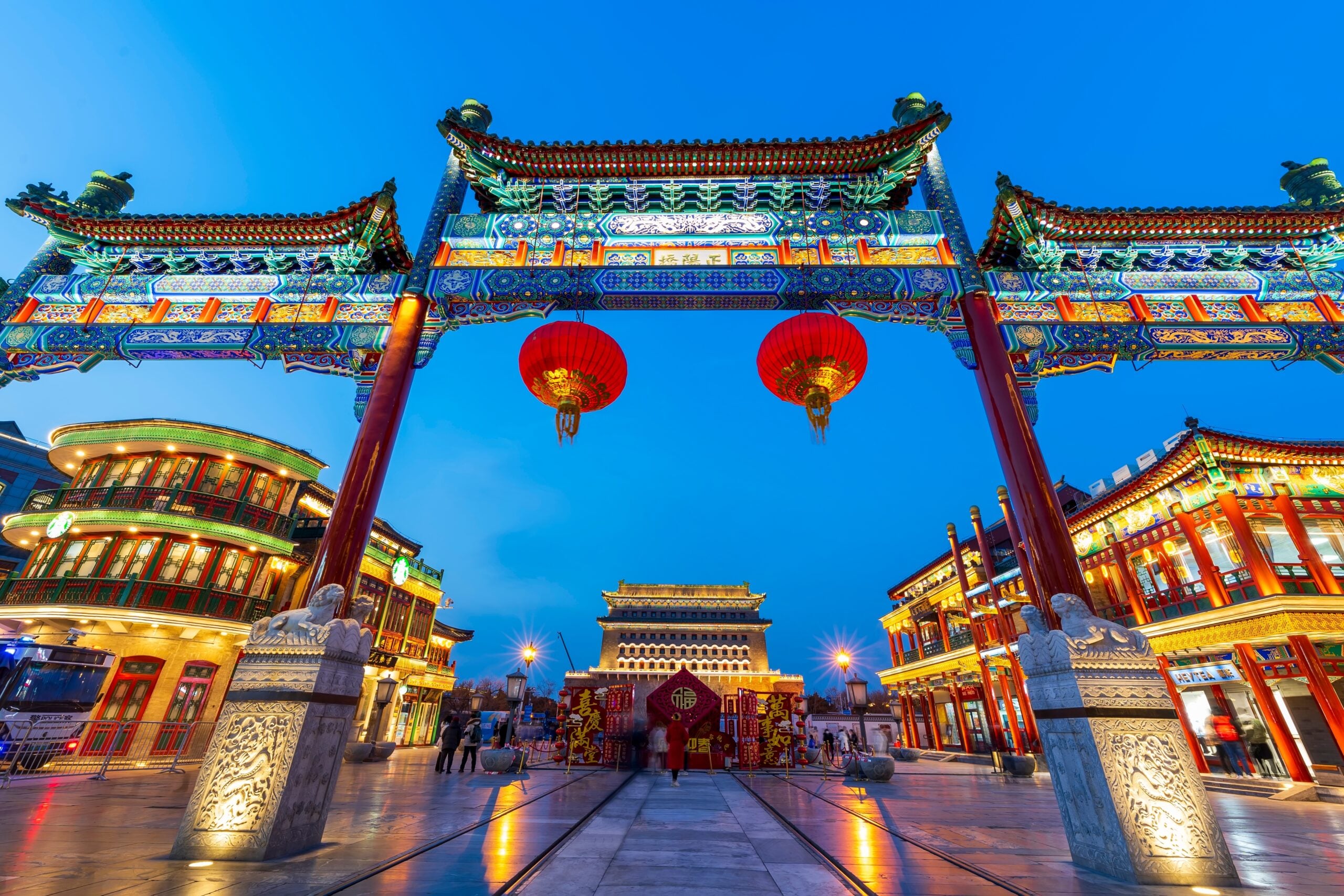
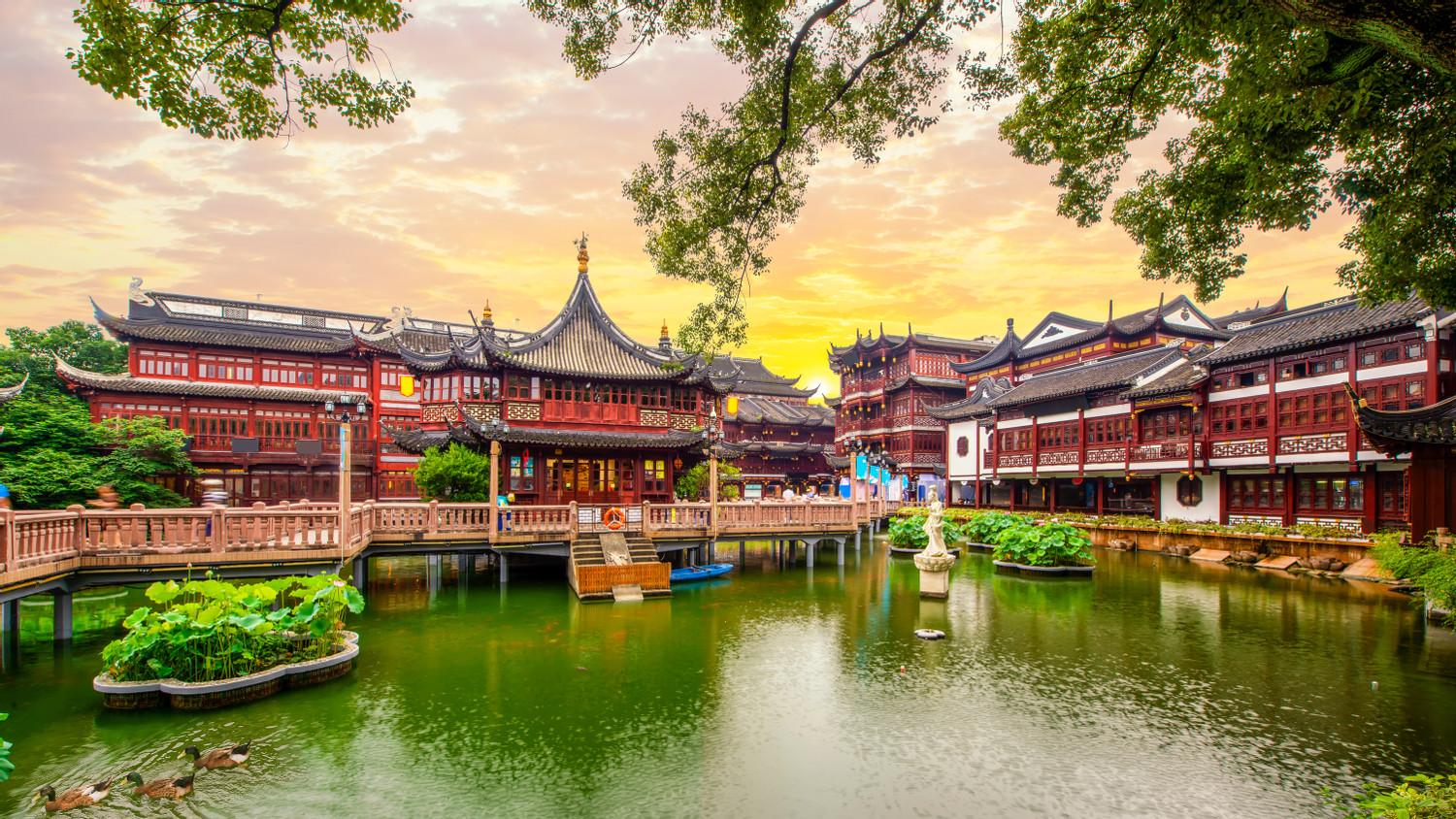
⚡ The TL;DR Verdict
For first-time visitors to China, Beijing is often the more impactful choice, immersing you in millennia of history and iconic landmarks with a daily budget of $80-150. Shanghai, conversely, appeals to those seeking a modern, globally connected metropolis with a vibrant food and nightlife scene, typically costing $90-180 per day. Both offer incredible experiences, but cater to distinct travel preferences.
- Choose Beijing: You're a history buff, fascinated by emperors, ancient dynasties, and iconic landmarks like the Great Wall and Forbidden City. You appreciate a city with a grittier, more 'authentic' Chinese feel, despite the smog.
- Choose Shanghai: You prefer sleek modernity, world-class dining, upscale shopping, and a more international atmosphere. You're drawn to stunning skylines, vibrant nightlife, and a city that feels more connected to the West.
- Choose Both: If you have 10-14 days, definitely visit both. Start with Beijing for 4-5 days to soak in the history, then take a high-speed train (5-6 hours, ~¥550/$76) to Shanghai for another 4-5 days to experience its modern pulse. It's the ultimate China intro.
Quick Comparison
| Category | Beijing | Shanghai | Winner |
|---|---|---|---|
| Culture & History | Unrivaled historical depth: Great Wall, Forbidden City, Temple of Heaven, Summer Palace. Beijing IS China's past. | Colonial architecture, art deco gems, The Bund, French Concession. History is more recent and international. | Beijing |
| Food & Drink | Hearty Northern cuisine: Peking Duck, jiaozi, zhajiangmian. More traditional street food. | Diverse, refined, and international: Xiaolongbao, shengjianbao, global fine dining, trendy cafes. | Shanghai |
| Nightlife & Entertainment | Lively bar streets (Sanlitun), traditional hutong bars, live music venues. | Sophisticated rooftop bars, high-energy clubs, jazz lounges, diverse entertainment districts. | Shanghai |
| Costs & Budget | Generally slightly more affordable for accommodation and local food, though major attractions add up. | Higher prices for accommodation, international dining, and nightlife, but good value can be found. | Beijing |
| Getting There & Around | Two major airports (PEK, PKX), efficient subway, extensive bus network, Didi (rideshare). | Two major airports (PVG, SHA), world-class subway, Maglev train, Didi. Generally very navigable. | Shanghai |
| Accommodation | Traditional hutong guesthouses, international chains, business hotels. Areas like Dongcheng, Chaoyang. | Luxury high-rises, boutique hotels in French Concession, stylish hostels. Pudong vs. Puxi debate. | Shanghai |
| Day Trips & Surroundings | Great Wall (Mutianyu, Badaling, Jinshanling), Tianjin, Chengde Mountain Resort. | Ancient water towns (Zhujiajiao, Zhouzhuang), Suzhou, Hangzhou, Moganshan. | Tie |
| Shopping | Bargaining at Silk Market, trendy boutiques in Sanlitun, traditional arts/crafts. | Luxury brands, international fashion, unique local designers, bustling shopping streets. | Shanghai |
| Nature & Green Spaces | Imperial gardens (Summer Palace), Olympic Forest Park, Fragrant Hills, nearby mountains. | Urban parks (Century Park), riverside promenades, scenic views from The Bund, nearby national parks. | Beijing |
| Solo Travel & Safety | Generally safe, but less English spoken, can feel more intense. Easier to blend in. | Very safe, more English speakers, easier navigation for foreigners. Can feel less 'authentic'. | Shanghai |
📜 Culture & History
Beijing is the undisputed heavyweight champion when it comes to culture and history. Nowhere else in China offers such a concentration of imperial grandeur. Imagine walking through the Forbidden City, the former imperial palace, which served as the home of emperors for nearly 500 years – entry is ¥60 ($8.30) in peak season. Then there's the Great Wall, an hour or two outside the city, with sections like Mutianyu offering cable car access for about ¥120 ($16.60) for a round trip. The Temple of Heaven, where emperors performed annual rituals, is a masterpiece of design and spiritual significance (¥15/$2.10 entry to park, ¥30/$4.15 for main complex). Shanghai's historical appeal is more about its colonial past: the stunning Art Deco buildings along The Bund, the charming tree-lined streets of the French Concession, and the traditional Shikumen houses of Tianzifang. While beautiful, it tells a story of the last 150 years rather than millennia. One Redditor put it well: "Beijing feels like ancient China staring you in the face. Shanghai feels like colonial Europe got a makeover in the future." If you're coming to China to see the 'real' ancient China, Beijing delivers.
Winner takeaway
- Winner: Beijing
- Why: Beijing's wealth of UNESCO World Heritage sites and direct connection to imperial China is simply unmatched.
- Who this matters for: History buffs, architecture enthusiasts, and those seeking iconic, globally recognized landmarks.
🍜 Food & Drink
Shanghai truly shines in its culinary scene, offering a delightful mix of local Shanghainese dishes and a staggering array of international options. Xiaolongbao (soup dumplings) are a must-try, with places like Jia Jia Tang Bao (average ¥30/$4.15 per basket) being legendary. Shengjianbao (pan-fried soup buns) are another local specialty, with chains like Yang's Fry-Dumpling serving them up for about ¥20 ($2.75). Beyond local delights, Shanghai boasts an incredible fine dining scene, from Michelin-starred restaurants to innovative fusion eateries in areas like the French Concession or Bund. Beijing's food is equally authentic but leans towards heartier Northern Chinese fare. Peking Duck is the king here, with established restaurants like Quanjude or Bianyifang offering a whole duck for around ¥300-500 ($41-69). You'll find excellent street food around Gulou Dajie, like jianbing (savory crepes, ¥10-20/$1.40-2.75) and lamb skewers. However, Beijing's international dining scene, while present, doesn't quite match Shanghai's breadth and sophistication. As one traveler noted, "Shanghai's food game is just next level. Beijing has amazing duck, but Shanghai has everything, done perfectly." The diversity and quality in Shanghai are simply superior.
Winner takeaway
- Winner: Shanghai
- Why: Shanghai offers an unparalleled variety of world-class cuisine, from local delicacies to international fine dining.
- Who this matters for: Foodies, gourmands, and those looking for diverse culinary experiences beyond traditional fare.
🍻 Nightlife & Entertainment
Shanghai takes the crown for nightlife with its sophisticated and diverse offerings. The Bund is home to iconic rooftop bars like Bar Rouge, offering stunning skyline views (cocktails ¥100-150/$14-21), and exclusive clubs. The French Concession boasts numerous hidden speakeasies and live jazz lounges like JZ Club. For high-energy clubbing, areas like Xintiandi and Fuxing Park have plenty of options. The sheer variety, from ultra-chic lounges to underground electronic music venues, caters to every taste. Beijing's nightlife is centered around districts like Sanlitun, famous for its bustling bar streets and international clubs (drinks ¥60-100/$8.30-14). Houhai, with its lakefront bars, offers a more relaxed, often live music-focused vibe. While Beijing's scene is vibrant and fun, it can feel a bit less polished and international compared to Shanghai. A common sentiment is: "Shanghai feels like a global party hub; Beijing's scene is good but a bit more localized." For a truly world-class evening out, Shanghai consistently delivers more options and higher quality experiences.
Winner takeaway
- Winner: Shanghai
- Why: Shanghai's nightlife is more diverse, sophisticated, and globally recognized, with stunning venues and a wider range of options.
- Who this matters for: Party-goers, those seeking high-end cocktail bars, and anyone looking for a vibrant, international night out.
💰 Costs & Budget
While both cities are major economic centers, Beijing generally offers a slightly better value for budget travelers, particularly outside of premium experiences. A basic hostel bed in Beijing can be found for ¥80-150 ($11-21), whereas in Shanghai, it's typically ¥100-200 ($14-28). Mid-range hotels in Beijing might start from ¥400-600 ($55-83), while comparable options in Shanghai are often ¥500-800 ($69-110). Local food, like a bowl of noodles or jianbing, might be ¥15-30 ($2-4) in Beijing versus ¥20-40 ($2.75-5.50) in Shanghai. Transportation costs are very similar: a subway ride in either city is around ¥3-8 ($0.40-1.10). The major difference comes in high-end dining and nightlife, where Shanghai's international offerings drive prices up significantly. For instance, a cocktail in a trendy Shanghai bar might be ¥100-150 ($14-21), compared to ¥60-100 ($8.30-14) in Beijing. "Beijing felt a bit more down-to-earth with prices, especially for food and basic lodging," one Reddit user shared. While neither is 'cheap' by Southeast Asian standards, Beijing often allows your yuan to stretch a bit further if you're mindful of your choices.
Winner takeaway
- Winner: Beijing
- Why: Beijing offers slightly more affordable options for accommodation and local food, making it marginally better for budget travelers.
- Who this matters for: Budget-conscious travelers and those looking to save a few dollars while still experiencing a major Chinese city.
✈️ Getting There & Around
Shanghai edges out Beijing slightly in terms of overall transportation ease and innovation. Both cities boast world-class subway systems that are incredibly efficient, clean, and cheap (¥3-8/$0.40-1.10 per ride), with English signage. Beijing has two major international airports, Capital (PEK) and Daxing (PKX), both well-connected to the city center via airport express lines (¥25/$3.45). Shanghai also has two major airports, Pudong (PVG) and Hongqiao (SHA). What gives Shanghai the edge is the Maglev train from Pudong Airport, whisking you to Longyang Road station in 8 minutes at 430 km/h for ¥50-80 ($6.90-11) – an experience in itself! Beijing's sheer size can make commutes feel longer, even with the excellent subway. While both rely heavily on Didi (China's Uber) for rideshare services, Shanghai's grid layout and slightly less congested traffic outside of peak hours can make surface travel a bit smoother. "The Maglev in Shanghai just blows Beijing's airport link out of the water, plus the city layout feels easier to navigate as a first-timer," a Redditor commented. Both are excellent, but Shanghai's Maglev and slightly more intuitive layout make it a hair better.
Winner takeaway
- Winner: Shanghai
- Why: Shanghai's Maglev train offers a unique, fast airport connection, and the city's layout often feels slightly more intuitive for visitors.
- Who this matters for: Travelers prioritizing speed, efficiency, and a truly unique transportation experience.
🏨 Accommodation
Shanghai offers a more diverse and often more stylish range of accommodation, particularly at the mid-to-high end. You can find everything from opulent luxury hotels with Bund views (e.g., The Peninsula Shanghai, rooms from ¥2500/$345) to charming boutique hotels nestled in the tree-lined streets of the French Concession (e.g., The Puli Hotel and Spa, from ¥1500/$207). Even hostels in Shanghai feel more design-conscious (e.g., The Phoenix Hostel, beds from ¥120/$16.60). Beijing certainly has its fair share of international chains and business hotels, particularly in areas like Chaoyang (e.g., Grand Hyatt Beijing, from ¥1000/$138). However, its unique offering is the traditional hutong guesthouse, like Leo Hostel, offering a cultural immersion at a budget price (from ¥80/$11). While these are charming, the overall breadth of choice, particularly for stylish and modern options, leans towards Shanghai. "Shanghai's hotels just feel more modern and chic. Beijing has the hutongs which are cool, but for comfort and style, Shanghai wins," a traveler opined. The ongoing debate of staying in Pudong (modern skyline) vs. Puxi (historical charm) also adds to Shanghai's diverse appeal.
Winner takeaway
- Winner: Shanghai
- Why: Shanghai provides a wider array of stylish, modern, and boutique accommodation options, catering to more refined tastes.
- Who this matters for: Design-conscious travelers, those seeking luxury stays, and those who appreciate modern hotel amenities.
🏞️ Day Trips & Surroundings
This category is a tough call, as both cities offer fantastic and distinct day trip options. Beijing's most famous day trip is, of course, the Great Wall. You can visit accessible sections like Mutianyu or Badaling (1.5-2 hours drive, ¥300-500/$41-69 for private car/tour), or more wild sections like Jinshanling for a hiking adventure. Other popular trips include Tianjin (a high-speed train ride, 30 mins, ¥55/$7.60), known for its European-style architecture, or Chengde Mountain Resort, a UNESCO site (2-3 hours drive). Shanghai, on the other hand, is surrounded by beautiful ancient water towns like Zhujiajiao (1 hour by bus, ¥15/$2.10 entry to town, boat rides extra) or Zhouzhuang, often called the 'Venice of the East'. The historical gardens of Suzhou (30 mins by high-speed train, ¥35/$4.85) and the scenic West Lake of Hangzhou (1 hour by high-speed train, ¥75/$10.40) are also easily accessible and stunning. "Beijing's day trips are all about epic history, while Shanghai's are more about traditional beauty and serene landscapes. Both are equally compelling depending on what you're into," noted one traveler. The quality and variety are so high for both that it genuinely comes down to personal preference for historical monuments versus serene natural/traditional escapes.
Winner takeaway
- Winner: Tie
- Why: Both cities offer exceptional and distinct day trip options; Beijing for iconic history, Shanghai for serene cultural escapes.
- Who this matters for: Everyone, as the choice depends entirely on whether you prefer historical grandeur or picturesque traditional towns.
🛍️ Shopping
Shanghai is undeniably China's fashion capital and a paradise for shoppers. Nanjing Road East and West are iconic, featuring everything from high-street brands to luxury boutiques. Huaihai Road is another upscale shopping haven. For unique finds and local designers, areas like Tianzifang or Xintiandi offer charming pedestrian streets with artisan shops and cafes. The sheer volume and variety of international brands, coupled with cutting-edge local fashion, make Shanghai a premier shopping destination. Beijing has its own distinct shopping experiences. The famous Silk Market (Xiushui Street) is a multi-story building where haggling for 'brand-name' goods and souvenirs is the main event – expect to pay around ¥100-300 ($14-41) for a 'designer' bag after fierce negotiation. Sanlitun is Beijing's trendiest district, home to international brands, concept stores, and stylish cafes. Wangfujing Street offers large department stores and traditional snacks. However, Shanghai's fashion forwardness and overall sophistication in shopping are hard to beat. As one Redditor put it, "Shanghai has legitimate high fashion and unique boutiques, Beijing's shopping feels more like tourist traps and big malls, with Sanlitun being the exception." If you're looking for a serious retail therapy session, Shanghai is your city.
Winner takeaway
- Winner: Shanghai
- Why: Shanghai offers a more diverse, high-end, and fashion-forward shopping experience with a greater array of international brands and unique boutiques.
- Who this matters for: Fashionistas, luxury shoppers, and those seeking unique, trendy items.
🌳 Nature & Green Spaces
Beijing, perhaps surprisingly to some, offers more robust and impressive natural and green spaces directly within or very close to the city. The Summer Palace, a UNESCO World Heritage site, is a sprawling imperial garden complex with lakes, hills, and temples (entry ¥30/$4.15), offering hours of peaceful exploration. The Olympic Forest Park, built for the 2008 Olympics, is a massive urban oasis perfect for cycling and walking. A short trip out of the city brings you to the Fragrant Hills Park (¥10/$1.40 entry), especially stunning in autumn, or even further to mountains like Miaofengshan. While Shanghai has pleasant urban parks like Century Park (largest in the city, ¥10/$1.40 entry) and the charming green pockets of the French Concession, its natural offerings are more about manicured city spaces and the impressive river views from The Bund. It lacks the imperial scale or the immediate access to hills and mountains that Beijing provides. One traveler noted, "I felt like Beijing had more genuine breathing room with all its huge parks and the Summer Palace. Shanghai's parks are nice, but they're still very much 'city parks'." If you need to escape the urban concrete jungle into expansive gardens or even hikeable hills, Beijing offers more compelling options.
Winner takeaway
- Winner: Beijing
- Why: Beijing boasts larger imperial gardens, extensive urban parks, and easier access to natural hills and mountains for a true escape.
- Who this matters for: Nature lovers, those seeking tranquility, and anyone wanting to combine city exploration with outdoor activities.
🚶♀️ Solo Travel & Safety
Both Beijing and Shanghai are incredibly safe cities, even for solo female travelers, with very low rates of violent crime. Pickpocketing can occur in crowded tourist areas, but general street safety is excellent. Shanghai, however, nudges ahead for solo travelers due to its greater prevalence of English speakers and its more intuitive, Western-friendly infrastructure. Many restaurant menus have English, and finding English-speaking staff in hotels or major attractions is common. Its efficient public transport system with English signage makes navigating a breeze. Beijing is also very safe, but outside of major tourist hubs and international districts like Sanlitun, English can be less common, which might pose minor communication challenges for a solo traveler. The city can also feel more 'intense' with its sheer scale and the constant buzz. "As a solo traveler, Shanghai just felt a bit easier to get around and communicate, less of a language barrier stress," a Redditor shared. While both are fantastic, Shanghai's slightly more international vibe translates into a smoother experience for many solo adventurers.
Winner takeaway
- Winner: Shanghai
- Why: Shanghai offers a slightly easier experience for solo travelers due to more prevalent English speakers and more intuitive navigation.
- Who this matters for: First-time solo travelers, those concerned about language barriers, and travelers who prefer a more internationally oriented environment.
❓ Frequently Asked Questions
Which city is better for a first-time visitor to China?
For a truly immersive introduction to China's ancient past and iconic landmarks, Beijing is often the better choice for a first-timer. Shanghai offers a glimpse into modern China, but Beijing's historical depth is unparalleled for a debut visit.
How long should I spend in each city?
For Beijing, aim for 4-5 full days to cover the major historical sites and a Great Wall trip. For Shanghai, 3-4 full days will allow you to explore The Bund, French Concession, and experience its modern vibe. Add extra days if you plan day trips.
Is the air quality a major issue in both cities?
Air quality can be a concern in both cities, particularly in winter. Beijing generally experiences more frequent and severe smog due to its geography. Shanghai's air quality is often better, but both can have hazy days. Check AQI forecasts and consider wearing a mask if sensitive.
Can I use ride-sharing apps and VPNs in China?
Yes, Didi is the dominant ride-sharing app in China and works well in both cities (you'll need a Chinese phone number or link to WeChat/Alipay for payment). A VPN is essential for accessing Google, social media, and many foreign websites; download and test it before you arrive.
What's the best way to travel between Beijing and Shanghai?
The high-speed train is by far the best option. It takes about 5.5 hours, is comfortable and efficient, and costs around ¥550-600 ($76-83) for a second-class seat. Flights are quicker in airtime but factor in airport travel and security, making the train often faster door-to-door.
Do I need to learn Chinese to visit?
While it's helpful, you don't need to be fluent. In major tourist areas of both cities, you'll find English speakers. Learning basic phrases like 'hello' (ni hao) and 'thank you' (xie xie), and using translation apps, will significantly enhance your experience.
Which city is better for families with kids?
Shanghai might have a slight edge for families due to attractions like Disneyland, more kid-friendly museums, and generally more accessible amenities. Beijing still offers plenty, especially for older children interested in history, but Shanghai feels a bit more geared towards modern family entertainment.
Is it possible to visit without a visa?
Most nationalities require a visa for China. However, China offers a 144-hour visa-free transit policy for travelers from certain countries. This allows short stays in Beijing, Shanghai, and surrounding areas if you have an onward international flight. Always check current regulations for your nationality.
Ready to plan your China trip?
Get a free custom itinerary for Beijing, Shanghai, or both — built from real traveler insights.
🎟️ Book Tours & Experiences
Hand-picked tours and activities for both destinations — book with free cancellation
Experiences via Viator — free cancellation on most tours