How we built this comparison
This page combines traveler discussion patterns, published price ranges, flight schedules, and seasonal data to help you decide between Beijing and Tokyo.
- Reviewed 100+ Reddit threads from r/travel, r/solotravel, r/chinatravel, and r/japantravel.
- Verified costs and logistics against current booking platforms like Booking.com, TripAdvisor, and local transport sites.
- Cross-referenced seasonal patterns, weather data, and visa requirements for various nationalities.
⚡ The TL;DR Verdict
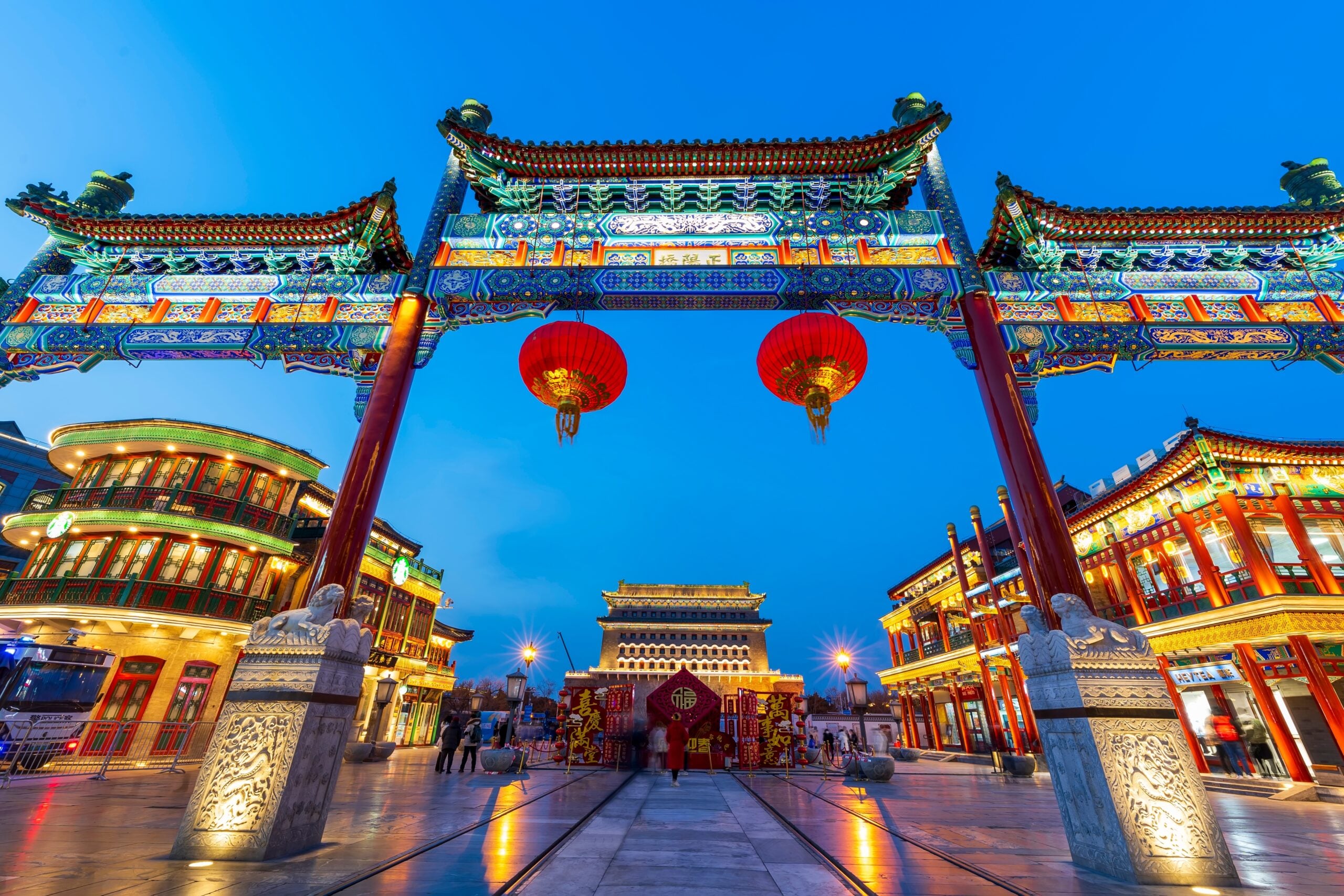
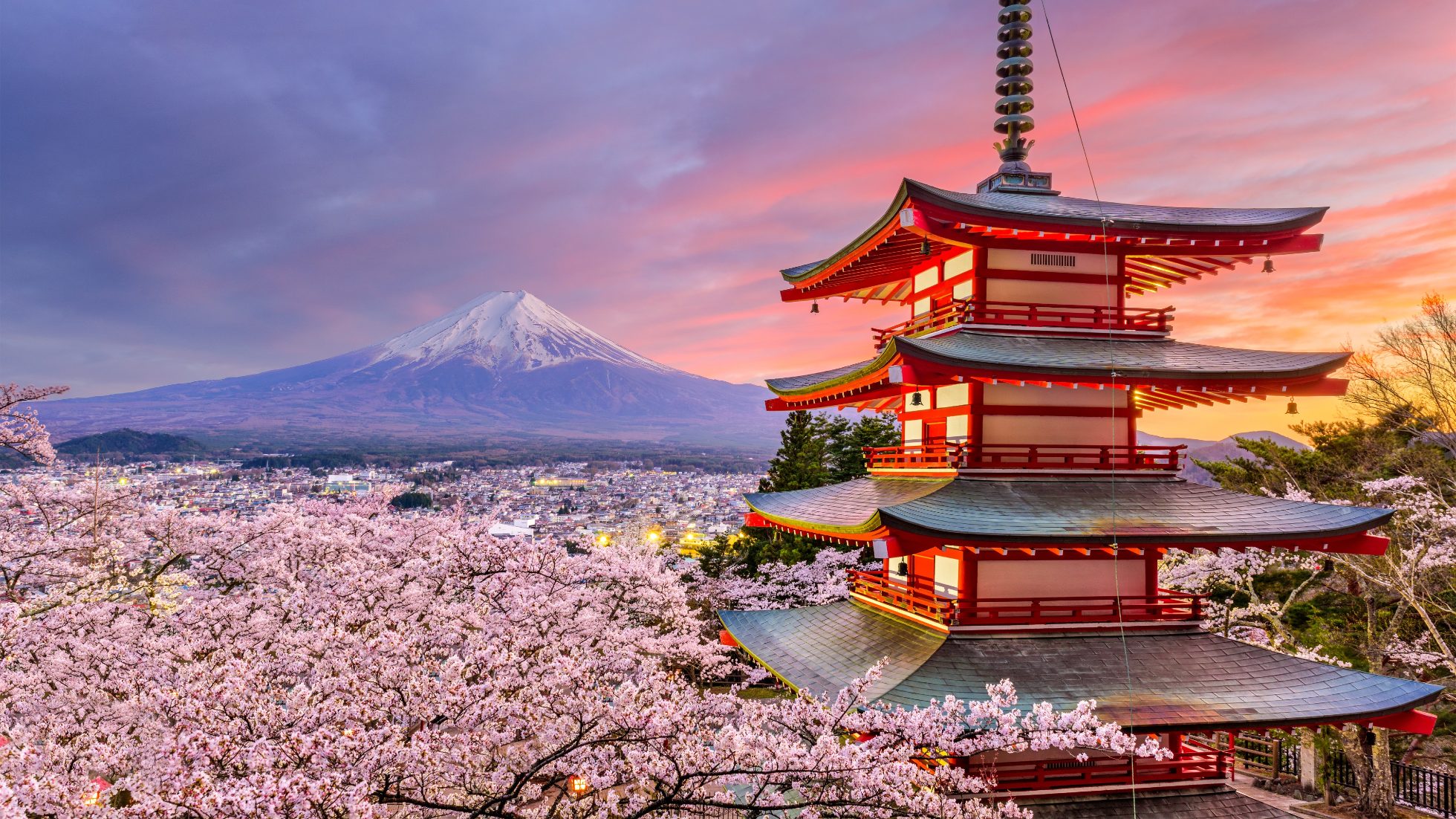
For those seeking ancient history, a more budget-friendly adventure, and a deep dive into traditional culture, Beijing is your pick (expect $50-100/day USD). If futuristic cities, unparalleled public transport, diverse food, and impeccable service are your priority, then Tokyo calls your name, though it comes at a higher price (budget $120-200+/day USD).
- Choose Beijing: You're fascinated by imperial history, the Great Wall, and a more raw, authentic cultural experience, all while keeping a tighter budget. Expect a bit more challenge with language, but immense rewards.
- Choose Tokyo: You crave hyper-modernity, incredible food, seamless efficiency, world-class shopping, and a vibrant, safe nightlife. You're comfortable with a higher daily spend for premium experiences and convenience.
- Choose Both: If you have 2+ weeks and want to experience both sides of East Asia – the ancient imperial power and the modern technological hub. Fly direct between Beijing Capital (PEK) and Tokyo Narita (NRT) or Haneda (HND); flights are typically 3.5-4 hours and cost around $300-500 USD round trip.
Quick Comparison
| Category | Beijing | Tokyo | Winner |
|---|---|---|---|
| Culture & History | Unrivaled ancient imperial history: Great Wall, Forbidden City, Temple of Heaven. Rich, tangible heritage. | Unique blend of traditional shrines/temples (Meiji Jingu, Senso-ji) with cutting-edge pop culture and art. | Beijing |
| Food Scene | Home of Peking Duck, hearty Northern Chinese cuisine, and vibrant street food. Unique flavors. | A global culinary capital with incredible diversity, from Michelin-starred kaiseki to ramen and sushi. Impeccable quality. | Tokyo |
| Costs & Budget | Significantly more affordable across accommodation, food, and transport, allowing for a deeper dive on a budget. | Generally more expensive, especially for accommodation and higher-end dining, but value can be found. | Beijing |
| Getting Around | Extensive, affordable subway system; taxis readily available. English signage can be limited. | World-class, incredibly efficient, clean, and punctual public transport network. Excellent signage and ease of use. | Tokyo |
| Accommodation | Offers a range from budget hostels to luxury hotels, often with more space for your money. Hutong guesthouses are unique. | Diverse options including ryokans, capsule hotels, business hotels, and luxury. Can be pricey, rooms often smaller but optimized. | Tokyo |
| Nightlife | Vibrant bar and club scene, particularly in areas like Sanlitun, but less diverse than Tokyo. | World-class nightlife: themed bars, karaoke, izakayas, mega-clubs in Shinjuku, Shibuya, and Roppongi. Something for everyone. | Tokyo |
| Safety & Ease | Generally safe, but requires more navigating language barriers and cultural differences. Online services are different. | One of the safest major cities globally. Extremely user-friendly with excellent infrastructure and services. | Tokyo |
| Shopping | Markets for traditional crafts, tea, and souvenirs; large modern malls for international brands. | A shopper's paradise: high fashion, unique electronics, anime/manga goods, traditional crafts, and quirky souvenirs. | Tokyo |
| Day Trips | Iconic Great Wall sections, Summer Palace (easily accessible), and nearby Tianjin or Chengde. | Hakone (Mt. Fuji views), Nikko (shrines), Kamakura (Great Buddha), and Yokohama (port city). | Tie |
| Solo Travel & Community | Rewarding for adventurous solo travelers, but language can be a barrier. Good hostel scene for meeting others. | Extremely safe, easy to navigate, with a strong solo dining culture and many opportunities to meet fellow travelers. | Tokyo |
🏛️ Culture & History
Beijing is an absolute powerhouse for ancient history and imperial culture. No other city in East Asia can match its collection of UNESCO World Heritage Sites like the Forbidden City (entry ~60 RMB / $8.50 USD), the awe-inspiring Great Wall (Badaling section entry ~40 RMB / $5.60 USD, with cable car extra), and the majestic Temple of Heaven (entry ~35 RMB / $5 USD). Walking through these sites, you feel the weight of millennia. Tokyo offers a beautiful blend, too, with serene gardens like Shinjuku Gyoen (500 JPY / $3.30 USD) and historic temples like Senso-ji, but its history is often more about resilience and evolution rather than grand imperial dynasties. For sheer historical impact and monumental architecture, Beijing is peerless. The scale of places like the Ming Tombs is just mind-boggling. "Dude, seeing the Great Wall in person legit changes you. Tokyo's cool, but Beijing's history is just... epic."
Winner takeaway
- Winner: Beijing
- Why: Beijing's profound, tangible imperial history and monumental sites offer an unparalleled dive into ancient East Asian culture.
- Who this matters for: History buffs, architecture enthusiasts, and those seeking a truly immersive historical journey.
🍜 Food Scene
Tokyo's food scene is arguably the best in the world, renowned for its incredible quality, diversity, and sheer number of Michelin stars. You can indulge in exquisite sushi at Tsukiji or Toyosu Outer Market (a fresh bowl starts around 1500-2500 JPY / $10-17 USD), savor a steaming bowl of ramen in Shinjuku for 800-1200 JPY ($5.50-8 USD), or experience a multi-course kaiseki meal that could set you back 10,000-30,000 JPY ($67-200 USD). Beijing counters with its iconic Peking Duck at restaurants like Quanjude or Bianyifang (a whole duck costs 200-400 RMB / $28-56 USD), delicious jianbing (savory crepes for ~10-20 RMB / $1.40-2.80 USD), and a wide array of regional Chinese cuisines. While Beijing offers unique, bold flavors, Tokyo's consistent high quality, meticulous presentation, and vast culinary range—from street food to fine dining—give it the edge. "Honestly, you can't have a bad meal in Tokyo. Every ramen shop, every izakaya, it's all just *chef's kiss*."
Winner takeaway
- Winner: Tokyo
- Why: Tokyo's unparalleled diversity, consistent quality across all price points, and meticulous culinary craftsmanship make it a global food titan.
- Who this matters for: Foodies, gourmands, and travelers who prioritize exceptional dining experiences from casual to fine dining.
💰 Costs & Budget
When it comes to stretching your travel dollar, Beijing is the clear winner. A comfortable hotel room in a good location can be found for 300-600 RMB ($42-85 USD) per night, whereas a comparable room in Tokyo will typically run 10,000-20,000 JPY ($67-135 USD). Meals in Beijing are also substantially cheaper; a filling meal at a local restaurant might cost 30-60 RMB ($4-8.50 USD), while in Tokyo, a similar meal would be 1000-2000 JPY ($7-14 USD). Public transport in Beijing is incredibly cheap, with subway rides often costing just 3-6 RMB ($0.40-0.85 USD), compared to 170-300 JPY ($1.15-2 USD) per ride in Tokyo. Attractions in Beijing are also often cheaper or similarly priced to Tokyo's, but the overall cost of living and daily expenses are noticeably lower. "My hostel in Beijing was like $15 a night and I ate like a king for another $20. Tokyo drained my wallet way faster, even being careful."
Winner takeaway
- Winner: Beijing
- Why: Beijing offers a significantly lower cost of living and travel expenses, making it much more accessible for budget-conscious travelers.
- Who this matters for: Budget travelers, long-term travelers, and anyone looking to maximize their experiences without breaking the bank.
🚇 Getting Around
Tokyo's public transportation system is legendary and truly sets the bar globally. The Tokyo Metro and JR lines are a marvel of efficiency, punctuality, and cleanliness. With clear English signage, announcements, and integrated IC cards (Suica/Pasmo), navigating the vast city is incredibly easy, even for first-time visitors. A single subway ride starts around 170 JPY ($1.15 USD). Beijing also boasts an extensive and very affordable subway system, with rides starting from 3 RMB ($0.40 USD). However, while rapidly improving, English signage and announcements can still be less comprehensive than in Tokyo, and the sheer volume of commuters can make peak hours challenging. Taxis and ride-hailing apps like Didi are readily available in Beijing, but traffic can be intense. For sheer ease, reliability, and user-friendliness, Tokyo is unparalleled. "Tokyo's trains are a dream. Never late, always clean, and you can get anywhere. Beijing's subway is good, but it's a different level of chaos."
Winner takeaway
- Winner: Tokyo
- Why: Tokyo's public transport system is a global benchmark for efficiency, punctuality, and user-friendliness, making navigation seamless.
- Who this matters for: First-time international travelers, those who prioritize convenience, and anyone who values stress-free urban exploration.
🏨 Accommodation
While Beijing offers better value in terms of space, Tokyo wins for its sheer diversity of unique and high-quality accommodation experiences. From traditional ryokans in historical districts (starts at 15,000 JPY / $100 USD per night) to efficient and futuristic capsule hotels (3,000-6,000 JPY / $20-40 USD) and stylish boutique hotels in neighborhoods like Ginza or Shinjuku (20,000-40,000 JPY / $135-270 USD), Tokyo caters to every taste and budget. You might find rooms smaller than average, but they are incredibly well-designed and spotless. Beijing offers solid international hotel chains, charming hutong guesthouses (300-800 RMB / $42-113 USD), and budget hostels, often providing more square footage for your money. However, the unique experiences, consistent high standards, and sheer innovation in Tokyo's lodging options are hard to beat. "Stayed in a capsule hotel in Shinjuku; it was tiny but so clean and efficient. Felt like living in a sci-fi movie. Beijing's hotels felt more 'normal'."
Winner takeaway
- Winner: Tokyo
- Why: Tokyo offers an exceptional range of unique, high-quality, and innovative accommodation options, from traditional ryokans to futuristic capsule hotels.
- Who this matters for: Travelers seeking unique lodging experiences, those who prioritize high standards of cleanliness and design, and all budget levels.
🎉 Nightlife
Tokyo's nightlife is legendary and offers an unparalleled variety of experiences. From the neon-drenched streets of Shinjuku's Kabukicho with its themed bars (like the Robot Restaurant, though touristy, tickets ~8,500 JPY / $57 USD), tiny Golden Gai bars (drinks ~800-1500 JPY / $5-10 USD), and massive clubs in Shibuya, to the sophisticated lounges of Ginza and expat-friendly venues in Roppongi, there's literally something for everyone. Karaoke boxes are ubiquitous and a must-try (hourly rates from 1,000-3,000 JPY / $7-20 USD per person). Beijing's nightlife centers primarily around areas like Sanlitun, known for its trendy bars, clubs (entry ~50-100 RMB / $7-14 USD, drinks from 40 RMB / $5.60 USD), and live music venues. While it's certainly energetic and fun, it lacks the sheer scale, diversity, and unique character of Tokyo's offerings. "Tokyo's nightlife is next level. You can go from a quiet izakaya to a crazy club, then sing karaoke till 5 AM. Beijing's good, but it's not Shibuya Crossing at midnight."
Winner takeaway
- Winner: Tokyo
- Why: Tokyo's nightlife boasts an incredible diversity, energy, and unique experiences unmatched by few cities globally.
- Who this matters for: Party-goers, social travelers, and anyone looking for vibrant evening entertainment from casual bars to mega-clubs.
✅ Safety & Ease
Tokyo consistently ranks as one of the safest major cities in the world, with incredibly low crime rates and a strong sense of public order. Travelers can comfortably walk alone at night, and lost items are frequently returned. The city is also incredibly easy to navigate thanks to excellent English signage, efficient public transport, and a culture of helpfulness. While Beijing is also generally very safe, especially for tourists, it does present more challenges. Language barriers are more common outside major tourist hubs, and access to certain international apps and websites is restricted (requiring a VPN). Navigating daily life, such as using local payment apps or asking for directions, often requires more effort. "I felt completely safe wandering around Tokyo at 2 AM. In Beijing, while I didn't feel unsafe, the language barrier sometimes made me a bit more cautious, especially late at night."
Winner takeaway
- Winner: Tokyo
- Why: Tokyo offers an unparalleled sense of safety, incredibly low crime rates, and a highly user-friendly environment for international travelers.
- Who this matters for: Solo travelers, first-time international travelers, and those who prioritize peace of mind and seamless travel experiences.
🛍️ Shopping
Tokyo is a global shopping mecca, offering an astonishing array of goods from cutting-edge fashion in Shibuya 109 and Harajuku's Takeshita Street to the latest electronics in Akihabara (e.g., Bic Camera, Yodobashi Camera offer tax-free shopping for tourists). You'll also find exquisite traditional crafts, unique stationery, and quirky souvenirs that are truly one-of-a-kind. Budget for a cool gadget around 5,000-15,000 JPY ($34-100 USD) or a trendy outfit for similar prices. Beijing offers a mix of traditional markets like Panjiayuan Antique Market (bargaining is key!) for antiques and art, Liulichang Cultural Street for calligraphy and traditional paintings, and massive modern malls like Sanlitun Taikoo Li for international luxury brands. While Beijing has its charm for specific items, Tokyo's sheer variety, innovation, and dedicated shopping districts for every niche make it the superior destination for retail therapy. "I could spend days just browsing the stores in Ginza or finding weird stuff in Akihabara. Beijing had cool markets, but Tokyo's shopping is next level."
Winner takeaway
- Winner: Tokyo
- Why: Tokyo's shopping scene is incredibly diverse, innovative, and offers everything from high fashion to unique electronics and quirky subculture goods.
- Who this matters for: Fashionistas, tech enthusiasts, collectors of unique souvenirs, and anyone who loves variety in their retail therapy.
🗺️ Day Trips
Both Beijing and Tokyo offer fantastic day trip opportunities, making this category a tie. From Beijing, the most iconic day trip is undoubtedly to various sections of the Great Wall, such as Badaling or Mutianyu (approx. 1.5-2 hours drive, tour costs from 300-600 RMB / $42-85 USD). The Summer Palace, while within Beijing, feels like a serene escape and is easily accessible. You can also visit Tianjin, a charming port city, or Chengde with its Imperial Summer Resort. Tokyo counters with its own impressive roster. Hakone offers stunning views of Mt. Fuji, serene lakes, and hot springs (Hakone Free Pass ~6,100 JPY / $41 USD). Nikko boasts incredible UNESCO World Heritage shrines and temples (entry to Toshogu Shrine ~1,300 JPY / $9 USD). Kamakura offers a giant Buddha and beautiful temples, while Yokohama is a vibrant port city with a large Chinatown. Both cities provide excellent opportunities to explore beyond the urban core, offering a mix of nature, history, and unique cultural experiences, all easily accessible by efficient transport. "Couldn't decide between Hakone and Nikko from Tokyo, both were epic. But then Great Wall from Beijing was also just unforgettable. It's a tough call."
Winner takeaway
- Winner: Tie
- Why: Both cities offer a diverse range of easily accessible and highly rewarding day trip options catering to various interests.
- Who this matters for: Travelers who enjoy exploring beyond the city limits and seeking a mix of nature, culture, and history.
🚶♀️ Solo Travel & Community
Tokyo is an absolute dream for solo travelers. Its unparalleled safety, efficient public transport, and clear English signage make navigating alone stress-free. The culture embraces solo dining (many restaurants have counter seating), and there are countless solo-friendly activities from museums to ramen bars. Hostels are plentiful and high quality (3,000-5,000 JPY / $20-34 USD), providing easy opportunities to meet other travelers. While the local population can be reserved, they are generally polite and helpful. Beijing offers a rewarding, albeit more challenging, solo travel experience. It's very safe, but the language barrier can be more pronounced, and independent navigation requires more preparation (e.g., having a VPN and offline maps). However, its vibrant hostel scene (70-150 RMB / $10-21 USD) is excellent for meeting people, and the immersive cultural experience is deeply enriching for those willing to step out of their comfort zone. For sheer ease, comfort, and established solo-friendly infrastructure, Tokyo takes the lead. "As a solo female traveler, Tokyo was so easy and safe. I never once felt uncomfortable. Beijing was amazing, but I definitely felt the language barrier more on my own."
Winner takeaway
- Winner: Tokyo
- Why: Tokyo's exceptional safety, ease of navigation, and ingrained solo dining culture make it an ideal and comfortable destination for solo adventurers.
- Who this matters for: Solo travelers, particularly first-timers, who prioritize safety, convenience, and a welcoming environment for individual exploration.
❓ Frequently Asked Questions
Which city is better for a first-time visitor to Asia?
Tokyo is generally recommended for first-time visitors due to its unparalleled ease of navigation, high safety standards, and excellent English accessibility in tourist areas. Beijing, while incredible, can present more challenges with language and internet access, making it a bit more intense for a first Asian trip.
What are the best times of year to visit Beijing and Tokyo?
Both cities are best in spring (April-May) for pleasant weather and cherry blossoms in Tokyo, or autumn (September-October) for mild temperatures and clear skies. Summer can be hot and humid, especially in Beijing, while winters are cold in both, but often dry and sunny.
Do I need a visa for Beijing and Tokyo?
Most nationalities, including US, EU, and UK citizens, do not require a visa for tourist stays in Japan up to 90 days. For Beijing (and mainland China), most nationalities do require a visa in advance, although China offers 72/144-hour visa-free transit for travelers with onward flights via certain entry points, including Beijing.
How do the internet and mobile services compare?
In Tokyo, internet access is ubiquitous and fast; SIM cards and pocket Wi-Fi are easily available. In Beijing, while Wi-Fi is common, many international apps (Google, Facebook, Instagram) are blocked, requiring a VPN for access. Local SIM cards are available but require real-name registration.
Which city has better English accessibility?
Tokyo generally has much better English accessibility, especially in major tourist areas, train stations, and hotels. While Beijing has improved significantly, particularly around Olympic sites and major attractions, English proficiency is less widespread among the general population and in local establishments.
Are both cities good for families with children?
Both cities offer family-friendly attractions. Tokyo excels with theme parks like Disneyland/DisneySea, interactive museums, and excellent public facilities. Beijing has historical sites that can be engaging for older children, plus parks and kid-friendly restaurants, but navigating with strollers or young children might be slightly more challenging due to crowds and language.
What's the best way to pay for things in each city?
In Tokyo, cash is still widely used, especially at smaller shops and restaurants, though credit cards are accepted in many places. IC cards (Suica/Pasmo) are essential for public transport and accepted at convenience stores. In Beijing, mobile payments (WeChat Pay and Alipay) are dominant; cash is increasingly less common, and credit card acceptance can be spotty outside major hotels and international chains.
Is it possible to visit both cities on a single trip?
Yes, it's very feasible to visit both cities. A direct flight between Beijing Capital (PEK) and Tokyo Narita (NRT) or Haneda (HND) takes about 3.5-4 hours. Plan for at least 5-7 days in each city to get a good feel, plus travel time.
Ready to plan your East Asia trip?
Get a free custom itinerary for Beijing, Tokyo, or both — built from real traveler insights.
🎟️ Book Tours & Experiences
Hand-picked tours and activities for both destinations — book with free cancellation
Experiences via Viator — free cancellation on most tours