How we built this comparison
This page combines traveler discussion patterns, published price ranges, flight schedules, and seasonal data to help you decide between Belgium and England.
- Reviewed 500+ Reddit threads from r/travel, r/solotravel, r/Belgium, r/London, r/UKTravel.
- Verified costs and logistics against current booking platforms like Booking.com, SNCB Europe, National Rail, and Eurostar.
- Cross-referenced seasonal patterns and weather data from meteorological sources.
⚡ Quick Answers
⚡ The TL;DR Verdict
For most travelers seeking a focused European experience with predictable costs and easy logistics, Belgium edges out England. Its smaller scale means more exploration for your euro, with a daily budget around €80-120 ($85-130). England, particularly London, demands a higher daily spend, often £120-200 ($150-250), but offers broader historical scope.
- Choose Belgium: Travelers prioritizing easy train travel between historic cities, specific food experiences (beer, chocolate, waffles), and lower daily costs.
- Choose England: Travelers seeking expansive history, significant literary sites, large city diversity like London, and varied landscapes from coast to countryside.
- Choose Both: If you have 10+ days and want a European trip combining two distinct cultures, especially if flying into London and taking the Eurostar to Brussels (2h train).
Choose Belgium
Choose Belgium if you're a foodie or budget-conscious traveler looking for a charming, easily navigable European experience. It's best for those who want to immerse themselves in medieval cities like Bruges and Ghent, savoring world-class chocolates, waffles, and an unparalleled beer culture without breaking the bank. Your euros go further here, making it perfect for a focused, delicious adventure.
Choose England
Opt for England if you're a history buff or culture seeker eager to dive deep into centuries of heritage and iconic literary landscapes. It's best for exploring grand castles, vibrant cities like London with its world-class museums and theatre, or venturing into the dramatic beauty of the Cotswolds. Be prepared for a higher daily spend, but the sheer breadth of experiences is unmatched.
📊 Visual Scorecard
🌤 When to Visit
Average high temperatures (°C). Green = best months, orange = avoid.
Quick Comparison
| Category | Belgium | England | Winner |
|---|---|---|---|
| Costs & Budget | Generally more affordable for accommodation, food, and local transport. | Higher costs, especially in London, for lodging, dining, and attractions. | Belgium |
| Food & Drink | Renowned for waffles, chocolate, fries, mussels, and diverse beer styles. | Known for pub fare, afternoon tea, diverse international cuisine in cities, and craft beer. | Belgium |
| Culture & History | Medieval architecture, Art Nouveau, EU political center, specific art movements. | Expansive Roman, medieval, industrial, and modern history; monarchy, literary heritage, diverse art. | England |
| Getting There & Around | Compact country, efficient train network connecting cities quickly. | Major international hub (London), extensive but sometimes expensive train and bus networks. | Belgium |
| Accommodation | Good value for hotels and hostels, particularly outside Brussels. | London accommodation is costly; options outside the capital are more varied. | Belgium |
| Nightlife | Focused on beer bars, relaxed pubs, and specific dance clubs in Brussels. | Extensive pub culture, diverse clubs, live music venues, and theatre in major cities. | England |
| Nature & Outdoors | Ardennes forest, coastal areas, flatlands for cycling. | National parks (Lake District, Peak District), extensive coastline, rolling hills. | England |
| Day Trips | Easy, quick train trips to multiple historic cities (Bruges, Ghent, Antwerp). | Many options from London (Bath, Oxford, Brighton), but distances are greater. | Belgium |
| Solo Travel | Safe, easy to navigate, social hostel scene, friendly for solo diners. | Safe, excellent public transport, many solo activities, good hostel networks. | Tie |
| Families | Child-friendly museums, theme parks (Mini-Europe), accessible cities. | Many historical sites, interactive museums, parks, castles, varied attractions. | England |
💰 Costs & Budget
Belgium offers a daily traveler budget around €80-120 ($85-130) for mid-range experiences. A hostel bed in Brussels can be €30-45 ($32-48), while a budget hotel room is €70-100…
Belgium
England
Belgium offers a daily traveler budget around €80-120 ($85-130) for mid-range experiences. A hostel bed in Brussels can be €30-45 ($32-48), while a budget hotel room is €70-100 ($75-107). Meals average €15-25 ($16-27) for a sit-down dinner, and a local beer is €4-6 ($4.30-6.40). Public transport tickets are €2.50-3 ($2.70-3.20) for a single ride. Museum entry fees are typically €10-15 ($11-16).
England presents a higher daily budget, particularly in London, where it can reach £120-200 ($150-250). Outside London, costs drop to £90-140 ($115-180). A hostel in London is £35-60 ($45-75), a budget hotel £90-150 ($115-190). Dinner in London can easily be £20-40 ($25-50), and a pint of beer £6-8 ($7.50-10). The Tube in London is £2.80-6.70 ($3.50-8.50) per ride depending on zone. National attractions like the Tower of London are £30-35 ($38-44). Belgium provides more value for budget-conscious explorers.
- Winner: Belgium
- Why: Belgium consistently offers lower prices across accommodation, food, and transport, making travel funds stretch further.
- Who this matters for: Travelers prioritizing financial efficiency and extended trip duration.
🍽️ Food & Drink
Belgian food is direct and satisfying. Expect frites served with various sauces (around €4-6 / $4.30-6.40), rich Belgian chocolate from places like Mary or Pierre Marcolini…

Belgium

England
Belgian food is direct and satisfying. Expect frites served with various sauces (around €4-6 / $4.30-6.40), rich Belgian chocolate from places like Mary or Pierre Marcolini (€10-20 / $11-21 for a small box), and an extensive range of beers from Trappist ales to lambics (bottles €3-10 / $3.20-11). Moules frites (mussels and fries) is a staple, costing around €20-30 ($21-32). Waffles, both Liege and Brussels varieties, are widely available for €3-6 ($3.20-6.40). The focus is on quality ingredients and specific culinary traditions.
England's food scene is varied. Outside of London, traditional pub food like fish and chips (around £12-18 / $15-23) and Sunday roasts are common. Afternoon tea experiences can range from £25-60 ($32-75). London, however, offers a global food landscape. Borough Market has diverse street food for £7-15 ($9-19) per dish. Indian food is a London institution, with meals at places like Dishoom around £20-30 ($25-38). Craft beer scenes are growing across England, with pints from £5-7 ($6.30-8.80). While England has broad options, Belgium's specific culinary strengths provide a more distinct and consistently high-quality experience.
- Winner: Belgium
- Why: Belgium's dedicated focus on specific, high-quality culinary exports like beer, chocolate, and waffles creates a more consistently satisfying food experience.
- Who this matters for: Foodies seeking specific, high-quality traditional items and beer enthusiasts.
🏛️ Culture & History
Belgium's history is visible in its architecture, particularly the Grand Place in Brussels and the preserved medieval centers of Bruges and Ghent. Art Nouveau is prominent in…
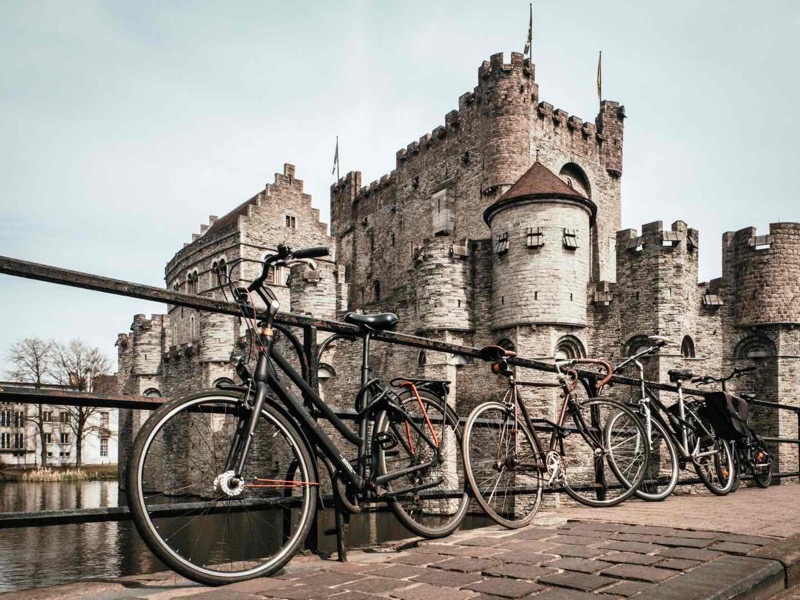
Belgium
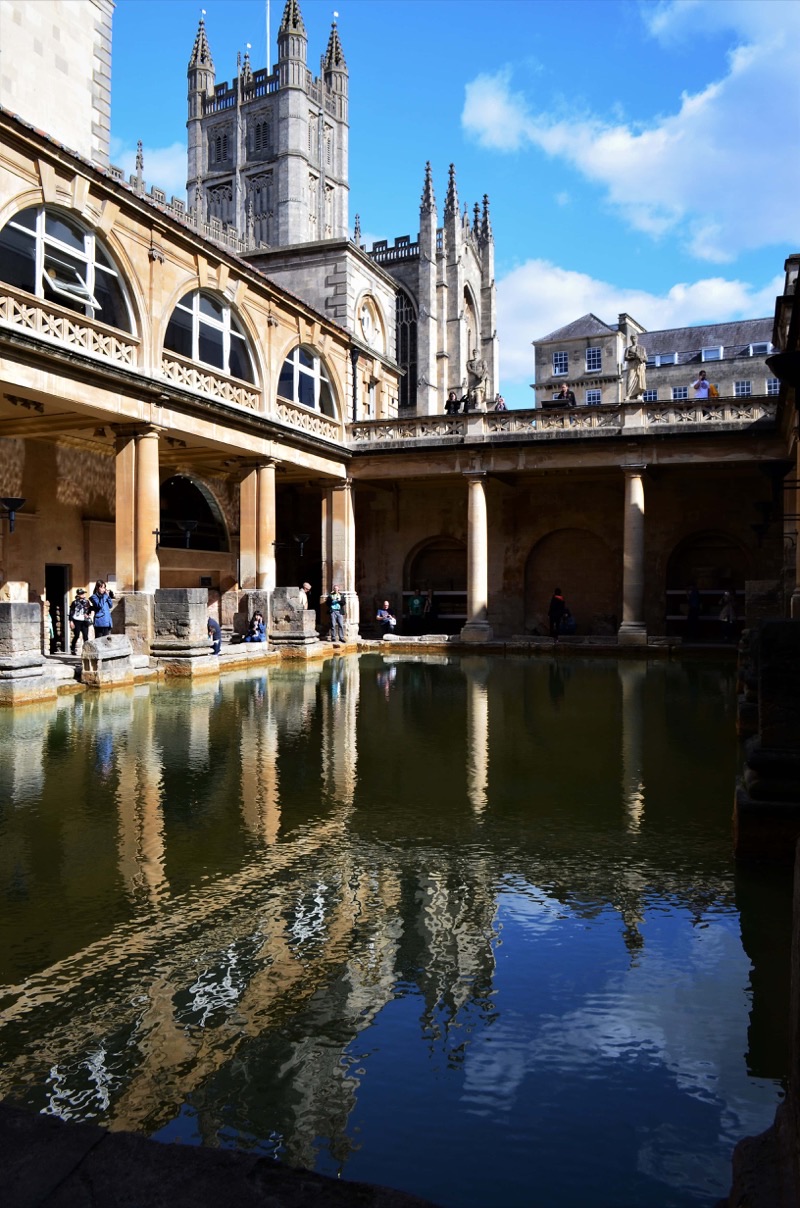
England
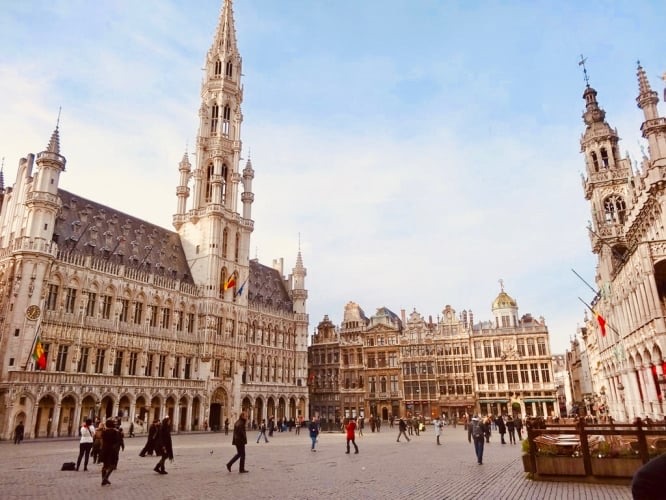
Belgium's history is visible in its architecture, particularly the Grand Place in Brussels and the preserved medieval centers of Bruges and Ghent. Art Nouveau is prominent in Brussels, with Victor Horta's houses offering a specific architectural focus. The country's role as the headquarters of the European Union adds a modern political layer, explored at the Parlamentarium. Belgium's history is often localized, with specific focus on Flanders, Wallonia, and its colonial past in museums like the AfricaMuseum. The WWI battlefields around Ypres offer a somber historical experience.
England presents a narrative that spans millennia. Roman ruins are found in Bath and Hadrian's Wall. Medieval castles like Warwick Castle and the Tower of London tell tales of monarchs and power. The country's literary heritage is immense, from Shakespeare's Globe to Jane Austen's Bath. Industrial Revolution sites in Manchester and Birmingham show transformative eras. London's museums, such as the British Museum and the Victoria and Albert Museum, hold collections covering global history and art, with free entry to permanent collections. England's sheer volume and breadth of historical periods and cultural movements offer a more extensive exploration of human endeavor.
- Winner: England
- Why: England offers a broader sweep of history from ancient times to global influence, with more sites and institutions dedicated to its past.
- Who this matters for: History buffs and those interested in a country's expansive historical narrative and literary contributions.
✈️ Getting There & Around
Direct flights from major US cities like New York (JFK) to Brussels (BRU) take approximately 7 hours. From Los Angeles (LAX), flights are around 10-11 hours, often with one stop.…
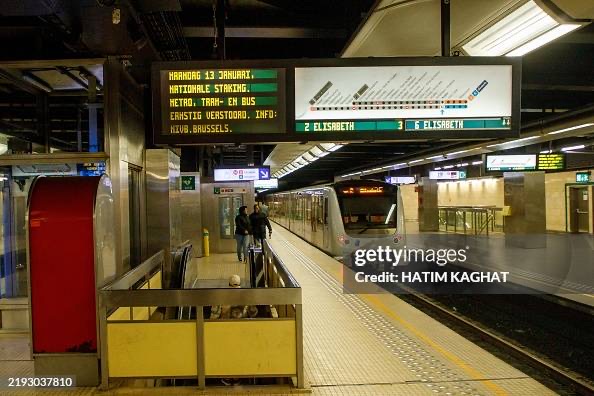
Belgium
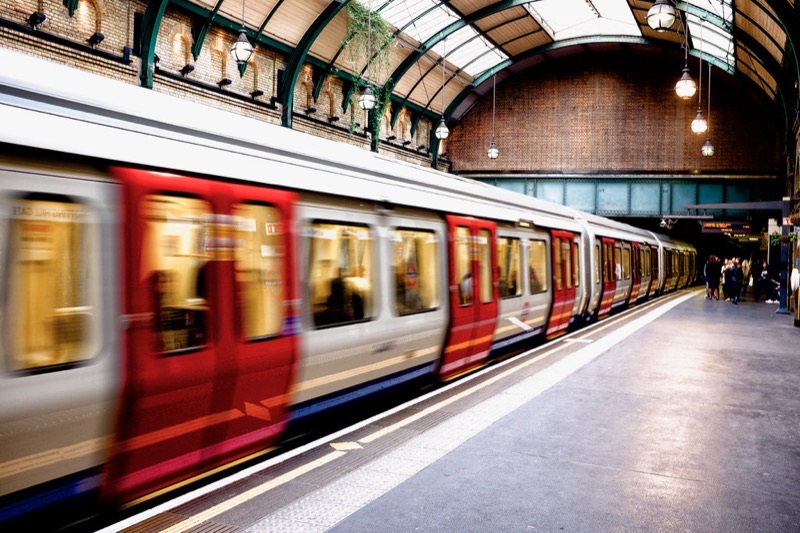
England
Direct flights from major US cities like New York (JFK) to Brussels (BRU) take approximately 7 hours. From Los Angeles (LAX), flights are around 10-11 hours, often with one stop. Once in Belgium, the train system is highly efficient and covers the entire country. Travel from Brussels to Bruges is about 1 hour, to Ghent 30 minutes, and to Antwerp 45 minutes, with tickets typically €8-15 ($8.50-16). Cities are walkable, and public transport within cities is also reliable. The compact size means less travel time between destinations, maximizing exploration.
Direct flights from New York (JFK) to London (LHR) take around 7 hours. From Los Angeles (LAX), flights are about 10-11 hours. England's train network is extensive but can be expensive if not booked in advance; a last-minute ticket from London to Manchester might be £50-80 ($63-100). National Express coaches offer cheaper alternatives for longer distances. London's Underground (Tube) is efficient for city travel but can be crowded. Exploring outside London requires more planning due to distances and often higher transport costs. Belgium's smaller scale and integrated train system make internal travel simpler and quicker.
- Winner: Belgium
- Why: Belgium's compact size and excellent, affordable train network allow for quick and easy travel between all major cities.
- Who this matters for: Travelers prioritizing easy logistics, short transit times, and minimizing travel hassle.
🏨 Accommodation
Accommodation in Belgium generally offers better value. A comfortable budget hotel in Brussels, Bruges, or Ghent can be found for €70-100 ($75-107) per night, such as Hotel…
Belgium
England
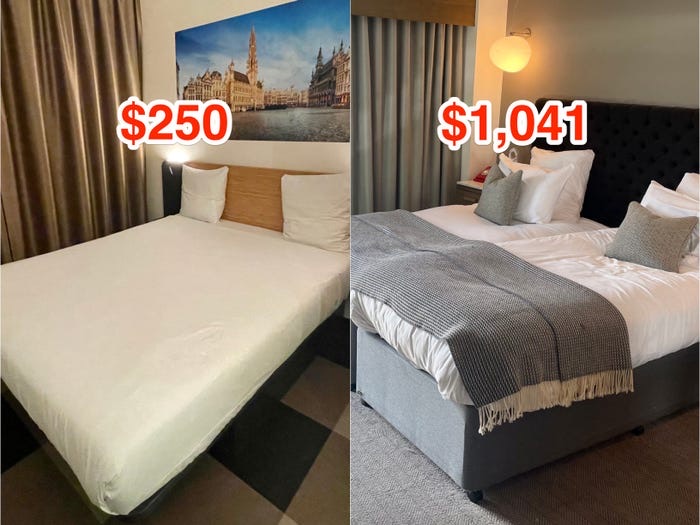
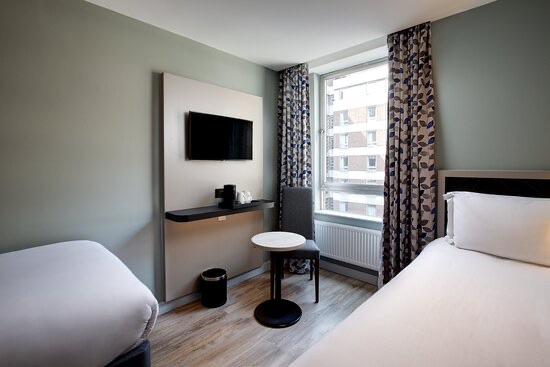
Accommodation in Belgium generally offers better value. A comfortable budget hotel in Brussels, Bruges, or Ghent can be found for €70-100 ($75-107) per night, such as Hotel Ommegang in Brussels or Hotel Adornes in Bruges. Hostels, like MEININGER Brussels City Center, typically charge €30-45 ($32-48) for a dorm bed. Boutique hotels are available at moderate prices, often with a focus on historical buildings. Booking a few months ahead can secure even better rates, especially for weekend stays in popular cities.
England's accommodation landscape is dominated by London's high prices. A budget hotel in Central London, like a Premier Inn or Travelodge, often costs £90-150 ($115-190) per night, while hostels are £35-60 ($45-75). Outside London, prices become more reasonable; a hotel in a city like York or Bath might be £70-120 ($88-150). Countryside B&Bs offer a different experience but can still be £80-150 ($100-190). The cost difference in accommodation is significant, with Belgium providing more comfortable stays for less money.
- Winner: Belgium
- Why: Belgium offers more affordable and generally better-value accommodation options across all categories compared to England, especially London.
- Who this matters for: Travelers with mid-range budgets who seek comfortable, well-located lodging without extreme costs.
🍻 Nightlife
Belgian nightlife often centers around its beer culture. Grand Place in Brussels has many bars, and Delirium Cafe offers over 2,000 beers. Most cities have cozy pubs where locals…
Belgian nightlife often centers around its beer culture. Grand Place in Brussels has many bars, and Delirium Cafe offers over 2,000 beers. Most cities have cozy pubs where locals gather for conversation and specific brews, with a pint costing €4-7 ($4.30-7.50). Brussels has some larger clubs in areas like Rue Dansaert and Place Saint-Géry, but the overall club scene is not as extensive or varied as in larger European capitals. Ghent and Antwerp also have student-focused bars. The atmosphere is generally relaxed, focused on enjoyment of drinks and company rather than large-scale events.
England's nightlife, especially in cities like London, Manchester, and Liverpool, is expansive. London boasts a diverse club scene ranging from techno to pop, with entry fees typically £10-30 ($12-38). Pubs are a cornerstone of English social life, offering a place for drinks and conversation, with a pint around £6-8 ($7.50-10). Live music venues, from small independent spots to large arenas, are common. Manchester's Northern Quarter has many bars and music venues. The West End in London offers theater and musical performances, providing a different evening experience. England provides a broader array of choices for evening entertainment.
- Winner: England
- Why: England, particularly its larger cities, offers a more diverse and extensive nightlife, encompassing a wide range of pubs, clubs, and live entertainment.
- Who this matters for: Travelers seeking varied evening entertainment, from pub crawls to clubbing and live performances.
🌳 Nature & Outdoors
Belgium's natural landscapes include the Ardennes forest in the south, offering opportunities for hiking, kayaking on rivers like the Lesse, and exploring caves. The coastal…
Belgium's natural landscapes include the Ardennes forest in the south, offering opportunities for hiking, kayaking on rivers like the Lesse, and exploring caves. The coastal areas, like those near Ostend, have wide sandy beaches, though they are generally for relaxation rather than dramatic scenery. Much of Belgium is flat, making it suitable for cycling along canals and through agricultural fields. While pleasant, Belgium's outdoor offerings are not typically the primary draw for international travelers. The Groene Gordel (Green Belt) around Brussels provides accessible green spaces and parks.
England's natural settings are more varied and dramatic. The Lake District National Park, with its fells and lakes, is popular for hiking and water activities. The Peak District offers gritstone edges and dales. The Jurassic Coast in the southwest features fossil-rich cliffs and dramatic rock formations. Extensive public footpaths, known as 'public rights of way,' crisscross the country, allowing access to diverse landscapes from rolling hills to ancient woodlands. The Northumberland Coast is another example of a less crowded but visually impactful region. England offers more substantial and varied opportunities for outdoor activities and scenic exploration.
- Winner: England
- Why: England possesses more diverse and substantial natural landscapes, including several famous national parks and coastlines, offering extensive outdoor activity options.
- Who this matters for: Outdoor enthusiasts, hikers, and those seeking varied natural scenery and national park experiences.
🗺️ Day Trips
Belgium excels in day trip accessibility due to its small size and efficient train network. From Brussels, you can reach Bruges in 1 hour, Ghent in 30 minutes, and Antwerp in 45…
Belgium excels in day trip accessibility due to its small size and efficient train network. From Brussels, you can reach Bruges in 1 hour, Ghent in 30 minutes, and Antwerp in 45 minutes. Each city offers distinct attractions: Bruges for its canals and medieval architecture, Ghent for its castle and art, and Antwerp for fashion and diamonds. These trips are inexpensive, with return train tickets typically €15-25 ($16-27). This allows travelers to base themselves in one city and explore several others with minimal travel time, making multi-city exploration straightforward.
England offers numerous day trip options from London, but the travel times are generally longer. Bath, with its Roman baths and Georgian architecture, is about a 1.5-hour train ride. Oxford and Cambridge are each about an hour away, offering historic university settings. Brighton, on the south coast, is also an hour's train ride for a seaside escape. While these destinations are rewarding, train tickets can be £20-60 ($25-75) return if not booked well in advance. Distances are greater, meaning less time spent at the destination compared to Belgium's quick hops. Belgium's dense concentration of interesting cities makes for more productive day-tripping.
- Winner: Belgium
- Why: Belgium's compact geography and efficient intercity trains make it exceptionally easy and quick to visit multiple distinct historic cities on day trips.
- Who this matters for: Travelers who enjoy seeing multiple distinct locations without changing hotels frequently.
🚶♀️ Solo Travel
Belgium is an excellent choice for solo travelers. It is very safe, and navigation is simple with its train system. Hostels in Brussels, Bruges, and Ghent are generally social,…
Belgium is an excellent choice for solo travelers. It is very safe, and navigation is simple with its train system. Hostels in Brussels, Bruges, and Ghent are generally social, making it easy to meet other travelers. Dining alone is common and comfortable, whether at a casual brasserie or a waffle stand. Belgians are typically reserved but polite, and English is widely spoken, easing communication. The country's manageable size means less stress about logistics, allowing solo travelers to focus on exploration.
England is also highly suitable for solo travel. Its extensive public transport, particularly in London, makes getting around simple. There are countless activities to do alone, from museum visits (many free) to walking tours. England has a strong hostel network, and pub culture can be a relaxed way to observe local life, though direct interaction might require more effort. Safety is good, with general big-city precautions necessary in London. English being the local language removes communication barriers. Both countries offer secure and accessible environments for those traveling by themselves.
- Winner: Tie
- Why: Both countries offer safe, easily navigable environments with good public transport and solo-friendly activities and accommodation options.
- Who this matters for: Travelers journeying alone who prioritize safety, ease of navigation, and opportunities for independent exploration.
👨👩👧👦 Families
Belgium offers family-friendly experiences, particularly its smaller cities like Bruges and Ghent which are easily walkable and have car-free zones. Mini-Europe in Brussels,…
Belgium offers family-friendly experiences, particularly its smaller cities like Bruges and Ghent which are easily walkable and have car-free zones. Mini-Europe in Brussels, alongside the Atomium, provides an engaging educational experience. Comic Strip Museum (Centre Belge de la Bande Dessinée) appeals to children and adults. Chocolate and waffle-making workshops can be a fun activity. The overall relaxed pace and compact nature of Belgian cities reduce travel fatigue for families. The country has a few smaller theme parks like Bellewaerde.
England presents a broad array of family attractions. London alone has the Science Museum, Natural History Museum (both free entry), and the Tower of London (with interactive exhibits). Outside London, Warwick Castle offers a full day of medieval entertainment. Alton Towers and Chessington World of Adventures are major theme parks. The country's many parks and green spaces provide ample room for children to play. The variety of historical sites, from Roman villas to coastal castles, often have family-focused tours or activities. England's greater range of dedicated family attractions and educational experiences provides more options for diverse age groups.
- Winner: England
- Why: England offers a more extensive and diverse range of family-oriented attractions, including significant theme parks, interactive museums, and historical sites designed for younger audiences.
- Who this matters for: Families with children of varying ages looking for a wide range of engaging activities and attractions.
🎯 The Decision Framework
Choose Belgium If…
- You want to eat excellent waffles, chocolate, and fries daily.
- You enjoy exploring medieval cities with canals and cobblestone streets.
- You prefer easy, short train rides between destinations.
- Your budget is on the tighter side, aiming for under $130/day.
- You are a beer enthusiast eager to try specific regional brews.
- You appreciate Art Nouveau architecture and EU political history.
- You want a relaxed pace of travel without long transit times.
- You like compact, walkable cities with distinct personalities.
Choose England If…
- You want to explore centuries of history, from Roman to modern times.
- You are drawn to iconic landmarks like the Tower of London or Stonehenge.
- You enjoy broad cultural institutions, including theatre and global museums.
- You are prepared for a higher budget, especially for London experiences.
- You want diverse landscapes, from coastal cliffs to mountainous national parks.
- You are interested in literary history and visiting authors' homes.
- You prefer a major international city hub with extensive nightlife and dining.
- You want to experience traditional pub culture and diverse international cuisine.
📅 Sample Itineraries
Weekend in Belgium (3 Days)
💡 Purchase a 'Go Pass 10' if traveling by train frequently within Belgium; it offers 10 single trips for about $96, saving on individual tickets.
Weekend in England (3 Days)
💡 Use an Oyster card or contactless payment for London's public transport; it caps your daily fare and is cheaper than single paper tickets, saving you around $3-5 per day.
One Week in Belgium (7 Days)
💡 Consider purchasing a 'Museum Pass Musea Brugge' if spending multiple days in Bruges; it grants access to several municipal museums for about $30, saving on individual entries.
One Week in England (7 Days)
💡 Book train tickets in advance through sites like National Rail Enquiries for significant savings, especially on longer routes. 'Advance' fares can be 50% cheaper than buying on the day.
❓ Frequently Asked Questions
Which country is cheaper for a 7-day trip?
Belgium will generally be cheaper for a 7-day trip. A mid-range traveler can expect to spend €560-840 ($600-900) for a week in Belgium, excluding flights. For England, a similar trip outside London might cost £630-980 ($800-1250), rising to £840-1400 ($1050-1750) if London is a primary focus. Belgium offers better value on accommodation and local transport.
How long should I spend in each country?
For Belgium, 5-7 days is sufficient to visit Brussels, Bruges, and Ghent. For England, a minimum of 7-10 days is recommended to cover London and one or two other regions like the Cotswolds or a northern city. If combining both, allow at least 10-14 days to avoid rushing, with 4-5 days in Belgium and 6-9 in England.
Is it easy to get between Belgium and England?
Yes, it is very easy. The Eurostar train connects London St Pancras to Brussels Midi in approximately 2 hours. Tickets can range from £40-150 ($50-190) depending on how far in advance you book. This makes a combined trip quite feasible for travelers looking to experience both.
Which country has better public transport?
Both countries have good public transport, but Belgium's is more efficient for intercity travel due to its smaller size. Belgian trains connect all major cities quickly and affordably. England's train network is extensive but can be expensive, especially for last-minute bookings. London's Tube system is excellent for city navigation.
What are the language differences?
In England, English is the official language. In Belgium, there are three official languages: Dutch (Flemish) in the north, French in the south, and German in a small eastern region. In Brussels, both Dutch and French are common. English is widely understood and spoken in tourist areas and by younger generations across Belgium.
Which country is better for shopping?
England, particularly London, offers a more extensive and diverse shopping experience. London's Oxford Street, Regent Street, and department stores like Harrods provide a wide range of global brands and luxury goods. Belgium has specific shopping strengths in chocolate, lace, and diamonds (Antwerp), but not the general retail breadth of England.
Are attractions expensive in both countries?
Attraction costs vary. In England, many major museums in London (e.g., British Museum, National Gallery) have free entry to their permanent collections, which significantly offsets costs. Paid attractions like the Tower of London are £30-35 ($38-44). In Belgium, most museum entries are €10-15 ($11-16), with a few exceptions like the Atomium at €18 ($19). Overall, free museums in England can make it feel more budget-friendly for certain types of sightseeing.
What's the weather like in Belgium vs. England?
Both countries share a temperate maritime climate, meaning mild summers and cool winters, with rainfall possible year-round. Average summer temperatures (July-August) are around 18-22°C (64-72°F) in both. Winters (Dec-Feb) average 2-7°C (36-45°F). England can feel slightly wetter and windier on its coasts, while Belgium often has similar overcast conditions.
Ready to plan your European trip?
Get a free custom itinerary for Belgium, England, or both — built from real traveler insights.
👥 Travelers Also Compared
🎟️ Book Tours & Experiences
Hand-picked tours and activities for both destinations — book with free cancellation
Experiences via Viator — free cancellation on most tours