How we built this comparison
This page combines traveler discussion patterns, published price ranges, flight schedules, and seasonal data to help you decide between Belgium and France.
- Reviewed 200+ Reddit threads from r/travel, r/solotravel, r/EuropeTravel, r/Belgium, r/France, r/Paris
- Verified costs and logistics against current booking platforms like Booking.com, SNCB, SNCF, Google Flights
- Cross-referenced seasonal patterns and weather data from meteorological sources
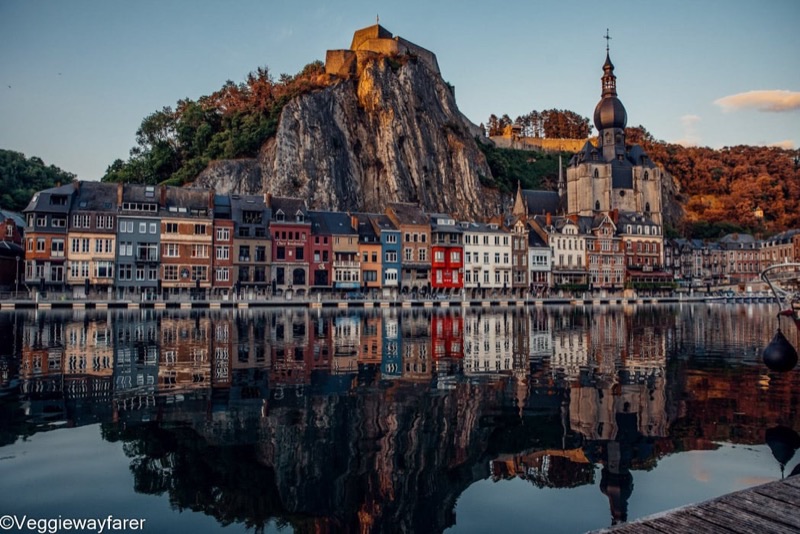
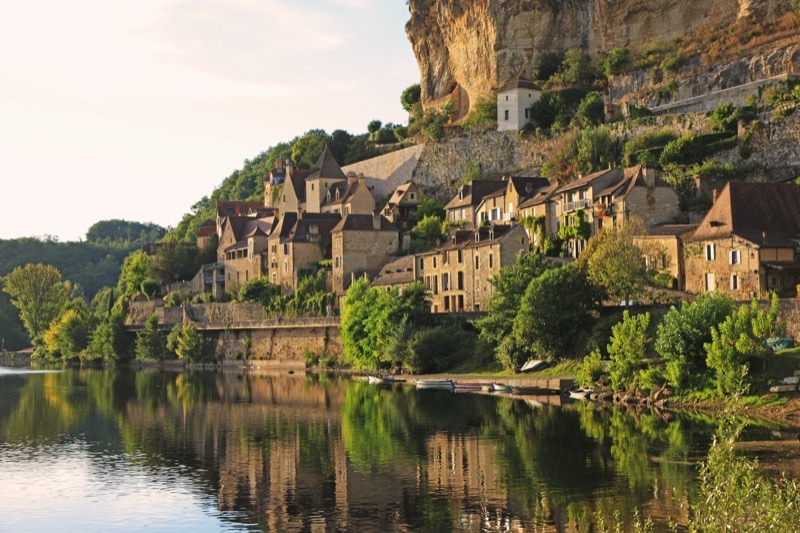
⚡ Quick Answers
⚡ The TL;DR Verdict
For most travelers seeking a focused, walkable trip with excellent food and a slightly lower daily spend, Belgium is the clearer pick. France offers expansive experiences, but requires more time and a larger budget. If you prioritize easy transit between distinctive cities and fewer logistical hurdles, lean Belgium. If you crave iconic landmarks and are prepared for the scale, France awaits. Expect $80-120/day in Belgium, $95-160/day in France.
- Choose Belgium: Travelers who enjoy smaller, highly walkable cities, artisanal food (beer, chocolate, fries), and a more relaxed pace. It is ideal for shorter trips (3-5 days) or those combining multiple cities without extensive travel.
- Choose France: Individuals or couples seeking iconic global landmarks, diverse landscapes (cities, coastlines, mountains), sophisticated gastronomy, and a trip focused on historical immersion or high culture. Requires more time (7+ days) to appreciate its breadth.
- Choose Both: If you have 8-10 days and want to experience both, start in Brussels, take a high-speed train (Thalys) to Paris (1h 20m), and combine a few Belgian cities with Paris. This offers a balanced European experience without excessive rushing.
Choose Belgium
Opt for Belgium if you're a foodie traveler seeking charming, highly walkable medieval cities with a slightly lower daily spend. Indulge in artisanal chocolates in Bruges, sample world-class beers in Brussels, or wander Ghent's historic canals. It's perfect for a focused 3-5 day trip, offering distinctive experiences at around $80-120 daily.
Choose France
Opt for France when you crave iconic global landmarks, diverse landscapes, and a deep dive into sophisticated culture, prepared for a grand scale. Spend days marveling at the Eiffel Tower, exploring world-class museums like the Louvre, or savoring gourmet cuisine. This destination is best for travelers with 7+ days and a budget of $95-160 daily, seeking expansive, memorable experiences.
📊 Visual Scorecard
🌤 When to Visit
Average high temperatures (°C). Green = best months, orange = avoid.
Quick Comparison
| Category | Belgium | France | Winner |
|---|---|---|---|
| Food & Drink | Exceptional beer culture, world-renowned chocolates, crispy fries, waffles, and hearty stews. | Sophisticated cuisine, fine wines, diverse regional dishes, bakeries, and cheese. | Tie |
| Costs & Budget | Generally more budget-friendly, especially for food and local transport; accommodation can be moderate. | Higher costs, particularly in Paris; dining and accommodation often command premium prices. | Belgium |
| Getting There | Brussels Airport (BRU) is a major hub, direct flights from North America are common, often slightly cheaper than Paris. | Paris Charles de Gaulle (CDG) and Orly (ORY) are huge international hubs, with extensive flight options, though sometimes pricier. | Tie |
| Getting Around | Compact size, excellent national rail network, cities are very walkable; efficient for short trips between destinations. | Extensive high-speed rail, robust urban transport, but long distances between regions can add travel time. | Belgium |
| Accommodation | A range of options from boutique hotels to budget hostels; generally more affordable than Paris. | Expensive in Paris, particularly central areas; more reasonable in regional cities and rural areas. | Belgium |
| Culture & History | Medieval cities, Art Nouveau architecture, comic book art, surrealism, and a rich beer heritage. | Iconic art museums, grand historical landmarks, literary tradition, and sophisticated fashion. | France |
| Nightlife | Focused on pubs and bars with extensive beer selections; some clubs in major cities. | Diverse nightlife from sophisticated bars to large clubs; Paris offers numerous late-night options. | France |
| Day Trips | Easy access to charming medieval cities like Bruges and Ghent, or even neighboring countries. | Numerous chateaux, wine regions, and coastal towns; requires more travel time for some. | Belgium |
| Nature & Outdoors | Flanders Fields, Ardennes forests, North Sea coast; more modest in scale. | Pyrenees, Alps, French Riviera beaches, vast forests, dramatic coastlines; immense natural diversity. | France |
| Solo Travel | Safe, easy to navigate, friendly atmosphere; easy to meet people in pubs. | Safe in cities, but larger distances can make solo logistics more complex; good hostel scene in major cities. | Belgium |
🍽️ Food & Drink
Belgium’s food scene is comforting and accessible, specializing in specific items done incredibly well. Think about Belgian fries, often double-fried and served with a variety of…

Belgium
France
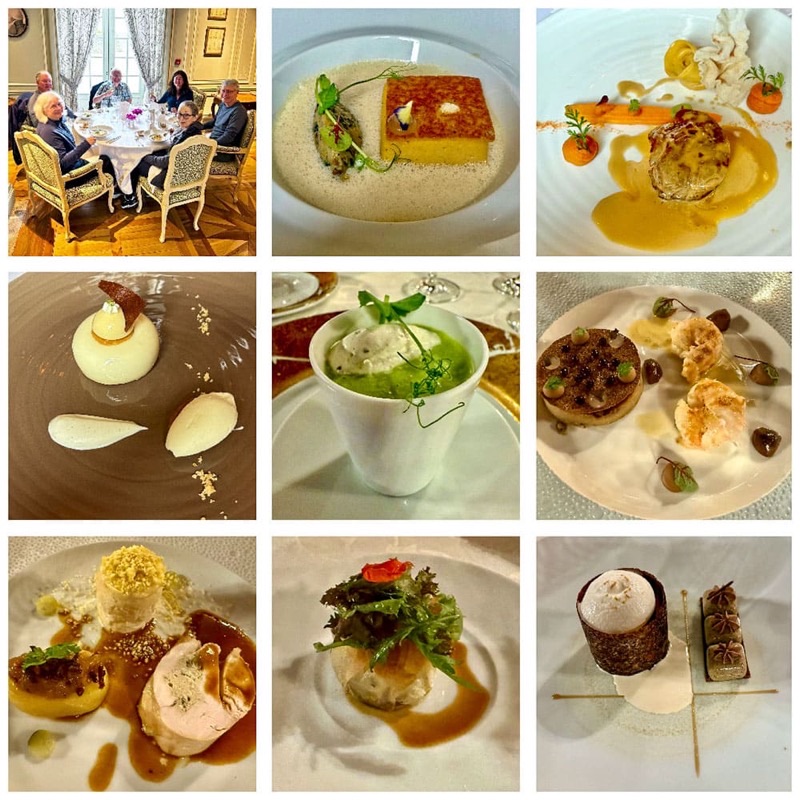
Belgium’s food scene is comforting and accessible, specializing in specific items done incredibly well. Think about Belgian fries, often double-fried and served with a variety of sauces, costing around €4-6 ($4.30-6.50) from places like Fritland or Maison Antoine in Brussels. The beer scene is legendary, with thousands of varieties, including Trappist ales, often enjoyed in specialized bars like Delirium Cafe, where a pint might be €5-8 ($5.40-8.70). Chocolates from Leonidas or Neuhaus are everywhere, with small boxes starting at €10 ($10.80). Mussels and stoemp (mashed potatoes with vegetables) are staples, available at brasseries for €18-25 ($19.50-27).
France, in contrast, offers a culinary landscape known for its refinement and regional diversity. Paris alone boasts countless Michelin-starred restaurants, but also accessible options like boulangeries for a fresh baguette (€1.20/$1.30) or patisseries for a croissant (€1.50/$1.60). Brasseries like Le Relais de l'Entrecôte serve fixed-menu steak frites for around €25-30 ($27-32.50). Wine is central to French dining, with bottles at restaurants starting from €20 ($21.70). Outside Paris, regions like Lyon (known as France’s gastronomic capital) or Brittany (for crêpes) offer entirely different, equally satisfying experiences. Both countries offer excellent food, but their approaches differ significantly. tabiji verdict: It’s a tie; choose Belgium for hearty, specific treats, or France for sophisticated, diverse dining.
- Winner: Tie
- Why: Both countries excel in their distinct culinary offerings, catering to different palates and preferences.
- Who this matters for: Everyone, as food is a central part of any travel experience.
💰 Costs & Budget
Belgium generally offers better value for money, allowing a more comfortable trip on a moderate budget. Daily expenses, excluding accommodation, can be around €40-70 ($43-76). A…
Belgium
France
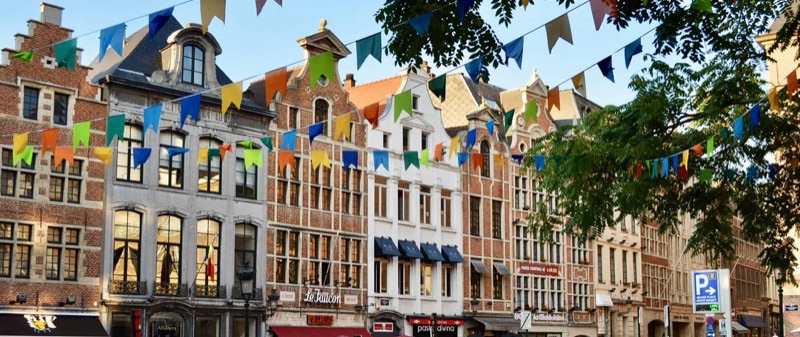
Belgium generally offers better value for money, allowing a more comfortable trip on a moderate budget. Daily expenses, excluding accommodation, can be around €40-70 ($43-76). A decent meal can be found for €15-20 ($16-22) outside of tourist traps, and local transport passes are reasonable, with a 24-hour pass in Brussels around €8 ($8.70). Accommodation in cities like Ghent or Antwerp often starts from €70-100 ($76-108) for a standard hotel room, while Brussels might be €90-130 ($97-141). Activities like museum entries usually range from €10-15 ($10.80-16.30).
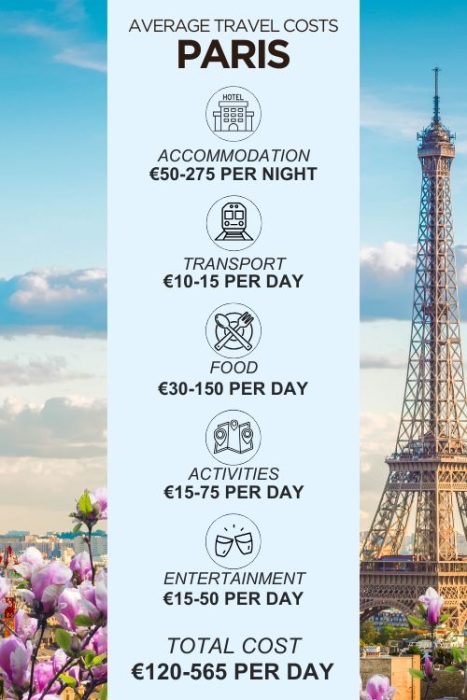
France, especially Paris, is notably more expensive. A daily budget, excluding accommodation, for a moderate traveler in Paris might be €60-100 ($65-108). A main course at a brasserie can easily be €20-30 ($22-32.50), and a metro ticket is €2.15 ($2.30) per ride. Accommodation in Paris is a major budget item, with standard hotel rooms often starting from €150 ($163) and going much higher, though smaller cities and rural areas are more affordable, with rooms from €80-120 ($87-130). Museum entries for major attractions like the Louvre are €17 ($18.50). For a general trip, Belgium stretches your money further. tabiji verdict: Belgium wins for those watching their wallet, offering a quality experience without the higher price tags.
- Winner: Belgium
- Why: Belgium provides a more affordable travel experience overall, particularly for daily expenses and accommodation outside the capital.
- Who this matters for: Budget-conscious travelers, solo backpackers, and families.
✈️ Getting There
Brussels Airport (BRU) serves as Belgium’s main international gateway. Direct flights from major North American cities like New York (JFK) or Toronto (YYZ) typically take around…
Belgium
France
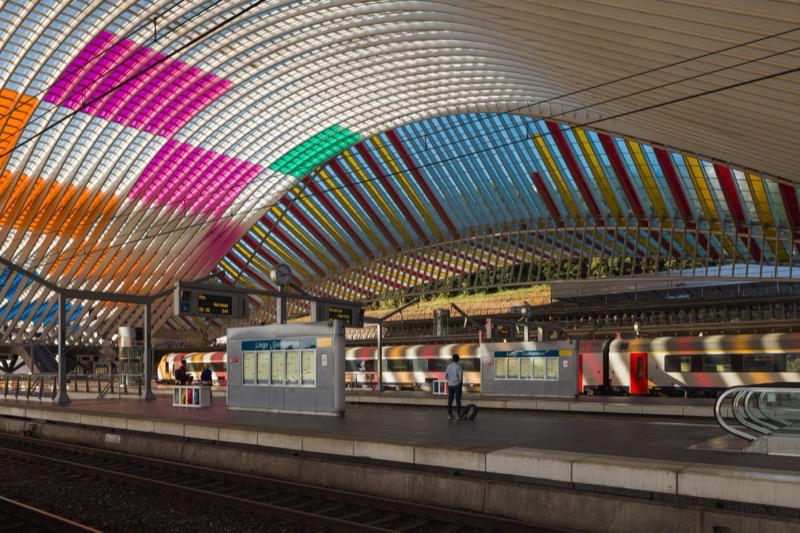
Brussels Airport (BRU) serves as Belgium’s main international gateway. Direct flights from major North American cities like New York (JFK) or Toronto (YYZ) typically take around 7-8 hours. Prices for round-trip economy fares can range from $600-900 USD outside of peak season, sometimes slightly less than Paris if you book in advance. The airport is well-connected to Brussels city center by train, taking about 17 minutes and costing €12.70 ($13.80). For European travel, Belgium is easily reachable by high-speed trains like Thalys or Eurostar from neighboring countries, making it a convenient hub.
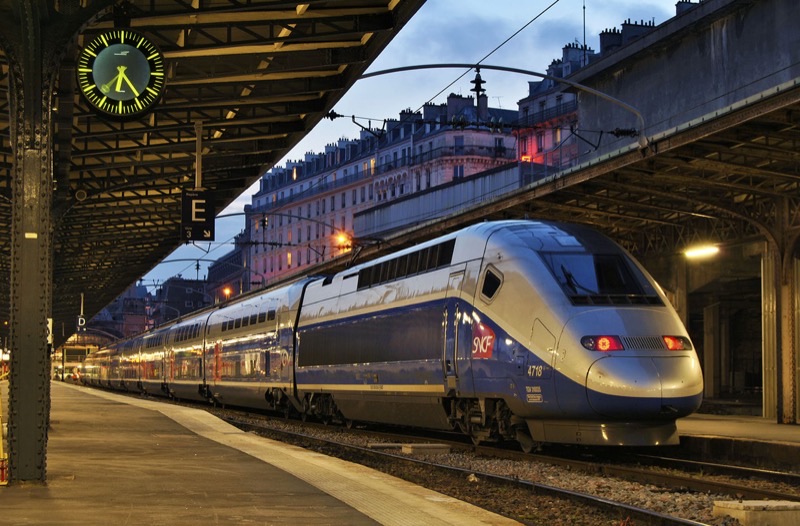
France’s main entry points are Paris Charles de Gaulle (CDG) and Paris Orly (ORY), both massive international airports handling extensive global traffic. Direct flights from North America also average 7-8 hours, with round-trip economy fares often starting from $700-1100 USD. While flight frequency to Paris is higher, prices can reflect this demand. From CDG, a train to central Paris (RER B) takes about 30 minutes and costs €11.80 ($12.80). France's rail network is exceptional, with TGV high-speed trains connecting Paris to most major French cities and neighboring countries. Both countries offer excellent accessibility, with similar flight times. tabiji verdict: It’s a tie, as both offer strong international connections, with slight price advantages sometimes favoring Belgium.
- Winner: Tie
- Why: Both countries are major international travel hubs with excellent air and rail connections, making them equally accessible from most parts of the world.
- Who this matters for: All international travelers, particularly those flying long-haul.
🚆 Getting Around
Belgium's compact size makes inter-city travel incredibly straightforward and quick. The national rail network (SNCB/NMBS) is efficient, connecting almost every town and city. For…
Belgium
France
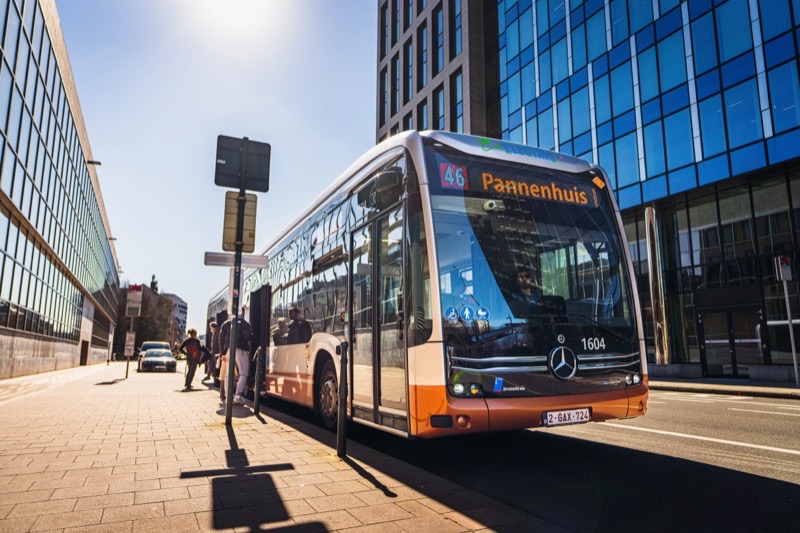
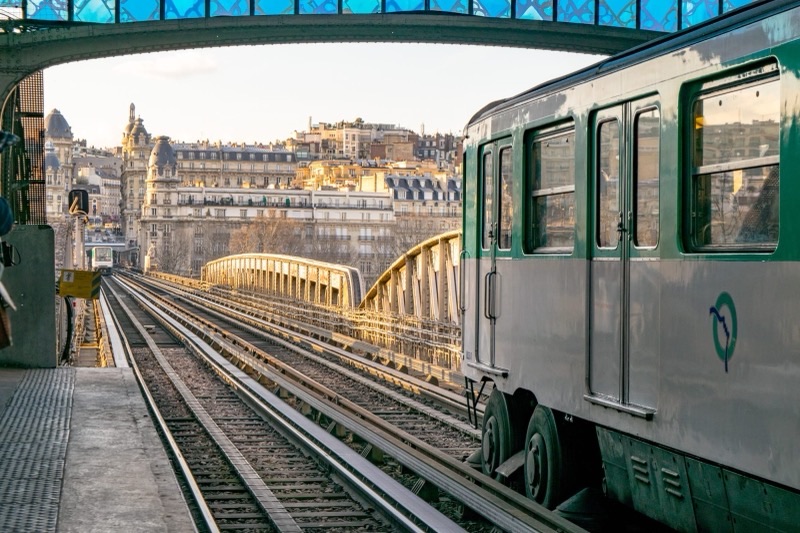
Belgium's compact size makes inter-city travel incredibly straightforward and quick. The national rail network (SNCB/NMBS) is efficient, connecting almost every town and city. For example, a train from Brussels to Bruges takes about an hour and costs around €16 ($17.40) one-way, while Brussels to Ghent is only 30 minutes for about €10 ($10.80). Most Belgian cities, once you arrive, are highly walkable, reducing the need for extensive public transport within cities themselves. Brussels has a metro, tram, and bus system, with a single ticket around €2.60 ($2.80). This ease of movement allows visitors to experience multiple distinct cities even on a short trip.
France has an exceptional high-speed rail (TGV) network, connecting major cities like Paris, Lyon, Marseille, and Bordeaux swiftly. A TGV from Paris to Lyon takes about 2 hours and costs €40-80 ($43-87) depending on booking time. However, due to France's larger geographical area, travel between regions can involve longer journeys. Urban transport in major French cities, particularly Paris (with its extensive Metro system, a single ticket for €2.15/$2.30), is very good. Outside of major cities, a car can be beneficial for exploring rural areas or smaller villages, which isn't as necessary in Belgium. For ease of covering multiple places in a short timeframe, Belgium is simpler. tabiji verdict: Belgium wins for sheer ease of getting around its main attractions and cities, requiring less planning and travel time.
- Winner: Belgium
- Why: Belgium's smaller size and dense, efficient rail network make travel between its major cities exceptionally quick and easy.
- Who this matters for: Travelers with limited time, those who prefer not to rent a car, and those visiting multiple cities.
🏨 Accommodation
Accommodation in Belgium offers good value, especially when compared to Paris. In Brussels, a decent mid-range hotel like Hotel Hubert Grand Place can cost around €100-150…
Belgium

France
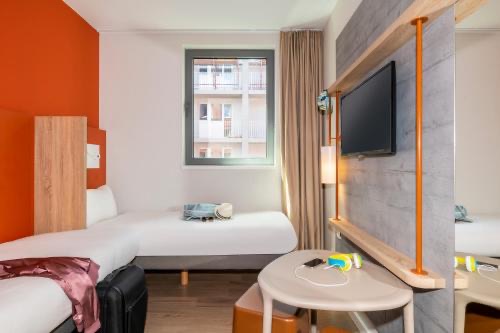
Accommodation in Belgium offers good value, especially when compared to Paris. In Brussels, a decent mid-range hotel like Hotel Hubert Grand Place can cost around €100-150 ($108-163) per night. Bruges and Ghent, while popular, also offer competitive pricing for boutique hotels or charming B&Bs, often starting from €90-130 ($97-141). Budget travelers can find hostels in major cities with dorm beds from €30-50 ($32.50-54) per night. Airbnb options are plentiful and can provide more space or a local experience at varying price points. The overall cost-to-quality ratio for lodging often feels balanced and fair.
France presents a more varied picture for accommodation, heavily skewed by Paris pricing. A standard 3-star hotel in a central, safe neighborhood of Paris often starts at €180-250 ($195-270) per night, and budget options like ibis or Generator Hostel still command €50-80 ($54-87) for a dorm bed. Outside of Paris, accommodation becomes significantly more reasonable. In cities like Lyon or Nice, a good hotel might be €100-160 ($108-174) per night, and rural gîtes or B&Bs can be found for €80-120 ($87-130). However, if your trip focuses on Paris, accommodation will be a substantial budget item. tabiji verdict: Belgium wins for providing more accessible and less budget-straining accommodation options across its popular destinations.
- Winner: Belgium
- Why: Belgium offers a better cost-to-quality ratio for accommodation, making a comfortable stay more attainable for most budgets.
- Who this matters for: Budget-conscious travelers, families, and anyone who prefers not to spend a disproportionate amount on lodging.
🏛️ Culture & History
Belgium’s cultural and historical offerings are concentrated and distinct. Brussels boasts the Grand Place, a UNESCO site, and remarkable Art Nouveau buildings by Victor Horta.…
Belgium’s cultural and historical offerings are concentrated and distinct. Brussels boasts the Grand Place, a UNESCO site, and remarkable Art Nouveau buildings by Victor Horta. Entry to the Horta Museum is €10 ($10.80). Bruges and Ghent preserve their medieval cores beautifully, with canals, Belfries (entry ~€15/$16.30), and impressive cathedrals. The Groeningemuseum in Bruges houses Flemish Primitives, an entry is €16 ($17.40). Belgium also has a unique comic book heritage (Tintin, Smurfs), celebrated at the Comic Art Museum in Brussels (€12/$13). The country has a complex linguistic and political history, making for an interesting, if less globally recognized, cultural landscape.
France, on the other hand, presents a vast and globally influential cultural and historical narrative. From the ancient Roman ruins in Arles to the chateaux of the Loire Valley (e.g., Château de Chenonceau, entry €17/$18.50), its history spans millennia. Paris alone contains the Louvre Museum (entry €17/$18.50), the Eiffel Tower (entry from €11.30/$12.30), Notre Dame Cathedral, and the Palace of Versailles (entry €19.50/$21). The French Revolution, two World Wars, and significant artistic movements have all left indelible marks. French literature, philosophy, and fashion have shaped global trends for centuries. While Belgium has its charm, France offers a more extensive and globally renowned array of cultural and historical sites. tabiji verdict: France wins due to the sheer volume, global recognition, and depth of its cultural and historical contributions.
- Winner: France
- Why: France holds a greater number of globally recognized historical landmarks and world-class cultural institutions.
- Who this matters for: History buffs, art enthusiasts, and those seeking iconic cultural experiences.
🌃 Nightlife
Belgium's nightlife is largely centered around its beer culture. In cities like Brussels, you'll find numerous cozy pubs and grand beer halls. The Delirium Cafe, with its…
Belgium's nightlife is largely centered around its beer culture. In cities like Brussels, you'll find numerous cozy pubs and grand beer halls. The Delirium Cafe, with its thousands of beer options, is a prime example, open until 4 AM on weekends. Beers typically cost €5-8 ($5.40-8.70). Ghent and Antwerp also have lively student-oriented bar scenes. While there are some nightclubs, such as Fuse in Brussels, the focus is generally more on relaxed social drinking than high-energy clubbing. Brussels also has a small but active jazz scene. The vibe is often more about intimate conversations over unique brews.
France, particularly Paris, offers a more diverse and extensive nightlife. From sophisticated cocktail bars in Le Marais to large electronic music clubs like Rex Club or Concrete (now called Phantom), there’s a wider range of options. Drinks in Paris bars can be expensive, with cocktails often €12-18 ($13-19.50). Club entry typically ranges from €15-30 ($16.30-32.50). Beyond Paris, cities like Lyon, Marseille, and Bordeaux also have active nightlife, often featuring a mix of wine bars, music venues, and clubs. The nightlife in France feels more expansive and offers more options for different tastes, from chic to underground. tabiji verdict: France wins for its breadth and sophistication in nightlife, offering more choices beyond the traditional pub scene.
- Winner: France
- Why: France provides a wider variety of nightlife experiences, from sophisticated lounges to large-scale clubs, especially in Paris.
- Who this matters for: Party-goers, those seeking diverse evening entertainment, and late-night revelers.
🗺️ Day Trips
Belgium excels in the ease and variety of its day trips. From Brussels, you can reach Bruges in just over an hour by train (€16/$17.40) or Ghent in 30 minutes (€10/$10.80). Both…
Belgium excels in the ease and variety of its day trips. From Brussels, you can reach Bruges in just over an hour by train (€16/$17.40) or Ghent in 30 minutes (€10/$10.80). Both cities offer distinct medieval architecture, canals, and historical sites, making them perfect for a single day's exploration. Antwerp, with its fashion and diamond district, is another easy 45-minute train ride. You can even consider a quick trip to Luxembourg City (2.5 hours by train, ~€25/$27) or Lille, France (35 minutes by train, ~€15/$16.30). The compact nature of Belgium means less time spent traveling and more time exploring, making multi-city day trips very feasible.
France offers a wealth of day trip options, but they often require more dedicated travel time due to the country's size. From Paris, popular trips include Versailles (30-45 mins by RER, ~€7/$7.60), the Champagne region (1.5 hours by TGV to Reims, ~€20-40/$22-43), or Mont Saint-Michel (a 3.5-4 hour train/bus combination, often requiring an organized tour costing upwards of €100/$108). The Loire Valley chateaux (e.g., Chambord) are another option, but generally require a full day and often a car or tour from Paris. While France's options are grand, Belgium's are more convenient for short, independent explorations. tabiji verdict: Belgium wins for the sheer convenience and variety of high-quality day trips accessible within a short train ride.
- Winner: Belgium
- Why: Belgium's compact geography allows for numerous, easy, and efficient day trips to different cities or even neighboring countries.
- Who this matters for: Travelers basing themselves in one city, those without a car, and anyone prioritizing minimal travel time for excursions.
🌳 Nature & Outdoors
Belgium's natural landscapes are gentler and smaller in scale. The Ardennes region, in the south, offers rolling hills, forests, and rivers suitable for hiking, cycling, and…
Belgium's natural landscapes are gentler and smaller in scale. The Ardennes region, in the south, offers rolling hills, forests, and rivers suitable for hiking, cycling, and kayaking. Places like Durbuy or Bouillon provide access to outdoor activities. The Belgian North Sea coast, with towns like Ostend and Knokke-Heist, offers wide sandy beaches and dunes, popular for seaside strolls. Flanders Fields, while a historical site, also offers serene landscapes for reflection. However, Belgium does not possess grand, dramatic natural features, focusing more on accessible, pleasant outdoor spaces rather than rugged wilderness.
France, by contrast, is geographically diverse and offers spectacular natural settings. It boasts sections of the Alps (Mont Blanc, Chamonix) for world-class skiing and hiking, the rugged Pyrenees mountains, and the dramatic coastline of the French Riviera with its Mediterranean beaches (e.g., Nice, Cannes). The Dordogne region has stunning river valleys and caves, while Brittany and Normandy offer wild, windswept Atlantic coastlines. National parks like the Calanques near Marseille provide unique limestone fjords for hiking and swimming. For those seeking grand natural beauty, from towering mountains to expansive coastlines, France is unparalleled. tabiji verdict: France wins decisively for its immense and varied natural landscapes, offering everything from alpine peaks to Mediterranean beaches.
- Winner: France
- Why: France possesses a far greater diversity and scale of natural landscapes, from high mountains to extensive coastlines.
- Who this matters for: Outdoor enthusiasts, adventurers, beach lovers, and those seeking dramatic scenery.
🚶♀️ Solo Travel
Belgium is a fantastic destination for solo travelers. Its compact size means you can explore multiple cities easily and independently via train without feeling rushed or…
Belgium is a fantastic destination for solo travelers. Its compact size means you can explore multiple cities easily and independently via train without feeling rushed or overwhelmed. Cities like Bruges, Ghent, and Antwerp are very walkable and safe, even at night. The friendly pub culture makes it easy to strike up conversations, especially with locals and other travelers over a beer. Hostels are readily available, offering a social atmosphere for meeting others, with dorm beds typically €30-50 ($32.50-54) per night. Dining alone is common and comfortable in brasseries and cafes. The absence of a language barrier for English speakers (in most tourist areas) further simplifies solo navigation.
France is also generally safe for solo travelers, particularly in major cities like Paris, Lyon, and Nice. Paris has a well-developed hostel scene (e.g., St Christopher's Inn Gare du Nord) where it's easy to meet people. However, France's larger size can mean more planning for solo logistics, especially if you venture into rural areas without a car. While French hospitality is generally good, having some basic French phrases can enhance interactions outside major tourist hubs. Dining solo in certain types of restaurants might feel less common than in Belgium's casual brasseries. Navigating Paris's busy metro as a solo traveler is efficient but can be intense. tabiji verdict: Belgium slightly edges out France for solo travel due to its more manageable scale, inherent ease of navigation, and approachable social scene.
- Winner: Belgium
- Why: Belgium's compact size, excellent public transport, and approachable social scene make it exceptionally easy and comfortable for solo travelers.
- Who this matters for: Solo travelers, first-time international travelers, and those seeking an independent, low-stress experience.
🎯 The Decision Framework
Choose Belgium If…
- You want to visit multiple distinct, charming cities easily via short train rides.
- You prioritize a more budget-friendly European experience without sacrificing quality.
- You are a beer enthusiast eager to explore diverse brewing traditions.
- You appreciate world-class chocolate and crispy, perfect fries.
- You prefer walkable cities with a relaxed pace over grand, sprawling metropolises.
- You are interested in Art Nouveau architecture and medieval townscapes.
- You are a solo traveler seeking an easy-to-navigate and safe destination.
- You want to combine culture and history with accessible, delicious comfort food.
Choose France If…
- You dream of seeing iconic global landmarks like the Eiffel Tower and the Louvre.
- You are passionate about high-end gastronomy, fine wines, and diverse regional cuisines.
- You have ample time (7+ days) to explore a larger, more diverse country.
- You seek dramatic natural landscapes, from alpine mountains to Mediterranean beaches.
- You enjoy sophisticated nightlife, from chic cocktail bars to large clubs.
- You want to immerse yourself in millennia of European art, history, and literature.
- You appreciate grand, expansive experiences and don't mind longer travel distances.
- You want a country that caters to a wide range of interests, from fashion to Roman ruins.
📅 Sample Itineraries
Weekend in Belgium (3 Days)
💡 Purchase a 'Go Pass 10' or 'Standard Multi' train ticket if you plan multiple train journeys within Belgium; it can save you around 30% on individual fares.
Weekend in France (3 Days)
💡 Invest in a Paris Visite travel pass for zones 1-3 if you plan extensive metro use; a 3-day pass costs around $30 and saves on individual tickets.
One Week in Belgium (7 Days)
💡 Purchase a 'Museum Pass' for €59 (around $65) to gain access to over 100 Belgian museums for a year, saving money if you plan to visit several.
One Week in France (7 Days)
💡 Book high-speed TGV train tickets for inter-city travel in France several weeks in advance to secure discounts, potentially saving 20-40% on fares.
❓ Frequently Asked Questions
Is Belgium cheaper to visit than France?
Generally, yes. Daily expenses in Belgium typically range from €70-120 ($75-130) per person, excluding flights, while France often requires €95-160 ($103-174), especially if including Paris. Accommodation, dining, and local transport are consistently a bit more affordable in Belgium.
How long should I spend in each country?
For Belgium, a good trip is 3-5 days to visit Brussels, Bruges, and Ghent without rushing. For France, aim for at least 7-10 days to cover Paris and one or two other regions effectively. If you want to see both, allocate 8-10 days total, with 3-4 in Belgium and 5-6 in France.
Which country is better for foodies?
It's a tie, but for different reasons. Belgium excels in specific, beloved items like fries, chocolate, waffles, and an immense beer selection. France offers a more diverse and sophisticated culinary landscape, from haute cuisine to regional specialties, fine wines, and exceptional bakeries. Your preference depends on your taste.
Is it easy to travel between Belgium and France?
Extremely easy. High-speed Thalys trains connect Brussels to Paris in as little as 1 hour and 20 minutes, with tickets ranging from €30-80 ($32.50-87) depending on booking time. Both countries are part of the Schengen Area, meaning no border checks.
Which country has better public transport?
Both have excellent public transport. Belgium's national rail network is incredibly efficient for short distances between cities. France's TGV network is fantastic for covering longer distances quickly. Within cities, both Brussels and Paris have comprehensive metro, tram, and bus systems. Belgium's scale makes its system feel more manageable.
What's the best time of year to visit both?
Spring (April-May) and early Fall (September-October) are ideal for both, offering mild weather, fewer crowds than summer, and comfortable temperatures for walking. Average temperatures range from 10-20°C (50-68°F). Summer (June-August) is popular but can be crowded and hot, especially in Paris.
Which country is better for history buffs?
France offers a broader and more globally recognized array of historical sites, from ancient Roman ruins to the Palace of Versailles and significant World War battlefields. Belgium provides a concentrated experience of medieval history (Bruges, Ghent) and impactful World War I sites like Flanders Fields. France has a wider span of historical periods and grander monuments.
Do I need to speak French in Belgium or France?
In both countries, English is widely spoken in tourist areas, hotels, and major cities. However, in France, especially outside Paris or major tourist spots, knowing basic French phrases can enhance interactions and is appreciated. In Belgium, both French and Dutch are official languages, and English is common in Brussels and Flanders, making communication generally straightforward.
Ready to plan your Western Europe trip?
Get a free custom itinerary for Belgium, France, or both — built from real traveler insights.
👥 Travelers Also Compared
🎟️ Book Tours & Experiences
Hand-picked tours and activities for both destinations — book with free cancellation
Experiences via Viator — free cancellation on most tours