How we built this comparison
This page combines traveler discussion patterns, published price ranges, flight schedules, and seasonal data to help you decide between Belgium and Italy.
- Reviewed 100+ Reddit threads from r/travel, r/solotravel, r/Belgium, r/ItalyTravel
- Verified costs and logistics against current booking platforms like Booking.com, SNCB, Trenitalia
- Cross-referenced seasonal patterns and weather data from meteorological sources
⚡ Quick Answers
⚡ The TL;DR Verdict
For most travelers seeking a diverse experience with significant historical depth, sunshine, and renowned cuisine, Italy edges out Belgium. However, if your trip prioritizes compact medieval towns, efficient public transport, and unique culinary focuses like beer and chocolate, Belgium offers a compelling alternative. Budget-wise, Italy can be slightly more flexible for mid-range travelers, especially outside major hubs, while Belgium is consistently mid-to-upper range.
- Choose Belgium: Travelers who prefer shorter distances between cities, appreciate medieval architecture, fine chocolate and extensive beer culture, and desire a more organized, less sprawling experience should choose Belgium. It is also a good pick for those interested in WWI history.
- Choose Italy: Travelers seeking ancient Roman ruins, Renaissance art, varied regional food, sunny weather, and a generally more passionate, less reserved cultural experience will find Italy a better fit. Its diversity from mountains to coasts suits many interests.
- Choose Both: If you have at least 10-14 days and want to experience both Northern and Southern European flavors, combining them is feasible via a short flight (1.5-2 hours) or an overnight train between Brussels and a major Italian city like Milan or Rome.
Choose Belgium
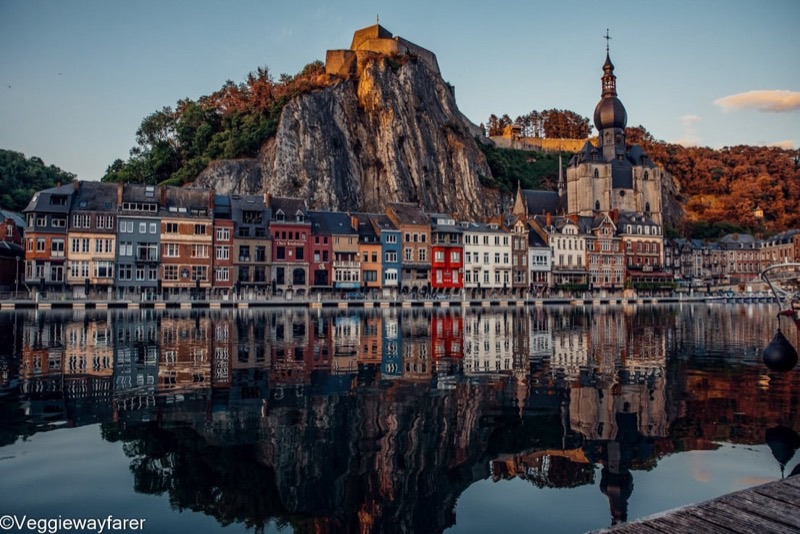
Opt for Belgium if you cherish exploring fairytale medieval cities like Bruges and Ghent, effortlessly connected by efficient rail. This destination is best for travelers who prioritize artisanal chocolate experiences, a world-class beer culture, and WWI history. Expect a consistently mid-to-upper range budget for this organized, charming European escape.
Choose Italy
Choose Italy for an unparalleled journey through ancient Roman ruins like the Colosseum and Renaissance art in Florence's Uffizi Gallery. It's ideal for travelers craving diverse regional cuisine, from Neapolitan pizza to Tuscan pasta, amidst sun-drenched landscapes and a vibrant, passionate culture. Italy offers flexible mid-range budgets, particularly outside its major tourist hubs.
📊 Visual Scorecard
🌤 When to Visit
Average high temperatures (°C). Green = best months, orange = avoid.
Quick Comparison
| Category | Belgium | Italy | Winner |
|---|---|---|---|
| Food & Drink | Frites, waffles, chocolate, mussels, and a beer culture with thousands of varieties. | Pasta, pizza, gelato, regional specialties, and extensive wine production. | Italy |
| History & Culture | Medieval architecture, Art Nouveau, WWI/WWII history, EU political center. | Ancient Roman Empire, Renaissance art and architecture, Vatican City, diverse regional traditions. | Italy |
| Costs & Budget | Generally mid-to-high range; accommodation and dining can be pricey. | Can be budget-friendly outside major cities, but Rome/Venice/Florence are comparable to Belgium. | Tie |
| Getting There & Away | Brussels Airport (BRU) is a major hub with direct flights from many continents. | Multiple major international airports (FCO, MXP) offering extensive global connections. | Tie |
| Getting Around | Compact country with an excellent, efficient train network connecting all major cities. | Extensive train network across a larger country, sometimes slower or less frequent in rural areas. | Belgium |
| Accommodation | Hotels, B&Bs, and guesthouses, often with traditional charm, consistent quality. | Wide range from luxury hotels to agriturismos, varied quality, strong hostel culture. | Tie |
| City Experience | Well-preserved medieval centers, grand squares, Art Nouveau architecture, compact and walkable. | Ancient ruins, Renaissance masterpieces, bustling piazzas, diverse city personalities, often sprawling. | Italy |
| Nature & Scenery | Rolling countryside, Ardennes forests, flat coastal areas, limited dramatic landscapes. | Alps, Dolomites, Tuscan hills, Mediterranean coastlines, volcanoes, diverse and dramatic. | Italy |
| Pace of Travel | Relaxed and efficient, easy to visit multiple cities in a short time, less frenetic. | Can be fast-paced in cities, slower in rural areas, distances require more planning. | Belgium |
| Seasons & Weather | Temperate maritime climate, mild summers, cool and wet winters, often cloudy. | Mediterranean climate in south, continental in north, hot dry summers, mild wet winters. | Italy |
🍔 Food & Drink
Belgium excels with its specific culinary contributions. You can find excellent frites at Fritland or Maison Antoine for €4-6 ($4.50-6.75), delicious waffles from street vendors…

Belgium
Italy
Belgium excels with its specific culinary contributions. You can find excellent frites at Fritland or Maison Antoine for €4-6 ($4.50-6.75), delicious waffles from street vendors for €3-5 ($3.30-5.50), and world-class chocolates from Godiva or Pierre Marcolini. Mussels and frites are a staple, often costing €25-35 ($28-39) at places like Chez Leon. Belgian beer culture is paramount, with thousands of types, from Trappist ales to lambics, readily available in pubs for €4-7 ($4.50-7.80) a glass. Meals can range from €15-30 ($17-33) for a casual sit-down.
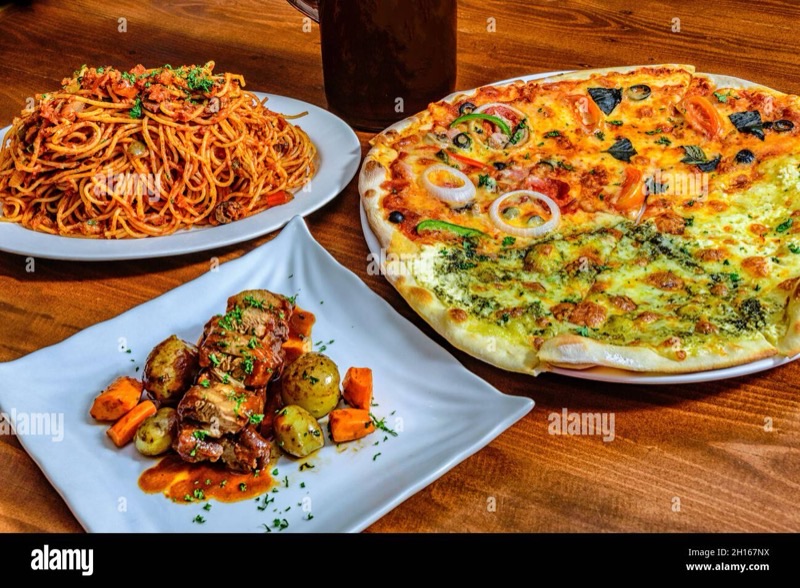
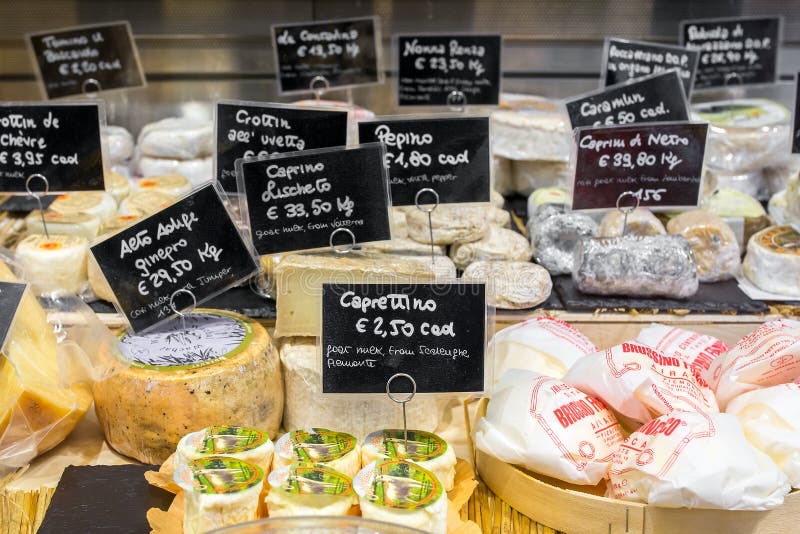
Italy food is a global standard for good reason. Every region has its own specialties, from Naples pizza, costing €5-10 ($5.50-11) at places like Sorbillo, to Roman pasta dishes like Cacio e Pepe, often €12-20 ($13-22) at a trattoria such as Trattoria Da Cesare al Casaletto. Gelato is ubiquitous and inexpensive, around €3-5 ($3.30-5.50) a scoop. The aperitivo tradition in cities like Milan provides drinks and snacks for €10-15 ($11-17). Italian wine is accessible and inexpensive, with decent house wine for €4-6 ($4.50-6.75) a glass. Overall, Italy offers a broader, more internationally recognized and widely appreciated range of dishes.
Tabiji verdict: Italy wins due to its unmatched culinary diversity and global appeal, offering a wider array of dishes that travelers universally enjoy.
- Winner: Italy
- Why: Italy offers a more diverse and globally celebrated food culture with distinct regional specialties.
- Who this matters for: Food enthusiasts and those who prioritize meal experiences as a core part of their travels.
🏛️ History & Culture
Belgium offers a concise historical narrative focused on medieval prosperity and more recent conflicts. Bruges and Ghent showcase preserved medieval towns with canals, guild…
Belgium
Italy
Belgium offers a concise historical narrative focused on medieval prosperity and more recent conflicts. Bruges and Ghent showcase preserved medieval towns with canals, guild houses, and impressive cathedrals like Saint Bavos Cathedral. Brussels features grand Art Nouveau architecture and serves as a major European Union center, with institutions like the European Parliament offering tours. The Flanders Fields region, particularly Ypres, is a somber but important site for WWI history, with museums and memorials like the Menin Gate. Museums like the Royal Museums of Fine Arts in Brussels hold significant collections.
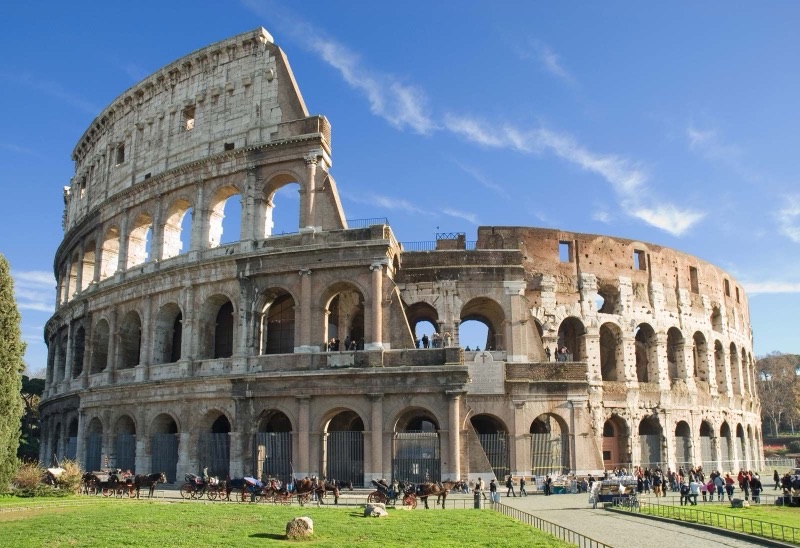
Italy boasts millennia of history, from the Roman Empire to the Renaissance. Rome alone features the Colosseum (€18, $20 entrance), Roman Forum, and Palatine Hill, requiring days to explore. Florence is a cradle of the Renaissance, home to Michelangelos David at the Galleria dellAccademia (€16, $18) and the Uffizi Gallery (€25, $28). Venice presents a unique history of maritime power. Vatican City, an independent state, houses St. Peters Basilica and the Vatican Museums including the Sistine Chapel (€20, $22). Pompeii and Herculaneum offer direct insight into ancient Roman life. The sheer scale and depth of Italys historical contributions are extensive.
Tabiji verdict: Italy provides a far more extensive and impactful historical and cultural journey, covering ancient civilizations, artistic revolutions, and religious significance.
- Winner: Italy
- Why: Italy presents a much broader and deeper historical narrative, encompassing ancient empires, the Renaissance, and major religious sites.
- Who this matters for: History buffs, art lovers, and those interested in foundational Western civilization.
💸 Costs & Budget
Belgium is a moderately expensive Western European country. Accommodation in cities like Brussels or Bruges typically ranges from €80-150 ($89-167) for a mid-range hotel. Eating…
Belgium
Italy
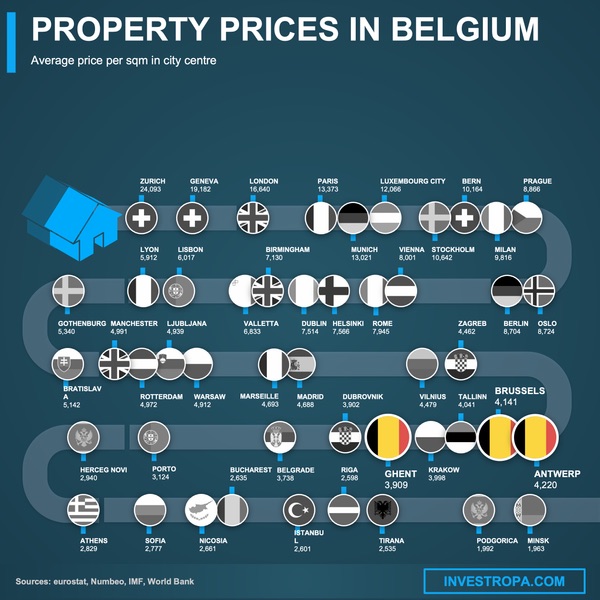
Belgium is a moderately expensive Western European country. Accommodation in cities like Brussels or Bruges typically ranges from €80-150 ($89-167) for a mid-range hotel. Eating out can cost €15-30 ($17-33) for a casual meal, while a sit-down dinner is often €30-50+ ($33-56+). Transportation via train is efficient but not cheap, with a Brussels to Bruges ticket costing around €15-20 ($17-22). Daily budget for a mid-range traveler is usually €100-180 ($110-200), excluding major excursions.
Italy offers more flexibility depending on the region and travel style. While Rome, Florence, and Venice can be costly, with mid-range hotels at €90-160 ($100-178), southern Italy or smaller towns provide more affordable options. A decent pizza in Naples can be €5-10 ($5.50-11), and a full meal in a trattoria outside tourist zones is often €15-25 ($17-28). Trenitalia offers affordable intercity travel if booked in advance. A daily budget for a mid-range traveler is typically €90-170 ($100-190). Smart choices in Italy, like eating street food or aperitivo, can stretch your budget further than in Belgium.
Tabiji verdict: Both countries offer similar price points for a mid-range experience, with Italy offering more pronounced budget options if one travels outside the main tourist centers.
- Winner: Tie
- Why: Both countries have similar cost profiles for mid-range travel, though Italy offers more extreme budget options in certain regions.
- Who this matters for: Budget-conscious travelers and those looking to maximize value.
✈️ Getting There & Away
Belgiums primary international gateway is Brussels Airport (BRU), offering direct flights from major cities in North America, Asia, and other European hubs. For example, a direct…
Belgium
Italy
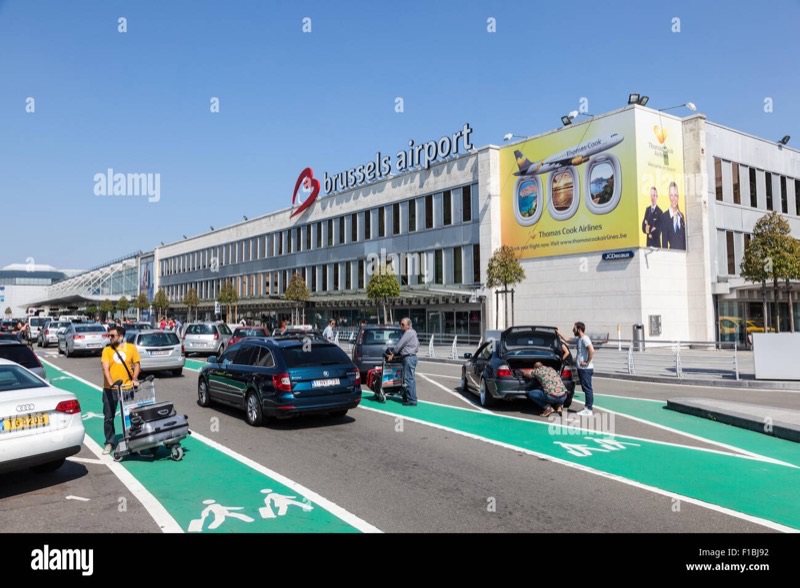
Belgiums primary international gateway is Brussels Airport (BRU), offering direct flights from major cities in North America, Asia, and other European hubs. For example, a direct flight from New York (JFK) to Brussels (BRU) typically takes 7-8 hours. Low-cost carriers like Ryanair and EasyJet also serve Charleroi Airport (CRL), providing budget connections within Europe. Getting from BRU to Brussels city center is simple via train, taking about 17 minutes and costing around €9 ($10).
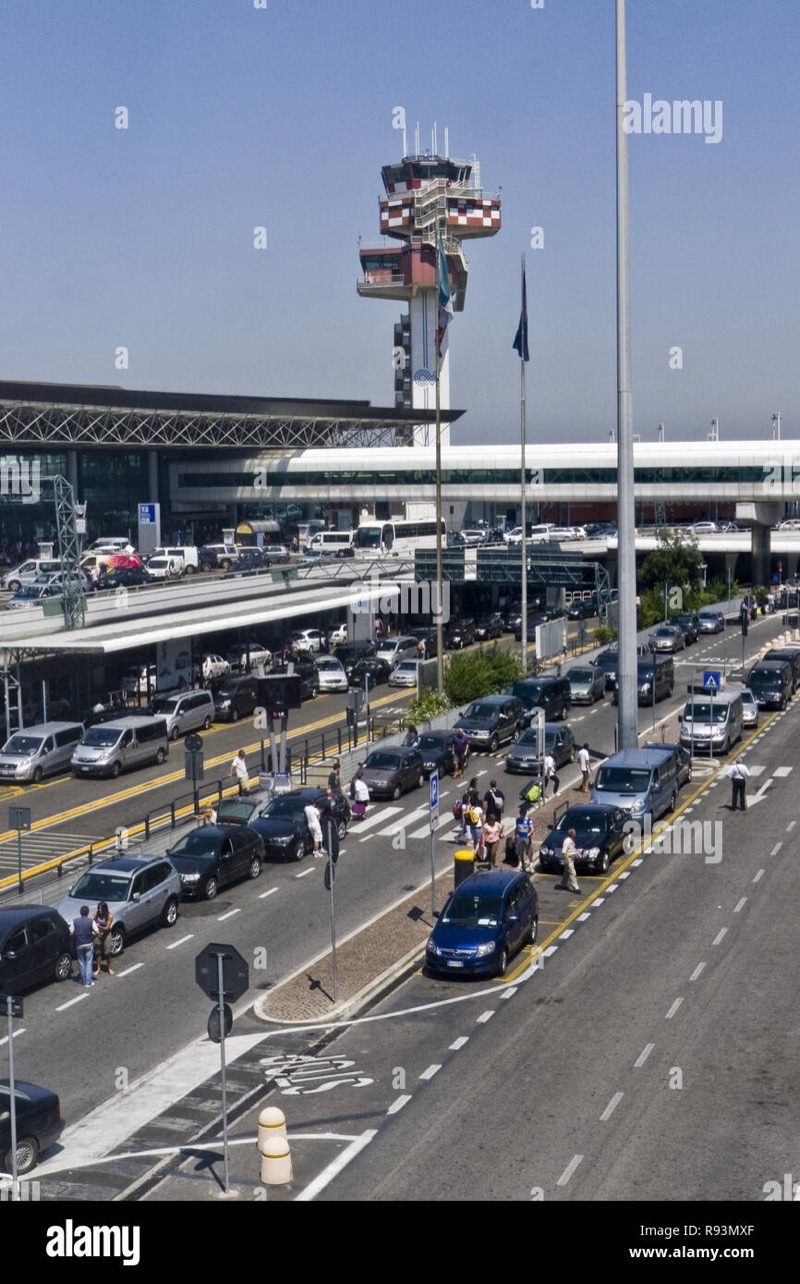
Italy has several large international airports, including Rome Fiumicino (FCO) and Milan Malpensa (MXP), both with extensive direct flight connections from around the world. A direct flight from New York (JFK) to Rome (FCO) takes approximately 8-9 hours. These airports are well-connected to their respective cities by express trains, such as the Leonardo Express from FCO to Roma Termini (32 minutes, €14 or $15.50). Italy also benefits from numerous regional airports that are well-served by budget airlines, allowing easy access to different parts of the country.
Tabiji verdict: Both countries provide excellent air access from international destinations, offering similar convenience for arrival and departure.
- Winner: Tie
- Why: Both Belgium and Italy have well-connected international airports with good transport links to city centers.
- Who this matters for: International travelers and those seeking direct, efficient flight options.
🚆 Getting Around
Belgium is a small country, making internal travel exceptionally efficient. The national rail service (SNCB) connects all major cities and towns frequently. A train from Brussels…
Belgium
Italy
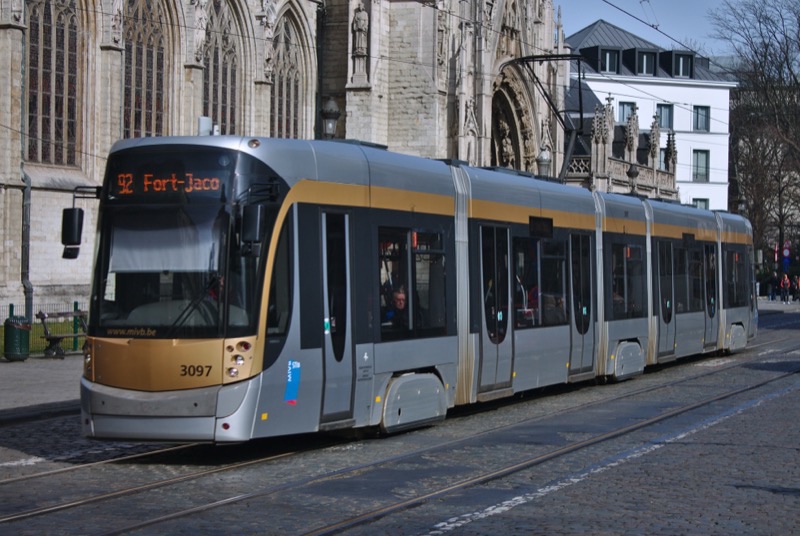
Belgium is a small country, making internal travel exceptionally efficient. The national rail service (SNCB) connects all major cities and towns frequently. A train from Brussels to Bruges takes about an hour and costs roughly €15-20 ($17-22) one way. Ghent is only 30 minutes from Brussels. Cities are very walkable, and public transport within cities (trams, buses, metros) is reliable and easy to use. A single metro ticket in Brussels costs €2.60 ($2.90). Rental cars are generally unnecessary unless exploring very specific rural areas, and parking can be challenging.
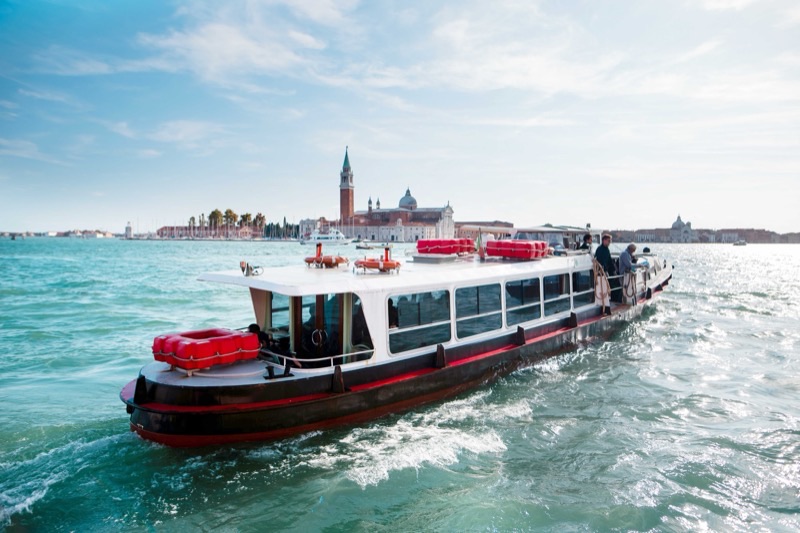
Italy has an extensive train network operated by Trenitalia and the high-speed Italo. High-speed trains connect major cities like Rome, Florence, and Milan efficiently (Rome to Florence is about 1.5 hours, €30-50 or $33-56). However, for smaller towns and rural areas, train service can be slower or require connections, making a rental car more practical for exploring certain regions like Tuscany or Puglia. Public transport within Italian cities can be good but is often crowded and less punctual than in Belgium. Driving in larger cities is not recommended due to ZTLs (limited traffic zones) and chaotic traffic.
Tabiji verdict: Belgiums compact size and superb, reliable train network make internal travel simpler and more pleasant for most visitors, especially those without a car.
- Winner: Belgium
- Why: Belgiums smaller size and highly efficient, integrated public transport system make getting around incredibly easy.
- Who this matters for: Travelers who prefer to rely solely on public transportation and enjoy easy day trips.
🏨 Accommodation
Belgium offers a range of accommodation options focused on hotels, guesthouses, and charming bed and breakfasts, particularly in medieval towns like Bruges and Ghent. Mid-range…
Belgium offers a range of accommodation options focused on hotels, guesthouses, and charming bed and breakfasts, particularly in medieval towns like Bruges and Ghent. Mid-range hotels in Brussels or Bruges typically cost €80-150 ($89-167) per night. Quality is generally high, with good standards of cleanliness and service. Hostels are available but less prevalent than in Italy. Unique options include staying in historic guild houses or boutique hotels. Booking in advance is advisable, especially for popular periods like Christmas markets.
Italy provides a vast array of accommodation types, from luxurious five-star hotels in major cities to rustic agriturismos in the countryside, and a strong culture of hostels and guesthouses. Mid-range hotels in Rome or Florence might cost €90-160 ($100-178), while budget hostels can be found for €30-60 ($33-67) a night. Agriturismos, farm stays often including meals, offer a unique experience, with prices varying widely. Quality can be inconsistent, so checking reviews is important, particularly for budget options. Apartments rentals are also very popular across Italy.
Tabiji verdict: Both countries offer suitable accommodation for various budgets, with Belgium providing consistent quality and Italy excelling in unique regional stays and budget options.
- Winner: Tie
- Why: Both countries offer a good range of accommodation types, with Belgium providing reliable quality and Italy offering more unique regional stays.
- Who this matters for: Travelers seeking diverse lodging experiences from budget to luxury.
🏙️ City Experience
Belgian cities offer a concentrated and often remarkably preserved urban experience. Brussels features the magnificent Grand Place, a UNESCO site, surrounded by guildhalls, and…
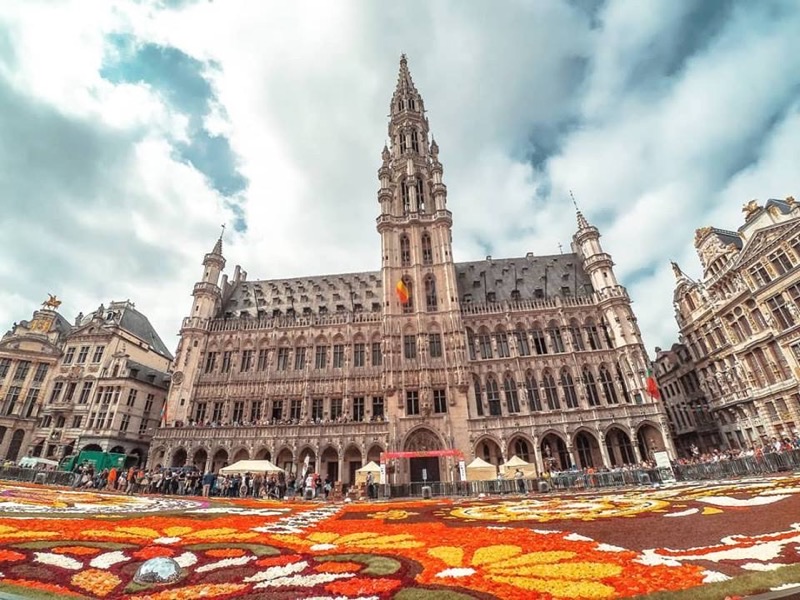
Belgian cities offer a concentrated and often remarkably preserved urban experience. Brussels features the magnificent Grand Place, a UNESCO site, surrounded by guildhalls, and extensive Art Nouveau architecture in areas like Ixelles. Bruges and Ghent are pedestrian-friendly medieval towns with canals, historic market squares, and impressive belfries. Antwerp combines a diamond district with Rubens house and contemporary design. These cities feel organized, clean, and offer a relaxed pace for exploration, with plenty of cafes and specialized beer bars. They are generally compact and easy to navigate on foot.
Italian cities deliver a dramatically different urban environment. Rome is an immense open-air museum with the Colosseum, Pantheon, and Trevi Fountain integrated into modern life. Florence is a Renaissance masterpiece, with the Duomo, Ponte Vecchio, and Uffizi Gallery dominating the center. Venice is a singular experience of canals and gondolas. Naples offers a raw, energetic atmosphere with authentic pizza. These cities are often sprawling, chaotic, and loud, but deliver an intense cultural immersion. Piazza life, street markets, and spontaneous interactions are central to the Italian city experience.
Tabiji verdict: Italys cities, despite their chaos, offer a more profound and historically rich experience that most travelers find more compelling and emotionally engaging.
- Winner: Italy
- Why: Italian cities provide a more profound and varied historical and cultural immersion, from ancient ruins to Renaissance art.
- Who this matters for: Travelers who prioritize grand scale history, iconic landmarks, and a lively urban atmosphere.
🌳 Nature & Scenery
Belgiums natural scenery is generally understated. The Ardennes region in the south offers rolling hills, dense forests, and river valleys, suitable for hiking and cycling,…
Belgiums natural scenery is generally understated. The Ardennes region in the south offers rolling hills, dense forests, and river valleys, suitable for hiking and cycling, particularly around Durbuy or Bouillon. The coastline is flat, characterized by wide sandy beaches and dunes, popular for family holidays, but not dramatic. Polders in Flanders offer flat agricultural landscapes. While pleasant, Belgium does not feature significant mountains or large-scale wilderness. Its beauty is more subtle, found in well-tended landscapes and small rural villages.
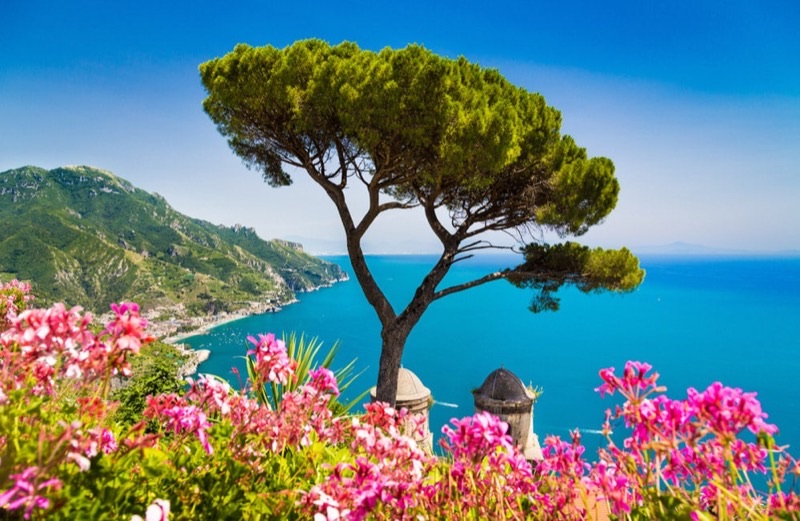
Italy offers an extraordinary range of natural environments. The Dolomites in the north provide towering, jagged peaks for hiking and skiing. Tuscany is famous for its rolling hills, cypress trees, and vineyards. The Amalfi Coast and Cinque Terre present dramatic cliffside villages overlooking the Mediterranean Sea. Lakes like Garda and Como are known for their serene beauty. Sicily features Mount Etna, an active volcano, and diverse coastlines. Sardinia offers pristine beaches and turquoise waters. From snowy peaks to volcanic islands and sunny coasts, Italys natural diversity is extensive and visually impactful.
Tabiji verdict: Italy offers a vastly more diverse and dramatic range of natural landscapes, from majestic mountains to stunning coastlines and active volcanoes.
- Winner: Italy
- Why: Italy boasts a significantly more diverse and dramatic range of natural landscapes, including mountains, coasts, and volcanoes.
- Who this matters for: Outdoor enthusiasts, photographers, and those seeking varied natural beauty.
🚶 Pace of Travel
Belgium lends itself to a relaxed yet efficient pace of travel. Due to its compact size and excellent train system, you can base yourself in one city, like Brussels, and easily…
Belgium lends itself to a relaxed yet efficient pace of travel. Due to its compact size and excellent train system, you can base yourself in one city, like Brussels, and easily take day trips to Bruges, Ghent, Antwerp, or Leuven, each taking less than an hour by train. This allows for a less hurried experience, spending more time enjoying specific locations rather than constantly packing and unpacking. Even within cities, the pedestrian-friendly centers encourage leisurely exploration of squares and cafes. It is possible to see much of Belgiums highlights in 4-7 days without feeling rushed.
Italy often encourages a faster pace in its major cities due to the sheer volume of sights, but a slower pace in rural regions. Covering Rome, Florence, and Venice in a week is common but can feel like a whirlwind. Distances between major attractions are greater, necessitating more travel time and planning. While slow travel is possible in regions like Tuscany or Puglia, the temptation to see many iconic sites often leads to a quicker, more packed itinerary. The intensity of Italian cities can also contribute to a feeling of moving quickly between experiences.
Tabiji verdict: Belgiums smaller scale and efficient transport allow for a more relaxed and less rushed travel pace, making it easier to absorb each location.
- Winner: Belgium
- Why: Belgiums compact geography and efficient transport allow for a more relaxed and less rushed travel pace, making it easier to absorb each location.
- Who this matters for: Travelers who prefer to minimize travel time between destinations and enjoy a slower, more deliberate exploration.
☀️ Seasons & Weather
Belgium has a temperate maritime climate, characterized by mild summers and cool, wet winters. Summer temperatures (June-August) average 17-22°C (63-72°F), but rain is common even…
Belgium has a temperate maritime climate, characterized by mild summers and cool, wet winters. Summer temperatures (June-August) average 17-22°C (63-72°F), but rain is common even then. Spring and autumn are pleasant but can be unpredictable. Winters (December-February) are cold, averaging 0-5°C (32-41°F), often with overcast skies and occasional light snow. The weather can be quite variable, and packing layers is always a good idea. There are fewer distinct sunny days compared to Southern Europe, which might impact outdoor activities.
Italy offers a diverse range of climates, but generally boasts more sunshine. The south has a Mediterranean climate with hot, dry summers (often 28-35°C or 82-95°F) and mild, wet winters. The north, particularly around the Alps, has a more continental climate with colder winters and distinct seasons. Spring and autumn are generally warm and sunny across much of the country, making them ideal for sightseeing. Summers can be very hot, especially in cities like Rome, but the coasts offer relief. The longer periods of predictable sunshine and warmth are a significant draw for many visitors.
Tabiji verdict: Italy generally provides more favorable and predictable weather for tourism, particularly with its hot, sunny summers and distinct seasonal changes.
- Winner: Italy
- Why: Italy generally offers more predictable sunshine, warmer temperatures, and a wider variety of climate experiences, especially desirable for summer travel.
- Who this matters for: Sun-seekers, those planning beach or outdoor activities, and travelers sensitive to cold or frequent rain.
🎯 The Decision Framework
Choose Belgium If…
- You appreciate medieval architecture and canal cities like Bruges.
- Your priority is world-class chocolate and an extensive beer selection.
- You want a highly efficient travel experience with short train rides between cities.
- You are interested in WWI history, particularly the Flanders Fields region.
- You prefer a more reserved and orderly travel environment.
- You are visiting European Union institutions in Brussels.
- You enjoy compact, walkable city centers where everything is close.
- You value high-quality public transport and rarely need a car.
Choose Italy If…
- You dream of exploring ancient Roman ruins and Renaissance art.
- Your itinerary revolves around pasta, pizza, and regional Italian cuisine.
- You seek warm, sunny weather and diverse natural landscapes from mountains to coast.
- You are prepared for a more spontaneous, sometimes chaotic, but passionate cultural experience.
- You want to visit iconic landmarks like the Colosseum, Vatican City, or the Duomo.
- You are interested in exploring wine regions and sampling local vintages.
- You enjoy the energetic atmosphere of bustling piazzas and street life.
- You plan to spend more than a week and explore different regions of a larger country.
📅 Sample Itineraries
Weekend in Belgium (3 Days)
💡 Purchase a Go Pass 10 (for under 26) or a Standard Multi (for all ages) for train travel between cities to save significantly; a single journey can cost as little as $9-10 with these passes.
Weekend in Italy (3 Days)
💡 Book popular attractions like the Colosseum and Vatican Museums online in advance to skip long queues, saving hours of waiting time, especially during peak season.
One Week in Belgium (7 Days)
💡 Consider buying a 'Museum Pass' if you plan to visit many attractions, which can offer savings, or research city cards like the 'Brussels Card' for public transport and discounts on museums.
One Week in Italy (7 Days)
💡 Utilize Italy's efficient high-speed train network (Frecciarossa, Italo) by booking tickets several weeks in advance for significant savings, often cutting fares by 30-50% compared to last-minute purchases.
❓ Frequently Asked Questions
Is Italy much more expensive than Belgium?
Not significantly for mid-range travelers. Belgium generally costs €100-180 ($110-200) per day for accommodation, food, and transport. Italy can range from €90-170 ($100-190) daily. Major Italian cities like Rome or Venice are comparable to Brussels, but Italy offers more budget-friendly options in smaller towns or the south, making it potentially cheaper overall if you are flexible.
How long should I plan for a trip to each country?
For Belgium, 4-7 days is sufficient to see Brussels, Bruges, Ghent, and perhaps one other city. For Italy, due to its size and diversity, a minimum of 7-10 days is recommended to visit 2-3 major regions (e.g., Rome and Florence), with 2-3 weeks ideal for a comprehensive tour including south or north.
Which country has better train travel?
Belgium wins for ease and efficiency of train travel within the country. Its compact size means short, frequent connections between all major cities. Italy has an extensive high-speed network for major routes, but regional trains can be slower, and distances are much greater, making travel between regions take longer.
Is the food truly better in Italy?
For most international travelers, yes. Italy offers a broader, more universally appealing and diverse range of dishes, from pizza and pasta to regional specialties. Belgiums food is excellent, with its specific focus on frites, waffles, chocolate, and beer, but Italys culinary offerings are generally considered more extensive and varied.
Which country is better for a first-time European traveler?
Italy is often a more impactful choice for a first-time European traveler due to its iconic landmarks, ancient history, and generally warmer weather. However, Belgiums ease of navigation and concentrated sights make it a less overwhelming introduction to European travel if that is a preference.
Are there good beaches in either country?
Italy has extensive and varied coastlines, from the dramatic cliffs of the Amalfi Coast and Cinque Terre to the sandy beaches of Sardinia and Sicily, offering many excellent options. Belgiums coast is flat with wide sandy beaches, popular but less visually striking than Italys Mediterranean shores. If beaches are a priority, Italy is the clear winner.
Which country has better nightlife?
Italy generally offers a more energetic and social nightlife, especially in major cities like Rome, Milan, and Naples, with vibrant bars, clubs, and aperitivo culture. Belgiums nightlife is more focused on its world-renowned beer bars and pubs, particularly in Brussels and Antwerp, offering a different, often more relaxed, experience.
Is English widely spoken in both countries?
In major tourist areas and cities in both Belgium and Italy, English is widely spoken, especially by younger generations and those in the service industry. However, learning a few basic phrases in French/Dutch in Belgium and Italian in Italy is always appreciated and can enhance your experience in less touristy areas.
Ready to plan your European trip?
Get a free custom itinerary for Belgium, Italy, or both — built from real traveler insights.
👥 Travelers Also Compared
🎟️ Book Tours & Experiences
Hand-picked tours and activities for both destinations — book with free cancellation
Experiences via Viator — free cancellation on most tours