How we built this comparison
This page combines traveler discussion patterns, published price ranges, flight schedules, and seasonal data to help you decide between Belgium and Portugal.
- Reviewed 50+ Reddit threads from r/travel, r/solotravel, r/Belgium, r/Portugal, etc.
- Verified costs and logistics against current booking platforms like Google Flights, Booking.com, and national rail sites.
- Cross-referenced seasonal patterns and weather data from meteorological sources.
⚡ Quick Answers
⚡ The TL;DR Verdict
For most travelers seeking better value, consistent sunshine, and a more relaxed pace, Portugal is the stronger choice, especially outside peak season. Belgium appeals to those prioritizing efficient city exploration, specific food items, and a different type of European elegance. Expect to spend $77-132/day in Portugal versus $110-165/day in Belgium for a mid-range trip.
- Choose Belgium: Travelers who appreciate intricate architecture, specialized food items like mussels and frites, efficient train travel between compact cities, and a cooler climate will prefer Belgium.
- Choose Portugal: Travelers seeking sunshine, expansive beaches, budget-friendly options, a longer history of global exploration, and a more laid-back atmosphere should pick Portugal.
- Choose Both: Combine both for a varied European experience. Allocate 4-5 days for Belgium (Brussels, Bruges, Ghent) and 7-10 days for Portugal (Lisbon, Porto, Algarve). Flight between them is about 2.5 hours, costing around €50-150 ($55-165).
Choose Belgium
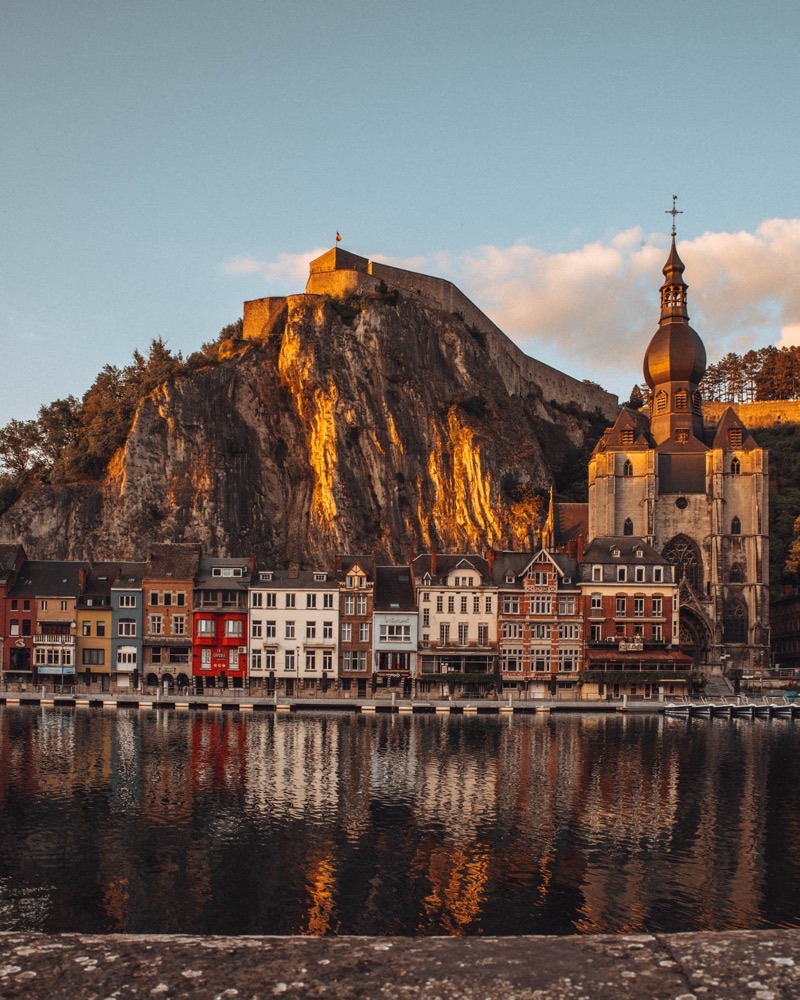
Best for travelers who revel in efficient city exploration and a cooler climate, Belgium offers a refined European experience. Wander through the intricate medieval streets of Bruges, marvel at Brussels' Grand Place, and savor world-class chocolates or a hearty plate of mussels and frites. This destination suits those prioritizing specific gourmet delights and accessible historical beauty, expecting $110-165/day.
Choose Portugal
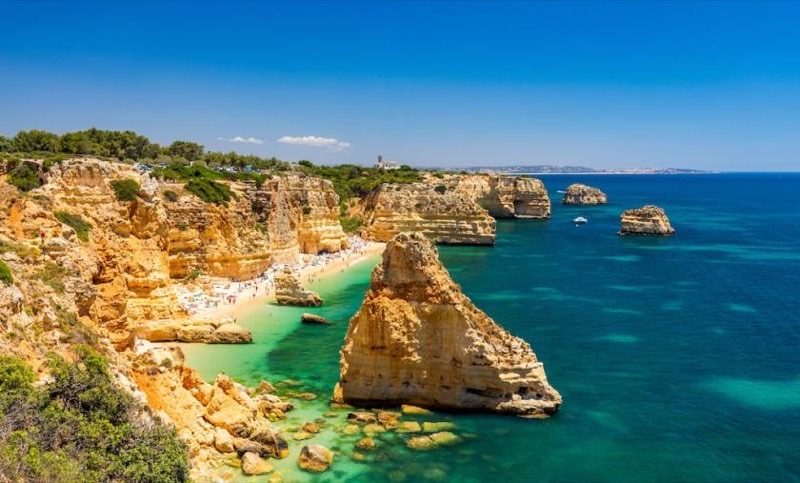
Portugal is ideal for value-seeking travelers desiring consistent sunshine, expansive beaches, and a laid-back pace. Explore the historic Alfama district in Lisbon, indulge in fresh seafood along the Algarve coast, or discover the charm of Porto's riverside. It’s perfect for those wanting a relaxed trip with rich history and stunning natural beauty at a more budget-friendly price point of $77-132/day.
📊 Visual Scorecard
🌤 When to Visit
Average high temperatures (°C). Green = best months, orange = avoid.
Quick Comparison
| Category | Belgium | Portugal | Winner |
|---|---|---|---|
| Costs & Budget | Higher daily costs for food, accommodation, and transport; expect €100-150 ($110-165) per day without lodging. | More budget-friendly across the board; expect €70-120 ($77-132) per day without lodging, with cheaper dining. | Portugal |
| Food & Drink | Known for specific, hearty items like waffles, frites, mussels, chocolate, and a vast beer selection. | Mediterranean diet, fresh seafood, custard tarts, and a strong wine culture; varied and generally lighter cuisine. | Portugal |
| City Exploration & Culture | Compact, walkable cities like Bruges and Ghent with medieval architecture, art, and efficient museums. | Hilly, atmospheric cities like Lisbon and Porto with historic districts, Fado music, and maritime history. | Belgium |
| Beaches & Nature | Limited coastline along the North Sea, flat landscapes, some forests and Ardennes hills in the south. | Extensive Atlantic coastline, famous beaches in the Algarve, dramatic cliffs, and diverse landscapes from mountains to plains. | Portugal |
| Getting There & Around | Brussels Airport (BRU) is a major hub. Excellent, efficient train network for intercity travel. | Lisbon (LIS) and Porto (OPO) are main international airports. Good train and bus networks, often requiring transfers. | Belgium |
| Accommodation | Diverse options from budget hostels to boutique hotels; generally higher prices in tourist hubs. | Wide range of options including hostels, guesthouses, and apartments, often at more competitive prices. | Portugal |
| Nightlife & Socializing | Beer-focused nightlife, cozy pubs, and some dance clubs in larger cities; more subdued overall. | Lively bar scenes, outdoor terraces, Fado clubs, and a generally more outgoing social atmosphere, especially in Lisbon and Porto. | Portugal |
| Day Trips & Excursions | Excellent for short, efficient train trips between historic cities like Bruges, Ghent, Antwerp. | Offers varied day trips from coastal towns to historical sites and wine regions, sometimes requiring more planning. | Belgium |
| Weather & Seasons | Temperate maritime climate, mild summers, cool and often rainy winters, grey skies common. | Mediterranean climate with hot, dry summers and mild, wet winters; much more sunshine overall. | Portugal |
| Pace & Atmosphere | More structured, efficient, and sometimes reserved; focused on historical sites and specific culinary items. | Relaxed, easygoing, and open; a slower pace of life, particularly outside major cities, with a friendly demeanor. | Portugal |
💸 Costs & Budget
Belgium generally presents a higher cost of travel. A main course in Brussels at a casual restaurant costs €18-25 ($20-28), a local beer €4-8 ($4.40-8.80). Accommodation in…
Belgium
Portugal
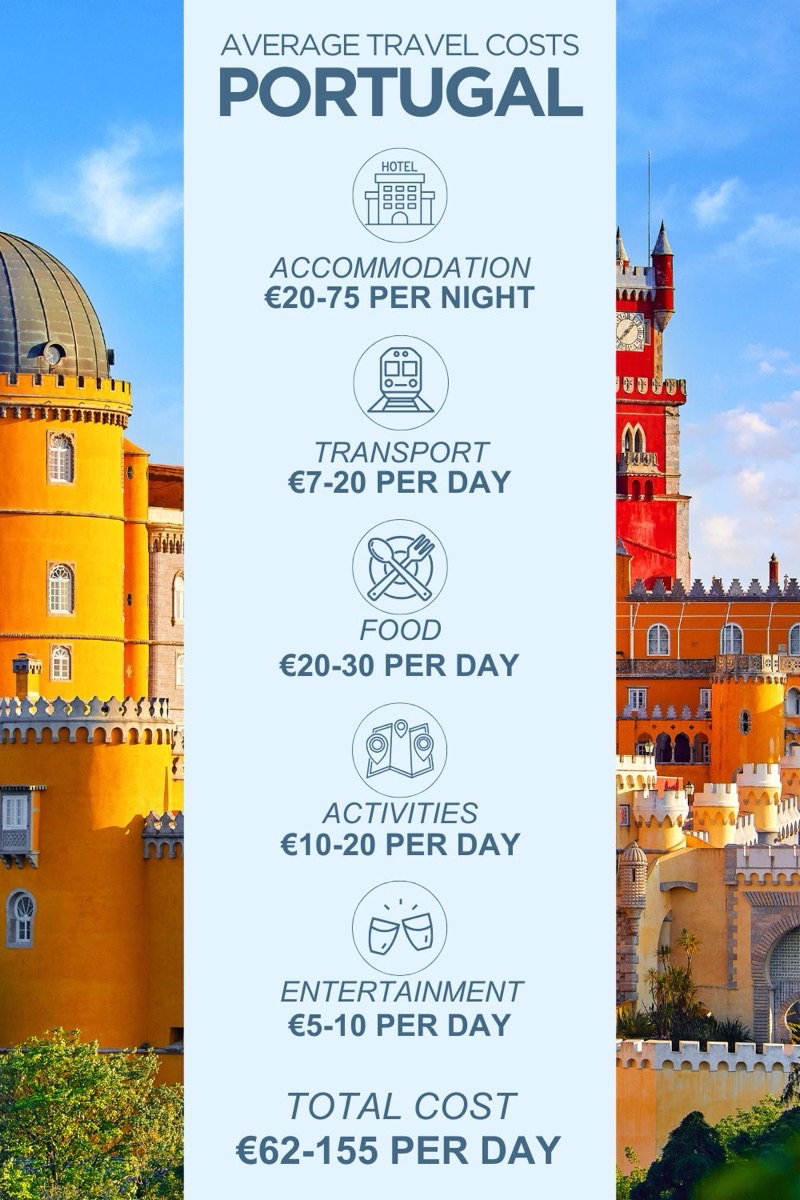
Belgium generally presents a higher cost of travel. A main course in Brussels at a casual restaurant costs €18-25 ($20-28), a local beer €4-8 ($4.40-8.80). Accommodation in central Brussels or Bruges for a decent hotel can range from €100-180 ($110-200) per night. Train tickets between major cities like Brussels and Ghent are around €9-15 ($10-17) one way. Groceries are also more expensive than in Portugal, making self-catering less of a cost-saver by comparison.
Portugal offers significantly better value. A main dish in Lisbon can be found for €10-18 ($11-20), and a glass of local wine for €3-5 ($3.30-5.50). Hostel beds start at €20 ($22), and a good mid-range hotel in Lisbon or Porto costs €70-130 ($77-143) per night. Intercity train travel, such as Lisbon to Porto, costs around €25-35 ($28-39) if booked in advance. Daily expenses, including coffee for €1-1.50 ($1.10-1.65) and a pastel de nata for €1.20 ($1.30), add up more slowly. Tabiji verdict: For budget-conscious travelers, Portugal provides substantially more value for money.
- Winner: Portugal
- Why: Portugal offers lower prices for accommodation, food, drink, and transport, making overall travel more affordable.
- Who this matters for: Budget travelers, long-term travelers, and those seeking to maximize their spending power.
🍽️ Food & Drink
Belgium excels in specific indulgent categories. Belgian frites, often served with a choice of sauces, are a staple, costing €3-6 ($3.30-6.60) from a Frituur. Mussels with frites…

Belgium
Portugal
Belgium excels in specific indulgent categories. Belgian frites, often served with a choice of sauces, are a staple, costing €3-6 ($3.30-6.60) from a Frituur. Mussels with frites (Moules-frites) are a common main dish for €20-30 ($22-33). Belgian chocolate shops like Godiva and Leonidas are ubiquitous, with pralines costing around €1-2 ($1.10-2.20) each. The beer culture is extensive, with Trappist and Abbey beers offering complex profiles, often served in specific glasses, priced at €4-8 ($4.40-8.80) per glass. Dining outside these specialties can be less distinctive, and vegetarian options sometimes require more searching.
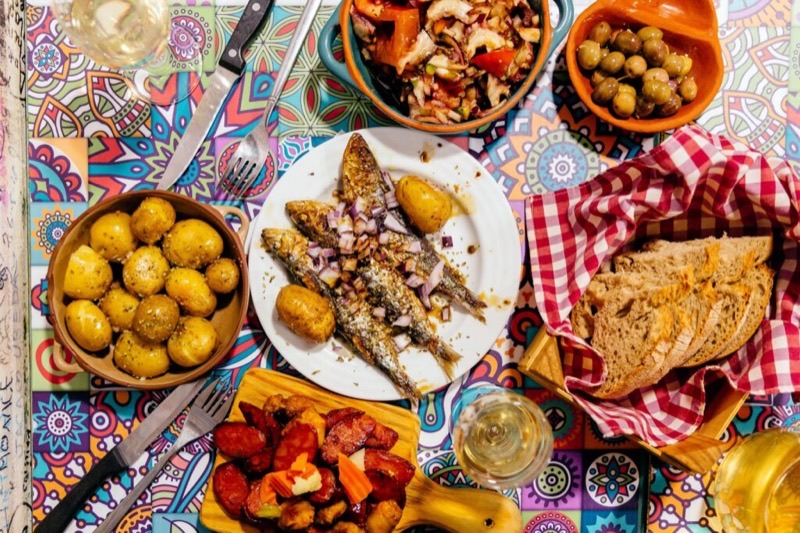
Portugal provides a broader culinary experience with fresh ingredients and seafood. Bacalhau (codfish) prepared in countless ways is a national dish, with meals costing €15-25 ($17-28). Grilled sardines are a seasonal favorite, particularly in Lisbon during summer, available for €10-20 ($11-22) a plate. Pastel de nata, the custard tart, is a ubiquitous treat from €1-1.50 ($1.10-1.65), with Pastéis de Belém being a famous spot. Portuguese wine, especially from the Douro Valley, is excellent and affordable, with a good bottle costing €8-15 ($9-17) in a supermarket. The food is generally lighter and more diverse than Belgium's specialized offerings, with a greater emphasis on fresh produce and olive oil. Tabiji verdict: Portugal offers a wider range of consistently excellent and affordable dining experiences beyond a few famous items.
- Winner: Portugal
- Why: Portugal offers a broader and generally healthier cuisine with fresh ingredients, excellent seafood, and a strong wine culture at better prices.
- Who this matters for: Food enthusiasts, seafood lovers, and those seeking a Mediterranean diet experience.
🏛️ City Exploration & Culture
Belgium excels in concentrated doses of Western European history and art. Brussels features the Grand Place, a UNESCO site, and museums like the Royal Museums of Fine Arts.…
Belgium
Portugal
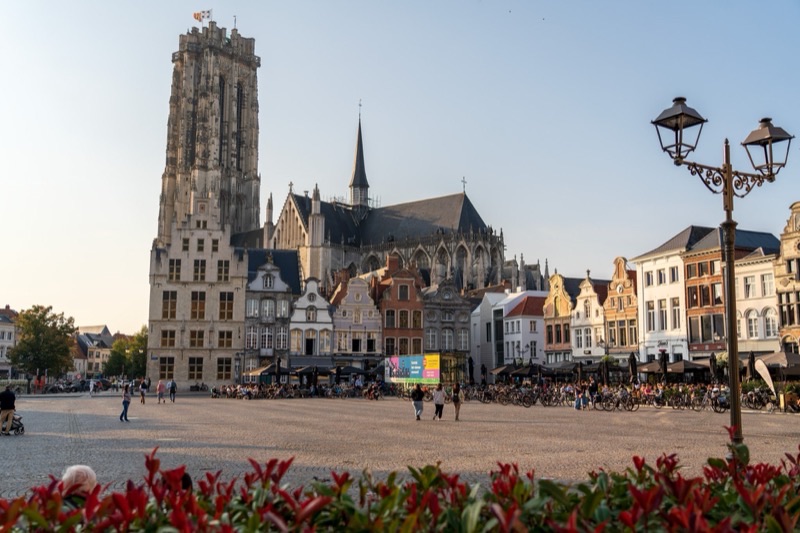
Belgium excels in concentrated doses of Western European history and art. Brussels features the Grand Place, a UNESCO site, and museums like the Royal Museums of Fine Arts. Bruges, often called the 'Venice of the North,' offers canals, medieval buildings, and Belfry climbs for €14 ($15.40). Ghent combines medieval core with student energy and Gravensteen castle for €12 ($13.20). These cities are easily navigated on foot or by short public transport rides. The culture is orderly, with a focus on historical preservation and accessible museums.
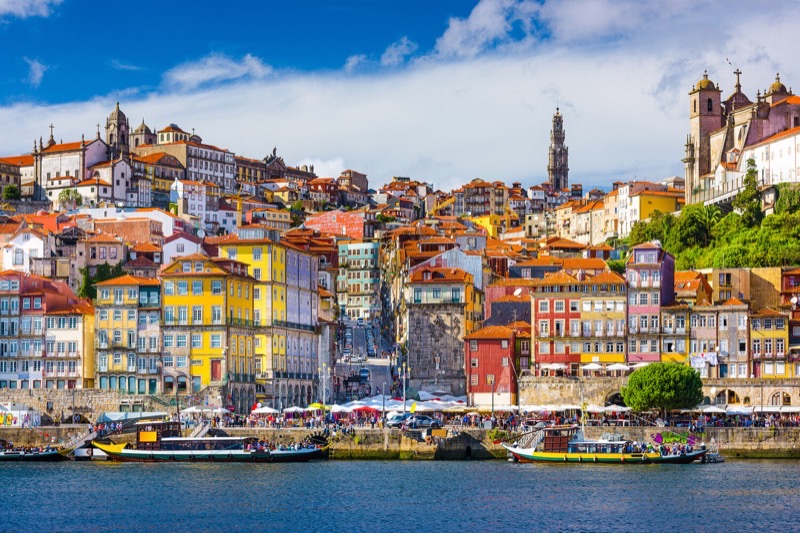
Portugal's cities offer a different kind of historical depth and atmosphere. Lisbon, with its Alfama district, São Jorge Castle (€10 / $11), and Belém Tower (€6 / $6.60), tells tales of explorers and empire. Fado music, particularly in Lisbon and Coimbra, provides an emotional cultural experience, with Fado shows costing €25-40 ($28-44). Porto's Ribeira district and Port wine cellars offer a distinct feel. The cities are often hilly, requiring more effort to explore, with charming but sometimes uneven cobblestone streets. While rich in history, the overall experience can be less about perfectly preserved medieval centers and more about a living, evolving historical narrative. Tabiji verdict: Belgium’s cities offer a more concentrated and immediately accessible experience of well-preserved medieval European architecture and art.
- Winner: Belgium
- Why: Belgium's cities provide a more concentrated and visually impactful experience of medieval European architecture and accessible history.
- Who this matters for: Architecture enthusiasts, those interested in medieval European history, and travelers who prefer compact, walkable cities.
🏖️ Beaches & Nature
Belgium's natural offerings are modest compared to its southern counterpart. The Belgian coast along the North Sea is primarily flat and developed, with towns like Ostend and…
Belgium
Portugal
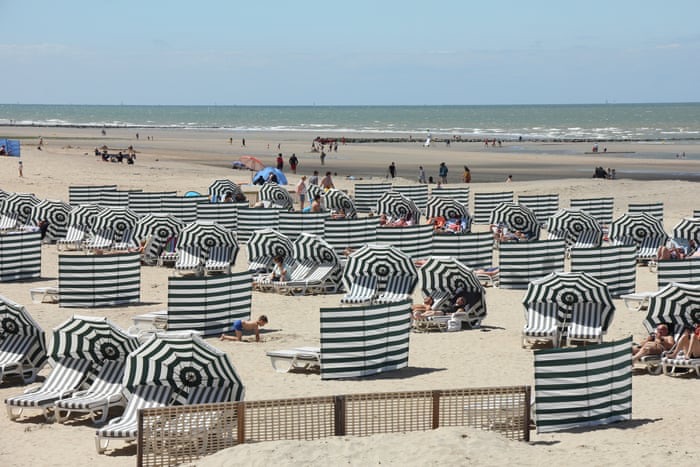
Belgium's natural offerings are modest compared to its southern counterpart. The Belgian coast along the North Sea is primarily flat and developed, with towns like Ostend and Knokke-Heist offering sandy stretches but lacking the dramatic scenery of other European coasts. The Ardennes region in the south provides some rolling hills, forests, and opportunities for hiking and kayaking, particularly around Durbuy. The landscape is generally green and pastoral, but it does not feature grand mountain ranges or expansive wilderness areas. Nature activities are typically centered around managed parks and smaller reserves.
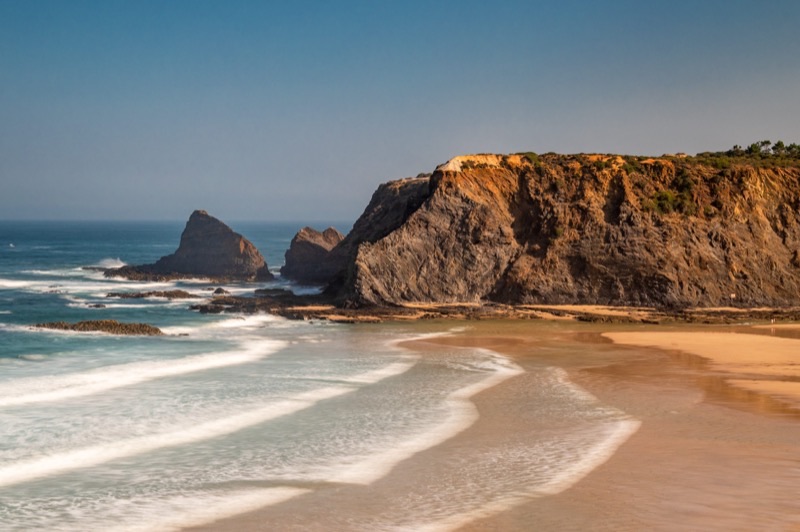
Portugal is a clear frontrunner for beaches and natural environments. The Algarve region boasts miles of sandy beaches, golden cliffs, and sea caves, with popular spots like Praia da Marinha. Surfing beaches are plentiful along the west coast, especially near Ericeira and Nazaré. The dramatic cliffs of Sagres and the Parque Natural da Arrábida offer stunning coastal views and hiking opportunities. Inland, the Douro Valley presents terraced vineyards and a river landscape, while the Parque Nacional da Peneda-Gerês in the north provides mountains, waterfalls, and hiking trails. The diversity of coastal and inland natural environments is considerable. Tabiji verdict: Portugal offers vastly superior and more diverse natural landscapes, particularly for beaches and coastal scenery.
- Winner: Portugal
- Why: Portugal has a much longer, more diverse, and more impressive coastline with dramatic cliffs and beaches, alongside varied inland natural parks.
- Who this matters for: Beach lovers, surfers, hikers, and those seeking expansive natural beauty and outdoor activities.
✈️ Getting There & Around
Belgium offers exceptional internal connectivity. Brussels Airport (BRU) is a central European hub with flights from many international cities; a direct flight from New York (JFK)…
Belgium
Portugal
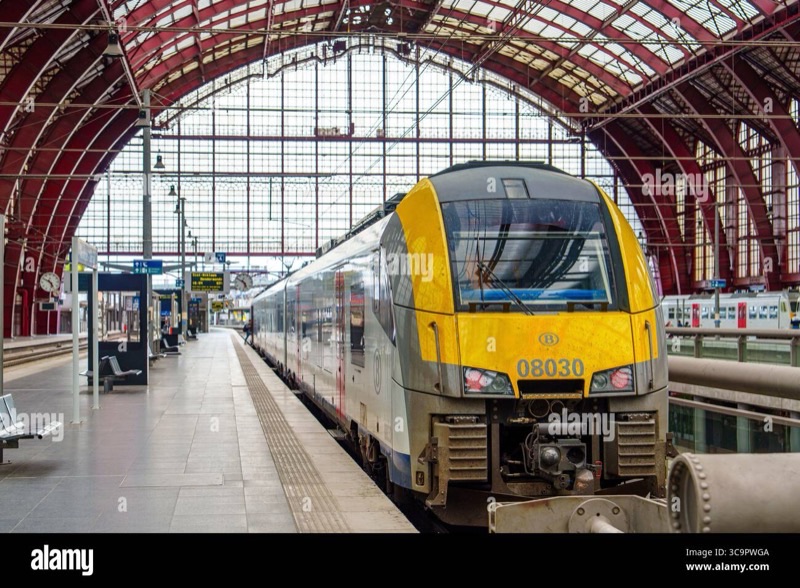
Belgium offers exceptional internal connectivity. Brussels Airport (BRU) is a central European hub with flights from many international cities; a direct flight from New York (JFK) takes about 7-7.5 hours and costs $500-800 round trip. Once in Belgium, the train system is highly efficient and covers the entire country. You can travel from Brussels to Bruges in about 1 hour for €14-16 ($15-18), or to Ghent in 30 minutes for €9-11 ($10-12). Cities are close, making day trips easy, and train stations are usually centrally located. Public transport within cities like Brussels and Antwerp is also comprehensive, featuring trams, buses, and metro. Distances are short, so travel time between points of interest is minimal.
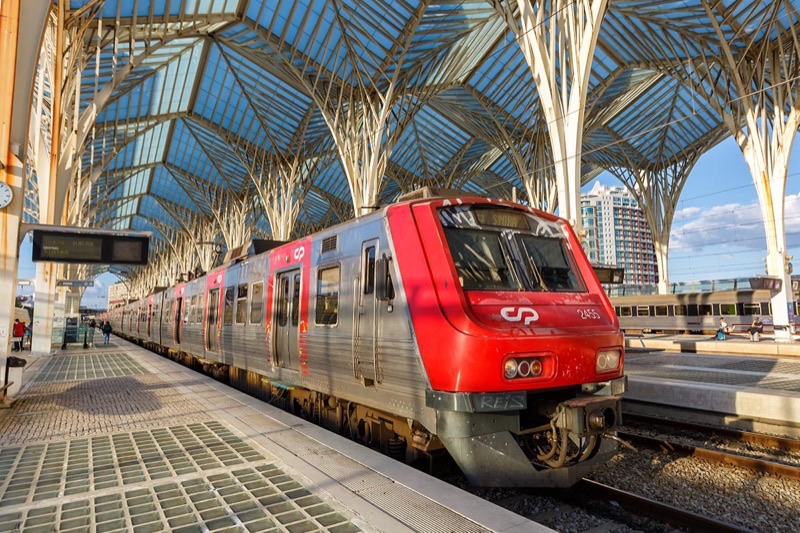
Portugal has good international airports in Lisbon (LIS) and Porto (OPO); a direct flight from New York (JFK) to Lisbon takes around 6.5-7 hours and costs $500-800 round trip. Intercity travel is reliable with both train (CP - Comboios de Portugal) and bus networks (Rede Expressos). A fast train from Lisbon to Porto takes about 2.5-3 hours and costs €25-35 ($28-39). However, reaching smaller towns, especially in the Algarve or rural areas, often requires a bus connection or renting a car. Public transport within Lisbon includes a metro, trams (including the historic Tram 28), and buses. Cities are generally larger, so getting around within them can take more time, especially given the hilly terrain in places like Lisbon. Tabiji verdict: Belgium’s compact size and superb, direct train network make internal travel significantly easier and faster.
- Winner: Belgium
- Why: Belgium's compact size and highly efficient, direct train network make getting between major cities faster and simpler.
- Who this matters for: Travelers who prioritize quick, easy, and direct intercity transport without needing a rental car.
🏨 Accommodation
Accommodation in Belgium can be on the pricier side, especially in popular tourist destinations like Bruges and Brussels. A decent private room in a hostel in Brussels might cost…
Accommodation in Belgium can be on the pricier side, especially in popular tourist destinations like Bruges and Brussels. A decent private room in a hostel in Brussels might cost €70-100 ($77-110) per night. Mid-range hotels in city centers, such as the easyHotel Brussels City Centre, often start from €110-180 ($121-198) per night. Boutique hotels can exceed €200 ($220). While quality is generally good, finding affordable options during peak season or weekends requires booking well in advance. Airbnbs are available but often reflect hotel pricing in popular areas.
Portugal offers a broader spectrum of accommodation at more competitive prices. Hostel dorm beds in Lisbon or Porto can be found for €20-40 ($22-44), while private rooms in well-rated hostels often cost €50-80 ($55-88). Mid-range hotels in central areas, like The Independente Hostel & Suites in Lisbon, often start from €80-130 ($88-143). Guesthouses (Alojamento Local) and apartments are plentiful and provide good value. In the Algarve, resorts and guesthouses are also more affordable than comparable options in Belgium. The variety and price points make it easier for travelers on different budgets to find suitable lodging. Tabiji verdict: Portugal offers a better combination of price, quality, and variety for accommodation across all budget levels.
- Winner: Portugal
- Why: Portugal provides more affordable and diverse accommodation options, from hostels to guesthouses, offering better value for money.
- Who this matters for: Budget travelers, families, and those seeking good value without compromising on comfort.
🍻 Nightlife & Socializing
Belgium's nightlife centers heavily on its beer culture. Brussels, Antwerp, and Ghent have numerous 'brown cafés' or traditional pubs where locals gather for a wide selection of…
Belgium's nightlife centers heavily on its beer culture. Brussels, Antwerp, and Ghent have numerous 'brown cafés' or traditional pubs where locals gather for a wide selection of beers. Delirium Café in Brussels, for example, boasts thousands of beer options. Prices for a beer range from €4-8 ($4.40-8.80). Dance clubs exist in larger cities, but they are not the primary draw. The atmosphere is generally more relaxed and conversational, rather than high-energy. Socializing often happens in smaller groups over drinks.
Portugal, particularly Lisbon and Porto, offers a more energetic and outdoor-oriented nightlife. Lisbon's Bairro Alto district comes alive at night with bars spilling out onto the streets, and drinks are relatively inexpensive (a beer for €2-4 / $2.20-4.40). Cais do Sodré has clubs and live music venues. Porto's Galerias de Paris area provides a similar vibrant scene. Fado houses in Alfama offer a unique, emotional cultural experience for €25-40 ($28-44) including a drink or meal. The warmer climate encourages outdoor socializing, and locals are generally more outwardly expressive and welcoming. Tabiji verdict: Portugal delivers a more active, diverse, and budget-friendly nightlife experience, especially for those seeking lively social interactions.
- Winner: Portugal
- Why: Portugal offers a more lively, diverse, and generally more affordable nightlife scene with a greater emphasis on outdoor socializing and varied entertainment.
- Who this matters for: Younger travelers, solo travelers looking to meet people, and those who enjoy a lively evening scene.
🗺️ Day Trips & Excursions
Belgium is ideal for efficient day trips. From Brussels, you can reach Bruges in about 1 hour by train (€14-16 / $15-18 return), Ghent in 30 minutes (€9-11 / $10-12 return), and…
Belgium is ideal for efficient day trips. From Brussels, you can reach Bruges in about 1 hour by train (€14-16 / $15-18 return), Ghent in 30 minutes (€9-11 / $10-12 return), and Antwerp in 45 minutes (€9-11 / $10-12 return). Each city offers a distinct historical and architectural experience, making it easy to see multiple highlights in a single trip without feeling rushed. The short distances and frequent train services mean you can comfortably base yourself in one city and explore several others within a few days. The Ardennes region, while requiring a bit more effort, offers natural excursions.
Portugal offers compelling day trips, but they often require more time or specific transport. From Lisbon, popular excursions include Sintra (Pena Palace entrance €14 / $15.40, train €2.30 / $2.50 one way, 40 minutes), Cascais (beach town), and Évora (historic city). Porto offers day trips to the Douro Valley for wine tasting, often via organized tours costing €80-120 ($88-132), or scenic train rides. While the destinations are diverse, the travel times can be longer, and public transport connections to some sites might be less direct than in Belgium, occasionally necessitating a rental car or tour. Tabiji verdict: Belgium's compact nature and superior train network make it the top choice for easy, efficient, and varied day trips.
- Winner: Belgium
- Why: Belgium's small size and interconnected train network allow for quick, easy, and numerous day trips between major historic cities.
- Who this matters for: Travelers who prefer to base themselves in one city and explore multiple destinations without long travel times.
☀️ Weather & Seasons
Belgium experiences a temperate maritime climate. Summers (June-August) are mild, with average temperatures around 18-22°C (64-72°F), but rain is frequent and skies can often be…
Belgium experiences a temperate maritime climate. Summers (June-August) are mild, with average temperatures around 18-22°C (64-72°F), but rain is frequent and skies can often be overcast. Winters (December-February) are cool, averaging 0-5°C (32-41°F), with regular rainfall and occasional snow. Spring and autumn are pleasant but unpredictable. For example, July might have 15 days with some rain. Travelers should always pack layers and a rain jacket, regardless of the season. The weather can change quickly, leading to fewer consistently sunny days throughout the year.
Portugal enjoys a Mediterranean climate, especially in the south and central regions. Summers (June-August) are hot and dry, with Lisbon often seeing temperatures of 25-30°C (77-86°F), and the Algarve even higher, with minimal rainfall. Winters (December-February) are mild, particularly along the coast, with averages of 10-15°C (50-59°F) and more rainfall, but still more sunshine than Belgium. Spring and autumn offer pleasant temperatures and fewer crowds. For example, Faro in the Algarve typically has over 300 days of sunshine per year. Tabiji verdict: Portugal offers significantly more sunshine and warmer temperatures, making it a better choice for weather-dependent activities and general comfort.
- Winner: Portugal
- Why: Portugal has a much sunnier and warmer climate, with hot, dry summers and mild winters, making it more appealing for most travelers.
- Who this matters for: Sun-seekers, those planning beach activities, and travelers who prefer consistently pleasant weather.
🧘 Pace & Atmosphere
Belgium offers a structured and efficient travel experience. Cities operate with punctuality, and interactions, while polite, can be more reserved than in Southern Europe. The…
Belgium offers a structured and efficient travel experience. Cities operate with punctuality, and interactions, while polite, can be more reserved than in Southern Europe. The pace of life in cities like Brussels and Antwerp is generally steady, with people focused on their daily routines. The atmosphere is one of order and historical preservation, with attractions often clearly defined and accessible. While there is a strong café culture, it tends to be less boisterous than in Portugal. Travelers will find a country that functions smoothly and adheres to a Western European rhythm.
Portugal presents a noticeably slower and more relaxed pace of life. There is a general sense of 'saudade' (a longing or melancholy) that also translates into a laid-back attitude towards schedules and time. Locals are often warm and communicative, especially in smaller towns or family-run establishments. Whether it is lingering over a coffee on a sunny terrace or enjoying a long dinner, the emphasis is on taking time and savoring moments. The atmosphere is open and inviting, with a strong sense of community. This easygoing approach contributes to a less stressful and more immersive travel experience. Tabiji verdict: Portugal offers a more relaxed and welcoming atmosphere, fostering a laid-back and immersive travel experience.
- Winner: Portugal
- Why: Portugal's relaxed pace, friendly locals, and open social atmosphere provide a more laid-back and less hurried travel experience.
- Who this matters for: Travelers seeking a relaxed trip, those who enjoy connecting with locals, and people who prefer a less rushed itinerary.
🎯 The Decision Framework
Choose Belgium If…
- You want to focus on medieval towns and intricate architecture.
- You prioritize efficient train travel between cities.
- You are a serious beer enthusiast, exploring countless varieties.
- You seek high-quality chocolate and unique frites experiences.
- You prefer a cooler, more temperate climate for city exploration.
- You appreciate orderly, well-preserved historical sites.
- You enjoy compact cities that are easy to navigate on foot.
- You are looking for specific, indulgent culinary items.
Choose Portugal If…
- You want extensive coastline, sunny beaches, and dramatic cliffs.
- You are traveling on a tighter budget and seek better value.
- You love fresh seafood, diverse cuisine, and good, affordable wine.
- You prefer a warm, sunny climate for most of the year.
- You enjoy lively nightlife, Fado music, and outdoor socializing.
- You appreciate a relaxed, easygoing pace of life.
- You are interested in maritime history and explorers' tales.
- You want a mix of historic cities, coastal towns, and natural parks.
📅 Sample Itineraries
Weekend in Belgium (3 Days)
💡 Purchase a 'Go Pass 10' for travelers under 26 or a 'Standard Multi' for others for 10 single journeys within Belgium, potentially saving €5-10 per return trip between major cities.
Weekend in Portugal (3 Days)
💡 Consider buying a 'Lisboa Card' for 24, 48, or 72 hours (starting from $21 for 24h) for free public transport and discounts on many attractions, saving about $10-20 over a few days.
One Week in Belgium (7 Days)
💡 Utilize the Belgian Rail Pass for 10 single journeys within a month for €87-€94 (approx. $95-105), which is ideal for hopping between cities like Brussels, Bruges, Ghent, and Antwerp.
One Week in Portugal (7 Days)
💡 Book train tickets between Lisbon and Porto in advance via Comboios de Portugal (CP) to secure discounts of up to 40-50% on Alfa Pendular services, saving $15-25 per ticket.
❓ Frequently Asked Questions
Which country is cheaper for a 7-day trip, Belgium or Portugal?
Portugal is consistently cheaper for a 7-day trip. Expect to spend approximately €500-850 ($550-935) per person in Portugal, excluding flights, for a mid-range experience. In Belgium, a similar trip would likely cost €700-1050 ($770-1155), primarily due to higher accommodation and dining prices.
What are the average flight times from the US to Belgium and Portugal?
From major US East Coast cities like New York, direct flights to Brussels (BRU) typically take 7-7.5 hours. Direct flights to Lisbon (LIS) take approximately 6.5-7 hours. Both destinations usually have similar flight durations from the Eastern US.
Is public transport better in Belgium or Portugal?
Belgium's public transport, particularly its train network, is generally more efficient and convenient for intercity travel due to shorter distances and frequent services. Portugal has good train and bus networks, but distances are longer, and reaching some destinations may require more transfers or a rental car.
Which country has better beaches: Belgium or Portugal?
Portugal offers significantly superior beaches. Its Atlantic coastline, especially the Algarve region, features dramatic cliffs, golden sands, and clear waters, with thousands of kilometers of coastline. Belgium's North Sea coast is flat and developed, providing sandy areas but lacking the natural grandeur of Portugal's beaches.
Is it easy to travel between Belgium and Portugal?
Yes, it is easy to travel between Belgium and Portugal by air. There are numerous direct flights from Brussels to Lisbon or Porto, typically taking about 2.5-3 hours. Budget airlines often offer fares between €50-150 ($55-165) if booked in advance.
Which country is better for solo female travelers?
Both countries are generally safe for solo female travelers. Portugal might edge out slightly due to its more relaxed social atmosphere and prevalence of well-regarded hostels and guesthouses, which can facilitate meeting other travelers. Belgium's cities are also safe and easy to navigate alone.
What's the main difference in cuisine between the two?
Belgium's cuisine focuses on specific, hearty items like mussels, frites, waffles, and a strong, complex beer culture. Portugal offers a broader Mediterranean diet, emphasizing fresh seafood (like bacalhau), grilled dishes, olive oil, and a significant wine culture, plus the famous pastel de nata.
Which country is better for a family trip with young children?
Portugal is often preferred for family trips with young children, especially if beach time is a priority. The warmer climate, extensive beaches in the Algarve, and generally more relaxed pace make it family-friendly. Belgium offers child-friendly museums and attractions but less outdoor, warm-weather appeal.
Ready to plan your European trip?
Get a free custom itinerary for Belgium, Portugal, or both — built from real traveler insights.
👥 Travelers Also Compared
🎟️ Book Tours & Experiences
Hand-picked tours and activities for both destinations — book with free cancellation
Experiences via Viator — free cancellation on most tours