How we built this comparison
This page combines traveler discussion patterns, published price ranges, flight schedules, and seasonal data to help you decide between Belgrade and Budapest.
- Reviewed 50+ Reddit threads from r/travel, r/solotravel, r/Budapest, r/Serbia, and r/AskEurope for authentic traveler experiences and costs.
- Verified costs for accommodation, transport, and food against current booking platforms (Booking.com, Hostelworld, local restaurant menus) and local news sources.
- Cross-referenced flight routes and prices using Skyscanner and Google Flights, and local transportation options with official city transport sites.
⚡ The TL;DR Verdict
For those craving a budget-friendly, raw, and energetic experience with a strong local vibe, Belgrade is your winner, offering an incredible bang for your buck at $40-70/day. If you prefer grand architecture, world-class thermal baths, and a more polished, tourist-ready infrastructure, Budapest is the clear choice, typically costing $60-100/day.
- Choose Belgrade: You're a budget traveler seeking authentic Balkan nightlife, delicious grilled meats, and a less-trodden path with a genuine, welcoming vibe. You don't mind a bit of grit and love finding hidden gems.
- Choose Budapest: You're drawn to stunning architecture, relaxing thermal baths, a diverse culinary scene, and a more established tourist infrastructure. You appreciate a city that feels grand and offers a wide range of well-known attractions.
- Choose Both: If you have 7-10 days, combine them! A scenic train or bus ride connects the two in about 8 hours for around €25-35. Start with Budapest's grandeur, then embrace Belgrade's raw energy for a truly comprehensive Eastern European experience.
Quick Comparison
| Category | Belgrade | Budapest | Winner |
|---|---|---|---|
| Cost of Travel | Significantly more affordable across the board; meals, drinks, and accommodation offer excellent value. | Still budget-friendly compared to Western Europe, but noticeably pricier than Belgrade, especially for popular attractions and dining. | Belgrade |
| Nightlife | Known for its 'splavovi' (river barges), underground clubs, and lively bohemian quarter, offering a raw, energetic, and often spontaneous party scene. | Famous for its iconic ruin bars, diverse club scene, and more polished cocktail bars, providing a wide array of options from relaxed to high-energy. | Budapest |
| Culture & History | A turbulent history evident in its architecture (Ottoman, Austro-Hungarian, Socialist), focusing on resilience, brutalism, and Orthodox heritage. | Grand Imperial history with stunning Austro-Hungarian architecture, thermal bath culture, and a rich Jewish heritage. | Budapest |
| Food & Drink | Hearty Balkan cuisine, grilled meats ('ćevapi', 'pljeskavica'), traditional stews, and a strong rakija culture. Great for meat-lovers. | Robust Hungarian dishes ('goulash', 'langos'), diverse international cuisine, and a vibrant café culture with famous cakes. More variety. | Budapest |
| Getting There | Nikola Tesla Airport (BEG) is well-connected, especially to Europe. Direct flights from major hubs are growing. | Ferenc Liszt International Airport (BUD) is a major hub, offering more direct connections globally and budget airline options. | Budapest |
| Getting Around | Walkable city center, extensive public bus and tram network, affordable taxis and ride-sharing. | Excellent public transport (metro, tram, bus), very walkable, slightly pricier but reliable taxis and ride-sharing. | Tie |
| Accommodation | Great value for money, from cozy hostels to boutique hotels. Fewer international chains, more local flavor. | Wide range of options, from design hostels to luxury hotels, with strong Airbnb presence. Generally more choices. | Budapest |
| Day Trips | Offers trips to Novi Sad, Fruška Gora monasteries, and historic Sremski Karlovci, showcasing Serbian history and nature. | Access to Lake Balaton, Szentendre, Eger, and the Danube Bend, providing a mix of nature, history, and wine regions. | Budapest |
| Safety & Vibe | Generally safe, with a gritty, authentic, and resilient vibe. Locals are warm, but English isn't as widely spoken as Budapest. | Very safe, with a grand, cosmopolitan, and tourist-friendly atmosphere. English is widely spoken in tourist areas. | Budapest |
| Solo Travel | Easy to meet people in hostels and nightlife. Locals are friendly, offering an authentic solo experience, but less structured for meeting others. | Vibrant hostel scene, many organized tours and social events, easy to connect with other travelers. More tailored for solo adventurers. | Budapest |
💰 Cost of Travel
Belgrade is undeniably the budget champion. You can easily find a fantastic local meal for 600-1200 RSD ($5.5-$11 USD), a large craft beer for 250-400 RSD ($2.3-$3.7 USD), and quality hostel beds for €15-25 ($16-$27 USD). Even mid-range hotel rooms are often just €50-80 ($54-$87 USD). Public transport is a steal at around 90-150 RSD ($0.8-$1.4 USD) per ride. In contrast, Budapest, while still affordable by Western standards, feels more expensive. A similar quality meal might be 2500-5000 HUF ($7-$14 USD), a beer 800-1200 HUF ($2.2-$3.3 USD), and hostel beds €20-35 ($22-$38 USD). Thermal bath entry can be a significant cost, around 9000-12000 HUF ($25-$33 USD). "Honestly, I felt like I was living like royalty in Belgrade for what I'd spend on basic stuff back home. Budapest was good, but not *that* good value-wise." The difference in daily budget can easily be $20-30 USD.
Winner takeaway
- Winner: Belgrade
- Why: Belgrade offers superior value for money across almost all travel categories, making it ideal for budget-conscious travelers.
- Who this matters for: Budget travelers, long-term backpackers, and anyone looking to maximize their travel funds.
🕺 Nightlife
Both cities boast legendary nightlife, but they offer distinct flavors. Belgrade's scene is incredibly dynamic, especially during summer with its 'splavovi' on the Sava and Danube rivers. Places like Lasta, Hot Mess, and Freestyler are iconic for electronic music and open-air parties. The bohemian quarter, Skadarlija, offers traditional live music and rakija-fueled evenings. However, it can feel a bit more niche and requires knowing where to go. Budapest, on the other hand, excels in sheer variety and accessibility. Its ruin bars like Szimpla Kert, Instant & Fogas Ház, and Anker't are world-famous, offering unique, multi-room experiences. Beyond ruin bars, there are sophisticated cocktail lounges, massive clubs like Akvárium Klub, and plenty of pubs. "Belgrade was wild, don't get me wrong, but Budapest just has *so much* going on, and those ruin bars are something else, truly unique." Budapest's scene feels more universally appealing and easier for first-timers to navigate and enjoy without deep local knowledge, often with a wider range of genres and themes.
Winner takeaway
- Winner: Budapest
- Why: Budapest edges out Belgrade due to the unique, expansive, and easily accessible experience offered by its world-famous ruin bars, alongside a broader variety of options.
- Who this matters for: Travelers seeking unique party venues, diverse music scenes, and a well-established nightlife infrastructure.
🏛️ Culture & History
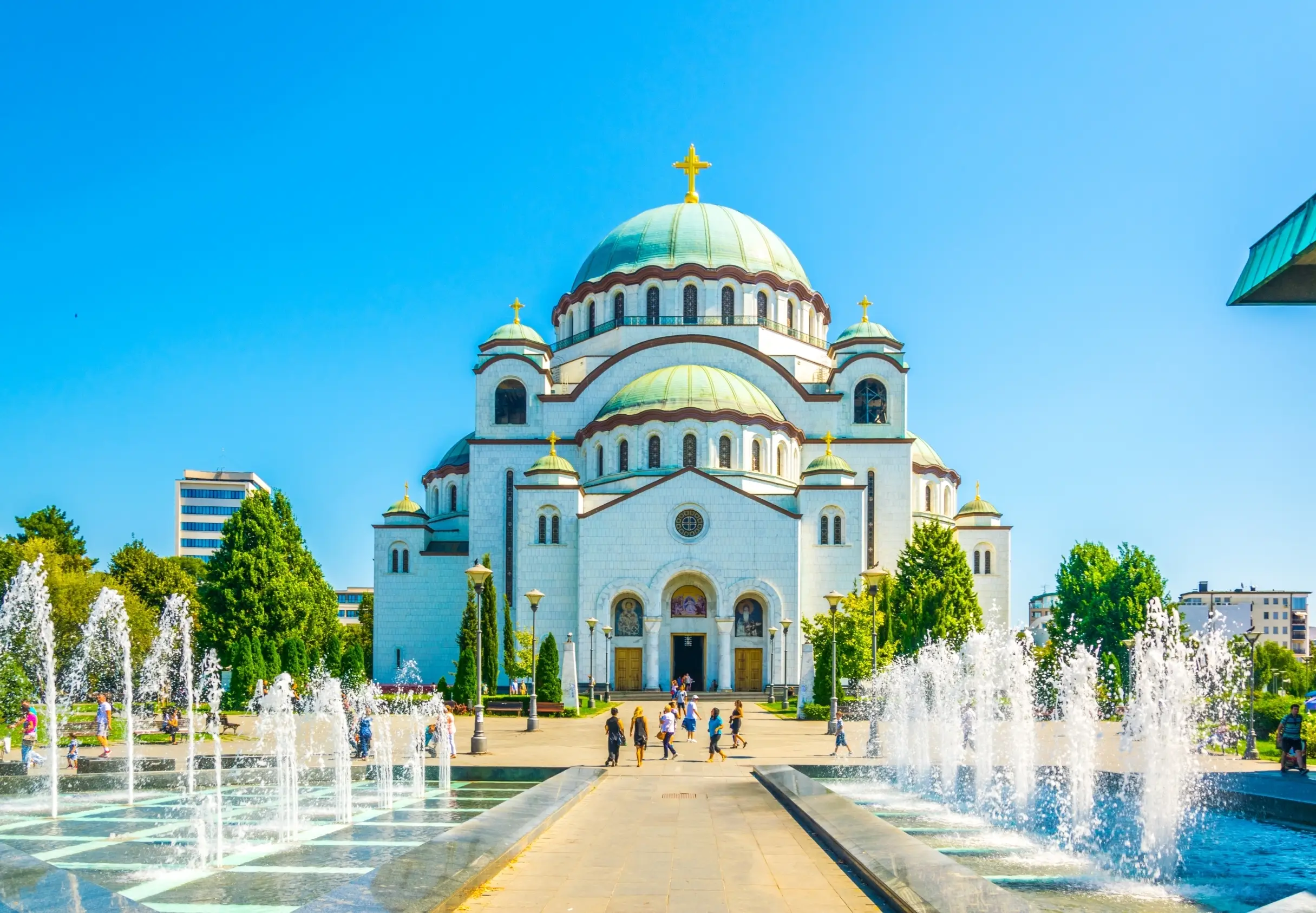
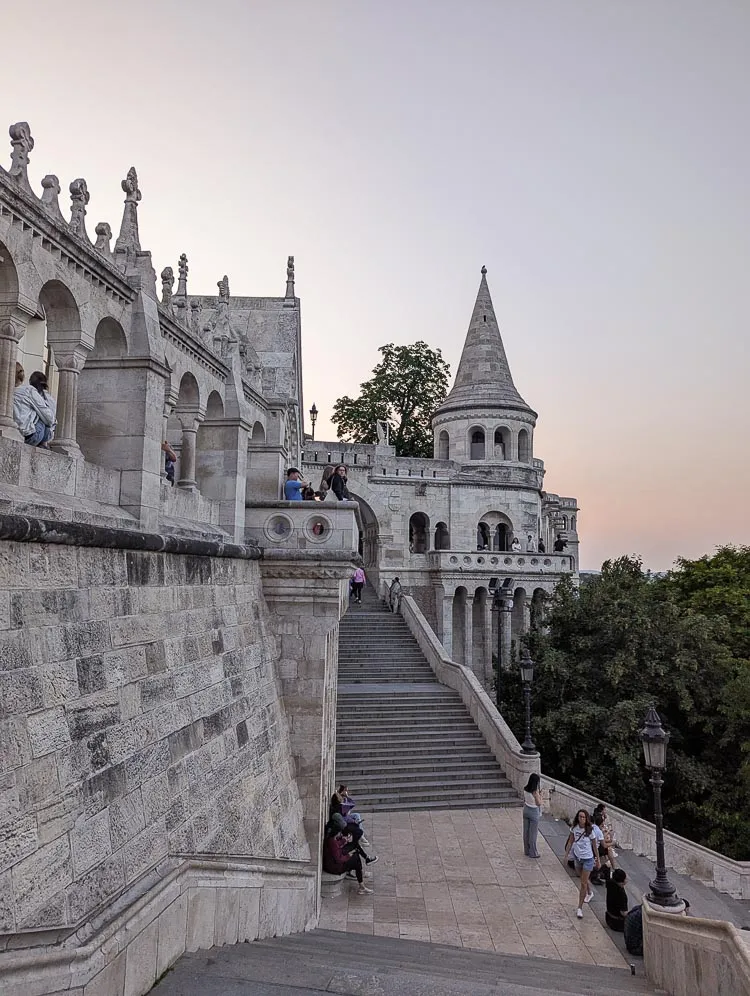
Budapest is a feast for history and culture lovers, boasting the majestic Hungarian Parliament, the Chain Bridge, Fisherman's Bastion, Matthias Church, and the historic Buda Castle. Its thermal bath culture, epitomized by Szechenyi and Gellért Baths, is a unique historical and social experience. The city also has a poignant Jewish Quarter and the moving House of Terror Museum. Belgrade's history is equally rich but presents itself differently; it's a story of survival and transformation. The Kalemegdan Fortress is its historical heart, showcasing layers of Roman, Ottoman, and Austro-Hungarian past. St. Sava Temple is one of the largest Orthodox churches in the world, awe-inspiring in its scale. The Museum of Yugoslavia and the Nikola Tesla Museum offer insights into its socialist and scientific heritage. "Budapest's buildings just scream 'history' at you; Belgrade's is more subtle, you need to dig a bit, but it's equally fascinating once you do." While Belgrade offers a grittier, more modern history perspective, Budapest's sheer architectural grandeur and well-preserved imperial past make it more immediately impactful for many visitors.
Winner takeaway
- Winner: Budapest
- Why: Budapest's stunning and well-preserved Austro-Hungarian architecture, iconic thermal baths, and accessible historical sites offer a more immediate and grand cultural experience.
- Who this matters for: History buffs, architecture enthusiasts, and those who appreciate grand, imperial aesthetics and unique cultural institutions.
🍽️ Food & Drink
Belgrade offers incredible, hearty Balkan comfort food. Think succulent 'ćevapi' (grilled minced meat sausages) at Walter or 'pljeskavica' (a Serbian burger) from Loki. Traditional restaurants in Skadarlija, like Tri Šešira or Dva Jelena, serve delicious 'sarma' (cabbage rolls) and 'karađorđeva šnicla'. Rakija, the local fruit brandy, is ubiquitous. It's a meat-lover's paradise, but options for vegetarians can be limited. Budapest, however, offers a broader and more refined culinary landscape. While Hungarian classics like 'goulash' (pörkölt), 'paprika chicken', and street food like 'langos' (fried dough with toppings) are fantastic, the city also boasts a thriving fine dining scene, excellent international restaurants, and a rich café culture (Gerbeaud, New York Café). "I loved Belgrade's grilled meats, but after a few days, I craved variety. Budapest had everything from Michelin stars to amazing vegan spots and those ruin bars with food trucks, it was just more diverse." The sheer diversity of culinary experiences, from traditional markets to Michelin-starred restaurants, gives Budapest the edge.
Winner takeaway
- Winner: Budapest
- Why: Budapest provides a more diverse and sophisticated culinary scene, blending traditional Hungarian dishes with international influences and a vibrant café culture, appealing to a broader palate.
- Who this matters for: Foodies, those seeking culinary diversity, and travelers who enjoy a mix of traditional and modern dining experiences.
✈️ Getting There
Budapest's Ferenc Liszt International Airport (BUD) is a significantly larger and better-connected airport than Belgrade's Nikola Tesla (BEG). BUD serves as a major hub for low-cost carriers like Ryanair and Wizz Air, offering countless direct flights across Europe for often incredibly cheap prices (e.g., London to Budapest can be as low as £30-50). It also has more direct long-haul connections to North America and Asia. For instance, a direct flight from New York to Budapest might take around 9 hours. Belgrade's BEG airport has improved dramatically in recent years, with Air Serbia expanding its network (e.g., direct flights to NYC) and more budget airlines joining. A flight from London to Belgrade typically takes around 2.5-3 hours and costs £50-100. "Budapest was just easier to find cheap flights to from pretty much anywhere in Europe. Belgrade was okay, but often meant a layover or slightly pricier flights." While Belgrade is catching up, Budapest remains the more accessible and often more affordable gateway for international travelers.
Winner takeaway
- Winner: Budapest
- Why: Budapest's airport is a larger, more established international hub with more direct flight options and generally lower prices, especially from budget airlines across Europe.
- Who this matters for: International travelers, those prioritizing convenience and budget for flights, and those connecting from distant locations.
🚌 Getting Around
Both cities are excellent for getting around. Belgrade's city center is very walkable, allowing you to hit most major sights like Kalemegdan Fortress, Skadarlija, and Knez Mihailova on foot. For longer distances, an extensive network of buses and trams is available, with tickets costing around 90-150 RSD ($0.8-$1.4 USD) purchased via SMS or at kiosks. Taxis and ride-sharing apps like Car:Go are readily available and very affordable. Budapest's public transport system is world-class, featuring four metro lines, numerous trams (including the scenic Line 2 along the Danube), and buses. A single ticket costs around 350-450 HUF ($1-$1.25 USD), with day passes offering great value. The city is also very walkable, with distinct districts like Buda and Pest easily explored on foot or via a short tram ride. "Honestly, both cities were super easy to navigate. Never felt lost, and public transport or a cheap Uber/Car:Go was always an option." Taxis in Budapest are a bit pricier than Belgrade but still reasonable. Both cities are cyclist-friendly to varying degrees, though Budapest has a more established bike rental network. It's a true tie here as both offer seamless, efficient, and affordable transit.
Winner takeaway
- Winner: Tie
- Why: Both cities offer highly efficient, affordable, and comprehensive public transportation networks, combined with excellent walkability and readily available ride-sharing, making them equally convenient for exploration.
- Who this matters for: All travelers; both cities cater exceptionally well to different travel styles for getting around.
🏨 Accommodation
Belgrade offers incredible value in accommodation. You can find well-regarded hostels like Hostel Che Guevara or Hostel Bongo for €15-25 ($16-$27 USD) a night, and stylish boutique hotels or spacious apartments for €50-80 ($54-$87 USD). The options are charming, often locally run, and provide an authentic experience. However, the sheer volume and diversity can feel less overwhelming than in Budapest. Budapest, on the other hand, provides an almost endless array of choices for every budget and style. Its hostel scene is vibrant, with award-winning places like Wombat's CITY Hostel or Maverick City Lodge for €20-35 ($22-$38 USD). Mid-range hotels are plentiful, often around €70-120 ($76-$130 USD), and the city boasts numerous luxury options and design hotels. "Budapest had so many cool hostels and boutique places, I felt spoiled for choice. Belgrade was good value, but the options felt a bit more limited in style." The Airbnb market is also more mature and regulated in Budapest, offering high-quality apartment stays. While Belgrade wins on price, Budapest wins on the breadth, quality, and sheer number of distinct accommodation experiences available.
Winner takeaway
- Winner: Budapest
- Why: Budapest offers a significantly wider range of accommodation options across all budgets, including more design hostels and luxury hotels, providing more choice and diverse experiences.
- Who this matters for: Travelers seeking specific accommodation styles (e.g., luxury, design hostels), those who prefer a wider selection, or longer-term visitors.
🏞️ Day Trips
Belgrade offers some fantastic day trips, particularly to Novi Sad, Serbia's second-largest city, famous for the Petrovaradin Fortress and EXIT Festival. You can easily reach it by bus or train in about 1.5-2 hours for around 700-1000 RSD ($6.5-$9 USD) return. Nearby Fruška Gora National Park is home to numerous Serbian Orthodox monasteries, offering a peaceful cultural escape. Sremski Karlovci is a charming baroque town worth visiting for its wine. Budapest, however, offers a wider and arguably more diverse range of well-established day trip options. The Danube Bend, with towns like Szentendre (artistic village), Visegrád (royal palace), and Esztergom (basilica), is easily accessible by train, bus, or even boat. Lake Balaton, Central Europe's largest lake, is a popular summer retreat. The Eger wine region is perfect for wine tasting. "From Budapest, I could do a castle, a charming village, or go wine tasting, all within an hour or two. Belgrade had Novi Sad which was cool, but after that, options felt a bit less varied for a tourist." The infrastructure for day trips, including organized tours and public transport links, also feels more developed from Budapest.
Winner takeaway
- Winner: Budapest
- Why: Budapest offers a more diverse array of day trip options, including charming towns, historical sites, natural beauty (Danube Bend, Lake Balaton), and famous wine regions.
- Who this matters for: Travelers who enjoy exploring beyond the main city, those seeking diverse landscapes, or wine enthusiasts.
🛡️ Safety & Vibe
Both cities are generally safe for tourists, even solo travelers, but their overall vibe differs significantly. Belgrade has a raw, authentic, and incredibly resilient feel. It's a city that has seen a lot of history, and it shows, sometimes in its architecture, sometimes in its spirit. While locals are incredibly warm and hospitable, especially if you show an interest in their culture, English isn't as universally spoken as in Budapest, which can occasionally lead to minor communication hurdles. "Belgrade felt real, a bit rough around the edges, but in a good way. People were so friendly, but sometimes Google Translate was my best friend." Budapest, on the other hand, feels more polished, cosmopolitan, and overtly tourist-friendly. Its grandeur and bustling atmosphere create a very welcoming environment, and English is widely spoken in all tourist areas, hotels, and many restaurants. While petty crime like pickpocketing can occur in both, especially in crowded tourist spots, serious crime is rare. Budapest's more established tourist infrastructure and widespread English make it feel slightly more 'effortless' for first-time or less adventurous travelers. It feels a bit more 'plug and play' for tourists.
Winner takeaway
- Winner: Budapest
- Why: Budapest offers a slightly more universally welcoming and effortless experience for tourists due to its widespread English proficiency, well-developed tourist infrastructure, and cosmopolitan atmosphere.
- Who this matters for: First-time international travelers, those less comfortable with language barriers, or travelers seeking a more polished and predictable experience.
🚶♀️ Solo Travel
Both cities are great for solo travelers, but Budapest has a slight edge due to its more mature solo travel infrastructure. Belgrade's hostels are excellent for meeting fellow travelers, and its lively nightlife, especially the 'splavovi' and bars in Savamala, naturally fosters interaction. Locals are generally very welcoming and curious about solo visitors. However, outside of hostels and major nightlife areas, organized social events specifically for solo travelers are less common. "I met some amazing people in my Belgrade hostel, and a few locals, but it felt more organic. Budapest had daily pub crawls and free walking tours where you instantly clicked with people." Budapest, with its abundance of large, social hostels (e.g., Maverick City Lodge, The Hive Party Hostel), constant pub crawls, free walking tours, and diverse ruin bar scene, makes it incredibly easy to connect with other solo travelers. There are always group activities or easy ways to join others for a night out. Its more international and established tourism scene caters explicitly to solo adventurers looking to socialize, making the initial hurdle of meeting people feel much lower. Both are safe, but Budapest provides more structured opportunities for connection.
Winner takeaway
- Winner: Budapest
- Why: Budapest's well-developed solo travel infrastructure, including a vibrant hostel scene and abundant organized social events, makes it easier to connect with other travelers.
- Who this matters for: Solo travelers, especially first-timers or those prioritizing meeting other backpackers and ease of social interaction.
❓ Frequently Asked Questions
Which city is better for a party trip?
While both cities are nightlife powerhouses, Budapest typically offers a wider variety of options with its famous ruin bars and large clubs, catering to diverse tastes. Belgrade's splavovi (river clubs) are legendary in summer for electronic music, offering a more raw and intense experience. For sheer volume and unique settings, Budapest slightly edges out Belgrade.
Is Belgrade or Budapest safer?
Both cities are generally safe for tourists. Petty crime like pickpocketing can occur in crowded areas of both. Budapest feels more polished and has a very established tourist infrastructure. Belgrade is also very safe, but has a grittier, more 'real' feel. You'll likely feel comfortable in either, but always exercise standard urban precautions.
Which city has better food?
It depends on your preference! Belgrade excels in hearty, delicious Balkan grilled meats, stews, and traditional Serbian fare. It's a paradise for meat-lovers. Budapest offers a more diverse culinary scene, from traditional Hungarian goulash and langos to a wide range of international cuisine, fine dining, and excellent cafes. Budapest offers more variety, while Belgrade offers incredible value in its specific cuisine.
How long should I spend in each city?
For either city, a minimum of 3 full days allows you to see the main sights and get a good feel for the atmosphere. If you want to include day trips and really soak in the culture and nightlife, 4-5 days for each would be ideal. If combining both, allocate 7-10 days in total.
Can I easily travel between Belgrade and Budapest?
Yes! The most common way is by bus, which takes about 7-8 hours and costs around €25-35. There are multiple daily departures. A train service also exists, though it can sometimes be slower. It's a straightforward journey that many travelers make.
Which city is more family-friendly?
Budapest generally leans more family-friendly. It has numerous parks (like Margaret Island), dedicated children's museums, the City Park with its zoo and playground, and the thermal baths offer a unique experience for older kids. Belgrade has Kalemegdan Fortress and parks, but fewer specifically 'kid-centric' attractions compared to Budapest's range.
Is English widely spoken in Belgrade vs Budapest?
In Budapest, English is widely spoken in tourist areas, hotels, restaurants, and by younger generations. You'll generally find it easy to communicate. In Belgrade, English is less universally spoken, especially outside of tourist-heavy zones or by older generations. While many young people speak English, having a translation app or learning a few basic Serbian phrases can be very helpful.
Which city is better for a romantic getaway?
Budapest often wins for romantic getaways. Its grand architecture, beautiful Danube promenades, romantic ruin bars, and especially the luxurious thermal baths (like Gellért Spa) create a more classically romantic atmosphere. Belgrade offers a charming, intimate vibe in places like Skadarlija, but Budapest has more traditionally 'romantic' settings.
Ready to plan your Eastern Europe adventure?
Get a free custom itinerary for Belgrade, Budapest, or both — built from real traveler insights and tailored to your budget and interests.
🎟️ Book Tours & Experiences
Hand-picked tours and activities for both destinations — book with free cancellation
Experiences via Viator — free cancellation on most tours