How we built this comparison
This page combines traveler discussion patterns, published price ranges, flight schedules, and seasonal data to help you decide between Belize and Costa Rica.
- Reviewed 50+ Reddit threads from r/travel, r/solotravel, r/Belize, r/CostaRicaTravel, etc.
- Verified costs and logistics against current booking platforms (Booking.com, Kayak, local tour operators).
- Cross-referenced seasonal patterns and weather data from NOAA and local meteorological services.
⚡ The TL;DR Verdict
If your dream trip involves world-class diving, laid-back island vibes, and Mayan ruins, Belize is your pick (budget $100-200 USD/day). For adrenaline-pumping eco-adventures, diverse wildlife, and lush rainforests, Costa Rica calls your name (budget $80-180 USD/day).
- Choose Belize: Perfect for marine enthusiasts, divers, snorkelers, and those seeking a relaxed, English-speaking Caribbean experience with a touch of Mayan history.
- Choose Costa Rica: Ideal for adventurers, wildlife lovers, surfers, and travelers who want a broader range of eco-tourism activities and a more developed infrastructure.
- Choose Both: If you have 3+ weeks and a healthy budget, combining both offers an incredible spectrum from barrier reef to cloud forests. Fly into BZE, explore, then fly to SJO or LIR for your CR adventure.
Quick Comparison
| Category | Belize | Costa Rica | Winner |
|---|---|---|---|
| Nature & Wildlife | Primarily marine life (barrier reef), some jungle wildlife, unique bird species, incredible caving experiences. | Unparalleled biodiversity, lush rainforests, volcanoes, sloths, monkeys, exotic birds, marine life on both coasts. | Costa Rica |
| Beaches & Water Activities | World-class diving and snorkeling, vibrant coral reefs, calm Caribbean waters, picturesque cayes. | Surfing hotspots on the Pacific, diverse beaches, some good snorkeling/diving, but not comparable to Belize's reef. | Belize |
| Costs & Budget | Generally more expensive, especially for tours and island accommodations. USD widely accepted. | Can be more budget-friendly, but luxury options add up. Good value for eco-tourism. | Costa Rica |
| Getting There & Around | Limited international flights, domestic travel often by small planes or water taxis. Roads can be rough. | Excellent international flight connections, extensive bus network, good roads, diverse transport options. | Costa Rica |
| Food & Drink | Caribbean-influenced, fresh seafood, rice and beans, Creole flavors. Rum punch is popular. | Hearty traditional dishes (Gallo Pinto), abundant fresh fruit, excellent coffee, diverse international cuisine. | Costa Rica |
| Safety & Solo Travel | Generally safe in tourist areas, but some urban areas (Belize City) have higher crime. Solo female travel requires caution. | Perceived as safer, especially for solo female travelers. Tourist police present. Petty crime still a concern. | Costa Rica |
| Culture & History | Rich Mayan heritage (ruins, caves), vibrant Garifuna and Creole cultures, English-speaking. | Indigenous heritage, strong 'Pura Vida' ethos, Spanish-speaking, focus on eco-consciousness. | Belize |
| Adventure Activities | Diving, snorkeling, caving, sailing, fishing, some jungle trekking. | Ziplining, white-water rafting, volcano hiking, surfing, canyoning, ATV tours. | Costa Rica |
| Accommodation | Boutique hotels, guesthouses on cayes, eco-lodges in the jungle, fewer large resorts. | Wide range from luxury resorts to eco-lodges, boutique hotels, and budget hostels across diverse regions. | Costa Rica |
| Weather & Seasons | Tropical climate, distinct wet/dry seasons, hurricane risk late summer/early fall. Warmer average temperatures. | Tropical climate, distinct wet/dry seasons, 'green season' offers lush landscapes. Microclimates. | Tie |
🐒 Nature & Wildlife
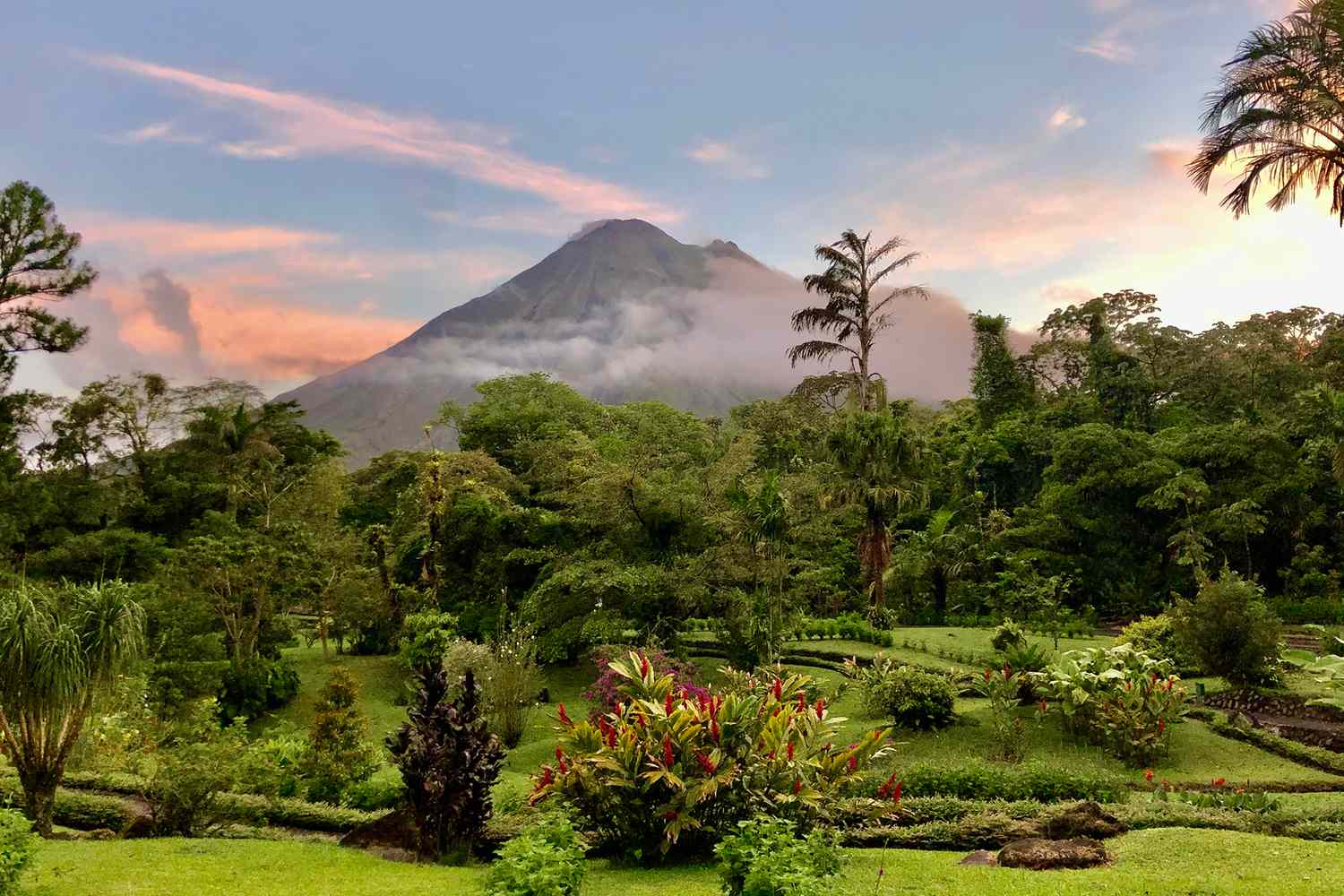
Costa Rica is a global hotspot for biodiversity, with over 5% of the world's species packed into a country the size of West Virginia. From the sloths and monkeys of Manuel Antonio National Park to the quetzals of Monteverde Cloud Forest and the active Arenal Volcano, every corner offers a new natural wonder. Entry to national parks typically costs around $15-20 USD (approx. ₡8,000-11,000 CRC). Guided tours, which are highly recommended for spotting elusive wildlife, can range from $30-70 USD. You can easily spot capuchin monkeys, howler monkeys, scarlet macaws, and toucans without even trying. Belize, while rich in marine life with the second-largest barrier reef in the world, offers a more specialized nature experience. Inland, you'll find jaguars (rarely seen), howler monkeys, and diverse bird species in reserves like Cockscomb Basin Wildlife Sanctuary (entry ~BZD$10 / $5 USD). The ATM Cave tour (Actun Tunichil Muknal) combines caving with ancient Mayan history and is a must-do, costing around BZD$200-250 ($100-125 USD). 'Honestly, I saw more wildlife just driving around Costa Rica than I did actively searching in Belize, though the reef diving in Belize is unreal.'
Winner takeaway
- Winner: Costa Rica
- Why: Costa Rica offers a far greater diversity of terrestrial wildlife and ecosystems, making it a stronger draw for general nature lovers.
- Who this matters for: Wildlife photographers, bird watchers, and travelers seeking diverse terrestrial ecosystems.
🏖️ Beaches & Water Activities
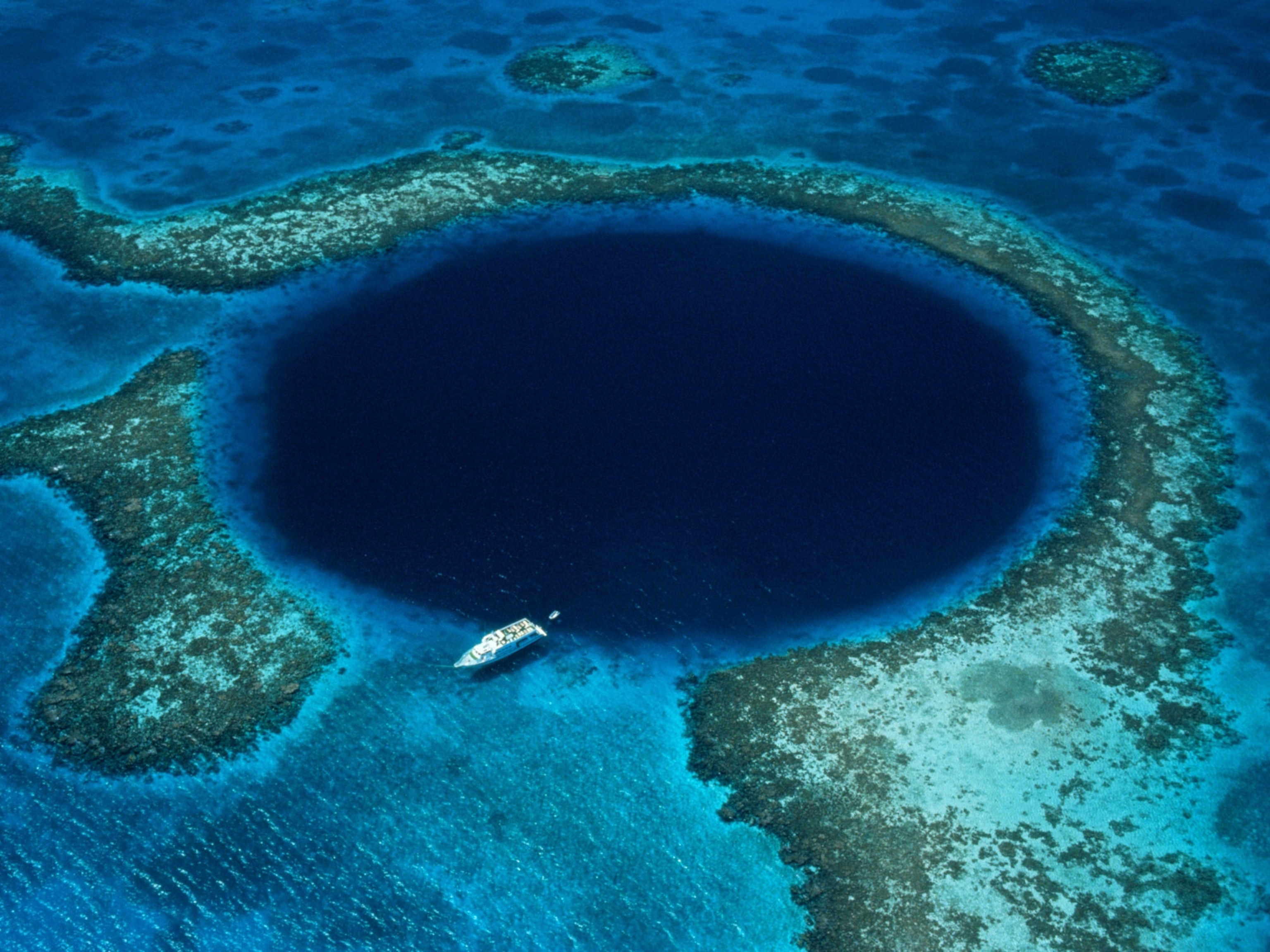
Belize truly shines when it comes to its pristine Caribbean waters and the Belize Barrier Reef. Caye Caulker and Ambergris Caye are hubs for snorkeling, diving, and sailing. A full-day snorkeling trip to Hol Chan Marine Reserve and Shark Ray Alley costs around BZD$150-200 ($75-100 USD) and is an absolute must-do, offering incredible visibility and abundant marine life. For certified divers, the Great Blue Hole is a bucket-list site, with day trips costing BZD$500-600 ($250-300 USD). The waters are generally calm and warm, perfect for swimming and paddleboarding. Costa Rica has beautiful beaches on both its Pacific and Caribbean coasts, but they cater to a different crowd. The Pacific beaches, like Tamarindo, Santa Teresa, and Dominical, are renowned for surfing, with lessons costing around $50-70 USD. While you can find good snorkeling spots, like those around Isla del Caño or Manuel Antonio, they don't hold a candle to the sheer scale and vibrancy of the Belizean reef. The Caribbean side (Puerto Viejo) offers a more laid-back vibe with some lovely swimming beaches, but the marine life isn't the primary draw. 'Belize's reef is just... different. Like, actual Nemo-level stuff. Costa Rica beaches are great for waves though.'
Winner takeaway
- Winner: Belize
- Why: Belize's direct access to the world's second-largest barrier reef offers unparalleled diving and snorkeling experiences.
- Who this matters for: Scuba divers, snorkelers, and those who prioritize calm, clear Caribbean waters and marine biodiversity.
💰 Costs & Budget
Belize is surprisingly pricier than many expect for Central America, largely due to its reliance on imports and a tourism sector geared towards higher-end diving and fishing. A decent meal in Caye Caulker can run BZD$30-50 ($15-25 USD), and a local beer BZD$5-7 ($2.50-3.50 USD). Budget accommodation starts around BZD$100-150 ($50-75 USD) for a basic private room. Tours, a major draw, are where costs really add up: ATM Cave ($100-125 USD), Blue Hole dive ($250-300 USD). A moderate daily budget in Belize is easily $120-200 USD. Costa Rica, while not 'cheap' by Latin American standards, offers more flexibility for various budgets. You can find 'sodas' (local restaurants) serving 'casados' (a typical meal) for ₡3,000-5,000 CRC ($6-10 USD), and a local Imperial beer for ₡1,500-2,500 CRC ($3-5 USD). Hostels start around $20-30 USD per night, while mid-range hotels are $80-150 USD. Public buses are incredibly affordable, making internal travel less costly. Entry fees for national parks and eco-tours are similar to Belize, but the general cost of living, especially food and local transport, is lower. 'We did Costa Rica for 10 days on like $1200 total, mostly eating at sodas. Belize was easily double that for similar time just because everything on the cayes is marked up.'
Winner takeaway
- Winner: Costa Rica
- Why: Costa Rica offers more budget-friendly options for food, local transport, and a wider range of accommodation, allowing travelers to stretch their dollar further.
- Who this matters for: Budget travelers, backpackers, and those looking for good value for money without sacrificing experiences.
✈️ Getting There & Around
Getting to Costa Rica is relatively easy, with two major international airports (Juan Santamaría International Airport - SJO near San José, and Daniel Oduber Quirós International Airport - LIR near Liberia) offering direct flights from numerous North American and European cities. A flight from Miami to SJO typically takes around 3 hours. Once there, Costa Rica boasts a surprisingly efficient and affordable public bus system that can get you to almost any major tourist destination. Shared shuttles are also widely available and reasonably priced ($40-60 USD between major hubs). Roads are generally well-maintained, though some rural areas can be rough, and 4x4s are recommended for specific routes. Belize's only international airport (Philip S. W. Goldson International Airport - BZE) has fewer direct flight options, primarily from the US and Canada. A flight from Miami to BZE is about 2 hours. Domestic travel often involves short, scenic flights with local airlines like Tropic Air or Maya Island Air, connecting the mainland to popular cayes like Ambergris Caye or Placencia (flights BZD$150-250 / $75-125 USD each way). Water taxis are the main way to get between the cayes (e.g., San Pedro to Caye Caulker for BZD$20 / $10 USD). Mainland roads can be bumpy, and public bus options are less comprehensive than in Costa Rica. 'Costa Rica's bus system is a lifesaver for budget travel. Belize, you're pretty much forced into expensive flights or slow water taxis for islands.'
Winner takeaway
- Winner: Costa Rica
- Why: Costa Rica offers superior international flight connectivity, a more extensive and affordable public transport network, and generally better road infrastructure.
- Who this matters for: Independent travelers, those on a tighter schedule, and anyone preferring varied and efficient transport options.
🍽️ Food & Drink
Costa Rican cuisine, known as 'comida típica,' is wholesome and flavorful. The national dish, Gallo Pinto (rice and beans mixed with spices, often served with eggs or meat), is a breakfast staple. 'Casados' (a plate with rice, beans, salad, plantains, and your choice of meat) are widely available at 'sodas' for ₡3,000-5,000 CRC ($6-10 USD). Fresh tropical fruits are abundant and delicious, and the coffee is world-renowned – tours at coffee plantations like Doka Estate offer tastings. Belizean food is heavily influenced by Creole, Mestizo, and Garifuna traditions, with a strong emphasis on fresh seafood. Stew chicken with rice and beans is a national favorite, often served with potato salad, costing BZD$15-25 ($7.50-12.50 USD). Fry jacks for breakfast are a must-try. Seafood, especially lobster (in season), is plentiful and delicious, particularly on the cayes. However, outside of seafood and a few staples, the culinary variety can be somewhat limited compared to Costa Rica, which has a more developed restaurant scene beyond traditional dishes, especially in tourist hubs. 'I loved the seafood in Belize, but after a week, I was craving something different. Costa Rica had so many more options, even cheap local eats.'
Winner takeaway
- Winner: Costa Rica
- Why: Costa Rica offers a broader and more accessible range of traditional, delicious, and budget-friendly food options, alongside its world-famous coffee.
- Who this matters for: Foodies, coffee lovers, and those looking for consistent culinary variety and value.
🧍♀️ Safety & Solo Travel
Costa Rica is generally considered one of the safest countries in Central America, making it a popular choice for solo travelers, especially solo females. While petty crime like pickpocketing and bag snatching is common in crowded areas and on public buses, violent crime against tourists is relatively rare. The tourism police (Politur) are visible in major tourist zones. Common sense precautions, like not walking alone at night in unlit areas and securing valuables, are always advised. Belize has a more mixed reputation. While tourist destinations like Caye Caulker, Placencia, and San Ignacio are generally safe and welcoming, Belize City has a high crime rate, and it's recommended to avoid certain areas, especially after dark. Most travelers flying into BZE head straight to their next destination via shuttle or small plane without incident. Solo female travelers often feel comfortable in the main tourist hubs but might exercise more caution than in Costa Rica's well-trodden paths. 'As a solo female, I felt way more comfortable hopping on buses and exploring on my own in Costa Rica. Belize was fine on Caye Caulker, but I was more aware of my surroundings elsewhere.' Both countries require vigilance, but Costa Rica's infrastructure and reputation for safety give it an edge.
Winner takeaway
- Winner: Costa Rica
- Why: Costa Rica has a stronger reputation for overall safety and a more established infrastructure for solo travelers, particularly solo females.
- Who this matters for: Solo travelers (especially women), first-time international travelers, and those prioritizing a generally safer destination.
🗿 Culture & History
Belize offers a fascinating mosaic of cultures and a deep connection to ancient Mayan civilization. The country boasts impressive Mayan ruins like Xunantunich (entry BZD$10 / $5 USD) and Caracol (entry BZD$30 / $15 USD), often less crowded than those in Mexico or Guatemala. The highlight for many is the Actun Tunichil Muknal (ATM) Cave, an archaeological site where you can explore ancient Mayan ceremonial artifacts and skeletal remains (tour cost ~BZD$200-250 / $100-125 USD). Beyond the Mayans, Belize is home to the Garifuna people, whose vibrant music, dance, and distinct language are recognized by UNESCO. Experiencing a drumming lesson or a traditional meal in Placencia or Dangriga is unforgettable. The dominant language is English, making communication incredibly easy for North American and European travelers. Costa Rica's cultural identity is strongly rooted in its 'Pura Vida' philosophy – a laid-back, optimistic approach to life that emphasizes nature and community. While it has indigenous heritage, it's less visibly prominent in tourism than Belize's Mayan sites. The Spanish colonial influence is present, but the country's focus has largely shifted to its environmental preservation and adventure tourism. 'The Mayan sites in Belize are incredible, and the Garifuna culture is so unique. It felt more historically rich than Costa Rica, which is more about nature.'
Winner takeaway
- Winner: Belize
- Why: Belize offers a more tangible and diverse cultural and historical experience, particularly with its Mayan ruins and distinct Garifuna and Creole communities.
- Who this matters for: History buffs, archaeology enthusiasts, and those interested in unique cultural traditions and indigenous heritage.
🪂 Adventure Activities
Costa Rica is synonymous with adventure. Its diverse landscapes lend themselves to an incredible array of adrenaline-pumping activities. Ziplining through the cloud forests of Monteverde (e.g., Selvatura Park, ~ $50-60 USD) or near Arenal Volcano is a must. White-water rafting on rivers like the Pacuare or Sarapiquí (full-day tours ~ $80-120 USD) offers world-class rapids. Canyoning, rappelling down waterfalls, hiking active volcanoes, and learning to surf on the Pacific coast are all readily available and well-organized. The options for land-based adventure are virtually limitless. Belize, while offering fantastic marine adventures like diving the Blue Hole or exploring the reef, has a more limited scope for terrestrial thrill-seeking. Caving, particularly the ATM Cave, is a unique and unforgettable adventure, combining archaeology with spelunking. Jungle trekking, river tubing, and zip-lining are available in areas like San Ignacio, but they don't reach the same scale or variety as Costa Rica's offerings. 'I went to Costa Rica for the ziplining and rafting, and it totally delivered. Belize was great for diving, but I missed the land adventures.'
Winner takeaway
- Winner: Costa Rica
- Why: Costa Rica boasts a significantly wider range of diverse and accessible land-based adventure activities, from ziplining to white-water rafting.
- Who this matters for: Adrenaline junkies, outdoor enthusiasts, and travelers seeking a variety of high-octane land adventures.
🏨 Accommodation
Costa Rica's tourism infrastructure is highly developed, offering an extensive range of accommodation options to suit every budget and style. You can find sprawling luxury resorts with all amenities in Guanacaste (e.g., Four Seasons Papagayo, $500+/night), charming boutique hotels nestled in the cloud forest (e.g., Hotel Belmar Monteverde, $200-400/night), rustic eco-lodges deep in the rainforest (e.g., Lapa Rios Ecolodge, $400-800+/night), and a vibrant hostel scene in towns like La Fortuna and Tamarindo (dorms $20-30 USD, private $40-60 USD). This variety means you can easily find exactly what you're looking for, from cheap and cheerful to ultra-luxurious, often with a strong focus on sustainability. Belize also offers a good selection, particularly charming guesthouses and boutique hotels on the cayes like Caye Caulker (e.g., Weezie's Ocean Front Hotel, $150-250/night) and eco-lodges in the Cayo District (e.g., Chaa Creek, $300-600+/night). However, the range is generally narrower, and budget options can be more limited, especially on the islands where prices tend to be higher due to import costs. There are fewer large-scale resorts compared to Costa Rica, giving Belize a more intimate, less commercialized feel. 'Costa Rica just had so many more unique places to stay, from treehouses to oceanfront villas, all price points. Belize was good, but felt like fewer options for what I wanted.'
Winner takeaway
- Winner: Costa Rica
- Why: Costa Rica offers a significantly broader and more diverse range of accommodation types and price points, catering to all traveler preferences.
- Who this matters for: Travelers with specific accommodation preferences, from luxury seekers to budget backpackers, and those seeking unique lodging experiences.
☀️ Weather & Seasons
Both Belize and Costa Rica share a tropical climate with distinct dry and wet (or 'green') seasons. Belize's dry season runs from late November to May, offering sunny skies and comfortable temperatures, ideal for beach and reef activities. The wet season, from June to November, brings higher humidity, frequent rain showers (often brief), and the risk of hurricanes, particularly from August to October. Temperatures are consistently warm, averaging 24-30°C (75-85°F). Costa Rica also experiences a dry season from December to April, which is peak tourist season, offering plenty of sunshine. The 'green season' (May to November) sees afternoon showers, making the landscapes incredibly lush and vibrant. While not hurricane-prone on the Pacific side, the Caribbean coast can be affected. A unique aspect of Costa Rica is its microclimates; you can experience hot, humid Caribbean weather, dry Pacific heat, and cool, misty cloud forest temperatures all in one trip. 'We went to Belize in March and it was perfect beach weather every day. Did Costa Rica in July, and the afternoon rain was consistent but didn't ruin anything, just made everything greener.' The 'best' season depends on your priorities: dry and sunny for beaches in Belize, or lush landscapes and fewer crowds (despite rain) in Costa Rica during its green season.
Winner takeaway
- Winner: Tie
- Why: Both countries offer distinct tropical seasons with their own advantages and disadvantages, making neither a clear winner in terms of optimal weather.
- Who this matters for: Travelers sensitive to rain or humidity, and those planning specific activities best suited for certain weather conditions.
❓ Frequently Asked Questions
Which country is better for a family trip with young kids?
Costa Rica generally edges out Belize for families with young kids due to its wider range of kid-friendly activities like easy wildlife spotting, gentle eco-tours, and more developed infrastructure. Belize is great for older kids who can enjoy snorkeling or caving, but the slower pace and limited options beyond water activities might be less engaging for very young children.
Is English widely spoken in Belize and Costa Rica?
English is the official language of Belize, so communication is very easy for English speakers. In Costa Rica, Spanish is the official language, but English is widely spoken in tourist areas and by tour guides. Learning a few basic Spanish phrases will go a long way in Costa Rica, especially outside major tourist hubs.
Which country has better diving and snorkeling?
Belize is hands down superior for diving and snorkeling. Home to the second-largest barrier reef in the world, it offers pristine coral, abundant marine life, and iconic sites like the Great Blue Hole. While Costa Rica has some decent spots, particularly on its Pacific coast, it cannot compare to the scale and health of Belize's reef system.
What's the best way to get around in each country?
In Belize, domestic flights (Tropic Air, Maya Island Air) and water taxis are common for island hopping, while shared shuttles or rental cars are best for mainland exploration. Costa Rica has an extensive and affordable public bus system, as well as shared shuttles, and rental cars (often 4x4s) are popular for flexibility.
Which destination is more eco-friendly or sustainable?
Costa Rica has a long-standing and well-established reputation for eco-tourism and sustainability. It has dedicated a significant portion of its land to national parks and reserves and has numerous certified sustainable tourism businesses. Belize is also making strides in eco-tourism, especially around its marine resources, but Costa Rica's commitment is more pervasive and developed.
Are there any Mayan ruins in Costa Rica?
While Costa Rica has evidence of pre-Columbian cultures, it does not have the large, impressive Mayan ruins that are found in Belize, Guatemala, or Mexico. Its ancient history is less focused on large stone structures and more on intricate gold artifacts and smaller settlements. For significant Mayan archaeology, Belize is the clear choice.
Which country is better for digital nomads?
Costa Rica is generally more established for digital nomads, particularly in areas like Tamarindo, Santa Teresa, and San José. It offers better infrastructure (faster internet, co-working spaces), a larger expat community, and a wider variety of amenities. Belize has smaller, emerging digital nomad communities, especially on the cayes, but the cost of living can be higher and internet less reliable.
What's the typical duration for a good trip to either country?
For either Belize or Costa Rica, a good trip usually ranges from 7 to 10 days to allow sufficient time to explore a few distinct regions without feeling rushed. For Belize, this might mean 3-4 days on a caye and 3-4 days inland. For Costa Rica, 10-14 days allows you to comfortably visit 3-4 different ecosystems (e.g., volcano, cloud forest, beach).
Ready to plan your Central America trip?
Get a free custom itinerary for Belize, Costa Rica, or both — built from real traveler insights.
🎟️ Book Tours & Experiences
Hand-picked tours and activities for both destinations — book with free cancellation
Experiences via Viator — free cancellation on most tours