How we built this comparison
This page combines traveler discussion patterns, published price ranges, flight schedules, and seasonal data to help you decide between Berlin and Hamburg.
- Reviewed 100+ Reddit threads from r/travel, r/solotravel, r/GermanyTravel, r/berlin, r/hamburg
- Verified costs and logistics against current booking platforms (Booking.com, DB Bahn, Google Flights, local attraction websites)
- Cross-referenced seasonal patterns and weather data from official meteorological sources
- Consulted multiple reputable travel blogs and guidebooks for local insights and specific recommendations
⚡ The TL;DR Verdict
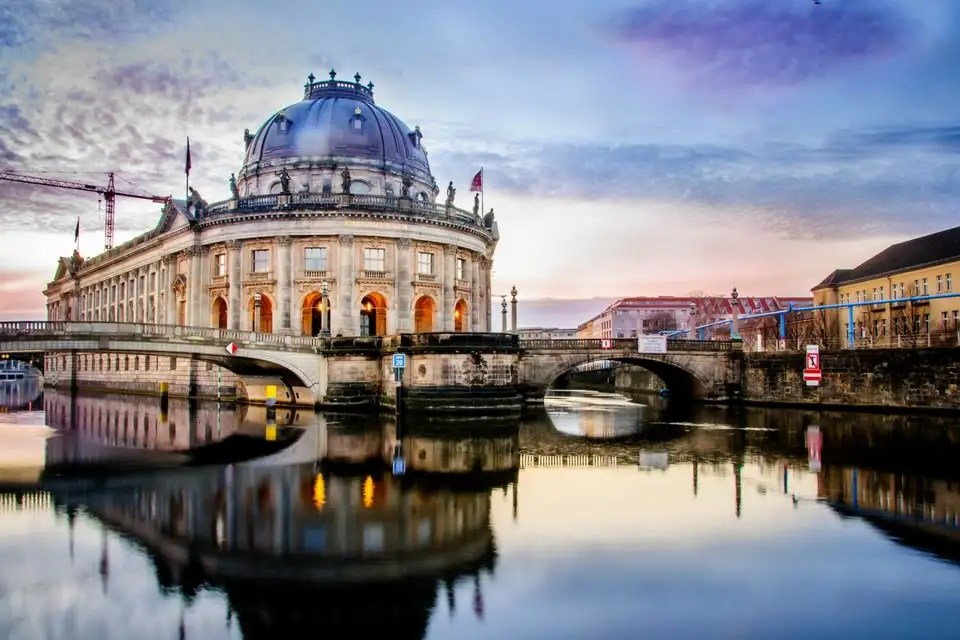
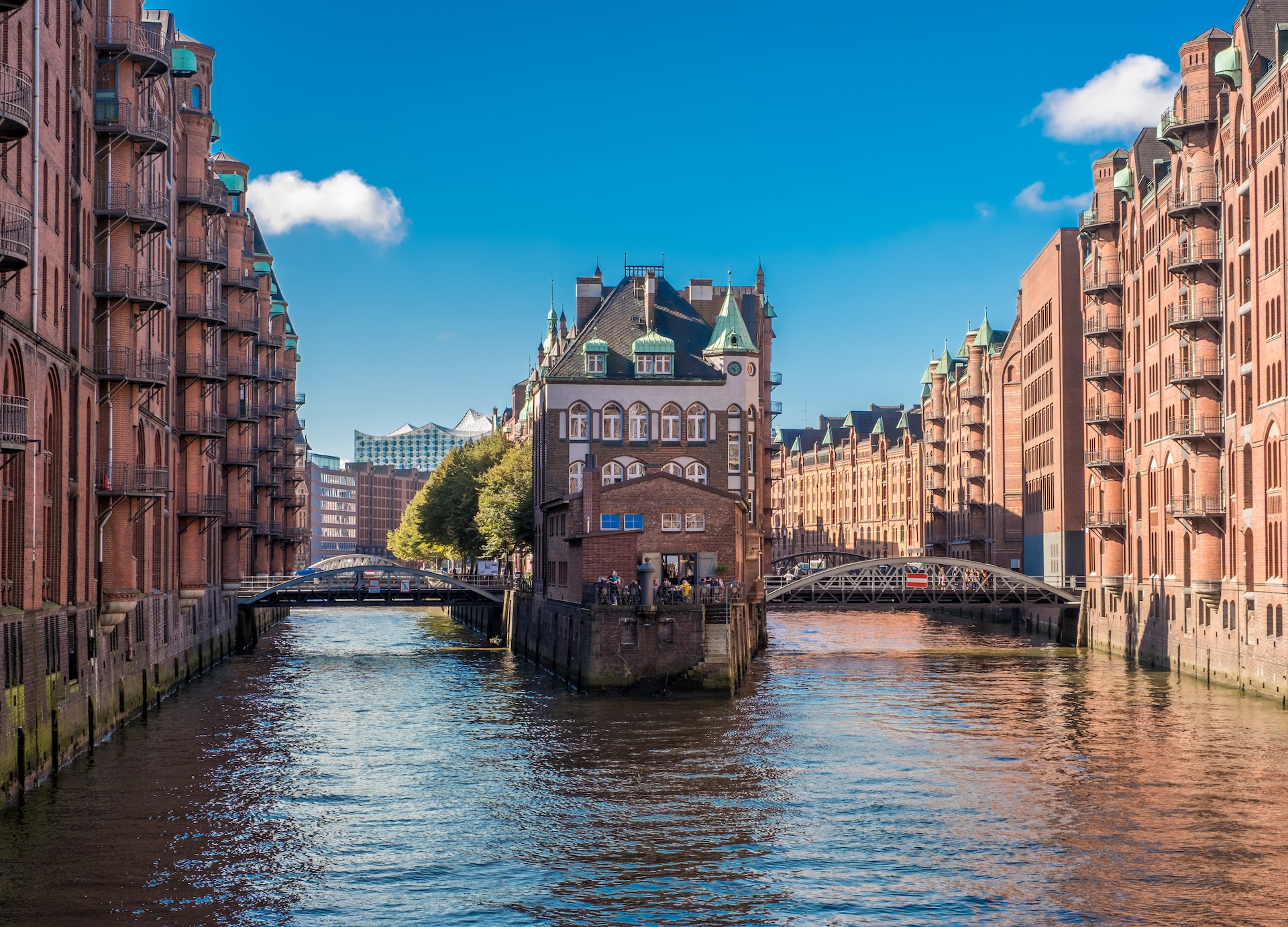
Berlin is the wild child, perfect for budget-conscious travelers seeking history, art, and legendary nightlife, with daily budgets typically ranging from €60-€120 ($65-$130). Hamburg, the sophisticated older sibling, offers maritime charm, stunning architecture, and a more polished vibe, ideal for those willing to spend a bit more, roughly €80-€150 ($85-$165) per day.
- Choose Berlin: You're looking for an edgy, diverse, and historically rich city with world-class nightlife, an incredible arts scene, and a more budget-friendly overall experience. You don't mind a bit of grit and love a city that's constantly reinventing itself.
- Choose Hamburg: You prefer a cleaner, more elegant city with beautiful waterways, impressive architecture, a strong maritime identity, and a slightly more refined culinary and cultural scene. You appreciate a bustling port city with a relaxed yet sophisticated atmosphere.
- Choose Both: If you have 7-10 days, doing both is absolutely doable and highly recommended. Start with 4-5 days in Berlin to immerse yourself, then take a high-speed train (around 2 hours, €25-€60) to Hamburg for another 3-4 days to experience its distinct charm.
Quick Comparison
| Category | Berlin | Hamburg | Winner |
|---|---|---|---|
| Nightlife | Unrivaled global capital of techno and alternative clubbing; endless bars, diverse scenes. | Reeperbahn offers varied entertainment; more traditional bars and pubs, some great cocktail spots. | Berlin |
| Culture & History | Rich, complex history (WWII, Cold War), world-class museums, vibrant arts scene, alternative culture. | Maritime history, UNESCO Speicherstadt, elegant architecture, strong performing arts. | Berlin |
| Food Scene | Incredibly diverse, affordable street food, international cuisine, vegan-friendly, growing fine dining. | Strong seafood focus, traditional German fare, rising gourmet scene, excellent cafes. | Berlin |
| Costs & Value | Generally more affordable for accommodation, food, and entertainment; excellent value. | Higher cost of living reflected in prices; still good value compared to other major European cities. | Berlin |
| Getting Around | Extensive U-Bahn, S-Bahn, tram, and bus network; easy to navigate. | Excellent U-Bahn, S-Bahn, and bus network; also strong ferry integration due to waterways. | Tie |
| Day Trips | Potsdam (palaces), Spreewald (canals), Dresden, Leipzig are easily accessible. | Lübeck (medieval), Schwerin (castle), Altes Land (orchards), North Sea coast. | Berlin |
| Vibe & Atmosphere | Gritty, alternative, artistic, tolerant, ever-evolving, full of stark contrasts. | Elegant, maritime, affluent, sophisticated, relaxed, a blend of traditional and modern. | Berlin |
| Accommodation | Abundant hostels, boutique hotels, apartments, generally more affordable options. | Good range of hotels, fewer budget hostels, often higher prices, elegant choices. | Berlin |
| Shopping | Vintage, independent boutiques, quirky design, flea markets, high-end in Ku'damm. | Elegant department stores, high-end fashion, maritime-themed goods, good shopping streets. | Tie |
| Nature & Green Spaces | Tempelhofer Feld, Tiergarten, Treptower Park, extensive forests (Grunewald). | Alster Lakes, Planten un Blomen, Stadtpark, numerous canals and riverside promenades. | Hamburg |
🎉 Nightlife
Berlin's nightlife is legendary and unmatched globally, particularly for electronic music. Venues like Berghain/Panorama Bar, Sisyphos, and Tresor are institutions, offering marathon parties often lasting from Friday night to Monday morning, with entry typically €15-€25 ($16-$27). Beyond techno, there are countless dive bars, cocktail lounges, and cultural events. The scene is inclusive but often exclusive at the door, emphasizing freedom and expression. Hamburg's nightlife centers around the Reeperbahn in St. Pauli, offering everything from strip clubs and musicals to rock bars (like the iconic Star-Club where The Beatles played) and lively pubs. It's bustling and fun, but generally more commercial and less underground than Berlin. Expect drink prices to be slightly higher in Hamburg, with a beer around €4-€6 ($4.30-$6.50) compared to Berlin's €3.50-€5 ($3.80-$5.40). Hamburg also has some excellent craft cocktail bars in areas like Sternschanze. "Berlin's clubs are a pilgrimage; Hamburg's Reeperbahn is a wild night out, but it's not the same vibe at all." While Hamburg has its moments, Berlin truly lives and breathes nightlife culture, making it an easy winner for clubbers and party enthusiasts looking for truly unique experiences.
Winner takeaway
- Winner: Berlin
- Why: Berlin's legendary, diverse, and often avant-garde club scene is unparalleled globally, catering to every nocturnal preference.
- Who this matters for: Party-goers, clubbers, experimental music lovers, night owls, and those seeking unique social experiences.
🏛️ Culture & History
Berlin is a living history book, an open-air museum detailing 20th-century European history, from its Prussian roots to the horrors of WWII, the division of the Cold War, and reunification. Sites like the Brandenburg Gate, Reichstag, Holocaust Memorial, Checkpoint Charlie, and the East Side Gallery are profoundly impactful. Museum Island alone boasts five world-renowned museums (Pergamon Museum, Neues Museum, etc.), with a day pass costing around €19-€29 ($20-$31). The city's art scene is also incredibly dynamic, with countless galleries and street art. Hamburg, while perhaps less overtly 'historic' in a tumultuous sense, offers a rich maritime heritage. The UNESCO-listed Speicherstadt (warehouse district) with its red-brick Gothic architecture is stunning, housing attractions like Miniatur Wunderland (€20-€24/$22-$26 entry) and the International Maritime Museum. The Elbphilharmonie concert hall is an architectural marvel and a cultural hub. "Berlin makes you think, Hamburg makes you admire." While Hamburg's elegance and maritime narrative are captivating, Berlin's raw, multi-layered history and avant-garde cultural output offer an unmatched depth of experience, particularly for those interested in modern European history and diverse artistic expression. The sheer volume and significance of Berlin's historical sites and cultural institutions give it the edge.
Winner takeaway
- Winner: Berlin
- Why: Berlin's profound, recent history and unparalleled array of world-class museums and memorials offer an unmatched educational and cultural depth.
- Who this matters for: History buffs, museum enthusiasts, art lovers, and those interested in political and social history.
🍔 Food Scene
Berlin's food scene is a testament to its multicultural population and experimental spirit. You'll find everything from iconic Currywurst (try Curry 36 for ~€4/$4.30) and Döner Kebab (Mustafas Gemüsekebap is legendary for ~€7/$7.50) to Michelin-starred restaurants. The city is a vegan paradise, with countless plant-based eateries. International cuisine, particularly Vietnamese, Turkish, and Middle Eastern, is exceptional and affordable. Street food markets like Markthalle Neun offer incredible variety. A good mid-range meal can be found for €15-€25 ($16-$27). Hamburg, as a port city, excels in seafood. Fresh fish sandwiches (Fischbrötchen) are a must-try, especially at the Sunday Fischmarkt (~€5-€8/$5.40-$8.60). Traditional German fare like Labskaus and Pannfisch are also prominent. The city has a strong, burgeoning fine-dining scene and excellent coffee culture. While Hamburg offers quality and a maritime flavor, Berlin's sheer diversity, accessibility (you can eat like a king on a budget), and innovative spirit make it more exciting for foodies. "I ate better and cheaper in Berlin for a week than I did in Hamburg for three days." Berlin's ability to cater to all tastes and budgets, from gourmet to glorious street food, gives it the win. For variety and value, Berlin takes the cake.
Winner takeaway
- Winner: Berlin
- Why: Berlin's incredible diversity, affordability, and innovative culinary landscape, especially its street food and international offerings, are hard to beat.
- Who this matters for: Foodies, budget travelers, vegans/vegetarians, anyone seeking diverse and innovative international cuisine.
💰 Costs & Value
When it comes to stretching your travel budget, Berlin consistently offers better value. Accommodation, especially hostels (avg. €25-€40/$27-$43 per night) and mid-range hotels (avg. €70-€120/$75-$130), is noticeably cheaper than in Hamburg. A similar hostel in Hamburg might be €35-€55 ($38-$60), and hotels €90-€150 ($97-$162). Public transport costs are similar (a single ticket is around €3.20/$3.45 in both), but general consumption—food, drinks, entrance fees to non-major attractions—leans cheaper in Berlin. You can enjoy a delicious, diverse meal for €10-€15 ($11-$16) in Berlin, whereas a comparable meal in Hamburg might be €15-€25 ($16-$27). "My money just went further in Berlin, without feeling like I was sacrificing quality." While Hamburg isn't exorbitantly expensive compared to, say, Paris or London, Berlin's bohemian past and lower cost of living translate directly into a more budget-friendly experience for travelers without sacrificing quality or options. This allows for longer stays or more experiences for the same expenditure, making it the clear winner for value.
Winner takeaway
- Winner: Berlin
- Why: Berlin offers significantly better value across accommodation, dining, and entertainment, allowing travelers to experience more for less.
- Who this matters for: Budget travelers, long-term travelers, students, and anyone looking to maximize their travel funds.
🚇 Getting Around
Both Berlin and Hamburg boast exceptionally efficient and comprehensive public transportation systems, making it a tie in this category. Berlin's BVG network includes U-Bahn (subway), S-Bahn (urban rail), trams, and buses, covering virtually every corner of the sprawling city. A single fare is €3.20 ($3.45), and a 24-hour ticket is €9.50 ($10.25). The network is well-signed and easy to use, even for first-time visitors, with apps like Jelbi simplifying ticket purchases. Hamburg's HVV system is equally robust, integrating U-Bahn, S-Bahn, regional trains, and buses seamlessly. What gives Hamburg a unique edge is the inclusion of public ferries as part of the regular HVV ticket, offering scenic routes across the Elbe River, which is both practical transport and a sightseeing opportunity. A single fare is €3.80 ($4.10) for short trips (Zone 1-2) and a 24-hour ticket is €8.80 ($9.50). "Both cities have public transport that puts most other places to shame. Hamburg's ferries are a nice bonus though." While Berlin's system is vast and covers a larger, more spread-out area effectively, Hamburg's unique integration of ferries adds a practical and picturesque element to its already excellent transit. Both cities excel at getting you where you need to go efficiently and comfortably.
Winner takeaway
- Winner: Tie
- Why: Both cities offer world-class, integrated public transportation networks that are efficient, comprehensive, and easy for travelers to use.
- Who this matters for: All travelers, particularly those who rely on public transport to explore a city.
🌳 Day Trips
Berlin serves as an excellent base for a diverse range of day trips that appeal to various interests. Potsdam, with its UNESCO-listed Sanssouci Palace and gardens, is just a 30-minute train ride away (€3.80/$4.10 return) and offers a royal escape. The tranquil Spreewald region, known for its unique waterways and traditional Sorbian culture, is about an hour away. For history and art lovers, the vibrant cities of Dresden and Leipzig are also easily reachable by train within 1.5-2 hours. "Potsdam alone is worth an extra day, and if you have more time, Dresden is stunning." Hamburg's day trip options are equally charming but perhaps a bit more niche. Lübeck, a beautiful UNESCO medieval city famous for marzipan, is a quick 45-minute train journey (€15-€25/$16-$27 return). Schwerin Castle, a fairytale island palace, is about an hour away. The Altes Land, known for its fruit orchards, offers a scenic rural escape, especially in spring. While Hamburg offers delightful, picturesque excursions, Berlin's proximity to places with major historical significance and varied natural beauty gives it a slight edge in terms of broad appeal and sheer volume of high-quality options. Potsdam's blend of history and stunning architecture is hard to beat, making Berlin a superior hub for exploring beyond the city limits.
Winner takeaway
- Winner: Berlin
- Why: Berlin's central location provides easier access to a wider variety of historically significant and culturally rich day trip destinations.
- Who this matters for: Travelers who enjoy exploring beyond the main city, history enthusiasts, and nature lovers.
✨ Vibe & Atmosphere
Berlin's atmosphere is one of raw energy, constant change, and artistic freedom. It’s a city that embraces its imperfections, with street art, abandoned buildings turned cultural spaces, and a palpable sense of history woven into its fabric. It feels less 'German' in a traditional sense and more international, with a diverse mix of cultures creating a vibrant, often chaotic, yet incredibly tolerant vibe. It's a place where you can be anyone and do anything, from exploring underground clubs to serene parks. Hamburg, by contrast, feels more polished and affluent. Its maritime identity is strong, with the Elbe River and Alster Lakes giving it a distinctly elegant and sophisticated feel. It's a city of red-brick warehouses, grand townhouses, and bustling port activity, often described as 'Germany's gateway to the world.' While Hamburg has lively districts like St. Pauli, its overall demeanor is calmer, more established, and perhaps a bit more reserved. "Berlin feels like living history and the future colliding; Hamburg feels like a rich, beautiful port city with its own quiet charm." For travelers seeking a truly unique, dynamic, and transformative urban experience that challenges and inspires, Berlin's distinct atmosphere is simply more compelling and memorable. Its constant evolution and embrace of alternative culture create an unparalleled sense of discovery.
Winner takeaway
- Winner: Berlin
- Why: Berlin's unique blend of gritty history, artistic freedom, tolerance, and constant reinvention creates an unparalleled, engaging, and diverse atmosphere.
- Who this matters for: Artists, free spirits, those seeking unique urban experiences, and travelers who appreciate dynamic, ever-changing environments.
🏨 Accommodation
Berlin offers a broader and more budget-friendly range of accommodation options. You'll find a massive selection of hostels, many highly-rated (like Plus Berlin or The Circus Hostel), with dorm beds typically ranging from €25-€40 ($27-$43) per night. Boutique hotels are plentiful and often innovative in design, while mid-range hotels usually fall between €70-€120 ($75-$130). There's also a thriving Airbnb/apartment rental scene, offering good value for longer stays. The sheer volume means more competitive pricing. Hamburg, while having a good selection, is generally more expensive. Hostels are available but usually start around €35-€55 ($38-$60) for a dorm bed, and mid-range hotels often start closer to €90-€150 ($97-$162). The city has many elegant, higher-end hotels befitting its affluent character, especially around the Alster Lakes or Speicherstadt, but fewer truly budget-friendly options compared to Berlin. "I easily found a great hostel in Berlin for €30 that would have cost me €45 in Hamburg." While both cities offer quality, Berlin's diverse and more affordable market makes it easier for travelers on various budgets to find suitable and stylish lodging. For budget travelers or those wanting more bang for their buck, Berlin is the clear frontrunner. You get more space, more style, or more central locations for less money.
Winner takeaway
- Winner: Berlin
- Why: Berlin provides a significantly wider range of accommodation options at more competitive prices, catering effectively to all budget levels.
- Who this matters for: Budget travelers, those seeking unique boutique stays, and anyone looking for better value for their money on lodging.
🛍️ Shopping
Both Berlin and Hamburg offer excellent, albeit different, shopping experiences, leading to a tie. Berlin excels in unique, vintage, and independent fashion. Areas like Mitte, Prenzlauer Berg, and Kreuzberg are brimming with concept stores, designer boutiques, and second-hand shops. Flea markets like Mauerpark (Sundays) are fantastic for unique finds, art, and antiques. For high-end luxury, the Kurfürstendamm (Ku'damm) boulevard offers international brands and famous department stores like KaDeWe. Hamburg provides a more classic, sophisticated shopping experience. The Mönckebergstraße and Spitalerstraße are prime shopping arteries with major department stores (like Alsterhaus) and popular chains. The Neuer Wall is synonymous with luxury brands, while the 'Schanze' and Karolinenviertel districts offer independent boutiques and alternative fashion. Maritime-themed souvenirs are also abundant. "Berlin has the cool, unique stuff, but Hamburg feels like proper, elegant shopping." While Berlin's independent spirit offers more unique finds and a less commercial experience, Hamburg's more traditional, upscale offerings provide a different kind of retail therapy. Depending on your preference – quirky and independent versus classic and elegant – both cities deliver. Berlin is for treasure hunters, Hamburg for quality seekers, making it a well-deserved tie.
Winner takeaway
- Winner: Tie
- Why: Both cities cater to distinct shopping preferences: Berlin for unique finds and alternative fashion, Hamburg for classic elegance and luxury brands.
- Who this matters for: Fashion enthusiasts, souvenir collectors, and anyone looking for retail therapy, depending on their style preference.
🌳 Nature & Green Spaces
While Berlin is surprisingly green for a major capital, Hamburg truly integrates nature and water into its urban fabric, making it the winner. Berlin boasts massive green spaces like the former Tempelhofer Feld airport, now a public park where people cycle and picnic, and Tiergarten, its central park larger than NYC's Central Park. Treptower Park, Grunewald forest, and numerous smaller parks offer plenty of escapes. However, Hamburg's connection to water is omnipresent and defining. The Inner and Outer Alster Lakes form the city's elegant heart, perfect for sailing, kayaking, or simply strolling along the promenades. Planten un Blomen is a beautifully landscaped park featuring a Japanese garden, rose garden, and a stunning water-light concert in summer. The city's many canals and the Elbe River provide countless scenic spots for relaxation and recreation. "Hamburg just feels inherently greener and more connected to water. The Alster is magical." While Berlin's parks are vast and well-utilized, Hamburg's harmonious blend of urban sophistication with abundant waterways and meticulously maintained green spaces (like the Stadtpark, a massive urban park) creates a more consistently beautiful and refreshing natural environment within the city limits. This seamless integration of water and green spaces elevates Hamburg's natural appeal.
Winner takeaway
- Winner: Hamburg
- Why: Hamburg's seamless integration of the Alster Lakes, Elbe River, and numerous canals and elegant parks creates a uniquely beautiful and refreshing urban natural environment.
- Who this matters for: Nature lovers, photographers, those who enjoy waterside activities, and travelers seeking tranquility amidst urban exploration.
❓ Frequently Asked Questions
Which city is better for solo travelers?
Both cities are excellent for solo travelers, but Berlin often gets the edge due to its more diverse and accessible social scene, particularly its hostels and club culture, which make meeting people easier. Hamburg is also very safe and welcoming, but its social opportunities might require a bit more effort for a solo visitor.
Is English widely spoken in Berlin and Hamburg?
Yes, English is very widely spoken in both Berlin and Hamburg, especially in tourist areas, hotels, restaurants, and younger generations. You'll have no trouble getting by with English, though learning a few basic German phrases like 'hello' (Guten Tag) and 'thank you' (Danke) is always appreciated.
Which city has better weather?
Both cities have similar temperate climates. Berlin generally experiences slightly warmer summers and colder winters than Hamburg. Hamburg, being closer to the North Sea, tends to be a bit windier and cloudier, with a higher chance of rain year-round. Summers (June-August) are pleasant in both, but expect changeable weather.
How long should I spend in each city?
For Berlin, aim for at least 3-4 full days to cover the main historical sites, museums, and experience some of its nightlife or unique neighborhoods. For Hamburg, 2-3 full days are usually sufficient to explore its maritime charm, Speicherstadt, and enjoy the Alster. If visiting both, allow 7-10 days total.
Which city is more family-friendly?
Hamburg is often considered slightly more family-friendly due to its cleaner, calmer atmosphere, beautiful parks like Planten un Blomen, and attractions like Miniatur Wunderland. Berlin also has many family options (Legoland Discovery Centre, various science museums), but its edgier vibe and sprawling nature might appeal less to families with very young children.
What's the best way to travel between Berlin and Hamburg?
The most efficient way to travel between Berlin and Hamburg is by high-speed train (ICE). The journey takes approximately 1 hour 45 minutes to 2 hours and 15 minutes. Tickets booked in advance can cost as little as €20-€30 ($22-$32), while last-minute fares can be €50-€80 ($54-$86).
Which city is safer for tourists?
Both Berlin and Hamburg are generally very safe for tourists. As in any large city, exercise caution with petty crime like pickpocketing, especially in crowded tourist areas or on public transport. Hamburg might feel slightly 'safer' due to its more affluent and quieter neighborhoods, but serious crime is rare in both.
Are there good walking tours in both cities?
Absolutely! Both Berlin and Hamburg offer a fantastic array of walking tours, from free tip-based tours to specialized historical, architectural, or culinary tours. Berlin has excellent tours focusing on its Cold War history, street art, and Jewish heritage. Hamburg offers great tours of its Speicherstadt, Reeperbahn, and port areas. Check local tourist information centers or online platforms for options.
Ready to plan your German adventure?
Get a free custom itinerary for Berlin, Hamburg, or both — built from real traveler insights.
🎟️ Book Tours & Experiences
Hand-picked tours and activities for both destinations — book with free cancellation
Experiences via Viator — free cancellation on most tours