How we built this comparison
This page combines traveler discussion patterns, published price ranges, flight schedules, and seasonal data to help you decide between Berlin and Vienna.
- Reviewed 50+ Reddit threads from r/travel, r/solotravel, r/berlin, r/vienna, r/europe.
- Verified costs and logistics against current booking platforms (e.g., Booking.com, Deutsche Bahn, Ryanair) and major museum sites.
- Cross-referenced seasonal patterns, weather data, and major event calendars to provide realistic travel advice.
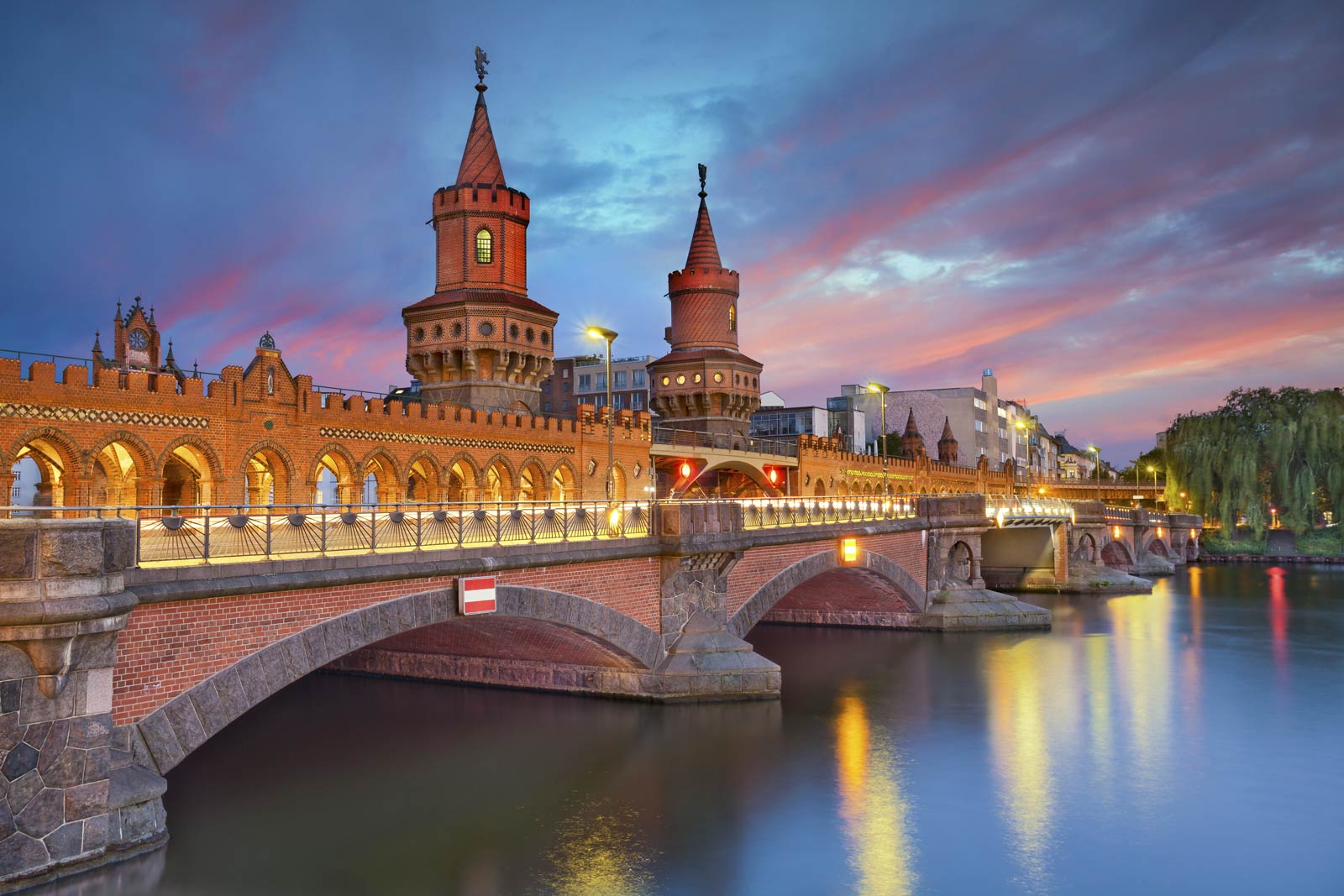
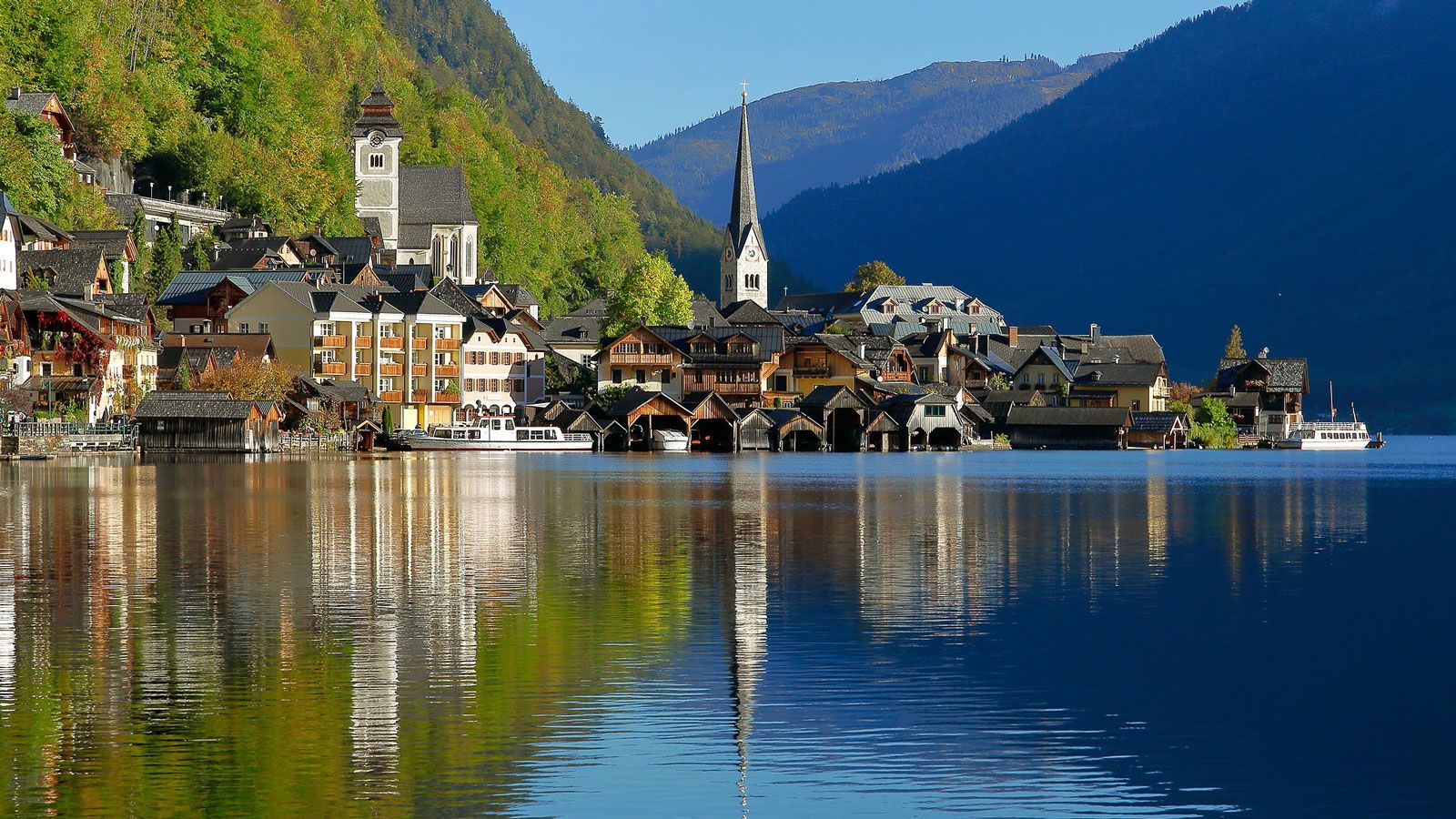
⚡ The TL;DR Verdict
Berlin is your go-to for raw history, unparalleled nightlife, and an artsy, rebellious spirit on a mid-range budget (€80-120/day). Vienna offers refined elegance, classical music, stunning imperial architecture, and a slower pace, slightly pricier but worth it for the cultural immersion (€100-150/day).
- Choose Berlin: If you crave cutting-edge art, legendary techno clubs, affordable eats, and a city constantly reinventing itself, Berlin is your playground. Ideal for solo travelers, groups of friends, and those interested in 20th-century history.
- Choose Vienna: For a sophisticated escape filled with opera, grand palaces, cozy coffeehouses, and a deep dive into European imperial history, Vienna shines. Perfect for couples, culture enthusiasts, and anyone seeking a more polished, romantic experience.
- Choose Both: If you have 8-10 days, combining both is fantastic. Fly into one, take an overnight train or budget flight to the other. Start with Berlin's energy, then unwind in Vienna's elegance, or vice-versa for a contrasting Euro experience.
Quick Comparison
| Category | Berlin | Vienna | Winner |
|---|---|---|---|
| Culture & History | Raw, impactful 20th-century history; modern art and street art; diverse museums. | Imperial grandeur; classical music, opera, ballet; grand palaces and art collections. | Tie |
| Nightlife & Entertainment | World-famous techno clubs, diverse bars, underground scene, open-all-night culture. | Elegant bars, classical concerts, opera, wine taverns (Heuriger), more subdued. | Berlin |
| Food & Drink | International street food, affordable eats, currywurst, döner kebabs, craft beer scene. | Classic Viennese cuisine, coffeehouse culture, Sachertorte, Wiener Schnitzel, fine dining. | Vienna |
| Costs & Budget | Generally more affordable, especially for food, drinks, and budget accommodation. | Slightly higher costs across the board, particularly for dining and luxury experiences. | Berlin |
| Getting There & Around | Major international airport (BER), excellent public transport (U-Bahn, S-Bahn, tram). | Major international airport (VIE), excellent public transport (U-Bahn, tram, bus). | Tie |
| Accommodation | Wide range of hostels, boutique hotels, trendy apartments; generally more affordable. | Elegant hotels, grander historic properties, slightly higher prices. | Berlin |
| Day Trips | Potsdam (Sanssouci Palace), Spreewald, Dresden, Leipzig, Sachsenhausen Memorial. | Wachau Valley, Bratislava (Slovakia), Budapest (Hungary), Salzburg, Melk Abbey. | Vienna |
| Atmosphere & Vibe | Edgy, alternative, creative, rebellious, multicultural, 'poor but sexy'. | Elegant, refined, sophisticated, grand, traditional, classical, charming. | Vienna |
| Safety | Generally safe, but be aware of pickpocketing in tourist areas and late-night transport. | Very safe, low crime rates, comfortable for solo travelers even at night. | Vienna |
| Shopping | Trendy boutiques, vintage stores, unique concept shops, flea markets, department stores. | Luxury brands, traditional artisan goods, elegant department stores, classical souvenirs. | Berlin |
🏛️ Culture & History
This is tough, as both excel but in completely different ways. Berlin's history is raw, visible, and often harrowing, focusing heavily on WWII and the Cold War. You'll spend days at Museum Island, the Brandenburg Gate, Reichstag, and sobering sites like the Memorial to the Murdered Jews of Europe or the Topography of Terror. The East Side Gallery is a powerful artistic and historical statement. Vienna, on the other hand, is a journey into imperial splendor. Think Habsburgs, Schönbrunn Palace, the Hofburg, and the Belvedere with Klimt's 'The Kiss.' Classical music is in its DNA, with the State Opera offering standing tickets for as little as €5-10 ($5.50-11). Museum entry averages €10-18 ($11-20) in both cities, but Vienna's scale feels grander. A Reddit user put it well: "Berlin is where history punches you in the gut, Vienna is where it waltzes you through a palace."
Winner takeaway
- Winner: Tie
- Why: Both offer incredibly rich, distinct historical and cultural experiences; it depends entirely on your preference.
- Who this matters for: Anyone deeply interested in history or art.
🌃 Nightlife & Entertainment
Berlin is undeniably the global king of nightlife, particularly if you're into electronic music. Clubs like Berghain/Panorama Bar, Sisyphos, and Tresor are legendary, with entrance typically costing €15-25 ($16-27). Beyond techno, you'll find countless dive bars in Neukölln, trendy cocktail spots in Mitte, and an anything-goes attitude. Pre-drinks at a Späti (late-night shop) with a €2 ($2.20) beer is common. Vienna's nightlife is much more refined. It revolves around classical music performances at the Vienna State Opera, Musikverein, or Volksoper, where a good seat can run €50-200 ($55-220). There are elegant cocktail bars like Loos American Bar or cozy traditional Heuriger (wine taverns) on the outskirts. "Berlin's clubs are an experience, Vienna's night is about a good meal and a show," as one traveler mentioned. If you're looking to dance until noon, Berlin wins hands down.
Winner takeaway
- Winner: Berlin
- Why: Berlin's club scene is unparalleled globally, offering a vast array of unique and intense nightlife experiences.
- Who this matters for: Young travelers, party-goers, electronic music fans, or anyone wanting a truly unique night out.
🍔 Food & Drink
Vienna takes the crown for its iconic, refined culinary traditions and unparalleled coffeehouse culture. You simply cannot visit Vienna without indulging in a Wiener Schnitzel, famously done at Figlmüller (€20-25 / $22-27), or a slice of Sachertorte at Hotel Sacher (€8-10 / $9-11). The Kaffeehaus culture (e.g., Café Central, Demel) is a UNESCO Intangible Cultural Heritage, offering a timeless experience with prices for coffee and cake around €7-12 ($8-13). Berlin offers incredible international diversity, from the best döner kebabs outside Turkey (around €5-7 / $5.50-8) to vegan eateries and upscale fusion. Currywurst is a must-try street food (€3-4 / $3.30-4.40). While Berlin's food is exciting and diverse, Vienna's traditional cuisine and café scene provide a more distinct and memorable culinary identity. As a local said, "Berlin has great food *from everywhere*, but Vienna *is* its food."
Winner takeaway
- Winner: Vienna
- Why: Vienna's traditional cuisine and world-renowned coffeehouse culture offer a more distinct and iconic gastronomic experience.
- Who this matters for: Foodies, dessert lovers, those seeking iconic regional dishes, and anyone who appreciates a good coffee break.
💰 Costs & Budget
Berlin is famously one of the more budget-friendly capital cities in Western Europe. You can easily find a fantastic meal for under €15 ($16), a beer for €3-4 ($3.30-4.40), and public transport is efficient and relatively cheap (single ticket €3 / $3.30). Hostels average €25-45 ($27-50) per night, and mid-range hotels €80-120 ($88-132). Vienna is noticeably pricier, though still manageable. A comparable meal might be €20-30 ($22-33), and drinks are generally a euro or two more expensive. Public transport is similar (€2.40 / $2.60 for a single ticket), but attractions can add up. Hostels are €30-55 ($33-60), and mid-range hotels €100-150 ($110-165). While both offer free attractions, "My euro stretches so much further in Berlin, especially for nights out," noted a Reddit user, which rings true. Berlin simply offers more bang for your buck, making it easier to stick to a tighter budget.
Winner takeaway
- Winner: Berlin
- Why: Berlin consistently offers better value for money across accommodation, food, drinks, and entertainment.
- Who this matters for: Budget travelers, backpackers, students, and anyone looking to maximize their travel funds.
✈️ Getting There & Around
Both cities are incredibly well-connected and easy to navigate. Berlin Brandenburg Airport (BER) serves numerous international flights, and Vienna International Airport (VIE) is equally efficient. From North America, a flight to either city will typically take 8-10 hours, with a layover, costing anywhere from $600-1000+. Within the cities, public transport is a dream. Berlin boasts an extensive network of U-Bahn (subway), S-Bahn (overground train), trams, and buses. A 24-hour ticket is €8.80 ($9.60). Vienna's U-Bahn, tram, and bus system is just as comprehensive and reliable, with a 24-hour ticket at €8 ($8.80). Both are walkable, especially in their central districts, and cycling is popular. "Honestly, you can't go wrong with public transit in either city, both are incredibly efficient," perfectly sums it up. No real advantage for either.
Winner takeaway
- Winner: Tie
- Why: Both cities offer superb international connectivity and highly efficient, user-friendly public transportation systems.
- Who this matters for: All travelers, as ease of transport impacts everyone.
🛌 Accommodation
Berlin offers a broader and generally more affordable range of accommodation options, catering to every budget and style. You'll find countless hip hostels like Generator Berlin Mitte (€30-50 / $33-55 for a dorm) and stylish, independent boutique hotels in areas like Prenzlauer Berg or Kreuzberg (€80-150 / $88-165). Even upscale hotels can be found at more competitive prices than in Vienna. Vienna leans towards more traditional, elegant hotels, reflecting its imperial past. While there are budget options and hostels (€35-60 / $38-66 for a dorm), the mid-range to luxury market is dominated by grander, often historic properties like Hotel Sacher or Hotel Imperial, which come with a higher price tag (€120-250+ / $132-275+). "Finding a cool, affordable place in Berlin is easy, Vienna felt a bit more formal and pricier," as one Redditor shared. Berlin wins for sheer variety and value.
Winner takeaway
- Winner: Berlin
- Why: Berlin provides a more diverse range of accommodation, particularly in the budget and mid-range categories, often at better price points.
- Who this matters for: Budget-conscious travelers, backpackers, solo travelers, and those seeking unique, trendy stays.
🚗 Day Trips
Vienna offers a more diverse and easily accessible array of truly spectacular day trips, many with cross-border appeal. The Wachau Valley, a UNESCO World Heritage site known for its vineyards and charming towns like Dürnstein, is an easy train ride away. Melk Abbey is another stunning historical site. For something more adventurous, you can reach Bratislava, Slovakia, in just an hour by train (€15-20 / $16-22 return) or even Budapest, Hungary, in about 2.5 hours. Berlin's day trip options are strong but perhaps less varied. Potsdam, with its magnificent Sanssouci Palace, is a must-do and very close. Sachsenhausen Concentration Camp Memorial is a powerful and essential historical visit. Dresden and Leipzig are also popular but require a longer train journey (1.5-2 hours). "The ability to hop over to another country for lunch from Vienna is unbeatable," a traveler noted. Vienna's proximity to other major European highlights gives it an edge here.
Winner takeaway
- Winner: Vienna
- Why: Vienna's location provides easier access to a wider variety of compelling day trips, including cross-border options.
- Who this matters for: Travelers who enjoy exploring beyond the main city, history buffs, and wine enthusiasts.
✨ Atmosphere & Vibe
This is entirely subjective, but Vienna's pervasive atmosphere of refined elegance and classical charm creates a unique, almost timeless experience. It feels grand, polished, and serene, perfect for leisurely strolls and soaking in history. From the imperial palaces to the ornate coffeehouses, there's a consistent aesthetic of old-world sophistication. Berlin, on the other hand, is edgy, raw, and constantly evolving. It's a city of contrasts: historic landmarks alongside street art, industrial spaces repurposed into art galleries, and a general sense of creative chaos. It’s multicultural and vibrant, but perhaps less 'pretty' in a classical sense. "Vienna felt like a living museum, while Berlin felt like a canvas for the future," is how one traveler eloquently put it. While Berlin's energy is infectious, Vienna's consistent, elegant vibe is more universally appealing for a 'vacation' feel.
Winner takeaway
- Winner: Vienna
- Why: Vienna's consistent atmosphere of imperial elegance and classical charm creates a uniquely sophisticated and relaxing travel experience.
- Who this matters for: Those seeking a refined, beautiful, and historically grand ambiance for their trip.
🚨 Safety
Vienna consistently ranks among the safest cities in the world, and this translates directly to a very comfortable travel experience. Serious crime is rare, and even petty crime like pickpocketing is less prevalent than in many other European capitals. You feel safe walking alone at night, even in less central areas. Berlin is also generally very safe, especially in well-trafficked areas and during the day. However, like any large, vibrant city, it has its issues. Pickpocketing can be common in crowded tourist spots (e.g., Alexanderplatz, Brandenburg Gate) and on public transport. "I felt completely secure walking around Vienna alone at 2 AM, something I'd hesitate to do in parts of Berlin," a solo female traveler shared. While both are safe, Vienna just feels a notch more secure and serene.
Winner takeaway
- Winner: Vienna
- Why: Vienna consistently ranks as one of the safest major cities globally, offering a palpable sense of security for travelers.
- Who this matters for: Solo travelers, families, and anyone prioritizing peace of mind and low-stress exploration.
🛍️ Shopping
Berlin offers a more dynamic and interesting shopping experience, especially for those looking for unique finds and independent labels. Areas like Mitte, Prenzlauer Berg, and Kreuzberg are brimming with cool boutiques, vintage stores, and concept shops. The Mauerpark Flea Market on Sundays is legendary for everything from antiques to local art and street food. Major department stores like KaDeWe offer luxury, but the real charm is in the independent scene. Vienna leans towards high-end luxury on streets like Kohlmarkt and Graben, with international brands and designer boutiques. You'll also find traditional artisan crafts, exquisite crystal, and classical music-themed souvenirs. While Vienna has elegant shopping, Berlin's diverse, often quirky, and more affordable options make it more appealing for general travelers. "I found so many unique fashion pieces and cool art in Berlin, Vienna was mostly big brands I could find anywhere," a shopper commented.
Winner takeaway
- Winner: Berlin
- Why: Berlin's vibrant independent boutique scene, vintage shops, and popular flea markets offer a more unique and diverse shopping experience.
- Who this matters for: Fashion enthusiasts, vintage hunters, souvenir collectors, and those looking for unique local products.
❓ Frequently Asked Questions
Which city is better for a solo female traveler?
Both cities are generally safe for solo female travelers. Vienna edges out Berlin slightly due to its consistently lower crime rates and a more pervasive feeling of safety, even at night. Berlin is safe during the day, but being aware of your surroundings in certain areas or late at night is advisable, as with any large city.
Is English widely spoken in Berlin and Vienna?
Yes, in both Berlin and Vienna, English is widely spoken, especially in tourist areas, hotels, restaurants, and by younger generations. You'll have no trouble getting by with English. Learning a few basic German phrases like 'hello' (Guten Tag) and 'thank you' (Danke) is always appreciated.
Which city has better public transportation?
Both Berlin and Vienna boast exceptionally efficient, clean, and extensive public transportation networks (U-Bahn, S-Bahn/tram, buses). They are equally excellent, making it incredibly easy and convenient to get around without a car in either city. You can't go wrong with either.
Which city is better for art lovers?
It depends on your art preference. Berlin excels in contemporary art, street art, and impactful 20th-century history museums (e.g., Museum Island, East Side Gallery). Vienna shines with classical art, imperial collections (e.g., Klimt at Belvedere, Old Masters at Kunsthistorisches Museum), and architecture. Both are world-class art destinations.
Can I combine Berlin and Vienna in one trip?
Absolutely! Combining Berlin and Vienna is a fantastic idea for a diverse Central European experience. You can take a direct train, which takes about 8-9 hours, or a budget flight (e.g., Ryanair, EasyJet) between the two cities in about 1.5 hours. Allow at least 4-5 days for each city.
Which city is better for families with children?
Vienna generally offers a more family-friendly atmosphere with numerous parks (e.g., Prater), interactive museums (e.g., Zoom Children's Museum), and a relaxed pace. Berlin also has family attractions (e.g., Tiergarten, Legoland Discovery Centre) but its edgier vibe might appeal more to older teens than young children.
What's the best time of year to visit Berlin vs. Vienna?
Both cities are lovely in late spring (April-May) and early autumn (September-October) with pleasant weather and fewer crowds. Summer (June-August) is popular but can be hot. Winter (December) is magical for Christmas markets in both, but also cold. Vienna's classical concerts are year-round.
Is one city more walkable than the other?
Both cities are very walkable within their central districts. Vienna's city center feels more compact and easily traversable on foot, especially around the Ringstrasse. Berlin is more sprawling, so while individual neighborhoods are walkable, you'll rely more on public transport to cover longer distances between attractions.
Ready to plan your Central Europe trip?
Get a free custom itinerary for Berlin, Vienna, or both — built from real traveler insights.
🎟️ Book Tours & Experiences
Hand-picked tours and activities for both destinations — book with free cancellation
Experiences via Viator — free cancellation on most tours